✅ Transport: Comfortable round-trip travel from Delhi to Delhi via Tempo Traveller, SUV, or Sedan (as per group size).
✅ Stay at Ransi: 1-Night stay in a cosy Homestay or Hotel in Ransi Village (the base of the trek).
✅ Stay at Madmaheshwar: 1-Night stay in Camps or Homestays near the Temple (Multiple sharing to experience local culture).
✅ Meals: Total 4 Meals included (2 Breakfasts & 2 Dinners) served fresh during your stay.
✅ Expert Leadership: Led by an Experienced Trip Captain who specialises in high-altitude Himalayan trekking.
✅ Guided Exploration: Complete local sightseeing, including the trek to the main temple and Buda Madhyamaheshwar.
✅ Support Team: 24/7 on-ground assistance from our coordinators and local crew.
❌ Local Taxi Charges: Any Union Taxi charges (required for certain stretches in Uttarakhand) are extra and payable on the spot.
❌ Personal Expenses: Laundry, phone calls, tips, and any shopping or snacks during the journey.
❌ Extra Meals: Lunch is not included. Any drinks (mineral water, cold drinks) or snacks are extra.
❌ Entry & Forest Fees: Any mandatory Forest Department entry tickets or temple permits are not covered.
❌ Snow/Adventure Activities: Any activities not mentioned in the itinerary (like 4x4 snow rides if applicable).
❌ Hot Water: Facilities like Hot Water/Geyser are not guaranteed in remote mountain stays (available at extra cost).
❌ Taxes: 5% GST is applicable on the total booking amount.
❌ Insurance: Personal Travel/Medical Insurance is not included in the package.
❌ Others: Anything not specifically mentioned in the "Inclusions" section above.
Why is Madmaheshwar Temple important in the Panch Kedar circuit?
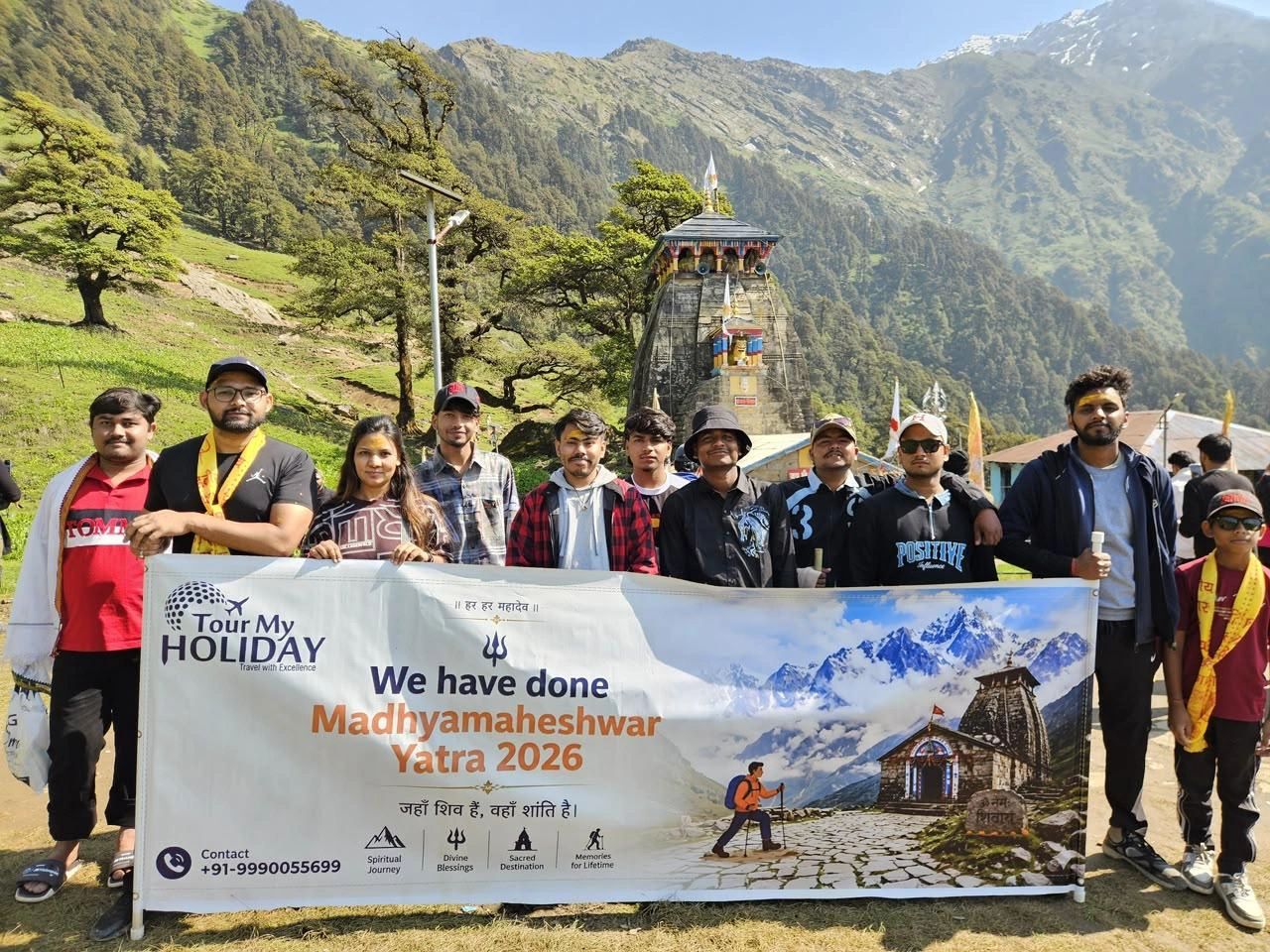
Madmaheshwar (also known as Madhyamaheshwar) is the second temple in the Panch Kedar pilgrimage. Lord Shiva is worshipped here in the form of his navel (Madhya). According to legend, the Pandavas built this temple to seek forgiveness, making it a deeply spiritual destination for devotees.
How difficult is the Madmaheshwar trek?
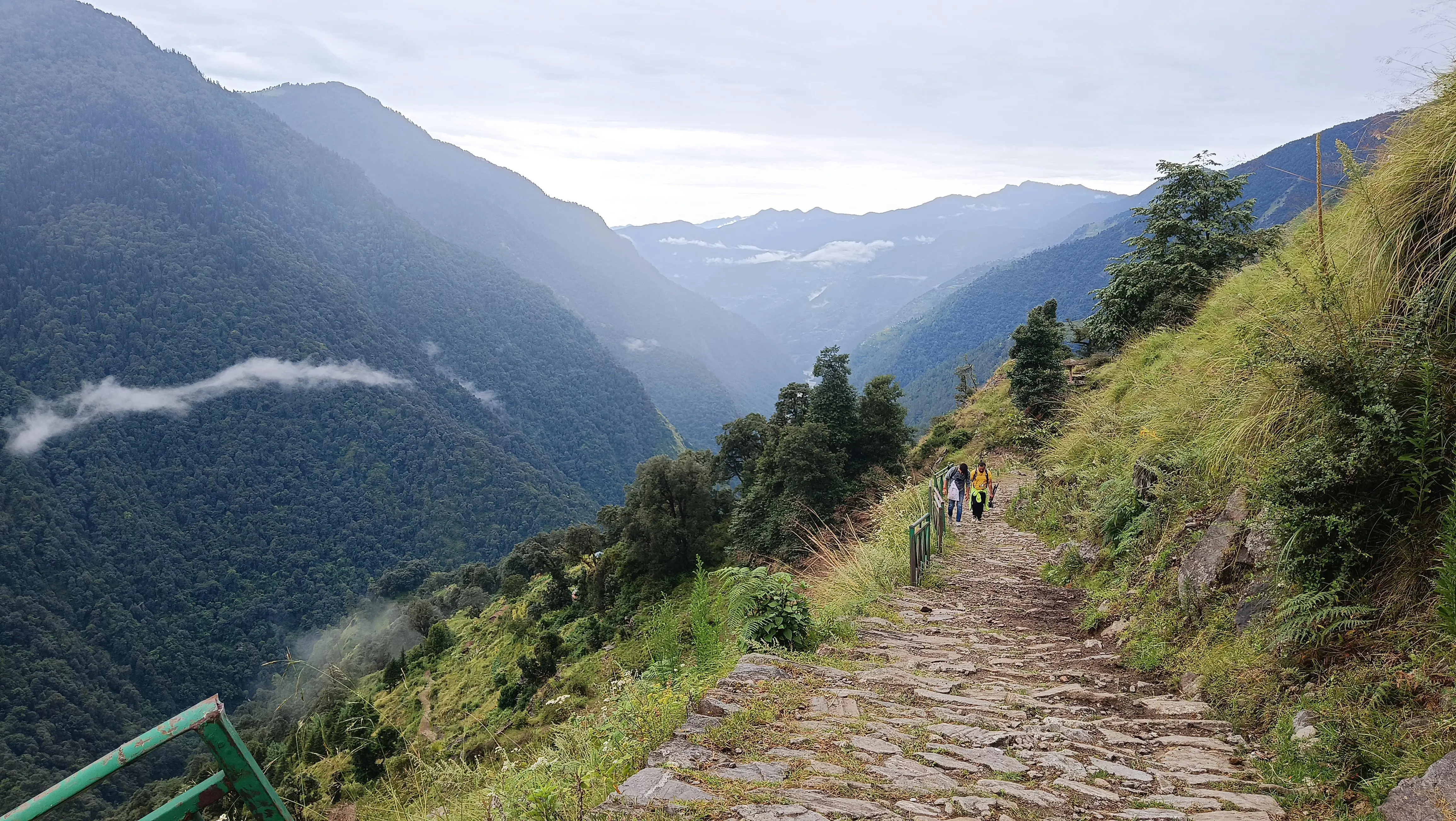
The Madmaheshwar trek is graded as moderate. It covers approximately 16–18 km from Ransi village and passes through forests, meadows, and mountain villages. The trail includes a steep ascent after Bantoli but is suitable for fit beginners with basic trekking experience.
Is it safe to travel solo to Madmaheshwar?
Yes, the trail is generally safe and well-marked. However, due to limited mobile connectivity and remote terrain, solo travellers—especially first-timers—are advised to trek with a group or certified local guide.
When is the best time to visit Madmaheshwar Temple?
The best time to visit Madmaheshwar is:
- May to June – pleasant weather and lush greenery
- September to October – clear mountain views and autumn colours
The temple remains closed from November to April due to heavy snowfall.
What makes Buda Madmaheshwar a must-visit?
Buda Madmaheshwar, located around 2 km above the main temple, is a high-altitude alpine meadow with small water ponds. It offers breathtaking 360-degree views of Chaukhamba, Kedarnath, and Neelkanth peaks, making it a perfect spot for sunrise views and photography.
Is a mobile network or an ATM available on the Madmaheshwar trek?
Mobile connectivity is very limited:
- Jio & Airtel work sporadically till Ransi
- BSNL works occasionally near the temple
There are no ATMs after Ukhimath, so travellers should carry enough cash for local expenses.
Is the Madmaheshwar trek safe for solo and female travellers?
Yes, the trek is considered safe, and locals are welcoming. However, due to the remote location within Kedarnath Wildlife Sanctuary and limited network coverage, we strongly recommend trekking with a group or guide for safety and coordination.
What kind of accommodation is available during the trek?
Accommodation options are basic but comfortable, including:
- Traditional Himalayan homestays
- Simple guest houses near Ransi, Gaundhar, and the temple
Facilities are clean and cosy, but luxury amenities are not available.
Are toilets available on the Madmaheshwar trek route?
Basic dry toilets are available at homestays and base villages. On the trekking trail, facilities are limited to tea stalls. Travellers are advised to plan accordingly and follow Leave No Trace principles.
Can I hire a pony or porter for the Madmaheshwar trek?
Yes, ponies and porters are available at Ransi village. During peak season (May–June), availability can be limited, so booking is recommended.
The Madhyamaheshwar Trek (also spelt Madmaheshwar or Madhyamaheshwar) is one of the most spiritually enriching and visually stunning journeys in the Garhwal Himalayas of Uttarakhand, India. As the second temple in the sacred Panch Kedar circuit (after Kedarnath), it holds profound religious significance for devotees of Lord Shiva.
According to Hindu mythology, as recounted in the Mahabharata, after the Kurukshetra War, the Pandavas sought forgiveness from Shiva, who disguised himself as a bull and disappeared into the ground. His body parts emerged at five locations: the navel (madhya or nabhi) appeared at Madhyamaheshwar, giving the temple its name. The Pandavas built the shrine here to atone for their sins.
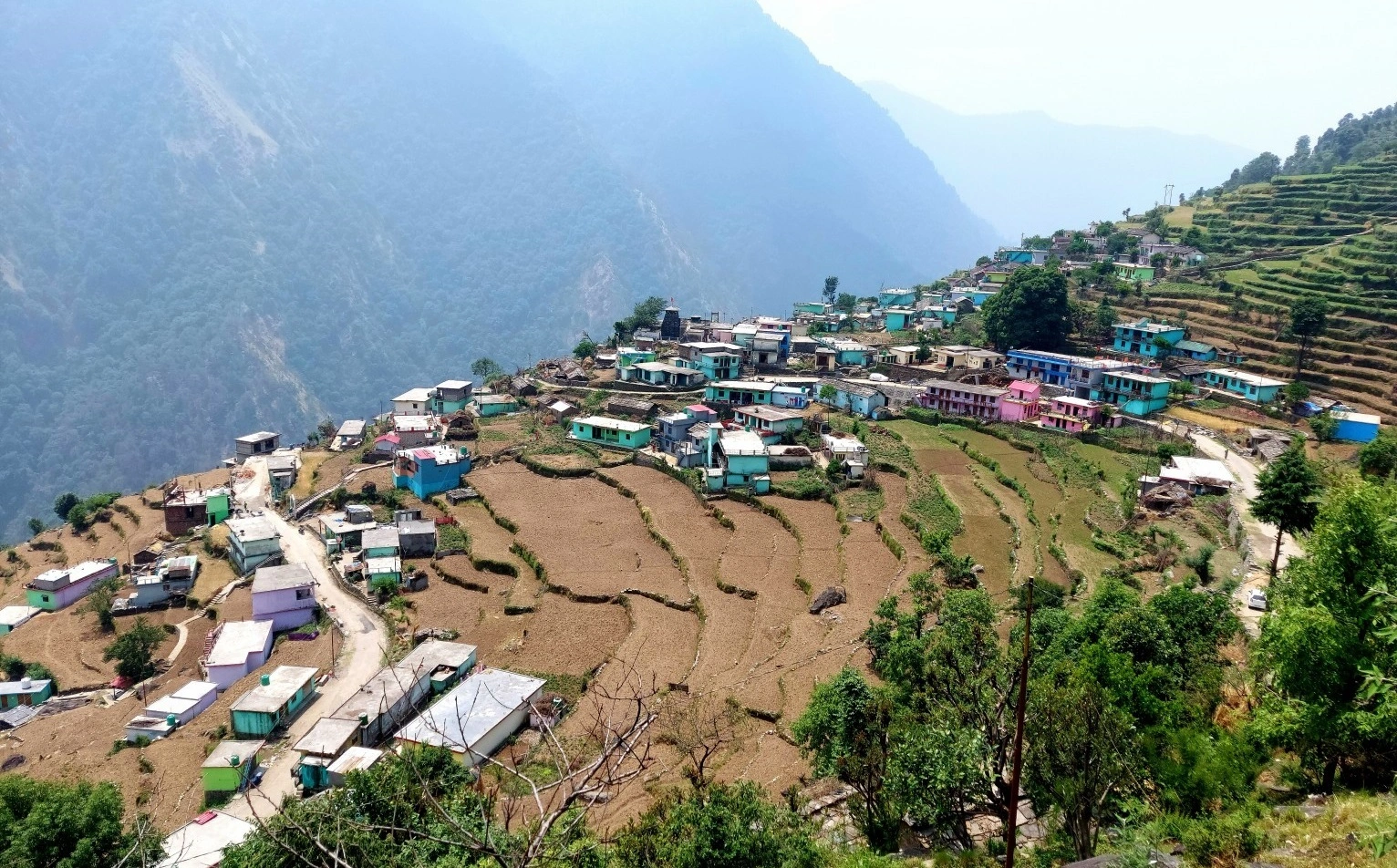
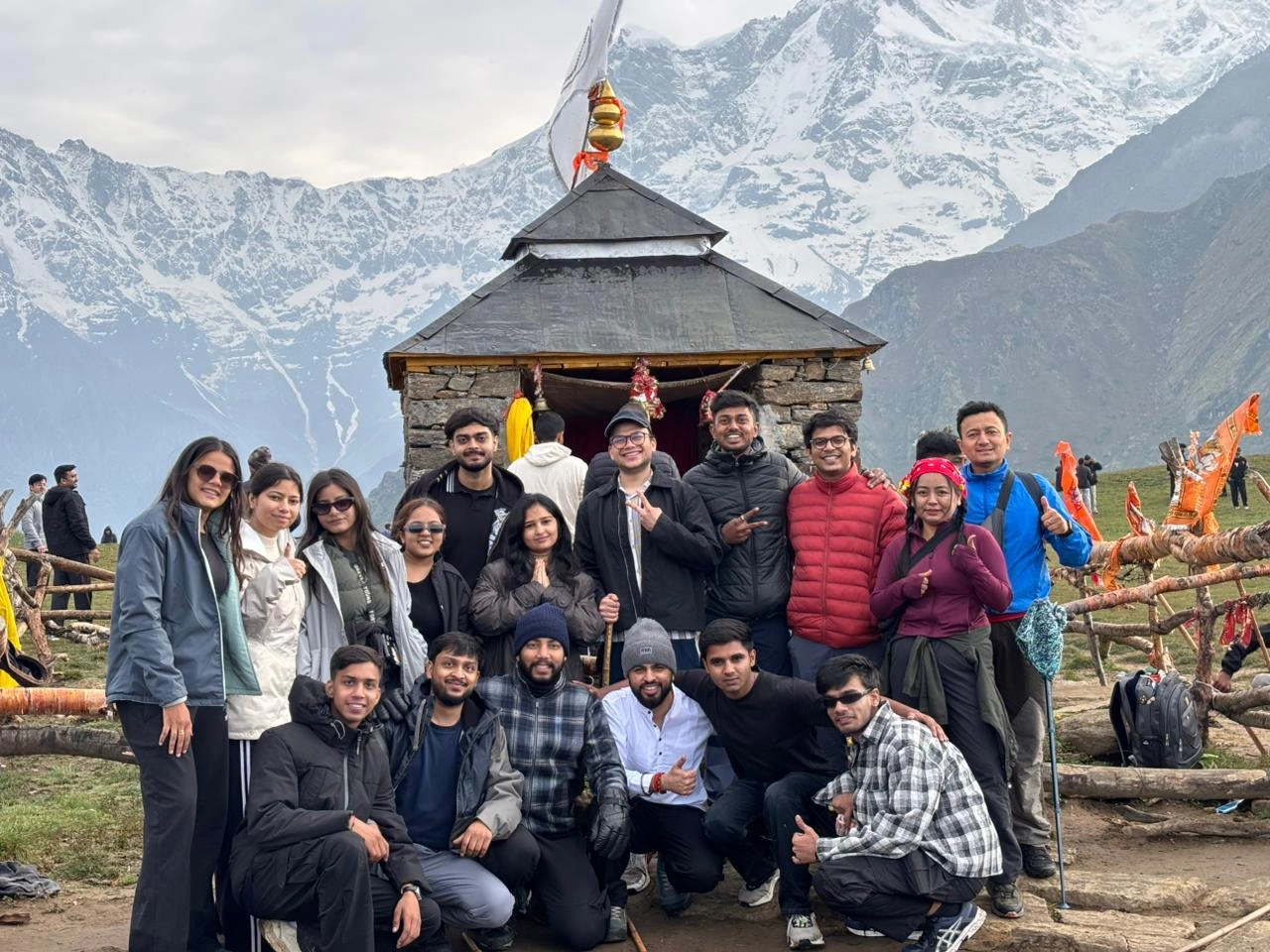
Located at an altitude of approximately 3,497 meters (11,473 feet) in the Rudraprayag district, the temple is surrounded by alpine meadows, dense coniferous forests, cascading streams, and panoramic views of majestic peaks like Chaukhamba, Kedarnath, Neelkanth, Trishul, and others. The trek is a perfect blend of pilgrimage, adventure, and nature, passing through quaint Himalayan villages, terraced fields, and the Kedarnath Wildlife Sanctuary, where you might spot Himalayan monals, barking deer, langurs, or even rare musk deer.
Trek Overview and Difficulty
The full round-trip trek covers about 32 km (16–18 km one way) and is typically completed in 3–5 days, depending on pace and acclimatisation. It starts from Ransi village (or nearby Uniana/Gaundhar), the last motorable point near Ukhimath.
- Difficulty: Moderate (suitable for beginners with good fitness; not technical but involves steep ascents, especially on Day 2).
- Total elevation gain: Around 5,000–6,000 feet over the journey.
- The best times to trek are May–June (after the opening, with pleasant weather) and September–October (with clear skies and vibrant post-monsoon views). Avoid monsoons (landslides) and winters (closed, heavy snow).
Tips for a Safe and Memorable Trek
- Fitness prep: Build stamina with walking/hiking; the steep climb from Bantoli tests endurance.
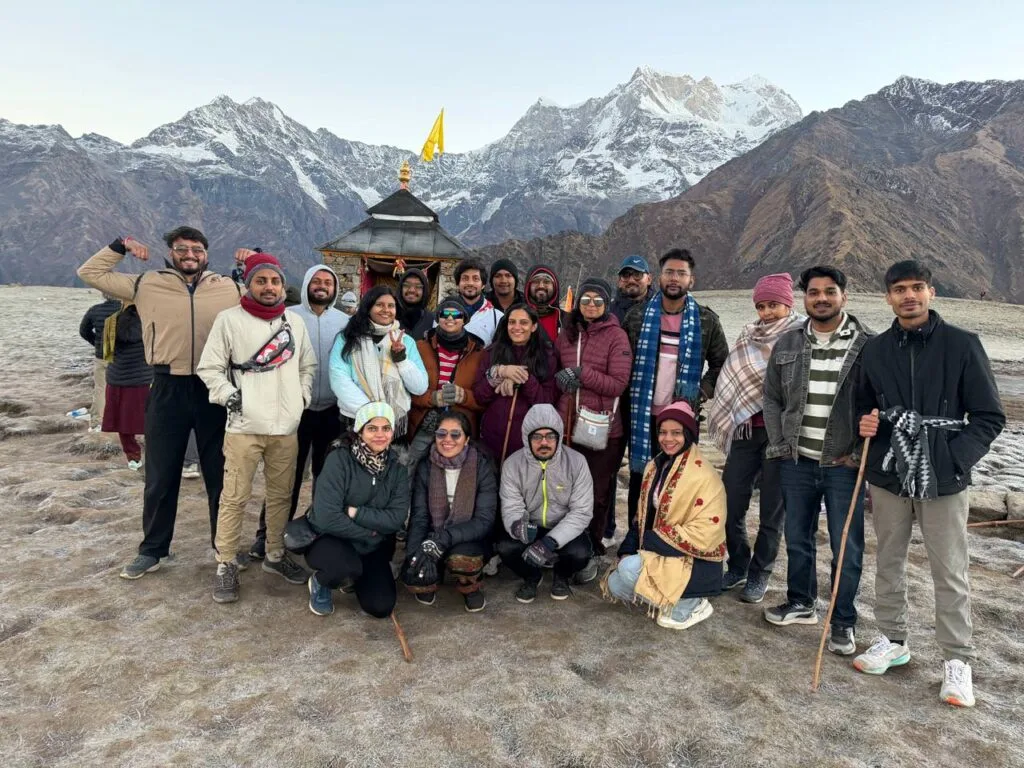
- What to carry: Trekking shoes, warm layers (nights are cold even in summer), rain gear, sunscreen, first-aid kit, water bottles, energy snacks, and trekking poles for support.
- Accommodation & Food: Basic homestays/guesthouses (clean but simple); carry cash as ATMs are limited. Local Garhwali meals (rice, dal, veggies) are delicious.
- Permits & Guides: No special permits needed, but hire a local guide/porter/mule for heavy loads or safety in the wildlife sanctuary.
- Altitude precautions: Acclimatise properly to avoid AMS (headache, nausea); ascend slowly.
- Eco tips: Respect nature — no littering; follow "leave no trace" principles.
This trek isn't just about reaching a temple; it's a soul-stirring experience where spirituality meets the raw beauty of the Himalayas. From peaceful village trails to breathtaking peak vistas at Buda Madhyamaheshwar, every step feels blessed.
Deeper Mythology and Lesser-Known Legends
The core legend ties to the Mahabharata: After the Kurukshetra war, the Pandavas sought Lord Shiva's forgiveness for their sins (fratricide and brahminicide). Shiva, still angered, disguised himself as a bull (Nandi) to evade them. Bhima, the mighty second Pandava, recognised him and grabbed the bull's tail and hind legs in a fierce tug-of-war. The bull disappeared into the ground, reappearing in five parts across the Garhwal region — forming the Panch Kedar temples.
A sixth part is said to have appeared at Pashupatinath in Nepal. The temple here specifically worships Shiva in the form of a navel-shaped black stone lingam (self-manifested). Interestingly, locals sometimes call it Madmaheshwar, meaning "the drunken god" — a playful nod to Shiva's ecstatic nature!
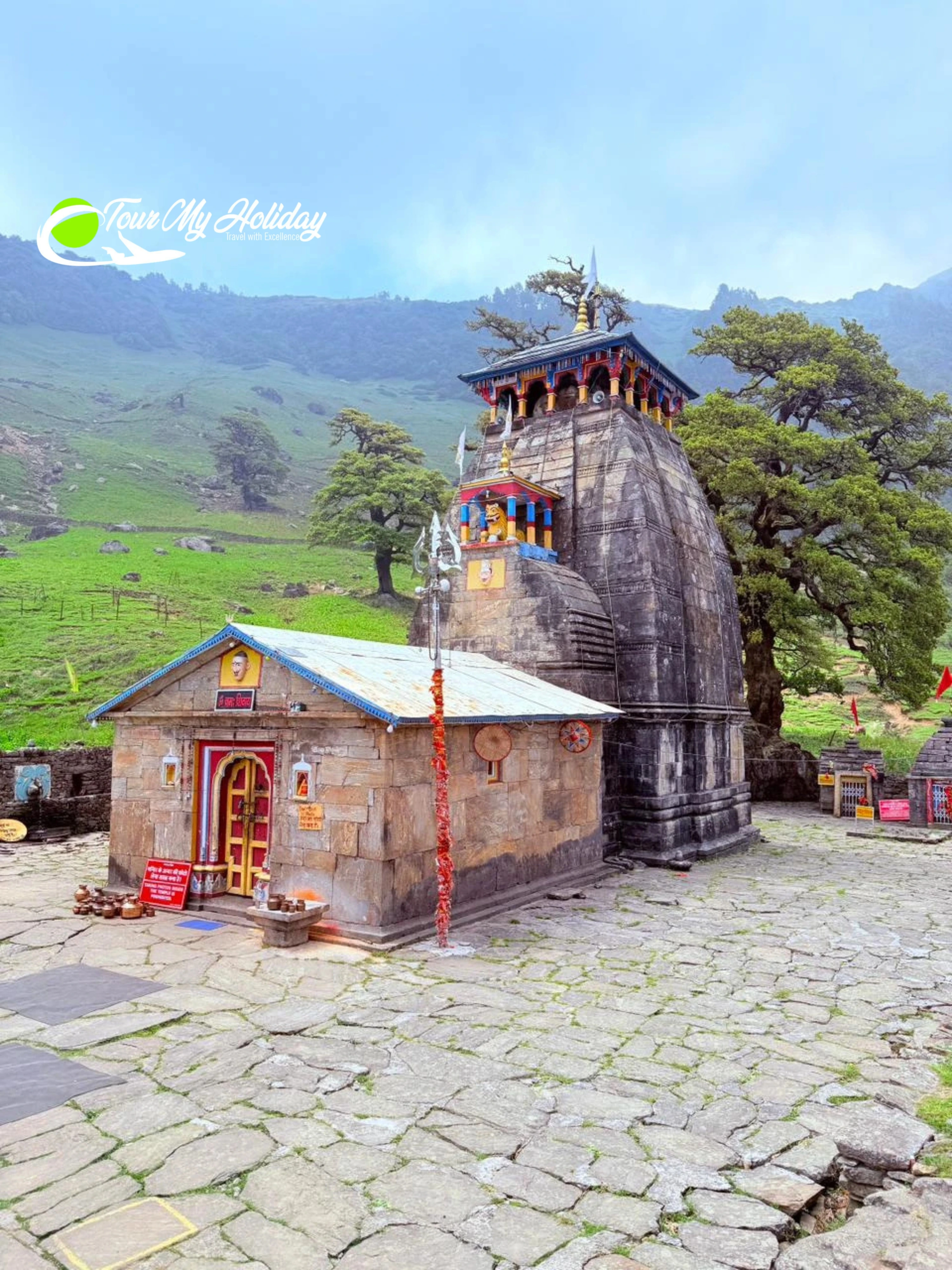
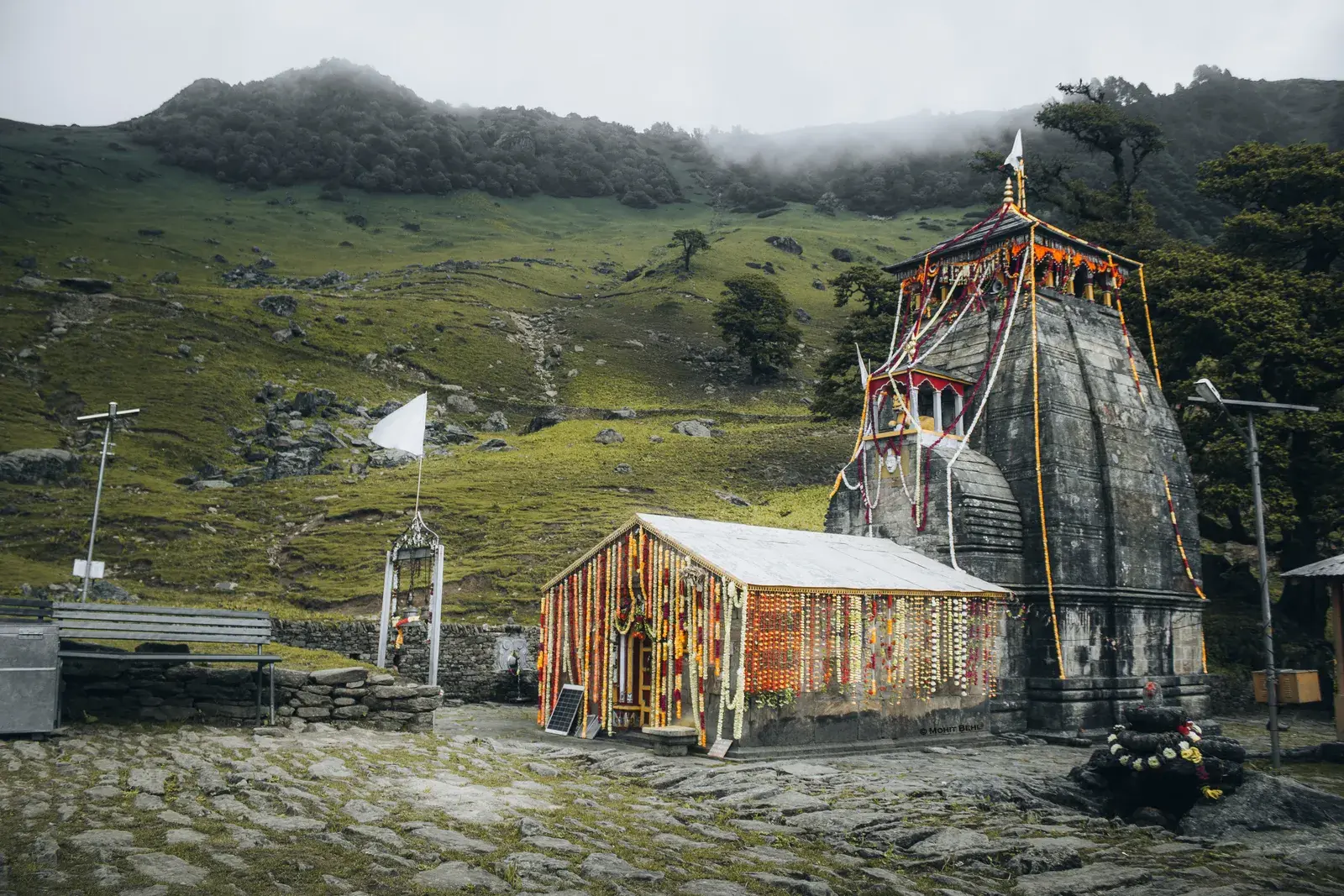
The temple is believed to have been built by the Pandavas themselves (legend says it is over 1,000 years old), in classic North Indian Himalayan architecture, with stone walls and intricate wooden carvings. Inside, besides the main lingam, there are small shrines for Parvati, Ardhanarishvara (half-Shiva, half-Parvati form symbolising divine union), and even a marble idol of Goddess Saraswati.
If you want to go to Madmaheshwar, then book our package now
Unique Features and Spiritual Vibes
The evening aarti at the madmaheshwar temple is magical — villagers from surrounding hamlets gather, creating a powerful sense of community and positive energy with bells, chants, and synchronised devotion. Many describe it as deeply uplifting.
A small but significant detail: The temple lies within the Kedarnath Wildlife Sanctuary, so the trek doubles as a nature walk where you might spot Himalayan monal (pheasant), musk deer, langurs, or barking deer amid rhododendron, oak, and conifer forests.
- Buda Madhyamaheshwar (or Budha Madmaheshwar): A short, steep 2 km (about 1-hour) hike above the main temple to a higher meadow with twin ponds. It's famous for one of the most spectacular sunrise views over the Chaukhamba massif — golden light flooding the peaks is unforgettable!
- Kanchani Tal: A challenging 6 km extension from the temple to a high-altitude glacial lake (around 4,200 m). Only for experienced trekkers — graded difficult with stunning alpine scenery.
- Other extensions: Nandikund and Pandusera for more remote adventures.
- Nearby villages like Gaundhar, Bantoli, Khatara, and Nanu offer glimpses of authentic Garhwali life, terraced fields, and warm hospitality.
Nearby Attractions
Extend your trip with these spots (most within 1–2 days' drive/trek from Ukhimath/Ransi):
Trek Altitude & Distance Profile
To help you pace your journey, here is the stage-wise breakdown of the trek:
- Ransi (1,980m) to Gaundhar (1,370m): 9 km | Easy descent through forests.
- Gaundhar to Nanu (2,500m): 5 km | Steep ascent; the most tiring part of the day.
- Nanu to Madmaheshwar Temple (3,497m): 6 km | Moderate ascent with opening views of the meadows.
- Temple to Buda Madmaheshwar (3,750m): 2 km | Short, steep hike for the best 360° Himalayan views.
Network, Electricity & Facilities
- Mobile Connectivity: Signals are strong up to Ukhimath. Beyond Ransi, expect zero network (except occasional BSNL spots). We recommend finishing all important calls before you start the trek.
- Electricity: Homestays at the temple rely on solar power. Charging your phone or camera may cost extra (Rs50-100), and it is highly recommended to carry a 20,000mAh power bank.
- Atm/Cash: The last reliable ATM is in Ukhimath. Carry enough cash for local expenses, as digital payments won't work due to poor internet.
Weekly Fitness Plan (Prepare in 4 Weeks)
Madmaheshwar is a steep ascent trek. If you are a beginner, follow this:
- Week 1: 3 km brisk walking daily.
- Week 2: 5 km jogging + 10-15 minutes of basic stretching.
- Week 3: Stair climbing (15-20 floors) with a 5kg backpack to simulate the Bantoli-to-Temple climb.
- Week 4: Focus on leg strength (squats and lunges) and rest 2 days before the trip.
Registration & Permits for 2026
This trek blends divine spirituality with raw Himalayan adventure — plan for 2026 and experience the magic! Safe travels!