
Bantoli Village
Published on March 29, 2026
Bantoli Village Madmaheshwar Trek Guide
Bantoli Village is a beautiful Himalayan village located on the Madmaheshwar Trek route in the Rudraprayag district of Uttarakhand. Surrounded by dense forests, green valleys, and peaceful mountain landscapes, this village is one of the most important resting points for trekkers travelling towards the sacred Madmaheshwar Temple.
For travellers planning a Madmaheshwar Trek Package, Bantoli Village offers a unique experience of traditional Garhwali culture, local hospitality, and simple Himalayan village life. The peaceful environment, fresh mountain air, and beautiful surroundings make Bantoli Village a memorable part of the Madmaheshwar Yatra.
Location of Bantoli Village
Bantoli Village is located in Rudraprayag district of Uttarakhand and falls on the traditional trekking route towards Madmaheshwar Temple, one of the Panch Kedar temples.
The village is situated between Ransi Village, the starting point of the trek, and the higher Himalayan trail leading towards Madmaheshwar Temple. Due to its location, Bantoli Village works as an ideal stopover where trekkers can rest and prepare for the next section of their journey.
Travellers can also check important travel updates and regional information through the Uttarakhand Tourism Official Website before planning their Himalayan journey.
Bantoli Village on Madmaheshwar Trek Route
The Madmaheshwar Trek begins from Ransi Village. From Ransi, trekkers follow scenic mountain trails passing through forests, streams, and traditional Himalayan villages before reaching Bantoli Village.
The general trekking route is:
Ransi Village → Bantoli Village → Khatara → Madmaheshwar Temple
Bantoli Village is considered an important halt because it helps trekkers recover before continuing towards the challenging higher altitude sections of the trek.
To understand the complete journey, travellers can check our detailed Madhmaheshwar Tour guide Itinerary before starting the trek.
Distance from Ransi to Bantoli Village
The approximate distance from Ransi Village to Bantoli Village is around 13 km.
The trekking time usually depends on:
-
Weather conditions
-
Fitness level of trekkers
-
Trail conditions
-
Rest breaks during the journey
The route provides beautiful views of Himalayan forests, valleys, and mountain landscapes.
Homestay in Bantoli Village
Bantoli Village offers basic homestay facilities for trekkers visiting Madmaheshwar Temple. Staying at a local homestay allows travellers to experience authentic Garhwali culture, traditional food, and the simple lifestyle of Himalayan communities.
Unlike luxury hotels, homestays in Bantoli Village provide a natural mountain living experience where travellers can enjoy peaceful surroundings and warm hospitality from local families.
Facilities Available at Bantoli Village Homestays
-
Clean and basic rooms for trekkers
-
Traditional Garhwali meals
-
Tea and refreshments
-
Sleeping arrangements with blankets
-
Local guidance about trekking routes
-
Peaceful village atmosphere

Why Stay at a Homestay in Bantoli Village?
A homestay experience helps travellers:
-
Experience real Himalayan village life
-
Support local communities
-
Enjoy fresh homemade food
-
Learn about Garhwali traditions
-
Take proper rest during the trek
Since Bantoli Village is located in a remote Himalayan area, facilities are basic but comfortable. The beauty of these homestays lies in their simplicity, natural surroundings, and local hospitality.
Food Facilities in Bantoli Village
Trekkers can enjoy simple and fresh meals during their stay in Bantoli Village.
Common food options include:
-
Dal and rice
-
Roti and vegetables
-
Maggi
-
Tea and coffee
-
Local Garhwali meals
The food provided at village stays is prepared according to mountain conditions and gives trekkers the energy required for the upcoming trail.
Travellers should also carry personal snacks, dry fruits, and energy bars during the trek.
Why Visit Bantoli Village During Madmaheshwar Trek?
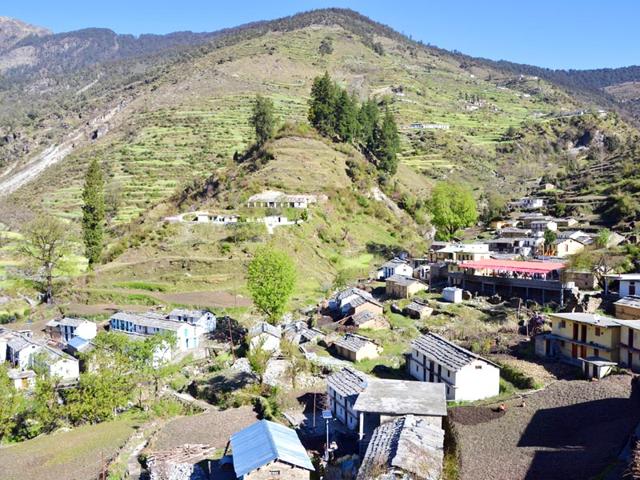
Bantoli Village is not only a resting point but also an opportunity to experience the peaceful lifestyle of the Himalayas.
Highlights of Bantoli Village:
-
Beautiful Himalayan views
-
Traditional Garhwali culture
-
Peaceful natural surroundings
-
Local village hospitality
-
Basic homestay experience
-
Fresh mountain food
-
Perfect resting location during the trek
For a complete trekking experience, explore our Madmaheshwar Tour Package that includes planned travel arrangements and trek assistance.
Best Time to Visit Bantoli Village
The best time to visit Bantoli Village during the Madmaheshwar Trek is:
April to June
-
Pleasant weather
-
Comfortable trekking conditions
-
Green landscapes
-
Clear mountain views
September to November
-
Post-monsoon beauty
-
Clear skies
-
Better visibility
-
Ideal trekking conditions
Monsoon months should be avoided as heavy rainfall can make trekking routes slippery and difficult.
Before travelling, check the latest weather forecast for Uttarakhand Himalayas for safer trekking conditions.
Things to Carry for Bantoli Village Stay
Travellers should carry essential trekking items:
-
Good trekking shoes
-
Warm clothes
-
Rain jacket
-
Personal medicines
-
Power bank
-
Water bottle
-
Sunglasses
-
Sunscreen
-
Torch
-
Personal toiletries
-
Dry fruits and snacks
Before starting the trek, check our Madmaheshwar Packing List 2026 for essential clothing, trekking gear and other items to carry.
Travel Tips for Bantoli Village
-
Keep luggage light because the trek involves long walking distances.
-
Carry enough cash as digital payment options may be limited.
-
Respect local culture and traditions.
-
Avoid plastic waste and keep the Himalayan environment clean.
-
Follow instructions from local guides and trek leaders.
-
Prepare properly for changing mountain weather.
Nearby Attractions Around Bantoli Village
During the Madmaheshwar Trek, travellers can explore:
-
Himalayan forest trails
-
Mountain valleys and viewpoints
-
Traditional Garhwali villages
The region offers a perfect combination of spirituality, adventure, and natural beauty.
Frequently Asked Questions About Bantoli Village
1. Where is Bantoli Village located?
Bantoli Village is located in Rudraprayag district of Uttarakhand on the Madmaheshwar Trek route. It is an important resting point between Ransi Village and Madmaheshwar Temple.
2. How far is Bantoli Village from Ransi?
Bantoli Village is approximately 13 km from Ransi Village. The trek usually takes around 5 to 6 hours depending on weather conditions and trekking speed.
3. Are homestays available in Bantoli Village?
Yes, basic homestay facilities are available in Bantoli Village for trekkers. These stays provide simple rooms, local meals, and traditional Garhwali hospitality.
4. What type of accommodation is available in Bantoli Village?
Travellers can find basic homestays and seasonal accommodation facilities suitable for trekking needs.
5. What food is available in Bantoli Village?
Trekkers can enjoy simple meals like dal, rice, roti, vegetables, Maggi, tea, and coffee.
6. Is Bantoli Village suitable for beginner trekkers?
Yes, beginners can stay at Bantoli Village during the Madmaheshwar Trek. However, proper fitness preparation is recommended.
7. Does Bantoli Village have mobile network connectivity?
Mobile network availability can be limited because of the remote Himalayan location. Connectivity depends on weather and network provider.