
Madhmaheshwar Temple
Published on September 15, 2025
Madhmaheshwar Temple – The Sacred Panch Kedar Shrine of Lord Shiva
Madhmaheshwar Temple is one of Uttarakhand's most revered Himalayan temples and an important destination in the sacred Panch Kedar Yatra. Nestled at an altitude of approximately 3,497 metres in the Garhwal Himalayas, this ancient temple is dedicated to Lord Shiva and attracts pilgrims, trekkers, photographers, and nature lovers from across the country.
Unlike many crowded pilgrimage sites, Madmaheshwar Temple offers a peaceful spiritual experience surrounded by alpine meadows, dense forests, crystal-clear streams, and the majestic Chaukhamba mountain range. The calm atmosphere, combined with centuries-old traditions and breathtaking scenery, makes every visit memorable.
According to Hindu mythology, the temple marks the place where the navel (Madhya Bhaga) of Lord Shiva appeared after the Mahabharata, making it the second shrine of the Panch Kedar Yatra circuit. Today, the temple continues to preserve its ancient rituals while welcoming devotees seeking blessings and inner peace in the Himalayas.
About Madhmaheshwar Temple
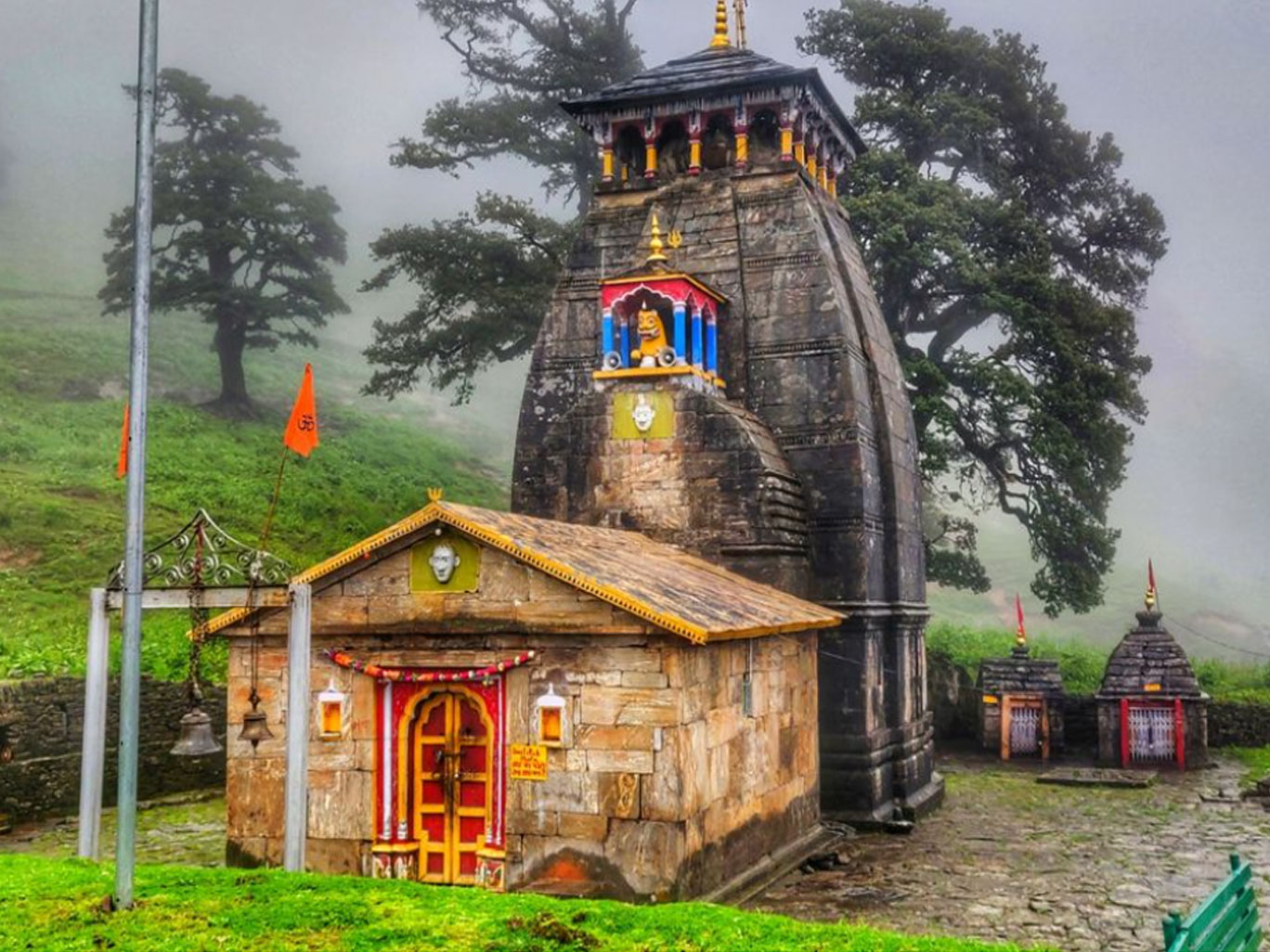
Located in the Rudraprayag district of Uttarakhand, Madhmaheshwar Temple is regarded as one of the holiest Shiva temples in the Garhwal Himalayas. Built using massive Himalayan stone blocks, the temple reflects traditional mountain architecture that has remained largely unchanged for centuries.
Its peaceful surroundings set it apart from many other pilgrimage destinations. Instead of busy streets and commercial markets, visitors are welcomed by lush meadows, mountain streams, and panoramic Himalayan landscapes that create an atmosphere of complete serenity.
The temple is not only a place of worship but also an important symbol of Uttarakhand's spiritual heritage. Every year, thousands of pilgrims undertake the Himalayan journey to seek the blessings of Lord Shiva while experiencing one of the most beautiful temple locations in northern India.
If you are planning a complete pilgrimage, our Madhmaheshwar Temple Guide explains the overall journey, trekking itinerary, accommodation options, and essential travel tips in detail.
Why Visit Madhmaheshwar Temple?
Madhmaheshwar Temple offers much more than religious significance. It combines spirituality, Himalayan landscapes, traditional architecture, mythology, and peaceful surroundings, making it one of the most rewarding destinations in Uttarakhand.
Visitors come here to:
- Experience one of the five sacred Panch Kedar temples dedicated to Lord Shiva.
- Witness breathtaking views of the Chaukhamba mountain range.
- Explore an ancient stone temple that has stood for centuries.
- Enjoy peaceful Himalayan surroundings away from crowded pilgrimage centres.
- Learn about the fascinating legends connected with the Pandavas and Lord Shiva.
- Visit nearby sacred attractions such as Budha Madhmaheshwar, Rakeshwari Temple, and Omkareshwar Temple, Ukhimath.
- Experience a perfect blend of pilgrimage, trekking, photography, and nature.
Unlike larger temples that remain crowded throughout the year, Madhmaheshwar allows visitors to spend quiet moments in prayer while appreciating the beauty of the Himalayas.
Religious Significance in the Panch Kedar Yatra
Madhmaheshwar Temple is the second shrine of the sacred Panch Kedar pilgrimage dedicated to Lord Shiva. According to Hindu mythology, after the Kurukshetra War, the Pandavas travelled to the Himalayas seeking forgiveness for the sins committed during the battle.
To avoid meeting them, Lord Shiva assumed the form of a divine bull. When Bhima recognised him, the bull disappeared into the earth, and different parts of Lord Shiva's body appeared at five different places across the Garhwal Himalayas. These sacred locations later became the Panch Kedar temples.
At Madhmaheshwar Temple, devotees worship the navel (Madhya Bhaga) of Lord Shiva, representing the centre of divine energy and creation. This belief makes the temple an essential destination for pilgrims undertaking the complete Panch Kedar Yatra.
Travellers interested in the complete story behind the Panch Kedar temples can read our detailed Madmaheshwar History & Mythology guide, which explains the legends, beliefs, and historical significance of this sacred pilgrimage.
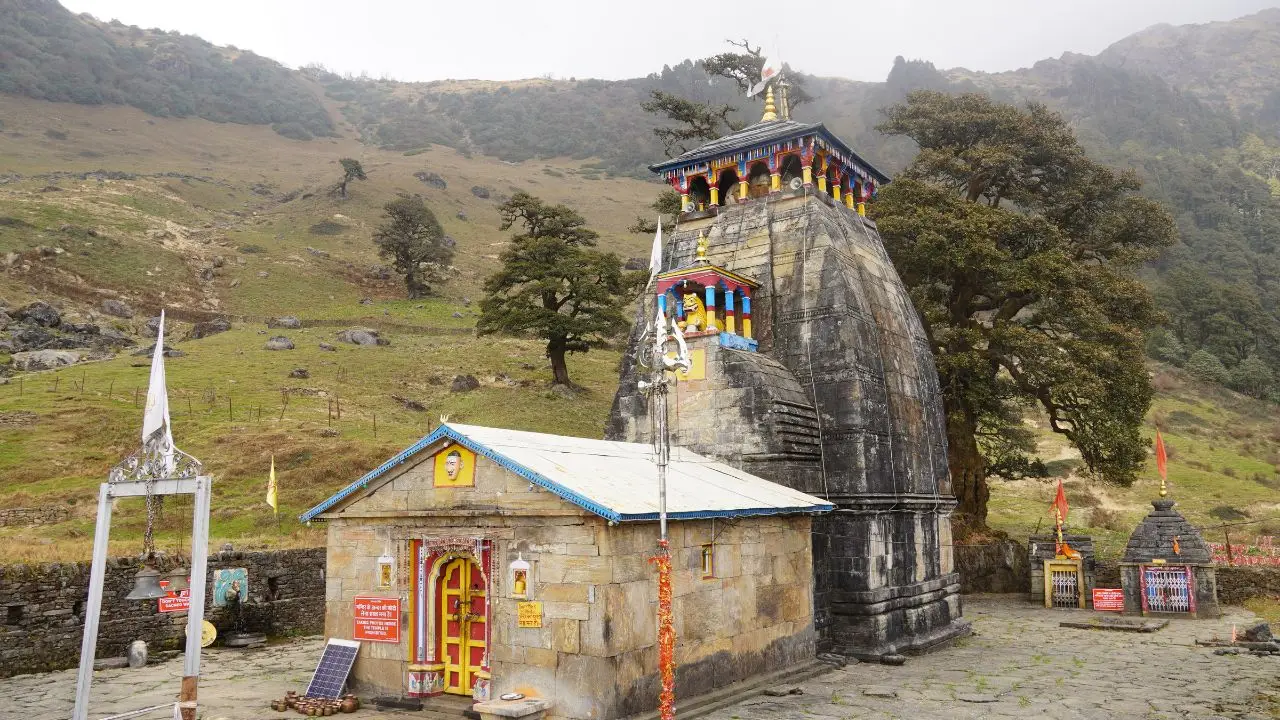
Temple Architecture
Madhmaheshwar Temple is a fine example of traditional Himalayan stone architecture that has stood strong for centuries despite harsh weather conditions. Built using large locally sourced stone blocks without modern construction techniques, the temple reflects the craftsmanship of ancient Garhwal artisans. Its simple yet majestic design blends naturally with the surrounding Himalayan landscape, creating a peaceful and timeless atmosphere.
The temple follows the classic North Indian Nagara style with a beautifully carved entrance, a towering stone shikhara, and a compact sanctum where devotees worship Lord Shiva. Unlike many modern temples, Madhmaheshwar has retained its original architectural identity, allowing visitors to witness a structure that has preserved its spiritual and historical character through generations.
Every stone within the temple tells a story of devotion, resilience, and Himalayan heritage, making it not just a place of worship but also an important monument of Uttarakhand's cultural history.
The Sacred Shiva Lingam
The main sanctum of Madhmaheshwar Temple houses a unique Shiva Lingam that represents the Madhya Bhaga (navel) of Lord Shiva. This sacred form distinguishes Madhmaheshwar from the other Panch Kedar temples, each of which worships a different manifestation of Lord Shiva following the Mahabharata legend.
The sanctum remains illuminated by traditional oil lamps, while priests perform daily rituals using holy water, flowers, bilva leaves, sandalwood paste, and sacred chants. Devotees quietly offer their prayers before the deity, believing that sincere worship here brings spiritual peace, strength, and divine blessings.
Unlike many larger temples where visitors have only a few moments for darshan, the peaceful atmosphere at Madhmaheshwar often allows pilgrims to spend more time in meditation and prayer.
Temple Timings and Daily Worship
The spiritual rhythm of Madhmaheshwar Temple revolves around traditional rituals that have been followed for generations. Every morning begins with the ceremonial opening of the sanctum, followed by prayers, abhishek, and offerings to Lord Shiva. Throughout the day, pilgrims visit the temple to participate in darshan and seek blessings.
During the evening, the temple becomes even more serene as the daily aarti fills the Himalayan valley with devotional chants and the sound of temple bells. Watching the evening worship against the backdrop of the surrounding mountains is considered one of the most peaceful experiences of the pilgrimage.
Since temple timings may vary depending on the season and religious ceremonies, visitors should confirm the latest schedule before their journey.
Special Poojas and Religious Ceremonies
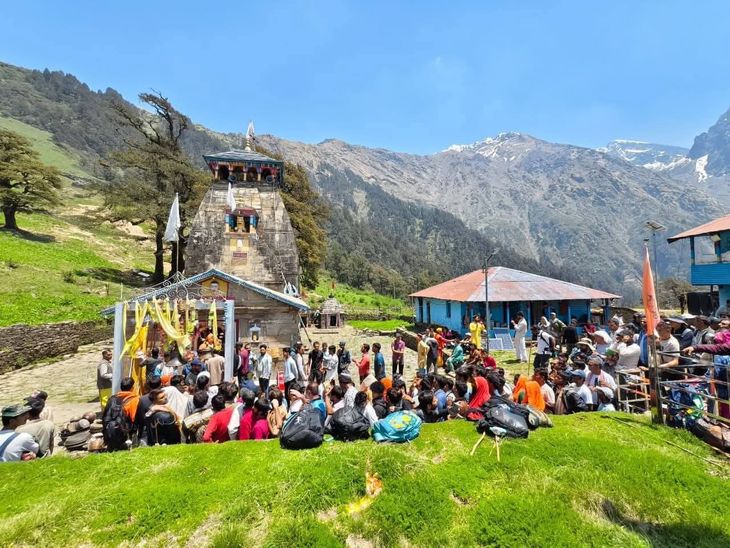
Apart from daily worship, several special poojas are performed at Madhmaheshwar Temple during the pilgrimage season. Devotees often participate in Rudrabhishek, Jal Abhishek, and other Shiva rituals performed by the temple priests.
Many pilgrims book these ceremonies to pray for family well-being, health, prosperity, and spiritual growth. During important occasions such as Mahashivratri and Shravan month, the temple witnesses a larger number of devotees participating in collective prayers and religious celebrations.
If you wish to perform a special पूजा during your visit, it is advisable to speak with the temple priests in advance regarding the available rituals and timings.
Festivals Celebrated at Madhmaheshwar Temple
Although the temple remains open for only part of the year, several important religious festivals are celebrated with great devotion. The annual opening ceremony marks the arrival of the deity from Omkareshwar Temple, Ukhimath, accompanied by traditional rituals, devotional music, and local celebrations.
Mahashivratri, the Shravan month, and other Shiva festivals hold special significance for devotees associated with the Panch Kedar pilgrimage. At the end of the pilgrimage season, the closing ceremony is equally sacred, when the idol is ceremonially taken back to Ukhimath for winter worship.
Visitors interested in witnessing these unique traditions can refer to our Madmaheshwar Temple Opening & Closing Dates guide before planning their journey.
A Peaceful Place for Meditation and Reflection
One of the most distinctive aspects of Madhmaheshwar Temple is the silence that surrounds it. Away from busy roads and commercial activity, the temple offers an environment where visitors can disconnect from daily life and spend time in prayer, meditation, or quiet reflection.
The fresh mountain air, flowing streams, distant sound of temple bells, and panoramic Himalayan scenery together create an atmosphere that many devotees describe as deeply calming. Even travellers who arrive for trekking or photography often leave with a renewed appreciation for the spiritual heritage of the Garhwal Himalayas.
Many pilgrims also continue a short hike to Budha Madhmaheshwar, where the peaceful surroundings and panoramic views provide another opportunity for meditation while overlooking the magnificent Chaukhamba peaks.
Nearby Attractions
Your visit to Madhmaheshwar Temple becomes even more memorable when you explore the nearby spiritual and natural attractions.
Budha Madhmaheshwar is located around 2 km above the temple and is famous for its breathtaking sunrise and panoramic views of the Chaukhamba peaks. Many pilgrims visit this sacred spot after completing their darshan.
Near the trek's starting point, Rakeshwari Temple is another important shrine where devotees seek blessings before beginning their pilgrimage. During winter, when Madhmaheshwar Temple remains closed due to snowfall, worship continues at Omkareshwar Temple, Ukhimath, the official winter seat of Lord Shiva.
Nature lovers can also extend their journey by visiting Kanchani Tal, a beautiful high-altitude lake surrounded by forests and Himalayan landscapes.
Want to explore Kanchani Tal in more detail? Read our Kanchani Tal Trek from Madmaheshwar guide for the complete route, distance, difficulty and travel tips.
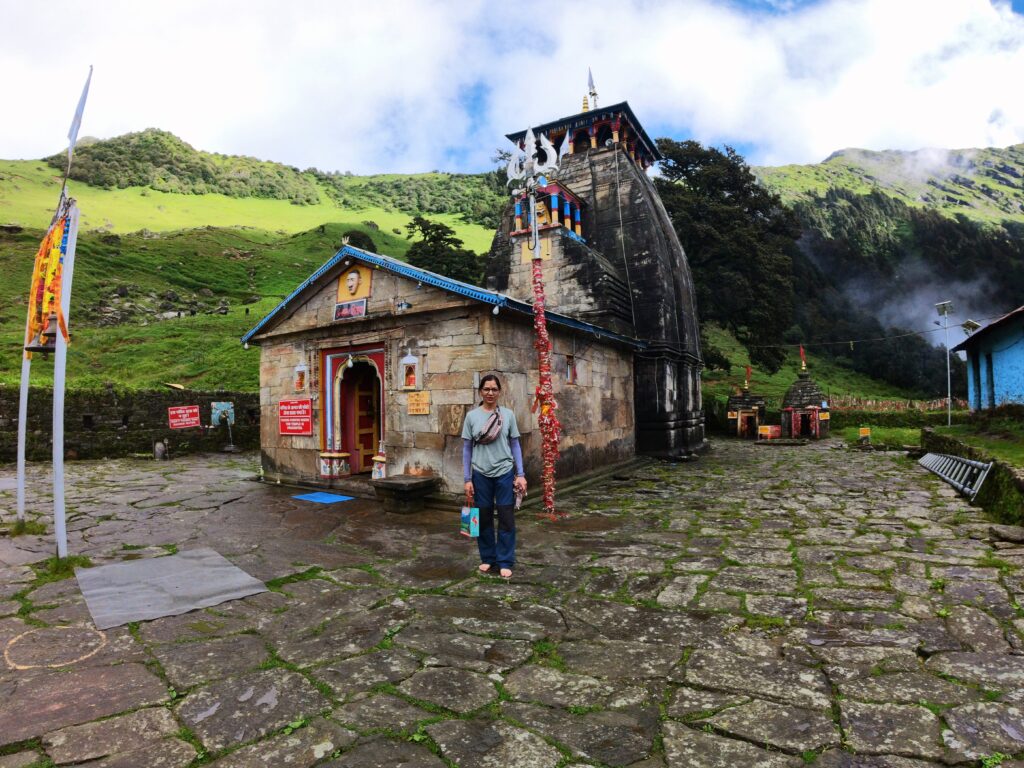
Visitor Guidelines
To maintain the sanctity of Madhmaheshwar Temple and protect its fragile Himalayan environment, visitors should follow a few simple guidelines.
- Wear modest clothing suitable for a religious place.
- Remove footwear before entering the temple.
- Respect local customs and temple rituals.
- Avoid littering and carry your waste back.
- Do not play loud music around the temple.
- Carry warm clothing as mountain weather changes quickly.
- Support local homestays and small businesses whenever possible.
Responsible travel helps preserve both the temple's spiritual atmosphere and the natural beauty of the region.
Frequently Asked Questions
1. What is Madhmaheshwar Temple famous for?
Madhmaheshwar Temple is famous as the second temple of the Panch Kedar circuit, where the navel of Lord Shiva is worshipped according to Hindu mythology.
2. Where is Madhmaheshwar Temple located?
The temple is located in Rudraprayag district, Uttarakhand, at an altitude of approximately 3,497 metres.
3. Who can visit Madhmaheshwar Temple?
The temple is open to pilgrims, trekkers, photographers, families, and anyone interested in spirituality or Himalayan culture.
4. When does the temple remain open?
The temple opens during summer and remains accessible until late autumn. During winter, worship shifts to Omkareshwar Temple in Ukhimath.
5. Can I visit Budha Madhmaheshwar from the temple?
Yes. Budha Madhmaheshwar is about 2 km uphill from the main temple and is well known for its spectacular sunrise views.