1. How long is Chopta Chandrashila trek?

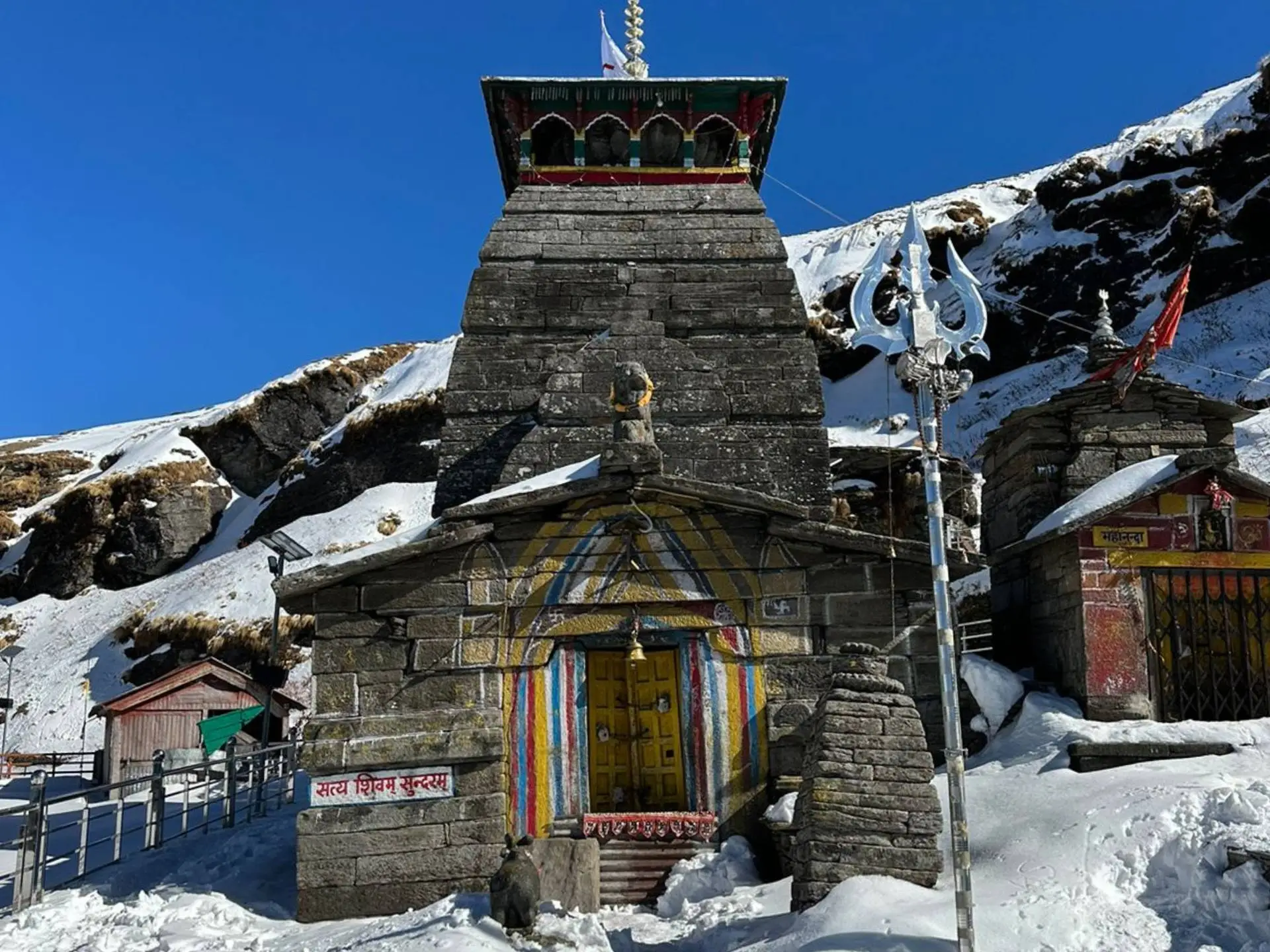
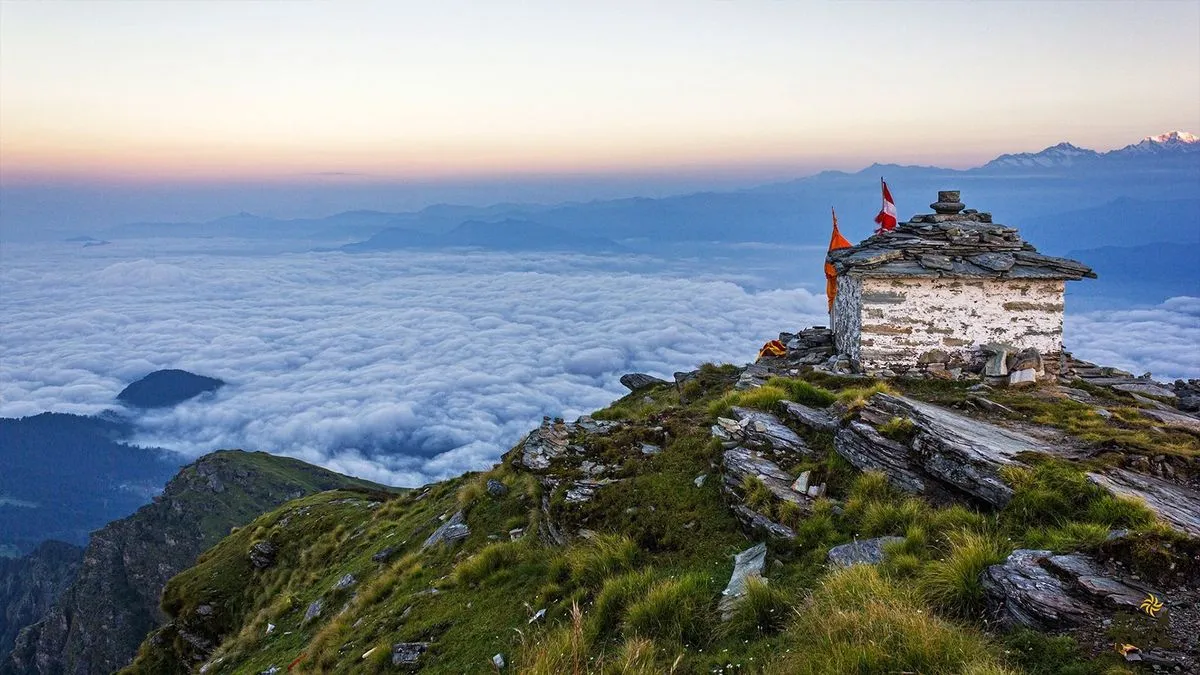
The first part is a 3.5 km ascent to Tungnath Temple (the highest Shiva shrine). From there, a final 1.5 km climb takes you to the Chandrashila Summit (4,000 meters/13,123 ft).Most trekkers complete this as a single-day hike, taking 6–8 hours. For a richer experience, many itineraries include the nearby Deoriatal Lake, making the entire journey 3–6 days long. The peak offers spectacular 360-degree views of major Himalayan peaks.
2. What is the altitude of Chopta?
Chopta lies at around 2,600–2,900 meters above sea level, offering cool weather, fresh air, and panoramic Himalayan views.
3. What is the best time to visit Chopta?
Visit from March–June or September–November for clear weather; December–February for snow; monsoon months bring lush greenery but heavy rain.
4. How do you get to Chopta (air/train/road)?
Nearest airport is Dehradun’s Jolly Grant (220 km); nearest railway is Rishikesh/Haridwar; easily reachable by road via Rudraprayag and Ukhimath.
5. What are the accommodation options in Chopta?
Chopta offers guesthouses, homestays, and camping sites; facilities are basic but surrounded by natural beauty and peaceful surroundings.
6. What is the food/dining situation?
Local eateries serve simple Indian meals; most camps provide in-house food. Carry snacks if you have specific dietary needs.
7. What is the mobile network/connectivity like?
Mobile network is patchy; only BSNL and Jio may work occasionally. Internet access is limited, offering a peaceful digital detox.
8. Is it safe to travel to Chopta?
Yes, Chopta is safe for tourists. Exercise caution during monsoon and heavy snowfall, as road access may become difficult.
9. Do I need permits for trekking around Chopta?
No special permits are required for popular treks like Tungnath–Chandrashila, but check local rules before visiting protected areas.
10. How long should I stay in Chopta for a good experience?
2–3 days are ideal to enjoy trekking, sightseeing, and relaxation. Extend if you wish to explore nearby spots like Deoria Tal.
11. Is Chopta overcrowded/commercialised?
No, Chopta remains relatively peaceful and less commercialised compared to Auli or Mussoorie, retaining its untouched natural charm.
12. What clothing/gear should I pack?
Carry layered warm clothes, trekking shoes, gloves, and rain protection. Temperatures drop sharply at night even in summer.
13. Are there medical/emergency facilities?
Only basic facilities are available. For serious issues, travel to Ukhimath or Rudraprayag. Carry personal medicines and a first-aid kit.
14. What about altitude sickness/acclimatisation?
Mild altitude effects are possible above 2,600 m; stay hydrated, rest properly, and ascend gradually to avoid discomfort.
15. What are the major things to do in Chopta?
Trekking to Tungnath and Chandrashila, bird-watching, camping, nature walks, and enjoying sunrise views of snow-clad Himalayan peaks.
16. What is the distance/difficulty of the trek to Tungnath?
The trek is around 3.5 km one way from Chopta; it’s moderately steep but suitable for beginners with basic fitness.
17. What about continuing from Tungnath to Chandrashila?
From Tungnath, it’s another 1.5 km to Chandrashila Peak; short yet steep, rewarding trekkers with mesmerising 360° Himalayan views.
18. Can this trek be done in one day?
Yes, fit travellers can complete it in one day; starting early morning and returning by afternoon is ideal.
19. Are there other trekking routes from Chopta?
Yes, routes like Deoria Tal, Rohini Bugyal, and Baniya Kund offer scenic short treks through forests and meadows.
20. What are the views/peaks visible from Chopta?
You can see majestic peaks like Nanda Devi, Trishul, Chaukhamba, and the Kedarnath range on clear days.
21. Is camping allowed/popular in Chopta?
Yes, camping is common in designated areas with Swiss tents and camps, though restrictions protect sensitive meadows.
22. What about snow/winter trekking?
In winter, Chopta and Tungnath get snow-covered. The trek becomes challenging but stunning for snow lovers and photographers.
23. What are the forest/wildlife aspects?
Chopta lies within Kedarnath Wildlife Sanctuary, home to musk deer, monals, and rich Himalayan flora and fauna.
24. Are pets/kids okay in Chopta?
Yes, but supervise pets and children on treks. Choose shorter trails and ensure weather and road conditions are safe.
25. What about trekking with senior citizens/less fit travellers?
Possible with a slower pace and shorter trails. Avoid steep climbs and ensure proper rest and acclimatisation.
26. What is the road condition, and how safe is the drive?
Mountain roads are narrow and winding; safe with experienced drivers. Avoid night driving or travel during heavy rain/snow.
27. Is there public transport within Chopta?
Limited. Shared jeeps and local taxis operate from Ukhimath or Rudraprayag. Private vehicles offer more flexibility.
28. What is the approximate budget for a stay/trek?
Budget travellers can expect ₹2,000–₹4,000/da,y including stay, meals, and local travel. Guides charge around ₹1,000–1,500/day.
29. Are WiFi/power/amenities reliable?
Electricity may be solar-powered and intermittent. WiFi is rare, so expect an off-grid, nature-focused experience.
30. Do we need to pre-book stays/vehicles in peak season?
Yes, book stays and transport in advance during May–June and December–January to avoid last-minute unavailability.
31. What if it rains/snows unexpectedly during the trip?
Carry waterproof jackets, shoes, and warm clothes. Allow extra days in your plan for weather-related delays.
32. Are there environmental/safety guidelines to follow?
Yes, avoid littering, stay on marked trails, and respect wildlife. Chopta is part of a fragile Himalayan ecosystem.
33. Can we combine Chopta with other nearby destinations?
Yes, include Deoria Tal, Ukhimath, Sari Village, or Tungnath Temple in your itinerary for a complete experience.
34. What’s the local culture/food like?
Local Garhwali culture is humble and welcoming. Try regional dishes like mandua roti, aloo ke gutke, and chai.
35. What about emergency cases (injury/illness) on trek?
Inform locals or guides immediately. Return to base or Ukhimath for help. Carry insurance and emergency contact numbers.
36. Is Chopta Chandrashila trek difficult?
The Chopta Chandrashila trek is generally considered easy to moderate, making it accessible for beginners and those with basic fitness. It's not considered difficult by Himalayan standards. The main trek is a 10–12 km round trip from Chopta, typically completed in 6–8 hours. The path from Chopta to Tungnath Temple is a well-defined, stone-paved trail. The final 1.5 km ascent from Tungnath to Chandrashila is the most challenging section, as it's steeper and can be snow-covered in winter, requiring caution. Altitude (reaching 4,000 m or 13,123 ft) is the primary concern, so a slow, steady pace is recommended to avoid altitude sickness.
37. How is the Chopta Chandrashila 3-day trek for beginners?
The 3-day Chopta-Chandrashila trek is excellent for beginners. It is rated easy to moderate because the total trekking distance (approx. 20-23 km including Deoriatal) is manageable. A typical itinerary includes an easy day to Deoriatal Lake for acclimatisation. The main summit day is challenging due to the altitude (4,000m) and a steep final climb from Tungnath, but the path is well-defined. With basic fitness and a slow, steady pace, first-timers can comfortably complete it and enjoy the spectacular 360-degree Himalayan views.
38. How tall is the trek from Chopta to tungnath?
The trek from Chopta to Tungnath involves a significant elevation gain over a relatively short distance. Chopta serves as the base camp at an altitude of approximately 2,680 meters (8,790 feet). The path leads uphill to the revered Tungnath Temple, which sits substantially higher at 3,680 meters (12,073 feet). This means the ascent involves a climb of nearly 1,000 meters (3,300 feet). This entire segment spans roughly 3.5 to 4 kilometres and requires steady effort, typically taking beginners between two and three hours to complete due to the continuous uphill gradient.
39. Is Chopta trek risky?
The Chopta Chandrashila trek is not considered highly risky; it is rated as easy to moderate. The main risks are common to high-altitude treks: Acute Mountain Sickness (AMS), due to the altitude of 4,000 meters, and potential slips, especially on the final steep section to Chandrashila or during winter snow. However, the trail is well-defined and stone-paved up to Tungnath. By wearing proper shoes, trekking slowly to acclimatise, and avoiding the peak Monsoon season (July-August) due to slippery conditions and landslide risks, the trek is very safe for beginners.
40. Can we do Chandrashila trek in one day?
The total round trip distance is approximately 10-12 kilometres and typically takes fit beginners about 6–8 hours. You should start very early, ideally before sunrise, to reach the summit in time to witness the spectacular 360-degree Himalayan sunrise views. The trail is well-paved up to the Tungnath Temple (3.5 km), but gets steeper for the final 1.5 km climb to the Chandrashila peak. Proper trekking shoes and maintaining a slow, steady pace are essential due to the altitude gain.
41. Is the Deoriatal-Chandrashila trek suitable for my child?
Yes, absolutely! Children above 8–9 years who are active and can walk regularly can easily do this trek. The Deoriatal part is very easy (2.5 km), and Chopta to Tungnath–Chandrashila is moderate. Hundreds of families do it every year with kids aged 10–15. We have had children as young as 7–8 complete it comfortably with parents. Just avoid peak winter (Jan–Feb) if the child is below 10.
42. Where can you find the Deoriatal Chandrashila Trek?
The trek starts from Sari Village (for Deoriatal) and Chopta meadow (for Tungnath-Chandrashila) in Rudraprayag district, Uttarakhand. It is inside the Kedarnath Musk Deer Sanctuary. The nearest town is Ukhimath (30 km), the nearest railway station/airport is Rishikesh/Dehradun, and the entire region is 390–410 km from Delhi.
43. Why should I do this trek?
Because it gives you everything in one short trip: → World’s highest Shiva temple (Tungnath) → 360° Himalayan views from Chandrashila → Magical reflection of Chaukhamba in Deoriatal lake → Snow in winter, flowers in spring, crystal clear views at the end of the year → Perfect for beginners and photography lovers → Very little crowd compared to Valley of Flowers, Kedarkantha or Hampta
44. What time of year is best to do the Deoriatal Chandrashila trek?
The best time for the Deoriatal Chandrashila Trek is April-June (spring/early summer) and September-November (autumn/pre-winter). In April-June, pleasant weather with clear skies offers stunning Himalayan views of peaks like Chaukhamba and Nanda Devi, plus vibrant rhododendron blooms. Snow melts by April, easing the trail for beginners. September-November brings post-monsoon crisp air, crystal-clear vistas, and golden foliage, ideal for sunrise at Chandrashila summit. Avoid monsoons (July-August) due to slippery paths and winter (December-March) for heavy snow.
Chopta Chandrashila Tungnath with Deoriatal Trek 2025–2026: Complete More Info Guide
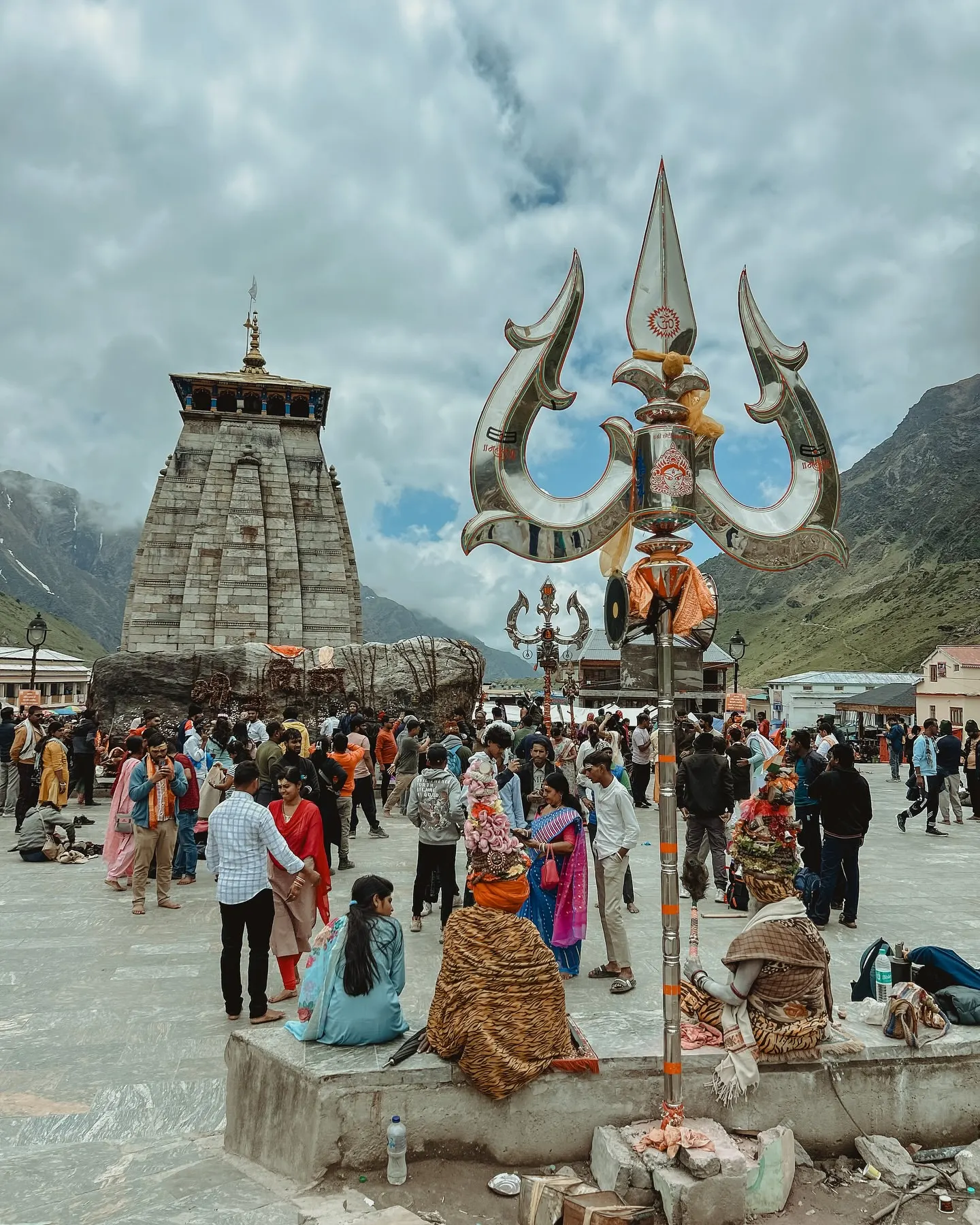
Chopta, located at 2,680 metres in the Garhwal Himalayas of Uttarakhand, is one of the few places in India that remains a pristine alpine meadow throughout the year. In summer, it is carpeted with green grass and wildflowers, while in winter it turns into a white snow paradise. From almost every point in Chopt, you get a 360-degree panoramic view of giant Himalayan peaks – Nanda Devi (7,816 m), Trishul (7,120 m), Chaukhamba (7,138 m), Kedarnath, Neelkanth, Bandarpoonch and many more. Because of this untouched beauty, Chopta is popularly known as the “Mini Switzerland of India”. Adding to its charm is Tungnath – the highest Shiva temple in the world (3,690 m) – and Chandrashila summit (4,000+ m) that offers one of the most dramatic sunrise views in the entire Himalayas. Deoriatal Lake, with its mirror-like reflection of the Chaukhamba massif, completes the postcard-perfect experience.
Trek Difficulty Level & Who Can Join
This is an easy-to-moderate grade trek, ideal for beginners, first-time trekkers, families with children above 9–10 years, and fit senior citizens (up to 65 years). Total walking distance over 3 days is only 14–16 km, with the longest single day being 9–10 km round trip (Chopta ↔ Tungnath ↔ Chandrashila). The trail is well-defined, mostly gradual, with only the last 1 km from Tungnath to Chandrashila being steep. If you can jog/walk 5 km comfortably in 45–50 minutes in your city, you are fit enough for this trek. People above 50 years are requested to carry a basic fitness certificate from an MBBS doctor.
Best Time to Visit Chopta, Tungnath Chandrashila
- December to March (Winter/Snow Season) Day: 0–10 °C | Night: –5 to –10 °C Entire region under thick snow. Snow trekking to Chandrashila (microspikes provided free). Lowest crowd, magical white landscapes.
- April to June (Spring & Summer) Day: 10–20 °C | Night: 5–10 °C Rhododendron forests in full red bloom, lush green meadows, clear blue skies. Peak summer vacation season.
- September to November (Autumn/Post-monsoon) Day: 8–18 °C | Night: 0–8 °C Clearest possible views after the rains. October-November skies are so sharp that the peaks of Nepal are sometimes visible.
Avoid July–mid-September (monsoon) because of the high risk of landslides and road blockages.
Altitude & Day-wise Trek Distances (2025–2026 Updated)
- Sari Village (base) – 2,000 m
- Deoriatal Lake – 2,440 m → 2.5 km easy walk (1–1.5 hrs)
- Chopta meadow – 2,680 m
- Tungnath Temple – 3,690 m → 4–4.5 km moderate (3–4 hrs)
- Chandrashila Summit – 4,000+ m → additional 1.5 km steep (45–60 min)
Total altitude gain spread over 3 days is only ~1,400 metres; therefore, chances of Acute Mountain Sickness (AMS) are very low compared to other high-altitude treks.
How to Reach Chopta from Delhi (All Options)
By Own Vehicle (Car/Bike) Delhi → Meerut → Haridwar → Rishikesh → Devprayag → Srinagar → Rudraprayag → Ukhimath → Chopta (390–410 km | 12–14 hours). Last petrol pump: Kund (near Ukhimath). Last reliable ATM: Ukhimath.
By Bus/Train + Cab Take overnight Volvo bus or train from Delhi to Haridwar/Rishikesh → early morning shared or private cab to Sari Village/Chopta.
By Flight Fly Delhi → Dehradun (Jolly Grant Airport) → taxi to Rishikesh (25 km) → cab to Chopta region.
Most groups arrange pickup from Rishikesh or Haridwar.
Essential Packing List for Chopta Trek
Clothing (Layering is key)
- Thermal inners (top + bottom)
- 2–3 full-sleeve trek T-shirts
- Fleece jacket + warm padded/down jacket
- Waterproof & windproof outer jacket
- 2 quick-dry trek pants (avoid jeans)
- Woollen cap, gloves, neck warmer, 4–5 pairs of socks
- Poncho/raincoat (even in dry season)
Footwear & Accessories
- High-ankle waterproof trekking shoes (compulsory)
- Floaters/sandals for camp
- Trekking pole (highly recommended)
- Sunglasses (UV protection), sunscreen SPF 50+, lip balm
Other Essentials
- Headlamp/torch with extra batteries
- Power bank (10,000–20,000 mAh)
- Reusable water bottle (2 × 1 litre)
- Personal medical kit + Diamox (for altitude), Crepe bandage, painkillers, ORS
- Energy bars, dry fruits, and chocolates
- Toiletries, quick-dry towel, wet wipes, sanitiser
- Original photo ID + 2 photocopies
In winter, we provide microspikes and gaiters free of cost.
Safety & Medical Support Provided
Every group travels with:
- Mountaineering-certified trek leader, First-aid certified assistants
- Oxygen cylinder, Portable stretcher, Pulse oximeter for daily health checks
- Mandatory trek insurance worth ?1–5 lakh (medical + evacuation cover) If anyone shows symptoms of altitude sickness, immediate descent and medical help is arranged. We follow strict Leave No Trace principles.
Network, ATM & Food Information
- Mobile network: BSNL works best in Chopta Sari. Jio/Airtel patchy or nil above Tungnath.
- No ATM after Ukhimath – carry sufficient cash.
- Food: Fresh vegetarian North-Indian meals (breakfast, lunch, evening snacks, dinner). Non-veg alcohol is strictly unavailable in the entire region because of religious sentiments.
Unique Highlights You Should Not Miss
- Sunrise from Chandrashila – often listed in India’s top 5 sunrise points
- Reflection of the Chaukhamba range in Deoriatal lake (weather dependent)
- Visit the world’s highest Shiva temple (Tungnath)
- Walk through Kedarnath Musk Deer Sanctuary – great chance of birdwatching, spotting monal, Himalayan griffon, etc.