
Madhyamaheshwar Trek Preparation Guide: Fitness, Training & Trek Readiness
Published on February 04, 2026 | Updated on September 14, 2026
The Madhmaheshwar Trek is one of Uttarakhand's most rewarding Himalayan journeys, combining spiritual significance with an adventurous mountain trail. As the second temple of the sacred Panch Kedar circuit, Madhmaheshwar attracts thousands of pilgrims and trekkers every year. However, unlike many popular hill destinations, this trek demands proper planning, physical fitness, and the right trekking gear.
Many first-time visitors focus only on reaching the temple but overlook important preparation such as fitness, packing, weather conditions, mobile connectivity, and high-altitude safety. Proper preparation not only makes the journey more comfortable but also reduces the chances of injuries, fatigue, and altitude-related problems.
This guide is specially created for travellers planning the Madhmaheshwar Trek in 2026. Instead of discussing the trek route or day-wise itinerary in detail, this article focuses on everything you should prepare before starting the trek.
By the end of this guide, you'll know:
- How fit you need to be before the trek
- What clothes and trekking gear to carry
- Which shoes are suitable for the trail
- How to prevent altitude sickness
- What medicines should be packed
- Mobile network and ATM availability
- Important safety precautions for Himalayan trekking
Whether you're traveling solo, with friends, or on a family pilgrimage, following these preparation tips will help you enjoy a safer and more comfortable experience.
Why Proper Trek Preparation Matters

Madhmaheshwar trek is not technically difficult, but it is physically demanding. The trail includes long uphill climbs, uneven stone paths, forest sections, river crossings, and changing weather conditions. Even experienced travelers can struggle if they begin the journey without preparation.
Unlike city travel, mountain treks offer limited medical facilities, fewer transportation options, and rapidly changing weather. A simple mistake like carrying unsuitable footwear or not staying hydrated can make the journey much harder.
Preparing in advance offers several benefits:
- Reduces the risk of injuries and muscle strain.
- Improves your stamina and physical readiness for long uphill sections.
- Makes backpack weight easier to manage.
- Allows you to handle unexpected weather conditions.
- Ensures a more enjoyable spiritual and trekking experience.
A little preparation before your trip can make a significant difference throughout the journey.
Physical Fitness Required for the Madhmaheshwar Trek
One of the most common questions among travellers is:
"Do I need to be very fit for the Madhmaheshwar Trek?"
The answer is No, but you should have average physical fitness and enough stamina to walk for several hours on mountain trails.
Since the trek involves continuous ascents and descents, your legs, lungs, and overall endurance are more important than speed.
Ideal Fitness Level
You should comfortably be able to:
- Walk 8–10 km without excessive fatigue.
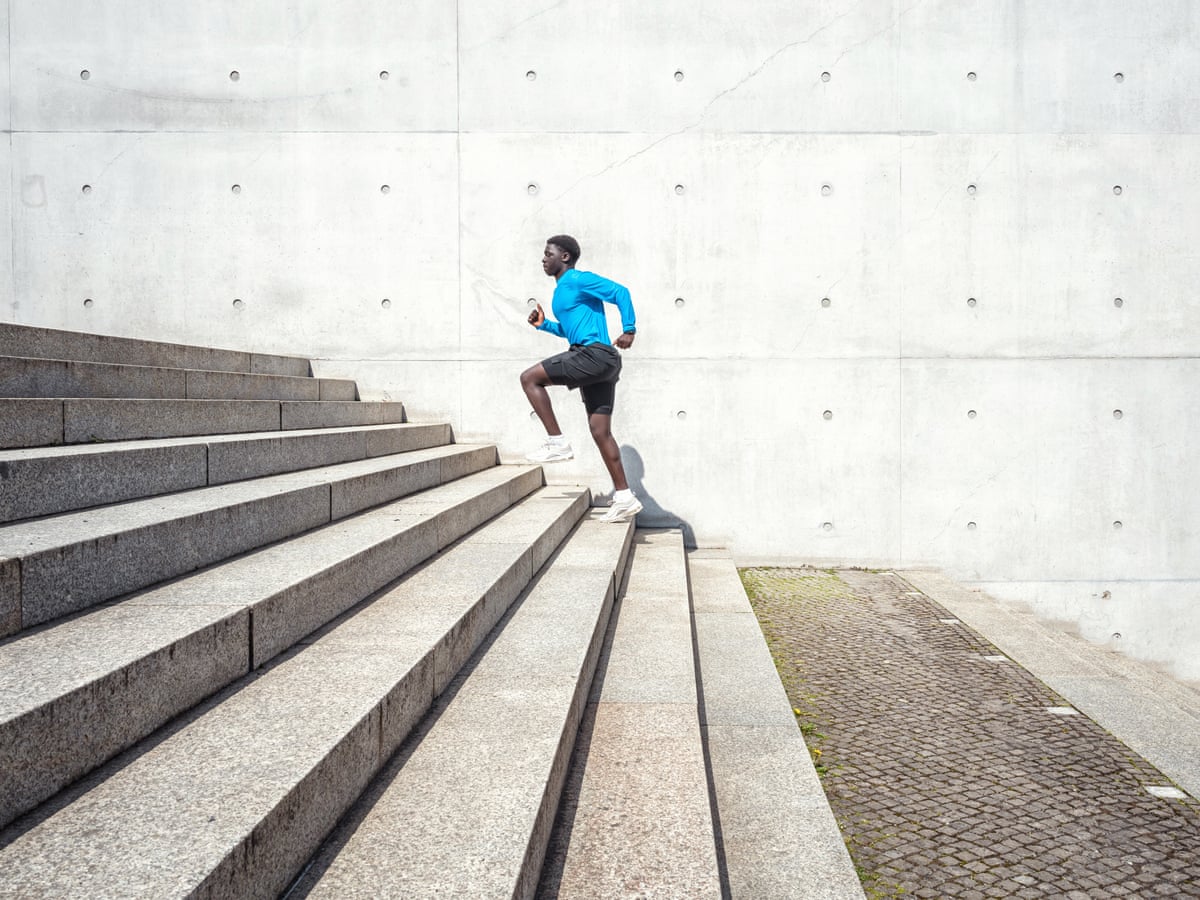
- Climb stairs continuously for 20–30 minutes.
- Carry a light backpack for several hours.
- Walk on uneven and rocky trails.
If you already enjoy hiking, cycling, running, or regular walking, you'll likely adapt to the trek much more easily.
4-Week Fitness Plan Before the Trek
Preparing for just a few weeks before your journey can noticeably improve your trekking experience.
Week 1
Focus on building consistency.
-
Walk 3–4 km daily.
-
Stretch after every walk.
-
Climb stairs for 10–15 minutes.
-
Stay hydrated throughout the day.
Week 2
Increase endurance.
-
Walk 5–6 km daily.
-
Climb stairs for 20 minutes.
-
Add light jogging if comfortable.
-
Perform basic leg-strengthening exercises.
Week 3
Improve stamina.
-
Walk 7–8 km with a small backpack.
-
Practice brisk walking on inclined roads.
-
Increase stair climbing duration.
-
Add breathing exercises.
Week 4
Prepare for trekking conditions.
-
Walk 8–10 km comfortably.
-
Carry the backpack you plan to use.
-
Practice walking on uneven ground or nearby trails.
-
Continue stretching and hydration.
Following this simple routine can significantly reduce fatigue during the actual trek.
Best Exercises for the Madhmaheshwar Trek
You don't need a gym membership to prepare for this trek. A few simple exercises performed regularly can improve your strength and endurance.
Walking
Walking is the most effective preparation.
Aim for 45–60 minutes daily.
Stair Climbing
This closely simulates uphill trekking.
Practice climbing stairs for 20–30 minutes without long breaks.
Squats
Squats strengthen your thighs and knees, which bear most of the effort during mountain trekking.
Perform:
-
3 sets
-
15 repetitions
Lunges
Lunges improve balance and leg strength.
Perform:
-
10 repetitions on each leg
-
3 sets
Plank
A strong core helps maintain balance while carrying a backpack.
Hold for:
30–60 seconds
Repeat three times.
Breathing Exercises
Breathing exercises can be useful for relaxation and breathing awareness during trek preparation. However, they do not replace gradual acclimatization once you reach higher altitudes.
Who Should Take Extra Precautions?
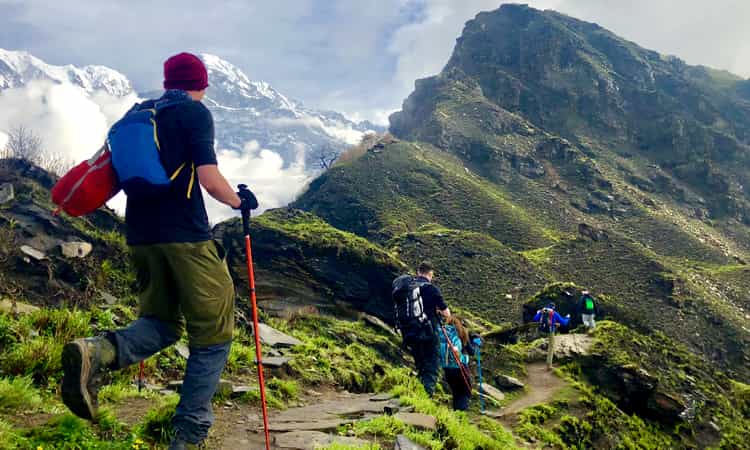
While many travellers complete the trek successfully, certain groups should prepare more carefully.
Extra attention is recommended for:
- Senior citizens.
- First-time Himalayan trekkers.
- Travellers with knee pain.
- People with asthma or breathing issues (consult a doctor before travel).
- Individuals recovering from recent surgery.
- Children accompanying families.
If you have any chronic medical condition, consult your physician before planning the trek and carry prescribed medications.
Can Beginners Complete the Madhmaheshwar Trek?
Yes.
The trek can be manageable for first-time Himalayan trekkers who have reasonable fitness, prepare in advance and maintain a comfortable pace.
The key is not extraordinary fitness—it is proper preparation, pacing yourself, staying hydrated, taking regular breaks, and avoiding overexertion during the climb.
Start early each morning, walk at a steady pace, and listen to your body instead of rushing. Trekking in the Himalayas is about consistency rather than speed.
In the next part of this guide, we'll cover the most important packing essentials, trekking clothing, footwear recommendations, and backpack checklist to help you prepare for a safe and comfortable journey.
Best Trekking Shoes for Madhmaheshwar
Your shoes can make or break your trekking experience. Never wear brand-new shoes for the first time on the trek. Break them in by using them for a few weeks before your trip.
Choose Shoes That Have:
-
Good ankle support
-
Strong grip for rocky trails
-
Waterproof or water-resistant material
-
Comfortable cushioning
-
Non-slip sole
Avoid:
-
Sports shoes with smooth soles
-
Sandals or slippers
-
Leather formal shoes
-
Heavy boots without flexibility
If your shoes are not waterproof, carry an extra pair of socks and use waterproof shoe covers during the monsoon.
Essential Accessories
Essential Gear for the Madhmaheshwar Trek
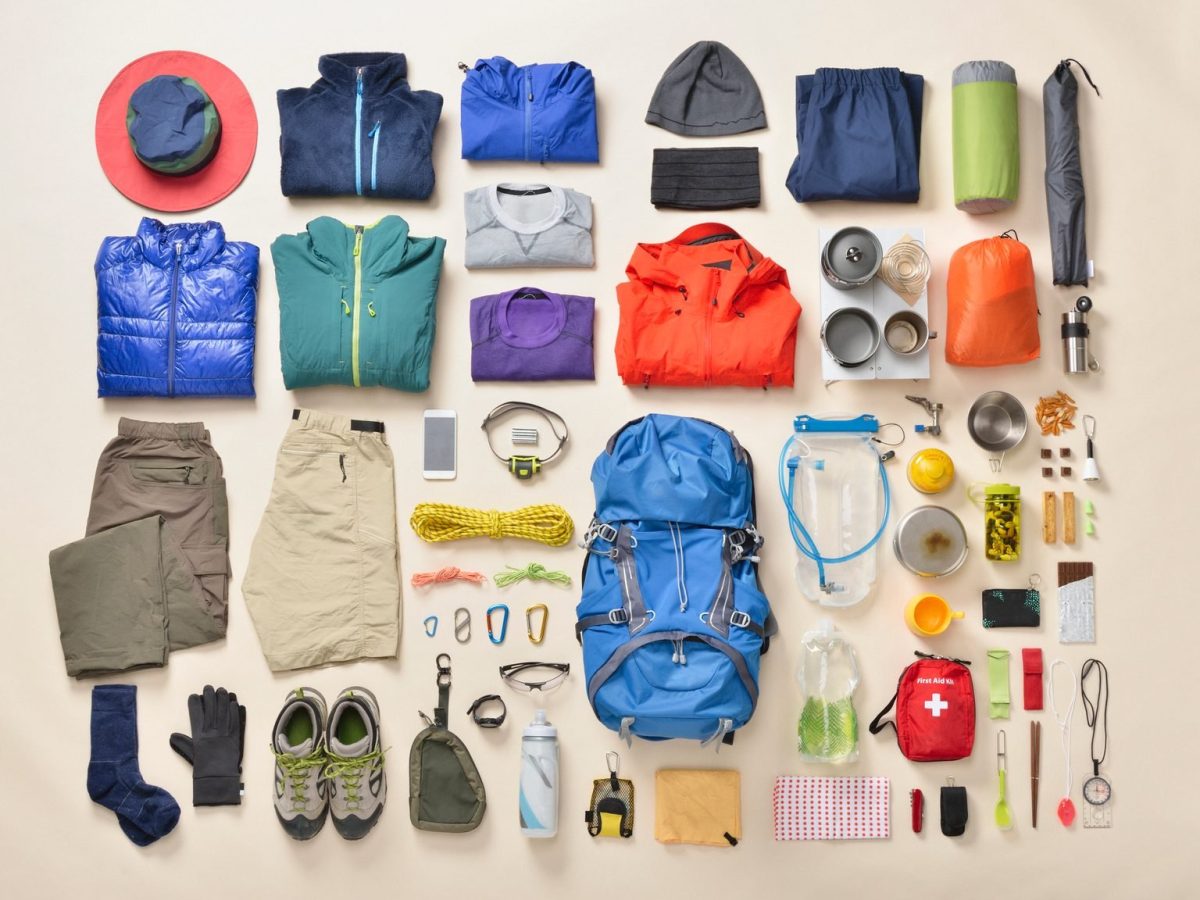
You do not need to carry an excessive amount of equipment, but a few essentials are important for comfort and changing mountain conditions.
Keep the following basics in mind:
-
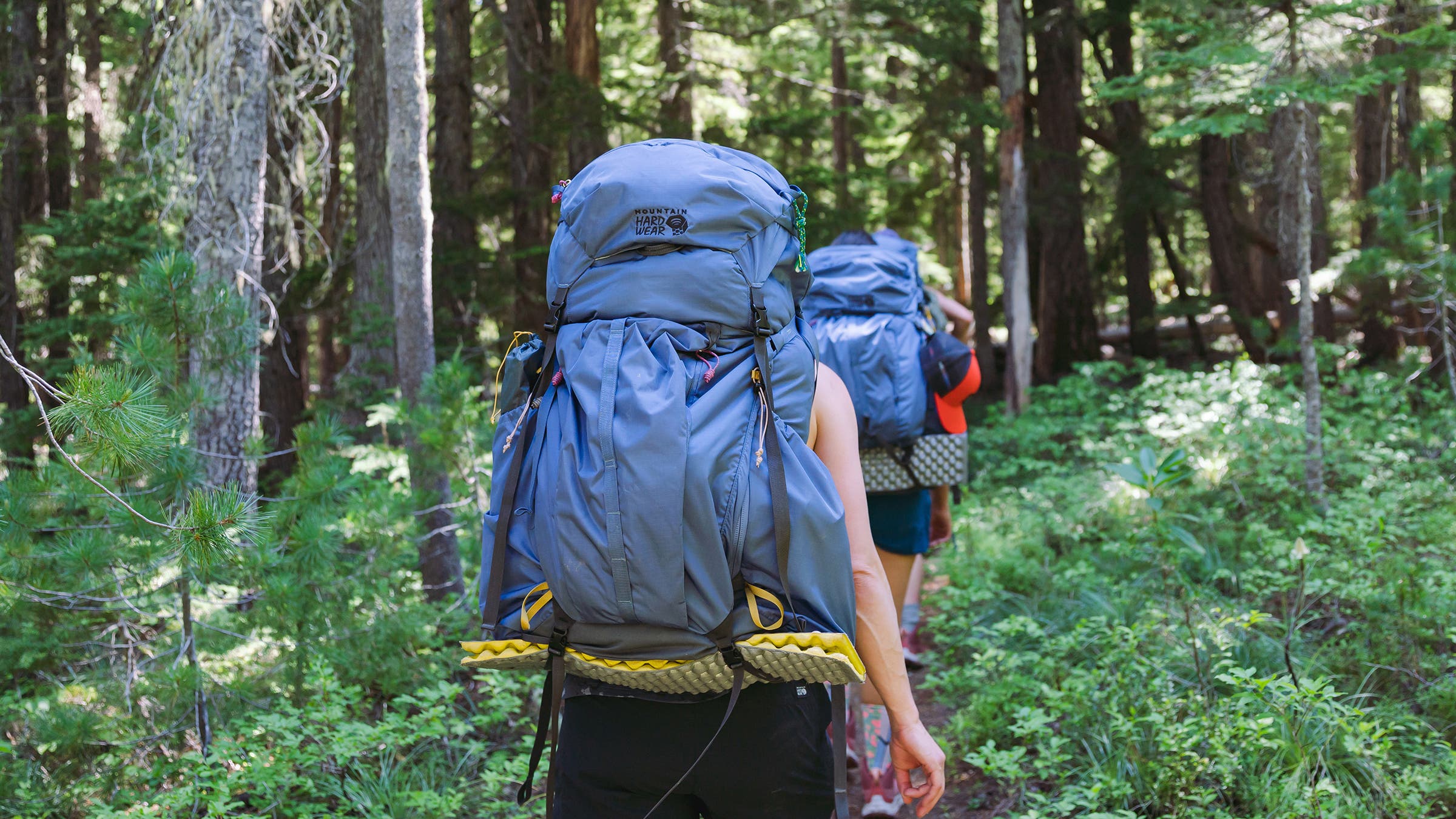
Use a comfortable trekking backpack with a rain cover.
-
Carry quick-dry clothing and dress in layers.
-
Keep a waterproof or wind-resistant outer layer.
-
Carry extra trekking socks.
-
Keep a raincoat or poncho accessible.
-
Carry a reusable water bottle, headlamp or torch and power bank.
-
Keep essential personal medicines, ID proof and some cash easily accessible.
Your exact packing requirements can vary with the season, trip duration and weather conditions.
Proper preparation also includes carrying the right clothing, footwear and trekking essentials. For a complete checklist, see our Madmaheshwar Packing List 2026.
First Aid & Medicines
Medical facilities become limited as you move higher into the mountains, so carrying a personal first-aid kit is highly recommended.
Your medical kit should include:
- Personal prescription medicines
- Pain relief tablets (as advised by your doctor)
- Band-aids
- Crepe bandage
- Antiseptic cream
- Cotton and medical tape
- Antiseptic wipes
- Oral Rehydration Salts (ORS)
- Anti-allergy medicine (if prescribed)
- Medicine for fever or headache (consult your doctor before travel)
If you have asthma, diabetes, high blood pressure, or any chronic medical condition, carry enough prescribed medication for the entire trip and consult your doctor before starting the trek.
Food & Hydration Tips
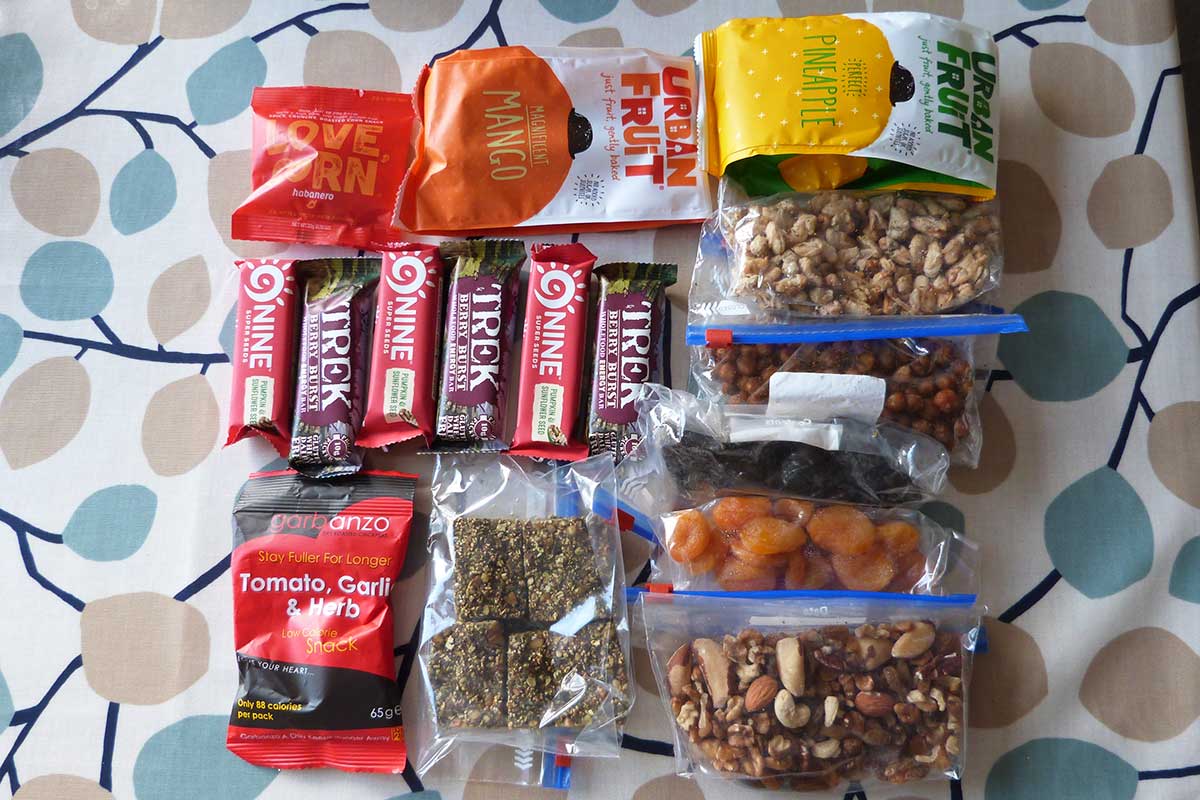
Proper nutrition is essential during long mountain walks.
Carry lightweight snacks such as:
- Dry fruits
- Dates
- Roasted nuts
- Energy bars
- Dark chocolate
- Glucose biscuits
Drink water regularly, even if you don't feel thirsty. Dehydration can lead to fatigue and increase the risk of altitude-related discomfort.
Avoid alcohol at altitude, particularly during the initial acclimatisation period, and avoid smoking during the trek.
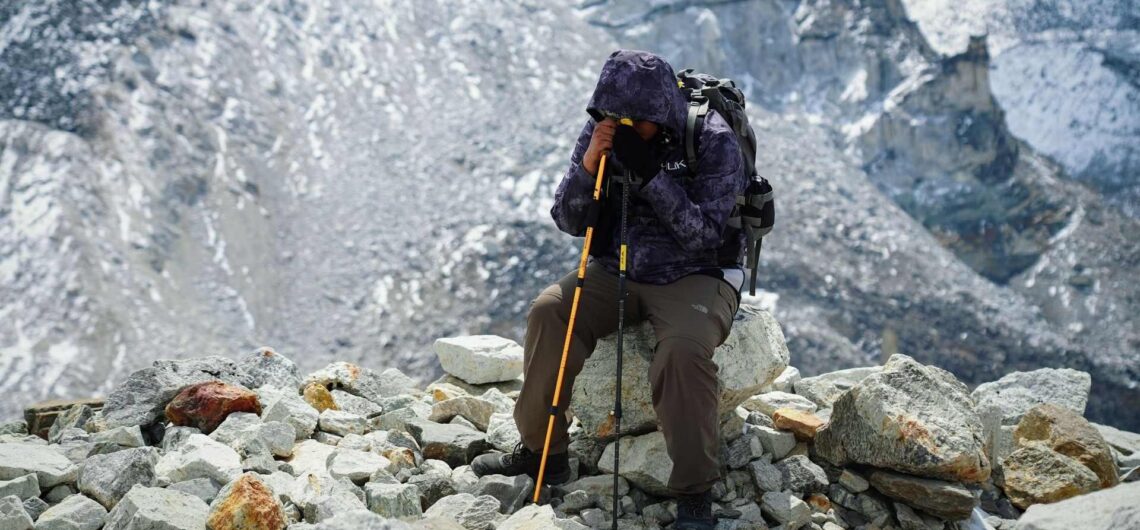
Altitude & Safety Awareness Before the Madhyamaheshwar Trek
The Madhyamaheshwar Trek involves sustained uphill walking and increasing elevation, so trekkers should pay attention to their pace, hydration, energy levels and any unusual physical symptoms during the journey.
Avoid unnecessary rushing or overexertion, take adequate breaks, and do not continue ascending if you develop symptoms that may indicate altitude illness. If symptoms worsen, descend to a lower elevation and seek medical assistance.
Before starting the trek, check the latest weather and trail conditions, begin walking early in the day, stay on established routes, share your travel plan with family or friends, and keep essential emergency information accessible.
Travellers with existing medical conditions, breathing problems, recent surgery or other health concerns should consult their doctor before planning the trek.
For detailed information about trail injuries, altitude-related risks, emergency warning signs and trek safety, read our Madmaheshwar Trek Injuries, Risks & Safety Guide.

Mobile Connectivity Before the Trek
Mobile connectivity becomes unreliable as you move into the trekking region, so download important information and offline maps before starting. Network conditions vary by location, operator, weather and season.
For location-wise Jio, Airtel and BSNL information, read our Network Availability on Madmaheshwar Trek Guide.
ATM & Cash Availability
ATMs are available only in larger towns before the trek begins. Once you enter the trekking region, digital payment options may be unreliable due to weak mobile networks.
Before starting the trek:
-
Carry sufficient cash for accommodation, meals, local transport, and emergency expenses.
-
Keep cash in small denominations for convenience.
-
Store money in separate waterproof pouches for safety.
Avoid relying entirely on UPI or card payments in remote mountain villages.
Important Documents to Carry
Before beginning your journey, ensure you have the following:
- Government-issued photo ID
- Hotel or homestay booking confirmation (if applicable)
- Emergency contact details
- Personal medical prescriptions
- Health insurance details (if available)
Keep both digital and printed copies whenever possible.

Responsible Trekking Guidelines
The Himalayas are environmentally sensitive. Every traveller has a responsibility to help preserve the natural beauty of the region.
Follow these simple practices:
- Carry your waste back instead of leaving it on the trail.
- Avoid using single-use plastic bottles.
- Respect local customs and religious traditions.
- Do not disturb wildlife or damage plants.
- Stay on designated trekking paths.
- Keep noise levels low near temples and villages.
- Support local businesses by choosing local guides, homestays, and food outlets whenever possible.
Responsible tourism helps protect the mountains for future generations.
Before You Start the Trek: Final Checklist
Before leaving for the Madhmaheshwar Trek, make sure you have completed the following:
✔ Completed basic fitness preparation
✔ Packed suitable trekking shoes and clothing
✔ Carried rain protection and warm layers
✔ Packed essential medicines and first-aid supplies
✔ Charged your mobile phone and power bank
✔ Downloaded offline maps
✔ Carried enough cash
✔ Shared your travel plan with family or friends
✔ Checked the latest weather forecast
✔ Kept emergency contact numbers handy
Completing this checklist can help you avoid common travel issues and make your trekking experience more comfortable and enjoyable.
Related Guides You Should Read
Once your trek preparation is complete, explore these detailed guides for additional planning:
-
Madhyamaheshwar Temple Guide 2026 – Complete overview of the temple, trek, history, and travel information.
-
Madmaheshwar Trek Route Guide – Detailed route, villages, distance, and trail map.
-
Madhyamaheshwar Weather Guide – Seasonal weather, snowfall, rainfall, and travel conditions.
Preparing well before your journey will not only improve your trekking experience but also allow you to focus on the spiritual beauty and peaceful surroundings of Madhmaheshwar without unnecessary stress.
Planning your journey to Madhmaheshwar? If you'd like a hassle-free experience with transportation, accommodation, meals, and experienced local support, explore our Madhmaheshwar Trek Package and prepare for a safe, comfortable, and memorable Himalayan adventure.
Frequently Asked Questions (FAQs)
1. Do I need prior trekking experience for the Madhmaheshwar Trek?
No. The Madhmaheshwar Trek is suitable for beginners with a reasonable level of fitness. If you can comfortably walk 8–10 km and prepare with regular exercise before your trip, you can complete the trek at a steady pace.
2. How fit should I be before starting the trek?
You should be able to walk for several hours, climb stairs without excessive fatigue, and carry a light backpack. A 3–4 week fitness routine focusing on walking, stair climbing, and leg exercises is recommended.
3. Which shoes are best for the Madhmaheshwar Trek?
Water-resistant trekking shoes with good ankle support and deep grip are the best choice. Avoid slippers, sandals, flat sports shoes, or brand-new footwear.
4. What clothes should I pack?
Carry quick-dry clothes, a fleece jacket, a waterproof jacket, trekking pants, warm layers, gloves, a woollen cap, and extra trekking socks. Layering is the best way to handle changing mountain weather.
5. Is there mobile network coverage during the trek?
Mobile connectivity is available in some lower areas but becomes weak or unavailable on many parts of the trekking route. Download offline maps before starting the trek.
6. Are ATMs available near the trek?
ATMs are available only in major towns before the trek begins. Carry sufficient cash because digital payments may not work reliably in remote villages.
7. Is altitude sickness a concern on the Madhmaheshwar Trek?
Some trekkers may experience mild altitude-related symptoms. Walking slowly, staying hydrated, eating properly, and avoiding alcohol can help reduce the risk.
8. Should I hire a local guide?
The main trekking route is well known, but hiring a local guide can be helpful for first-time visitors, especially during the monsoon season or if weather conditions change.
9. What should I always keep in my backpack?
Carry a reusable water bottle, power bank, torch, raincoat, first-aid kit, personal medicines, energy snacks, sunscreen, sunglasses, and valid ID proof.
10. Is solo trekking safe?
Many solo travelers complete the trek successfully, but trekking with a companion or joining an organized group is generally safer, particularly for first-time Himalayan trekkers.
11. Can senior citizens complete the trek?
Healthy senior citizens with medical clearance and adequate preparation may complete the trek comfortably. They should trek slowly, stay hydrated, and take frequent breaks.
12. What is the biggest mistake first-time trekkers make?
The most common mistakes are carrying heavy luggage, wearing unsuitable shoes, skipping fitness preparation, ignoring weather forecasts, and starting the trek late in the day.


