Madhmaheshwar Trek Package Panch Kedar Yatra
Published on January 07, 2026
About the Author
Ashutosh Sharma is a Himalayan travel expert and content strategist with over 15 years of on-ground travel experience across Uttarakhand and Himachal Pradesh. He has personally explored multiple Panch Kedar routes, including Madhyamaheshwar, and specialises in writing practical, experience-based trekking and pilgrimage guides.
His work focuses on safe travel planning, accurate itineraries, and responsible tourism in the Indian Himalayas.
Table of Contents
-
Introduction to Madhmaheshwar Temple
-
What Makes the Madhmaheshwar Tour & Trek Unique
-
Madhmaheshwar Itinerary – 2 Nights / 3 Days (Delhi to Delhi)
-
Detailed Madhyamaheshwar Trek Route & Itinerary 2026
-
Best Time to Visit Madhmaheshwar Trek
-
About Madhmaheshwar Temple & Its Spiritual Importance
-
Madhmaheshwar Trek Overview
-
Climate & Seasonal Conditions
-
Accommodation Options
-
How to Reach Ransi Village
-
Nearby Attractions Around Madhmaheshwar
-
Tips for a Safe & Unforgettable Madhmaheshwar Trek
-
Madhmaheshwar / Buda Madhmaheshwar – A Sacred Himalayan Retreat
-
Why Choose TourMyHoliday
-
Madhmaheshwar Climate & Best Time to Visit (Season Table)
-
Accommodation Options in Madhmaheshwar (Stay Table)
-
Packing / Essentials Checklist for Madhmaheshwar Trek
-
Frequently Asked Questions (FAQs) – Madhmaheshwar Trek
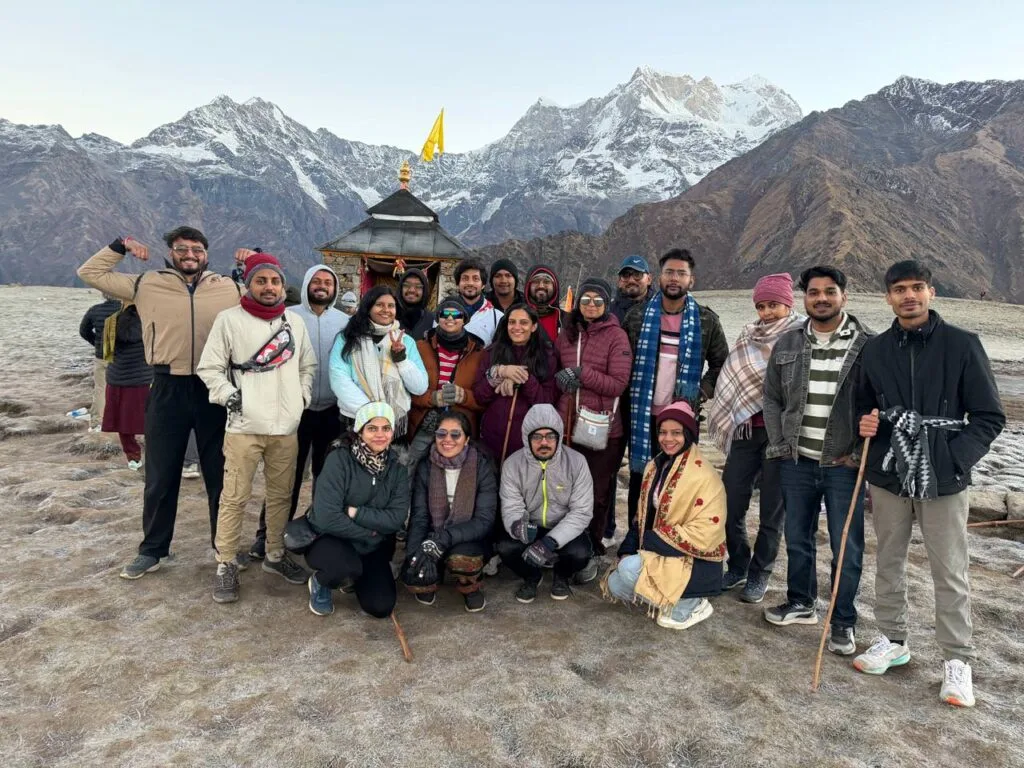
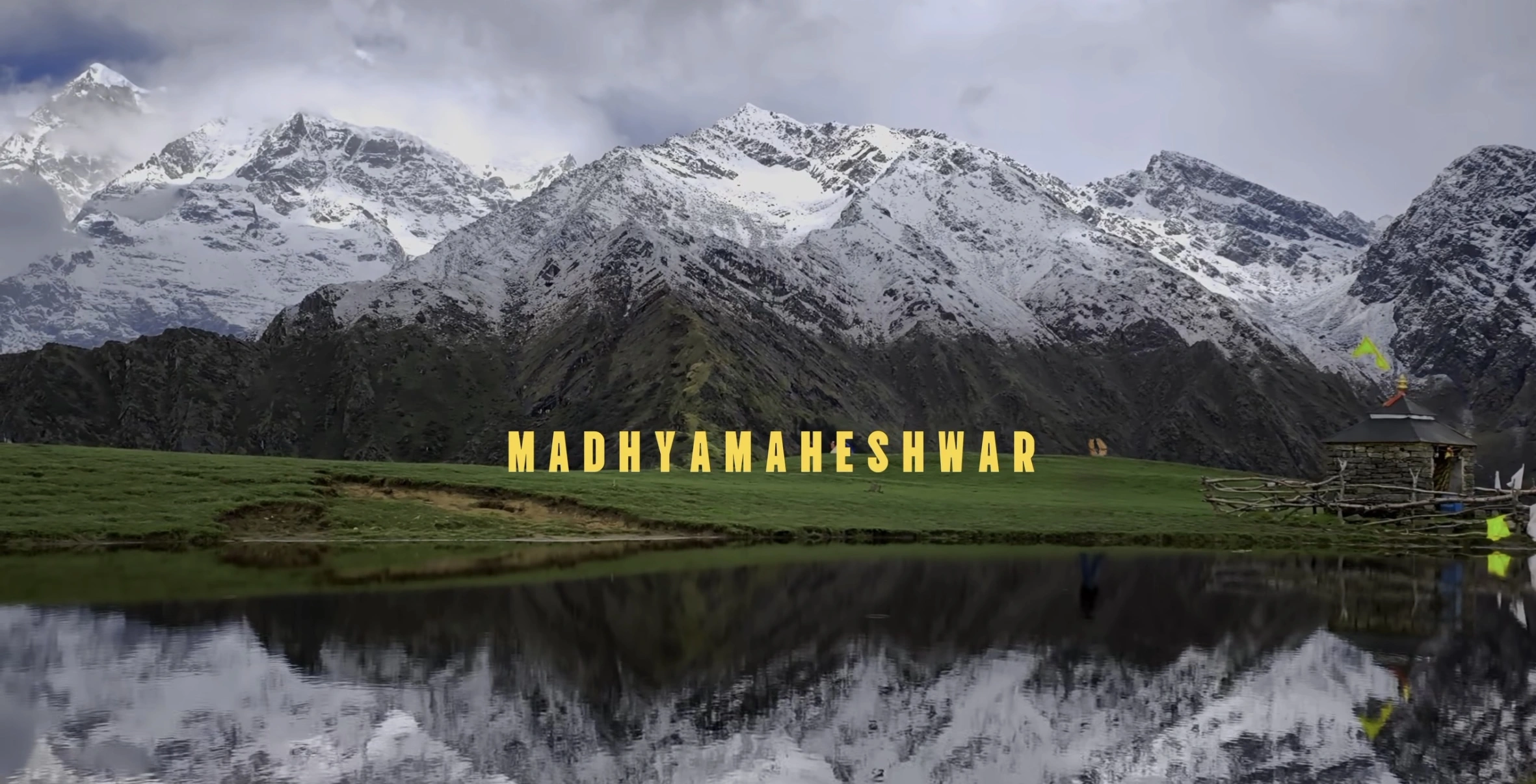
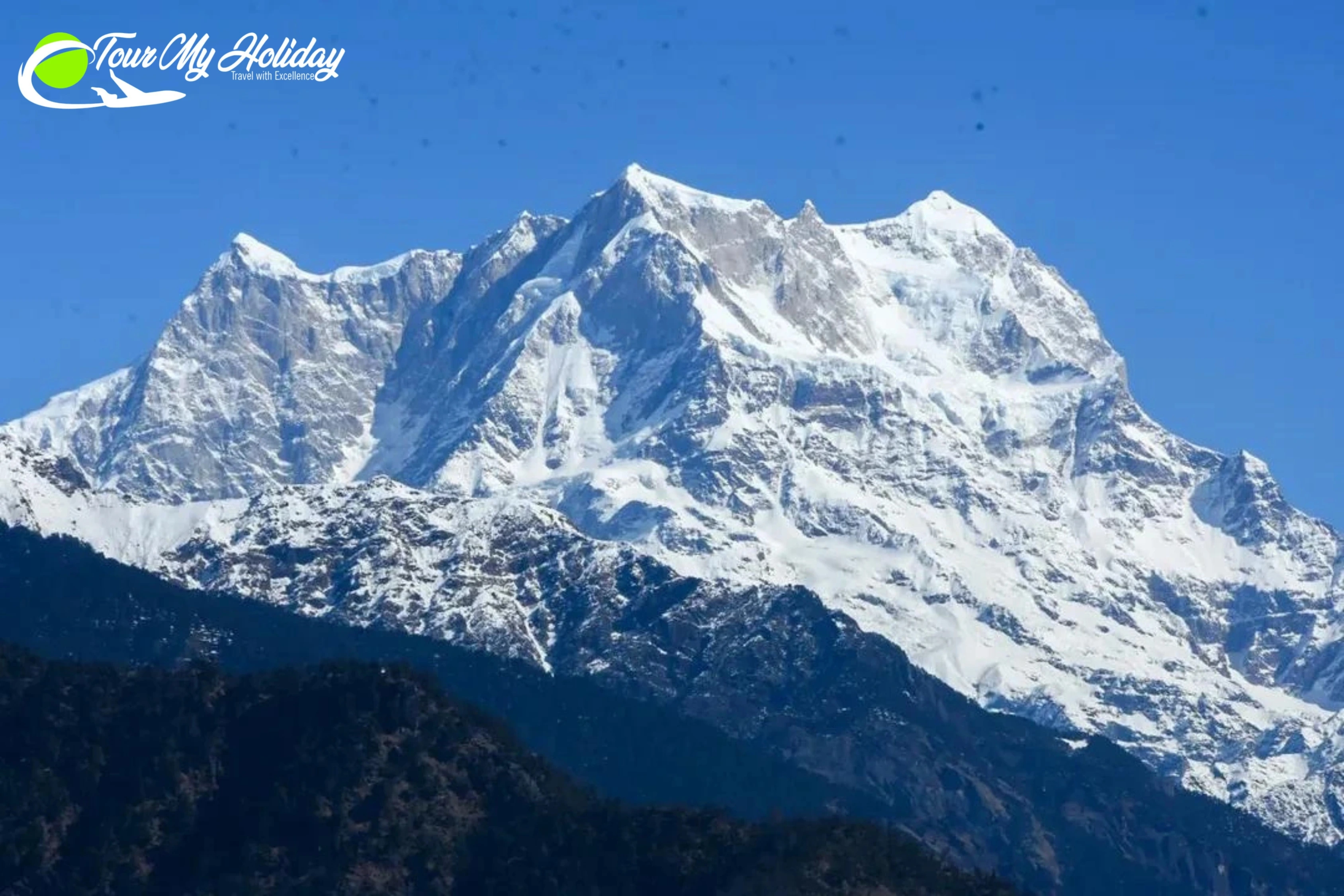
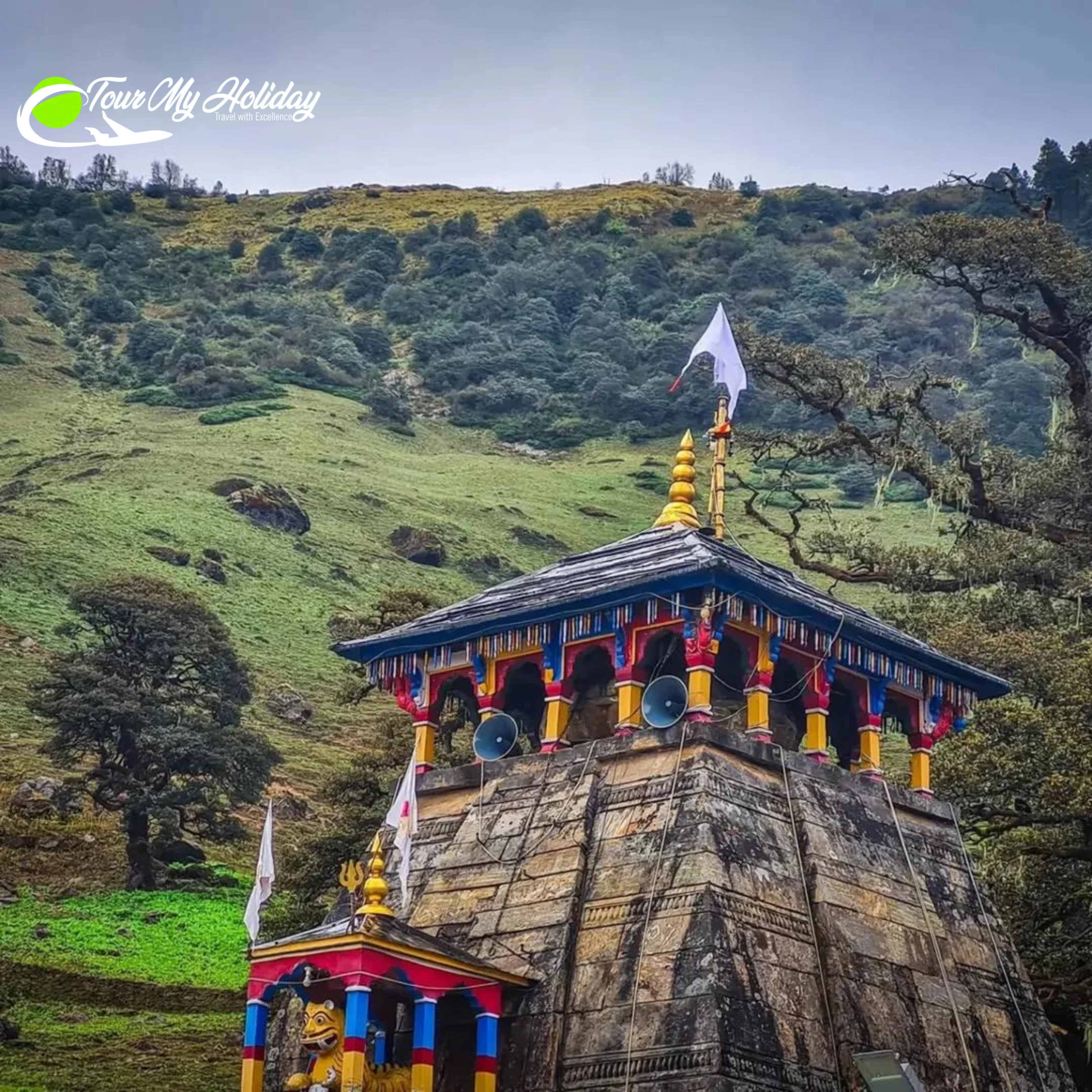
Tucked away in the serene folds of the Garhwal Himalayas, Madhmaheshwar Temple—also known as Madmaheshwar—is a revered shrine among the sacred Panch Kedar, devoted to Lord Shiva. Located at an elevation of approximately 3,497 meters (11,473 feet), the temple sits amidst dramatic Himalayan landscapes, with majestic peaks such as Chaukhamba, Kedarnath, and Neelkanth standing guard around it. The journey to this holy site is far more than a trek; it is a deeply spiritual passage through nature’s untouched beauty.
As per ancient legends, Madhmaheshwar marks the sacred spot where Lord Shiva’s navel is worshipped, giving the temple its name (Madhya meaning navel and Maheshwar referring to Shiva). The surroundings are filled with tranquil alpine meadows, crystal-clear streams, and an atmosphere that feels timeless and pure.
Blending faith with adventure, the Madhmaheshwar trek offers an experience where devotion meets the raw splendour of the Himalayas—each step drawing pilgrims and trekkers closer to peace, reflection, and divine connection.
Book Your Madhmaheshwar Tour Package 2026 Now

What Makes the Madhmaheshwar Tour & Trek a Truly Unique Experience?
A Madhmaheshwar tour and trek is more than a simple travel plan—it is an escape into a world where nature, faith, and solitude come together in perfect harmony. Nestled deep in the Garhwal Himalayas, Madhmaheshwar is one of Uttarakhand most peaceful and spiritually rich destinations. Far from noisy cities and over-crowded trails, this sacred land invites you to slow down, breathe deeply, and reconnect with yourself.
The journey to Madhmaheshwar is as beautiful as the destination itself. The trail winds through dense forests, open alpine meadows, and remote Himalayan villages where time seems to move gently. Along the way, you’ll cross clear mountain streams, walk on stone paths shaped by centuries, and witness landscapes that change with every turn. The Madhmaheshwar Temple, dedicated to Lord Shiva, stands gracefully in a high mountain valley, surrounded by towering snow-covered peaks that create an atmosphere of pure devotion and awe.
What truly sets a Madhmaheshwar tour apart is its untouched charm. Here, nature remains raw and unspoiled. You’ll see simple village homes, grazing cattle, and locals living close to the land, always welcoming travellers with warmth and humility. The sight of the Chaukhamba massif glowing under the soft hues of sunrise is unforgettable and leaves a lasting imprint on the heart.
Choosing the Madhmaheshwar tour & trek means choosing inner peace, spiritual depth, and Himalayan adventure in one journey. It’s an experience where silence feels meaningful, every step feels purposeful, and the mountains seem to guide you forward. For travellers seeking tranquillity, devotion, and natural beauty beyond the ordinary, Madhmaheshwar is a journey worth answering.
Madhmaheshwar Itinerary – 2 Nights / 3 Days (Delhi to Delhi)
- Day 0 (Friday Night): Evening/night departure from Delhi. Overnight journey towards Ransi Village via Rishikesh & Rudraprayag.
- Day 1: Early morning arrival at Ransi. Start trek towards Gaundhar / Bantoli through scenic trails. Overnight stay.
- Day 2: Trek to Madhmaheshwar Temple, perform darshan and explore the surroundings. Overnight stay near the temple.
- Day 3: Early morning prayers, trek back to Ransi, then start the drive back to Delhi. Arrival late at night / next morning.
Detailed Madhyamaheshwar Trek Route and Itinerary 2026 ( Download Itinerary )
Here's a standard 4-day Madhyamaheshwar trek itinerary for 2026. Adjust based on your Madhyamaheshwar trek package.
DAY 0: Overnight Departure from Delhi
- Pickup Time: 9:30 PM Pickup Point: Akshardham Metro Station (Gate No. 1).
- Mode of Transport: Car / MUV / SUV / Tempo Traveller (as per group size).
- Overnight Journey: Delhi to Rishikesh (approx. 6 hrs).
DAY 1: Rishikesh to Devprayag to Dhari Devi to Omkareshwar to Ransi Village
- Devprayag Sangam
- Dhari Devi Temple
- Omkareshwar Temple, Ukhimath
- Arrival at Ransi Village by evening
- Check-in: Homestay accommodation
- Meals: Dinner included.
DAY 2: Trek to Madhyamaheshwar (Approx. 16-17 km Trek)
- Early morning wake-up, Breakfast at Homestay.
- The trek starts at 6:30 AM with a local guide
- Visit Madhyamaheshwar Temple (3490 m)
- Overnight Stay: Homestay or Camps near Temple
- Meals: Breakfast, Dinner included
DAY 3: Trek Down to Ransi to Return to Delhi
- Explore Budha Madhyamaheshwar if time allows.
- Return to stay and enjoy a delicious breakfast amidst the serene mountain views.
- Reach Ransi by Evening
- Depart for Delhi
- Arrival in Delhi: Early morning the next day
- Meals: Breakfast included
Best Time to Visit Madmaheshwar Trek
If you are planning your journey, knowing the best time to visit Madhmaheshwar is very important. The temple is usually open from May to October, with summer offering pleasant weather and clear mountain views, while post-monsoon months provide lush green landscapes and peaceful trekking conditions.
- Ideal Months: May to mid-June & September to October.
- Weather: Pleasant temperatures, clear skies, and safe trekking trails.
- Scenery: Lush green meadows, vibrant alpine flowers, and pristine rivers.
- Mountain Views: Snow-capped peaks of the Garhwal Himalayas visible at every step.
- Atmosphere: Calm, peaceful, and ideal for spiritual seekers visiting the Madmaheshwar Temple.
- Avoid Monsoon: July–August can be risky due to landslides and slippery trails.
- Avoid Winter: November–April brings heavy snowfall and trail closures.
- Photography: Best light and weather conditions for scenic and landscape photography.
- Trekking Experience: Comfortable for beginners and intermediate trekkers.
- Overall: Ensures a safe, scenic, and memorable Himalayan trekking experience.
About Madhmaheshwar Temple & Its Spiritual Importance
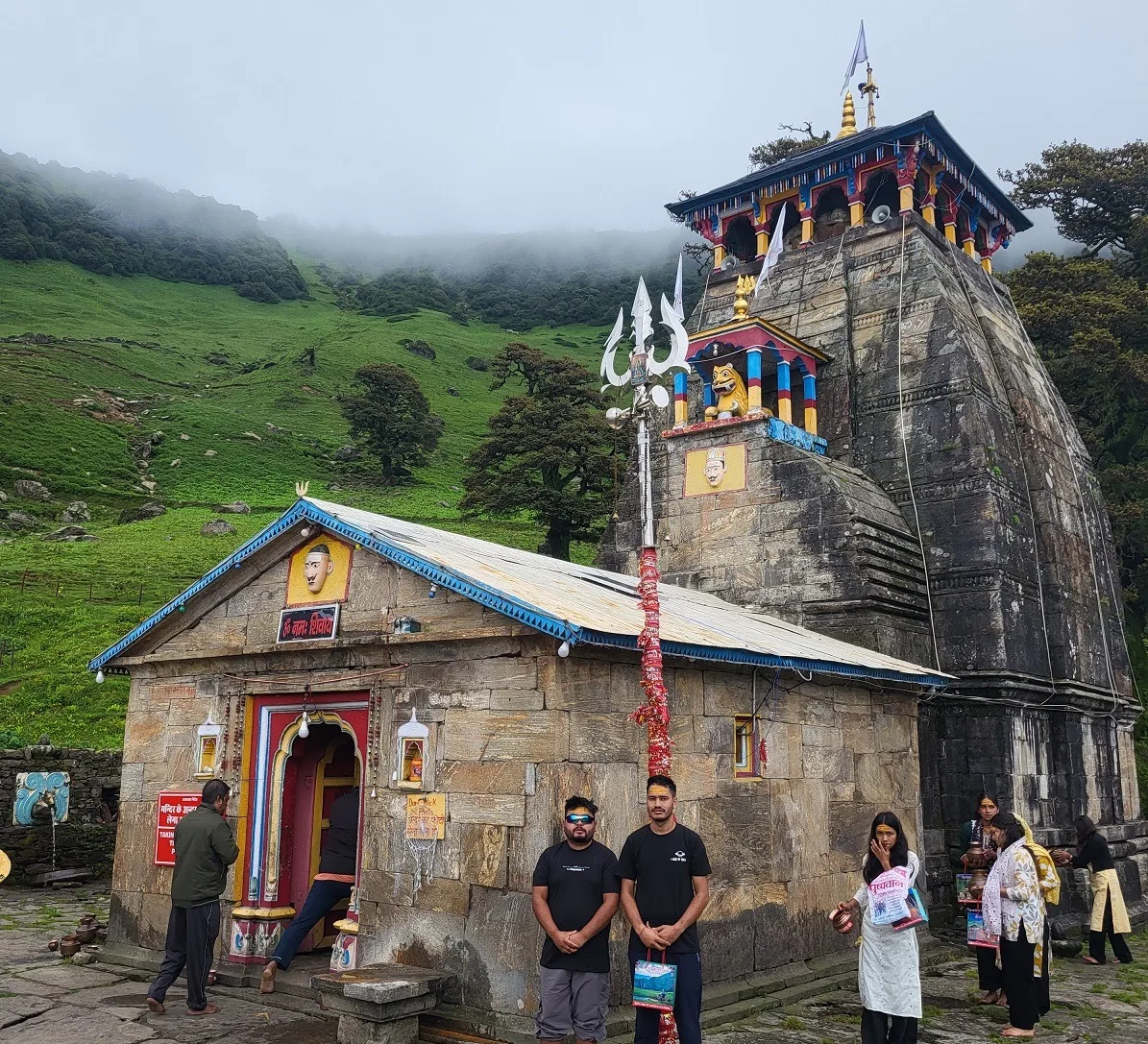
Madhmaheshwar Temple holds a sacred place among the five revered Panch Kedar shrines of Lord Shiva and reflects classic North Indian Nagara-style architecture. Deeply rooted in ancient legends, the temple is linked to the Pandavas’ quest for redemption after the Mahabharata. It is believed that Lord Shiva, unwilling to meet them, manifested as a bull and vanished into the earth at Kedarnath. Later, different parts of his divine form appeared at various locations, with the central portion believed to have emerged at Madhmaheshwar. This sacred belief led to the establishment of the temple at this serene Himalayan site, making it a powerful centre of devotion and faith.
Madhmaheshwar Trek Overview
- Trek Length: Around 16 km (one side) starting from Ransi village
- Trek Level: Moderate; ideal for first-time trekkers with good stamina
- Elevation: Approximately 3,497 meters (11,473 feet) above sea level
- Best Season: Late spring to early summer (May–June) and post-monsoon (September–November)

Climate & Seasonal Conditions
- Summer (May–June): Comfortable weather with temperatures ranging between 12°C and 20°C
- Monsoon (July–August): Frequent rains and slippery trails; travel is generally discouraged
- Autumn (September–November): Crisp air, stable weather, and clear mountain panoramas
- Winter (December–April): Heavy snowfall leads to temple closure; the idol is worshipped at Omkareshwar Temple in Ukhimath during this period
Accommodation Options
- Traditional homestays in Ransi and nearby hamlets, offering simple facilities and heartfelt Garhwali hospitality
- Basic guesthouses or tented stays close to Madhmaheshwar Temple, mainly catering to pilgrims and trekkers
Reaching Ransi Village
- By Air: Jolly Grant Airport, Dehradun, is the closest airport, located about 220 km away
- By Train: Haridwar and Rishikesh are the nearest major railway stations
- By Road: Ransi is accessible via motorable roads through Ukhimath, connecting it to the key towns of Uttarakhand
Nearby Attractions (Indicative distances/time from Ransi/Ukhimath)
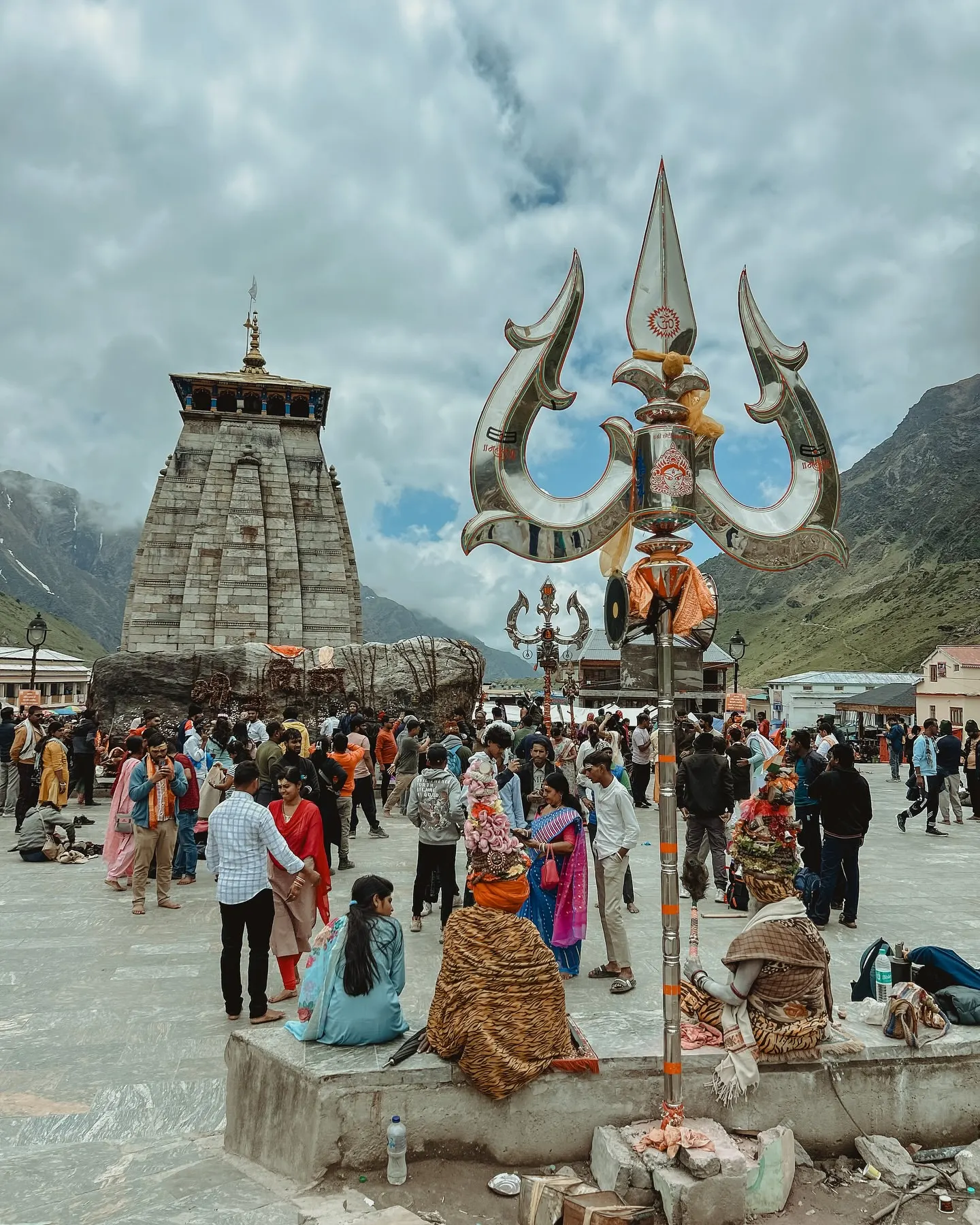
- Kedarnath Temple (Panch Kedar) – One of India’s most revered Jyotirlingas, Kedarnath stands as a symbol of devotion amid the high Himalayas. Accessible via Gaurikund, it can be visited as a dedicated trip or included in an extended itinerary, depending on weather conditions.
- Kalimath Temple – Nestled near Guptkashi, this sacred Shakti Peeth is famous for its unique night puja rituals. Surrounded by peaceful valleys, it offers a spiritual retreat away from the crowds.
- Rudranath Temple (Panch Kedar) – Dedicated to the face of Lord Shiva, Rudranath is reached via a serene trek through rhododendron forests and alpine meadows, making it ideal for meditation and nature lovers.
- Omkareshwar Temple, Ukhimath – Serving as the winter abode of the Kedarnath deity, this temple is easily accessible and reflects the rich Garhwali cultural heritage.
- Devprayag Sangam – The sacred confluence of the Alaknanda and Bhagirathi rivers, forming the mighty Ganga. Nearby, the historic Raghunathji Temple adds to the spiritual charm of the site.
- Kartik Swami Temple – Perched on a ridge, this temple dedicated to Lord Kartikeya offers breathtaking views of the surrounding Himalayan peaks. The short trek to reach it is both scenic and rewarding.
- Chopta Tungnath Chandrashila – Explore lush meadows, the world’s highest Shiva temple at Tungnath, and witness the spectacular sunrise from Chandrashila summit—a must-do for trekking enthusiasts.
- Kalpeshwar Temple (Panch Kedar) – Known for the matted hair (Jata) of Lord Shiva, this temple is accessible year-round and is set in the tranquil and scenic Urgam Valley, offering a peaceful pilgrimage experience.

Tips for a Safe & Unforgettable Madhmaheshwar Trek
The Madhmaheshwar trek is more than just a journey—it’s a walk through the heart of the Himalayas, where every trail tells a story. To make your trek safe, comfortable, and truly memorable, keep these simple tips in mind:
1. Pace Yourself – The trek isn’t a race. Take your time to enjoy every curve of the trail, the scent of pine forests, and the breathtaking views of snow-capped peaks. Let the mountains set your rhythm.
2. Pack Smart – Bring essential warm clothing, rain protection, sturdy trekking shoes, and sufficient water. A well-packed, light backpack makes the journey far more enjoyable.
3. Respect Nature – The Himalayas’ serene beauty is part of the trek’s charm. Keep the trails clean, avoid littering, and treat fellow trekkers with friendliness and respect.
4. Acclimatise & Stay Healthy – High altitudes can be challenging. Take regular breaks, breathe deeply, and eat light, nutritious meals to keep your energy steady throughout the trek.
5. Travel with a Knowledgeable Guide – A local guide familiar with the trails, legends, and hidden spots adds depth to your experience, turning your trek into a soulful journey.
Following these tips ensures your Madhmaheshwar trek is not just safe but also unforgettable. It’s more than reaching the temple—it’s about embracing the Himalayas and discovering a sense of peace within.
Madhmaheshwar / Buda Madhmaheshwar: A Sacred Himalayan Retreat
Nestled deep in the serene valleys of Uttarakhand, Madhmaheshwar, also known locally as Buda Madhmaheshwar, is one of the most enchanting and spiritually significant trekking destinations in the Garhwal Himalayas. Located at an altitude of around 3,490 meters, this ancient Shiva temple is part of the Panch Kedar circuit, drawing devotees and trekking enthusiasts alike to its sacred surroundings. Unlike the more frequented shrines, Madhmaheshwar trek an offbeat experience, where the pristine Himalayan landscape blends seamlessly with devotion and tranquillity.
The journey to Madhmaheshwar is as remarkable as the destination itself. The trek winds through dense coniferous forests, rhododendron trails, and alpine meadows dotted with wildflowers. Each step of the trek unveils panoramic views of the majestic Chaukhamba peaks, creating a photographer’s paradise and a spiritual haven for pilgrims seeking solitude. The trail is moderately challenging, making it suitable for fit beginners and experienced trekkers alike. Along the route, travellers encounter gushing streams, quaint wooden bridges, and small villages that reflect the rich Garhwali culture and hospitality.
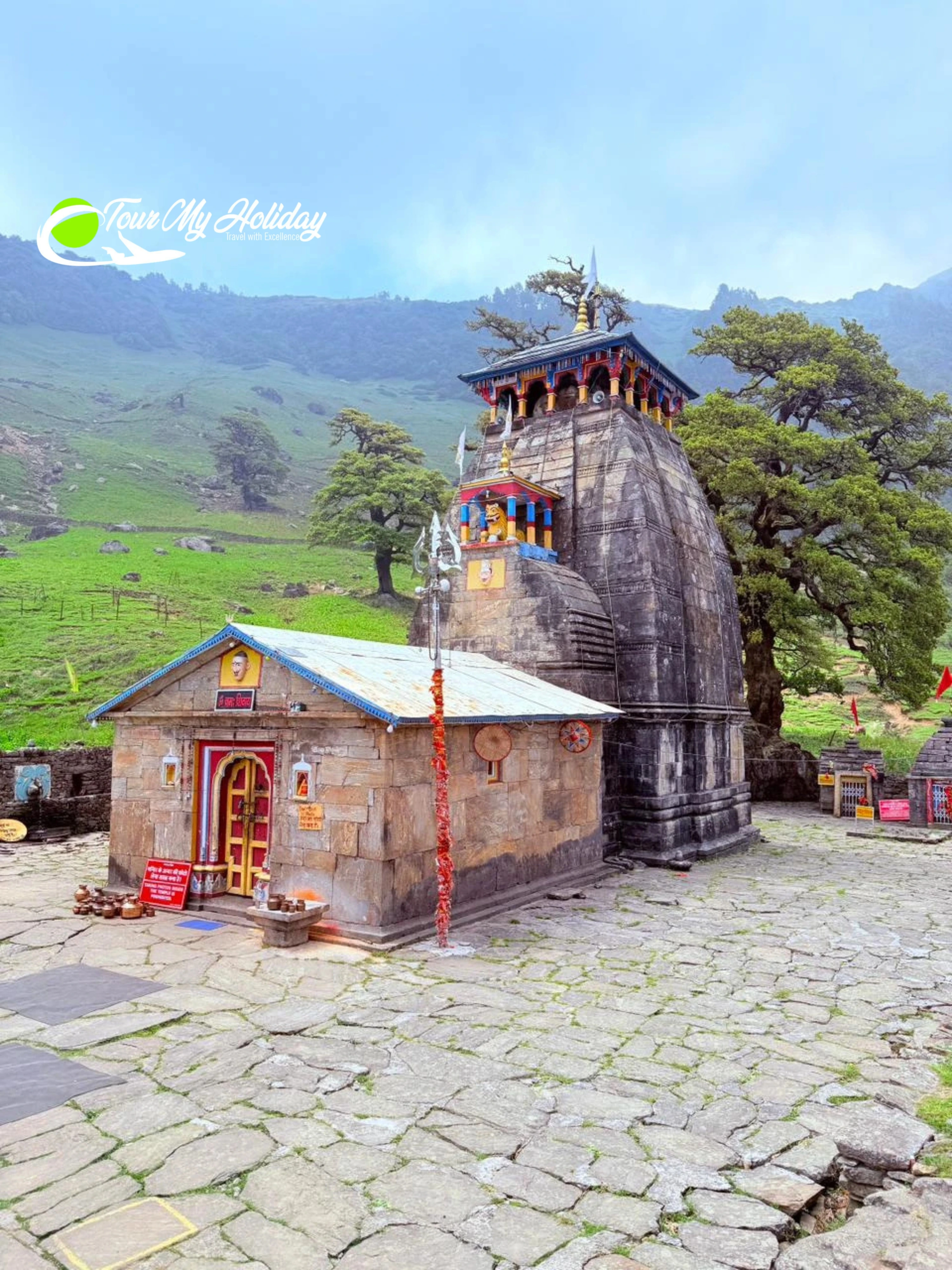
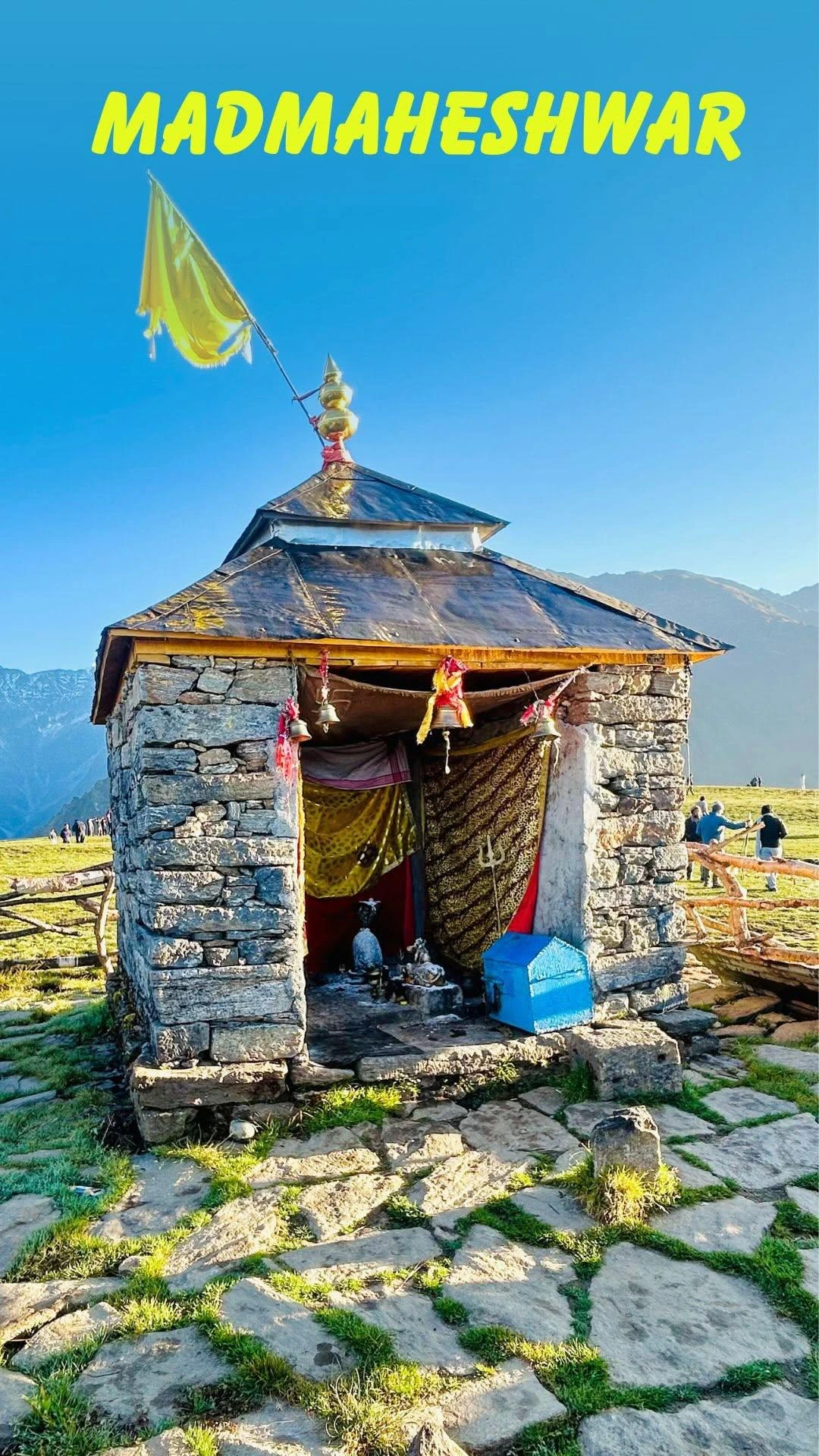
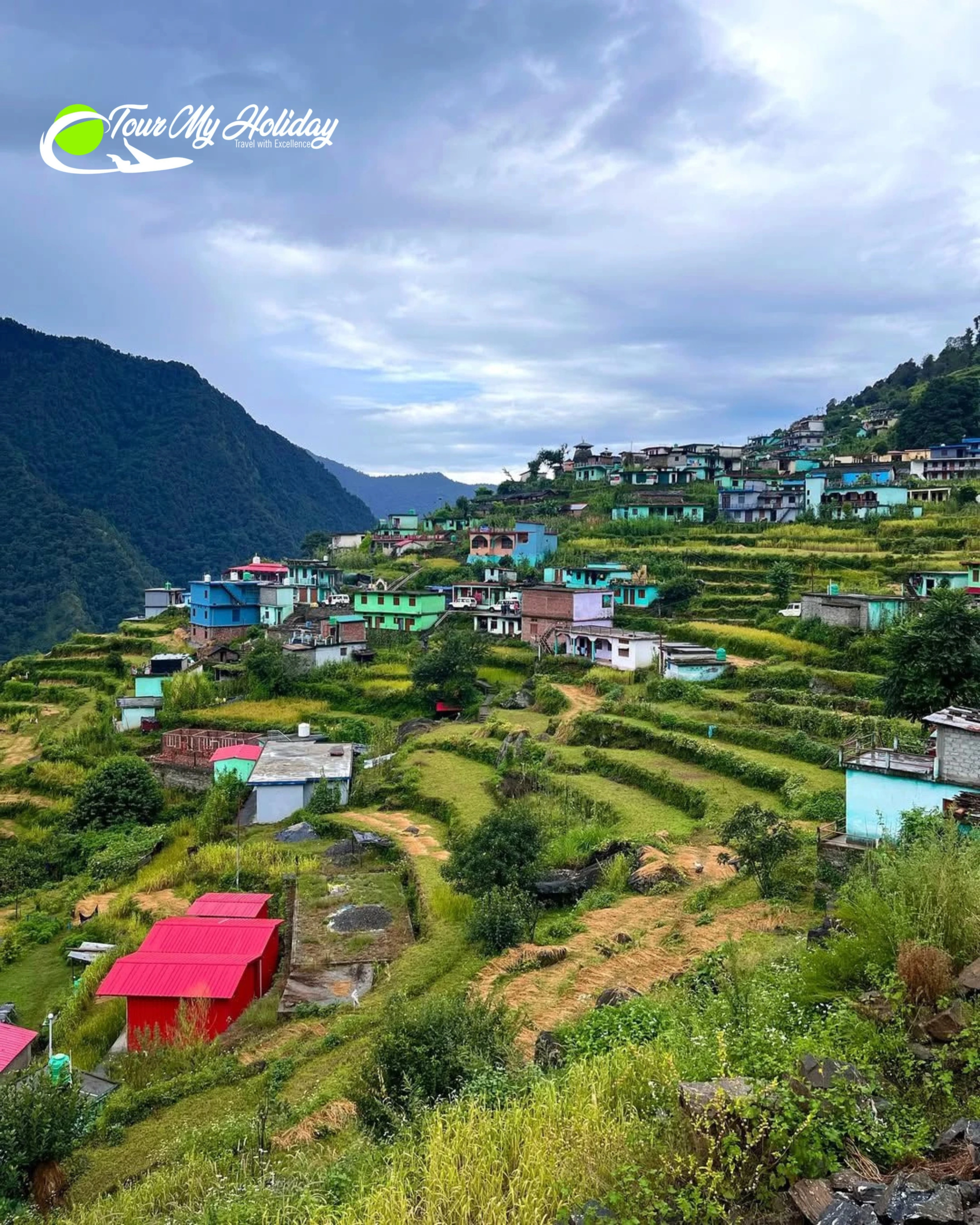
At the heart of Madhmaheshwar lies the ancient Shiva temple, believed to house one of Lord Shiva’s forms. The temple’s architecture, though modest, resonates with devotion and the timeless aura of the Himalayas. Devotees often describe a sense of calm and spiritual uplift upon reaching the shrine, making it a deeply personal pilgrimage. Local legends speak of the temple’s divine origins and its association with the Panch Kedar, enhancing its mystical allure.
For those planning the trek, it is recommended to start from Ransi or Ukhimath, depending on the chosen itinerary. Accommodation options include cosy homestays and basic lodges, offering warm meals and comfortable beds after a long day of trekking. Proper acclimatisation is advised, as the altitude can be challenging for first-time visitors. Carrying warm clothing, trekking shoes, and necessary provisions ensures a safe and enjoyable experience.
Beyond spirituality, Madhmaheshwar is a haven for nature lovers. The surrounding forests are home to diverse Himalayan flora and fauna, and the crisp mountain air offers a refreshing escape from city life. Trekking here is not just about reaching the temple—it’s about reconnecting with nature, experiencing solitude, and finding inner peace amidst some of the most stunning landscapes in India.
Whether you are a devotee seeking blessings or a trekker chasing adventure, Madhmaheshwar / Buda Madhmaheshwar promises an unforgettable Himalayan experience—one that lingers in memory long after the journey ends.
Similar Blog
Why Choose TourMyHoliday (We sweat the details so your trek feels effortless)
1) Licensed Uttarakhand Vehicles & Veteran Mountain Drivers
- Commercial vehicles with all valid State/Green permits, fitness, insurance, and tax documents.
- Hills-specialist drivers experienced on Ukhimath–Ransi mountain roads, trained for rain, fog, and hairpins.
- Clean, well-maintained fleet sized to your group (SUV/Tempo Traveller/Coach).
2) Authentic Pahadi Food, Hygienic Kitchens
- Breakfast & dinner included—simple, hot, energising Garhwali fare (dal, seasonal sabzi, rice/rotis, eggs on request, tea).
- Hygienic preparation, safe drinking water, and custom meal support for basic dietary preferences.
3) Altitude-Appropriate Stays
- Warm homestays at Ransi and near the shrine (where available) or quality trekker lodges/camps.
- Clean bedding, snug rooms, hot meals; we prioritise location, safety, and hospitality over frills at altitude.
4) Trek Support That Actually Supports
- Experienced local trek leads (for big groups or on request), porter/pony arrangements on demand.
- Guide-to-traveller ratios tuned to group size and fitness; steady pacing, hydration reminders, and terrain briefings.
- Route management for stream crossings, forest sections, and weather windows.
5) Safety First, Always
- Field kits with first-aid, oximeter, ORS, blister care; guides trained in basic wilderness response.
- Contingency plans for weather, trail blocks, and early turnbacks; nearest roadheads pre-mapped.
- A conservative approach to movement in rain/fog, and strict daylight rules apply to exposed sections.
6) Compliance & Permissions
- Support with local forest entry formalities/fees, if applicable, at the trail checkpost.
- Govt-ID verification coordination and responsible-tourism protocols.
7) 24/7 Ground Control
- On-trek team + backend ops desk tracking your movement, drivers, and stays.
- Live coordination for adjustments (weather, health, traffic) and family updates when requested.
8) Responsible & Local-First
- Respect for shrine norms, no camping in restricted temple meadows, minimal-waste trekking, and fair wages for local partners.

Madhmaheshwar Climate & Best Time to Visit
| Season | Temperature (Approx.) | Weather Conditions | Travel/Trek Notes |
|---|---|---|---|
| Spring (Mar–May) | 5°C to 18°C | Mild and pleasant; snow melts on lower trails | Best time for trekking, blooming rhododendrons, clear skies |
| Summer (Jun–Aug) | 10°C to 20°C | Warm days, occasional rain; cloud cover common | Monsoon season; trails can be slippery; trekking requires caution |
| Autumn (Sep–Nov) | 5°C to 18°C | Clear skies, cool temperatures, minimal rainfall | Ideal trekking season; stunning Himalayan views; stable weather |
| Winter (Dec–Feb) | -5°C to 10°C | Heavy snowfall at higher altitudes; very cold nights | Only experienced trekkers advised; many routes may be snowbound; proper winter gear required |
Accommodation Options in Madhmaheshwar
| Name / Property | Type | Facilities | Location | Price Range (INR) |
|---|---|---|---|---|
| Ransi Homestay | Homestay | Warm bedding, hot meals, basic toiletries | Ransi Village | 800–1,200 per night |
| Madhmaheshwar Trekker Lodge | Lodge | Clean rooms, shared bathrooms, meals included | Near Temple | 1,000–1,500 per night |
| Alpine Camp / Tent | Tent / Camping | Sleeping bag, basic toilet, hot tea | Trek Route / Campsite | 500–800 per night |
| Local Guesthouse | Guesthouse | Comfortable bedding, meals on request | Village en route | 700–1,200 per night |
Packing / Essentials Checklist for Madhmaheshwar Trek
| Item | Purpose | Recommended Quantity | Notes |
|---|---|---|---|
| Trekking Shoes | Foot protection, grip | 1 pair | Must be waterproof & sturdy |
| Warm Clothing | Insulation at high altitude | 2–3 layers | Include fleece/jacket, thermal wear |
| Rain Gear / Poncho | Protection from rain & wind | 1 set | Lightweight & foldable |
| Backpack | Carry essentials | 1 medium pack | 25–35L recommended |
| Water Bottle / Hydration Pack | Stay hydrated | 1–2 litres capacity | Reusable bottle preferred |
| Snacks / Energy Bars | Quick energy | 3–5 bars | Nuts, chocolates, or dry fruits |
| Personal Medicines | Health & emergencies | As needed | Include altitude sickness meds if required |
| Flashlight / Headlamp | Trekking in low light | 1 | Extra batteries recommended |
| Trekking Poles | Stability on steep trails | 1 pair | Optional but useful on rough terrain |
| Toiletries / Personal Care | Hygiene | Small travel kit | Biodegradable soap preferred |

Frequently Asked Questions (FAQs) – Madhmaheshwar Trek
1. Where is Madhmaheshwar located?
Madhmaheshwar, also called Buda Madhmaheshwar, is situated in the Garhwal Himalayas of Uttarakhand, India, at an altitude of approximately 3,490 meters.
2. How do I reach Madhmaheshwar?
The trek usually starts from Ransi or Ukhimath. You can reach these points by road from Haridwar, Dehradun, or Rishikesh via shared taxis, buses, or private vehicles.
3. What is the best time to visit Madhmaheshwar?
The ideal trekking seasons are Spring (March–May) and Autumn (September–November). Summer is possible but may have rain, while winter has heavy snowfall and requires proper gear.
4. How long is the Madhmaheshwar trek?
The trek covers around 15–20 km, depending on the starting point, and is usually completed over 2–3 days, including rest stops.
5. How difficult is the trek?
The trek is moderate, suitable for beginners with a good fitness level. Some steep sections and altitude changes require caution.
6. Are guides and porters available?
Yes, local guides, porters, and ponies are available on request to assist with navigation and carrying luggage.
7. What type of accommodation is available?
Options include homestays, trekker lodges, and campsites along the route. Most provide basic meals and bedding.
8. What should I pack for the trek?
Essential items include trekking shoes, warm clothing, rain gear, water bottles, snacks, personal medicines, and trekking poles.
9. Is Madhmaheshwar a religious place?
Yes, it is a sacred Shiva temple and part of the Panch Kedar circuit, attracting pilgrims seeking spiritual experiences.
10. Are meals available during the trek?
Most homestays and lodges provide breakfast and dinner. You should carry light snacks for the trail.
11. Is the trek safe for solo travellers?
Yes, with proper preparation, though it is recommended to trek in a group or with a local guide for safety.
12. Can I do the trek with children?
Children with good fitness and prior trekking experience can attempt shorter sections. Consult with guides before planning.
13. Are there medical facilities nearby?
Basic first-aid is available at homestays and lodges. For serious issues, the nearest hospitals are in Ukhimath or Guptkashi.
14. Can I carry my phone and do internet work on the trek?
Mobile connectivity is limited; it may work in higher villages, but Wi-Fi is generally unavailable.
15. How many days should I plan for the Madhmaheshwar trek?
A 3–4 day itinerary is ideal, including travel to Ransi/Ukhimath, acclimatisation, trekking, and return.
Also Read
Now that you have everything you need to plan your journey, get ready to experience the divine beauty of Madhmaheshwar and begin your unforgettable Himalayan adventure with TourMyHoliday.