
Kalimath Temple
Published on March 24, 2026
By a Char Dham & Shakti Peeth pilgrim with 10+ years of Uttarakhand travel experience | Updated: 2024 | Kalimath Village, Rudraprayag District, Uttarakhand
Deep in the Rudraprayag district of Uttarakhand, tucked between the mighty Kedarnath range and the roaring Saraswati River, lies a temple that has been drawing devotees for thousands of years. Kalimath Temple is one of the most powerful and revered Shakti shrines in all of North India — yet it remains beautifully free of the commercialisation that surrounds more famous pilgrimage sites.
If you are planning a trip to Kedarnath, Badrinath, or the Panch Kedar circuit, adding Kalimath to your itinerary is something you will never regret. This complete guide covers everything about Kalimath Temple Rudraprayag — its history, religious significance, how to reach it, best time to visit, and practical tips for pilgrims.
Table of Contents
- What is Kalimath Temple?
- Religious Significance and History
- The Unique Worship Tradition at Kalimath
- How to Reach Kalimath Temple
- Best Time to Visit Kalimath Temple
- Kalimath Temple Timings and Aarti Schedule
- Where to Stay Near Kalimath
- Nearby Attractions Around Kalimath
- Important Tips for Pilgrims
- Frequently Asked Questions (FAQs)
1. What is Kalimath Temple?
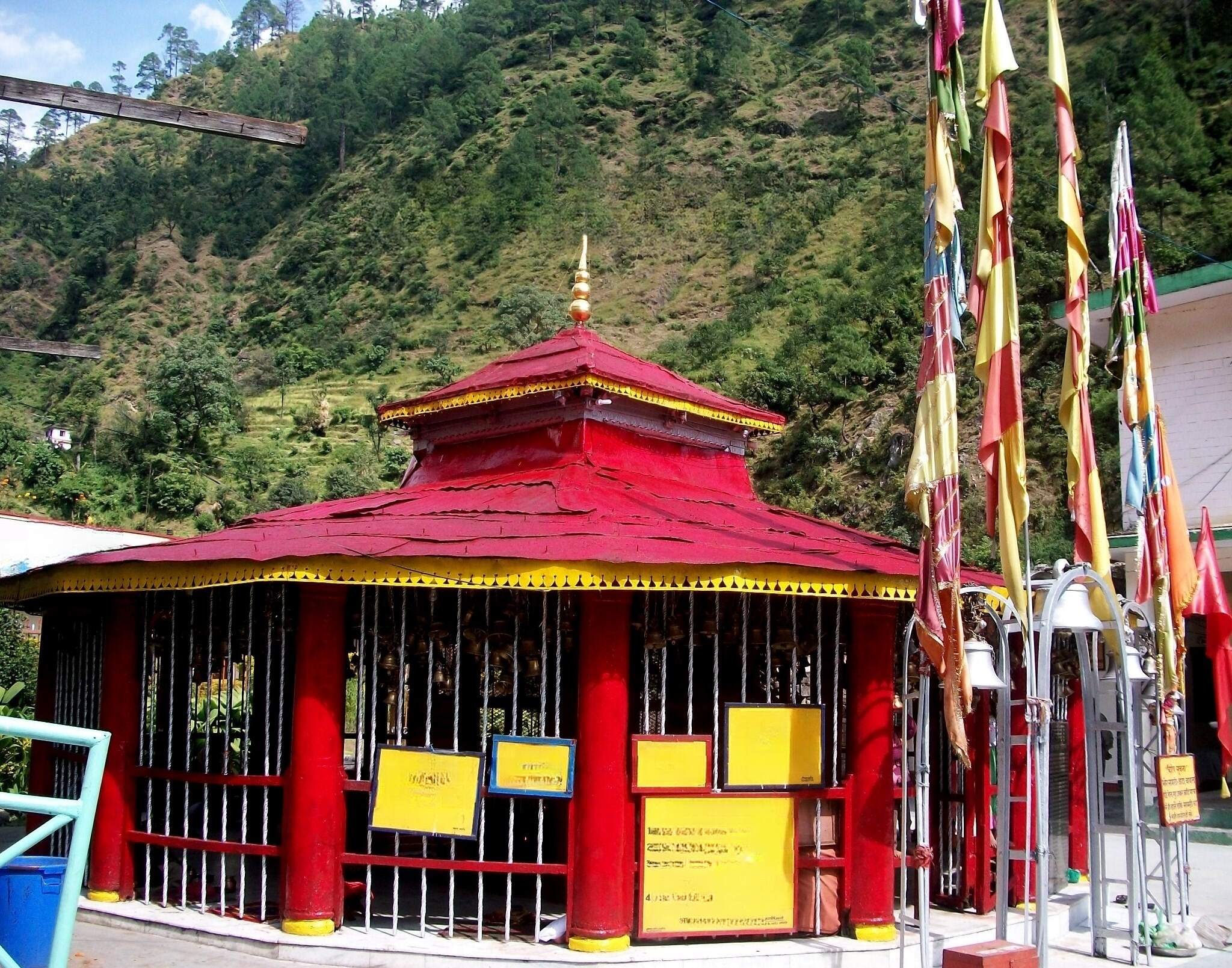
Kalimath Temple is an ancient Hindu temple dedicated to Goddess Kali — the fierce and powerful form of Goddess Durga (Shakti). The temple is located in Kalimath in the Rudraprayag district of Uttarakhand, at an altitude of approximately 1,800 metres (5,906 feet) above sea level.
The temple sits on the banks of the sacred Saraswati River and is surrounded by thick forests and snow-capped Himalayan peaks. Kalimath is widely considered one of the 108 Shakti Peethas — the most sacred shrines of Goddess Shakti across India — and draws lakhs of devotees every year, especially during the Navratri festival.
What makes Kalimath truly unique is that here, the Goddess is not represented by an idol or statue. Instead, she is worshipped in the form of a sacred yantra — a geometric divine symbol — making this one of the rarest and most mystically significant temples in the entire Himalayan region.
2. Religious Significance and History
The history and spiritual importance of Kalimath Temple is deeply rooted in ancient Hindu scriptures and local Garhwali tradition. According to the Skanda Purana — one of the eighteen major Hindu scriptures — Kalimath is specifically mentioned as a Maha Shakti Peeth, a place of extraordinary divine feminine energy.
The mythological origin of the temple goes back to the legendary battle between the gods and the demons. According to local tradition and Puranic texts, it was at this very spot that Goddess Kali defeated the powerful demons Shumbha and Nishumbha, restoring balance between good and evil in the universe. After her victory, Goddess Kali is believed to have merged into the earth at Kalimath, making the ground itself sacred and divinely charged.
The temple has been a centre of Tantric worship for centuries. It is said that the great Adi Shankaracharya himself visited Kalimath during his spiritual journey across India in the 8th century and performed special rituals here, further elevating the temple's status as a premier Shakti shrine in North India.
The Kalimath Temple Trust has managed the temple for generations, with the pujari family tracing their lineage back hundreds of years. The rituals, prayers, and customs followed at Kalimath today are directly inherited from these ancient traditions.
3. The Unique Worship Tradition at Kalimath
One of the most fascinating aspects of Kalimath Shakti Peeth is its completely unique worship style. Unlike virtually every other major Hindu temple in India, there is no idol of the Goddess inside the main sanctum. Goddess Kali is worshipped here in the form of a sacred yantra — an ancient geometric symbol representing the divine feminine energy.
This form of worship is deeply connected to Tantra Shastra — the ancient Vedic science of energy and sacred geometry. Pilgrims and devotees believe that the yantra at Kalimath directly channels the raw, pure energy of Goddess Kali in a way that an idol cannot. Many Tantric practitioners and spiritual seekers from across India make special visits to Kalimath specifically for this reason.
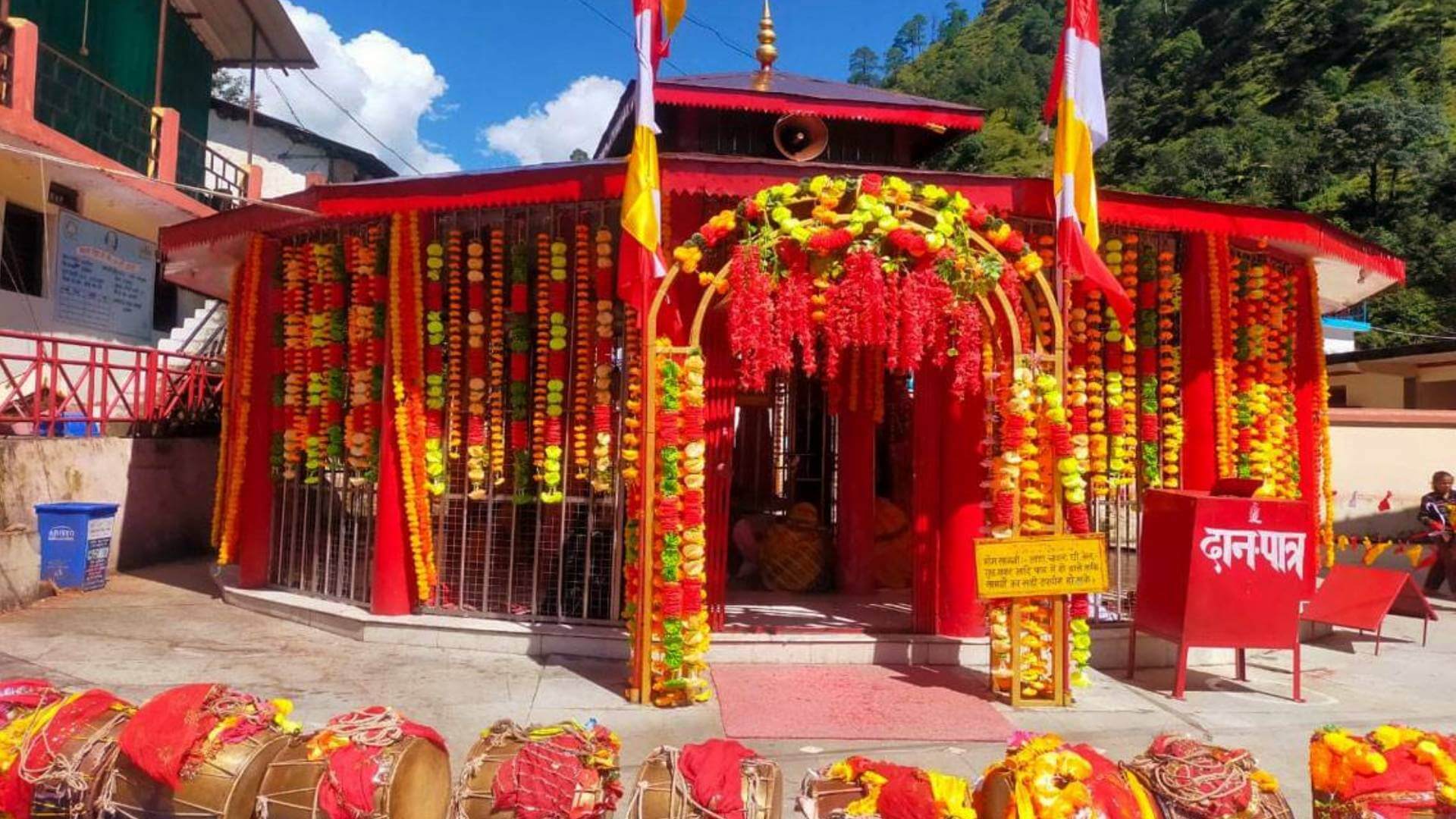
The temple complex also houses smaller shrines dedicated to Lord Shiva, Lord Ganesha, and the Nava Durgas (nine forms of the Goddess). During Navratri, the entire complex comes alive with extraordinary energy — continuous chanting, special havan (fire ritual), and thousands of devotees arriving day and night for the Goddess's blessings.
4. How to Reach Kalimath Temple
Kalimath Temple is well connected by road and can be easily reached from major pilgrimage hubs like Rishikesh, Haridwar, and Kedarnath.
By Air: The nearest airport is Jolly Grant Airport, Dehradun — approximately 190 km from Kalimath. Taxis and buses are available from the airport to Rudraprayag, from where local transport takes you to Kalimath.
By Train: The nearest railway station is Rishikesh (about 170 km). From Rishikesh, take a direct bus or shared taxi to Rudraprayag (approximately 4 hours), then connect to Kalimath by local taxi or bus.
By Road: Kalimath is located approximately 35 km from Rudraprayag town on a well-maintained mountain road via Ukhimath. The route from Rishikesh is: Rishikesh → Devprayag → Srinagar (Garhwal) → Rudraprayag → Kalimath. The total road distance from Rishikesh to Kalimath is approximately 170 km, taking about 5–6 hours by car.
From Kedarnath route: Pilgrims travelling on the Kedarnath Yatra can easily visit Kalimath as it falls near the Ukhimath junction, making it a natural addition to any Char Dham or Panch Kedar pilgrimage itinerary.
5. Best Time to Visit Kalimath Temple

Unlike many Himalayan temples that close during winter, Kalimath Temple remains open throughout the year. However, certain periods offer a far richer experience:
Navratri (March–April and October): This is without doubt the best time to visit Kalimath Temple. During both Navratri periods — Chaitra Navratri in spring and Sharadiya Navratri in autumn — the temple witnesses massive gatherings. Special rituals, extended aarti timings, cultural programmes, and a deeply charged spiritual atmosphere make Navratri at Kalimath an unforgettable experience.
May to June: Pleasant weather, clear skies, and comfortable temperatures (10°C–20°C). Ideal for those combining Kalimath with the Kedarnath or Panch Kedar yatra.
September to November: Post-monsoon Uttarakhand is beautiful — crisp air, clear mountain views, and a peaceful temple atmosphere. October coincides with Sharadiya Navratri, making it doubly rewarding.
July to August: The monsoon brings heavy rainfall to the Rudraprayag region, making roads occasionally risky. Visiting is possible but not ideal. Check road conditions before travelling.
December to February: Cold but accessible. Snowfall occasionally dusts the surrounding peaks, creating a hauntingly beautiful atmosphere around the temple. Visitor numbers drop significantly, offering a rare chance for peaceful, crowd-free darshan.
6. Kalimath Temple Timings and Aarti Schedule
The Kalimath Temple timings during regular days are approximately as follows:
| Aarti / Puja | Time |
|---|---|
| Morning Opening & Mangala Aarti | 5:00 AM – 6:00 AM |
| Morning Darshan | 6:00 AM – 12:00 PM |
| Afternoon Break (bhog) | 12:00 PM – 2:00 PM |
| Evening Darshan | 2:00 PM – 7:00 PM |
| Sandhya Aarti (Evening Aarti) | 6:30 PM – 7:00 PM |
| Temple Closes | 7:00 PM |
Note: During Navratri, the temple remains open for extended hours — sometimes through the night. Timings can vary slightly by season. Always confirm with the temple trust on arrival.
7. Where to Stay Near Kalimath Temple

Accommodation options near Kalimath are simple and budget-friendly:
In Kalimath Village: Basic guesthouses and dharamsalas are available within walking distance of the temple. Expect clean, simple rooms at ₹300–₹700 per night. A few options also offer basic meals (prasad-style food — dal, rice, roti, sabzi).
In Ukhimath (12 km away): Ukhimath has slightly better accommodation options including small hotels with attached bathrooms and hot water. Good choice for those wanting a comfortable base while visiting Kalimath and Madmaheshwar.
In Rudraprayag (35 km away): Rudraprayag town has the widest range of hotels, from budget options (₹500–₹800) to mid-range properties (₹1,500–₹3,000). Well suited for those exploring multiple sites across the Rudraprayag district.
8. Nearby Attractions Around Kalimath
Kalimath is perfectly located for exploring several important religious and natural sites in the Rudraprayag region:
Ukhimath Temple (12 km): A beautiful complex of ancient temples where the winter idols of Kedarnath and Madhyamaheshwar are kept and worshipped during the winter months when the high-altitude temples are closed. A must-visit for any Panch Kedar devotee.
Madhmaheshwar Temple (trek from Ransi, 35 km): The 3rd Kedar shrine of the Panch Kedar circuit is accessible from Ransi Village, a short drive from Kalimath. Combining Kalimath and Madhyamaheshwar makes for an exceptional spiritual itinerary.
Deoria Tal (40 km): A pristine high-altitude lake at 2,438 metres, famous for its mirror-like reflection of the Chaukhamba peaks. An easy and breathtaking day trek from the Sari Village trailhead.
Rudraprayag Confluence (35 km): The sacred sangam (confluence) of the Alaknanda and Mandakini rivers at Rudraprayag town is a deeply spiritual spot with ancient temples and a peaceful ghats area for prayer and meditation.
9. Important Tips for Pilgrims
- Dress modestly when entering the temple — cover your shoulders and legs. Remove footwear before entering the temple complex.
- Carry cash — there are no ATMs in Kalimath village. The nearest ATM is in Ukhimath or Rudraprayag.
- Book accommodation in advance during Navratri — the entire region fills up quickly and guesthouses get booked days ahead.
- Photography restrictions apply inside the main sanctum — always ask the pujari before taking photographs inside the temple.
- Start early if combining Kalimath with Ukhimath or Deoria Tal in a single day — mountain roads are best travelled in daylight hours.
- Respect local customs — the pujari family at Kalimath follows ancient Tantric traditions. Follow instructions respectfully during special rituals or havan ceremonies.
10. Frequently Asked Questions (FAQs)
Q1. Is Kalimath Temple open in winter?
Yes. Unlike many Himalayan temples, Kalimath remains open throughout the year including winter months.
Q2. Is Kalimath a Shakti Peeth?
Yes. Kalimath is widely recognised as one of the 108 Shakti Peethas and a major centre of Tantric Shakti worship in North India.
Q3. How far is Kalimath from Kedarnath?
Kalimath is approximately 65–70 km from Sonprayag (the road base for Kedarnath), making it easy to visit both in the same trip.
Q4. Why is there no idol at Kalimath Temple?
Goddess Kali is worshipped here as a sacred yantra — a geometric divine symbol — following ancient Tantric traditions, making Kalimath one of the rarest temples in India.
Q5. What is the nearest town to Kalimath Temple?
Ukhimath (12 km) is the nearest town with basic facilities. Rudraprayag (35 km) offers broader accommodation and transport options.
This guide is based on personal pilgrimage experience and verified local information. Always check current road and weather conditions with Uttarakhand Tourism or local authorities before travelling to Kalimath.