
Packing Mistakes That Can Ruin Your Madmaheshwar Trek
Published on April 23, 2026 | Updated on September 14, 2026
The Madmaheshwar Trek is one of Uttarakhand's most breathtaking Himalayan journeys — a soul-stirring trail that winds through dense rhododendron forests, alpine meadows, and eventually opens up to the sacred Madmaheshwar Kund, with panoramic views of Kedarnath, Chaukhamba, and Neelkanth peaks. Located in the Kedarnath Wildlife Sanctuary at an altitude of approximately 3,289 meters, this trek rewards those who prepare well — and punishes those who don't.
One of the most common reasons trekkers struggle, turn back, or have their experience ruined has nothing to do with fitness. It's poorly packed. Whether you're a first-time trekker or an experienced hiker, underestimating the Garhwal Himalayas and packing the wrong gear (or too much of it) can make this 24-km trail feel brutal. Here are the critical packing mistakes you must avoid before lacing up your boots.
1. Overpacking and Ignoring the Weight Limit

The single most damaging mistake trekkers make is overpacking. On the Madhmaheshwar Trek, you'll gain significant elevation across multiple days, covering terrains ranging from river crossings to steep ridgelines. Every extra kilogram in your bag translates directly to exhaustion, knee strain, and slower progress.
The Rule: Keep your backpack under 8–10 kg, including water and food. If you're hiring a porter (which is advisable for beginners), limit personal day-packs to 4–5 kg.
Trekkers often pack "just in case" clothes they never wear, full-sized toiletry kits, heavy books, or multiple camera lenses. Be ruthless — every item must earn its place.
2. Wearing the Wrong Footwear
This is perhaps the most dangerous mistake. Many trekkers show up in running shoes, casual sneakers, or brand-new trekking boots that haven't been broken in.
The Madhmaheshwar trail includes rocky paths, muddy stretches after rain, slippery stream crossings, and uneven terrain near the higher camps. Without ankle support and grip, you're risking sprains, slips, and serious injury far from the nearest medical facility.
What to Pack: Waterproof, mid-cut trekking boots with Vibram or equivalent rubber outsoles. Crucially, wear them on training walks for at least 2–3 weeks before the trek. Blisters from new boots have forced many trekkers to abandon the trail.
Also pack: a pair of lightweight sandals or camp slippers for evenings at the campsite. Your feet need to breathe.
3. Underestimating Layering for Temperature Swings
The Madmaheshwar Trek typically runs from May to June and September to November. In both windows, temperatures swing dramatically — warm and pleasant during the day, dropping to near-freezing or below at night, especially near Madmaheshwar Kund and Bunar base.
Trekkers who pack only a heavy jacket (or worse, only light summer clothes) suffer the consequences.
The Layering System:
- Base Layer: Moisture-wicking thermal or merino wool (not cotton — cotton stays wet and causes hypothermia)
- Mid Layer: Fleece jacket or down gilet for insulation
- Outer Layer: Waterproof windproof shell jacket with a hood
Pack at least 2–3 sets of moisture-wicking base layers. Wet clothing at altitude is a medical risk, not just a discomfort.
4. Skipping or Underpacking Rain Gear
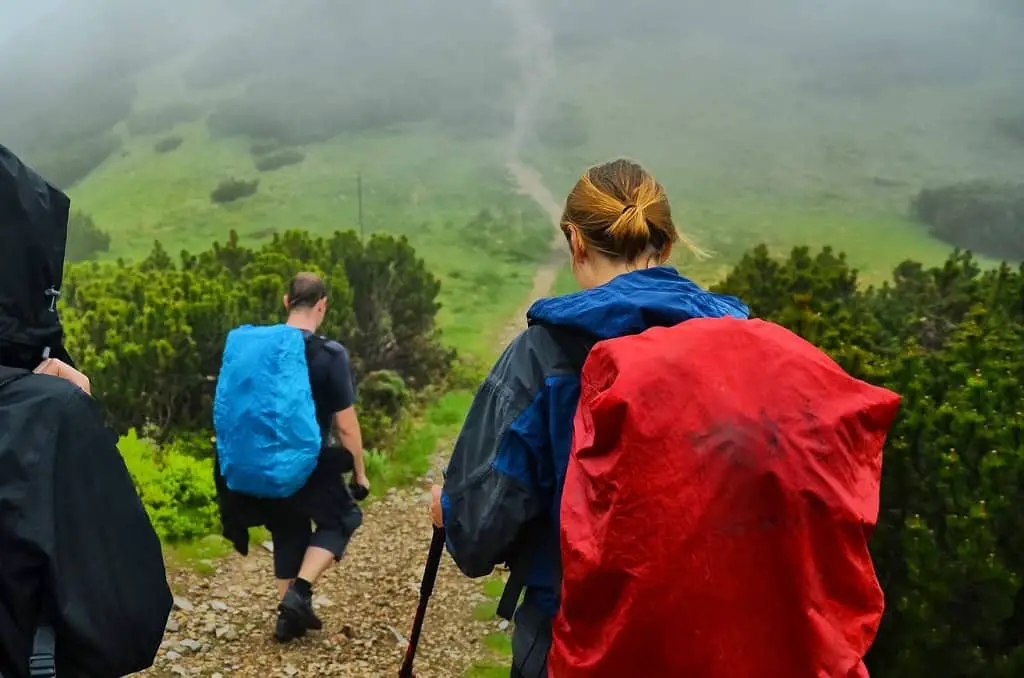
The Uttarakhand mountains are unpredictable. Even in the pre-monsoon and post-monsoon trekking windows, sudden rain and hailstorms are common, especially between Bantoli and the upper camps.
Many trekkers assume a "water-resistant" jacket will suffice. It won't. In a sustained downpour at 3,000+ meters with wind chill, inadequate rain gear is dangerous.
Must-Have Rain Gear:
- A quality waterproof rain jacket (taped seams, not just DWR-coated)
- Waterproof rain pants or shell pants
- A pack cover for your backpack — your sleeping bag and dry clothes must stay dry
- Dry bags or zip-lock bags inside your pack for electronics, documents, and spare clothes
5. Not Packing Enough — or the Wrong — First Aid Supplies
Cell reception is nearly non-existent for most of the Madmaheshwar Trail. The nearest hospital is hours away in Ukhimath or Rudraprayag. A basic first aid kit is not optional — it's essential.
Common First Aid Mistakes:
- Packing no altitude sickness medication (Diamox / Acetazolamide — consult a doctor before the trek)
- Forgetting blister care (moleskin, antiseptic, bandages)
- No ORS (oral rehydration salts) for dehydration and diarrhoea
- Missing painkillers (Ibuprofen is preferred over Paracetamol for altitude-related headaches)
Also include: an emergency whistle, a small flashlight or headlamp with extra batteries, and a space/emergency thermal blanket.
6. Wrong or Insufficient Sleeping Gear
Guesthouses and homestays along the route (at Ransi, Bantoli, Nana/Nanu, and Madmaheshwar) offer basic accommodation — but blankets may be thin, damp, or insufficient at higher altitudes.
Trekkers who don't carry a sleeping bag often spend miserable, sleepless nights shivering, arriving the next day physically drained.
What You Need: A sleeping bag rated to at least -5°C to -10°C. Combine with a thin sleeping bag liner for extra warmth and hygiene. The liner also works independently on warmer nights.
7. Ignoring Sun Protection at High Altitude
UV radiation increases significantly with altitude. At 3,000–3,500 meters, the atmosphere is thinner, and UV exposure is roughly 25–30% more intense than at sea level. Sunburn, snow blindness (if you encounter snow patches), and dehydration due to sun exposure are real concerns.
Pack Without Fail:
- SPF 50+ sunscreen (lips included — use a lip balm with SPF)
- UV-protection sunglasses (wraparound style preferred)
- A wide-brimmed hat or cap
- Sun gloves if trekking in May-June, when snowfields may be present
8. Poor Food and Hydration Planning
The tea houses and dhabas along the Madmaheshwar route serve simple meals — dal, rice, roti, and eggs. Availability can be inconsistent on the higher sections of the trail.
Mistakes to Avoid:
- Relying entirely on trail food without packing high-energy snacks
- Not carrying a water purification method (the stream water is generally clean, but not guaranteed)
- Dehydrating by not drinking enough — at altitude, the body loses moisture rapidly through respiration
Pack: Energy bars, dry fruits and nuts, chocolate, electrolyte sachets, and a water filter straw or purification tablets. Carry at least 2–3 litres of water capacity.
Final Word: Pack Smart, Trek Strong
The Madmaheshwar Trek is not technically difficult, but it demands respect for the altitude, the weather, and the remoteness of the route. The trekkers who enjoy it most are not the ones with the most expensive gear, but those who pack with intention, keep it light, and come prepared for the mountain's mood swings.
Before you pack, ask yourself one simple question for each item: Will I genuinely need this on the trail, or am I just packing fear? The answer will make your bag lighter and your trek far more rewarding.
Book Our Madmaheshwar Tour Package now
FAQs
Q1. What is the best time to do the Madmaheshwar Trek?
The best time is May to June (pre-monsoon) and September to November (post-monsoon). July and August are monsoon months with heavy rain, landslide risk, and leeches — generally not recommended.
Q2. How difficult is the Madmaheshwar Trek?
It is rated moderate in difficulty. The total trek is approximately 24 km one way, with a maximum altitude of around 3,497 meters. It's suitable for reasonably fit beginners who prepare adequately.
Q3. Is a sleeping bag mandatory for the Madmaheshwar Trek?
Yes, strongly recommended. While some guesthouses provide blankets, they may be inadequate at higher camps, especially in shoulder seasons when temperatures dip well below freezing at night.
Q4. Do I need a permit for the Madmaheshwar Trek?
Yes. The trek passes through the Kedarnath Wildlife Sanctuary and requires an entry permit, typically arranged in Ukhimath or Ransi. Your trekking agency can handle this if you're booking a guided package.
Q5. Can I rent trekking gear near the Madmaheshwar Trek base?
Basic gear like trekking poles and rain ponchos may be available for rent in Ukhimath or Ransi, but availability is unreliable. Sleeping bags and quality boots are best brought from home or rented from established gear shops in Rishikesh or Dehradun before the trek.
Q6. Is altitude sickness a concern on the Madmaheshwar Trek?
The maximum altitude (3,289 m) is moderate, lower than many popular Himalayan treks. However, altitude sickness can still affect trekkers who ascend too quickly. Take it slow from Day 2 onwards, stay hydrated, and consult a doctor about Diamox before the trek.


