
Madmaheshwar Trek in Monsoon – Landslide Risk & Tips (2026 Complete Guide)
Published on April 16, 2026 | Updated on September 14, 2026
Every year, hundreds of trekkers and pilgrims search: "Can I do Madmaheshwar Trek in July or August?" The answer is not a simple yes or no. The Madmaheshwar Trek during monsoon is technically possible — the temple remains open, the trail exists, and some experienced trekkers do complete it. But there are real, documented risks that every traveller must understand before making that decision.
This guide does not sugarcoat the monsoon reality. It is written to give you an honest, experience-backed picture of what Madmaheshwar Trek in monsoon actually looks like — the landslide zones, the trail conditions, the leech problem, and the smart tips that can still make your trip safe if you choose to go.
When Exactly Is Monsoon Season for the Madmaheshwar Trek?
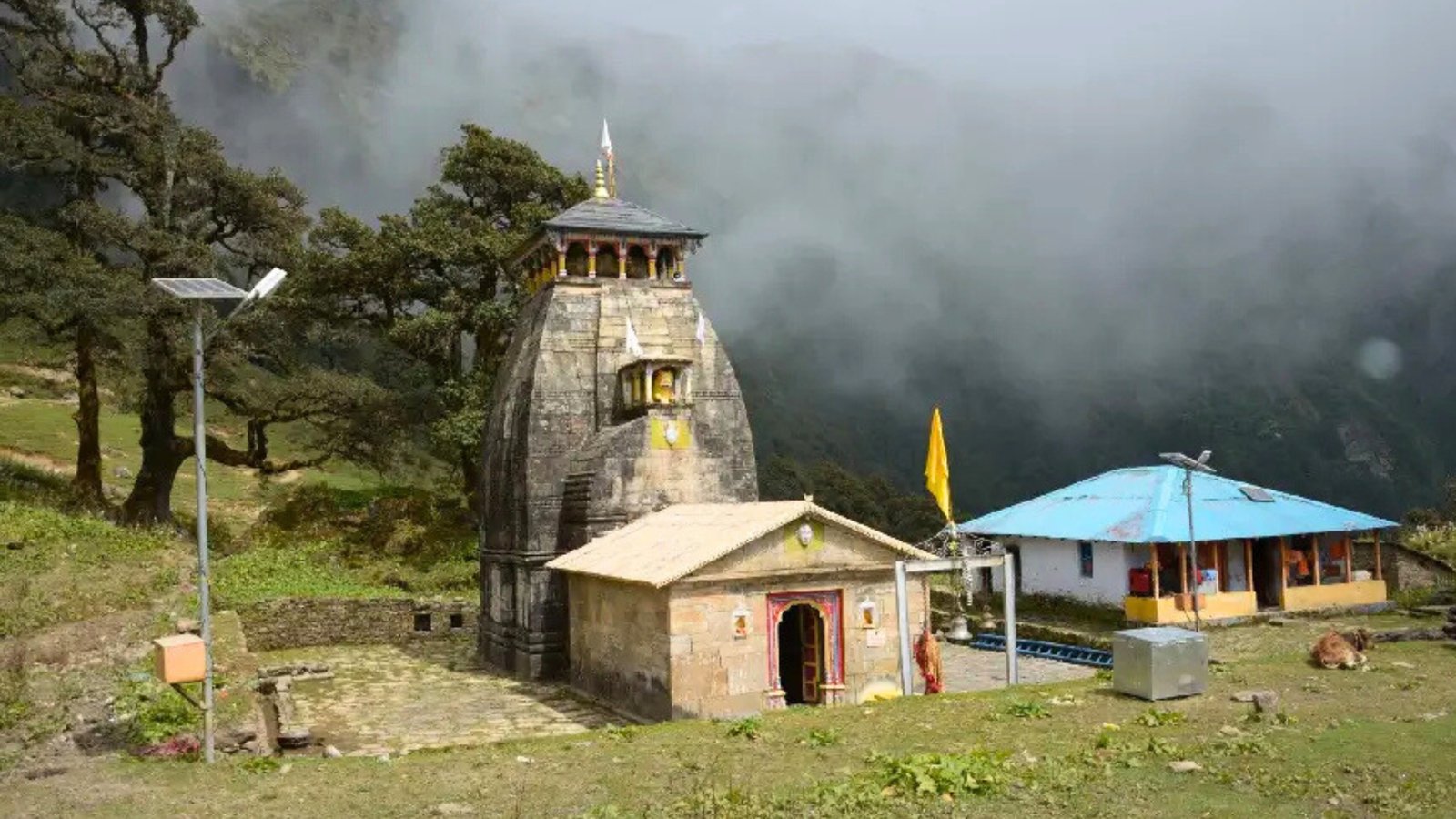
The monsoon season in the Garhwal Himalayas officially arrives by late June and peaks through July and August. By mid-September, rainfall starts to reduce, and the post-monsoon window begins to open.
For Madmaheshwar Trek, the monsoon risk period is:
- Late June (last 10 days): Pre-monsoon showers start; risk is low to moderate
- July: Full monsoon; heavy rainfall, high landslide risk on access roads and trails
- August: Peak monsoon month; most dangerous for trekking
- Early September: Rain frequency reduces, but the trail remains slippery
The Madhmaheshwar Temple stays open throughout this period (it closes only in November for winter). So the pilgrimage is technically allowed — but the conditions make it genuinely dangerous for those unprepared.
The Real Landslide Risk on Madmaheshwar Trek in Monsoon
This is the section most travel blogs skip. Let us be direct about where the actual danger lies.
1. Ukhimath to Ransi Road (The Forgotten Danger)
Most trekkers focus on the trail itself — but the biggest landslide risk is on the 25 km mountain road from Ukhimath to Ransi Village, the base camp. This road runs along unstable hill slopes that receive heavy rainfall in July and August. Road blockages due to landslides and rockfalls are common. In bad monsoon years, this road can remain closed for 1–3 days at a stretch, stranding trekkers at Ukhimath or midway.
Before you start, always check the road conditions with the local authorities at Ukhimath or with your trek operator. Do not assume the road is clear just because it was open yesterday.
2. Bantoli to Madmaheshwar Temple Section
The steepest and most exposed section of the trek — from Lower Bantoli through Upper Bantoli to the Madmaheshwar Temple — runs along open ridges and narrow forested paths. In the monsoon, this section becomes heavily waterlogged. The mud here is not ordinary mud; it is deep, slippery Himalayan clay that can pull your boots off with each step. Loose gravel sections turn unpredictable. The risk of slipping and injuring an ankle or knee is significantly higher than in the dry season.

3. Stream and River Crossings
The Madmaheshwar Ganga river and several seasonal streams that the trail crosses are calm and shallow in summer. In July and August, these swell dramatically with rainfall. Crossings that take 30 seconds in May can become genuinely dangerous in August. Flash flood events — though not extremely common — do occur when upstream rainfall is heavy.
4. Falling Debris on the Trail
Parts of the trail pass below unstable rock faces and hillsides thick with loose debris. In dry seasons, these areas are safe. In the monsoon, water seeps into cracks and loosens rocks. Small rockfall events have been reported on the Ransi–Gaundar section after prolonged heavy rain.
What the Trail Actually Looks and Feels Like in Monsoon
Despite all the warnings, some experienced trekkers who have done Madhmaheshwar in July report experiences that are unlike any other season:
The colour of the valley changes completely. The Madmaheshwar Ganga valley turns into what one veteran trekker described as a prehistoric jungle — intensely green, dripping with water, alive with waterfalls appearing on every hillside. The Kedarnath Wildlife Sanctuary, which the trail passes through, is visually at its most dramatic during this season.
The crowds disappear entirely. In peak season (May–June, September–October), you share the trail with other trekkers, pilgrim groups, and mule caravans. In the monsoon, you may walk for hours without meeting another trekker. For those who value solitude, this has its own appeal.
The mist and cloud cover create a mystical atmosphere. The Chaukhamba peaks are usually hidden under clouds from July to August, so you will not get the sunrise panorama from Budha Madhmaheshwar that defines this trek in other seasons. But the forest trail under monsoon mist has its own personality.
The leeches are a fact of life. Every trekker who does Madmaheshwar in the monsoon encounters leeches on the forested sections of the trail between Ransi and Bantoli. These are not dangerous — they are a nuisance. Carry salt in a small pouch, and wear full-length trekking socks pulled up over your trouser legs.
Who Should Not Do Madmaheshwar Trek in Monsoon
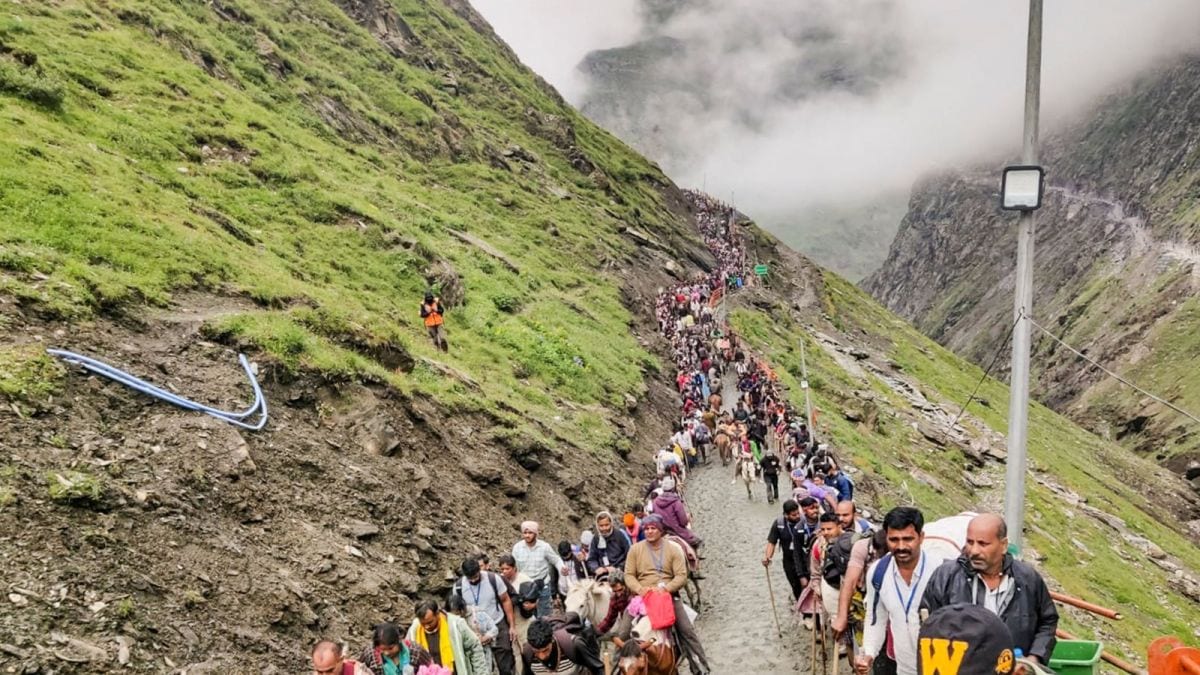
Be honest with yourself before deciding:
- First-time trekkers: Avoid July and August completely. The trail is not forgiving for those without experience reading Himalayan terrain and managing slippery descents.
- Senior pilgrims or those with knee issues: The descent on wet clay and loose gravel is extremely hard on knees. This is not the season for this group.
- Families with children under 14: The risk is not justified.
- Anyone who cannot adjust their return date: Monsoon landslides can block the Ukhimath–Ransi road unexpectedly. If you have a flight to catch or an inflexible schedule, the monsoon is the wrong season.
- Solo trekkers without prior Himalayan experience: Not recommended in July–August.
Who Can Consider Madmaheshwar Trek in Monsoon
- Experienced trekkers who have completed at least 5–6 Himalayan treks before
- Those comfortable with wet, muddy trail conditions
- Pilgrims who are physically fit and have a flexible travel schedule
- Trekkers who specifically want to experience the monsoon Himalayan landscape
- Those travelling with a registered local guide from Ransi who knows the trail conditions
Essential Safety Tips for Madmaheshwar Trek in Monsoon

If you have assessed the risks and decided to proceed, these tips are not optional — they are the difference between a safe trek and an emergency:
1. Start only with a registered local guide from Ransi. Do not attempt this trek solo in the monsoon. A local guide knows which sections of the trail are currently unsafe, which stream crossings are passable, and when to turn back. This is not a commercial suggestion — it is a safety necessity.
2. Check the Ukhimath–Ransi road condition every morning. Contact the local administration office in Ukhimath or your trek operator before driving to Ransi. Do not leave Ukhimath if the road has had fresh landslide activity in the past 12 hours.
3. Start trekking before 7 AM every day. In the monsoon, heavy rainfall in the Himalayas often concentrates in the afternoon and evening. Starting at first light gives you maximum dry-trail time and ensures you reach your halt before conditions deteriorate.
4. Carry high-quality waterproof gear — not optional. This means a waterproof rain poncho (not just a raincoat), waterproof trekking boots with deep-grip outsoles, a dry bag for your electronics and documents, and waterproof gaiters for the muddy sections. Budget gear will fail.
5. Carry salt for leeches, not repellent. Common salt applied directly to a leech causes it to release. Do not try to pull leeches off by force. Tuck your socks over your trouser hems before entering forested sections.
6. Keep a one-day buffer in your itinerary. Never plan a monsoon trek to Madmaheshwar without at least one extra day built in for weather delays, road blockages, or trail-rest days. Fixed return dates create dangerous pressure to push forward in unsafe conditions.
7. Monitor the Indian Meteorological Department forecast daily. The IMD Uttarakhand page and local weather apps (like Windy.com) give reasonably accurate 48-hour forecasts for the Rudraprayag district. A red or orange weather warning is a clear signal to pause.
8. Do not attempt Budha Madmaheshwar in the monsoon. The 2 km additional climb from the main temple to Budha Madmaheshwar involves narrow, exposed ridge walking that becomes extremely risky in wet conditions. Skip it. Come back in October for the view.
9. Carry a fully stocked first aid kit. This should include ORS sachets for dehydration, antiseptic for cuts (the trail debris can cause small injuries), blister treatment, basic pain relief, anti-diarrhoeal medication, and any personal prescriptions.
10. Inform your family and share your GPS location daily. Mobile signal is largely unavailable after Ransi. Before you start, share your full itinerary with a trusted contact and arrange a daily check-in from whatever signal point you can find. BSNL is the most reliable network in this region.
Packing List Specifically for Madmaheshwar Trek in Monsoon
| Category | Items |
|---|---|
| Footwear | Deep-grip waterproof trekking boots, extra socks (3–4 pairs), gaiters |
| Rain Protection | Waterproof poncho, rain cover for backpack, dry bags |
| Clothing | Quick-dry base layers, heavy fleece, full-length trekking trousers |
| Safety | Trekking poles (two — essential on wet descents), whistle, headlamp |
| Health | First aid kit, ORS, salt (for leeches), insect repellent, blister pads |
| Other | Power bank (fully charged), cash (no ATMs after Ukhimath), photo ID |
Final Verdict: Should You Do Madmaheshwar Trek in Monsoon?
If you are an experienced trekker with flexible dates, proper gear, a local guide, and a genuine respect for Himalayan monsoon conditions, Madmaheshwar in July or August can be a rare and unforgettable experience. The emerald valley, the deserted trail, the roaring Madmaheshwar Ganga, the mist-wrapped forest — it is a completely different world.
But if you are planning your first Himalayan trek, travelling with family, or operating on a fixed schedule, wait for October. The same trail, the same temple, but with clear skies, stable ground, and the full sunrise panorama over Chaukhamba that makes this trek famous. Monsoon is not the time to discover this.
The mountains will be here next season. Plan smart, trek safe.
Looking for an affordable trek? Our Madmaheshwar Tour Package from Delhi includes transport, stay, and guided support.
You can also choose a reliable Madmaheshwar Tour Package from Haridwar for a smooth and safe travel experience.
Frequently Asked Questions (FAQs)
Q1. Is Madmaheshwar Trek safe in the monsoon?
Madmaheshwar Trek in monsoon carries significant risks, including slippery trails, landslides on the Ukhimath–Ransi road, swollen river crossings, and leeches. It is not recommended for beginners or families. Experienced trekkers with a local guide can attempt it with proper preparation and flexible travel dates.
Q2. Which months are monsoon for the Madmaheshwar Trek?
The full monsoon period runs from early July to late August. Late June and early September are transitional months with moderate rainfall. The safest trekking windows are May–June and September–October.
Q3. Are there landslides on the Madmaheshwar Trek route in July–August?
Yes. Landslides are documented on both the Ukhimath–Ransi access road and on certain exposed sections of the trail, particularly near Bantoli and on the ridge sections toward the temple. Always check local road conditions before departing from Ukhimath.
Q4. Can I do Madmaheshwar Trek in August 2026?
August is the peak monsoon month and the most risky time for this trek. If you must go in August, hire a registered local guide from Ransi, carry professional rain and safety gear, build extra days into your schedule, and monitor IMD weather forecasts daily. Be prepared to turn back if conditions deteriorate.
Q5. What is the trail like on Madmaheshwar Trek during the monsoon?
The trail becomes muddy, slippery, and waterlogged — especially on the steep Bantoli-to-temple section. Stream crossings swell with rainfall. Leeches are present in forested sections. Visibility of the Himalayan peaks is poor due to cloud cover. Difficulty level increases from moderate to moderately high.
Q6. Are there leeches on the Madmaheshwar Trek in the monsoon?
Yes. Leeches are common on the forested trail sections from Ransi to Bantoli during July and August. Carry common salt in a small container, wear full-length socks pulled over trouser hems, and avoid sitting directly on the ground or rocks in forested areas.
Q7. Is Madmaheshwar Temple open during the monsoon?
Yes. The Madmaheshwar Temple remains open from May (opening date around May 21, 2026) through to November (closing date around November 20, 2026). The temple is open during the monsoon, but accessing it is harder due to the trail and road conditions.
Q8. What gear is essential for the Madmaheshwar Trek in the monsoon?
Essential monsoon-specific gear includes waterproof trekking boots with deep-grip soles, a quality rain poncho, waterproof gaiters, dry bags for electronics, two trekking poles (vital for wet descents), salt for leeches, and a fully charged power bank.
Q9. Can I do Madmaheshwar Trek solo in monsoon?
Solo trekking in the monsoon is strongly discouraged. A registered local guide from Ransi is essential for monsoon trekking — they know current trail and road conditions, can navigate alternate paths if needed, and can assist in an emergency when mobile signal is unavailable.
Q10. What is the best alternative to monsoon trekking for Madmaheshwar?
The best time to do Madmaheshwar Trek is May–June (green trail, pleasant weather, rhododendrons in bloom) or September–October (crystal-clear skies, best Chaukhamba views, stable trail conditions). Both windows offer a far safer and more visually rewarding experience than monsoon.
Also Read
- Madmaheshwar Weather Guide
- How to Reach Madhyamaheshwar
- Madmaheshwar Packing List 2026
- Common Mistakes to Avoid During Madhyamaheshwar Trek
- Network Availability on Madmaheshwar Trek
- Aarti at Madmaheshwar Temple
- Madmaheshwar’s Nearest Pilgrimage Spots
- Budha Madmaheshwar Complete Guide
- Madmaheshwar in the Panch Kedar Yatra


