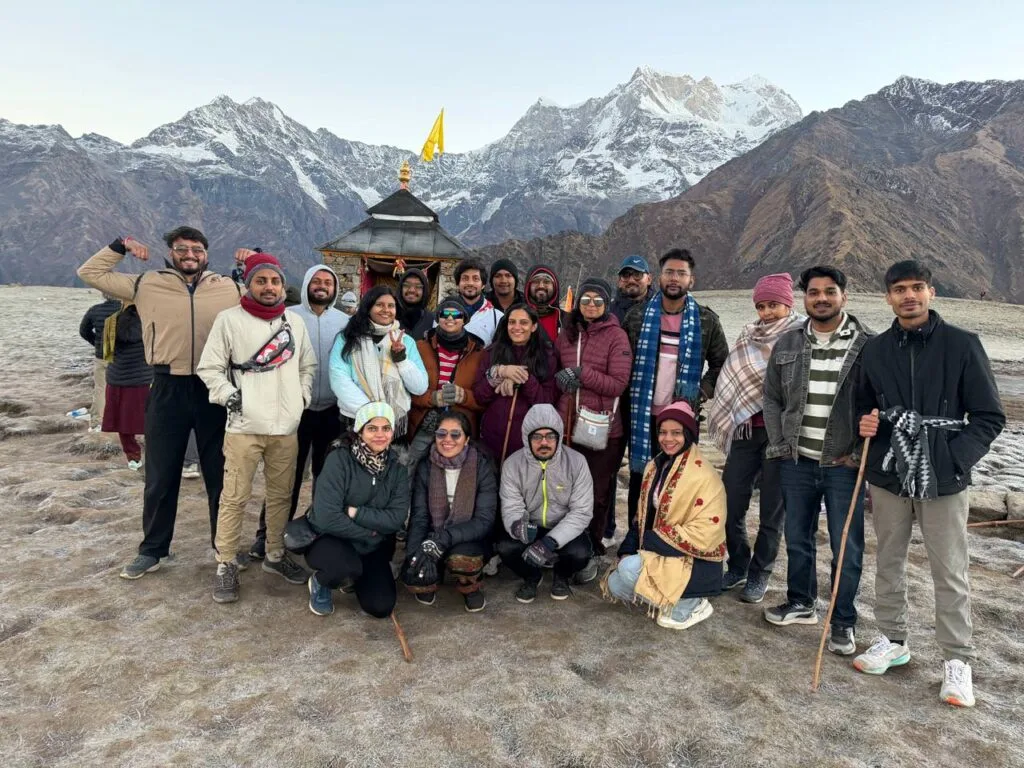
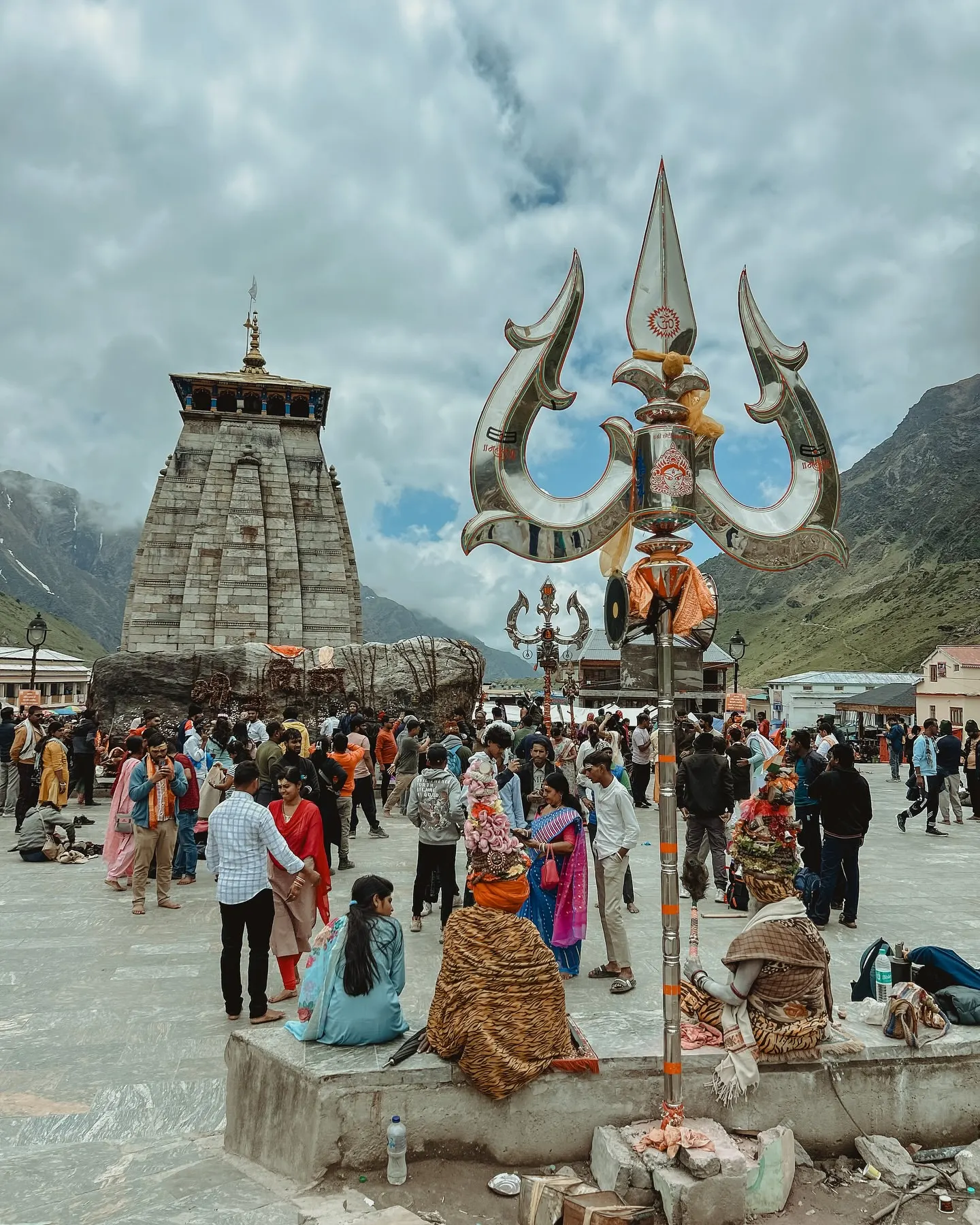
Thank you, TourMyHoliday, for an incredible Kedarnath experience! Everything was well planned, good services and with a good driver
Special thanks to the trip coordinator Kaushal
Kalpeshwar and Rudranath are two Important temples of the sacred Panch Kedar circuit, offering a unique blend of spirituality and Himalayan adventure. Located in the serene Urgam Valley, Kalpeshwar Temple is the only Panch Kedar shrine accessible throughout the year and requires a short, easy trek, making it ideal for all types of travelers.
In contrast, Rudranath Temple is known for its remote location and challenging trek through dense forests and alpine meadows. This temple represents the face of Lord Shiva and offers a deeply peaceful and spiritual atmosphere.
Together, Kalpeshwar and Rudranath provide a perfect combination of accessibility and adventure, making them a must-visit for those seeking both divine blessings and an offbeat Himalayan trekking experience.
Duration: 4 Nights / 5 Days
Starting Point: Rishikesh
Main Attractions: Rudranath , Kalpeshwar Temple
Trek Distance: Rudranath (20-22 km), Kalpeshwar (1–2 km)
Trek Difficulty: Moderate to Challenging
Ideal For: Trekkers, Couples, Friends
Best Time: May–June & September–November
Meals: Breakfast & Dinner
Itinerary
Quick Info
The nearest airport for both temples is Jolly Grant Airport, located about 220–240 km away. From the airport, travelers can hire a taxi or take a bus to reach Rishikesh or Joshimath, which serve as major travel hubs for these temples.
The closest railway station is Rishikesh Railway Station or Haridwar Railway Station. From there, travelers can continue the journey by road toward Joshimath and the trekking starting points.
Both temples are accessible by road up to certain villages from where trekking begins.
Rudranath involves a long and scenic Himalayan trek, while Kalpeshwar is considered the easiest temple to reach among the Panch Kedar, requiring only a short walk from the road.
Rudranath Trek Difficulty:
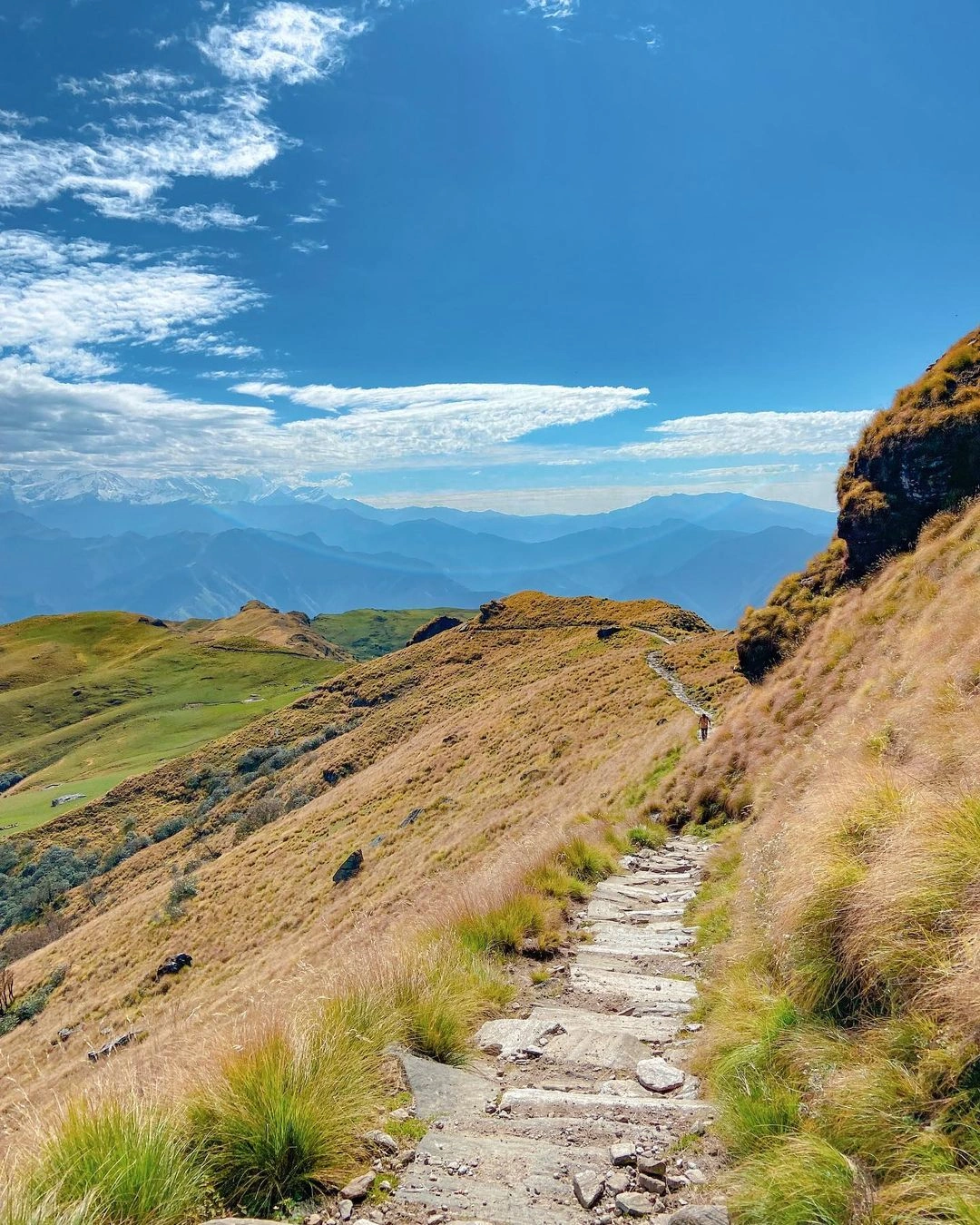
The trek to Rudranath Temple is considered moderate to challenging. Trekkers usually start from Sagar Village, and the trek distance is around 20–22 km through dense forests, alpine meadows, and rocky mountain paths. Good physical fitness and stamina are required for this trek.
Kalpeshwar Trek Difficulty:
The trek to Kalpeshwar Temple is considered easy compared to other Panch Kedar temples. Travelers can reach Urgam Valley by road, and from there only a 1–2 km trek is required to reach the temple.
Altitude Factor:
Rudranath Temple is located at an altitude of around 3,600 meters, which makes the trek more demanding, while Kalpeshwar is at a lower altitude and easier to access.
Overall Difficulty:
While Rudranath requires strong trekking ability and endurance, Kalpeshwar is suitable for most travelers, including beginners and pilgrims with basic fitness.
Urgam Valley
A beautiful Himalayan valley known for its peaceful villages, terraced farms, and scenic mountain views. It is the main route to reach Kalpeshwar Temple.
Joshimath
A famous pilgrimage town and gateway to many Himalayan temples and trekking routes. It also offers beautiful views of surrounding mountains.
Kalpeshwar Temple
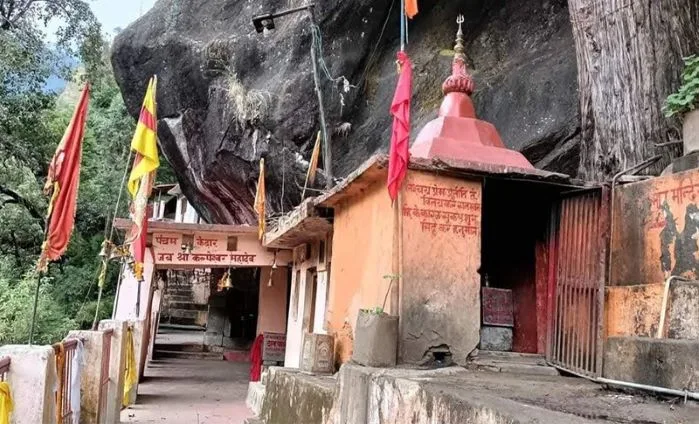
One of the Panch Kedar temples dedicated to Lord Shiva, located in a peaceful cave setting within Urgam Valley.
Rudranath Temple
A sacred temple where the face of Lord Shiva is worshipped. It is surrounded by alpine meadows and majestic Himalayan peaks.
Dhari Devi Temple
A famous temple dedicated to Goddess Kali, located on the banks of the Alaknanda River and often visited during Char Dham or Panch Kedar journeys.
Devprayag
A sacred town where the Alaknanda and Bhagirathi rivers meet to form the holy Ganga River, making it an important spiritual destination for pilgrims.
Physical Fitness:
The trek to Rudranath is long and challenging, so travelers should prepare with regular walking, jogging, and basic cardio exercises before starting the journey.
Acclimatization:
Since Rudranath Temple is located at a high altitude, it is important to take proper rest and allow the body to adjust to the mountain environment.
Trekking Gear:
Carry essential trekking equipment such as comfortable trekking shoes, warm clothes, gloves, raincoat, trekking stick, and a backpack.
Food and Water:
Always keep enough drinking water, energy snacks, and light food items during the trek, as facilities may be limited in remote areas.
Medical Kit:
Carry a basic first aid kit, altitude sickness medicine, and personal medications for safety during the trek.
Weather Preparation:
Mountain weather can change suddenly, so trekkers should carry warm layers and rain protection to stay safe and comfortable.
Rich Himalayan Vegetation:
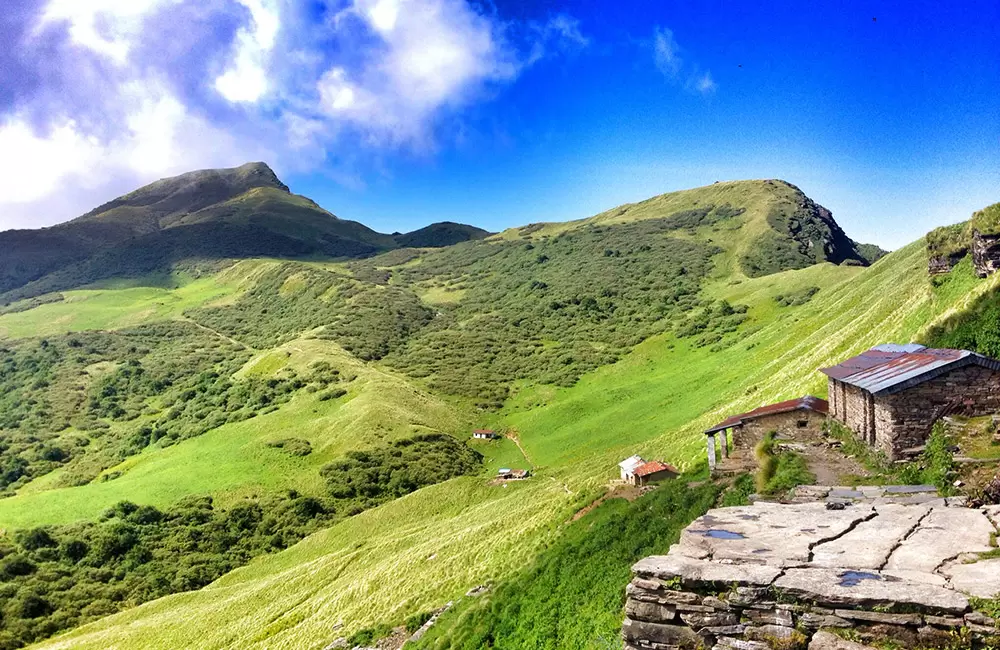
The trekking routes to Rudranath and Kalpeshwar pass through dense forests and alpine meadows filled with diverse Himalayan plant species.
Flora (Plant Life):
The region is covered with forests of deodar, oak, rhododendron, pine, and fir trees. During spring and summer, colorful wildflowers bloom across the meadows, making the landscape vibrant and scenic.
Alpine Meadows:
High-altitude grasslands near Rudranath Temple are known for their lush green meadows and rare Himalayan herbs used in traditional medicine.
Wildlife (Fauna):
The forests around these temples are home to animals such as Himalayan black bear, musk deer, Himalayan tahr, and red fox.
Bird Species:
The region also supports several Himalayan birds, including the Himalayan monal, pheasants, eagles, and other mountain birds, making it a good place for birdwatching and nature exploration.
| Mode | Price |
| Quad Sharing | ₹ 12000 |
| Triple Sharing | ₹ 12500 |
| Double Sharing | ₹ 13000 |
✅ Accommodation on triple/quad sharing basis during the trek
✅ Hotel stay at Sagar Village as per the itinerary
✅ Camping stay at Lwiti Bugyal and near Rudranath Temple
✅ All meals during the trek (Breakfast, Lunch, Evening Snacks & Dinner)
✅ Experienced local trek guide throughout the trek
✅ Supporting staff, including cook, helper, and porter, for common luggage
✅ Forest permits and camping charges
✅ Trek equipment including tents, sleeping bags, and mattresses
✅ First-aid medical kit with basic medical assistance
✅ Transportation from Rishikesh to Sagar Village and return as per the itinerary
✅ Visit to Rudranath Temple and Kalpeshwar Temple
✅ All applicable taxes and service charges
❌ Any kind of personal expenses (tea, coffee, bottled water, snacks, laundry, etc.)
❌ Meals during road journey (lunch on Day 01 and Day 05)
❌ Mule or porter for personal luggage (available at extra cost)
❌ Travel insurance & 5% Gst
❌ Emergency evacuation or medical expenses
❌ Camera or video camera charges, if applicable
❌ Tips and gratuities for guide, driver, and support staff
❌ Any expenses caused by weather conditions, road blocks, landslides, or natural calamities
❌ Anything not specifically mentioned in the inclusions
This trek is famous for its peaceful Shiva temples, untouched forests, meadows, and a strong feeling of spiritual calm.
It’s moderate—beginners can do it with proper preparation, as some stretches are steep and long.
May–June and September–October offer pleasant weather, clear skies, and easy trails.
Yes, many trekkers combine Kalpeshwar and Rudranath in one journey since both lie on the Panch Kedar route.
Yes, you can camp in spots like Urgam Valley, Panar Bugyal, and near Rudranath, depending on weather.
A guide is helpful, especially for navigating forest trails and understanding temple routes.
Network is limited. You may get weak signals in Urgam Valley, but higher camps often have no coverage.
Yes, homestays and local dhabas are available in villages, and basic stays near temples.
Usually 4–6 days, depending on the route and how many sightseeing points you cover.
Monsoon is risky due to landslides and slippery paths. Avoid July–August for safety.
The Rudranath Tour Package, Uttarakhand, is not just a trek; it is an immersive experience into Himalayan spirituality, nature, and local culture. This section provides detailed insights for travellers planning a Rudranath pilgrimage or trekking adventure.
Rudranath is located in the Garhwal Himalayas, surrounded by dense pine and oak forests, alpine meadows, and rushing rivers. The trek route passes through picturesque villages and pristine Himalayan landscapes, offering a blend of adventure and spirituality.
Starting Point: Gwaldam or Sagar village (depending on itinerary)
Trekking Terrain: Forest trails, stone paths, river crossings, and gentle slopes
Altitude: Rudranath Temple sits at ~3,600 meters above sea level
Rudranath is part of the Panch Kedar circuit and is dedicated to Lord Shiva. Visiting the temple is considered highly auspicious:
The temple houses ancient idols of Lord Shiva, hidden from common view
Pilgrims often visit Rudranath after completing Kedarnath, Tungnath, and other Kedar temples
Trekking to Rudranath is considered a spiritual journey, connecting pilgrims to the Himalayan nature
On the Rudranath tour, travelers witness authentic Garhwali culture:
Traditional stone-and-wood houses with sloped roofs
Terraced farming of millets, pulses, and potatoes
Folk music, dances, and storytelling by villagers
Local handicrafts such as woollen shawls, carpets, and wooden utensils
Visiting these villages supports local economies and gives a deep insight into Himalayan traditions.
The Rudranath trek in Uttarakhand experience includes sampling mountain delicacies:
Mandua Roti: Finger millet flatbread
Kafuli & Phaanu: Nutritious leafy curries
Jhangora Kheer: Traditional Himalayan dessert
Herbal Teas & Buransh Juice: Refreshing local beverages
Local food is simple, healthy, and perfect for high-altitude trekking.
The Rudranath region lies close to the Kumaon & Garhwal forest belt, rich in biodiversity:
Himalayan Monal and Snow Pigeons
Eagles and other mountain birds
Rhododendron, oak, and pine forests
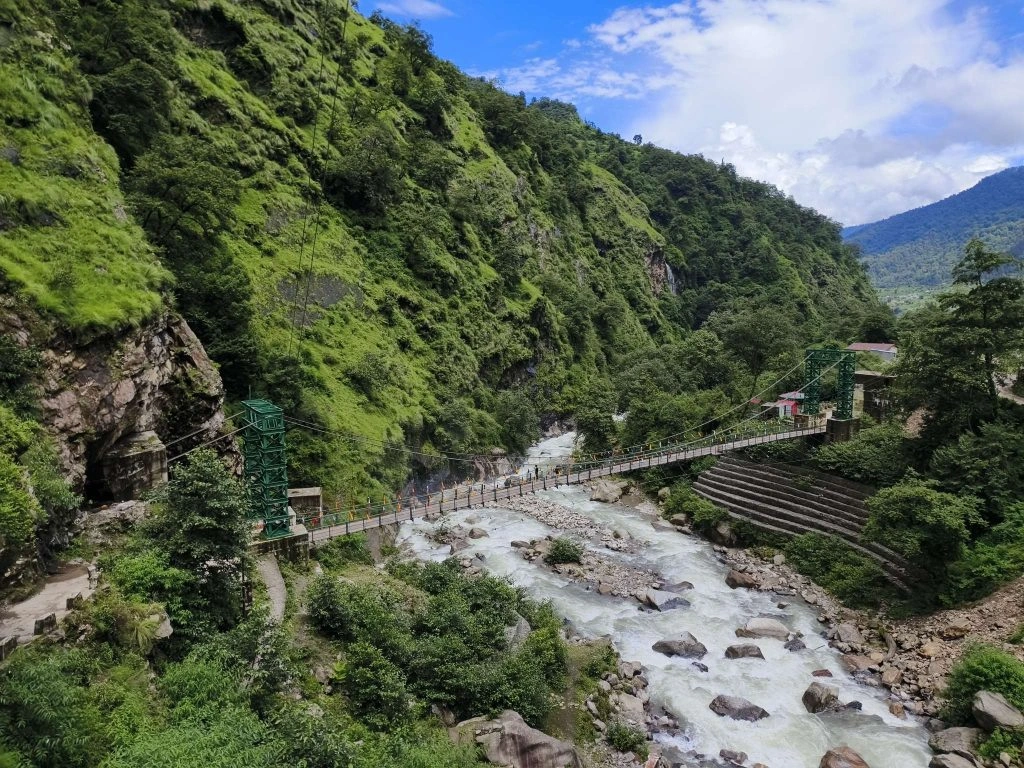
Natural streams and small waterfalls along the trekking route
Bring binoculars for birdwatching and nature photography.
Rudranath is a paradise for photographers:
Sunrise and sunset views over Nanda Devi and Panchachuli peaks
Panoramic shots of alpine meadows and flowing rivers
Temple surroundings and village trails for cultural photography
Clear night skies are perfect for astrophotography
Trekking distance: Approx. 15–18 km round trip
Difficulty: Moderate; suitable for those with regular fitness
Duration: 2–3 days, depending on your itinerary
Best Time: April–June and September–November
Wear sturdy trekking shoes, carry trekking poles, and dress in layers for high-altitude comfort
Rudranath trek starts from Gwaldam or Sagar village, accessible by road from Rishikesh or Haridwar
Roads are mountainous; plan travel during daylight
Mobile network is limited; carry offline maps and inform guides in advance
Cash is essential as remote areas may not have ATMs or card facilities
Acclimatize to avoid altitude sickness
Carry basic first-aid and personal medicines
Follow the guide's instructions during trekking
Respect temple rituals and local customs
Avoid littering and practice eco-friendly travel
3–4 Days is ideal for Rudrathe nath trek and local sightseeing
Can be customized for:
Spiritual pilgrims completing the Panch Kedar circuit
Nature lovers seeking Himalayan serenity
Adventure trekkers and weekend escapes from Delhi or Rishikesh
Handpicked accommodations and local guides
Tailor-made itineraries for pilgrimage, adventure, and nature
24×7 assistance during the tour
Transparent pricing and safe travel arrangements
Expertly curated Uttarakhand tour packages
Embark on a journey to the hidden Himalayan gem of Rudranath and experience spirituality, nature, and adventure with the Rudranath Tour Package, Uttarakhand.
A peaceful stone temple dedicated to Lord Shiva, hidden inside a natural rock cave. The surrounding forest adds a mystical charm.
A lush green valley dotted with terraced fields, small villages, and crystal-clear streams—perfect for photography and quiet walks.
Known for its traditional Himalayan lifestyle, step farms, and scenic mountain backdrops.
A high-altitude ancient temple offering panoramic views of Chaukhamba and other Himalayan peaks.
One of the most stunning meadows on the trek—wide open grasslands, rolling clouds, and endless snow peaks.
A sacred and windy ridge believed to be where ancestors rest. The views from here are surreal.
A high mountain pass filled with wildflowers in summer and snow patches in early winter.
The natural rock shrine dedicated to Lord Shiva’s face form. Surrounded by forests and silence, it feels truly divine.
A serene lake near Rudranath, believed to be a sacred resting place for souls—calm, pure, and spiritually powerful.
Throughout the trek, you get spectacular close-up views of Nanda Devi, Trishul, Hathi–Ghoda peaks, and more.
Reach out to us
Tips, Routes & Experience
Photo Gallery