
Ukhimath Uttarakhand
Published on March 30, 2026
Ukhimath Uttarakhand Travel Guide 2026 – Base For Madmaheshwar Trek & Panch Kedar Yatra
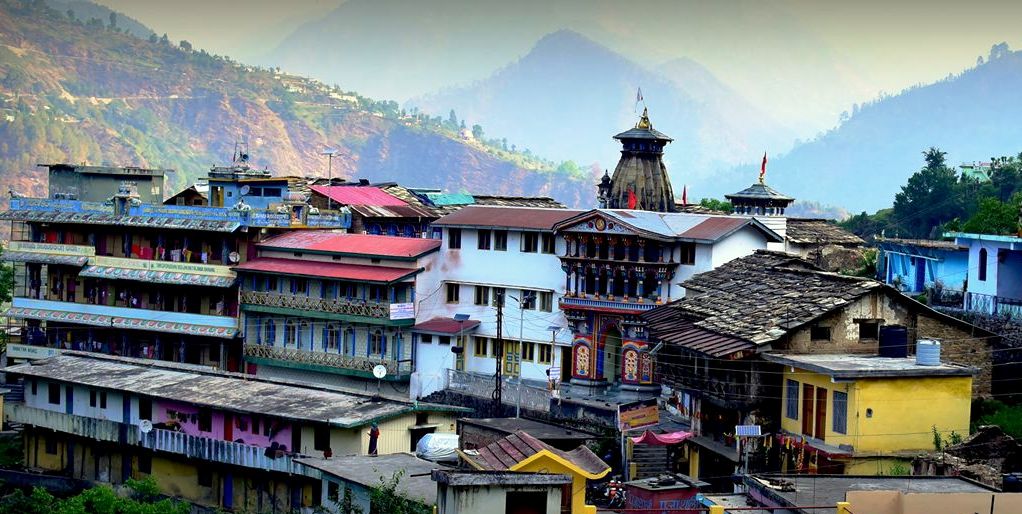
Ukhimath is a beautiful Himalayan town located in Rudraprayag district of Uttarakhand. Known for its spiritual importance, peaceful mountain surroundings, and connection with the famous Panch Kedar temples, Ukhimath is one of the most important destinations for travellers visiting Madmaheshwar, Kedarnath, Chopta, and nearby Himalayan regions.
Many travellers use Ukhimath only as a transit point, but this charming mountain town has its own unique identity. Surrounded by forests, valleys, and Himalayan landscapes, Ukhimath offers a perfect combination of spirituality, culture, and natural beauty.
For travellers planning a Madmaheshwar Trek Package, Ukhimath works as an important base point before reaching Ransi Village, the starting point of the trek.
Where is Ukhimath Located?
Ukhimath is located in the Rudraprayag district of Uttarakhand at an altitude of approximately 1,300 metres above sea level.
The town is surrounded by Himalayan forests, rivers, and beautiful mountain views. It is located near several important destinations including:
Ukhimath is also an important stopover for travellers exploring the Garhwal Himalayas.
Spiritual Importance of Ukhimath
Ukhimath holds great religious importance in Uttarakhand because it is considered the winter seat of Lord Kedarnath and Lord Madmaheshwar.
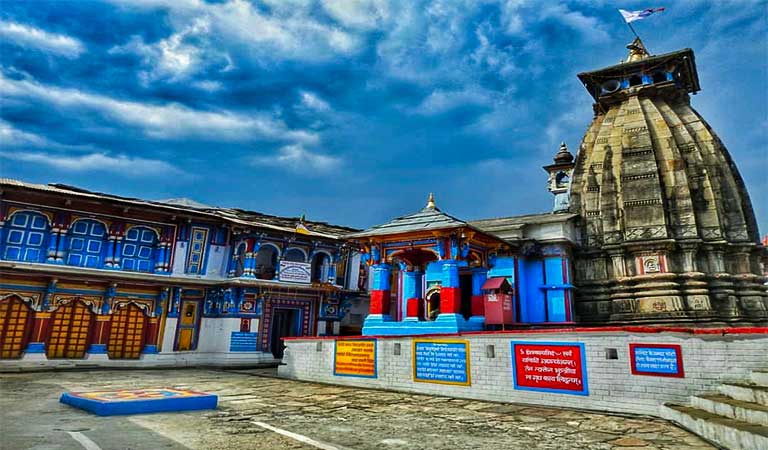
During winter months, when high-altitude temples become inaccessible due to snowfall, the sacred idols are brought to Omkareshwar Temple in Ukhimath where devotees can worship them.
This makes Ukhimath an important pilgrimage destination throughout the year.
Ukhimath as Base For Madmaheshwar Trek
Ukhimath is the main base town for the famous Madhmaheshwar Trek.
The journey usually follows this route:
Ukhimath → Ransi Village → Gaundar Village → Bantoli Village → Madmaheshwar Temple
From Ukhimath, travellers reach Ransi Village by road, which is the starting point of the trek.
You can also check our detailed Madmaheshwar Tour Guide Itinerary to understand the complete day-wise route.
How To Reach Ukhimath Uttarakhand
By Road
Ukhimath is well connected by road from major cities of Uttarakhand.
Common routes:
Delhi → Haridwar → Rishikesh → Devprayag → Rudraprayag → Kund → Ukhimath
From Ukhimath, travellers can take local transport towards Ransi Village for the Madmaheshwar Trek.
By Train
The nearest railway stations are:
-
Haridwar Railway Station
-
Rishikesh Railway Station
From there, travellers can hire taxis or take buses towards Ukhimath.
By Air
The nearest airport is Jolly Grant Airport, Dehradun.
From Dehradun Airport, travellers can continue their journey by road towards Ukhimath.
Distance From Ukhimath To Nearby Places
| Destination | Approx Distance |
|---|---|
| Rudraprayag | Around 40 km |
| Ransi Village | Around 25–35 km |
| Chopta | Around 45–50 km |
| Deoria Tal | Around 15 km |
| Madmaheshwar Trek Base | Ransi Village |
Homestay and Stay Options in Ukhimath
Ukhimath offers comfortable stay options for pilgrims, trekkers, and travellers exploring the Himalayan region.
Unlike large tourist destinations, Ukhimath provides a peaceful mountain stay experience with local hospitality.
Types of Stay Available in Ukhimath:
-
Himalayan homestays
-
Guest houses
-
Budget hotels
-
Local lodges
-
Trekker-friendly accommodations
Why Choose a Homestay in Ukhimath?
Staying at a local homestay allows travellers to:
-
Experience Garhwali culture
-
Enjoy homemade local food
-
Interact with mountain communities
-
Understand local traditions
-
Get useful trekking guidance
Homestays are especially useful for travellers preparing for the Madmaheshwar Trek as they provide a comfortable place to rest before starting the journey.
Food Facilities in Ukhimath
Travellers can find simple and delicious local food options in Ukhimath.
Common meals include:
-
Dal rice
-
Roti vegetables
-
Local Garhwali dishes
-
Tea and snacks
-
Basic North Indian meals
Since Ukhimath is a mountain town, food availability may depend on season and location.
Places To Visit Near Ukhimath
Omkareshwar Temple
A famous temple where Lord Kedarnath and Lord Madmaheshwar are worshipped during winter.
Deoria Tal
A beautiful high-altitude lake famous for stunning views of Chaukhamba peaks.
Chopta Tungnath
Known as the Mini Switzerland of Uttarakhand, Chopta is famous for meadows and the Tungnath Temple trek.
Kalimath Temple
An important spiritual destination located near Ukhimath.
Best Time To Visit Ukhimath
March To June
-
Pleasant weather
-
Ideal for trekking
-
Comfortable road conditions
-
Best season for sightseeing
September To November
-
Clear mountain views
-
Beautiful landscapes
-
Excellent trekking conditions
December To February
Winter months are peaceful and spiritually important because Ukhimath becomes the winter seat of Kedarnath and Madmaheshwar.
Avoid peak monsoon months as heavy rainfall can affect mountain roads.
Things To Carry For Ukhimath Trip
-
Comfortable shoes
-
Warm clothes
-
Rain jacket
-
Personal medicines
-
Power bank
-
Sunglasses
-
Sunscreen
-
Water bottle
-
Basic toiletries

Travel Tips For Ukhimath
-
Keep some cash as digital payment options may be limited.
-
Check weather conditions before travelling.
-
Carry warm clothes even during summer evenings.
-
Respect local culture and traditions.
-
Avoid plastic waste in Himalayan areas.
-
Book accommodation during peak trekking season.
Frequently Asked Questions About Ukhimath Uttarakhand
1. Why is Ukhimath famous?
Ukhimath is famous for its spiritual importance, Omkareshwar Temple, and its connection with Kedarnath and Madmaheshwar temples.
2. Is Ukhimath the base for Madmaheshwar Trek?
Yes, Ukhimath is the main base town from where travellers travel towards Ransi Village, the starting point of the Madmaheshwar Trek.
3. Are homestays available in Ukhimath?
Yes, Ukhimath has several homestays and local accommodation options offering comfortable stays with Himalayan hospitality.
How far is Ukhimath from Ransi Village?
Ransi Village is approximately 25–35 km from Ukhimath and is the starting point of the Madmaheshwar Trek.
4. What is the best time to visit Ukhimath?
The best time to visit Ukhimath is from March to June and September to November for comfortable weather and trekking conditions.
5. Can Ukhimath be visited in winter?
Yes, Ukhimath remains accessible in winter and becomes an important pilgrimage destination due to winter worship of Kedarnath and Madmaheshwar.
Plan Your Madmaheshwar Yatra From Ukhimath
Experience the spiritual beauty of Uttarakhand Himalayas with a well-planned Madmaheshwar journey.
Our Madmaheshwar Tour Package includes travel assistance, accommodation support, and complete guidance for a comfortable Himalayan experience.
Explore the beauty of Ukhimath, Ransi Village, Bantoli Village, and the sacred Madmaheshwar Temple with us.