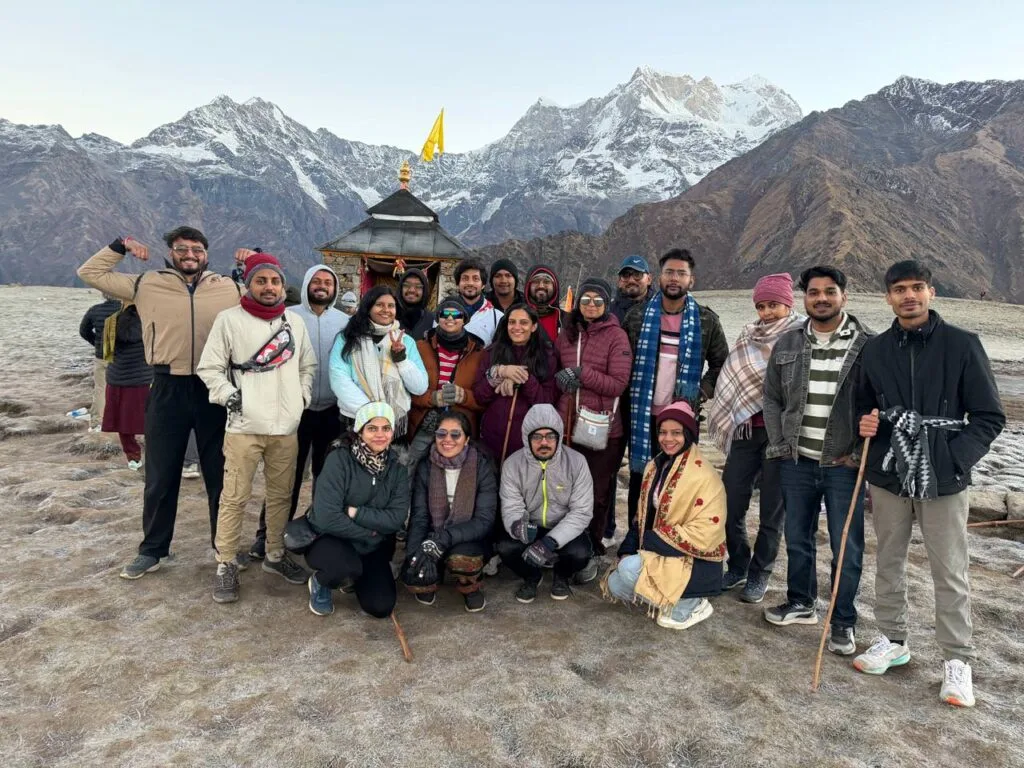
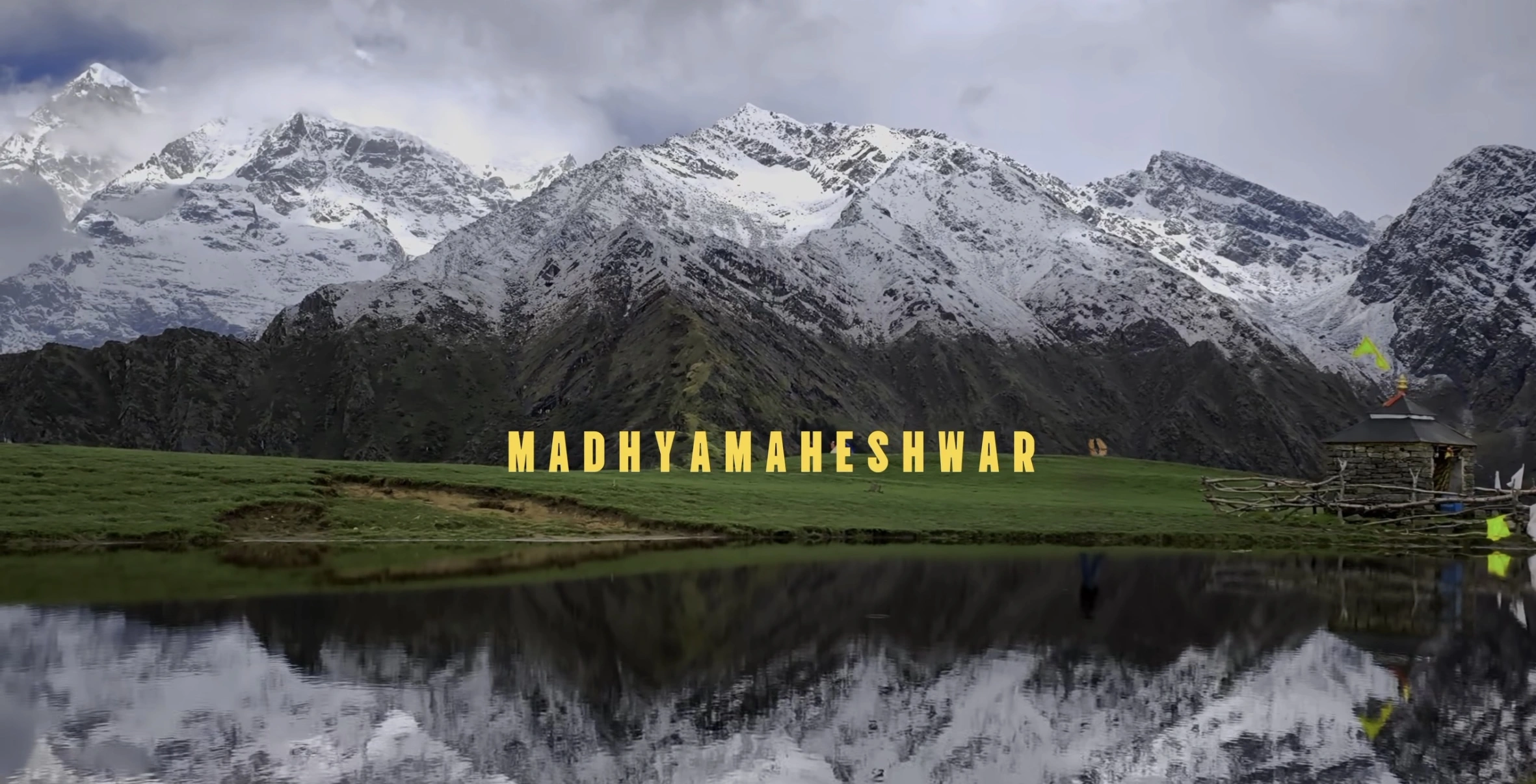
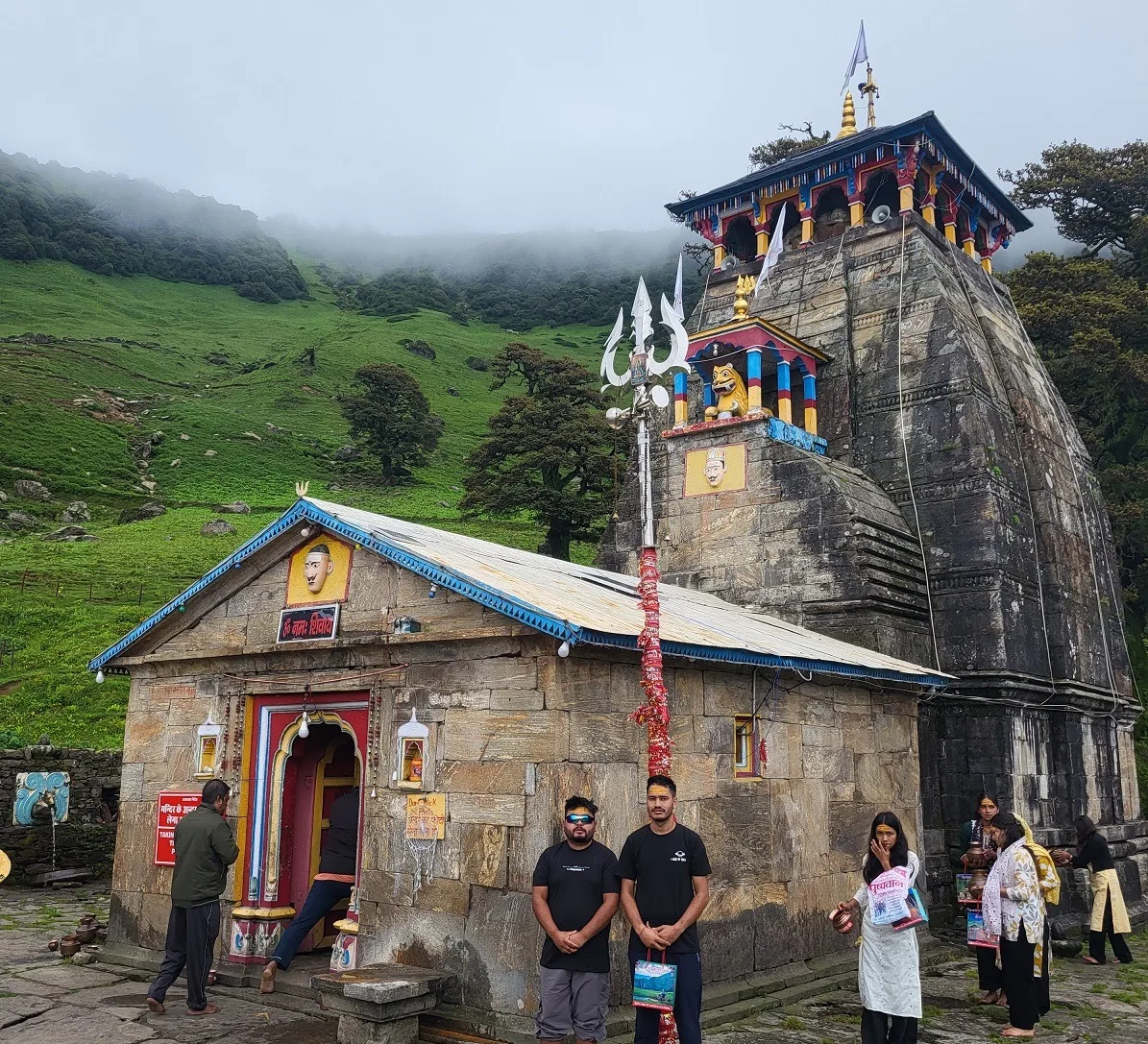
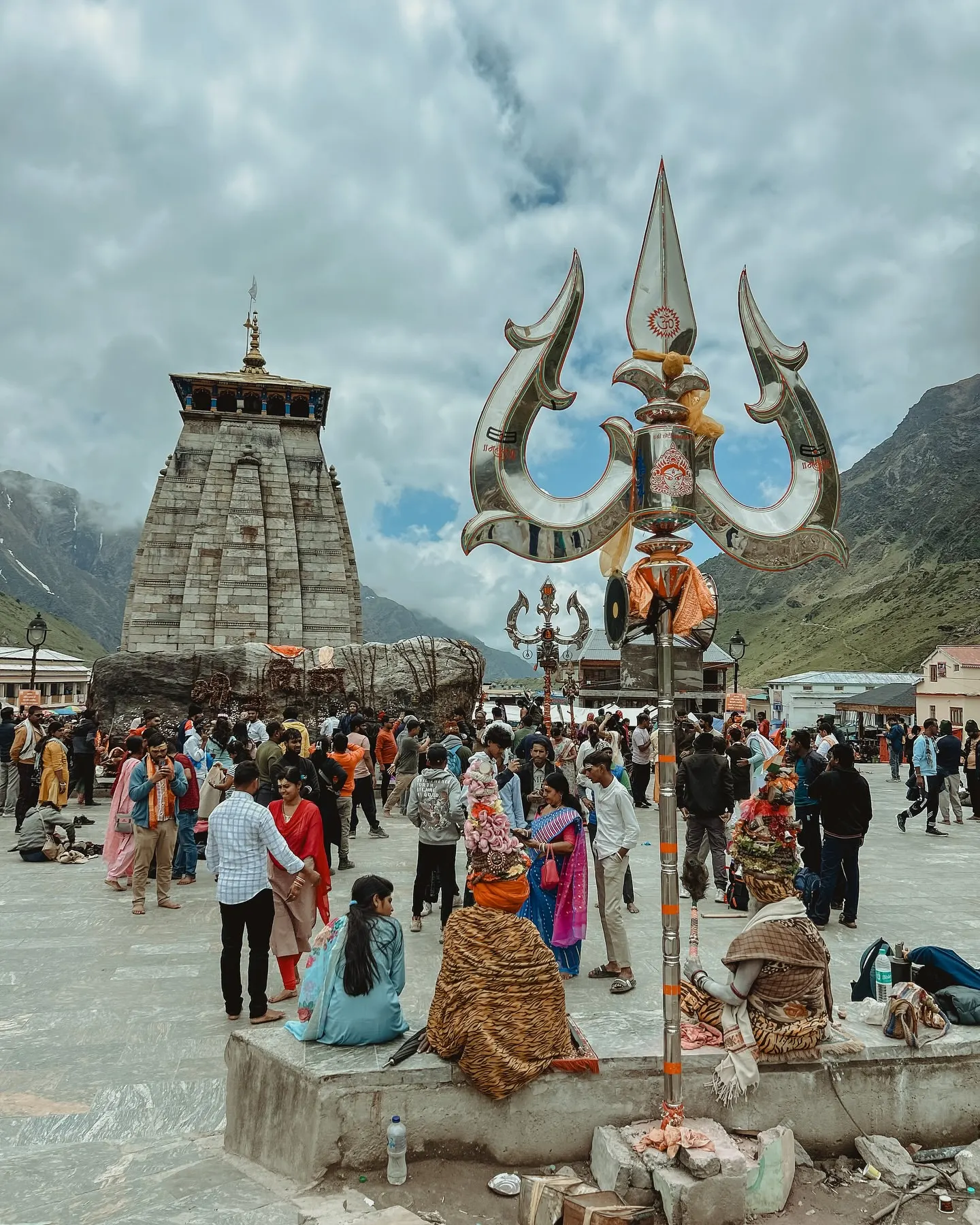
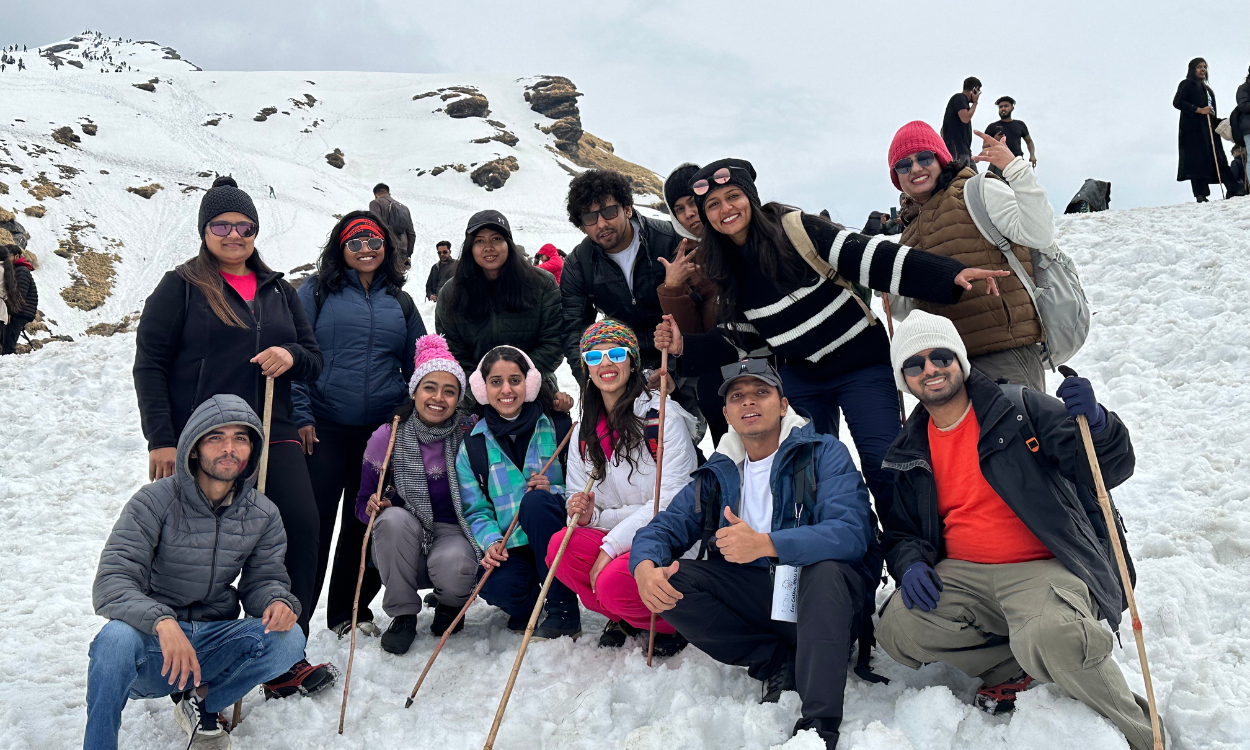
Thanks TourMyHoliday . My Chopta trip is very great and service is also amazing and our trip captain kaushal is very nice guy and knowledgeable person Thankyou tourmyholiday for making my trip is more memorable
Duration: 2 Nights / 3 Days
Starting Point: Delhi / Haridwar
Main Attractions: Madmaheshwar, Budha Madmaheshwar
Trek Distance: 16-18km
Trek Difficulty: Moderate to Challenging
Ideal For: Trekkers, Adventure Seekers, Pilgrims, Solo Travellers
Best Time: May–June & September–November
Meals: Breakfast & Dinner
Itinerary
En route Sightseeing:
Quick Info
The trek to Madhyamaheshwar starts from Ransi Village and covers around 16–18 km (one way). The route is full of natural beauty, including forests, rivers, and mountain views. It is a moderate-level trek, suitable for beginners with basic fitness. Most people complete it in 2 days with a night stay in between.
Route Breakdown:
The trail is well-marked but has continuous ascents, so start early and maintain a steady pace.
May to June (Summer Season): This is one of the best times to visit Madmaheshwar. The weather remains pleasant, and the trekking routes from Ransi Village are clear and comfortable. The surrounding Himalayan landscapes are vibrant and perfect for trekking and sightseeing.
September to October (Autumn Season): After the monsoon, the skies become clear, and the views of the Himalayan peaks are breathtaking. The weather is cool and ideal for trekking to Madmaheshwar and nearby viewpoints like Budha Madmaheshwar.
July to August (Monsoon Season): Heavy rainfall can make trekking routes slippery and challenging. However, the forests and valleys look lush green during this period.
November to April (Winter Season): The temple remains closed due to heavy snowfall and harsh weather conditions in the region.
The trek to Madhyamaheshwar Temple is considered moderate to slightly challenging, making it suitable for people with basic fitness and some trekking experience. The journey starts from Ransi Village and covers around 16–18 km one way. The route passes through dense forests, mountain streams, and small villages like Gondar Village. Some parts of the trail include steep climbs and uneven paths, which can feel tough, especially for beginners.
Overall, the trek is physically demanding in parts but very rewarding, offering beautiful Himalayan views and a peaceful spiritual experience.
By Air: The nearest airport is Jolly Grant Airport, located about 200 km from the Madmaheshwar trekking base. From the airport, you can hire a taxi to reach Ransi Village, the starting point of the trek.
By Train: The nearest railway station is Rishikesh Railway Station or Haridwar Railway Station. From there, travellers can take a taxi or bus to reach Ransi Village.
By Road: Madmaheshwar is well connected by road up to Ransi Village. Regular buses and taxis are available from Rishikesh, Haridwar, and Ukhimath.
By Trek: From Ransi Village, trekkers need to complete a 16–18 km trek through scenic forests and small villages like Gondar Village to reach Madmaheshwar Temple.
Perfect for travellers starting from Delhi with complete travel support.
Ideal for travellers already reaching Uttarakhand.
Best option for quick access and flexible travel.
A short and compact trek plan for experienced trekkers.
✅ Transport: Comfortable round-trip travel from Delhi to Delhi via Tempo Traveller, SUV, or Sedan (as per group size).
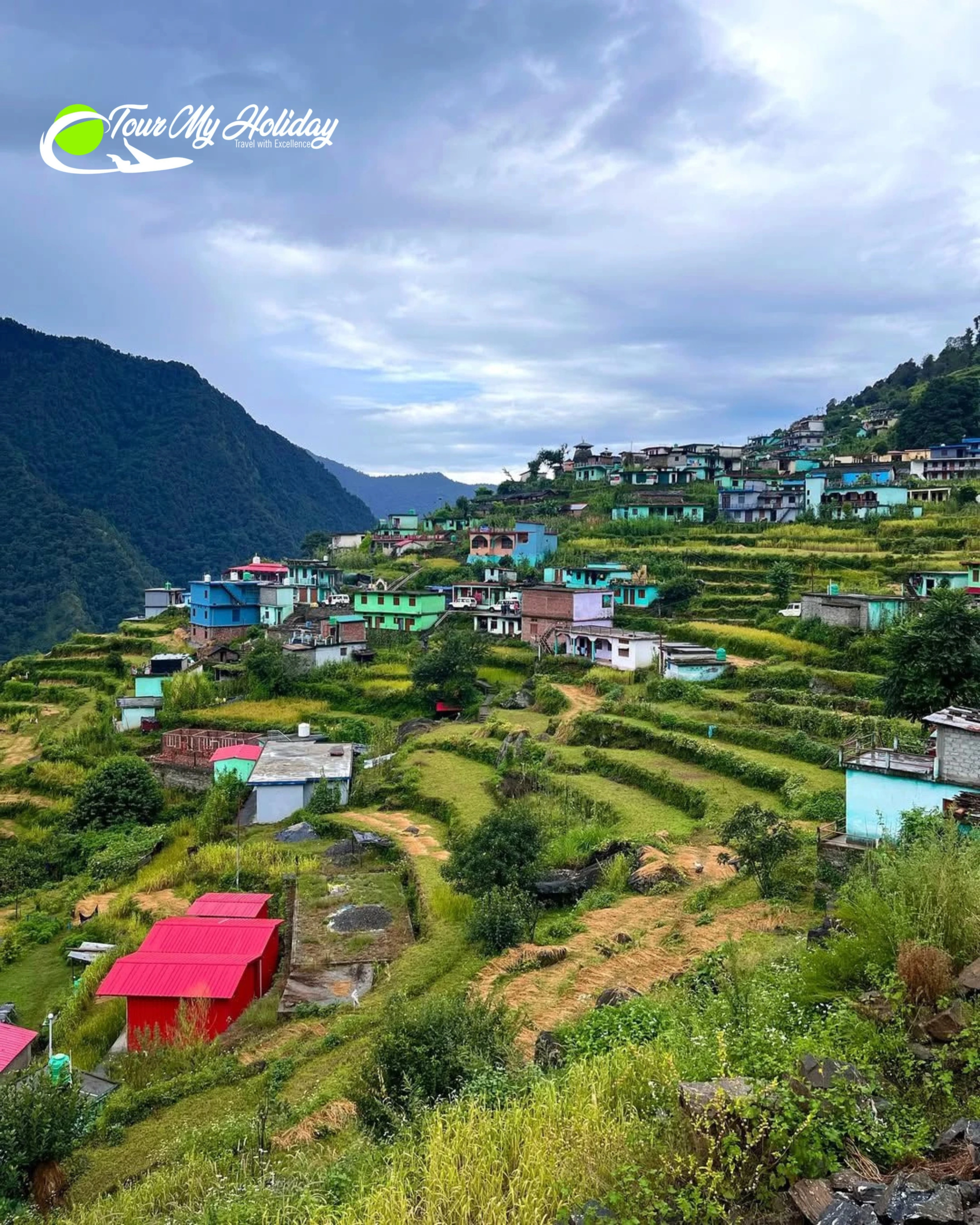
✅ Stay at Ransi: 1-Night stay in a cosy Homestay or Hotel in Ransi Village (the base of the trek).
✅ Stay at Madmaheshwar: 1-Night stay in Camps or Homestays near the Temple (Multiple sharing to experience local culture).
✅ Meals: Total 4 Meals included (2 Breakfasts & 2 Dinners) served fresh during your stay.
✅ Expert Leadership: Led by an Experienced Trip Captain who specialises in high-altitude Himalayan trekking.
✅ Guided Exploration: Complete local sightseeing, including the trek to the main temple and Budha Madhyamaheshwar.
✅ Support Team: 24/7 on-ground assistance from our coordinators and local crew.
❌ Local Taxi Charges: Any Union Taxi charges (required for certain stretches in Uttarakhand) are extra and payable on the spot.
❌ Personal Expenses: Laundry, phone calls, tips, and any shopping or snacks during the journey.
❌ Extra Meals: Lunch is not included. Any drinks (mineral water, cold drinks) or snacks are extra.
❌ Entry & Forest Fees: Any mandatory Forest Department entry tickets or temple permits are not covered.
❌ Snow/Adventure Activities: Any activities not mentioned in the itinerary (like 4x4 snow rides if applicable).
❌ Hot Water: Facilities like Hot Water/Geyser are not guaranteed in remote mountain stays (available at extra cost).
❌ Taxes: 5% GST is applicable on the total booking amount.
❌ Insurance: Personal Travel/Medical Insurance is not included in the package.
❌ Others: Anything not specifically mentioned in the "Inclusions" section above.
A minimum of 2 Nights and 3 Days is required for the Madmaheshwar trek. Day 1 covers the drive to Ransi village, Day 2 is the full trek to the temple with an overnight stay near the shrine, and Day 3 includes a visit to Budha Madmaheshwar at sunrise followed by the descent and return journey to Delhi.
Yes, the Madmaheshwar trek is suitable for beginners with basic fitness. It is rated as a moderate-grade trek and requires no prior Himalayan experience. Trekkers should be comfortable walking 6 to 8 hours on uneven mountain terrain. Joining an organised trek package with a professional trip captain makes the experience significantly safer and more manageable for first-time trekkers.
The Bantoli to Khatara stretch, approximately 4 to 5 km, is the steepest and most challenging part of the Madmaheshwar trek. It involves a continuous uphill climb on narrow, uneven paths. Trekkers should start early by 6:30 AM, maintain a slow and steady pace, take short breaks, and carry trekking poles to reduce knee strain during both ascent and descent.
Lunch is not included in the Madmaheshwar trek package. Basic food like chai and Maggi is available at dhabas up to Bantoli, but beyond that, options are very limited. Trekkers should carry dry snacks such as nuts, energy bars, and biscuits for the trail. Always keep sufficient cash, as digital payments do not work after Ukhimath.
Essential items for the Madmaheshwar trek include high-ankle grip trekking shoes, thermal innerwear, a warm jacket, a waterproof rain poncho, a 30 to 40 litre backpack with rain cover, trekking poles, personal medicines, a power bank, a water bottle of at least 2 litres capacity, sunscreen, and a minimum of ₹2,000 to ₹3,000 in cash as ATMs are not available after Ukhimath.
There is no dedicated medical facility on the Madmaheshwar trek trail. A basic health centre exists at Ransi village, but the nearest hospital is in Ukhimath or Rudraprayag, about 1.5 to 2 hours away by road. TourMyHoliday's trek package includes a trained trip captain who can manage altitude sickness symptoms and coordinate emergency evacuation if required.
Yes, the Madmaheshwar trek is safe for solo women travellers when joining an organised group trek package. The route is a well-known pilgrimage trail regularly used by families and pilgrims, making it naturally safer than remote wilderness treks. TourMyHoliday's group format ensures a trained trip captain accompanies the group at all times. Solo trekking without a guide is not recommended for anyone.
Toilet facilities on the Madmaheshwar trek are basic throughout the route. Shared Indian-style toilets are available at Ransi homestays. Along the trail at Bantoli and Khatara, basic structures exist but are not well-maintained. Near the temple, facilities are minimal. Trekkers should carry biodegradable wet wipes, hand sanitiser, and small bags to pack out waste responsibly.
During peak trekking seasons of May to June and September to October, the Madmaheshwar trek trail is mostly snow-free. Patchy snow may appear near Khatara and the temple in early May or late October. After November, heavy snowfall makes the trek dangerous or completely inaccessible. TourMyHoliday confirms departure only after verifying real-time trail and weather conditions.
A single-day Madmaheshwar summit is not recommended even for fit trekkers. Completing 16 to 18 km of steep uphill climbing, performing darshan, and descending the same day significantly increases the risk of exhaustion, altitude sickness, and injury. The 2 Nights 3 Days format allows proper rest, safe acclimatisation, and also allows trekkers to experience the stunning Budha Madmaheshwar sunrise the following morning.
TourMyHoliday's Madmaheshwar trek batches typically have 10 to 20 trekkers accompanied by an experienced trip captain and support crew. Private trek bookings are also available for families, couples, and corporate groups who prefer dedicated dates, a private vehicle, and a personal guide. Contact TourMyHoliday via WhatsApp or call to customise your private Madmaheshwar trek package.
Madmaheshwar trek batches depart every weekend during peak season from May to June and September to October. Departures are typically on Friday night at 9:30 PM from Akshardham Metro Station, Delhi, with return by early Monday morning. To check current batch dates and confirm your seat, visit TourMyHoliday's website or contact directly via WhatsApp at +91-9990055699.
The Madmaheshwar Tour Package is specifically designed for those who want to experience the journey on foot — not just reach the destination. Unlike a standard tour package, a trek package includes a professional trek captain, a structured daily trekking schedule, trail-specific safety briefings, and overnight camping or homestay near the temple. The entire experience is built around the physical journey itself — the forests, the mountain streams, the steep ridgelines, and the silent alpine meadows. If the trek IS the experience for you, this package is the right choice.
Understanding the route helps trekkers prepare better and set realistic expectations.
Ransi to Gaundhar (6–7 km)
This is the easiest section of the trek. The trail passes through dense oak and rhododendron forests with a gradual ascent. Perfect for warming up and setting the pace for the day.
Gaundhar to Bantoli (2–3 km)
A relatively short and scenic stretch with beautiful river views. A good resting point before the climb gets serious.
Bantoli to Khatara (4–5 km)
The hardest section. Steep, continuous uphill on narrow paths. Trekkers should take this slowly and steadily. This is where most people feel fatigue for the first time.
Khatara to Madmaheshwar Temple (4–5 km)
The final stretch opens up into breathtaking alpine meadows. The spiritual energy of the surroundings builds up with every step. Reaching the temple feels deeply rewarding.
Temple to Budha Madmaheshwar (2 km)
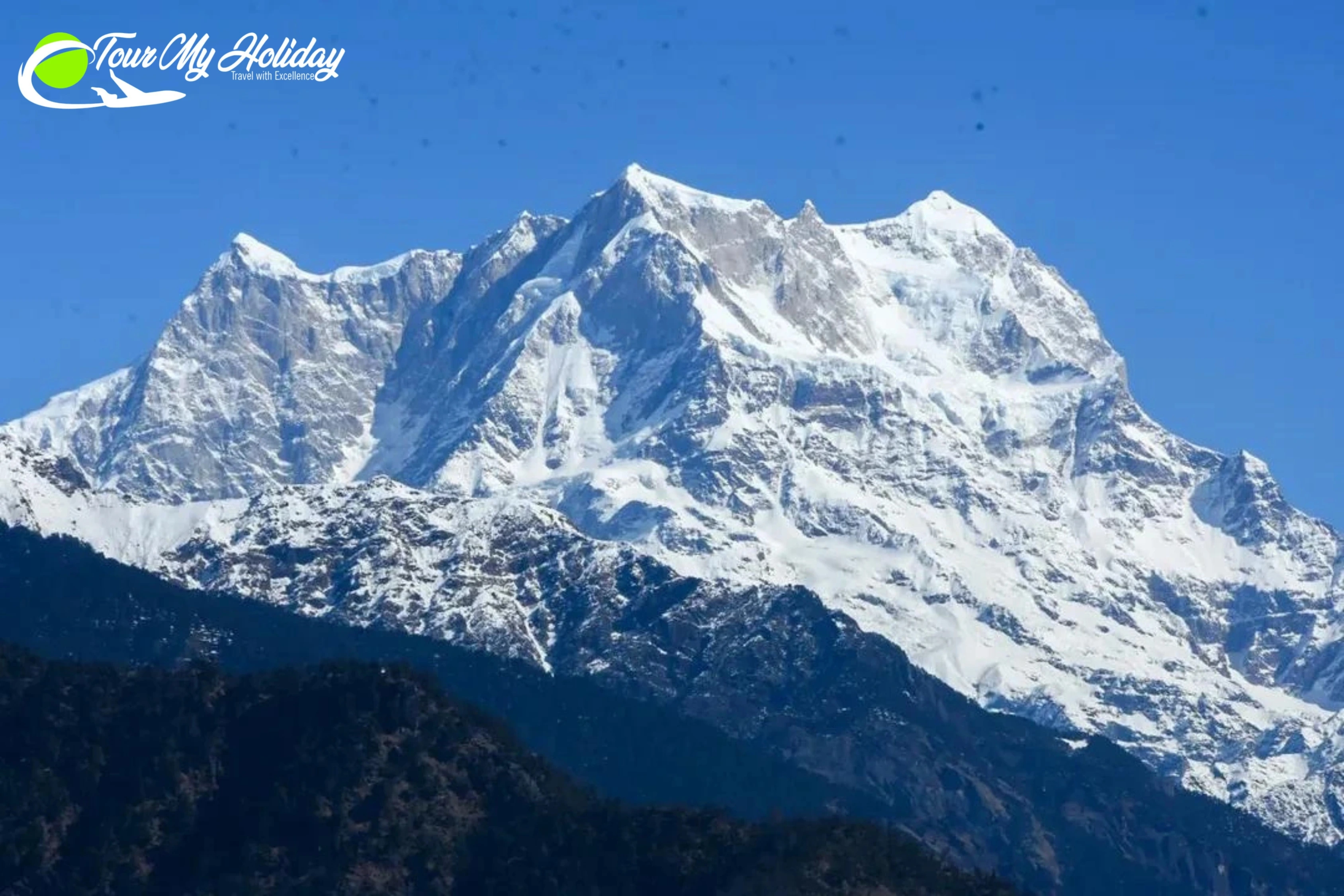
A short but steep morning hike was done on Day 3. The 360-degree Himalayan panorama from the top — including Chaukhamba, Kedarnath, Neelkanth, and Trishul peaks — is the single greatest visual reward of the entire trek.
Preparing specifically for this trek will make a major difference in your experience.
4 Weeks Before
Start daily brisk walking for 45–60 minutes. Add stair climbing to build leg endurance. This directly simulates the uphill sections of the trek.
2 Weeks Before
Increase walking duration to 90 minutes. Add light squats and lunges to strengthen your quadriceps and knees, which take the most strain during descent.
1 Week Before
Do a light practice hike if possible. Avoid heavy workouts. Focus on stretching and staying hydrated. Break in your trekking shoes during this week — never start a mountain trek in brand-new shoes.
On the Trek
Start slow on Day 2. Your body needs the first 2 km to warm up. Never skip breakfast before the trek. Keep sipping water every 20–30 minutes, even if you are not thirsty.
Staying overnight near the Madmaheshwar Temple is one of the most unique experiences this trek offers — and it is something no day-trip or tour package can replicate. At 3,497 metres altitude, after the last day-tripper leaves, the surroundings become completely still. On clear nights, the Milky Way is visible with the naked eye. The temperature drops sharply, making the bonfire and hot dinner at the camp or homestay feel incredibly comforting. Waking up at 5 AM for the Budha Madmaheshwar hike while the valley is still covered in darkness — and then watching the first light hit the Chaukhamba peaks — is an experience trekkers describe as life-changing.
| Month | Trail Condition | Temperature | Recommended? |
|---|---|---|---|
| May | Clear, some early snow near the top | 10°C–20°C day | Yes |
| June | Best season, lush green | 12°C–20°C day | Best |
| July | Monsoon, slippery trails | 12°C–17°C day | Risky |
| August | Heavy rain, difficult trek | 11°C–16°C day | Avoid |
| September | Post-monsoon, clear skies | 10°C–16°C day | Best |
| October | Crisp air, peak views | 5°C–14°C day | Yes |
| November | Early snowfall begins | 0°C–10°C day | Last chance |
| Dec–Apr | Temple closed, heavy snow | Below 0°C | Closed |
The Madmaheshwar valley is part of the Kedarnath Wildlife Sanctuary — one of the most ecologically sensitive zones in Uttarakhand. As trekkers, we carry a direct responsibility for keeping this trail clean and sustainable.
Carry back everything you carry in
No plastic bottles, wrappers, or any non-biodegradable waste should be left on the trail or near the temple.
Use natural water sources wisely
The streams on this trail are drinking water sources for local villages. Never use soap or detergent near these streams.
Respect the local community
Homestays in Ransi and Bantoli are run by local Garhwali families. Respect their culture, timing, and food. Paying fair prices directly supports the mountain economy.
Do not pick wildflowers or disturb wildlife
The meadows around Budha Madmaheshwar are home to rare Himalayan flora. The region also has Himalayan birds and mammals — observe from a distance.
TourMyHoliday follows a strict low-impact trekking philosophy and actively trains our trip captains on eco-responsible practices.
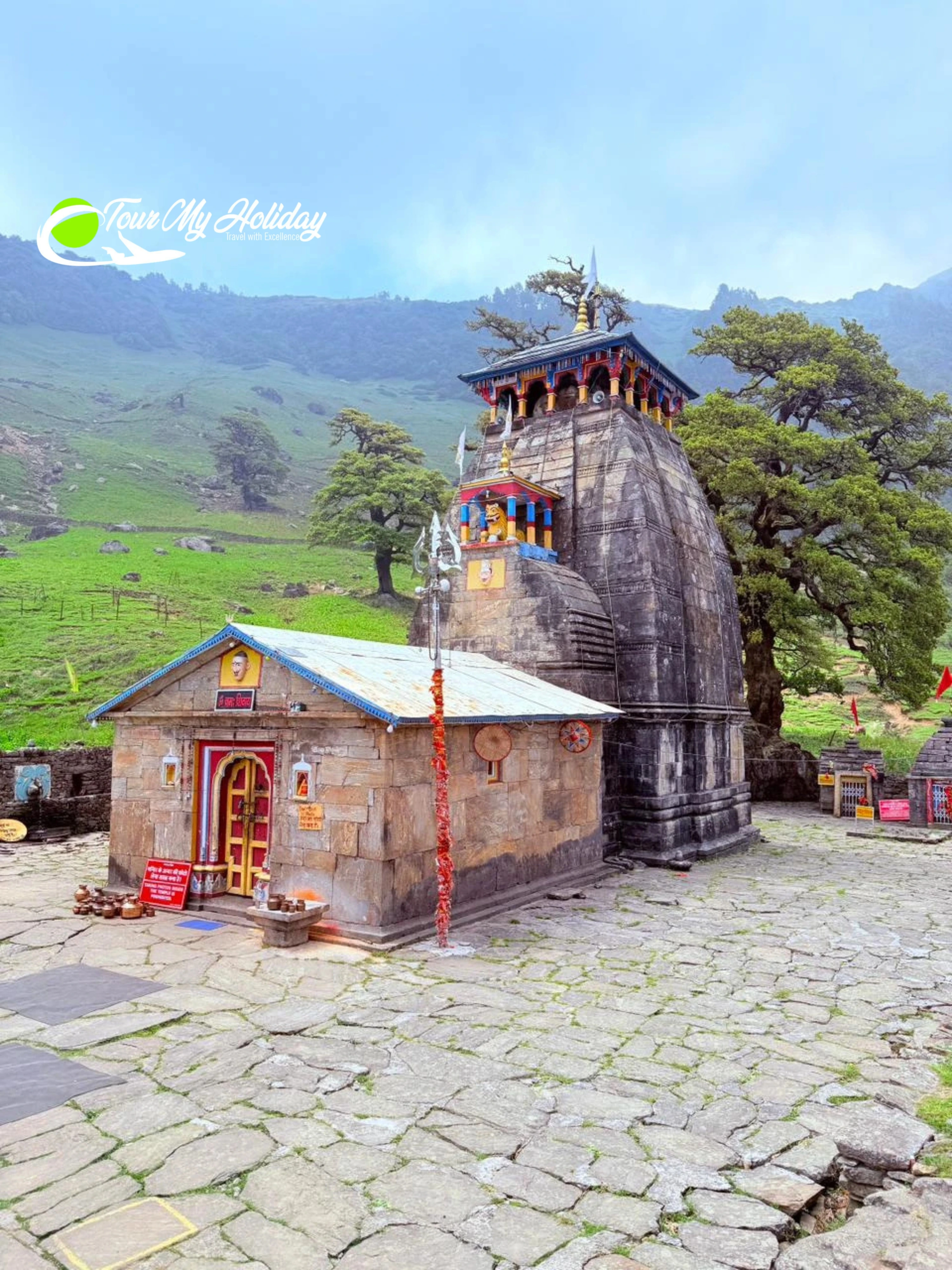
For many trekkers, the Madmaheshwar trek is not just a physical challenge — it is a spiritual journey. The trail itself has been walked by pilgrims for centuries. Every village on the route — Ransi, Gondar, Bantoli — has its own small temples and local deity shrines that reflect the deep spiritual culture of the Garhwal Himalayas.
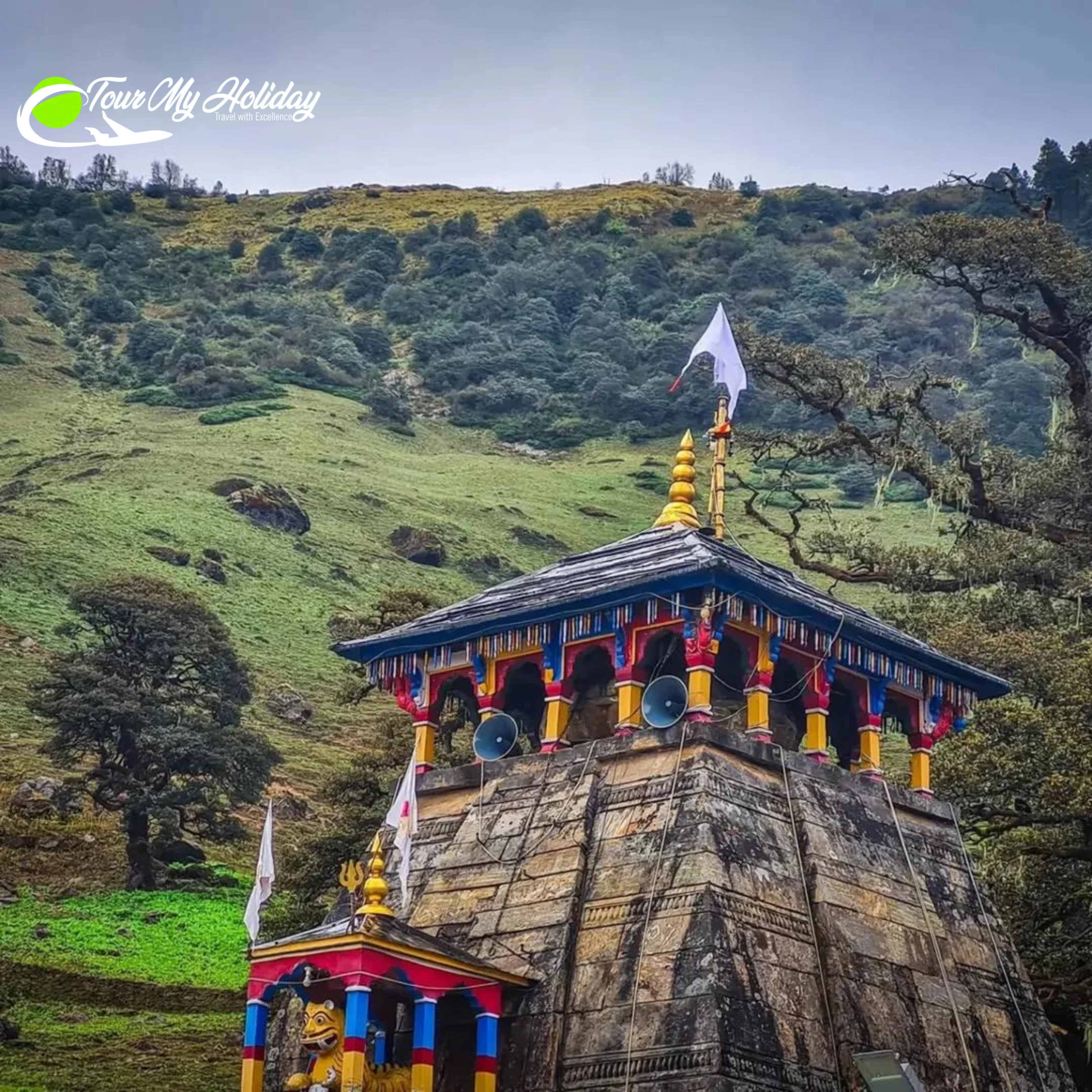
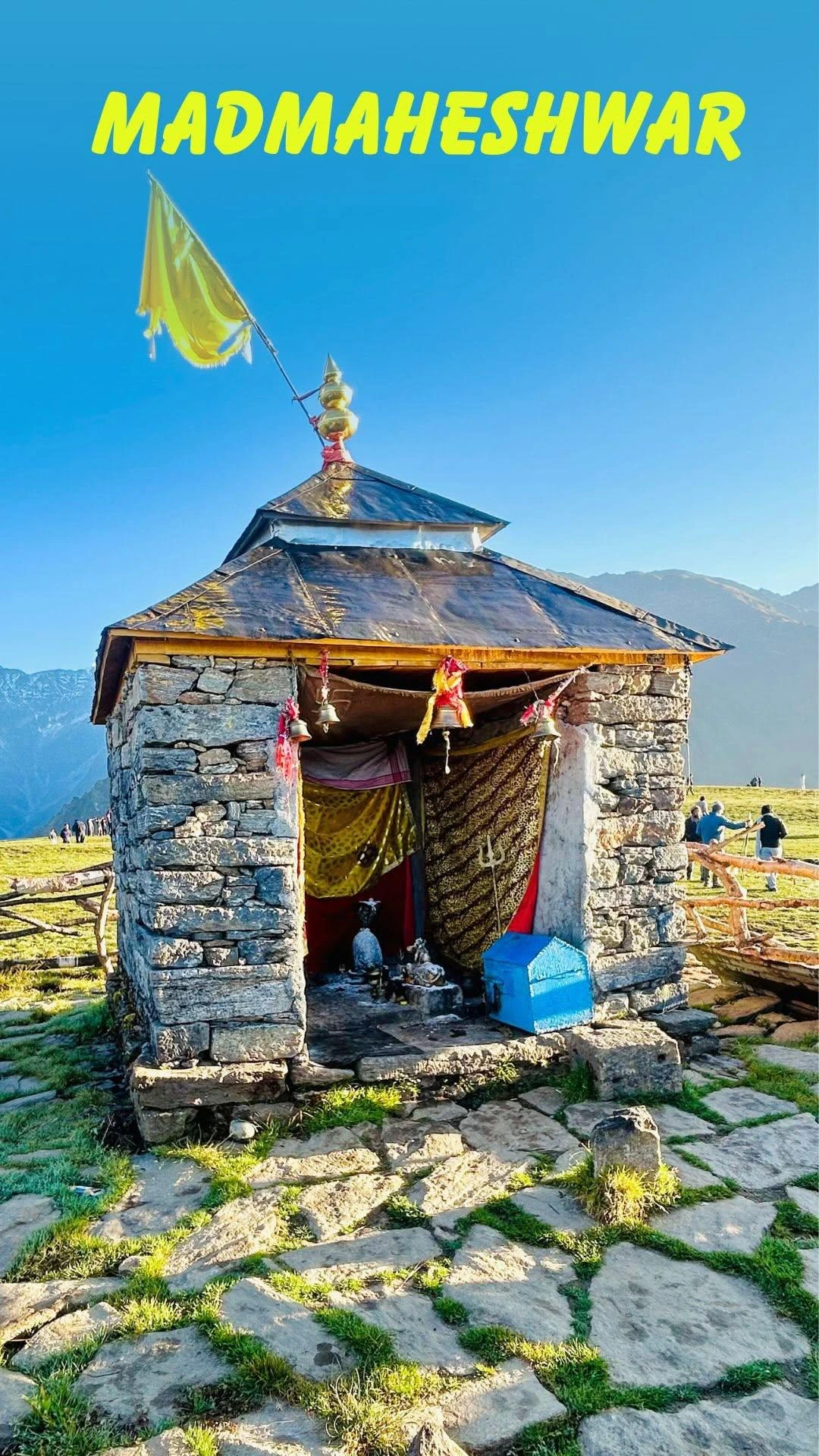
The Madmaheshwar Temple enshrines the navel (nabhi) of Lord Shiva, making it the second and most mystically significant temple in the Panch Kedar circuit. Pilgrims believe that darshan at Madmaheshwar fulfils the spiritual merit equivalent to completing a full Panch Kedar yatra. The evening aarti at the temple, with the sound of bells echoing across the silent valley, is a deeply moving experience that stays with every trekker long after they return home.
Our trek captains are professionally trained for high-altitude Himalayan treks. They handle daily pacing, conduct safety briefings before the trek begins, monitor trekkers for symptoms of altitude sickness, and manage emergency situations efficiently. With our team, you are never alone on the trail.
We maintain batch sizes between 10 and 20 trekkers to ensure a safer and more personalised experience. Smaller groups allow better attention, quicker decision-making in emergencies, and a peaceful trekking experience — unlike overcrowded tours.
We believe in complete transparency.
The price you see is exactly what you pay — no hidden costs.
All inclusions and exclusions are clearly mentioned, and our support team is available 24/7 to answer any queries before booking.
With over 5 years of experience and 10,000+ happy trekkers, TourMyHoliday brings deep expertise in Himalayan trekking. From trail knowledge to local logistics and emergency handling — our experience makes a real difference in remote mountain regions.
From Delhi pickup → Ransi stay → temple darshan → safe return, everything is pre-arranged for you.
You focus on enjoying the journey — we take care of the rest.
| Mode | Price |
| Quad Sharing | ₹ 7000 |
| Triple Sharing | ₹ 7500 |
| Double Sharing | ₹ 8000 |
Reach out to us
The Madmaheshwar trek is rated Moderate to Challenging. The total one-way distance from Ransi Village to the temple is 16 to 18 km with a significant elevation gain. The trail includes long forest walks, river crossings, and steep ascents — particularly between Bantoli and Khatara, which is the hardest section. Trekkers with basic fitness and no prior Himalayan experience can complete this trek comfortably if they prepare well and maintain a steady pace throughout.
The Madmaheshwar Temple sits at an altitude of 3,497 metres above sea level. At this height, some trekkers may experience mild symptoms of Acute Mountain Sickness including headache, dizziness, nausea, or shortness of breath. To reduce this risk, ascend gradually, take regular rest breaks, stay well hydrated, and avoid alcohol during the trek. Trekkers with asthma, high blood pressure, or heart conditions must consult a doctor before booking. Carry ORS sachets and basic altitude sickness medication as a precaution. If symptoms worsen at any point, descend immediately — do not push through serious discomfort at altitude.
The Madmaheshwar trek requires moderate physical fitness. Trekkers should be comfortable walking 6 to 8 hours continuously on uneven mountain terrain. Start preparing at least 3 to 4 weeks before your trek date. Include daily brisk walking or jogging for 45 to 60 minutes, stair climbing to build leg strength, and light squats or lunges to strengthen your knees for the steep descent. Cardio fitness matters as much as leg strength at high altitude — activities like cycling or swimming help build lung capacity. You do not need to be an athlete, but arriving unprepared will make Day 2 extremely difficult.
Mountain weather at 3,497 metres is highly unpredictable — even in peak season, temperatures can drop sharply within an hour. Always follow a layered clothing system:
- Moisture-wicking full-sleeve base layer for daytime trekking
- Fleece or woollen mid-layer for morning and evening warmth
- Heavy down jacket or puffer jacket for overnight stays near the temple
- Waterproof rain jacket or poncho — mandatory regardless of season
- Trekking pants or quick-dry lowers for ease of movement on trail
- Thermal innerwear for October treks and beyond
- Woollen socks, gloves, and a warm cap for cold winds at higher altitude
- UV-protection sunglasses, sun cap, and SPF 50 sunscreen for strong Himalayan UV rays
Even during May and June, nights near the Madmaheshwar Temple can drop to 4°C to 6°C. Never underpack on warm layers for this trek.
Choosing the right footwear is critical for the Madmaheshwar trek route, which involves rocky paths, steep ascents, and slippery stream crossings:
- High-ankle trekking shoes with strong grip and ankle support are mandatory
- Shoes must be water-resistant and broken in before the trek — never start in brand-new shoes
- Carry 2 to 3 pairs of woollen and quick-dry socks
- Trekking poles are strongly recommended to reduce knee strain on the steep Bantoli to Khatara section
and during the long descent on Day 3
- Use a 30 to 40 litre daypack with padded straps and a rain cover
- Carry a headlamp or torch for early morning starts and camp use
- Pack a power bank — charging facilities are very limited or unavailable beyond Ransi
- Keep a basic first aid kit including blister care, pain relief, antiseptic, and personal medicines
Mobile network coverage on the Madmaheshwar trek is very limited. Basic signal is available in Ukhimath and Ransi Village, with BSNL offering the most reliable coverage in this region. Private operators like Jio and Airtel work intermittently up to Ransi but become unreliable beyond that. From Bantoli onwards, network connectivity drops significantly.
Near the Madmaheshwar Temple, mobile networks are mostly unavailable. Inform your family and emergency contacts in advance that you will be unreachable for most of Day 2 and Day 3. Download offline maps before departing Ransi. Carry a fully charged phone and power bank at all times.
Cash management is very important for this trek. The last reliable ATM on the route is in Ukhimath or Rudraprayag — there are no ATMs available at Ransi Village or anywhere on the trek trail beyond that point. Digital payments, UPI, and cards do not work in this remote area. Trekkers should carry a minimum of ?2,000 to ?3,000 in cash for personal expenses such as extra snacks, chai at trail dhabas, porter or mule charges if needed, and offerings at the temple. Keep cash in small denominations and store it in a waterproof pouch inside your bag.
Accommodation on the Madmaheshwar trek is basic and should be expected as such. At Ransi Village, simple guesthouses and homestays offer shared rooms with basic bedding and local Garhwali meals. Near the Madmaheshwar Temple, trekkers stay in GMVN guesthouses, local dharamshalas, or tented camps in multiple sharing. Electricity supply is limited or solar-based — power cuts are common and hot water is not reliably available. Mobile charging may be possible at Ransi but is not guaranteed near the temple. Toilets are Indian-style and shared throughout the route. TourMyHoliday's package includes pre-arranged accommodation at both Ransi and near the temple so trekkers do not need to worry about availability during peak season.
For trekkers who find it difficult to carry their own bag or need assistance on steep sections, local porters and mules are available for hire from Ransi Village. Porters are familiar with the Madmaheshwar trek route, trail conditions, and resting points — they are a valuable safety resource in addition to being load carriers. Mules are available on wider sections of the trail but cannot operate on certain narrow or steep stretches. Rates are fixed locally and payable in cash. Senior trekkers, those with knee issues, or anyone carrying extra weight should seriously consider hiring a porter. TourMyHoliday's trek captain can assist in arranging local porter support on the ground.
The Madmaheshwar valley falls within the Kedarnath Wildlife Sanctuary — one of Uttarakhand's most ecologically sensitive protected zones. Every trekker has a direct responsibility to protect this environment:
- Carry all non-biodegradable waste back with you — no plastic bottles, wrappers, or packaging should be left on the trail or near the temple
- Never use soap, shampoo, or detergent near streams or water sources on the trail — these are drinking water sources for local villages
- Stay strictly on marked trails to prevent soil erosion and damage to alpine meadows
- Do not pick wildflowers, disturb wildlife, or make loud noise in forest sections
- Respect local homestay families — their timings, food, and culture
- Use reusable water bottles and refill at safe points rather than buying single-use plastic bottles
TourMyHoliday follows a strict low-impact trekking policy. Our trek captains actively brief all trekkers on responsible behaviour before the trek begins. Leave the Madmaheshwar valley exactly as you found it — pristine, sacred, and beautiful.