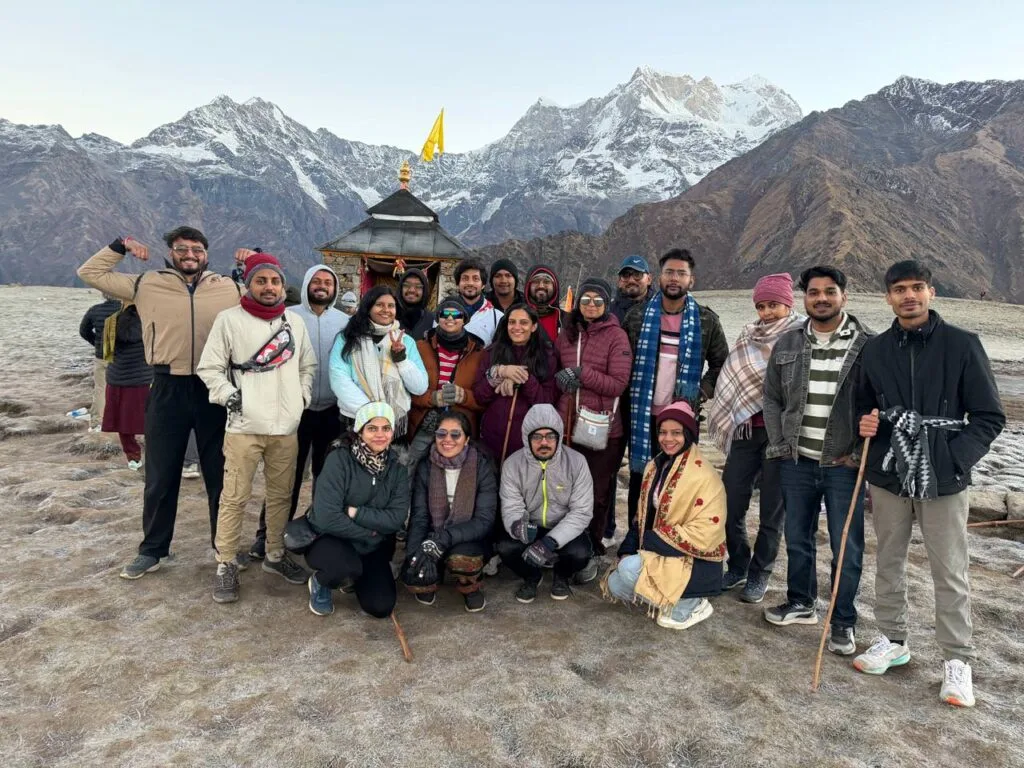
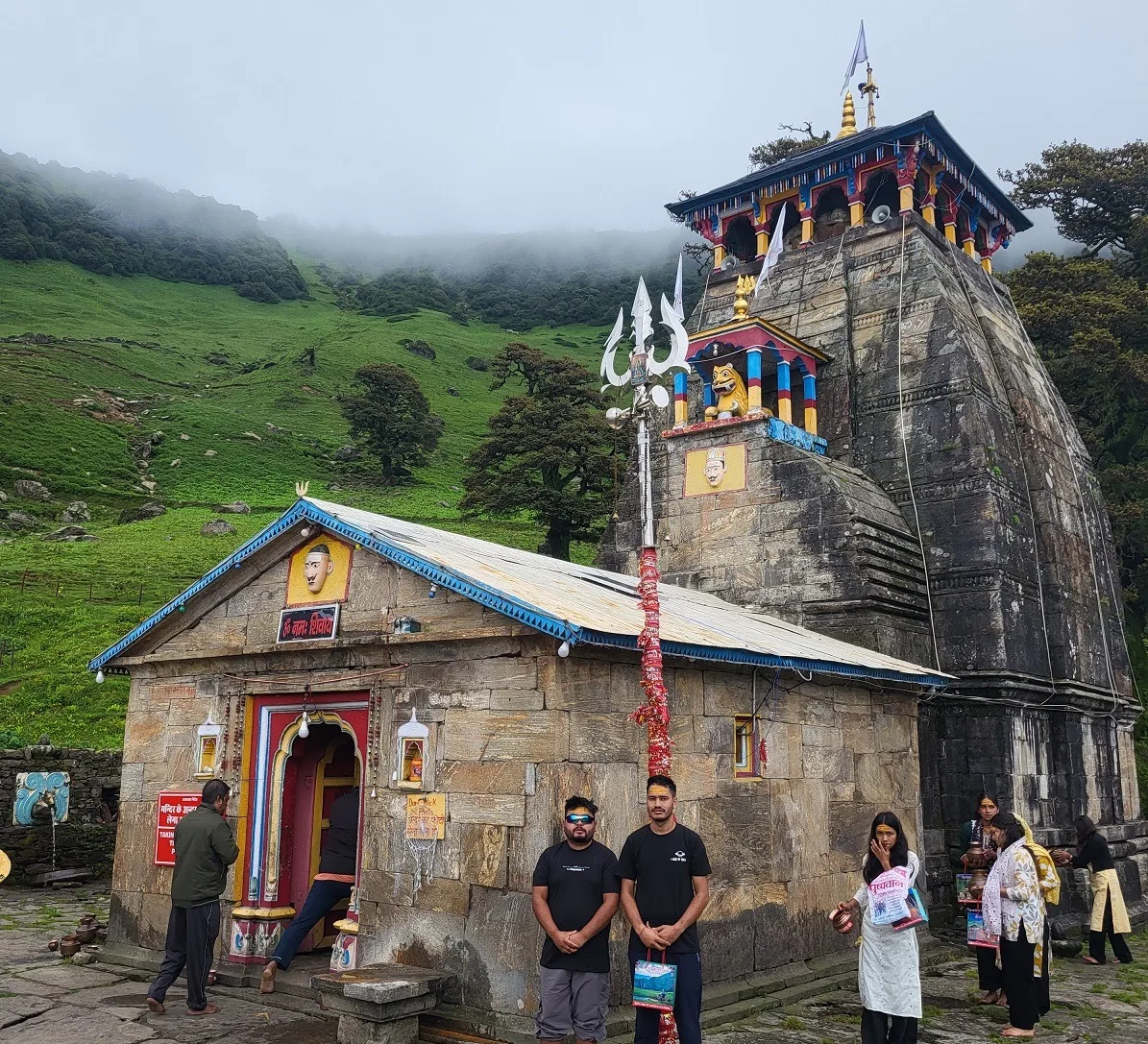
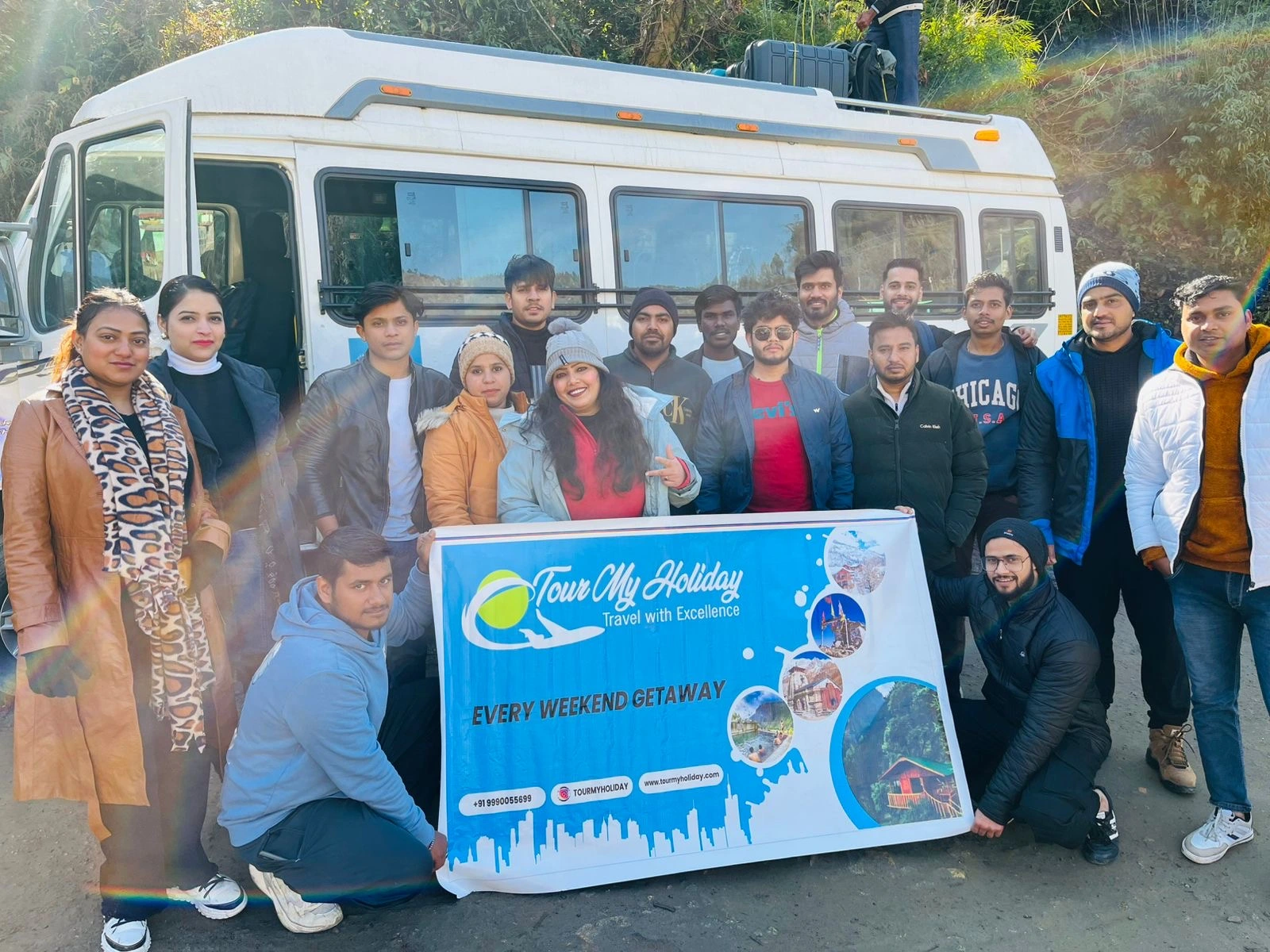
Good Vibes best adventure like best thinkin
Best trip in the world
Thank you
TourMyHoliday's Madhyamaheshwar Trek Package is a guided 3-night, 4-day pilgrimage experience in the Garhwal Himalayas — designed for better acclimatisation and a comfortable pace. Trek 16–18 km from Ransi Village to Madhyamaheshwar Temple (3,497 m), the second Panch Kedar shrine, with an extra rest day for a safer, more rewarding journey from Delhi.
Duration: 3 Nights / 4 Days
Starting Point: Delhi / Haridwar / Rishikesh
Main Attractions: Madmaheshwar, Budha Madmaheshwar
Trek Distance: 16-18 km
Trek Difficulty: Moderate to Challenging
Ideal For: Trekkers, Adventure Seekers, Pilgrims, Solo Travellers
Best Time: May–June & September–November
Meals: Breakfast & Dinner
Itinerary
Enroute Sightseeing:
Quick Info
Summer (May – June): The weather is pleasant and comfortable for trekking. Day temperatures usually range between 15°C to 20°C, while nights can be cooler around 8°C to 10°C.
Monsoon (July – August): The region receives moderate to heavy rainfall. Temperatures remain between 12°C to 18°C, but trekking trails may become slippery due to rain.
Autumn (September – October): This season offers clear skies and stunning Himalayan views. Day temperatures range from 10°C to 15°C, while nights can drop to around 5°C to 8°C.
Winter (November – April): Winters are very cold with heavy snowfall. Temperatures can fall below 0°C, and the temple usually remains closed during this time.
Tip for Travelers: Always carry warm clothes, rain protection, and proper trekking gear, as mountain weather can change quickly.
The trek to Madmaheshwar Temple is generally considered moderate to challenging, making it suitable for trekkers with basic fitness and some trekking experience. The journey usually begins from Ransi Village, which is the main starting point of the trek.
The total trekking distance is around 16–18 km one way, passing through scenic forests, mountain streams, and small villages such as Gondar Village. Some sections of the trail include steep ascents and uneven paths, which can make the trek physically demanding, especially for beginners.
Trekkers need good stamina because the route involves continuous climbing at certain points. Proper trekking shoes, warm clothing, and enough hydration are essential during the journey.
Overall, the trek is rewarding as it offers breathtaking Himalayan views, peaceful surroundings, and the spiritual experience of reaching one of the sacred Panch Kedar temples dedicated to Lord Shiva.
May to June (Summer Season): This is one of the best times to visit Madmaheshwar. The weather remains pleasant and the trekking routes from Ransi Village are clear and comfortable. The surrounding Himalayan landscapes are vibrant and perfect for trekking and sightseeing.
September to October (Autumn Season): After the monsoon, the skies become clear and the views of the Himalayan peaks are breathtaking. The weather is cool and ideal for trekking to Madmaheshwar and nearby viewpoints like Budha Madmaheshwar.
July to August (Monsoon Season): Heavy rainfall can make trekking routes slippery and challenging. However, the forests and valleys look lush green during this period.
November to April (Winter Season): The temple remains closed due to heavy snowfall and harsh weather conditions in the region.
| Mode | Price |
| Quad Sharing | ₹ 9000 |
| Triple Sharing | ₹ 9500 |
| Double Sharing | ₹ 10000 |
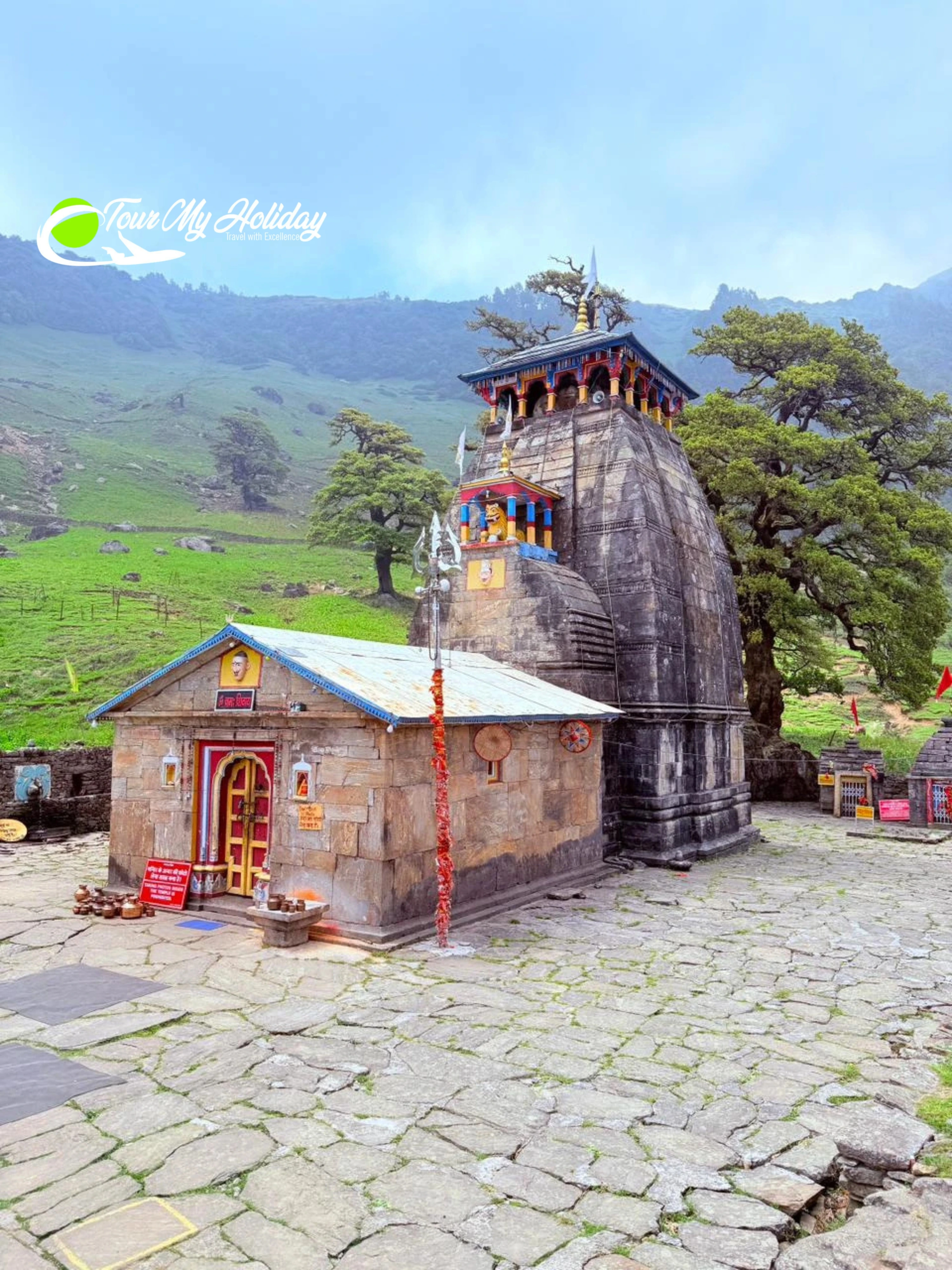
Madhyamaheshwar is located in the Rudraprayag district of Uttarakhand and is one of the Panch Kedar temples dedicated to Lord Shiva, situated at an altitude of around 3,497 meters.
The trek usually starts from Ransi village, which is reachable by road from Ukhimath.
The total trekking distance from Ransi to Madhyamaheshwar is approximately 18–20 km one way, depending on the route taken.
The trek is considered moderate to difficult, with steep ascents, long walking hours, and high altitude, making basic fitness important.
Typically, 4–5 days are required, including travel from Ukhimath/Ransi, trekking, temple darshan, and return.
The best time is from May to June and September to October. The trek remains closed during monsoon-heavy periods and winter due to snow.
Yes, basic guesthouses, lodges, and homestays are available at Ransi, Gaundhar, and near the temple. Facilities are simple.
Yes, local guides and porters are available at Ransi and Ukhimath and are recommended for first-time trekkers.
Beginners with good physical fitness can attempt the trek, but prior trekking experience is helpful due to the long distances and altitude.
Buda Madhyamaheshwar is a higher-altitude temple located above the main shrine and is believed to be associated with the Pandavas. It requires an additional hike from Madhyamaheshwar.
Mobile connectivity is limited and intermittent, mostly available near Ransi and Gaundhar. Network availability near the temple is unreliable.
Essential items include trekking shoes, warm clothing, rain gear, basic medicines, water bottles, energy snacks, and a flashlight.
Yes, Char Dham / Panch Kedar registration is usually required and can be done online or at registration counters in Uttarakhand.
Madhyamaheshwar Trek 2026: A Sacred Journey to Lord Shiva's Navel in the Himalayas
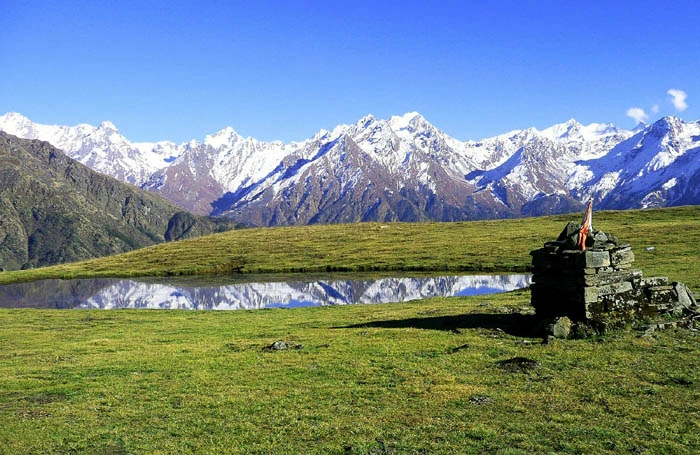
Nestled in the Rudraprayag district of Uttarakhand's Garhwal Himalayas, Madhyamaheshwar (also spelt Madmaheshwar) is the fourth shrine in the revered Panch Kedar circuit, dedicated to Lord Shiva. At an altitude of 3,497 meters (11,473 feet), this ancient temple sits amid lush alpine meadows, dense rhododendron forests, and towering peaks like Chaukhamba, Kedarnath, and Neelkantha.
The trek to Madhyamaheshwar is a perfect blend of spiritual pilgrimage and adventurous hiking, spanning about 32 km round trip. Ideal for moderate trekkers, it offers serene valleys, cascading waterfalls, and panoramic Himalayan views. In 2026, with the temple opening on May 20 and closing on November 20, it's an unmissable experience for devotees and nature enthusiasts alike.
Madhyamaheshwar's history is deeply rooted in Hindu mythology, particularly the epic Mahabharata. According to legend, after the Kurukshetra war, the Pandava brothers sought Lord Shiva's blessings to atone for their sins of fratricide. Shiva, unwilling to forgive them easily, disguised himself as a bull (Nandi) and hid in the Himalayas. When the Pandavas discovered him in Guptakashi, Shiva burrowed into the earth. His body parts reemerged at five sacred sites, forming the Panch Kedar temples: Kedarnath (hump), Tungnath (arms), Rudranath (face), Madhyamaheshwar (navel or "madhya"), and Kalpeshwar (hair).
At Madhyamaheshwar, it's believed that Bhima, the strongest Pandava, grasped the bull's midsection, causing the navel to appear here. Bhima then built the temple to worship Shiva in this form. The black stone Shivling inside represents Shiva's navel, symbolising the "middle" part. Historical records suggest the temple dates back over 1,200 years, with influences from the Katyuri dynasty. Local stories also speak of "Budha Madhyamaheshwar," an ancient site higher up, where shepherds claim to hear divine bells and see ethereal lights – adding a mystical aura. Pilgrims often recount tales of spiritual encounters, like unexplained warmth during blizzards, attributing it to Shiva's protection.
Local shared jeeps are available in Ukhimath. For 2026, book transport early during the peak Char Dham season.
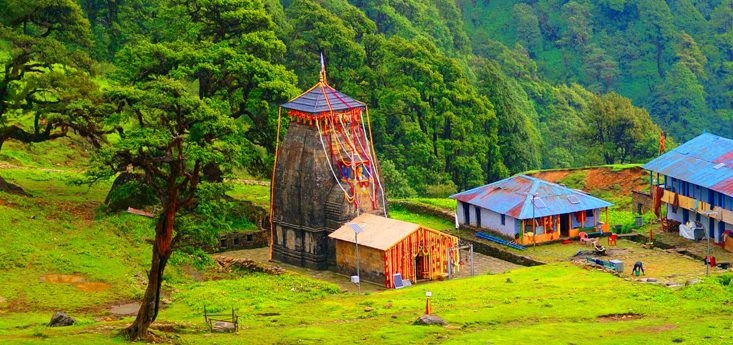
The trek is moderate, with a total distance of 32 km (round trip), max altitude 3,497m. Starts from Ransi or Uniana village.
Alternate route via Mansuna for variety. Total elevation gain: ~1,500m. Permits: Simple forest entry from Ukhimath (INR 150-300).
Accommodations are rustic and eco-friendly, blending with local Garhwali culture:
Stays emphasise sustainability – no luxury hotels, but warm hospitality and fresh local food like mandua roti and pahadi dal.
Madhyamaheshwar is more than a trek – it's a spiritual odyssey through myths and majestic Himalayas. Ready for this divine adventure? Book customised packages with TourMyHoliday for seamless experiences, expert guides, and safe journeys.
Contact us at tourmyholiday.com. Om Namah Shivaya!
✅5+ Years of Expertise – TourMyHoliday has guided 10,000+ trekkers across Uttarakhand, making us a trusted name for Madhyamaheshwar Temple Trek 2026.
🧭Experienced Trek Captains – Our trained leaders ensure proper pacing, conduct safety briefings, monitor altitude sickness, and handle emergencies efficiently.
👥 Small & Safe Groups (10–20 Trekkers) – We focus on personalised attention, better safety, and a peaceful trekking experience.
💰Transparent Pricing – No hidden costs; everything is clearly mentioned before booking.
📞 24/7 Customer Support – Our team is always available to assist you before and during your trek.
🚐 Complete Travel Planning – From Delhi pickup → Ransi stay → temple darshan → return journey, everything is pre-arranged.
Reach out to us
The Madmaheshwar trek is rated Moderate to Challenging. The total one-way distance from Ransi Village to the temple is 16 to 18 km with a significant elevation gain. The trail includes long forest walks, river crossings, and steep ascents — particularly between Bantoli and Khatara, which is the hardest section. Trekkers with basic fitness and no prior Himalayan experience can complete this trek comfortably if they prepare well and maintain a steady pace throughout.
The Madmaheshwar Temple sits at an altitude of 3,497 metres above sea level. At this height, some trekkers may experience mild symptoms of Acute Mountain Sickness including headache, dizziness, nausea, or shortness of breath. To reduce this risk, ascend gradually, take regular rest breaks, stay well hydrated, and avoid alcohol during the trek. Trekkers with asthma, high blood pressure, or heart conditions must consult a doctor before booking. Carry ORS sachets and basic altitude sickness medication as a precaution. If symptoms worsen at any point, descend immediately — do not push through serious discomfort at altitude.
The Madmaheshwar trek requires moderate physical fitness. Trekkers should be comfortable walking 6 to 8 hours continuously on uneven mountain terrain. Start preparing at least 3 to 4 weeks before your trek date. Include daily brisk walking or jogging for 45 to 60 minutes, stair climbing to build leg strength, and light squats or lunges to strengthen your knees for the steep descent. Cardio fitness matters as much as leg strength at high altitude — activities like cycling or swimming help build lung capacity. You do not need to be an athlete, but arriving unprepared will make Day 2 extremely difficult.
Mountain weather at 3,497 metres is highly unpredictable — even in peak season, temperatures can drop sharply within an hour. Always follow a layered clothing system:
- Moisture-wicking full-sleeve base layer for daytime trekking
- Fleece or woollen mid-layer for morning and evening warmth
- Heavy down jacket or puffer jacket for overnight stays near the temple
- Waterproof rain jacket or poncho — mandatory regardless of season
- Trekking pants or quick-dry lowers for ease of movement on trail
- Thermal innerwear for October treks and beyond
- Woollen socks, gloves, and a warm cap for cold winds at higher altitude
- UV-protection sunglasses, sun cap, and SPF 50 sunscreen for strong Himalayan UV rays
Even during May and June, nights near the Madmaheshwar Temple can drop to 4°C to 6°C. Never underpack on warm layers for this trek.
Choosing the right footwear is critical for the Madmaheshwar trek route, which involves rocky paths, steep ascents, and slippery stream crossings:
- High-ankle trekking shoes with strong grip and ankle support are mandatory
- Shoes must be water-resistant and broken in before the trek — never start in brand-new shoes
- Carry 2 to 3 pairs of woollen and quick-dry socks
- Trekking poles are strongly recommended to reduce knee strain on the steep Bantoli to Khatara section
and during the long descent on Day 3
- Use a 30 to 40 litre daypack with padded straps and a rain cover
- Carry a headlamp or torch for early morning starts and camp use
- Pack a power bank — charging facilities are very limited or unavailable beyond Ransi
- Keep a basic first aid kit including blister care, pain relief, antiseptic, and personal medicines
Mobile network coverage on the Madmaheshwar trek is very limited. Basic signal is available in Ukhimath and Ransi Village, with BSNL offering the most reliable coverage in this region. Private operators like Jio and Airtel work intermittently up to Ransi but become unreliable beyond that. From Bantoli onwards, network connectivity drops significantly.
Near the Madmaheshwar Temple, mobile networks are mostly unavailable. Inform your family and emergency contacts in advance that you will be unreachable for most of Day 2 and Day 3. Download offline maps before departing Ransi. Carry a fully charged phone and power bank at all times.
Cash management is very important for this trek. The last reliable ATM on the route is in Ukhimath or Rudraprayag — there are no ATMs available at Ransi Village or anywhere on the trek trail beyond that point. Digital payments, UPI, and cards do not work in this remote area. Trekkers should carry a minimum of ?2,000 to ?3,000 in cash for personal expenses such as extra snacks, chai at trail dhabas, porter or mule charges if needed, and offerings at the temple. Keep cash in small denominations and store it in a waterproof pouch inside your bag.
Accommodation on the Madmaheshwar trek is basic and should be expected as such. At Ransi Village, simple guesthouses and homestays offer shared rooms with basic bedding and local Garhwali meals. Near the Madmaheshwar Temple, trekkers stay in GMVN guesthouses, local dharamshalas, or tented camps in multiple sharing. Electricity supply is limited or solar-based — power cuts are common and hot water is not reliably available. Mobile charging may be possible at Ransi but is not guaranteed near the temple. Toilets are Indian-style and shared throughout the route. TourMyHoliday's package includes pre-arranged accommodation at both Ransi and near the temple so trekkers do not need to worry about availability during peak season.
For trekkers who find it difficult to carry their own bag or need assistance on steep sections, local porters and mules are available for hire from Ransi Village. Porters are familiar with the Madmaheshwar trek route, trail conditions, and resting points — they are a valuable safety resource in addition to being load carriers. Mules are available on wider sections of the trail but cannot operate on certain narrow or steep stretches. Rates are fixed locally and payable in cash. Senior trekkers, those with knee issues, or anyone carrying extra weight should seriously consider hiring a porter. TourMyHoliday's trek captain can assist in arranging local porter support on the ground.
The Madmaheshwar valley falls within the Kedarnath Wildlife Sanctuary — one of Uttarakhand's most ecologically sensitive protected zones. Every trekker has a direct responsibility to protect this environment:
- Carry all non-biodegradable waste back with you — no plastic bottles, wrappers, or packaging should be left on the trail or near the temple
- Never use soap, shampoo, or detergent near streams or water sources on the trail — these are drinking water sources for local villages
- Stay strictly on marked trails to prevent soil erosion and damage to alpine meadows
- Do not pick wildflowers, disturb wildlife, or make loud noise in forest sections
- Respect local homestay families — their timings, food, and culture
- Use reusable water bottles and refill at safe points rather than buying single-use plastic bottles
TourMyHoliday follows a strict low-impact trekking policy. Our trek captains actively brief all trekkers on responsible behaviour before the trek begins. Leave the Madmaheshwar valley exactly as you found it — pristine, sacred, and beautiful.
Tips, Routes & Experience
Photo Gallery
Video Reviews