
Omkareshwar Temple
Published on October 24, 2024
About the Author
Ashutosh Sharma is a passionate Uttarakhand travel expert with over 7 years of experience exploring the Garhwal Himalayas. He specialises in spiritual journeys like the Madmaheshwar trek, Kedarnath Yatra, and the Panch Kedar circuit, sharing practical travel guides, trekking insights, and local knowledge to help pilgrims and adventurers plan safe and meaningful Himalayan experiences
Omkareshwar Temple: The Jyotirlinga on the Sacred 'Om' Island – The Complete Story (2025)
Nestled on a riverine island shaped like the primordial 'Om' symbol, Omkareshwar Temple is not merely a shrine—it's a cosmic echo where the universe's first sound resonates through stone and water. As one of the 12 revered Jyotirlingas of Lord Shiva, this sacred site whispers tales of divine battles, royal penances, and eternal devotion, drawing millions to the banks of the Narmada River.
This is the full story of Omkareshwar—its location, myths, history, and timeless allure in 2025.
Exact Location & How to Reach (2025)
District: Khandwa, Madhya Pradesh
Coordinates: 22.2481° N, 76.1520° E
Altitude: 111 m (364 ft)
Island: Mandhata (Shivpuri), formed by the Narmada River's bend—naturally shaped like 'Om'
Distances:
Indore Airport (IDR) → 77 km (1.5–2 hrs by cab)
Khandwa Railway Station → 20 km (30–45 min)
Barwaha (nearest town) → 16 km (25 min)
Indore City → 140 km (3–4 hrs via NH52)
Bhopal → 220 km (5 hrs via NH46)

To reach the island: Cross the 270-ft cantilever hanging bridge (built in the 20th century, enhanced with LED lights in 2024). Boats (₹20–50) are available for a serene approach during the monsoons, when the bridge might feel a bit sway-y. The site now features a massive solar power plant nearby, powering eco-friendly temple initiatives.
The Great Myth: The Penance of King Mandhata and the Birth of the Jyotirlinga
The core legend, drawn from the Shiva Purana, centres on King Mandhata of the Ikshvaku dynasty (Lord Rama's lineage).
Exiled for unknowingly slaying a Brahmin cow, Mandhata performed 1,000 years of rigorous penance on this island. Pleased, Lord Shiva manifested as a self-formed Jyotirlinga (radiant lingam) and granted him moksha. The king named the island Mandhata, and Shiva declared it eternal: "As long as the Narmada flows, my presence here shall endure."
The island's 'Om' shape is no coincidence—it's Shiva's boon, symbolizing the primordial sound from which creation sprang. Devotees believe circumambulating the island (parikrama, 8 km) during Shravan cleanses sins equivalent to a Kashi yatra.
The Second Legend: Shiva's Emergence in the Deva-Danava War
From the Skanda Purana comes a tale of cosmic conflict.
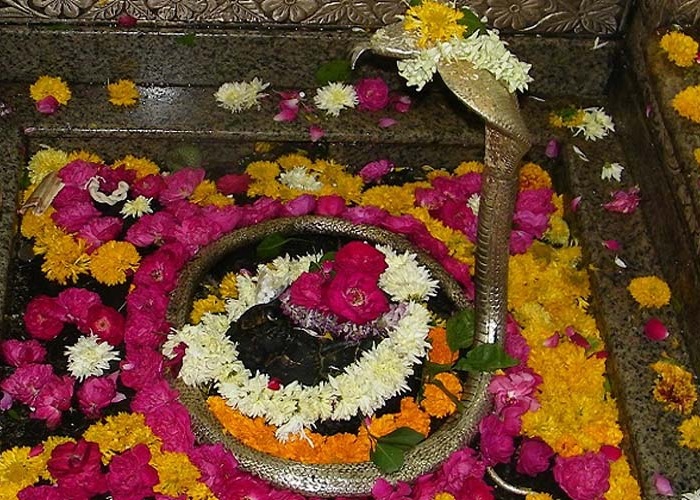
In a fierce war between Devas (gods) and Danavas (demons), the latter triumphed, plunging the heavens into despair. The Devas prayed fervently to Shiva, who emerged from the earth as Omkareshwar Jyotirlinga—a blazing pillar of light—defeating the Danavas and restoring dharma.
"Omkaara" (the sacred 'Om') echoed from the lingam, calming the chaos. This victory is celebrated annually during Diwali, when the temple glows with thousands of lamps, symbolizing light over darkness.
The Third Story: The Humbling of Vindhya Mountain and the Demon's Devotion
Another profound narrative involves Mount Vindhya, personified as a demon king envious of Mount Meru (the cosmic axis).
Vindhya began expanding endlessly, blocking the sun's path and plunging the world into twilight. Terrified Devas sought Sage Narada's counsel, who tricked Vindhya into worshipping Shiva for stability. The demon's penance succeeded: Shiva appeared as the Jyotirlinga, halting Vindhya's growth and blessing him with immortality as the mountain range cradling the Narmada.
This tale underscores humility—Vindhya's devotion turned destruction into guardianship. A small shrine near the temple, "Vindhya Peeth," marks this spot, where pilgrims offer pebbles symbolizing surrendered ego.
The Split Lingam: Omkareshwar and Mamleshwar – The Twin Halves
Unique among Jyotirlingas, Omkareshwar is divided: The lingam split into two halves to fulfill a devotee's wish for dual darshan.
Omkareshwar (Island Side): The "Lord of Om" half, facing north, represents creation and the cosmic sound.
Mamleshwar (Mainland Side): The "Immortal Lord" half, on the southern bank, embodies preservation and eternity.
Legends say a sage, unable to choose, prayed for both; Shiva obliged, making parikrama of both essential for complete blessings. The 500-year-old Mamleshwar Temple, with its Nagara-style shikharas, mirrors Omkareshwar's grandeur.
Historical Layers: From Ancient Kingdoms to Colonial Echoes
Omkareshwar's history spans millennia:

Ancient Roots (Treta Yuga): Linked to Ikshvaku kings; inscriptions suggest Vedic rituals here since 1000 BCE.
Paramara Dynasty (10th–13th CE): Kings like Jayasimhadeva and Jayavarman built the core structure, blending Nagara and local Malwa styles—towering spires, intricate friezes depicting Ramayana scenes.
Holkar Era (18th CE): Queen Ahilyabai Holkar (of Maheshwar fame) restored it post-Mughal neglect, adding the hanging bridge and ghats.
Colonial Shadow: British surveys in 1820s dismissed it as "superstitious," but locals preserved it. A quirky tale: In 1857, a British officer's horse bolted near the bridge during a revolt scare; he survived by clutching a Shiva lingam replica, later donating funds for repairs.
In 2025, the temple complex spans 12 acres, with ongoing UNESCO heritage bids for its carvings.
Practical Information & 2025 Updates
Darshan Timings
Mangala Aarti: 4:30 AM
General Darshan: 5 AM–9 PM (no break)
Bhog Aarti: 12 PM & 7:30 PM
Special VIP Darshan: ₹300 (online via MP Tourism app)
Pooja & Offerings
Rudrabhishek: ₹500–2000
Book via temple counter or mptourism.com (crowd-free slots in winter)
Prohibited: Leather items, non-veg; dress code: Modest attire (sarees/dhotis provided)

Stay Options
MP Tourism Hotels (river view, ₹2000–5000)
Dharamshalas (₹500–1500)
Luxury: Narmada Resort (10 km, ₹8000+)
New Attractions (2025)
Solar-powered ropeway from ghats to temple (₹100, operational since March)
AR audio guides in 8 languages at entry
Eco-parikrama trail with shaded paths and EV carts for elderly
Festivals
Shravan (July–Aug): Kanwar yatra peaks; Narmada aarti with 108 lamps.
Mahashivratri (Feb/Mar): 24-hr akhand path; 2026 date: Feb 26.
Kartik Purnima: Massive fair with boat processions.

A Quiet Warning from the Priests
"Touch the lingam only with pure intent—the 'Om' shape amplifies karma. Never skip Mamleshwar; half darshan invites imbalance."
Omkareshwar is not a visit—it's a vibration. Stand on the bridge at dawn, chant 'Om Namah Shivaya' as the Narmada laps the 'Om' island, and feel the universe hum back. From Mandhata's exile to Vindhya's surrender, every story here reminds: In Shiva's light, even mountains learn to bow.
Jai Omkareshwar Mahadev! ॐ नमः शिवाय
Omkareshwar Temple – Frequently Asked Questions (FAQ)
Q1. Where exactly is Omkareshwar Temple located?
A: On Mandhata (Shivpuri) island in the Narmada River, Khandwa district, Madhya Pradesh. The island is naturally shaped like the Sanskrit “ॐ” symbol.
Q2. How far is Omkareshwar from major cities?
A: Indore Airport → 77 km (1.5–2 hrs)
Ujjain → 110 km (2.5 hrs)
Indore city → 140 km (3 hrs)
Bhopal → 220 km (5 hrs)
Khandwa Railway Station → 20 km (30–45 min)
Q3. How do I reach the temple island?
A: Two ways: Walk across the 270-ft hanging cantilever bridge (free, 5–7 min)
Motor boat from main ghat (₹20–50 per person, 5 min). New solar ropeway from south bank to temple top also available (₹100 round trip).
Q4. Is Omkareshwar and Mamleshwar the same Jyotirlinga?
A: Yes, but in two parts. The original Jyotirlinga split into two halves:
Omkareshwar (island side)
Mamleshwar / Amareshwar (south bank, 1.5 km away).
Complete darshan requires visiting both.
Q5. What are the darshan timings?
A: Temple opens 4:30 AM (Mangala Aarti) – closes 9:30 PM. No afternoon break. Shayan Aarti at 8:30 PM.
Q6. Is there online booking or VIP darshan?
A: Yes. Book VIP/quick darshan (₹300–510) on mptourism.com or MP Tourism app. Avoids 2–4 hour queues in peak season.
Q7. When is the best time to visit?
A: October–March (pleasant weather).
Avoid Shravan (July–Aug) if you hate huge crowds (5–10 lakh kanwariyas). Monsoon is beautiful but bridge can be slippery.
Q8. How long does Narmada Parikrama (island circumambulation) take?
A: 8 km paved path. Normal pace: 2–3 hours. Elderly can use e-rickshaws (₹400–600 full round).
Q9. Where should I stay?
A: MP Tourism: Narmada Retreat, Holiday Home (₹2500–6000)
Budget dharamshalas: ₹500–1500
Luxury: Omkareshwar Resort, MPT Sarthak Resort (₹6000–12000)
Q10. Is the hanging bridge safe?
A: 100% safe. Renovated in 2023–24 with stronger cables and LED lights. Maximum capacity 800 people.
Also Read
-
Chopta 2026 – Awaiting Trek to the Heart of Uttarakhand with TourMyHoliday
-
Plan Your Chopta Trip 2026 – Complete Tourism & Adventure Guide
Start your Himalayan adventure with TourMyHoliday and experience the magic of Chopta and Tungnath like never before – Har Har Mahadev!