
Madhyamaheshwar Panch Kedar Guide: History, Mythology & Spiritual Significance
Published on January 12, 2026 | Updated on September 13, 2026
Madhyamaheshwar Temple holds a distinctive place in the sacred Panch Kedar pilgrimage of Uttarakhand. Revered as the Second Kedar, the shrine is associated in Hindu tradition with the middle or navel region of Lord Shiva and with the story of the Pandavas seeking Shiva after the Mahabharata war.
For pilgrims, Madhyamaheshwar is more than a Himalayan trekking destination. Its importance comes from its place within the Panch Kedar tradition, its connection with Lord Shiva, local worship practices and the spiritual journey that links it with Kedarnath, Tungnath, Rudranath and Kalpeshwar.
This guide explains:
-
Why Madhyamaheshwar is called the Second Kedar.
-
The legend of Lord Shiva and the Pandavas.
-
Madhyamaheshwar's place within the Panch Kedar pilgrimage.
-
The religious significance of the temple.
-
Temple traditions, worship and spiritual practices.
-
The importance of Budha Madhyamaheshwar.
-
How Madhyamaheshwar connects with the wider Panch Kedar journey..
In this guide, you'll learn:
- What is the Panch Kedar Yatra?
- Why Madhyamaheshwar is known as the Second Kedar.
- The fascinating story of Lord Shiva and the Pandavas.
- The sequence of all five Panch Kedar temples.
- Religious importance of each temple.
- Spiritual significance of visiting Panch Kedar.
- Best way to plan the complete Panch Kedar pilgrimage.
If you're planning the Panch Kedar Yatra in 2026, this guide will help you understand the spiritual journey before you begin your pilgrimage.

What is the Panch Kedar Yatra?
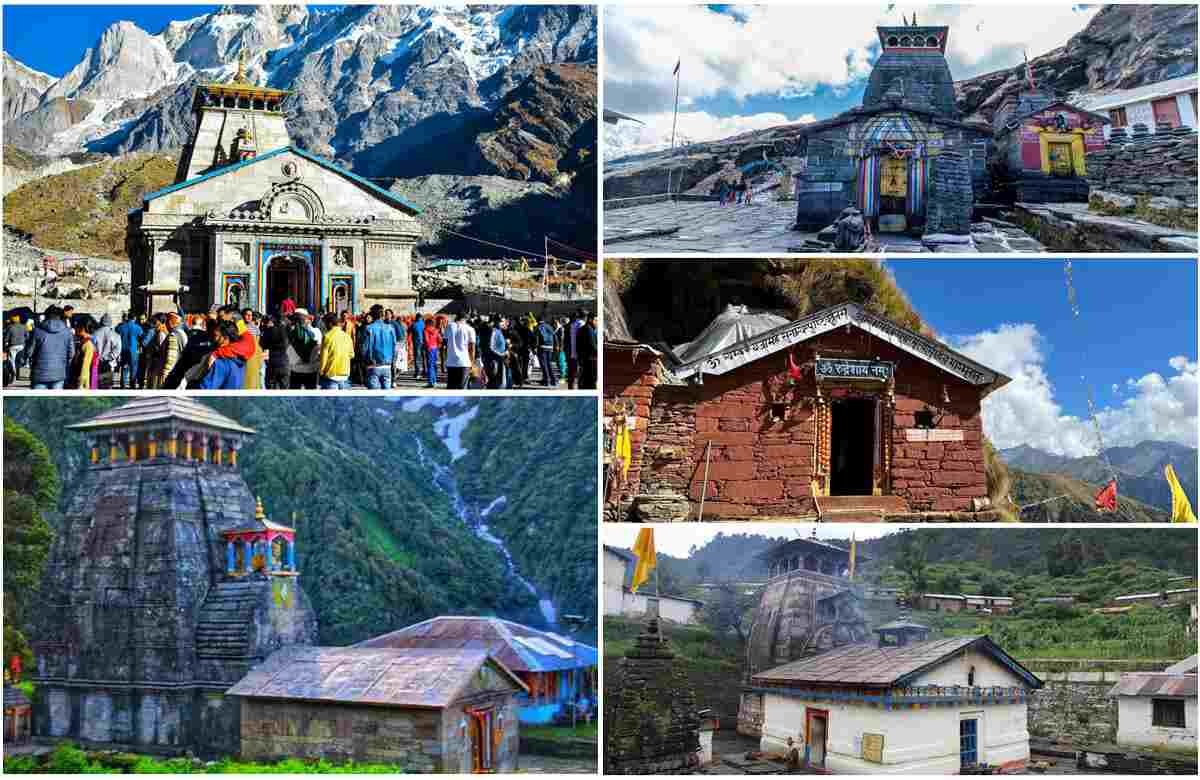
The Panch Kedar Yatra is a sacred Shiva pilgrimage in the Garhwal Himalayas of Uttarakhand connecting five revered temples: Kedarnath, Madhyamaheshwar, Tungnath, Rudranath and Kalpeshwar.
According to Hindu tradition, each shrine is associated with a different manifestation of Lord Shiva. Within this sacred group, Madhyamaheshwar is revered as the Second Kedar and is traditionally associated with the middle or navel region of Shiva.
This connection gives Madhyamaheshwar an important place in the wider Panch Kedar pilgrimage, while also giving the temple its own distinct religious identity and traditions.
Planning a pilgrimage to Madhyamaheshwar requires attention to the trek route, weather, accommodation, temple timings and overall travel arrangements. If you prefer a planned journey with transport, accommodation and trek support arranged together, you can also explore our Madmaheshwar Tour Package.
The Legend of Lord Shiva, the Pandavas and Madhyamaheshwar
The origin of the Panch Kedar temples is closely linked to the Mahabharata.
After the Kurukshetra war, the Pandavas sought forgiveness from Lord Shiva for the destruction and loss of countless lives during the battle. They travelled to Kashi to seek his blessings, but Lord Shiva, unwilling to meet them immediately, left Kashi and moved towards the Garhwal Himalayas.
To avoid being recognised, Lord Shiva took the form of a bull (Nandi) and hid among a herd of cattle.
Bhima, the strongest of the Pandavas, noticed that one bull behaved differently from the others. As he attempted to catch it, the bull disappeared into the earth.
According to Hindu belief, different parts of Lord Shiva's body emerged at five different places in the Himalayas, which later became the Panch Kedar temples.
This divine manifestation established the sacred pilgrimage that continues to attract devotees from across India and the world.
Why is Madhyamaheshwar Called the Second Kedar?

Among the five temples, Madhyamaheshwar occupies a unique position because it represents the middle part (navel and stomach) of Lord Shiva.
The Sanskrit word "Madhya" means "middle," which is why the temple is known as Madhyamaheshwar.
Devotees believe that worshipping Lord Shiva in this form symbolises inner balance, strength, and spiritual awakening. The naturally formed Shiva Lingam at the temple is worshipped with great devotion, and pilgrims often describe the peaceful atmosphere of the temple as one of the highlights of the Panch Kedar Yatra.
The temple is surrounded by lush meadows, snow-covered Himalayan peaks, and pristine forests, making it both a sacred pilgrimage destination and a place of immense natural beauty.
Spiritual Significance of Madhyamaheshwar in the Panch Kedar Yatra
For devotees undertaking the Panch Kedar pilgrimage, Madhyamaheshwar represents an important stage in a wider journey of devotion to Lord Shiva.
Its significance comes from its association with the middle or navel region of Shiva and its traditional position as the Second Kedar. Visiting the shrine connects pilgrims with the wider Panch Kedar legend while offering a distinct place of worship within the Himalayan pilgrimage tradition.
The journey to Madhyamaheshwar also takes pilgrims through remote Garhwali villages, forests and mountain landscapes, making physical effort and the Himalayan environment part of the pilgrimage experience.
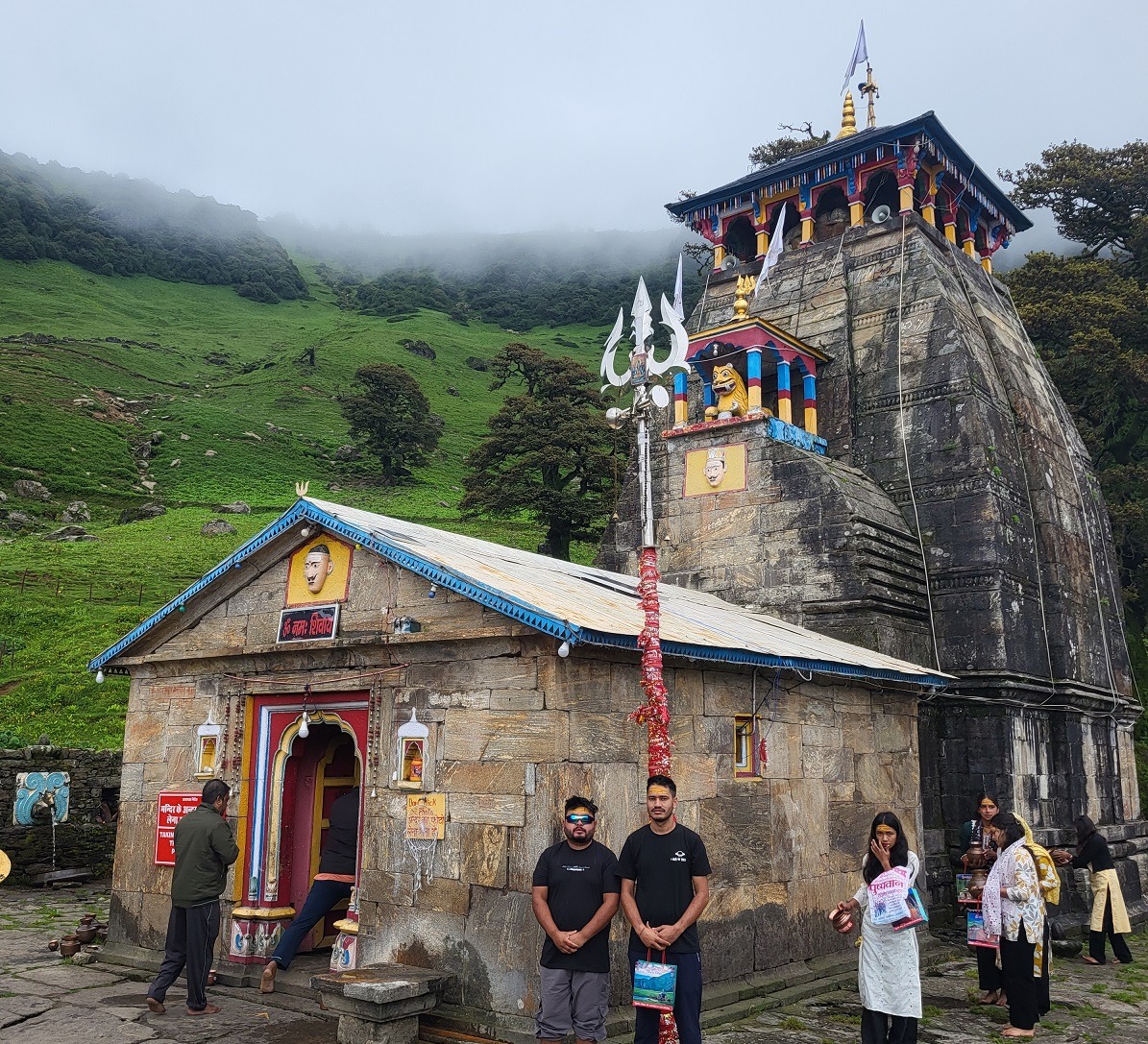
Why Pilgrims Include Madhyamaheshwar in Their Panch Kedar Journey
While every Panch Kedar temple has its own significance, Madhyamaheshwar is often considered one of the most peaceful and spiritually uplifting stops of the pilgrimage.
Pilgrims visit the temple to:
- Seek the blessings of Lord Shiva.
- Experience the sacred Second Kedar.
- Witness traditional Himalayan temple rituals.
- Meditate in a serene natural environment.
- Understand Madhyamaheshwar's place within the wider Panch Kedar tradition.
For many devotees, the calm surroundings of Madhyamaheshwar offer a deeply personal and spiritual experience that remains unforgettable long after the journey ends.
Where Madhyamaheshwar Fits in the Panch Kedar Journey
Madhyamaheshwar is traditionally associated with the Second Kedar within the Panch Kedar pilgrimage.
The wider pilgrimage also includes Kedarnath, Tungnath, Rudranath and Kalpeshwar, but each shrine has its own route, access conditions and religious significance.
For pilgrims visiting Madhyamaheshwar as part of the complete circuit, it is important to plan the wider journey separately rather than treating the Madhyamaheshwar trek as the full Panch Kedar route.
Best Time to Visit Madhyamaheshwar During the Panch Kedar Season
Madhyamaheshwar is generally visited during the seasonal pilgrimage period when the temple and trekking route are accessible.
For most travellers, the more favourable windows are around late spring to early summer and the post-monsoon period, while monsoon travel requires greater flexibility because rain can affect mountain roads and trails.
Exact conditions vary by month and year, so travellers should check current weather, trail access and temple status before departure.
For month-by-month conditions, read our Madhyamaheshwar Weather & Best Time Guide.
Budget Considerations for Visiting Madhyamaheshwar
The cost of visiting Madhyamaheshwar depends on your starting point, transport choice, accommodation, meals and whether you travel independently or with an organised group.
Travellers should budget separately for:
-
Road transport to the Madhyamaheshwar region.
-
Accommodation before and during the trek.
-
Meals and basic trail expenses.
-
Local transport where required.
-
Porter, guide or trek support if needed.
-
Emergency and personal expenses.
If Madhyamaheshwar is only one stop within your complete Panch Kedar pilgrimage, the total journey budget will be significantly broader because it includes travel and stays across multiple temple regions.
If you want to reduce unnecessary expenses while planning the trek, our How to Save Money on Madmaheshwar Trek guide covers practical ways to manage transport, accommodation and other trek-related costs.
Practical Tips for Madhyamaheshwar Pilgrims
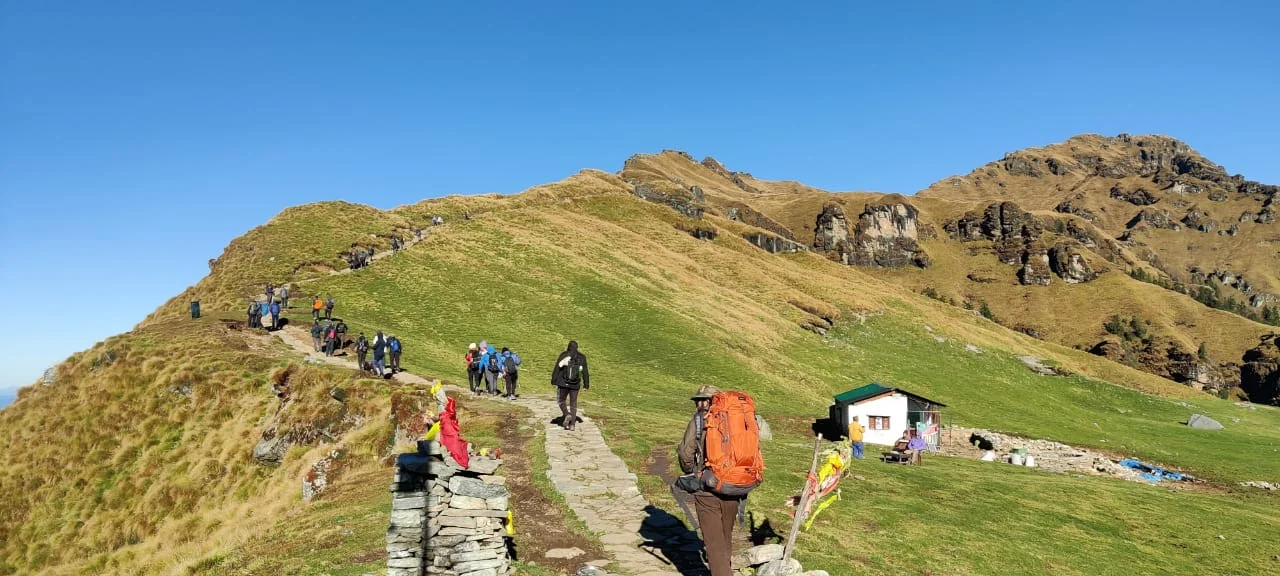
Pilgrims visiting Madhyamaheshwar should prepare for both the religious journey and the Himalayan trekking conditions.
-
Check current temple, road and trail conditions before departure.
-
Carry government-issued identification and sufficient cash for remote areas.
-
Use suitable trekking footwear and carry warm and rain-protective clothing.
-
Start trekking early and keep adequate daylight for mountain sections.
-
Stay hydrated and maintain a comfortable pace.
-
Respect temple customs, local traditions and instructions from priests.
-
Avoid littering and carry waste back from remote trail sections.
-
Keep some flexibility in your itinerary for weather or road disruptions.
For a complete checklist of clothing, footwear, trekking essentials and other items, see our Madmaheshwar Packing List 2026.

Religious Importance of Madhyamaheshwar Temple
Madhyamaheshwar is one of the five sacred shrines associated with the Panch Kedar tradition and holds particular importance as the Second Kedar.
Pilgrims visit the temple to offer prayers to Lord Shiva and to experience a form of worship closely connected with the wider Panch Kedar pilgrimage.
For devotees completing the five-shrine journey, Madhyamaheshwar represents an important spiritual stage between the other Kedar temples. For independent visitors, the temple also remains a significant Shiva pilgrimage destination in its own right.
The religious experience is shaped not only by the shrine itself but also by the remote Himalayan setting, local traditions and the effort required to reach the temple.
Madhyamaheshwar Temple Architecture
Madhyamaheshwar Temple reflects the traditional stone architecture associated with Himalayan shrines in Uttarakhand.
Its simple mountain setting and stone-built structure contribute to the temple's distinctive spiritual character, while the surrounding meadows and Himalayan peaks form an important part of the visitor experience.
For more detailed information about the shrine, darshan and visitor guidance, see our Madhyamaheshwar Temple Guide.
Worship and Rituals at Madhyamaheshwar Temple
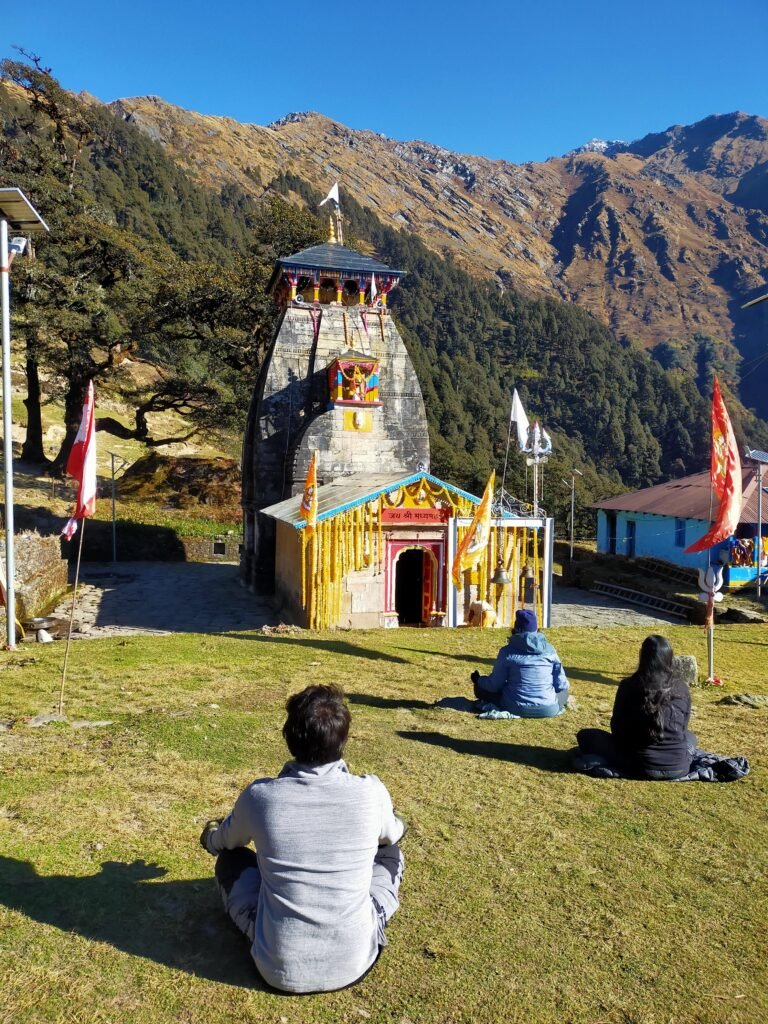
Daily worship at Madhyamaheshwar centres on traditional prayers and rituals dedicated to Lord Shiva.
During the pilgrimage season, devotees visit the shrine for darshan and may witness morning or evening worship depending on the temple's current schedule and local religious arrangements.
Temple rituals can vary according to the day, religious occasion and instructions of the priests. Visitors should therefore confirm current darshan or aarti timings locally rather than relying on a fixed schedule published online.
Travellers particularly interested in the evening worship can also read our dedicated guide to Madmaheshwar Aarti.
Religious Occasions and Seasonal Traditions
Madhyamaheshwar's religious calendar is closely connected with Lord Shiva worship and the temple's seasonal opening and closing traditions.
The annual reopening of the shrine marks the return of worship to the main Himalayan temple, while the seasonal closure is associated with the movement of worship back towards Ukhimath for winter.
Important Shiva-related religious periods may also bring additional devotional activity, but visitors should check the current temple schedule locally for specific ceremonies and timings.
For detailed information about the seasonal reopening tradition, read our Madmaheshwar Opening Ceremony Guide.
Budha Madhyamaheshwar and Its Spiritual Importance
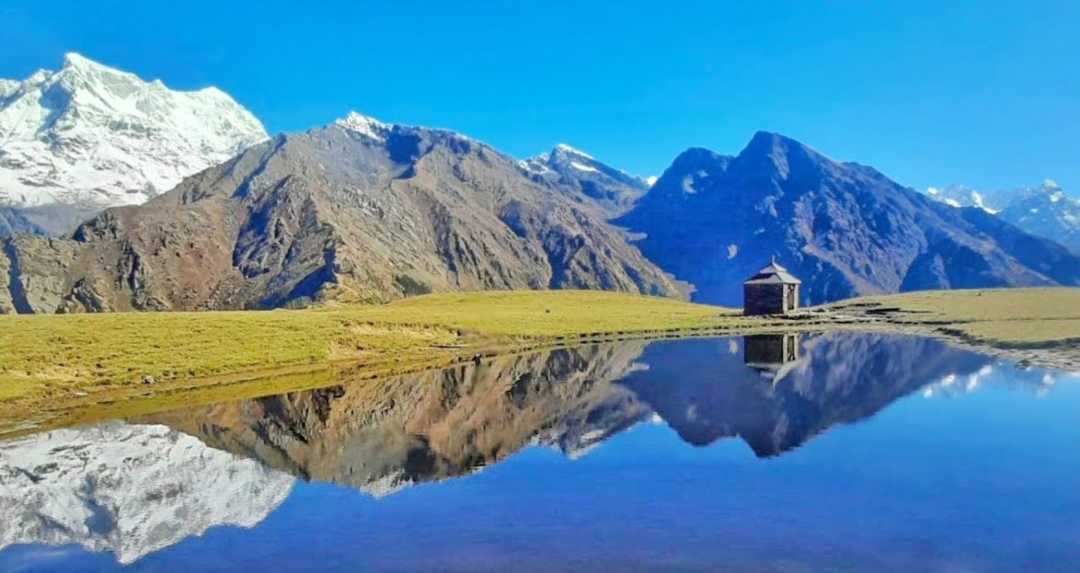
Budha Madhmaheshwar lies above the main Madhyamaheshwar Temple and is often visited by pilgrims who have additional time in the upper valley.
The location is known for its peaceful mountain setting and close connection with the Madhyamaheshwar pilgrimage experience. For many visitors, the short ascent offers an opportunity for quiet reflection away from the main temple area.
It is also widely known for views towards the Chaukhamba range, especially during favourable weather.
Local Culture Around Madhyamaheshwar
The Madhyamaheshwar pilgrimage is closely connected with the villages and communities of the Garhwal Himalayas.
Travellers pass through traditional settlements where local livelihoods, pilgrimage traditions and hospitality remain part of the overall journey. Village temples, local food, seasonal religious customs and interaction with residents add cultural context to the Madhyamaheshwar experience.
Visitors can support these communities by choosing local homestays, guides and services where appropriate while respecting local customs and religious practices.
Travellers pass through traditional settlements where local livelihoods, pilgrimage traditions and hospitality remain part of the overall journey. For a closer look at these communities and settlements, see our guide to Local Villages Around Madhyamaheshwar.
Responsible Pilgrimage at Madhyamaheshwar
Madhyamaheshwar lies in a sensitive Himalayan environment, so pilgrims and trekkers should minimise their impact on the trail and surrounding communities.
-
Carry waste back from remote sections of the trek.
-
Avoid single-use plastic where practical.
-
Respect temple rules and local religious customs.
-
Keep noise low around villages and sacred areas.
-
Do not damage vegetation or disturb wildlife.
-
Prefer local accommodation, guides and services where suitable.
Responsible travel helps protect both the natural environment and the traditions that make the Madhyamaheshwar pilgrimage distinctive.
Continue Your Madhyamaheshwar Journey
This guide focuses on the religious and spiritual significance of Madhyamaheshwar within the Panch Kedar tradition.
For practical trip planning, continue with these dedicated resources:
-
Madhyamaheshwar Temple Guide — Darshan, pilgrimage information and temple guidance.
-
Madhyamaheshwar Trip Plan — Days, stays, budget and overall journey planning.
-
Ukhimath to Madmaheshwar Route Guide — Route and travel progression towards Madhyamaheshwar.
-
Madmaheshwar Trek Preparation Guide — Fitness, equipment, safety and trek preparation.
-
How to Reach Madhyamaheshwar Temple — Transport and access options.
-
Madhyamaheshwar Weather & Best Time Guide — Month-wise conditions and seasonal planning.
-
Panch Kedar Yatra — Planning across all five Panch Kedar shrines.
Frequently Asked Questions About Madhyamaheshwar and Panch Kedar
1. What is the connection between Madhyamaheshwar and Panch Kedar?
Madhyamaheshwar is one of the five sacred Shiva temples associated with the Panch Kedar pilgrimage in Uttarakhand. The other four are Kedarnath, Tungnath, Rudranath and Kalpeshwar. Each shrine is traditionally associated with a different manifestation of Lord Shiva.
2. Why is Madhyamaheshwar called the Second Kedar?
Madhyamaheshwar is traditionally revered as the Second Kedar within the Panch Kedar pilgrimage. In Hindu tradition, the shrine is associated with the middle or navel region of Lord Shiva.
3. What part of Lord Shiva is associated with Madhyamaheshwar?
According to Panch Kedar tradition, Madhyamaheshwar is associated with the middle or navel region of Lord Shiva. This association is central to the temple's religious identity and its place within the wider Panch Kedar pilgrimage.
4. Why do pilgrims include Madhyamaheshwar in the Panch Kedar journey?
Pilgrims visit Madhyamaheshwar because it forms an important part of the Panch Kedar tradition dedicated to Lord Shiva. The temple's Second Kedar status, its connection with the Pandavas legend and its remote Himalayan setting give it a distinct spiritual significance.
5. What is Budha Madhyamaheshwar?
Budha Madhyamaheshwar is located above the main Madhyamaheshwar Temple and is visited by pilgrims and trekkers who have additional time in the upper valley. It is known for its peaceful setting and views towards the Chaukhamba range.
6. Where can I find the complete Panch Kedar route and travel plan?
This page focuses on Madhyamaheshwar's religious and spiritual significance within Panch Kedar
Planning the Complete Panch Kedar Yatra?
If you are planning to visit all five Panch Kedar temples, explore our Panch Kedar Tour Package for available itinerary, transport, accommodation and journey-support options.
For travellers visiting only Madhyamaheshwar, use our dedicated Madhyamaheshwar planning guides above.


