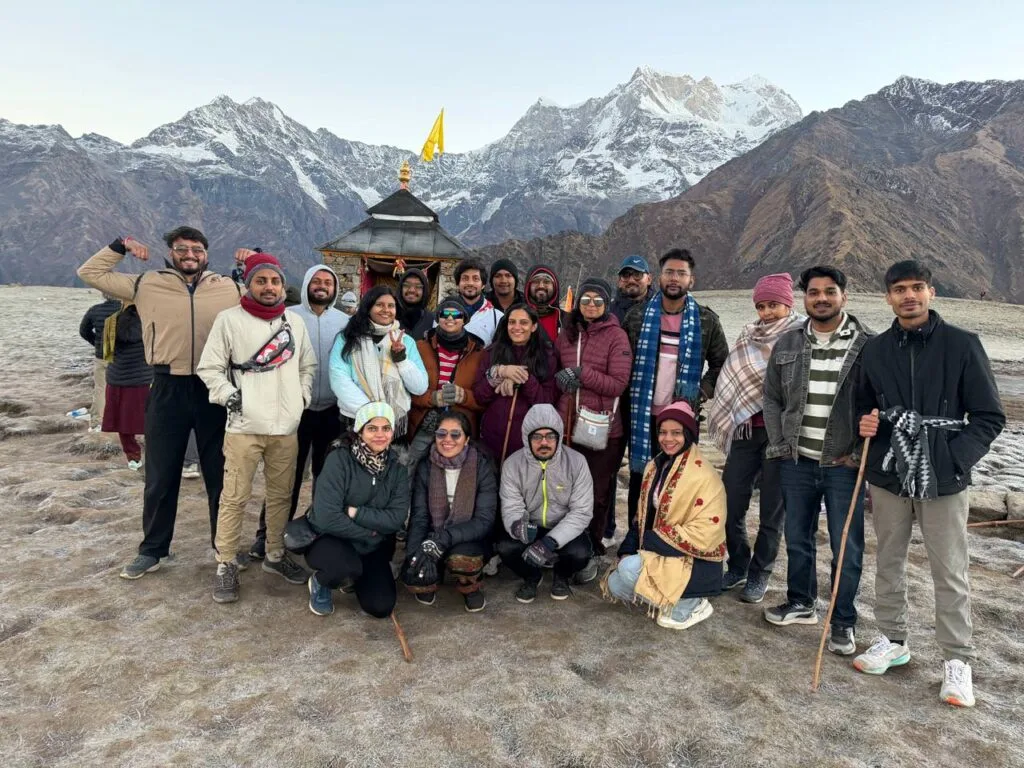
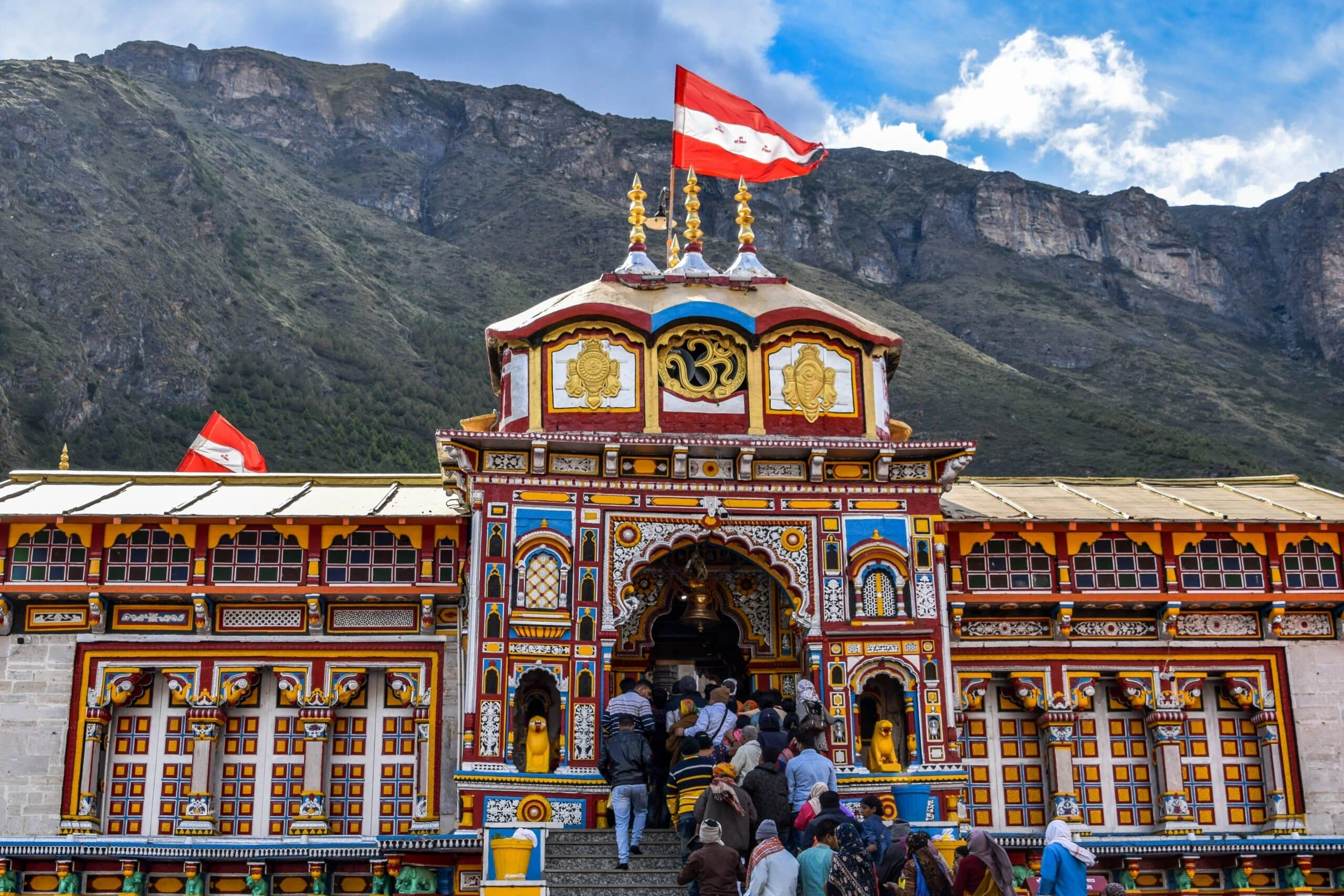
Over all experience with Tourmyholiday is so good...kanika madam is so supportive. She has made our journey so memorable and package was budget friendly.
TourMyHoliday's Panch Kedar Yatra is a guided 10–12 day sacred trek from Rishikesh, covering all five Shiva temples — Kedarnath, Tungnath, Rudranath, Madhyamaheshwar, and Kalpeshwar — hidden in the Garhwal Himalayas. A perfect blend of high-altitude trekking, ancient mythology, and spiritual exploration for adventure seekers.
Duration: 11 Nights / 12 Days
Starting Point: Rishikesh
Main Attractions: Kedarnath, Madmaheshwar, Tungnath, Rudranath, Kalpeshwar
Trek Distance: Kedarnath (18–20 km), Madmaheshwar (16–18 km), Tungnath (3–4 km), Rudranath (20-22 km), Kalpeshwar (1–2 km)
Trek Difficulty: Moderate to Challenging
Ideal For: Adventure seekers, trekkers, spiritual
Best Time: May–June & September–November
Meals: Breakfast & Dinner
Itinerary
Quick Info
Summer Season (May – June):
This is one of the best times to visit the Panch Kedar temples—Kedarnath Temple, Tungnath Temple, Rudranath Temple, Madmaheshwar Temple, and Kalpeshwar Temple. The weather remains pleasant with clear skies, making trekking routes safer and mountain views spectacular.
Post-Monsoon Season (September – October):
After the monsoon rains, the region becomes fresh and green. The skies are clearer, the air is crisp, and the Himalayan landscapes look stunning, making it another ideal time for the Panch Kedar Yatra.
Monsoon Season (July – August):
Travel during this period is usually not recommended due to heavy rainfall, landslides, and slippery trekking routes in the Himalayan region.
Winter Season (November – April):
Most Panch Kedar temples remain closed because of heavy snowfall. The idols are moved to winter temples such as Omkareshwar Temple, where devotees can offer prayers during the winter months.
Overall Difficulty:
The Panch Kedar trek is considered moderate to challenging because it involves multiple high-altitude treks in the Garhwal Himalayas and requires good physical fitness and stamina.
Kedarnath Temple Trek Difficulty:
The trek from Gaurikund to Kedarnath is about 18–20 km and is considered moderate. The route is well maintained but the high altitude can make the trek tiring.
Tungnath Temple Trek Difficulty:
The trek from Chopta to Tungnath is around 3–4 km and is relatively easy to moderate, making it one of the shortest treks in the Panch Kedar circuit.
Rudranath Temple Trek Difficulty:
This is considered one of the toughest treks in Panch Kedar, covering around 20–23 km through forests, meadows, and high mountain trails.
Madmaheshwar Temple Trek Difficulty:
The trek from Ransi Village to Madmaheshwar is about 16–18 km and is categorized as moderate to difficult due to steep climbs.
Kalpeshwar Temple Trek Difficulty:
Kalpeshwar is the easiest to reach, requiring only a short 2–3 km trek from Helang.
Conclusion:
Completing the entire Panch Kedar trek demands good stamina, trekking experience, and proper preparation, but the spiritual and scenic rewards make the journey truly unforgettable.
Physical Fitness:
The Panch Kedar trek involves long trekking routes to temples like Kedarnath Temple, Rudranath Temple, and Madmaheshwar Temple. Travelers should prepare by doing regular walking, jogging, or light trekking a few weeks before the journey.
Acclimatization to High Altitude:
Since these temples are located in the high Himalayas, altitude sickness can occur. It is recommended to walk slowly, take proper rest, and stay hydrated during the trek.
Proper Trekking Gear:
Carry strong trekking shoes, warm clothes, rain protection, gloves, and a backpack. Weather conditions in the mountains can change quickly.
Food and Hydration:
Keep energy snacks such as dry fruits, chocolates, and energy bars. Drink plenty of water during the trek to avoid dehydration.
Medical Kit:
Carry basic medicines, a first-aid kit, pain relief spray, and medicines for altitude sickness if needed.
Plan the Route:
Panch Kedar includes temples like Tungnath Temple and Kalpeshwar Temple. Planning the route, accommodation, and travel schedule in advance makes the trek easier and safer.
Summer Season (May – June):
The weather remains pleasant and comfortable for trekking. Day temperatures usually range between 10°C to 20°C, while nights can drop to 5°C or lower in higher areas like Kedarnath Temple and Rudranath Temple.
Monsoon Season (July – August):
The region receives moderate to heavy rainfall during this time. Temperatures remain between 8°C to 15°C, but trekking becomes difficult due to slippery trails and possible landslides.
Autumn Season (September – October):
This is another excellent time for the yatra. The skies are clear and the temperature ranges from 5°C to 18°C, offering stunning Himalayan views around temples like Madmaheshwar Temple and Tungnath Temple.
Winter Season (November – April):
Heavy snowfall covers most of the Panch Kedar region. Temperatures often fall below 0°C, and many trekking routes remain closed. During winter, the idols from temples like Kedarnath Temple are moved to winter shrines such as Omkareshwar Temple.
Kedarnath Temple
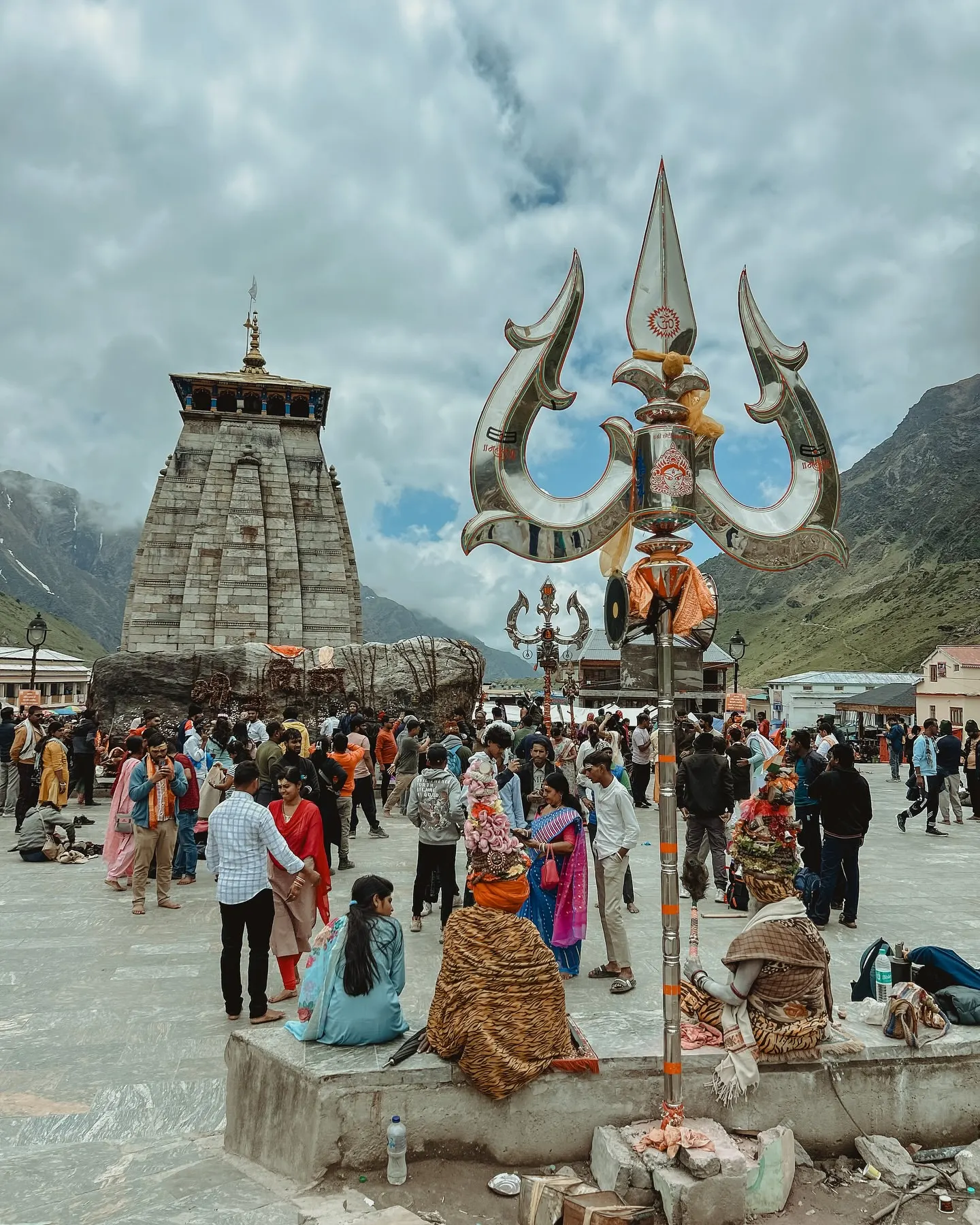
One of the most sacred temples of Lord Shiva and a major part of the Panch Kedar circuit. The temple is surrounded by magnificent Himalayan peaks and offers a deeply spiritual atmosphere.
Tungnath Temple & Chandrashila Peak
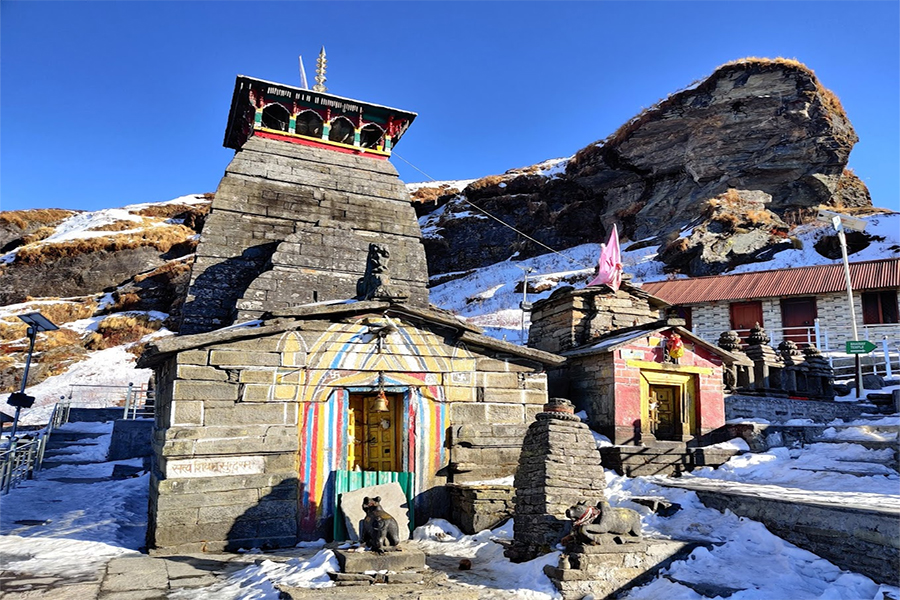
Tungnath is the highest Shiva temple in the world. A short trek from Tungnath leads to Chandrashila Peak, which provides breathtaking 360-degree views of the Himalayan ranges.
Deoria Tal
A stunning high-altitude lake located near Sari Village. The lake is famous for reflecting the snow-covered Chaukhamba peaks and is a great place for trekking and camping.
Kalimath Temple
A powerful and sacred temple dedicated to Goddess Kali. It is one of the important spiritual sites near the Panch Kedar region.
Dhari Devi Temple
A famous temple located on the banks of the Alaknanda River. It is believed to be the guardian deity of Uttarakhand and a popular stop for pilgrims traveling toward the Kedarnath route.
Devprayag Sangam
Devprayag is the holy confluence where the Alaknanda and Bhagirathi rivers meet to form the sacred Ganga River. It is an important religious and scenic destination for visitors.
Chopta
A peaceful hill station and the base point for the Tungnath and Chandrashila trek. Chopta is known for its green meadows, forests, and spectacular Himalayan views.
Rich Himalayan Biodiversity:
The Panch Kedar region lies in the Garhwal Himalayas and is known for its rich biodiversity, dense forests, alpine meadows, and diverse wildlife.
Floral Species (Plants & Trees):
The area is covered with beautiful Himalayan vegetation such as rhododendron forests, oak trees, deodar, pine, and alpine grasses. During spring and summer, colorful wildflowers bloom across the meadows around Chopta and near Tungnath Temple.
Faunal Species (Wildlife):
Trekkers may spot several Himalayan animals including the Himalayan Monal (state bird of Uttarakhand), musk deer, Himalayan black bear, red fox, and langurs in forested areas.
Birdlife:
The region is also rich in bird species such as Himalayan griffon, snow pigeon, and different species of eagles, making it a great destination for bird watchers.
Natural Ecosystem:
The forests and meadows around temples like Kedarnath Temple and Rudranath Temple support a delicate Himalayan ecosystem that remains largely untouched and incredibly scenic.
| Mode | Price |
| Quad Sharing | ₹ 40000 |
| Triple Sharing | ₹ 42000 |
| Double Sharing | ₹ 45000 |
The Panch Kedar Yatra is a sacred pilgrimage to five Lord Shiva temples in Uttarakhand — Kedarnath, Tungnath, Rudranath, Madhyamaheshwar, and Kalpeshwar. These temples are located in the Garhwal Himalayas and are linked to the Pandavas from the Mahabharata.
The complete Panch Kedar Yatra typically takes 10 to 14 days, depending on the itinerary, trekking pace, weather conditions, and acclimatisation schedule.
The trek is considered Moderate to Difficult. Kedarnath and Tungnath are moderate, while Rudranath and Madhyamaheshwar are more challenging due to longer trekking routes and higher altitude.
The best months are May, June, September, and October. The monsoon season (July–August) is not recommended due to landslides, and most temples remain closed during winter.
Prior trekking experience is helpful but not mandatory. However, good physical fitness and stamina are essential as the trek involves long walking hours at high altitude.
Yes, it is safe for beginners who are physically fit and properly prepared. It is highly recommended to travel with an experienced guide or registered tour operator.
Yes, basic guesthouses, homestays, and lodges are available in base villages. Food is simple vegetarian meals such as dal, rice, roti, sabzi, and tea.
Mobile connectivity is limited. BSNL and Jio networks may work in towns like Guptkashi and Ukhimath, but network coverage is weak or unavailable at higher altitudes.
Yes, ponies and palkis are available for Kedarnath and partially for Madhyamaheshwar. Availability may be limited for Rudranath and other remote sections.
According to mythology:
Kedarnath – Hump (back)
Tungnath – Arms
Rudranath – Face
Madhyamaheshwar – Navel
Kalpeshwar – Hair (Jata)
The Panch Kedar Yatra is one of the most sacred Himalayan pilgrimages dedicated to Lord Shiva. The five temples – Kedarnath Temple, Tungnath Temple, Rudranath Temple, Madhyamaheshwar Temple, and Kalpeshwar Temple – are located in the Garhwal Himalayas of Uttarakhand.
According to legend, different body parts of Lord Shiva appeared at these five places after the Mahabharata war.
Best season for trekking
Pleasant weather (10°C to 20°C)
Clear mountain views
Not recommended due to landslides & slippery trails
Ideal time
Clear skies & stable weather
Fewer crowds
Heavy snowfall
Temples closed (except Kalpeshwar remains accessible)
Recommended Months: May, June, September, October
| Temple | Difficulty |
|---|---|
| Kedarnath | Moderate |
| Tungnath | Easy to Moderate |
| Madhyamaheshwar | Moderate to Difficult |
| Rudranath | Difficult |
| Kalpeshwar | Easy |
Overall, Panch Kedar Yatra is Moderate to Difficult and requires good stamina.
Start 4–6 weeks prior
Daily 4–5 km walking
Stair climbing practice
Light strength training
Breathing exercises
Symptoms:
Headache
Nausea
Dizziness
Fatigue
Prevention:
Proper acclimatisation
Stay hydrated
Avoid alcohol
Ascend gradually
Thermal innerwear
Fleece jacket
Down jacket
Waterproof jacket
Trek pants
Gloves, cap, woollen socks
Good quality trekking shoes
Extra pair of socks
Sunglasses (UV protected)
Sunscreen (SPF 50+)
Personal medicines
Power bank
Trekking pole
Rain cover
Headlamp
Rishikesh is the common starting point.
Nearest Airport: Jolly Grant Airport (25 km from Rishikesh)
By Train
Nearest major railway station: Haridwar Railway Station
Well connected to Delhi, Dehradun & Haridwar
Summer: 5°C to 20°C
Autumn: 0°C to 15°C
Night temperature may drop below freezing at higher altitudes.
Total Duration: 10–14 Days
Total Trek Distance: Approx 100–120 km
Maximum Altitude: 3,680 m (Rudranath & Kedarnath region)
Region: Garhwal Himalayas, Uttarakhand
Indian nationals: No special permit required
Foreign nationals: Passport & valid visa mandatory
Registration may be required during the Char Dham Yatra season
Private vehicles allowed till the base villages only
✅5+ Years of Expertise – TourMyHoliday has guided 10,000+ trekkers across Uttarakhand, making us a trusted name for the Panch Kedar Trek 2026.
🧭Experienced Trek Captains – Our trained leaders ensure proper pacing, conduct safety briefings, monitor altitude sickness, and handle emergencies efficiently.
👥 Small & Safe Groups (10–20 Trekkers) – We focus on personalised attention, better safety, and a peaceful trekking experience.
💰Transparent Pricing – No hidden costs; everything is clearly mentioned before booking.
📞 24/7 Customer Support – Our team is always available to assist you before and during your trek.
🚐 Complete Travel Planning – From Delhi pickup → Comfortable stay → temple darshan → return journey, everything is pre-arranged.
Reach out to us