1. Where are Jibhi and Tirthan Valley located?
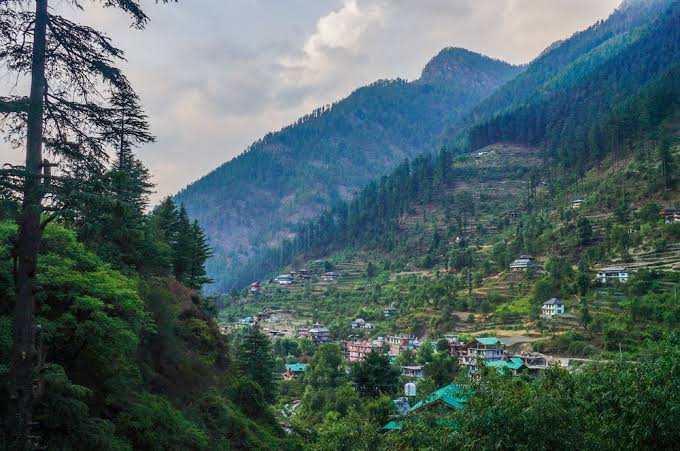
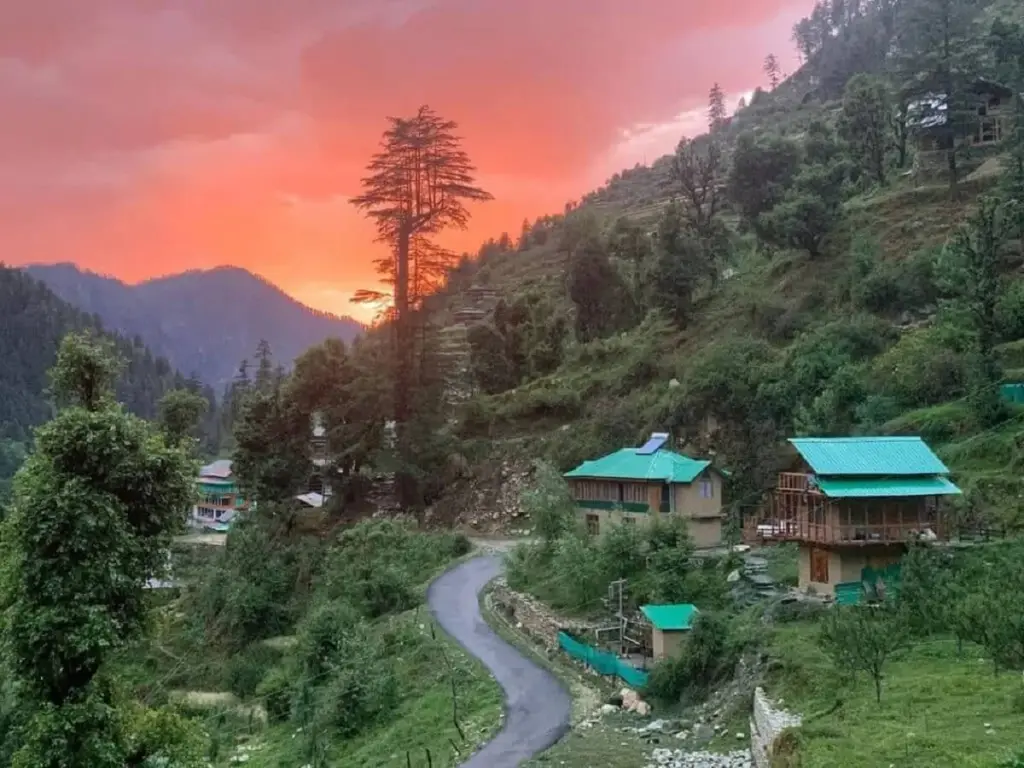
Jibhi and Tirthan Valley lie in Himachal Pradesh’s Banjar region, surrounded by dense forests, mountains, and rivers. It’s an offbeat, peaceful destination known for wooden cottages, nature trails, and untouched beauty.
2. How do I reach Jibhi or Tirthan Valley from Delhi?
Take a Volvo bus to Aut, then hire a taxi or board a local bus to Jibhi or Tirthan. Roads are smooth, and the total travel time is around 10–12 hours.
3. Which is the nearest airport?
Bhuntar Airport near Kullu is the closest, around 50–60 km from Jibhi. From the airport, taxis are easily available, making travel smooth and comfortable for all visitors.
4. How many days are enough for a trip?
A 3–4 day trip is ideal to cover waterfalls, Jalori Pass, Serolsar Lake, riverside spots, and local cafes while enjoying a peaceful, slow-travel experience in nature.
5. What is the best time to visit?
Visit March–June for pleasant weather, September–November for clear mountain views, and December–February for snowfall. Each season offers a unique experience, making the valley beautiful year-round.
6. Is it safe in winter or monsoon?
Yes, but winter snowfall may close Jalori Pass, and the monsoon increases landslide chances. Check weather updates, drive carefully, and keep buffer time while travelling during extreme conditions.
7. What are the best places to visit?
Top attractions include Jalori Pass, Serolsar Lake, Jibhi Waterfall, Chaini Kothi, Great Himalayan National Park, and the Tirthan River. All spots offer stunning nature, calmness, and photography opportunities.
8. What types of stays are available?
You’ll find riverside homestays, cosy wooden cottages, boutique resorts, and hostels. Most offer mountain views, bonfires, and local food, making the stay peaceful and scenic.
9. Is camping allowed in Jibhi?
Yes, camping is possible at selected river and forest-edge locations. Choose registered camps for safety, clean washrooms, guided trails, and proper permissions from local authorities.
10. How is the network and internet connectivity?
Jio works best, followed by Airtel. Networks may fluctuate in remote areas, especially during the rains. Many stays offer Wi-Fi, but speed can be limited due to location.
11. Is Jibhi good for honeymoon couples?
Yes, Jibhi offers romantic wooden cottages, peaceful riverside views, cosy weather, and privacy. It’s perfect for couples seeking quiet time, scenic sunsets, and relaxed mountain vibes.
12. Are there beginner-friendly treks?
Yes, the Serolsar Lake Trek and nearby forest trails are ideal for beginners. They’re easy, beautiful, and safe, offering scenic views without requiring major trekking experience.
13. Is Jalori Pass open all year?
No, Jalori Pass remains closed during heavy snowfall from December to February. Always check road conditions before planning, especially in winter.
14. Is Tirthan Valley family-friendly?
Yes, it’s safe, relaxing, and ideal for families with kids. Light walks, riverside areas, and gentle trails make it enjoyable for all age groups.
15. Are cafes and food options available?
Yes, Jibhi has many cosy cafes offering Himachali dishes, Tibetan food, and continental meals. Most stays also provide homemade food with vegetarian options.
16. Is fishing allowed in the Tirthan River?
Yes, trout fishing is popular, but a government permit is required. Local guides can help arrange equipment, safe locations, and permissions.
17. Should I carry cash?
Yes, always carry some cash because card machines and digital payments may not work in remote areas. Small shops and local taxis prefer cash.
18. Are public transport options available?
Yes, local buses and shared cabs run between Aut, Banjar, Jibhi, and Shoja. They’re affordable, reliable, and used by many solo travellers.
19. Is it safe for solo travellers?
Absolutely. Locals are friendly, crime rates are low, and homestays are comfortable. Just avoid late-night walking in isolated forest areas.
20. Should I book stays in advance?
Yes, especially during weekends, holidays, summer months, and the snowfall season. Jibhi gets crowded, and good cottages fill quickly, so pre-booking prevents last-minute issues.
Jibhi & Tirthan Valley – Complete Travel Guide
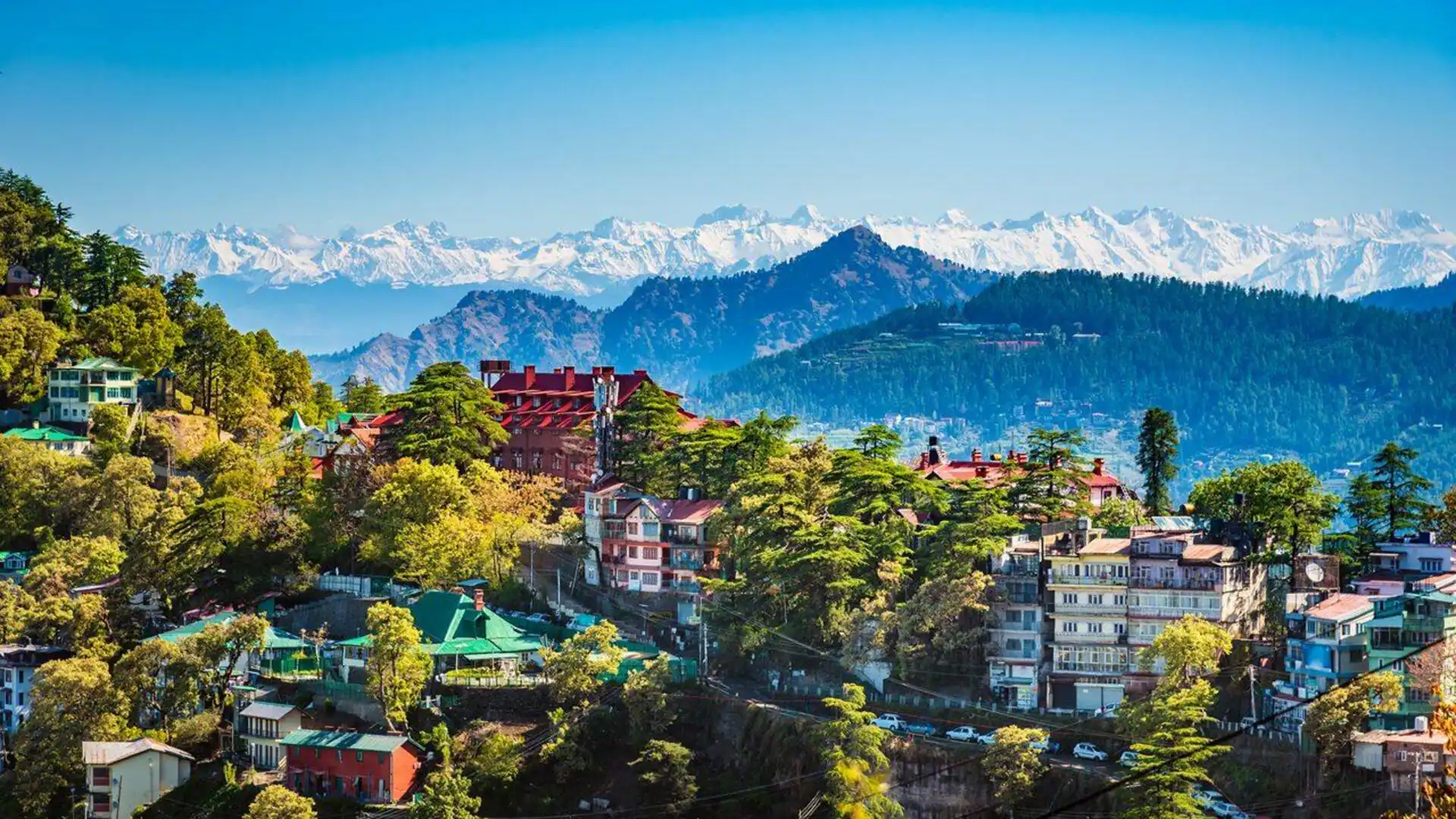
Hidden deep inside the Banjar region of Himachal Pradesh, Jibhi and Tirthan Valley are two of India’s most peaceful and picturesque mountain destinations. Known for pine forests, wooden cottages, flowing rivers, scenic treks, and charming villages, these valleys have become the top choice for slow travellers, couples, backpackers, and nature lovers. Unlike Manali or Shimla, Jibhi–Tirthan still retains an untouched, raw mountain beauty that offers serenity, clean air, and complete relaxation.
Whether you want to work from the mountains, trek through thick forests, enjoy riverside stays, or explore remote Himalayan villages, Jibhi and Tirthan Valley offer a perfect experience throughout the year. This guide covers everything, including the best places, how to reach, itinerary, weather, stay options, and local experiences—explained in an SEO-friendly way to help your page rank.
About Jibhi & Tirthan Valley
Jibhi is a beautiful, offbeat village renowned for its wooden cottages, waterfalls, cosy cafés, and easy access to Jalori Pass and Serolsar Lake. Tirthan Valley, situated 12 km from Jibhi, is renowned for its Tirthan River, trout fishing, the Great Himalayan National Park (GHNP), and the serene atmosphere that keeps it away from crowds.
Both destinations are connected, so most travellers combine them in a single trip.
How to Reach Jibhi & Tirthan Valley
Reaching Jibhi and Tirthan Valley is easy and scenic, with several transport options depending on your budget and comfort. Here’s the complete breakdown:
1. By Road (Most Popular & Convenient)
The most preferred way to reach Jibhi and the Tirthan Valley is by road. Whether you’re coming by car, taxi, or Volvo bus, the journey is smooth and scenic.
Delhi → Aut → Banjar → Jibhi
-
Total Distance: ~500 km
-
Travel Time: 10–12 hours
Most travellers take an overnight Volvo bus from Delhi to Aut (near Kullu). Aut is the main gateway to both Jibhi and Tirthan.
From Aut Tunnel
-
Taxi to Jibhi/Tirthan: 30–45 minutes
-
Local buses: Available every 20–40 minutes from Aut to Banjar, Jibhi, and Gushaini
-
Self-drive option: Beautiful mountain roads but with sharp curves; recommended for experienced drivers
Why is it best:
Comfortable
Multiple travel options
Scenic views
Budget-friendly
2. By Air (Fastest Route)
If you prefer to travel quickly, a flight is the fastest way.
Nearest Airport:
Bhuntar Airport (Kullu–Manali) – 50 km from Jibhi, 45–60 minutes drive
How to continue from Bhuntar:
This route is ideal for travellers coming from Delhi, Mumbai, Bangalore, Ahmedabad, or international locations.
3. By Train (No Direct Line to Jibhi)
Jibhi and Tirthan do not have a railway station. You need to take a train to a nearby major station and then travel by road.
Nearest Railway Stations:
-
Chandigarh Railway Station – 250 km
-
Pathankot Railway Station – 210 km
How to continue from the station:
Useful Tip:
Chandigarh is the most convenient option due to better road connectivity and more Volvo buses.
Summary Table – Best Ways to Reach Jibhi & Tirthan
| Mode |
Nearest Point |
Travel Time |
Best For |
| Road (Car/Bus) |
Aut |
10–12 hrs from Delhi |
Most popular, budget-friendly |
| Air (Flight) |
Bhuntar Airport – 50 km |
1–1.5 hrs to Jibhi |
Fastest & most comfortable |
| Train |
Chandigarh / Pathankot |
6–8 hrs road journey after the train |
Good for North India travellers |
Best Time to Visit (With Seasonal Experience Table)
| Season |
Months |
Weather |
What You’ll Experience |
Ideal For |
| Summer |
March – June |
18°C–28°C |
Clear skies, green forests, and outdoor activities |
Families, treks, nature lovers |
| Monsoon |
July – August |
16°C–22°C |
Heavy rains, waterfalls, lush greenery |
Photographers, offbeat travellers |
| Autumn |
September – November |
10°C–20°C |
Crystal clear views, golden forests |
Hikers, couples |
| Winter |
December – February |
-1°C–10°C |
Snowfall, fog, cosy stays |
Honeymoon couples, snow lovers |
Note: Jalori Pass often closes during heavy snowfall.
Top Places to Visit in Jibhi & Tirthan
1. Jibhi Waterfall
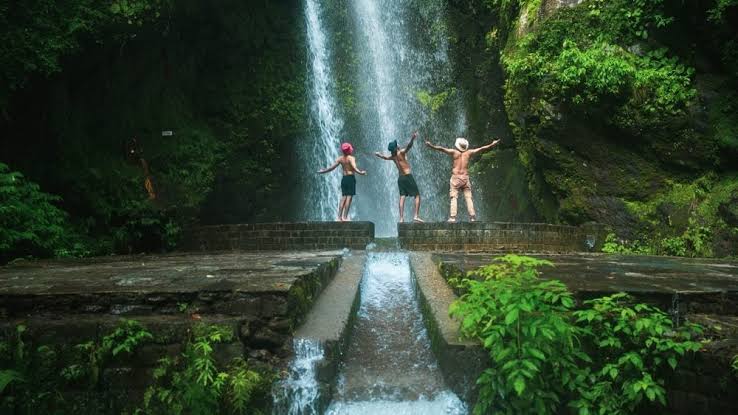
Jibhi Waterfall is one of the most peaceful and scenic attractions in the entire valley. Hidden inside thick cedar forests, this waterfall flows gracefully into natural stone pools. Small wooden bridges and narrow pathways make the walk extremely photogenic. The sound of rushing water mixed with the chirping of birds creates a calming atmosphere—ideal for meditation, relaxation, and nature photography. Early morning is the best time to visit, when the sun rays touch the water and create a magical glow.
2. Jalori Pass
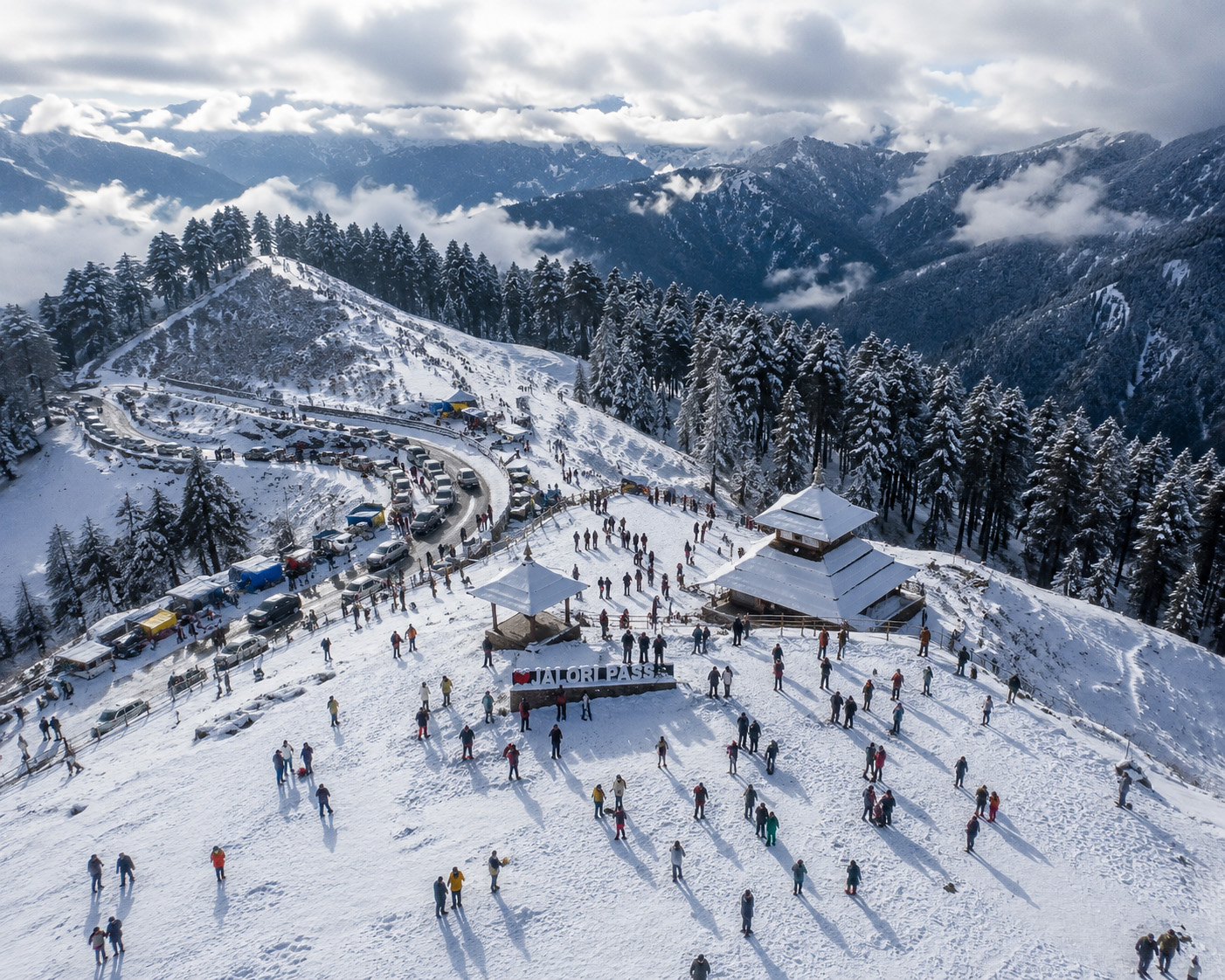
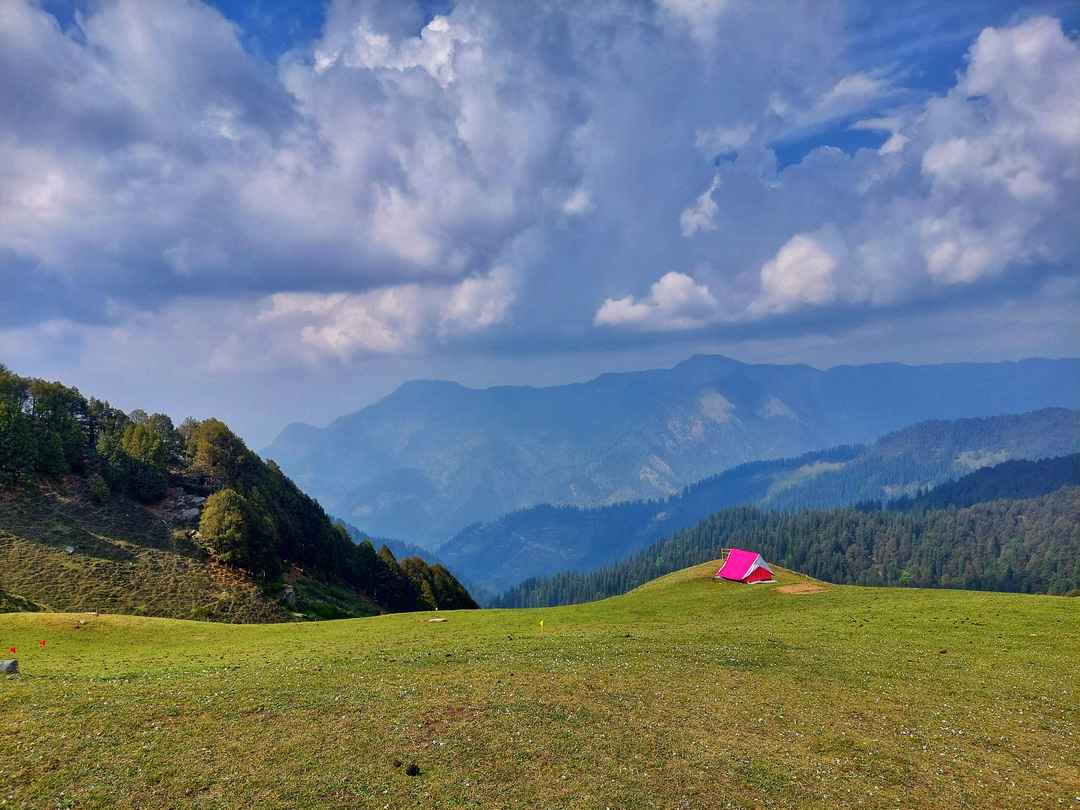
Jalori Pass stands at around 10,800 ft and offers some of the most spectacular Himalayan views in Himachal Pradesh. Whether you’re visiting for snowfall, sunrise views, adventure rides, or trekking, Jalori is a must-visit. The pass becomes a photographer's paradise in winter when everything is covered with a thick layer of snow. The temperature drops significantly, giving you a true Himalayan experience. In summer, the pass blooms with wildflowers and sweeping green landscapes.
3. Serolsar Lake
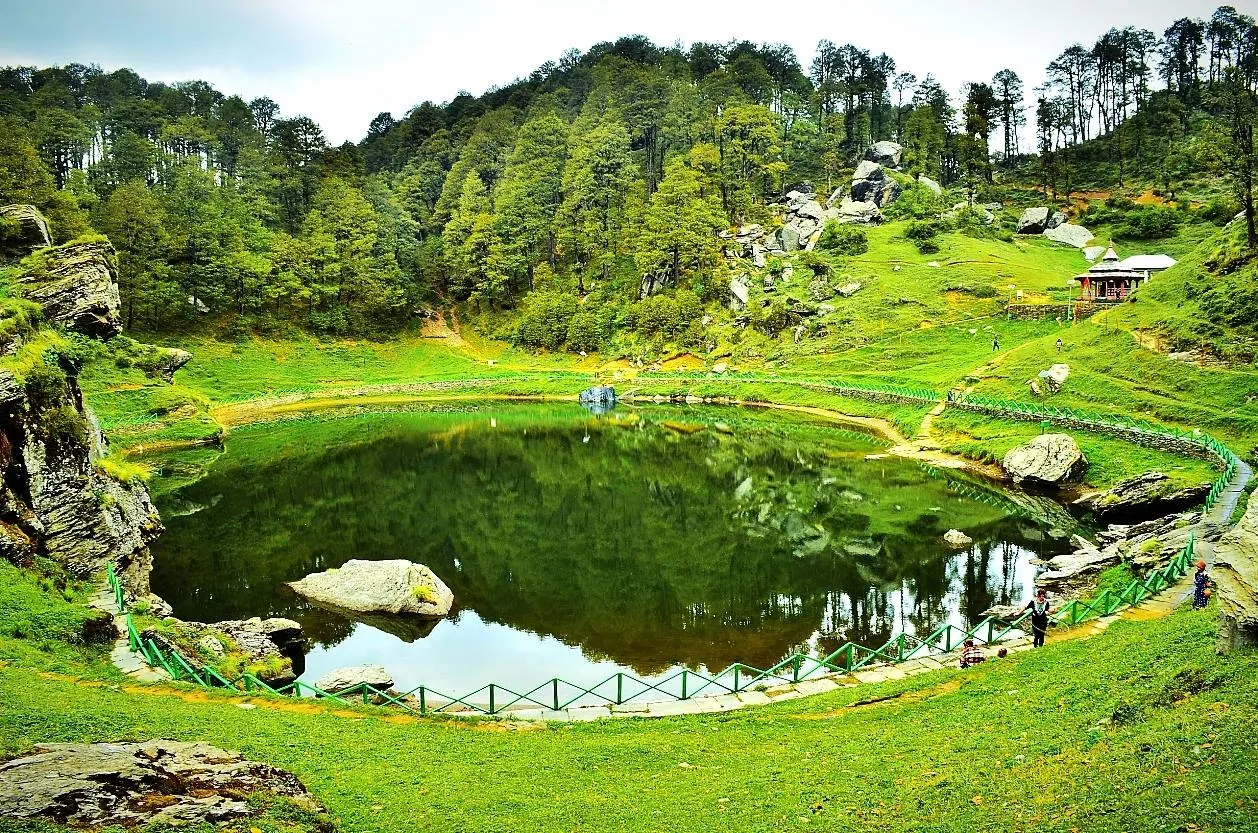
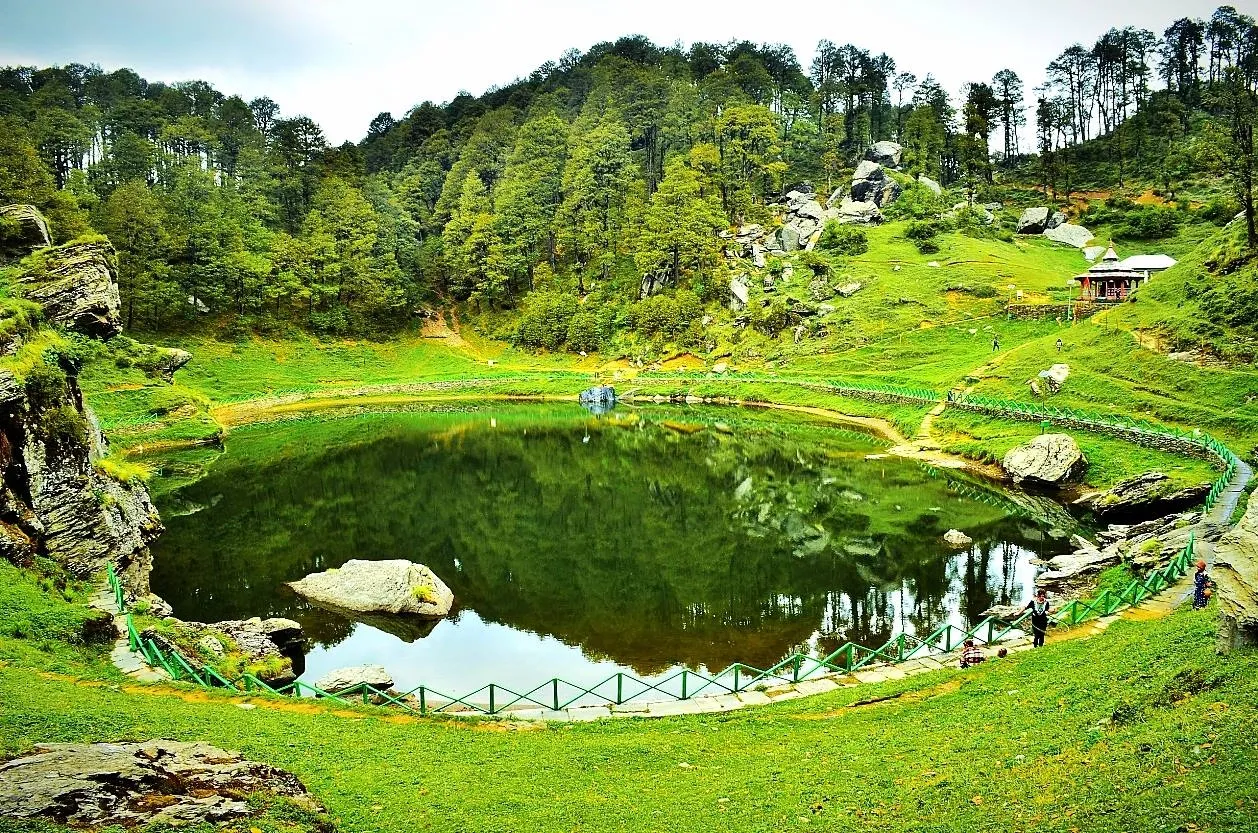
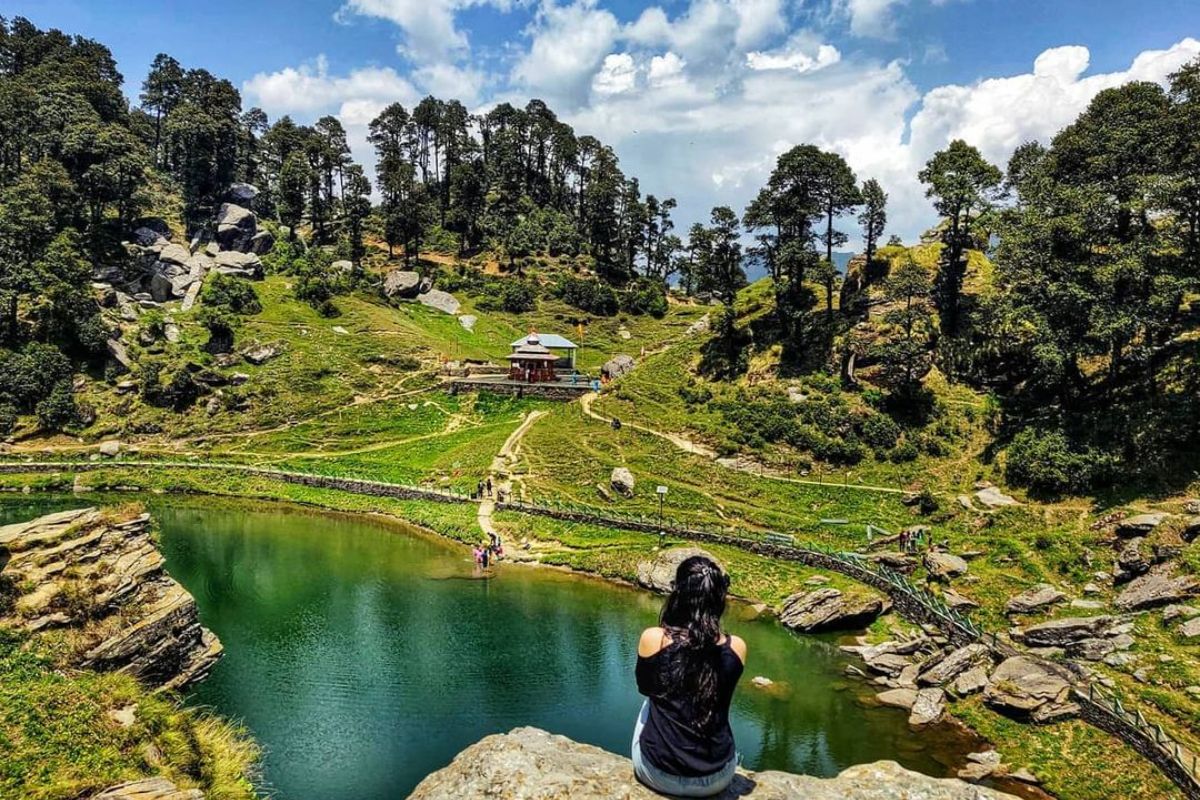
Just a 5 km trek from Jalori Pass, Serolsar Lake is a clean, emerald-green lake nestled in dense forests. The trek is easy to moderate and suitable even for beginners. Along the trail, you’ll witness stunning valley views, ancient trees, and peaceful forest silence. The lake is considered sacred—locals believe it never gets dirty due to its spiritual significance. Nearby, you’ll also find a small temple dedicated to Budhi Nagin, the guardian goddess of the lake. It’s perfect for a half-day hike.
4. Chaini Kothi
Chaini Kothi is a 400–500-year-old ancient tower built in traditional Himachali kath-kuni architecture using wood and stone. This heritage structure stands tall in a remote village surrounded by apple orchards and mountains. The village trail itself is extremely scenic and culturally rich. Visiting Chaini Kothi gives you a glimpse into the old Himalayan lifestyle, ancient architecture, and local traditions. Adventure lovers can extend the hike to nearby temples and smaller wooden towers.
5. Tirthan River
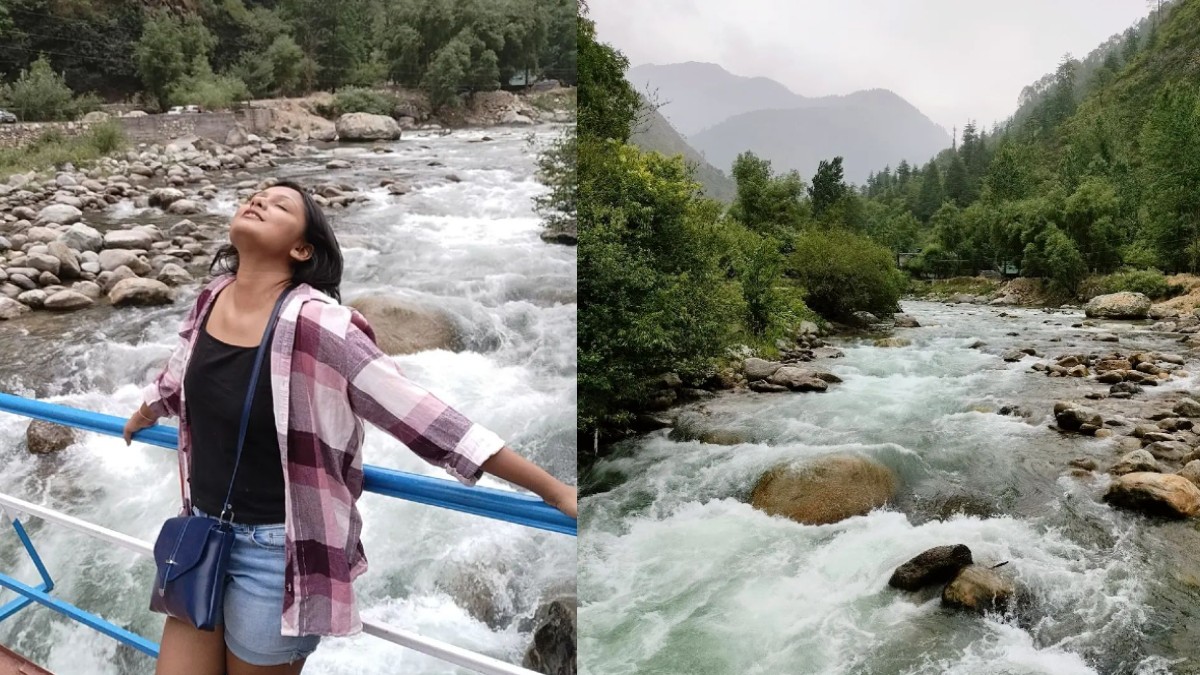
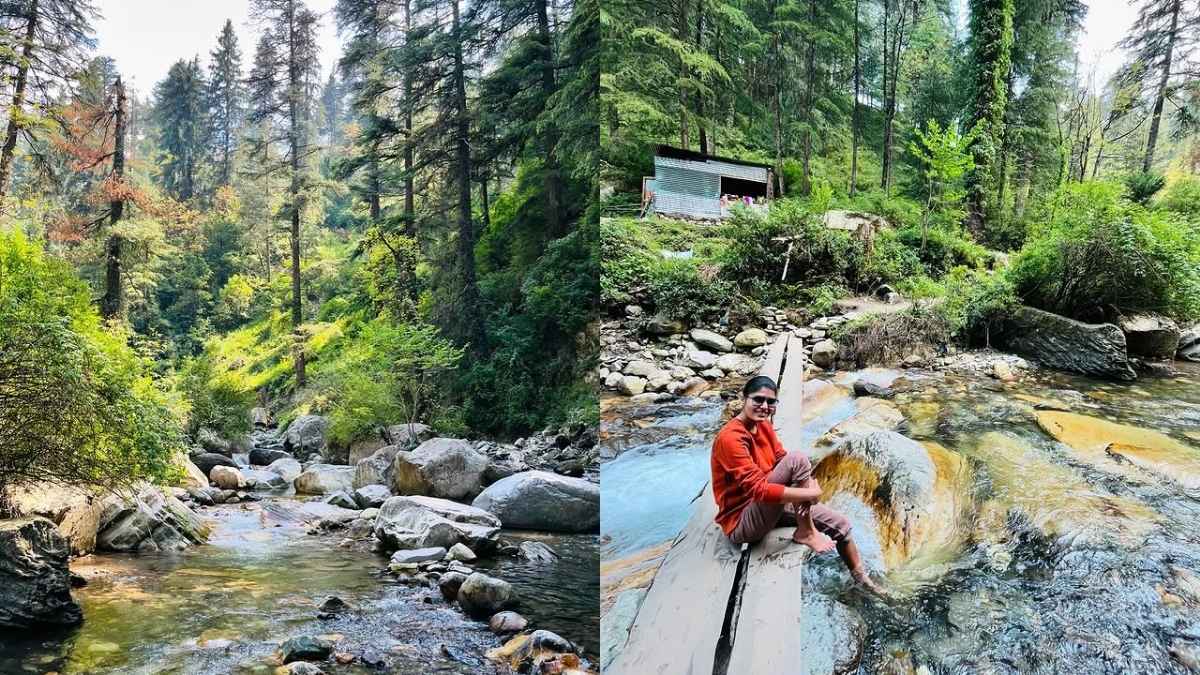
The Tirthan River is the lifeline of the entire valley and one of the cleanest rivers in Himachal Pradesh. Known for trout fishing, riverside cafés, and peaceful walking trails, this place is perfect for travellers seeking relaxation and slow travel. Sit by the river, enjoy the crystal-clear water, dip your feet, or try Himalayan trout fishing. Most riverside stays also offer private decks and bonfire setups. Sunsets here are especially soothing.
6. Great Himalayan National Park (GHNP – UNESCO Site)
The Great Himalayan National Park is a UNESCO World Heritage Site and one of the best places in India for wildlife lovers and trekkers. Spread across thousands of hectares, the park is home to rare Himalayan species like the snow leopard, Himalayan tahr, blue sheep, and more than 300 species of birds. Trekking routes inside GHNP vary from easy day hikes to multi-day expeditions. Dense forests, beautiful meadows, alpine scenery, and untouched nature make it a paradise for true explorers.
Quick Comparison Table – Jibhi vs Tirthan Valley
| Feature |
Jibhi |
Tirthan Valley |
| Best For |
Waterfalls, cafés, relaxing stays |
Nature, riverside camps, GHNP trekking |
| Main Attractions |
Jibhi Waterfall, Jalori Pass, Serolsar Lake |
Tirthan River, GHNP, trout fishing |
| Crowd Level |
Moderate |
Low to Moderate |
| Activities |
Café hopping, easy treks |
Trekking, fishing, wildlife |
| Stay Type |
Boutique hotels, treehouses |
Riverside stays, homestays |
| Ideal for |
Couples, friends, photographers |
Nature lovers, trekkers, families |
Read More About Jibhi in Our Detailed Blogs
Why Jibhi & Tirthan Are Trending
1. Offbeat Alternative to Manali
Travellers prefer Jibhi–Tirthan because it offers peace, less commercialisation, and zero traffic jams.
2. Workation Friendly
Many homestays offer good Wi-Fi, quiet surroundings, and beautiful work-from-balcony setups.
3. Ideal for Couples
Cosy wooden cottages, riverside stays, candlelight dinners, and snow in winter make it perfect for honeymoons.
4. Budget-Friendly
Compared to Shimla and Manali, prices for stay, food, and travel are lower.
5. Adventure + Nature Combo
From treks to forest trails, waterfalls, and fishing, Jibhi offers adventure without being crowded.
Where to Stay in Jibhi & Tirthan Valley
1. Riverside Homestays
Beautiful wooden cottages located right next to the river. Expect peaceful mornings and bonfire nights.
2. Workation Stays
Cottages with strong Wi-Fi, heating, balconies, and dedicated workspaces.
3. Luxury Boutique Stays
Glass cabins, premium cottages, and mountain-view villas for couples.
4. Hostels for Backpackers
Affordable, social, and perfect for solo travellers.
Things to Do in Jibhi–Tirthan
1. Trek to Serolsar Lake
The Serolsar Lake trek is one of the most beautiful and beginner-friendly trails in Himachal Pradesh. Starting from Jalori Pass, the 5 km walk takes you through dense oak and pine forests, with panoramic valley views throughout the journey. The crystal-clear lake at the end feels peaceful and sacred, making it perfect for nature lovers, photographers, and families.
2. Explore Jibhi Village
Jibhi Village offers a charming mix of traditional Himachali houses, cosy wooden cafés, and scenic walking paths. Exploring the village on foot gives you a chance to interact with locals, enjoy mountain-style food, and discover hidden viewpoints. It’s the ideal activity for travellers looking for slow travel, culture, and authentic Himalayan vibes.
3. Riverside Relaxing in Tirthan Valley
The Tirthan River is known for its crystal-clear water, cool breeze, and peaceful atmosphere. Spend a few hours sitting by the river, dipping your feet, reading a book, or simply listening to the sound of flowing water. Many riverside stays also offer private decks and hammocks, making it a perfect spot to unwind and reconnect with nature.
4. Trout Fishing
Tirthan Valley is one of India’s best trout-fishing destinations. The clean, cold river water provides the perfect habitat for brown and rainbow trout. With a government permit (easily available), you can try your hand at fishing under the guidance of local experts. It’s a relaxing, unique experience that adventure lovers and families enjoy.
5. Visit Waterfalls and Hidden Forest Trails
Jibhi–Tirthan is full of lesser-known waterfalls and forest trails that remain untouched by heavy tourism. Whether it’s Jibhi Waterfall or smaller hidden cascades around the villages, each spot offers tranquil surroundings and great photography opportunities. Perfect for travellers who enjoy soft adventure, nature walks, and exploring offbeat paths.
6. Sunset at Jalori Pass
Jalori Pass is one of the best places in the region to witness a magical Himalayan sunset. As the sun sets behind snow-covered peaks, the sky turns into shades of orange, gold, and pink. The cool breeze, wide-open views, and peaceful environment make it a must-visit experience for photographers, couples, and nature lovers.
Ideal 3-Day Itinerary
| Day |
Plan |
Highlights |
| Day 1 |
Arrive in Jibhi → Check-in → Jibhi Waterfall → Local café hopping |
Waterfall walk, riverside dinner |
| Day 2 |
Jalori Pass → Trek to Serolsar Lake → Sunset → Back to stay |
Snow (winter), amazing views |
| Day 3 |
Drive to Tirthan Valley → Riverside chill → GHNP walk → Local market |
Perfect for photography & peace |
Travel Tips for a Perfect Trip
-
Carry some cash, as ATMs are limited.
-
Network may fluctuate—Jio works best.
-
Roads are narrow—drive slowly, especially during snow or rain.
-
Book stays early during the summer and the snowfall season.
-
Carry warm clothes even in summer; evenings get cold.
Jibhi and Tirthan Valley are the perfect destinations for travellers who want peace, nature, and offbeat mountain experiences. Whether it’s trekking through dense forests, staying in wooden cottages, watching river sunsets, or exploring untouched Himalayan villages, the valley offers an unforgettable escape from the city. With growing popularity, improving connectivity, and stunning scenery, Jibhi–Tirthan has become India’s top choice for a relaxing and soulful mountain holiday.