What makes Harsil Valley a hidden gem in Uttarakhand?
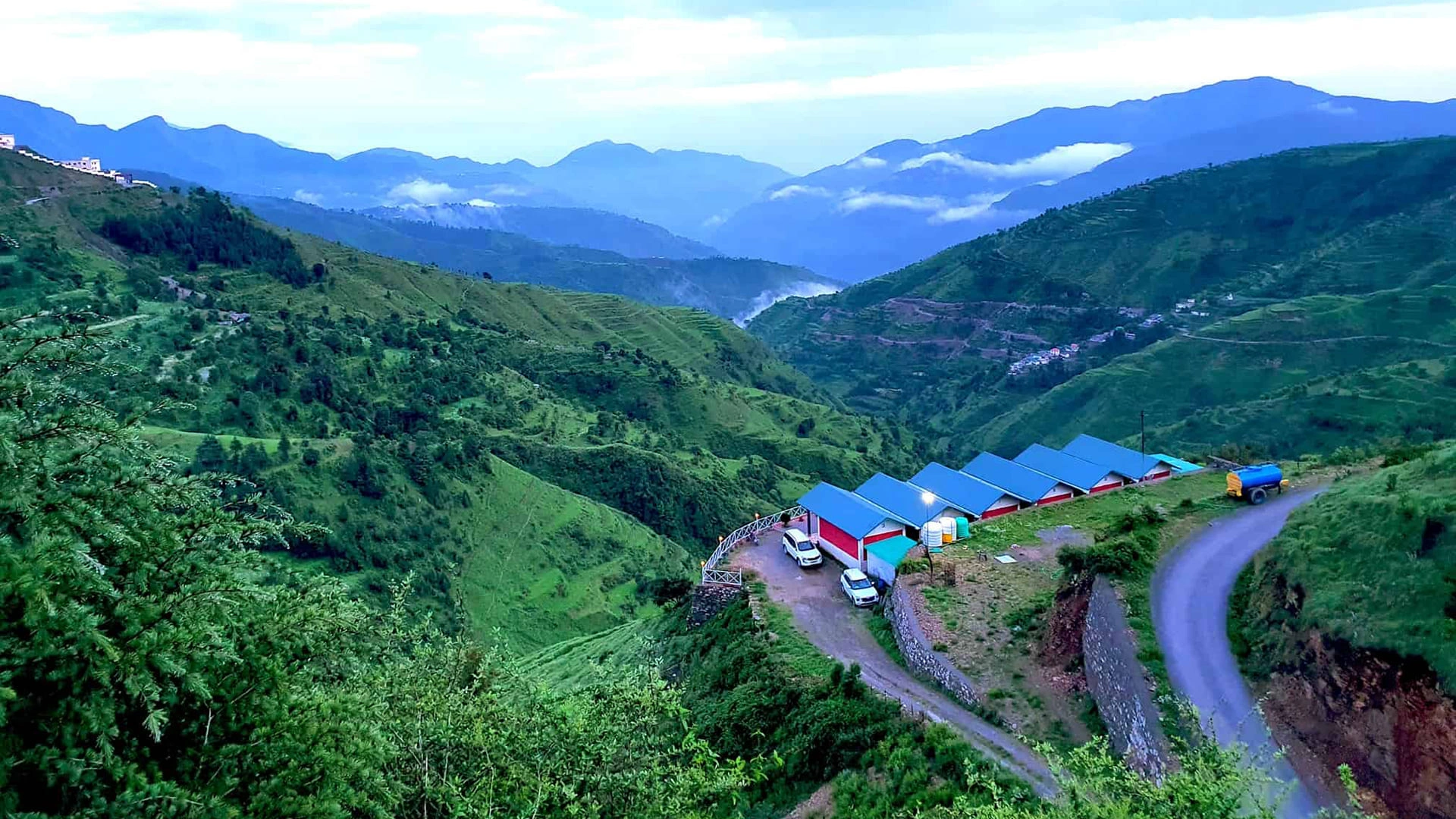
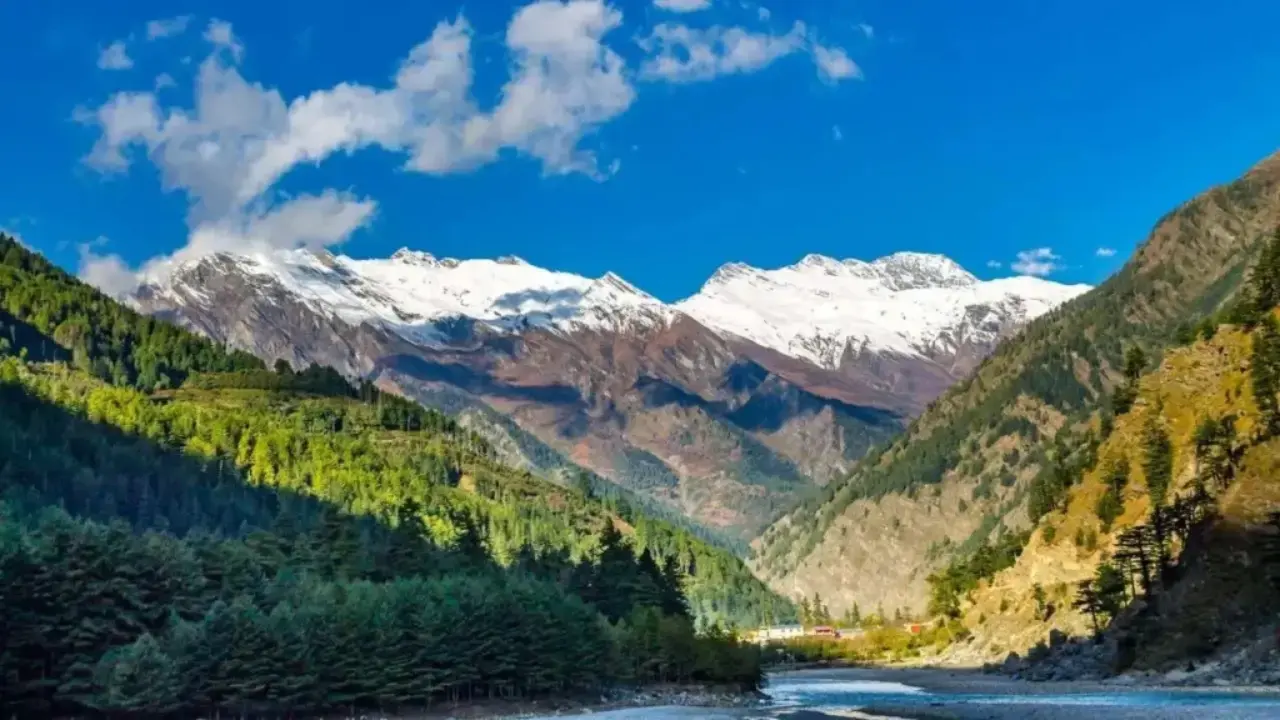
Harsil Valley is often overlooked by mainstream travelers, but that’s exactly what makes it special. Nestled along the banks of the Bhagirathi River and surrounded by snow-clad peaks, apple orchards, and pine forests, it offers an untouched Himalayan experience with raw beauty, peace, and a touch of spiritual charm.
Is Harsil Valley suitable for both adventure and relaxation?
Absolutely. Harsil offers a perfect balance—those seeking tranquility can unwind by the riverside, enjoy slow village walks, or relax in cozy homestays, while adventure lovers can trek to Lama Top, explore Gartang Gali, or chase waterfalls like Khedi for a taste of thrill.
What cultural experiences can travelers expect in Harsil?
The valley is home to quaint villages like Bagori where one can interact with the indigenous communities, experience their customs, traditional wooden homes, and learn about their unique way of life that still remains rooted in Himalayan traditions.
When is the best time to visit Harsil Valley?
The ideal time to explore Harsil Valley is from April to June and again from September to November. During these months, the weather is pleasant, the skies are clear, and the landscape is at its most vibrant—either lush and green or golden and crisp post-monsoon.
How accessible is Harsil Valley for travelers coming from Delhi or Dehradun?
Harsil is well-connected by road, with the nearest major town being Uttarkashi. From Dehradun, it’s a scenic 8–9 hour drive, while from Delhi, it takes about 12–14 hours by car. Though a bit remote, the journey itself is part of the experience, passing through charming hill towns and river valleys.
Tucked away in the Garhwal Himalayas near the Indo-Tibetan border, Harsil Valley is one of Uttarakhand’s most beautiful and least explored destinations. Surrounded by snow-capped peaks, dense deodar forests, and the pristine Bhagirathi River, Harsil is known for its untouched beauty, peaceful environment, and authentic Himalayan charm.
Unlike crowded hill stations, Harsil Valley offers solitude, natural purity, and a deep connection with local culture, making it an ideal destination for nature lovers and peace seekers.
Where Is Harsil Valley Located?
Harsil Valley is located in the Uttarkashi district of Uttarakhand, at an altitude of around 2,620 meters (8,596 feet). It lies on the route to Gangotri, one of the Char Dham pilgrimage sites, and is nestled along the banks of the Bhagirathi River.
Quick Facts About Harsil Valley
| Feature |
Details |
| State |
Uttarakhand |
| District |
Uttarkashi |
| Altitude |
~2,620 meters |
| River |
Bhagirathi River |
| Known For |
Apples, scenery, peace |
History & Cultural Significance
Harsil Valley holds historical and spiritual importance due to its proximity to Gangotri, the origin of the holy River Ganga. For centuries, sages, pilgrims, and traders passed through this valley while travelling to sacred Himalayan shrines.
The valley was also used as a strategic region during earlier times because of its closeness to the Indo-Tibetan border. Even today, parts of the area fall under restricted zones, helping preserve its raw and untouched character.
Natural Beauty & Landscape
Harsil Valley is a visual treat, offering breathtaking landscapes throughout the year:
- Snow-covered mountains in winter
- Lush green forests in summer
- Golden apple orchards in autumn
- Frozen rivers and white meadows in peak winter
The Bhagirathi River flows gracefully through the valley, adding to its serenity. Towering deodar and pine forests dominate the landscape, making it a paradise for photographers and nature enthusiasts.
Famous Villages Around Harsil Valley
Harsil Valley is home to small, peaceful Himalayan villages that reflect traditional Garhwali life.
Notable Villages
| Village |
Highlights |
| Harsil |
Main village, riverside views |
| Bagori |
Traditional wooden houses |
| Mukhba |
Winter seat of Goddess Ganga |
| Dharali |
Famous for apple orchards |
These villages offer insight into local customs, architecture, and mountain lifestyle.
Harsil Apples – A Unique Identity
Harsil Valley is famous across Uttarakhand for its organic apples, often considered sweeter and juicier than apples grown in other regions. Apple farming is a major source of livelihood for locals and plays a key role in the valley’s economy.
Autumn is the best season to witness apple orchards in full bloom and harvest.
Climate & Weather in Harsil Valley
Harsil experiences a cool alpine climate due to its altitude.
Season-wise Weather Overview
| Season |
Temperature Range |
Experience |
| Summer (Apr–Jun) |
10°C – 25°C |
Pleasant & green |
| Monsoon (Jul–Sep) |
8°C – 20°C |
Rainy, landslide risk |
| Autumn (Oct–Nov) |
5°C – 15°C |
Clear skies, apples |
| Winter (Dec–Mar) |
-10°C – 10°C |
Heavy snowfall |
Spiritual Importance of Harsil Valley
Harsil Valley has strong spiritual roots. Mukhba Village, located nearby, serves as the winter abode of Goddess Ganga when Gangotri Temple closes due to snowfall. Many pilgrims visit the valley during winter to seek blessings here.
The peaceful surroundings and riverbanks make Harsil ideal for meditation and spiritual retreats.
Flora & Fauna
The valley falls in a rich Himalayan ecological zone and supports diverse wildlife.
Common Flora
- Deodar and pine trees
- Birch and oak forests
- Alpine flowers
Wildlife
- Himalayan fox
- Musk deer
- Himalayan monal (state bird)
- Rare sightings of the snow leopard in the upper regions
Things to Do in Harsil Valley
- Nature walks along the Bhagirathi River
- Village exploration and cultural interaction
- Photography of landscapes and night skies
- Apple orchard visits (seasonal)
- Meditation and yoga in peaceful settings
Why Harsil Valley Is Still Untouched
- Limited commercialization
- Restricted border area
- Minimal tourist infrastructure
- Focus on eco-preservation
These factors have helped Harsil retain its raw Himalayan beauty.
Best Time to Visit Harsil Valley
- April to June – Pleasant weather, greenery
- September to November – Clear views, apple season
- December to February – Snow lovers (road conditions apply)
Interesting Facts About Harsil Valley
- It is less crowded than Mussoorie or Nainital
- Apple cultivation started here during the British era
- It lies close to the Indo-China border
- The valley remains snowbound for months in winter
Harsil Valley is a rare Himalayan gem where nature remains untouched, life is slow, and silence speaks louder than words. Whether you seek scenic beauty, spiritual peace, or a break from crowded destinations, Harsil offers an authentic and unforgettable mountain experience.
Harsil Valley is not just a destination — it’s a feeling of calm hidden deep in the Himalayas.