Altitude sickness is a common concern during the Kedarnath and Badrinath Yatra due to their high-altitude locations. Kedarnath stands at about 3,580 meters (11,750 feet), while Badrinath is situated at 3,133 meters (10,279 feet). To make your pilgrimage safe and comfortable, it’s essential to take specific precautions to avoid altitude sickness.
1. Acclimatization One of the most important things to prevent altitude sickness is to acclimatize yourself properly. When you arrive in high-altitude areas like Kedarnath or Badrinath, take time to rest and allow your body to adjust to the lower oxygen levels. Avoid rushing the journey and take breaks at regular intervals to help your body adapt.
2. Hydration Dehydration can worsen the symptoms of altitude sickness, so it’s crucial to drink plenty of water. Keep a bottle of water with you and sip regularly. Dehydration can lead to headaches, dizziness, and other symptoms that mimic altitude sickness. Avoid alcohol and caffeine as they can dehydrate your body.
3. Slow and Steady Pace While trekking to Kedarnath, make sure to take a slow and steady pace. Avoid overexerting yourself, especially on the steep slopes. Walk slowly, take regular breaks, and don’t push yourself beyond your limits. This will help your body adjust to the altitude and minimize the risk of sickness.
4. Adequate Rest Rest is vital when traveling to high altitudes. Get plenty of sleep each night to help your body recover and adapt. If you feel fatigued or dizzy, rest and allow your body time to recover. Take it easy on strenuous activities until you feel better.
5. Medications Carrying altitude sickness medications like Diamox (acetazolamide) can help in preventing the condition. It’s advisable to consult a doctor before your trip for proper recommendations. You can take these medications as a precautionary measure, but it’s essential not to rely solely on them.
6. Recognizing Symptoms Early The early symptoms of altitude sickness include dizziness, headaches, nausea, and loss of appetite. If you experience any of these symptoms, it’s important to descend to a lower altitude immediately. Avoid climbing higher until the symptoms subside.
In recent years, both Kedarnath and Badrinath have seen the introduction of various eco-friendly initiatives to preserve the delicate Himalayan ecosystem. The increasing number of pilgrims visiting these sacred sites has put immense pressure on the environment, prompting local authorities and organizations to take action toward sustainability.
1. Waste Management One of the key eco-friendly initiatives is focused on waste management. Both Kedarnath and Badrinath have implemented a no-plastic policy, which aims to reduce plastic waste in these sacred areas. Pilgrims are encouraged to avoid carrying plastic bags or bottles, and instead, use eco-friendly alternatives like cloth bags and reusable bottles. Special teams are assigned to regularly clean the area and remove waste, ensuring that the natural beauty is preserved for future generations.
2. Green Energy Solutions To reduce dependency on traditional energy sources, solar energy has been harnessed to power several facilities in both Kedarnath and Badrinath. Solar panels are installed on rooftops of temples, guesthouses, and other buildings, providing sustainable electricity to the area. This helps reduce the carbon footprint of the pilgrimage sites.
3. Environmentally Friendly Vehicles To minimize pollution, authorities have introduced electric vehicles (EVs) and battery-operated buses for transportation within the pilgrimage areas. These vehicles replace the traditional diesel-powered ones, significantly reducing air and noise pollution. This initiative helps in keeping the surroundings clean and preserving the air quality in the high-altitude region.
4. Afforestation and Conservation Programs Both Kedarnath and Badrinath have initiated afforestation programs to combat deforestation and restore the green cover of the region. These programs involve planting native trees and creating awareness among local communities about the importance of conservation. Such steps are vital to maintaining the ecological balance of the region. 5. Eco-Friendly Lodging There are also several eco-friendly accommodations near Kedarnath and Badrinath that use sustainable practices. These accommodations often follow green building standards, use energy-efficient lighting, and promote water conservation techniques.
The Kedarnath and Badrinath temples are two of the most significant pilgrimage sites in India, both forming part of the Char Dham Yatra. Their rich history and religious significance date back thousands of years, attracting millions of devotees annually.
Kedarnath Temple The history of the Kedarnath Temple is closely tied to the Pandavas, who, according to Hindu mythology, sought Lord Shiva’s blessings to absolve their sins after the Kurukshetra war. The temple is believed to be the place where Lord Shiva appeared in the form of a bull to grant forgiveness to the Pandavas. According to legend, the Pandavas constructed the temple to worship Lord Shiva in this sacred place.
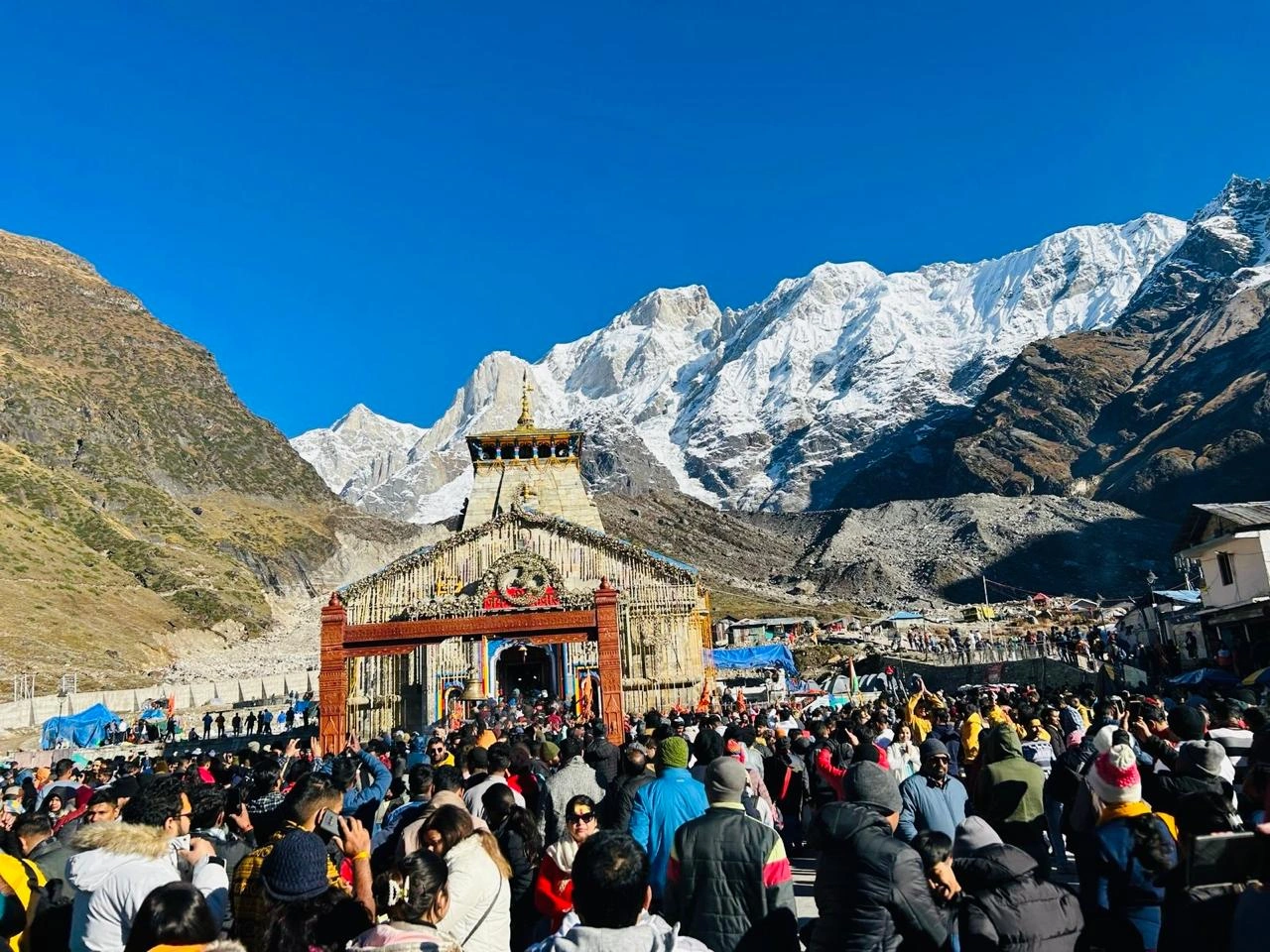
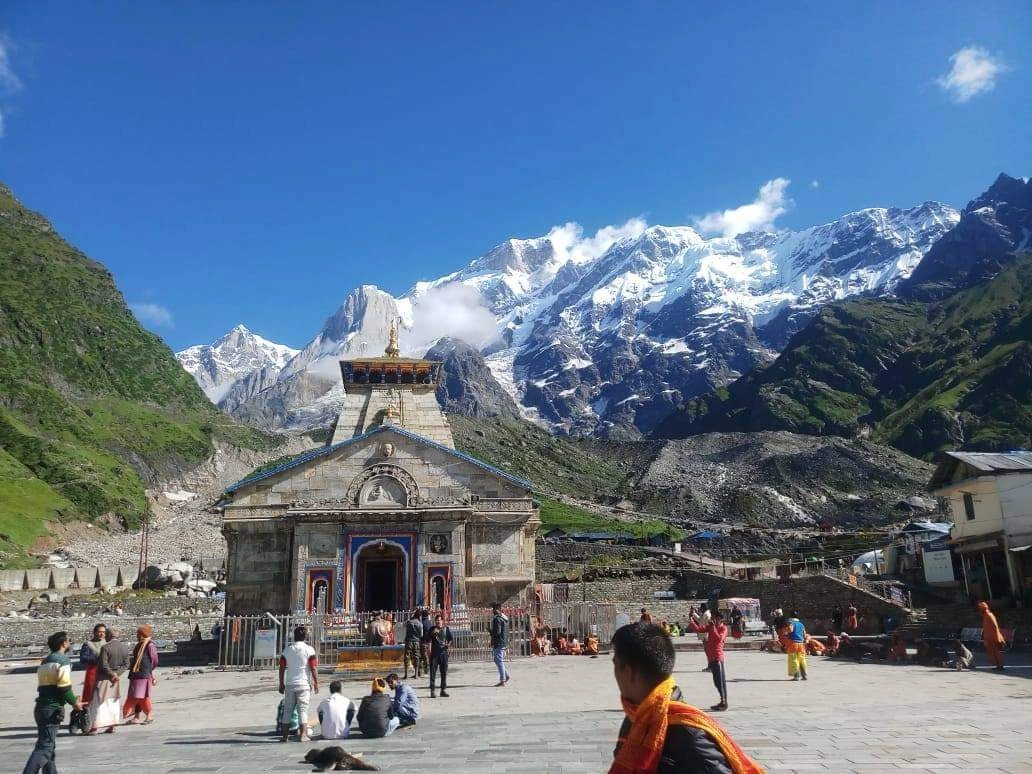
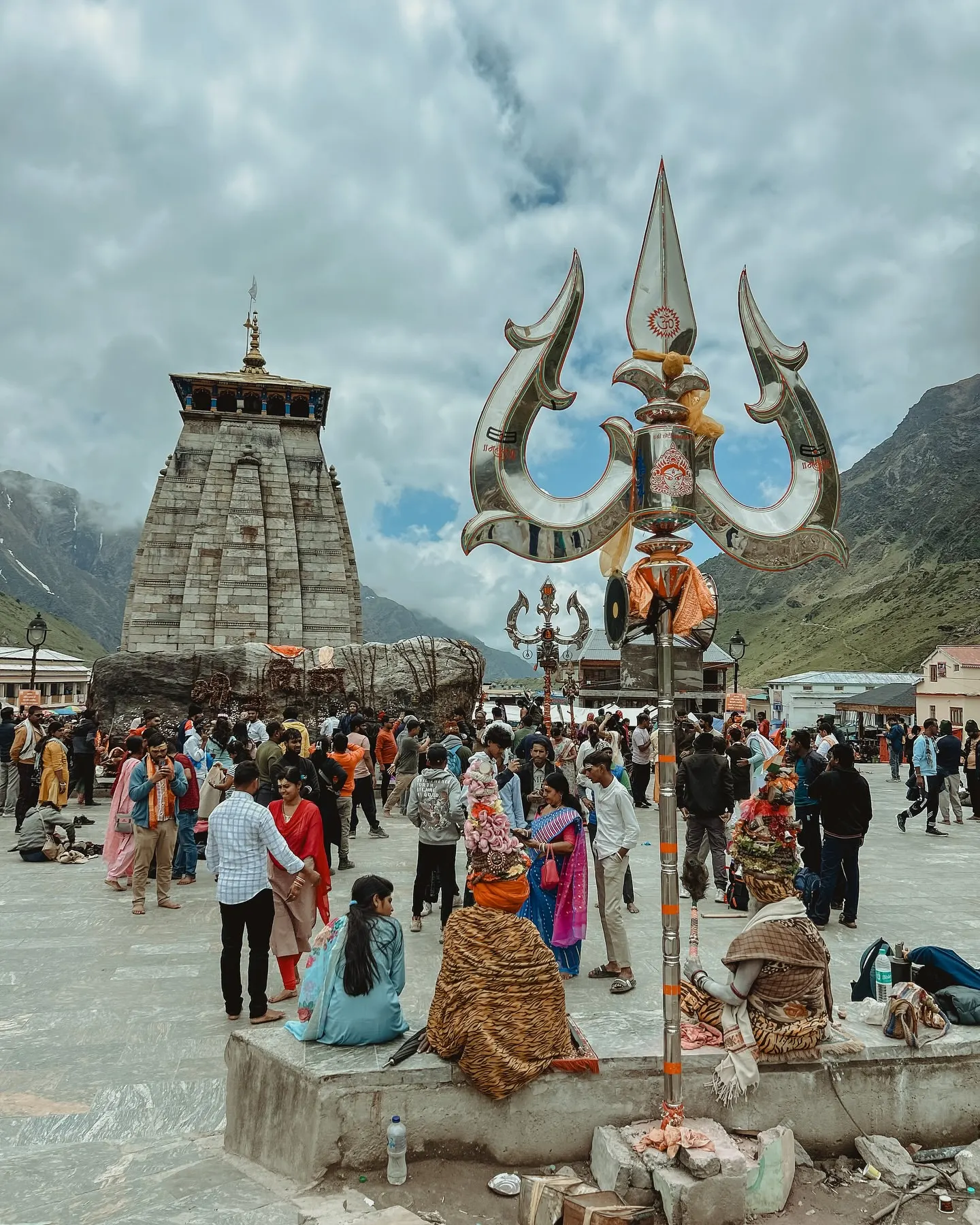
The present Kedarnath temple was built in the 8th century by Adi Shankaracharya, a revered philosopher and spiritual leader who is credited with reviving the spiritual heritage of India. The temple is known for its grand structure, which is made of large stone slabs. The temple is situated at an elevation of around 3,580 meters (11,750 feet), in the Himalayas, making it a challenging yet revered pilgrimage destination.
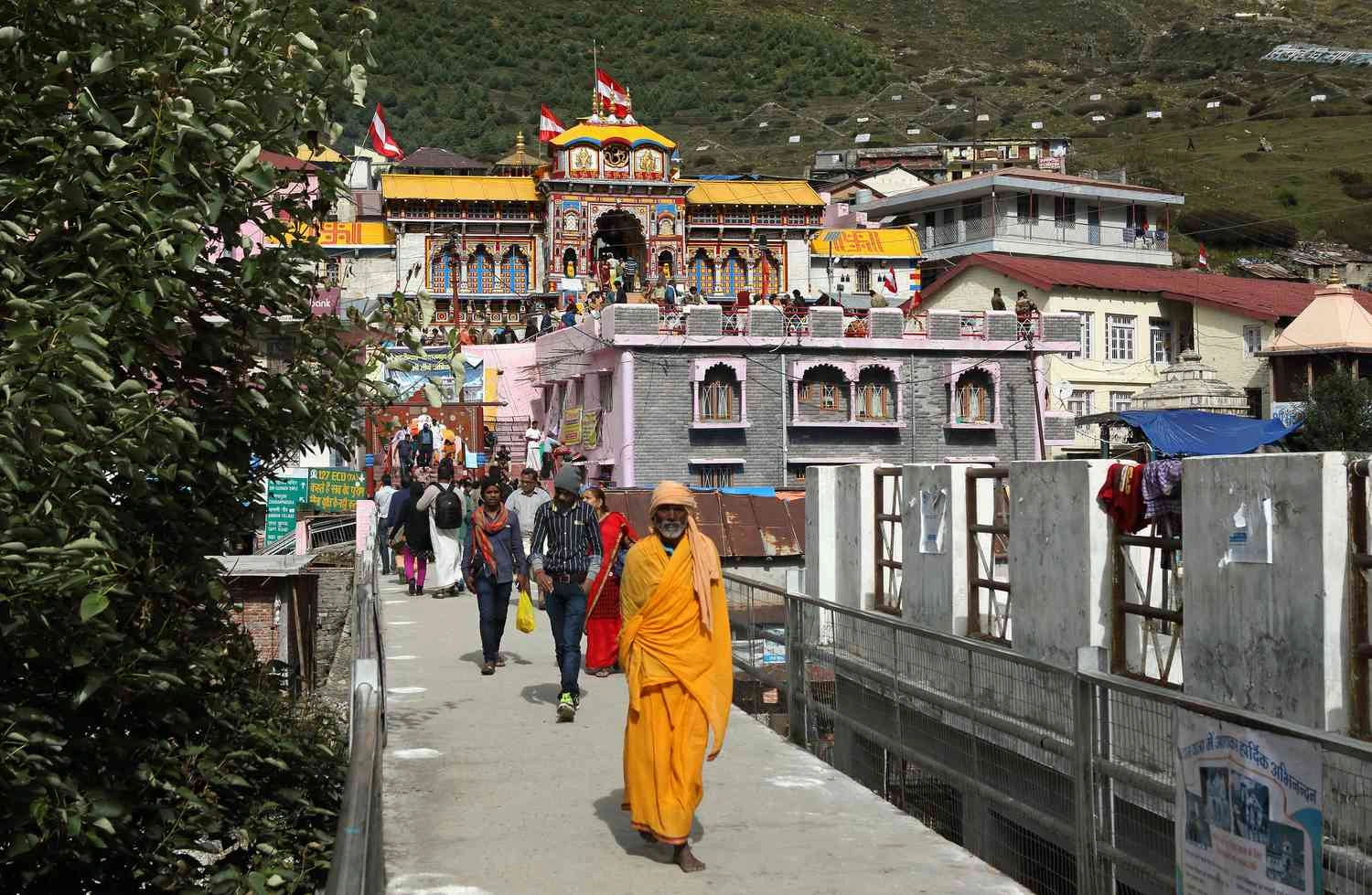
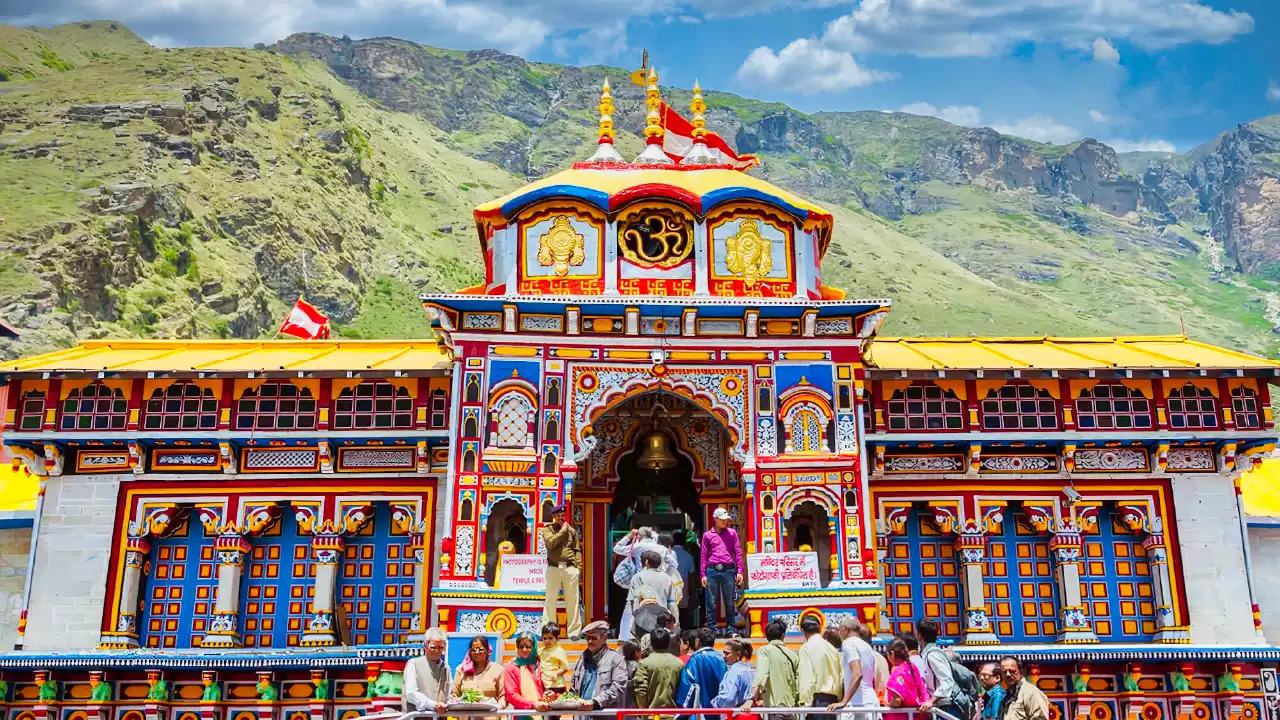
Badrinath Temple The history of Badrinath Temple also has its roots in Hindu mythology. It is dedicated to Lord Vishnu and is believed to be the place where he meditated for several years to atone for the sins of mankind. The temple stands on the banks of the Alaknanda River at an altitude of 3,133 meters (10,279 feet). According to myth, the temple was originally established by Lord Shiva himself, and later renovated by Adi Shankaracharya in the 9th century. He is believed to have found the sacred idol of Lord Vishnu in the Alaknanda River and installed it in the temple.
The Badrinath temple has been a site of worship for centuries, and its religious significance has grown over time, with several dynasties contributing to its renovation and expansion. The idol of Lord Vishnu at Badrinath is made of black stone, and the temple’s structure has been carefully designed to withstand the harsh weather conditions of the region.
Together, both temples hold immense spiritual importance, not only for their religious significance but also for their historical connection to ancient traditions, stories, and cultural heritage.
Visiting Kedarnath and Badrinath during the off-season is possible, but it comes with certain challenges and considerations. The off-season for these pilgrimage sites generally refers to the winter months, typically from November to April, when the weather in the Himalayan region becomes extremely cold, and heavy snowfall can block access to both temples.
Accessibility During Off-Season The major factor to consider when planning a trip to Kedarnath and Badrinath in the off-season is the weather conditions. Kedarnath is situated at an altitude of around 3,580 meters (11,750 feet), and during winter, the region experiences heavy snowfall, leading to roadblocks and challenging trekking conditions. Similarly, Badrinath, located at 3,133 meters (10,279 feet), also faces harsh winter conditions with snow and freezing temperatures.
During the off-season, the temple gates of Kedarnath usually remain closed, and the temple at Badrinath is also closed to pilgrims. The temples reopen for the Char Dham Yatra typically in May, when the weather improves, and roads and trekking paths become accessible. Local authorities and the administration strongly advise against traveling during this period due to the risk of landslides, snowstorms, and extreme cold.
Alternative Travel Options While you cannot visit the temples directly in the off-season, you can still visit the surrounding regions or nearby attractions. For example, you can plan a trip to nearby towns like Rishikesh or Haridwar, which are lower in elevation and more accessible during winter. From these towns, you can also view Kedarnath and Badrinath from a distance. Another option is to visit Joshimath, which serves as a base for the Badrinath pilgrimage and remains open year-round.
If you plan to visit in the off-season, you should be prepared for extreme cold conditions, limited access, and difficulty reaching the temples. It's essential to stay updated on weather conditions and consult local authorities for advice before attempting the journey during the off-season.
Apart from the trekking that Kedarnath and Badrinath are famously known for, there are several other adventure activities that you can enjoy near these holy destinations. These activities provide a unique opportunity to explore the stunning landscapes of the Himalayas, allowing you to experience the region in a different light.
1. River Rafting in Rishikesh (Near Kedarnath) Though Rishikesh is a few hours away from Kedarnath, it is one of the most popular adventure spots in Uttarakhand. Known for its rafting on the Ganges River, Rishikesh offers an exciting experience for adventure enthusiasts. The river rafting here includes varying levels of difficulty, from easy to challenging rapids, making it ideal for both beginners and seasoned rafters. It’s an excellent activity to engage in after completing the Kedarnath Yatra, providing an adrenaline rush amidst the serene beauty of the Ganges.
2. Camping and Stargazing (Near Kedarnath) For those looking for a more tranquil yet adventurous experience, camping near Kedarnath offers a perfect escape. You can set up camp in the foothills of the Himalayas, near places like Sonprayag, Gaurikund, or Banswada, and enjoy the beauty of the snow-capped peaks. The clear skies at night also offer an opportunity for stargazing, where you can witness breathtaking constellations while surrounded by nature. The experience of being close to nature and waking up to the sound of rushing streams and chirping birds makes it an unforgettable adventure.
3. Skiing in Auli (Near Badrinath) Another exciting adventure activity near Badrinath is skiing in Auli, a popular ski resort located about 60 km from Badrinath. Auli is known for its perfect slopes and the mesmerizing backdrop of the Nanda Devi Peak. The skiing season generally lasts from December to March, and the region attracts skiing enthusiasts from all over the world. Besides skiing, you can also enjoy other activities like snowboarding, tubing, and snowshoeing, making it a great spot for winter adventure lovers.
4. Paragliding in Nainital (Near Badrinath) If you're willing to travel a bit further, Nainital, which is around 150 km from Badrinath, offers the thrilling adventure of paragliding. Flying high over the beautiful Naini Lake and the surrounding hills provides a bird’s-eye view of the stunning landscape and is an experience that will surely get your adrenaline pumping.
These adventure activities near Kedarnath and Badrinath provide the perfect balance of spirituality and excitement, offering a well-rounded experience for any traveler looking for more than just the holy pilgrimage.
The Kedarnath and Badrinath temples hold immense spiritual and religious significance as two of the four sacred sites included in the Char Dham Yatra of Uttarakhand. The Char Dham Yatra is one of the most revered pilgrimage circuits in India, attracting thousands of devotees each year. It consists of four major temples: Yamunotri, Gangotri, Kedarnath, and Badrinath. Among these, Kedarnath and Badrinath are especially important, both due to their divine associations and their roles in the Yatra.
Kedarnath Temple The Kedarnath Temple is dedicated to Lord Shiva and is one of the twelve Jyotirlingas, making it one of the most sacred temples for Hindus. Situated at a high altitude of around 3,580 meters in the Garhwal Himalayas, Kedarnath is not only a significant religious site but also a place of extreme natural beauty. The temple is believed to have been established by Pandavas in the Mahabharata, adding to its mythological importance. The Kedarnath Yatra is a major highlight of the Char Dham pilgrimage, with devotees traveling great distances to seek blessings from Lord Shiva. The challenging trek to Kedarnath, through breathtaking mountain views, offers a deeply spiritual and physically invigorating experience.
Badrinath Temple The Badrinath Temple is dedicated to Lord Vishnu and holds a special place in the hearts of millions of Hindus. Located at an altitude of 3,133 meters, Badrinath is one of the 108 Divya Desams, or holy shrines dedicated to Lord Vishnu. It is believed that Lord Vishnu meditated here in the form of Badri (plum), surrounded by a dense forest, hence the name Badrinath. The temple’s significance is not only spiritual but also historical, with references in ancient texts like the Skanda Purana. Pilgrims come here to seek salvation and blessings from Lord Vishnu during their Char Dham journey.
Both temples play a central role in the Char Dham Yatra, which is considered a journey of spiritual awakening and purification. The Char Dham circuit is believed to wash away the sins of pilgrims and provide them with moksha (liberation). Together, Kedarnath and Badrinath, with their mythological, cultural, and religious significance, are the heart of the Char Dham pilgrimage, making the Yatra an essential journey for devotees seeking divine blessings and spiritual peace.
Mobile connectivity in Kedarnath and Badrinath is limited due to their high-altitude locations and remote nature. While you can expect mobile network coverage in certain areas, it is important to keep in mind that connectivity can be unreliable, especially in Kedarnath, which is situated at a higher altitude.
Kedarnath In Kedarnath, mobile network signals are scarce, especially as you get closer to the temple. While there might be some coverage in Gaurikund (the starting point of the trek), and on the route leading to Kedarnath, once you reach the temple and the surrounding area, connectivity is very limited. Only a few BSNL (Bharat Sanchar Nigam Limited) towers might provide some signal in specific areas, and even then, the strength can fluctuate. The internet service is often unavailable, and phone calls may not go through due to the lack of a stable network. Therefore, it is recommended to disconnect from mobile services and enjoy the peaceful environment during the Yatra. You can expect some basic communication services in Kedarnath town, but they are far from reliable for urgent or routine use.
Badrinath Mobile connectivity in Badrinath is slightly better than in Kedarnath, but it still isn’t perfect. The town of Badrinath has better mobile network coverage, and there is more chance of getting a signal for various service providers like BSNL, Airtel, and Jio. However, just like Kedarnath, you may experience fluctuations in signal strength due to the terrain. Calls can generally be made, though they may be dropped occasionally. The internet service is also available, but it may be slow and unreliable. The closer you are to the temple, the weaker the signal tends to get, especially in the higher areas.
Recommendation If staying connected is important for you, it is better to have BSNL or Airtel SIM cards, as they tend to provide the best coverage in these regions. However, do not rely entirely on mobile services or the internet for important communication. It’s best to prepare in advance and enjoy the sacredness of the journey without worrying about constant connectivity.
Yes, there are spiritual retreats and wellness programs near Kedarnath and Badrinath, which focus on offering spiritual solace and rejuvenation. These programs are designed to help visitors find inner peace, reflect on their spiritual journey, and detoxify both physically and mentally in the serene and sacred environment of the Himalayas.
Spiritual Retreats Near Kedarnath While Kedarnath itself is mainly a pilgrimage destination with limited infrastructure for wellness tourism, there are some spiritual programs offered in nearby towns like Gaurikund or Phata, which is the base camp for the Kedarnath trek. These programs are designed to enhance the spiritual experience of the pilgrims. Ashrams and yoga centers near the base camps offer meditation sessions, spiritual talks, and yoga, making the journey more meaningful. The atmosphere around Kedarnath, with its tranquility and purity, provides a perfect backdrop for such retreats. Pilgrims can focus on meditation, chanting, and prayer, reconnecting with their inner selves.
Wellness Programs and Yoga at Badrinath Badrinath, being a more accessible town compared to Kedarnath, offers a wider range of wellness activities. There are a few spiritual centers, ashrams, and yoga retreats offering programs that cater to pilgrims looking for both spiritual and physical well-being. These retreats focus on pranayama, yoga, and meditation practices, which allow visitors to cleanse their minds and bodies in the peaceful surroundings of the holy town. The proximity to the Badrinath Temple, coupled with the natural beauty of the Garhwal Himalayas, adds a spiritual dimension to the wellness programs, making them an ideal option for those looking for a holistic experience.
Some wellness retreats also offer Ayurvedic treatments, which include detox programs, herbal massages, and rejuvenation therapies designed to relax and heal. These programs help visitors escape from the chaos of daily life and immerse themselves in nature’s calmness, allowing for deep mental and emotional healing. While Kedarnath and Badrinath are primarily known for their religious importance, there are several opportunities for pilgrims and visitors to engage in spiritual retreats and wellness programs that promote mental, physical, and spiritual rejuvenation.
When preparing for the Kedarnath and Badrinath Yatra, packing wisely is crucial, especially considering the weather conditions in the Himalayan region. The weather here can be unpredictable, ranging from sunny days to sudden rain showers, snowfall, and cold nights. Below is a list of essentials you should pack for a safe and comfortable pilgrimage.
Warm Clothing Since both Kedarnath and Badrinath are located at high altitudes, temperatures can drop sharply, even during the summer months. Thermal wear, woolen clothes, and a warm jacket are essential. Pack fleece-lined sweaters, woolen socks, and gloves to stay warm, especially during early mornings and evenings. A windproof jacket will protect you from the cold winds at the higher altitudes.
Rain Gear The monsoon season can bring sudden downpours in these areas, so pack waterproof clothing, such as a raincoat or poncho. Also, make sure you have a waterproof backpack or a rain cover for your bag to keep your belongings dry.
Footwear Since you'll be walking on uneven paths, including trekking to Kedarnath, sturdy trekking shoes with a good grip are necessary. Ensure that your shoes are waterproof and provide comfort for long walks, as the trek can be physically demanding.
Sun Protection Although the temperatures may be cold, the sun can still be harsh in the higher altitudes. Pack a hat or cap, sunglasses with UV protection, and sunscreen with a high SPF to protect yourself from the sun.
Personal Items Carry essential toiletries such as toothbrush, toothpaste, and medications if needed. Due to the high altitude, it’s important to have a basic first-aid kit with band-aids, pain relievers, and altitude sickness medication. Also, pack a water bottle and snacks for energy during the trek.
Other Essentials Since you’ll be in a remote location, having flashlights, extra batteries, and a power bank for your phone is important. Also, pack your ID proofs and travel documents securely.
Climate change has significantly impacted the Kedarnath and Badrinath pilgrimage sites, leading to alterations in the local environment, weather patterns, and overall pilgrimage experience. The Himalayan region, where these sacred sites are located, has seen noticeable changes due to rising temperatures, erratic weather, and increased instances of natural disasters. These changes not only affect the temples and their surroundings but also the safety and accessibility of the pilgrims visiting these sacred destinations.
Rising Temperatures and Glacial Retreat One of the most visible effects of climate change in the region is the melting of glaciers. The glaciers surrounding Kedarnath, especially the Chorabari Glacier, have been retreating at an alarming rate due to increasing temperatures. This has raised concerns about the future stability of the region, as the glaciers are vital sources of water for the area. Additionally, melting glaciers and water runoff can increase the risk of floods and landslides, affecting the safety of pilgrims and infrastructure around the temples.
Erratic Weather and Unpredictable Conditions Kedarnath and Badrinath have historically experienced cold and temperate climates, but climate change has brought about unpredictable weather patterns. Sudden, extreme rainfall has led to flash floods and landslides, particularly in Kedarnath in recent years. The 2013 Kedarnath disaster, which caused massive destruction, was a stark reminder of how extreme weather events, influenced by climate change, can jeopardize the safety of the area. Such events disrupt pilgrimages, damage infrastructure, and even lead to tragic losses.
Impact on Pilgrimage Accessibility Due to these weather changes, the accessibility of Kedarnath and Badrinath has been compromised in some instances. Heavy rainfall and landslides have blocked roads and trekking paths, making it difficult for pilgrims to reach the temples. The melting of snow during warmer months has also caused slippery conditions, leading to an increase in accidents. Authorities have to invest more in disaster management and maintenance of roads and trails to ensure safe pilgrimages.
Impact on Ecosystem and Flora Climate change has also affected the local ecosystem. Species of plants and animals that once thrived in these sacred regions are now facing challenges due to changing temperatures and altered rainfall patterns. The flora and fauna of the region, which is crucial to the area’s spiritual and ecological balance, may face disruption in the coming years.


.webp)








.jpg)