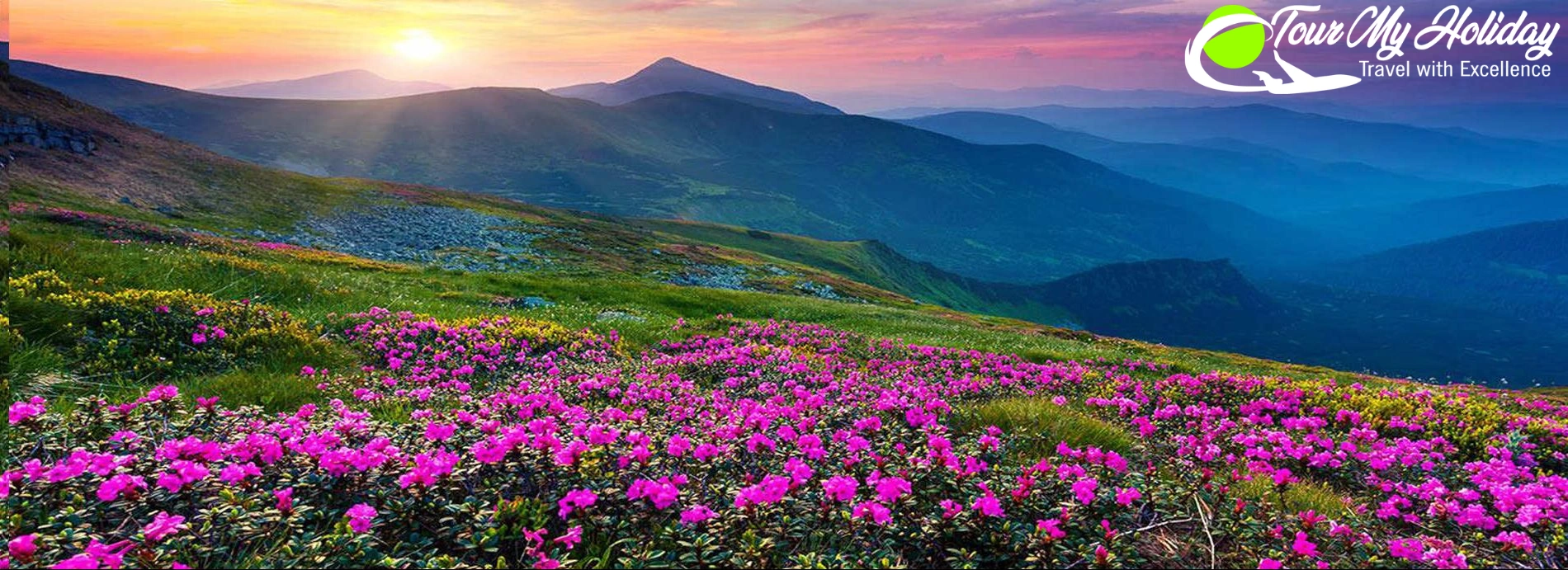
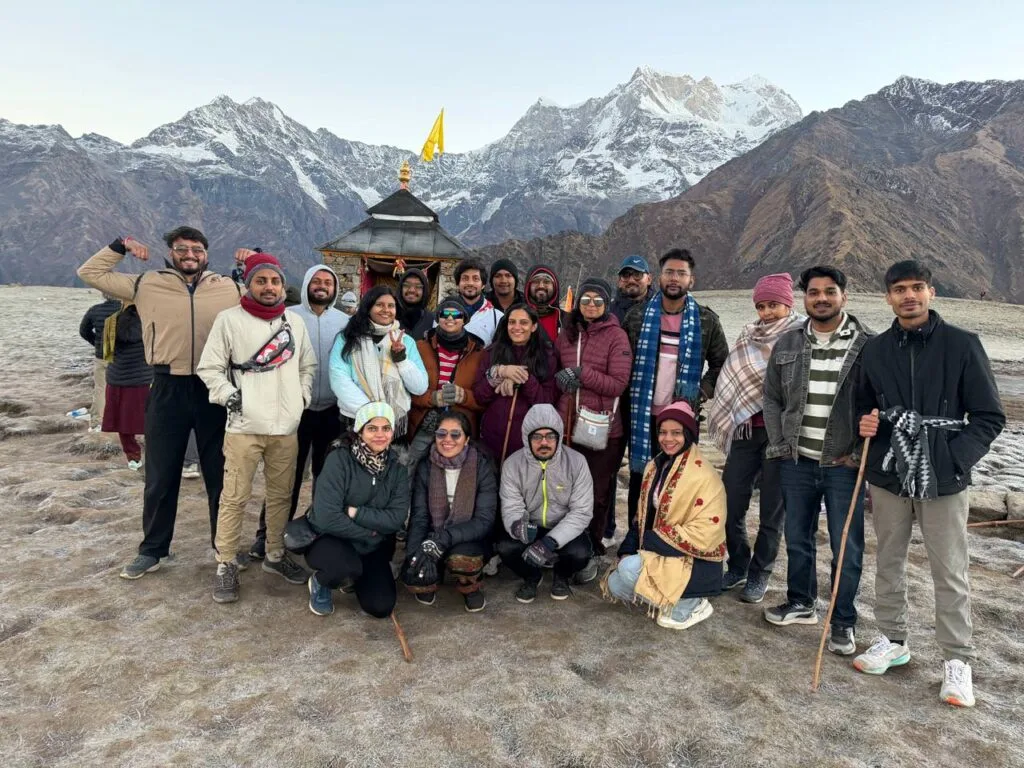
Yulla Kanda Trek, often regarded as one of the most beautiful and spiritually significant trekking destinations in Kinnaur, Himachal Pradesh, is a place that attracts both adventure seekers and devotees. Perched at a high altitude, Yulla Kanda is famous for its sacred lake, lush alpine meadows, and breathtaking views of the mighty Kinner Kailash range. Because of its elevation and remote location, choosing the right time to visit Yulla Kanda is crucial for ensuring safety, accessibility, and the best possible experience.
The ideal time to visit Yulla Kanda is during the summer and early autumn months, specifically from June to September. During this period, the weather is relatively stable, the trekking trails remain open, and the natural beauty of the region is at its peak. In these months, the snow from winter has already melted, making the paths safer for trekking. The meadows turn lush green, wildflowers bloom, and the clear skies offer mesmerizing views of the surrounding mountains, especially the sacred Kinner Kailash peak.
Visiting Yulla Kanda in June or July allows travelers to experience the freshness of early summer. Temperatures during the day generally range between 10°C to 20°C, making trekking comfortable, while the nights are pleasantly cool. This season is particularly popular among devotees who visit the Yulla Kanda Lake and the nearby Krishna Temple for religious rituals and spiritual satisfaction. The lake looks pristine during this time, reflecting the snow-covered peaks around it.
By August and September, the region becomes even more picturesque. The post-monsoon period is considered excellent for photography and camping because the air is crisp and clean after the rains. The meadows are at their greenest, and small streams flow down the valleys, adding charm to the trek. Pilgrims also prefer this time as the trails are less crowded, allowing for a peaceful spiritual journey. For adventure lovers, September is often recommended as the best month, offering a perfect mix of favorable weather, natural beauty, and manageable trekking conditions.
However, visiting Yulla Kanda outside these months is generally not advised. The winter season, lasting from November to April, makes the region almost inaccessible due to heavy snowfall. Trails remain blocked, temperatures drop significantly (sometimes below freezing), and facilities like food, shelter, and guides are hard to find. Trekking in these harsh conditions can be risky, especially for those not accustomed to high-altitude winters. For most pilgrims and trekkers, the area is officially considered “closed” during these months.
The monsoon period, particularly from mid-July to early August, also poses challenges. While the landscape looks greener and more alive, heavy rainfall in Himachal Pradesh can cause landslides, slippery trails, and sudden weather changes. Travelers planning to visit during monsoon must be extra cautious and should keep a flexible itinerary to account for possible delays. It is always recommended to check the weather forecast before starting the trek during this time.
Apart from the seasonal factors, cultural and spiritual events also influence the timing of a Yulla Kanda visit. The local villagers organize fairs and religious gatherings near the Krishna Temple and the lake during summer. Participating in these events offers visitors a chance to experience the rich culture and traditions of Kinnaur, making the journey even more memorable.
To sum up, the best time to visit Yulla Kanda is between June and September. These months offer the most favorable weather, safe trekking conditions, and stunning natural beauty. Whether you are a pilgrim seeking blessings at the sacred lake and temple, or an adventurer wishing to camp under the stars with the majestic Kinner Kailash range in view, this window ensures a comfortable and rewarding experience. Travelers are advised to avoid the harsh winters and unpredictable monsoons to ensure safety and maximize the enjoyment of their journey.
Reaching Yulla Kanda, a sacred high-altitude lake and one of the most revered spiritual destinations in Kinnaur, requires a combination of planning, awareness of local routes, and physical readiness for trekking. Located near Reckong Peo and Kalpa, Yulla Kanda is famous not only for its breathtaking Himalayan scenery but also for its deep religious significance, especially the Yulla Kanda Lake and the Krishna Temple. Many travelers and pilgrims begin their journey from Reckong Peo or Kalpa, which serve as the nearest accessible hubs for transportation, food, and accommodation.
The journey to Yulla Kanda typically begins from **Reckong Peo**, the district headquarters of Kinnaur, well-connected by road to major towns in Himachal Pradesh such as Shimla. From Shimla, Reckong Peo is approximately 220 kilometers away and can be reached in 8–10 hours by road. State-run HRTC buses and private taxis operate frequently on this route, passing through picturesque valleys, apple orchards, and small villages along the Sutlej River. Once in Reckong Peo, travelers can stock up on essentials, hire local guides, and prepare for the trek.
From Reckong Peo, most pilgrims travel to the nearby village of **Yulla**, which acts as the base point for the Yulla Kanda trek. The distance from Reckong Peo to Yulla village is around 10–12 kilometers, and it can be covered by hiring a jeep or taxi. The road is narrow, winding, and adventurous, offering stunning views of the mountains. Yulla village itself is a beautiful traditional settlement, rich in Kinnauri culture, where visitors can experience warm hospitality before beginning the trek.
For those staying in **Kalpa**, which is just 7 kilometers away from Reckong Peo, the process is similar. Kalpa is famous for its apple orchards and panoramic views of the Kinner Kailash range. Many travelers prefer to spend a night in Kalpa to acclimatize before heading toward Yulla Kanda. From Kalpa, local transport is available to Reckong Peo or directly to Yulla village.
Once at Yulla village, the real adventure begins — the **trek to Yulla Kanda**. The trek usually takes around 5–7 hours depending on physical fitness and weather conditions. The trail gradually ascends through forests of pine and deodar, opening into vast meadows filled with wildflowers during summer. Along the way, trekkers are treated to stunning views of snow-capped peaks and the rolling landscapes of Kinnaur. The trek is considered moderately difficult, making it suitable for both beginners with adequate preparation and experienced trekkers.
The highlight of the trek is reaching the **Yulla Kanda Lake**, situated at a high altitude, believed to be one of the most sacred lakes in the region. The lake is surrounded by open meadows and snow-covered mountains, offering a peaceful and divine atmosphere. Near the lake is the ancient Krishna Temple, where pilgrims gather to offer prayers. It is said that Lord Krishna himself meditated here, adding immense religious importance to the place.
Travelers should also consider the practical aspects of the journey. There are no major facilities near Yulla Kanda, so carrying essentials such as food, water, tents, and warm clothing is important. Hiring a local guide from Yulla or Reckong Peo is highly recommended, as they are familiar with the terrain and can provide valuable insights into the culture and history of the region.
Accessibility varies depending on the season. The trek is usually open from June to September, when weather conditions are favorable and the trails are clear. In winter (November to April), heavy snowfall blocks access, and the lake remains frozen, making it impossible for regular visitors to reach. Monsoon months (July and August) may bring risks of landslides or slippery trails, so travelers should remain cautious.
To summarize, reaching Yulla Kanda from Reckong Peo or Kalpa involves the following steps:
- Travel from Shimla or other Himachal towns to Reckong Peo (via bus or taxi).
- From Reckong Peo or Kalpa, hire local transport to Yulla village.
- Start the trek from Yulla village, taking approximately 5–7 hours.
- Arrive at Yulla Kanda Lake and Krishna Temple for spiritual and scenic experiences.
This combination of road journey and trekking makes Yulla Kanda both adventurous and spiritually fulfilling. The route not only tests one’s endurance but also rewards with the unparalleled beauty of the Himalayas and the deep cultural heritage of Kinnaur. With the right preparation and guidance, the journey from Reckong Peo or Kalpa to Yulla Kanda becomes an unforgettable experience blending nature, spirituality, and adventure.
The ideal duration to explore Yulla Kanda and its surrounding areas is generally 2 to 3 days. This timeframe allows both trekkers and pilgrims to enjoy the serene beauty of the high-altitude lake, experience the divine atmosphere of the Krishna Temple, and soak in the breathtaking views of the Kinner Kailash range. Whether you are planning a spiritual retreat or an adventurous Yulla Kanda trek package, allocating 2 to 3 days ensures a fulfilling and memorable journey.
The journey usually begins from Reckong Peo or Kalpa, two popular towns in Kinnaur district. From here, travelers head towards Yulla village, the base point of the trek. The road journey from Reckong Peo to Yulla village takes about 1 to 2 hours by jeep or taxi. Once in the village, trekkers prepare for the uphill journey, which typically takes 5 to 7 hours depending on fitness and weather. The trek passes through dense forests, alpine meadows, and wildflower-filled trails, offering stunning views of the Himalayas at every step.
Upon reaching the top, the highlight of the trip is the sacred Yulla Kanda Lake, located at a high altitude and surrounded by lush meadows and snow-capped peaks. The peaceful atmosphere of the lake attracts devotees and nature lovers alike. Nearby lies the Krishna Temple, a significant religious site where it is believed Lord Krishna once meditated. Pilgrims spend time here offering prayers, while trekkers simply enjoy the serenity and divine aura of the surroundings.
On the second day, travelers usually spend time exploring the meadows around the lake, camping under the starry skies, and witnessing sunrise views over the Himalayas. Many Yulla Kanda trek packages include camping facilities, bonfires, and guided exploration to make the experience more comfortable and enjoyable. The open meadows here are ideal for photography, meditation, and soaking in the pure natural environment away from city life.
The third day is typically reserved for the return journey back to Yulla village and then to Reckong Peo or Kalpa. However, those with extra time can extend their stay to explore nearby Kinnauri villages, interact with locals, and learn about their rich traditions and cultural heritage. Adding these experiences makes the overall journey more meaningful and immersive.
The best time to plan your trip or book a Yulla Kanda trek package is between June and September, when the weather is clear, the trails are safe, and the meadows are in full bloom. Monsoon months can be risky due to slippery paths, while winters are generally inaccessible because of heavy snowfall. Local guides and operators in Reckong Peo and Kalpa provide customized Yulla Kanda trek packages that include transport, camping gear, meals, and guided treks, ensuring a hassle-free adventure for both beginners and seasoned trekkers.
In conclusion, a 2 to 3-day trip is perfect to explore the divine charm of Yulla Kanda. It gives you ample time to trek through scenic trails, visit the Krishna Temple, and experience the magical beauty of the high-altitude lake. With a well-planned Yulla Kanda trek package, travelers can enjoy not only the natural wonders but also the deep spiritual significance that makes this Himalayan destination truly unique.
Reaching the sacred Yulla Kanda Lake safely is a priority for every pilgrim and traveler. Although the destination lies in a remote part of Himachal Pradesh, several safe and established travel options ensure a smooth and memorable journey to this high-altitude Himalayan lake.
By Road: The safest and most common approach is to first reach Reckong Peo or Kalpa, the main towns of Kinnaur district. Well-maintained roads connect these towns to Shimla and other parts of Himachal. From Reckong Peo, travelers can hire local taxis or jeeps to reach Yulla village, the base point of the trek. The road journey offers breathtaking views of apple orchards, pine forests, and the Sutlej River valley, making it a scenic yet safe drive.
Trekking from Yulla Village: The final stretch to Yulla Kanda Lake is a trek of about 5–7 hours from Yulla village. The trekking route is well-marked and passes through dense forests, alpine meadows, and rocky paths. During the trekking season (June–September), the trail is considered safe and is often used by both pilgrims and trekkers. Hiring a professional guide, which is usually included in a Yulla Kanda trek package, ensures extra safety and navigation support. Local guides are well-trained and aware of weather conditions and camping spots.
Camping En Route: For those who wish to take the journey slow and steady, camping en route is a safe option. Several flat meadows along the trail provide ideal camping sites. Many organized Yulla Kanda trek packages offer camping facilities, meals, and safety gear, ensuring a comfortable stay during the trek. Spending a night under the stars also enhances the overall Himalayan adventure experience.
Precautions and Best Practices: Regardless of the travel mode, it is important to plan your Yulla Kanda trip during the trekking season (June to September) when the weather is clear and trails are safe. Monsoons can bring landslides and slippery paths, while winters are inaccessible due to heavy snowfall. Carry proper trekking gear, warm clothing, a first-aid kit, and stay hydrated. Travelers are also advised to avoid carrying plastics and to respect the local traditions, as Yulla Kanda is considered a sacred site associated with Lord Krishna.
In conclusion, whether you choose a scenic road trip to Yulla village followed by the trek, or prefer an organized camping-based Yulla Kanda trek package, safe travel options are available for all. With careful planning, local guidance, and adherence to safety practices, your journey to Yulla Kanda will be both secure and spiritually enriching.
Undertaking the Yulla Kanda trek is a spiritually uplifting and adventurous experience, but trekkers must prioritize their health and safety throughout the journey. Due to the challenging terrain, high altitude, and unpredictable Himalayan weather, following essential safety tips and health precautions is crucial for a successful trip. Proper planning and preparation not only ensure safety but also make the Yulla Kanda trek package more enjoyable and memorable.
Acclimatize Properly: Yulla Kanda Lake lies at a high altitude of nearly 3,800 meters. To avoid altitude sickness, trekkers should spend a day or two acclimatizing at intermediate stops such as Reckong Peo, Kalpa, or Yulla village before starting the ascent. Gradual climbing and avoiding sudden over-exertion help the body adjust to reduced oxygen levels, minimizing risks of headaches, nausea, or fatigue.
Stay Hydrated and Eat Light: Drinking plenty of water is vital in the thin Himalayan air to prevent dehydration. Trekkers should carry refillable water bottles and purification tablets, as clean sources may not always be available along the trail. Energy-boosting snacks such as dry fruits, protein bars, and nuts are helpful during the trek. Eating light, home-style meals provided in organized Yulla Kanda trek packages helps maintain stamina and prevents digestion issues at high altitudes.
Wear Appropriate Clothing and Footwear: Weather conditions in the Himalayas can change rapidly, with warm sunshine during the day and freezing cold at night. Layered clothing is essential—light, breathable shirts for trekking, warm thermals, a waterproof jacket, and gloves for evenings. Sturdy trekking shoes with ankle support and a strong grip are mandatory to safely navigate rocky trails, meadows, and occasional snow patches on the way to Yulla Kanda Lake.
Follow Medical Guidelines and Carry Essentials: A personal medical kit should always be part of your trek gear. This should include medicines for altitude sickness, headaches, motion sickness, and first aid items like bandages, antiseptic cream, and pain relievers. Consulting a doctor before the trek is highly recommended, especially for people with respiratory or heart conditions. Many professional guides included in Yulla Kanda trek packages also carry oxygen cylinders and first-aid support for emergencies.
Use Experienced Guides and Local Support: Trekking in the Himalayas can be unpredictable, which is why traveling with experienced local guides is strongly advised. Guides are familiar with the terrain, weather patterns, and cultural practices of the region. Organized Yulla Kanda trek packages generally provide trained guides, porters, and camping staff who ensure safety, assist with carrying loads, and set up secure campsites in meadows along the trail.
Respect Weather Warnings and Travel Seasons: The best season for the Yulla Kanda trek is from June to September when the trails are clear and weather is favorable. Trekkers should avoid visiting during monsoon (July–August peak) due to landslides and slippery paths, and winters (October to May) when the region is inaccessible due to heavy snowfall. Always check local forecasts and follow the advice of guides before starting the trek.
Maintain Physical Fitness: The Yulla Kanda trek is moderately challenging and requires good endurance. Preparing your body with regular walking, jogging, or yoga weeks before the trek helps build stamina and balance. Simple exercises like squats and stretches also strengthen the legs, making the uphill climb easier and reducing the risk of injury.
Eco-Friendly Practices: Since Yulla Kanda is a sacred lake believed to be associated with Lord Krishna, trekkers should respect local traditions and avoid polluting the area. Carry reusable bottles, biodegradable waste bags, and avoid plastics. Most eco-conscious Yulla Kanda trek packages promote "leave no trace" policies to protect the pristine Himalayan environment.
In conclusion, by following these health precautions and safety tips, trekkers can make their Yulla Kanda journey both spiritually fulfilling and safe. Planning ahead, traveling with trusted guides, staying physically fit, and respecting nature will ensure that your Yulla Kanda trek package becomes a once-in-a-lifetime experience filled with adventure, peace, and divine energy of the Himalayas.
The region surrounding Yulla Kanda Lake in Kinnaur is not only famous for its sacred high-altitude lake but also offers a treasure of natural and spiritual attractions. Visitors booking a Yulla Kanda trek package can explore several nearby sites that combine Himalayan beauty, adventure, and cultural significance. These spots make the overall journey more immersive and memorable for both trekkers and devotees.
1. Yulla Kanda Lake: The centerpiece of the trek, Yulla Kanda Lake is considered one of the most sacred high-altitude lakes in Himachal Pradesh. Locals believe it is associated with Lord Krishna, adding deep religious importance. Surrounded by lush meadows and towering peaks, the lake reflects the pristine Himalayan landscape. Trekkers often set up camps near the lake under starry skies, which is included in most Yulla Kanda trek packages, making it a must-experience highlight.
2. Kinnauri Meadows: The trek to Yulla Kanda takes travelers through vast alpine meadows dotted with wildflowers. These meadows provide breathtaking panoramic views of snow-covered ranges and serve as ideal camping grounds. During summer, the meadows come alive with colorful blossoms, creating perfect opportunities for nature walks, landscape photography, and meditation amidst tranquil surroundings.
3. Kinner Kailash Views: One of the most rewarding aspects of the Yulla Kanda trek is the majestic view of the sacred Kinner Kailash peak. Known as the abode of Lord Shiva, this snow-clad mountain holds immense spiritual value among devotees. The sunrise and sunset views of Kinner Kailash from Yulla Kanda are particularly mesmerizing, and witnessing them is often described as a once-in-a-lifetime spiritual experience.
4. Traditional Villages: On the way to Yulla Kanda, trekkers pass through quaint Himachali villages such as Yulla and Rarang. These villages are rich in culture and known for their wooden architecture, apple orchards, and warm hospitality. Interacting with local communities allows travelers to understand the unique traditions of Kinnauri people. Many Yulla Kanda trek packages encourage cultural immersion by arranging homestays in these villages before starting the trek.
5. Wildlife and Bird Watching: The forests and meadows near Yulla Kanda are home to diverse Himalayan wildlife. Trekkers may spot species like the Himalayan monal, snow pigeons, and occasionally wild mountain goats grazing in the higher pastures. This makes the region an attractive destination for birdwatchers and wildlife enthusiasts who want to combine adventure with nature exploration.
6. Nearby Spiritual Shrines: The Kinnaur district is dotted with several temples and monasteries that add a cultural and spiritual dimension to the journey. Visitors often include a stop at temples dedicated to local deities, where vibrant festivals and rituals take place. Such experiences make the Yulla Kanda trek package more than just an adventure—it becomes a soulful journey.
7. Camping and Bonfire Nights: Camping in the Himalayan meadows near Yulla Kanda Lake is a unique attraction in itself. After a day of trekking, enjoying a bonfire under the clear night sky filled with stars offers peace and joy that is hard to find elsewhere. Many organized trek packages provide safe and comfortable camping arrangements, making this an unforgettable part of the experience.
8. Adventure Trails Around Yulla Kanda: Beyond the main lake trek, adventure seekers can explore smaller trails leading to hidden waterfalls, unexplored ridges, and secluded valleys. These offbeat trails offer solitude and pristine beauty for those who wish to go beyond the regular path. Guides included in Yulla Kanda trek packages often assist trekkers who want to take these side adventures safely.
In conclusion, the surroundings of Yulla Kanda provide a perfect blend of spirituality, natural beauty, cultural experiences, and adventure. From the sacred lake and panoramic views of Kinner Kailash to the charm of traditional villages and wildlife encounters, every attraction enriches the overall trekking experience. Including these destinations in your Yulla Kanda trek package ensures a journey that is not only adventurous but also spiritually rejuvenating and deeply connected to the Himalayan essence.
The Yulla Kanda trek is a blend of spirituality, natural beauty, and Himalayan adventure that attracts devotees and trekkers every year. To experience the sacred Yulla Kanda Lake, the surrounding meadows, and the mesmerizing views of Kinner Kailash, planning the trek at the right time of year is essential. The ideal duration for the Yulla Kanda trek is generally 4 to 6 days, depending on your fitness level, interest in exploring nearby attractions, and acclimatization needs. A well-planned Yulla Kanda trek package ensures that travelers enjoy both the spiritual essence and natural grandeur without feeling rushed.
Best Time to Visit Yulla Kanda: The best time to embark on the Yulla Kanda trek is from **June to September**, when the meadows bloom with wildflowers, the weather is pleasant, and trails are clear. Monsoon showers during July and August add freshness to the surroundings but can also make trails slippery, so trekkers should carry proper gear. September is considered the most ideal month as the skies remain clear, offering uninterrupted views of Kinner Kailash and other Himalayan ranges. Winters (October to April) bring heavy snowfall, making the lake inaccessible, so the trek is avoided during these months.
Day 1: Arrival at Base Village (Rarang/Yulla)
The journey usually begins with arrival at the traditional villages of Rarang or Yulla, which act as the base points for the trek. These charming Himachali villages are surrounded by apple orchards, wooden houses, and vibrant cultural traditions. Spending a night here allows trekkers to rest, interact with locals, and prepare for the uphill journey. Many Yulla Kanda trek packages include homestay experiences at this stage, adding a cultural touch to the trip.
Day 2: Trek to Intermediate Campsite
On the second day, trekkers usually begin their ascent through dense forests and scenic meadows. The moderate trails offer glimpses of snow-covered peaks and the sound of gushing streams. An overnight stay at a meadow campsite provides rest and acclimatization before reaching the higher altitude lake. Bonfire evenings and stargazing make this a memorable part of the trek.
Day 3: Trek to Yulla Kanda Lake
This is the highlight of the journey as trekkers finally reach the sacred Yulla Kanda Lake, located at an altitude of over 3,800 meters. Surrounded by green meadows and majestic peaks, the lake is deeply revered by locals as the abode of Lord Krishna. Pilgrims often perform prayers here, while trekkers set up camps by the lakeside to enjoy the serenity. The reflection of the mountains in the clear waters makes it an ideal spot for meditation and photography.
Day 4: Exploration & Acclimatization
Many trekkers choose to spend an additional day near Yulla Kanda Lake to fully soak in its tranquility. This day can be used to explore the surrounding ridges, enjoy views of Kinner Kailash, or simply rest and acclimatize. Those on spiritual tours often engage in rituals and storytelling sessions around the lake. Organized Yulla Kanda trek packages usually plan guided walks around the meadows, making this day both relaxing and enriching.
Day 5: Descent to Base Village
After experiencing the sacred lake, trekkers begin their return journey downhill. The descent is easier but requires careful steps, especially if the trails are damp due to rains. On the way back, trekkers can once again enjoy the wildflowers, forests, and cultural charm of Kinnauri villages. The day usually ends with a stay at the base village, where travelers get one last chance to interact with locals and enjoy traditional Himachali meals.
Optional Day 6: Local Exploration
Some travelers extend their trek by a day to explore nearby attractions such as village temples, apple orchards, or additional Himalayan trails. This extension provides deeper cultural immersion and gives trekkers a chance to experience the slower pace of mountain life. For photography and nature lovers, this optional day is highly rewarding.
Health & Safety Considerations: Since Yulla Kanda is a high-altitude trek, proper acclimatization, hydration, and physical fitness are crucial. Trekkers should carry layered clothing, trekking shoes, and basic medical kits. Traveling with experienced guides through a reliable Yulla Kanda trek package ensures safety, comfort, and better organization of the entire journey.
In conclusion, the best time to visit Yulla Kanda is between June and September, and the ideal duration for the trek is 4 to 6 days. This timeframe balances adventure, spiritual exploration, and cultural immersion, allowing travelers to enjoy every aspect of this Himalayan gem. Whether you are a devotee seeking peace by the lake or an adventurer looking for alpine beauty, a thoughtfully planned Yulla Kanda trek package guarantees a soulful and unforgettable experience.
Planning a journey to the sacred Yulla Kanda Lake is not just about trekking through Himalayan trails, but also about ensuring safety, convenience, and a fulfilling experience. Choosing the right Yulla Kanda trek packages and reliable Yulla Kanda tour operators can make all the difference in how smoothly your adventure unfolds. With the growing popularity of this hidden gem in Kinnaur, several travel companies now offer customized trekking packages that cater to both spiritual seekers and adventure enthusiasts.
The best Yulla Kanda trekking packages 2025 generally include services such as guided trekking support, accommodation in homestays or tents, meals during the trek, transportation from nearby towns like Reckong Peo or Shimla, and necessary permits. These inclusions ensure that trekkers focus on enjoying the scenic trails and sacred lake, while the logistics are managed by professionals.
Leading Yulla Kanda tour operators employ experienced guides who are familiar with Himalayan terrain, high-altitude safety protocols, and the cultural significance of the lake. Local operators often add a traditional touch to the packages by arranging village homestays, cultural interactions, and storytelling sessions about the legends of Yulla Kanda. This enhances the spiritual value of the trek while also supporting the local economy.
Many Yulla Kanda trek packages include camping experiences near meadows and the sacred lake. Trekkers get to enjoy bonfires under the stars, breathtaking views of Kinner Kailash, and peaceful Himalayan nights. Camping facilities are equipped with basic amenities, while operators ensure hygiene, safety, and eco-friendly practices to preserve the pristine environment.
Some Yulla Kanda trekking tours also feature extended itineraries, combining the trek with visits to other nearby attractions in Kinnaur such as Kalpa, Sangla Valley, or the traditional villages of Rarang and Yulla. These bundled packages are perfect for those who want to experience both spiritual and cultural highlights of Himachal Pradesh in one trip.
Accommodation options in the best Yulla Kanda trekking packages range from budget-friendly guesthouses in base villages to comfortable campsites near the lake. For travelers seeking more luxury, some operators arrange upgraded lodges with modern amenities, while still keeping the authentic Himalayan feel alive. Meals generally include local Himachali cuisine, offering trekkers a chance to savor regional flavors during their journey.
Safety remains the top priority for reputed Yulla Kanda trek operators. Most professional companies provide proper acclimatization breaks, medical kits, trained guides, and briefings about high-altitude sickness prevention. This makes the trek accessible even to first-time trekkers, families, or elderly devotees who wish to visit the sacred lake for spiritual reasons. Traveling with an organized group also ensures emergency support and smooth handling of unexpected weather changes.
Another highlight of premium Yulla Kanda trekking packages is that they often promote sustainable tourism. Many operators follow eco-friendly policies such as "leave no trace," proper waste management, and encouraging trekkers to respect local customs and traditions. This responsible approach not only preserves the environment but also builds a meaningful connection between travelers and the community.
In recent years, online travel platforms have made it easier to compare different Yulla Kanda trek packages from Delhi and Shimla. Travelers can now browse detailed itineraries, check reviews, compare costs, and select packages according to their fitness level, duration preferences, and budget. Many operators also provide customizable itineraries to meet the needs of solo travelers, small groups, or large family pilgrimages.
In summary, the best Yulla Kanda trek packages combine safety, cultural immersion, knowledgeable guides, and logistical ease to ensure a memorable journey. With trusted Yulla Kanda tour operators offering tailored services for 2025, your trek to this sacred Himalayan lake can be smooth, spiritually uplifting, and filled with adventure. By choosing the right package, travelers can not only witness the divine beauty of Yulla Kanda but also create unforgettable memories amidst the serene landscapes of Kinnaur.
Yulla Kanda Lake, located in the scenic Kinnaur district of Himachal Pradesh, is often described as the "Manimahesh of Himachal" due to its sacred aura and breathtaking high-altitude setting. Nestled at an elevation of nearly 3,900 meters, this pristine lake is surrounded by towering Himalayan peaks and lush green meadows, making it not only a natural wonder but also a deeply spiritual site. The history and mythology of Yulla Kanda connect the lake with Lord Krishna and the epic Mahabharata, giving it immense significance for devotees and trekkers alike.
According to local legends, Yulla Kanda mythology is rooted in the belief that Lord Krishna once visited this region. Devotees believe that the sacred lake was blessed by Krishna himself, and since then it has been regarded as a divine abode. The surrounding villagers revere the lake as the seat of Lord Krishna’s energy, and many pilgrims trek to Yulla Kanda to seek blessings of protection, prosperity, and peace.
Another important mythological narrative links Yulla Kanda Lake to the Mahabharata. It is believed that during their exile, the Pandavas traveled through this part of the Himalayas. Legends suggest that Arjuna, the mighty warrior, meditated near this lake and offered prayers to Lord Krishna, who guided him with divine wisdom. This story reinforces the belief that Yulla Kanda is a site of spiritual enlightenment and deep devotion.
The history of Yulla Kanda is also closely tied to the cultural heritage of the Kinnauri people. For centuries, local communities have considered the lake sacred and celebrate annual fairs and rituals here. During these events, villagers gather to perform traditional dances, offer prayers, and honor the deities associated with Yulla Kanda. These practices reflect the lake’s integral role in preserving the cultural and spiritual identity of the region.
Architecturally, while Yulla Kanda does not feature a grand stone temple like Kedarnath or Badrinath, it is adorned by a small shrine dedicated to Lord Krishna, built near the lake. This humble yet powerful shrine is visited by devotees who undertake the challenging trek to offer flowers, prayers, and devotion. The serene setting, with the snow-capped peaks of Kinnaur Kailash in the backdrop, enhances the sense of divine presence that surrounds the lake.
Pilgrims also believe that the waters of Yulla Kanda Lake possess healing properties. Many devotees take a dip in the lake as part of their pilgrimage, believing it cleanses them of sins and bestows spiritual strength. The crystal-clear water, untouched by pollution, reflects not just the mountains but also the faith and purity carried by generations of worshippers.
Beyond mythology, the significance of Yulla Kanda lies in its unique combination of spirituality and natural beauty. The trek to the lake passes through dense pine forests, alpine meadows, and vibrant wildflower valleys, enriching the overall experience. Trekkers often describe the journey as both physically challenging and spiritually rewarding, a balance that makes Yulla Kanda stand apart from many other Himalayan destinations.
Festivals also highlight the living history of Yulla Kanda. The annual fair, held in late summer, draws villagers and pilgrims from across Himachal Pradesh. Devotees sing bhajans dedicated to Lord Krishna, perform age-old rituals, and celebrate the divine bond between humans and nature. Such events keep the mythological narratives alive and pass them on to future generations.
In conclusion, the history and mythology of Yulla Kanda make it a sacred destination that blends devotion, legend, and natural magnificence. Its legendary connection to Lord Krishna and the Pandavas, combined with the spiritual practices of the Kinnauri people, make Yulla Kanda a unique pilgrimage site. Visiting this lake is not just an adventure or trek but a transformative journey into the heart of Himalayan spirituality. Yulla Kanda continues to inspire devotees, trekkers, and nature lovers alike, offering a timeless connection between divinity and the pristine beauty of the mountains.
During the Yulla Kanda trek, pilgrims and trekkers experience a blend of spirituality and adventure, but due to its remote high-altitude location in the Kinnaur Himalayas, accommodation and food facilities are limited compared to popular destinations like Kedarnath or Manimahesh. However, arrangements have been improving in recent years as more devotees and adventure travelers undertake this sacred journey to the "Krishna Lake of Himachal."
Accommodation Options:
Yulla Kanda being a less commercialized trekking destination, does not have hotels or resorts near the lake. Most accommodation is either in the form of camping arrangements by local guides or basic homestays in nearby villages such as Yulla and Rarang. Trekkers usually spend the night in tents set up on the lush meadows surrounding the lake, which creates a peaceful and spiritual ambiance under the starry Himalayan sky.
Local travel operators and trekking groups provide camping facilities with sleeping bags, mats, and waterproof tents. These campsites are safe and allow trekkers to enjoy the raw natural beauty of the area. Staying by the lake is considered auspicious by devotees, as it is believed that spending a night near Yulla Kanda brings blessings of Lord Krishna.
For those who prefer more comfort, homestay facilities in nearby villages offer a chance to experience Kinnauri hospitality. These homestays provide clean bedding, traditional wooden rooms, and basic amenities, while also allowing travelers to interact with locals and learn about their culture and traditions.
Since Yulla Kanda is an alpine trek, there are no luxury lodges or hotels available. Trekkers are advised to carry their own sleeping gear and make advance arrangements with a trekking guide or local operator for a hassle-free experience.
Food Facilities:
Food at Yulla Kanda is simple, wholesome, and primarily vegetarian, keeping in line with its spiritual significance. Trekkers are generally served dal, rice, chapati, and seasonal vegetables, which are easy to digest and provide the necessary energy at high altitude.
During camping, meals are usually prepared by local guides or cooks who accompany trekking groups. Hot tea, soups, and light snacks such as boiled potatoes, biscuits, and pakoras are common to keep trekkers energized throughout the journey. Since supplies have to be carried up the mountain, food options are limited but always nourishing.
In nearby villages, homestays provide traditional Himachali food prepared with local ingredients, such as siddu, rajma-chawal, and ghee-rich rotis. This adds a cultural touch to the pilgrimage, as trekkers get to taste authentic Kinnauri cuisine.
Packaged food items and bottled water are generally not available at higher altitudes near the lake, so it is recommended that travelers carry some energy bars, dry fruits, and water purification tablets. Clean drinking water is usually provided by boiling natural spring water, which is considered pure and safe when handled properly.
Facilities with Tour Packages:
Many Yulla Kanda trek packages offered by local operators include both accommodation and food arrangements. These packages usually cover tent stays, sleeping gear, vegetarian meals, and trekking support. Some also include mules for carrying luggage and cooks for preparing fresh meals, making the journey easier for pilgrims and families.
Tips for Trekkers:
- Book camping or homestay facilities in advance, especially during the annual Yulla Kanda fair when devotees gather in large numbers.
- Carry dry snacks, energy drinks, and warm water bottles, as the weather can be unpredictable and temperatures drop significantly at night.
- Always opt for hot, freshly cooked meals and boiled water to avoid health issues at high altitude.
- Travelers should bring personal medicines, warm clothing, and basic trekking gear to stay comfortable during the trip.
In conclusion, while Yulla Kanda does not offer luxury stays or elaborate dining options, the available accommodation and food facilities are sufficient to ensure a safe and spiritually uplifting experience. Whether camping under the stars beside the lake or enjoying local hospitality in Kinnauri villages, the simplicity of life here complements the divine aura of Yulla Kanda. Pilgrims and trekkers alike return with not just memories of the breathtaking Himalayas, but also a deep sense of connection to nature and spirituality.