
Can we visit Chopta in January?
Published on December 03, 2025
January paints Chopta in its rawest, coldest, and most beautiful form. If you’re someone who dreams of walking through snow-filled forests, watching white meadows glow under winter sunlight, and feeling the quiet of the mountains like never before, then yes—January is an unforgettable time to be here. Many travellers book a chopta tour package specifically in this month because Chopta looks straight out of a winter postcard.
But January also brings challenges. Temperatures often drop below freezing, and snowfall can be heavy. Roads may slow down, and the famous chopta tungnath trek becomes tougher, sometimes only open till a certain point depending on snow depth. For adventure lovers, this adds excitement; for beginners, it demands preparation, good shoes, and proper winter gear.
If you are planning a Chopta Tour Package from Delhi, January offers a stark contrast to city life. You leave behind traffic and noise, and within hours you’re surrounded by snow-covered mountains and pine forests that feel untouched. The journey is longer and colder, but the reward is serene Himalayan silence and stunning winter landscapes.
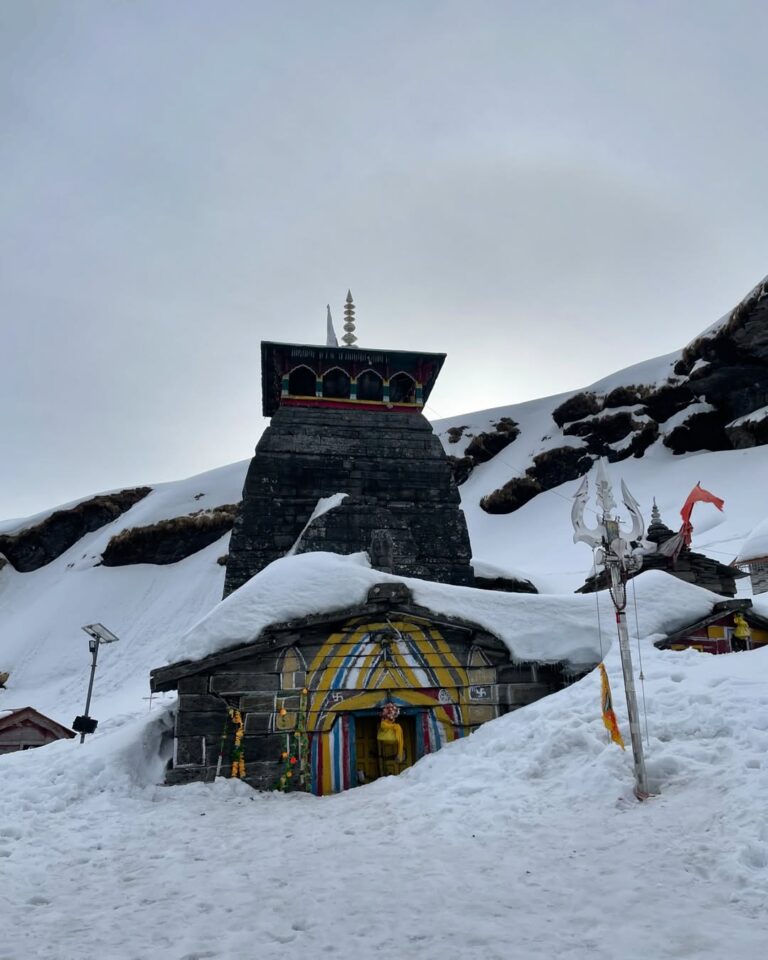
What to Expect in Chopta During January
January in Chopta feels like stepping into a serene white world where everything slows down, and nature speaks in silence. The entire region gets wrapped in layers of fresh snow, turning every meadow, trail, and forest into a peaceful winter escape. If you’re planning the chopta chandrashila trek from delhi during this month, be ready for a landscape that looks magical but demands preparation and patience.
Days are cold but stunning—clear blue skies, frosted pine trees, and sunlight reflecting off thick snow. Nights are even colder, often dipping well below freezing, so travellers must pack heavy winter layers, thermals, and proper trekking shoes.
The chandrashila summit trek becomes a true winter adventure in January. Snow makes the trails steeper and slower, but every step rewards you with breathtaking views. Whether you trek only till Tungnath or push further toward Chandrashila, the serene silence and snow-draped mountains create an experience you’ll never forget.
Expect fewer crowds, deeper peace, and crisp mountain air that feels refreshing after the long journey from Delhi. January is challenging—but also one of the most beautiful times to witness Chopta in its pure winter form.
Weather Conditions: How Cold Does Chopta Get?
Chopta’s weather changes sharply through the year, but winter months—especially January—bring the coldest temperatures. Here’s a clear month-by-month feel of how cold Chopta gets:
January – Deep Winter Freeze
January is the coldest month in Chopta. Temperatures often drop to -10°C at night, and the region stays covered in thick snow. Days remain cold too, usually between -2°C to 5°C. This is the peak winter month when the entire valley turns into a snowy wonderland.
February – Cold but Slightly Softer
February continues to be very cold, though slightly milder than January. Nights stay around -6°C to -8°C, and days slowly rise to 2°C–7°C. Snow remains on the ground, especially on higher trails.
March – Winter Begins to Melt
March brings a relief from harsh winter. Days become pleasant at 5°C–12°C, while nights remain chilly at 0°C–4°C. Snow starts melting, but trekking routes like Tungnath may still hold patches of ice.
April – Start of the Comfortable Season
April feels refreshing with daytime temperatures around 10°C–18°C. Nights stay cool between 4°C–8°C. Snow disappears from lower Chopta, though higher points may still have leftover patches.
May – Pleasant and Popular
May is one of the best months, with days at 12°C–20°C and nights around 6°C–10°C. Perfect for trekking with clear skies and green meadows.
June – Mild and Green
June stays similar to May, with temperatures between 15°C–22°C in the day and 8°C–12°C at night. Rain begins in the last week.
July – Monsoon Arrives
July brings rain and mist. Day temperatures stay around 15°C–18°C, and nights are between 10°C–12°C. Trails become slippery due to monsoon showers.
August – Wet and Foggy
August continues the monsoon pattern, with temperatures between 15°C–17°C. Nights hover around 10°C–11°C. Clouds, fog, and rain dominate the landscape.
September – Clear and Cool
After monsoon, the skies open up. Days are a pleasant 12°C–18°C, and nights drop to 6°C–8°C. It’s a great time for trekking.
October – Beginning of the Chill
October brings crisp air and clear skies. Days stay between 10°C–16°C, while nights fall to 2°C–5°C. The cold returns slowly.
November – Winter Knocks In
November feels colder with daytime temperatures at 6°C–12°C and nights often dropping close to 0°C. Snowfall may begin at higher altitudes.
December – Pre-Winter Snow
December marks the start of heavy winter. Days stay around 2°C–8°C, and nights frequently drop below -2°C to -5°C. Snowfall begins, especially after mid-December.
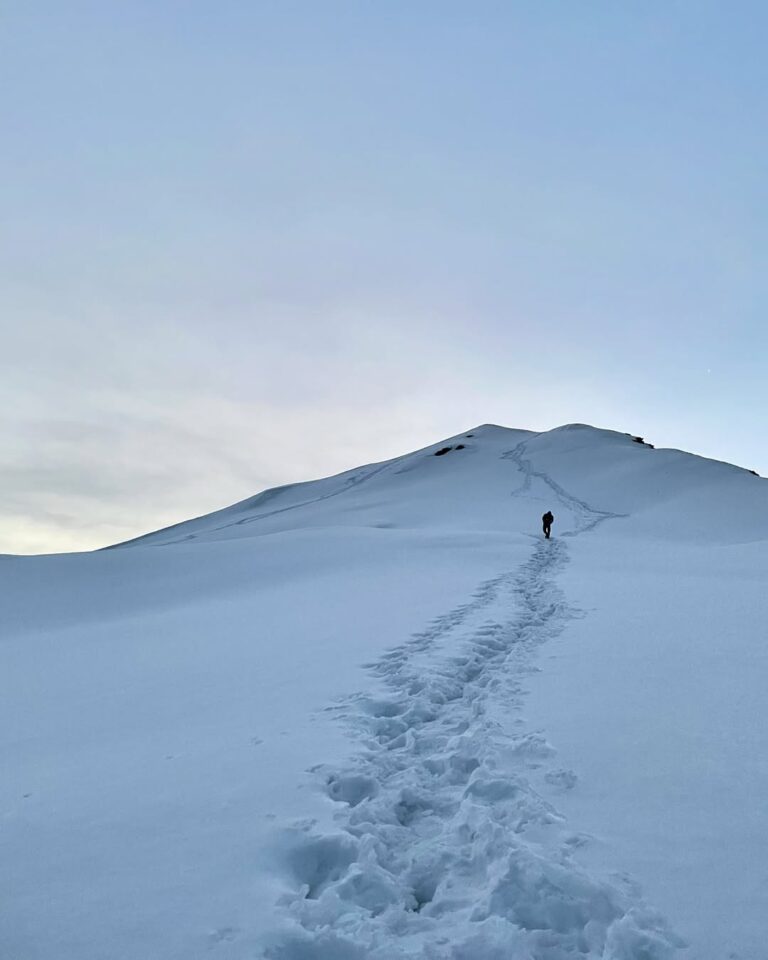
Snowfall in January: A Winter Wonderland Awaits
January is when Chopta turns into a sparkling white paradise, wrapped in fresh layers of snow that make the entire valley look magical. If you are planning a Chopta Tour Package, this is the month that offers the most breathtaking winter scenery—silent forests, snow-draped meadows, and mountain peaks shining under the winter sun. Every step you take feels like you’re walking through nature’s own snow globe.
For travellers beginning their journey with a chopta tour package from delhi, the transformation is even more dramatic. You leave behind the hustle of the capital and gradually move into the calm of the Himalayas, where the first touch of snow instantly makes you forget city life. The moment you reach Chopta, the crisp air, soft snowfall, and peaceful surroundings make the long trip completely worth it.
The famous chopta tungnath trek becomes a true winter adventure in January. Trails get blanketed in snow, turning the trek into a slow but incredibly rewarding experience. The forests look enchanting, Tungnath’s path feels mystical, and Chandrashila’s slopes glow under the morning light. Though the trek becomes more challenging due to snow, the views you get are unmatched—pure, quiet, and deeply serene.
January snowfall doesn’t just decorate Chopta; it transforms it. It’s the perfect time for snow lovers, photographers, and adventure seekers who want a Himalayan winter straight from a dream.
Road Conditions & Accessibility in Peak Winter
Reaching Chopta in peak winter is an experience filled with beauty, challenge, and unpredictability. January brings heavy snowfall, and with it, the road conditions change almost daily. If you're planning the chopta tungnath trek from delhi, it’s important to know what the journey feels like in this season. The drive from Delhi is smooth until you approach higher altitudes, but once you enter the Chopta stretch, the roads often get slippery, narrow, and sometimes blocked due to fresh snowfall.
The final approach to Chopta may not always be motorable. Vehicles often stop a few kilometres before the main spot, and from there, you might have to walk on snow-covered paths. This is where the journey becomes exciting for trekkers heading towards the tungnath temple trek. The snow adds charm, but also requires caution—good shoes, warm layers, and patience with the pace of the climb.
The tungnath trek and the trail ahead to Chandrashila see the same winter challenges. Snow can pile up on the steps, making the route slower and steeper. Forest sections become breathtakingly beautiful with snow resting on branches, but trekkers must be mindful of icy patches.
For adventure lovers, the chandrashila trek in peak winter is a reward like no other. Although accessibility depends on snowfall levels and local conditions, the journey feels more peaceful, with fewer crowds and untouched snow trails.
In peak winter, Chopta’s accessibility is not guaranteed—but that’s part of its charm. Roads may test your patience, but the views, silence, and pure winter magic make every challenge feel worth it.
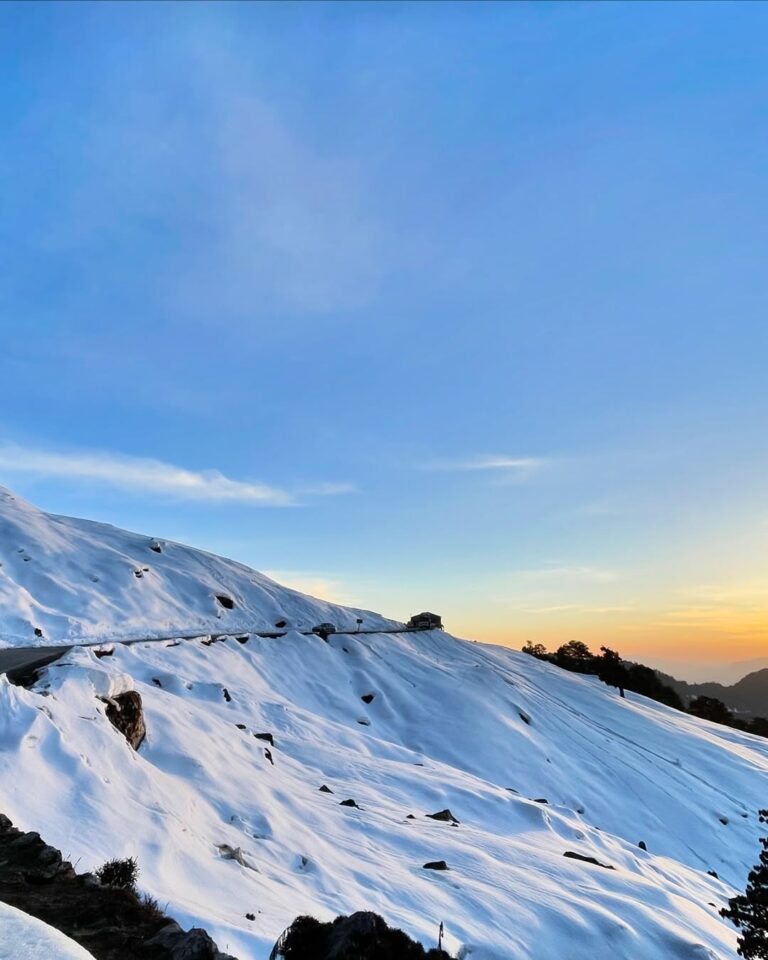
Is the Chopta Tungnath Trek Open in January?
Yes, the Chopta Tungnath trek is open in January, but not in the same way as other seasons. January brings heavy snowfall to Chopta, turning the entire trek route into a winter adventure. The trail to Tungnath usually remains partially accessible, but how far you can go depends on the snowfall level that week.
Most travellers can reach a good portion of the trail, but the final stretch towards the Tungnath temple often gets covered in deep snow, making the climb steeper and slower. With proper gear—snow grips, trekking poles, warm clothing —you can still attempt the trek safely. Many winter trekkers enjoy this season because the path becomes quieter, more beautiful, and deeply peaceful.
The extension from Tungnath to Chandrashila is usually more difficult in January. This section receives heavier snow and often becomes too slippery to climb without professional guidance. Some days, local authorities or guides may restrict access if the weather turns unsafe.
So, while the Chopta Tungnath trek doesn’t “close,” January transforms it into a snow trek, suitable for well-prepared hikers who want the raw beauty of winter. If you’re seeking adventure, solitude, and snow-filled trails, January offers an unforgettable experience.
Safety Tips for a January Trip to Chopta
A January trip to Chopta is stunning, but it also demands smart preparation. The mountains get covered in thick layers of snow, temperatures drop sharply, and trails become slow and slippery. If you’re planning the tungnath temple trek, the tungnath trek, or even pushing towards the chandrashila trek, staying safe should be your top priority—especially if you are beginning your Tungnath Chandrashila Trek from Delhi.
Here are the essential safety tips in fresh, original language:
1. Prepare for Extreme Cold
January nights in Chopta can be painfully cold. Carry heavy thermals, waterproof jackets, woollen socks, and insulated gloves. Proper layering is non-negotiable for high-altitude winter treks.
2. Use Good Snow-Proof Footwear
Regular sneakers won’t survive these trails. Wear waterproof trekking shoes with a strong grip. For the Tungnath and Chandrashila routes, carry microspikes or crampons to walk safely on icy patches.
3. Always Check Weather Updates
Snowfall can start anytime. Before beginning the tungnath trek or heading towards Chandrashila, check local weather reports. A clear sky in the morning can turn cloudy within an hour.
4. Hire a Local Guide
January is not the season to trek alone. A guide helps you navigate hidden icy sections, snow-covered turns, and gives you real-time knowledge about safe routes on the chandrashila trek.
5. Start Early—Always
Winter days are short. Begin your tungnath temple trek early in the morning so you have enough daylight to return. Avoid trekking after sunset at all costs.
6. Stay Hydrated Even in the Cold
People often drink less water in winter, but dehydration happens faster in cold weather. Keep sipping warm water or carry a flask to stay hydrated throughout your journey.
7. Respect Altitude Changes
Even though Chopta is not extremely high, the climb to Tungnath and then Chandrashila can cause breathlessness. Walk slowly, take breaks, and avoid rushing.
8. Don’t Attempt Chandrashila in Bad Weather
The final climb to Chandrashila is very steep in snow. If the weather turns harsh or winds pick up, turn back. Safety always comes before the summit.
9. Keep Emergency Gear Handy
Carry a headlamp, first-aid kit, extra batteries, and a fully charged power bank. Snowy trails can turn dark quickly if clouds cover the sun.
10. Book Safe Winter Stays
Choose guesthouses or camps with proper heating options, warm bedding, and access to hot water. January nights can be too cold without proper insulation.
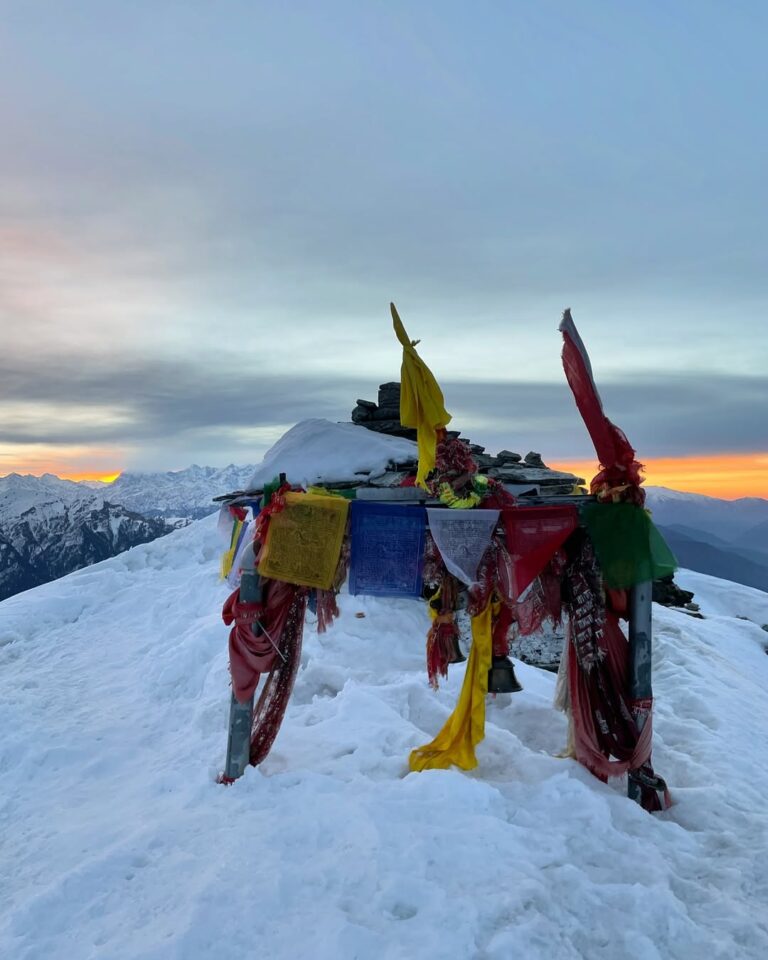
What to Pack for Chopta’s Harsh Winter?
Packing for Chopta in winter—especially in January—is all about staying warm, dry, and safe. The temperatures drop below freezing, snow covers the trails, and cold winds make even simple walks feel tougher. Here’s the most practical, original, and easy-to-follow packing list to help you face Chopta’s harsh winter confidently:
1. Heavy Winter Jackets (Insulated & Waterproof)
A thick, insulated, waterproof jacket is your best friend in Chopta. The wind at higher points like Tungnath and Chandrashila can feel freezing, so choose a jacket that traps heat and blocks wind.
2. Thermals for Layering
Carry at least two sets of thermals (upper and lower). Layering helps keep your body warm even when the temperature dips below 5°C.
3. Woollen Sweaters & Fleece Pullovers
Use fleece for daytime warmth and woollen sweaters for evenings. These layers trap heat effectively without feeling too heavy.
4. Waterproof Trekking Shoes with Strong Grip
Snowy trails demand waterproof shoes with a solid grip. Regular shoes slip on ice and get wet easily. For trekkers, microspikes or crampons add extra safety.
5. Woollen Socks (3–4 pairs)
Cold feet can ruin your entire day. Carry thick woollen socks and an extra pair for nights.
6. Gloves (Warm + Waterproof)
Two types of gloves:
-
Woollen gloves for warmth
-
Waterproof gloves for snowwork or trekking
7. Muffler, Scarf, or Neck Warmer
Cold air hits the neck and chest first. A woollen scarf or neck gaiter keeps you protected during long walks.
8. Woollen Caps or Beanies
Most body heat escapes from the head. A good woollen cap is mandatory.
9. Sunglasses (Snow Glare Protection)
Snow reflects sunlight strongly. Sunglasses prevent headaches, eye strain, and snow blindness.
10. Sunscreen & Lip Balm
Winter sun can burn too. Use sunscreen and lip balm to avoid dryness and cracks.
11. Hot Water Bottle or Heat Pouch
Perfect for cold nights. Slip it inside your sleeping bag or under the blanket.
12. Trekking Poles
Useful if you’re trekking in snow—especially toward Tungnath and Chandrashila. It gives balance on slippery patches.
13. Power Bank & Extra Batteries
Cold drains battery life quickly. Carry a power bank and spare batteries for torches and cameras.
14. Headlamp or Torch
Avoid walking in the dark. A headlamp keeps your hands free during snowy treks.
15. Personal Medicines & First Aid
Include:
-
Painkillers
-
Cold/fever tablets
-
ORS hydration packets
-
Band-aids
-
Motion sickness tablets (for winding roads)
16. Waterproof Backpack Cover
Snow and mist can wet your bag. Keep your essentials safe with a rain cover or waterproof layer.
17. Snacks & Energy Bars
Winter trekking burns more calories. Carry chocolates, dry fruits, protein bars, and biscuits for quick energy.
Who Should Visit Chopta in January (and Who Should Avoid It)
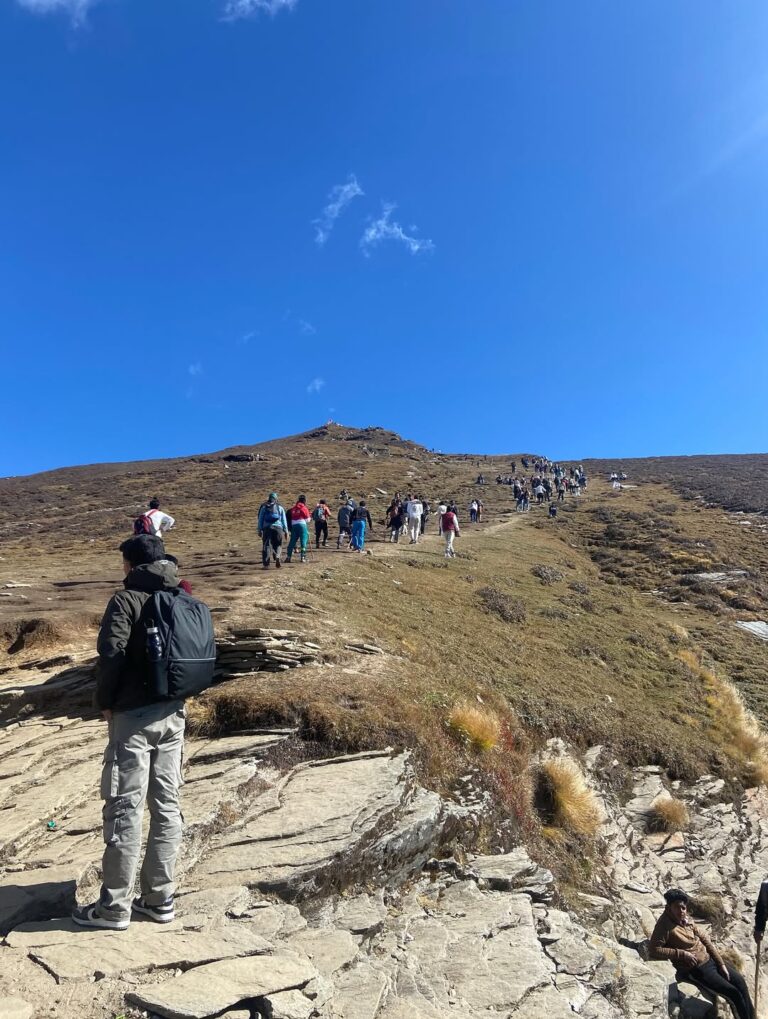
January in Chopta is not for everyone—but for the right traveller, it becomes an unforgettable winter story. With deep snow, icy trails, and freezing temperatures, this is the month when the mountains reveal their quiet, untouched beauty. If you’re dreaming about the chandrashila summit trek or planning the Chopta Tungnath trek from Delhi, here’s who should take on this adventure—and who may want to choose a milder month instead.
✔️ Who Should Visit Chopta in January
1. Snow Lovers & Winter Seekers
If your idea of happiness is walking through thick snow, watching soft flakes fall on tall pine trees, and waking up to white meadows, January is your dream month.
2. Experienced Trekkers
The chandrashila summit trek and the trail to Tungnath become more challenging in winter. Those who already have trekking experience and know how to walk on icy slopes will find this season thrilling and rewarding.
3. Adventure Travellers
If you love unpredictable weather, raw landscapes, and the thrill of navigating snow trails, January gives you a pure Himalayan adventure you won’t forget.
4. Photographers & Nature Lovers
January offers a snowy canvas that looks magical in every frame—frosty trees, sunrise over snow peaks, and quiet forests. Photographers will find countless winter-shot opportunities.
5. Travellers Seeking Peace & Solitude
Crowds disappear in January. If you want silence, slow mornings, and peaceful trails during your Chopta Tungnath Trek from Delhi, this is the perfect month.
❌ Who Should Avoid Chopta in January
1. First-Time Trekkers Without Winter Experience
Winter trails can be slippery and physically demanding. If you’ve never trekked before, starting with a snow trek might feel overwhelming.
2. Travellers Sensitive to Cold
Night temperatures often drop below freezing. Anyone uncomfortable with harsh cold or high-altitude weather should avoid January.
3. Families with Small Children or Elderly Members
The cold can be too intense, and walking on snow is tiring. January isn’t ideal for kids, elderly travellers, or those needing easy accessibility.
4. Comfort Seekers
If your priority is warm weather, smooth roads, and easy sightseeing, January is not the right month. Expect basic stays, frozen water lines, and weather-related delays.
5. People with Respiratory or Heart Conditions
Cold temperatures and altitude can make breathing difficult. It's safer to visit in the warmer months.
Why January is Magical for Snow Lovers
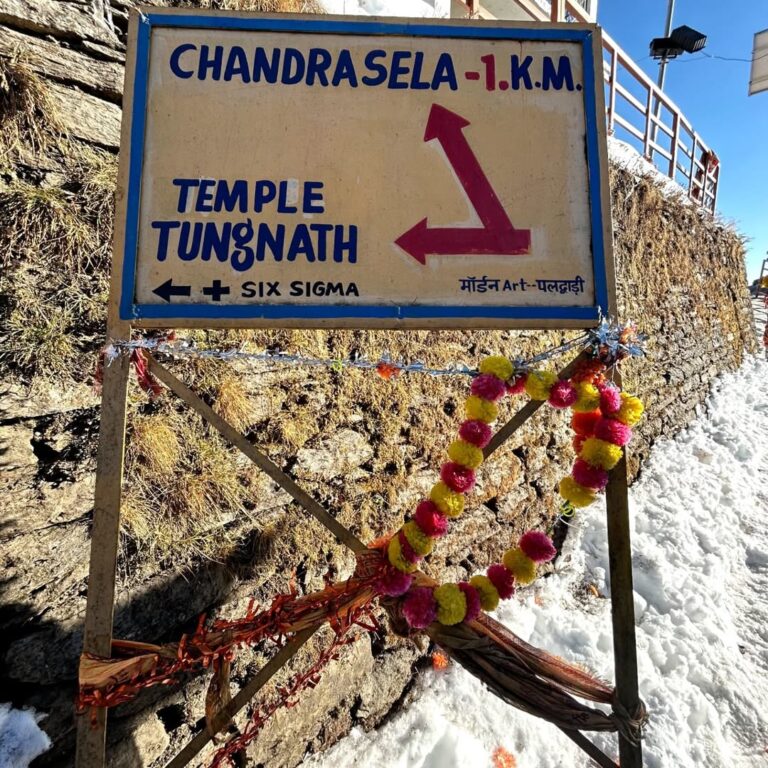
January turns Chopta into a quiet, glittering world made entirely of snow. For anyone who dreams of soft white landscapes and peaceful winter mornings, this month feels nothing less than pure magic. The moment you arrive, the air becomes crisp, the forests look freshly dusted, and the mountains appear wrapped in a sparkling winter blanket.
Snow falls gently over the meadows, covering every rock, pine tree, and trekking path in a soft white glow. The silence is the most beautiful part—no crowds, no noise, just the sound of snow crunching under your boots. Sunrises look golden on snowy peaks, and sunsets paint the entire sky pink and orange, reflecting over frozen fields.
January also brings that rare kind of winter stillness you never find in busy seasons. Whether you're walking through snow-clad forests, sipping hot tea with icy air brushing your face, or simply watching fluffy clouds float above the white valley, everything feels peaceful and dreamlike.
For snow lovers, January isn’t just a month—it’s a memory you carry forever, a chance to experience the Himalayas in their most magical, untouched form.
Challenges You Must Be Ready For
A January trip to Chopta is breathtaking, but it also comes with real challenges you must be prepared for—especially if you’re planning a Chopta tour package, beginning your travel with a Chopta tour package from Delhi, or aiming for the adventurous Chopta Tungnath trek. Winter here is beautiful, but it’s not gentle. Here are the biggest hurdles you should expect:
1. Extreme Cold That Tests Your Endurance
Temperatures in January often fall below freezing, especially at night. Even layered clothing can feel insufficient when icy winds blow across the meadows. If you’re not used to harsh winters, Chopta’s cold will push your limits.
2. Heavy Snowfall Blocking Roads
Snowfall is unpredictable in January. Roads leading to Chopta may get temporarily blocked or become slippery and dangerous. If you're coming through a chopta tour package from Delhi, expect slow travel, delays, and possible rerouting.
3. Slippery Trails on the Tungnath Route
The Chopta Tungnath trek becomes significantly more challenging in January. Snow covers the steps, ice forms on the slopes, and certain sections get tricky to climb. Proper footwear is essential, and trekking without spikes can be unsafe.
4. Limited Facilities in Winter
Many shops, dhabas, and camps close during peak winter. Warm water may be limited, and electricity can fluctuate. You must carry essentials and keep your expectations flexible.
5. Short Daylight Hours
Winter days in Chopta are short. You must start treks early and return before sunset. The cold becomes harsher after dark, and visibility drops quickly on snowy paths.
6. Higher Physical Effort Required
Walking in snow demands more energy than normal trekking. The path to Tungnath becomes slower, steeper, and physically tiring. If you're planning the trek as part of a chopta tour package, be mentally prepared for the extra effort.
7. Possible Restriction on Higher Routes
Due to deep snow, local guides or authorities may sometimes restrict access to the upper stretch towards Tungnath or Chandrashila. Safety becomes the priority, not the summit.
8. Risk of Weather Changes
January weather can shift from bright sunshine to sudden snowfall within minutes. Staying updated, carrying proper winter gear, and being flexible with plans are essential.
Final Verdict: Is a January Trip to Chopta Worth It?
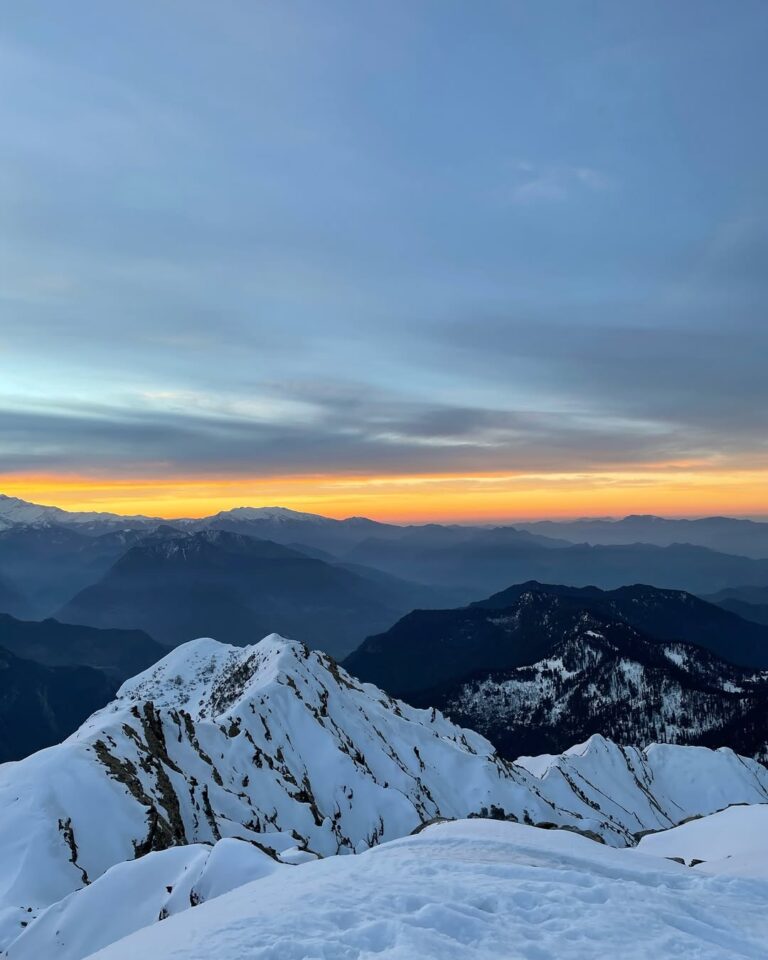
Absolutely—yes, a January trip to Chopta is worth it, but only if you’re ready for the kind of winter that tests your stamina and rewards your spirit. January turns Chopta into a peaceful white wonderland where every pine tree, meadow, and mountain slope glows under layers of fresh snow. If you love quiet landscapes, snowfall, and the calm of high-altitude winters, this month delivers an experience you won’t find in any other season.
For trekkers, January brings a different kind of charm. The Tungnath Temple Trek becomes a snowy adventure, where each step feels like a journey through a magical winter forest. The tungnath trek may be slower and more challenging due to ice, but it also becomes more serene, more spiritual, and far less crowded. The trail to Chandrashila shines the brightest—literally. Fresh snow on the chandrashila trek reflects the morning sun, creating landscapes that look almost unreal.
However, Chopta in January is not for everyone. It’s cold, remote, and unpredictable. Roads may close, the weather may change suddenly, and trekking requires good gear and patience. But for those who enjoy adventure, silence, and raw Himalayan beauty, these challenges only make the journey more memorable.
The final word?
If you’re seeking comfort, January may be tough.
If you’re seeking magic, January is unbeatable.
Frequently Asked Questions:
1. Is Chopta accessible in January?
Yes, Chopta is accessible in January, but snowfall can sometimes block certain road sections. Drivers need to be cautious, and delays are common in the peak winter.
2. Can I do the Tungnath Temple Trek in January?
Yes, the tungnath temple trek is open, but the trail becomes icy and covered with deep snow. Trekking with proper winter gear and a local guide is highly recommended.
3. Is the Chandrashila Trek safe in January?
The chandrashila trek is more challenging in January because the final stretch becomes steep and slippery. Safe to attempt only with the right gear and favourable weather.
4. How cold does Chopta get in January?
Temperatures can drop to -5°C to -10°C at night, with daytime temperatures often staying between 0°C and 5°C. Strong winds make it feel even colder.
5. Is January a good time for the Chopta Tungnath Trek from Delhi?
Yes, but it’s ideal for trekkers who enjoy snow and adventure. The Chopta Tungnath trek from Delhi in January offers stunning winter views but requires physical preparation and warm clothing.
6. What should I pack for Chopta in January?
Pack thermals, waterproof jackets, snow-proof trekking shoes, woollen caps, gloves, microspikes, trekking poles, and a headlamp. Winter-specific gear is essential.
7. Will I get snowfall in Chopta in January?
Almost certainly. January is the peak snowfall month, making it the best time for snow lovers to experience white landscapes and fresh snow trails.
8. Are stays and food facilities available in January?
Yes, but limited. Many camps shut down in winter, so expect basic stays with essential heating. Food options are fewer but sufficient in the main areas.
9. Is January safe for beginners who want to trek?
Beginners can visit Chopta in January, but trekking may feel tough due to the snow and cold. Hiring a guide and starting with shorter distances is advisable.
10. Is a January trip to Chopta worth it?
Absolutely—for adventure seekers, snow lovers, and those who enjoy peaceful Himalayan winters. If you want comfort and easy mobility, consider visiting in a milder month.


