
Madmaheshwar Trek at Night – Things Nobody Tells You
Published on May 13, 2026
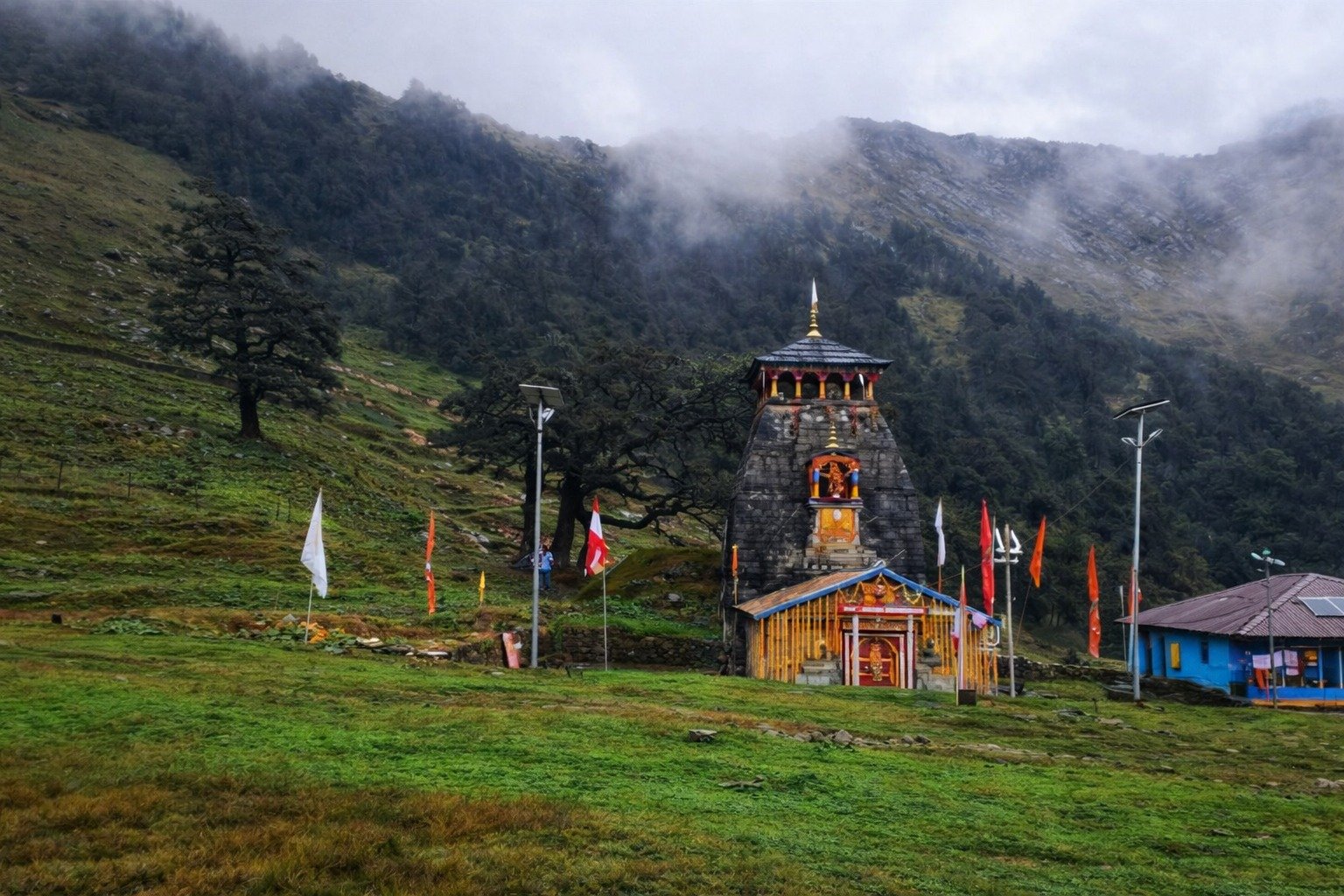
There are treks you do for Instagram. And then there is Madmaheshwar — a trek you do for the soul. Sitting at an altitude of approximately 3,497 metres in the Kedarnath Wildlife Sanctuary of Uttarakhand, the Madmaheshwar Temple is one of the sacred Panch Kedar shrines dedicated to Lord Shiva. Thousands of pilgrims and trekkers visit every season. But here is what the travel blogs and package brochures will never tell you: the real magic — and the real danger — of Madmaheshwar reveals itself only after sunset.
If you are planning this trek and thinking of pushing through the night or camping under the stars near the Temple Meadows, this guide is written for you. This is not a sanitised itinerary. This is experience talking.
The Trail Changes Completely After Dark
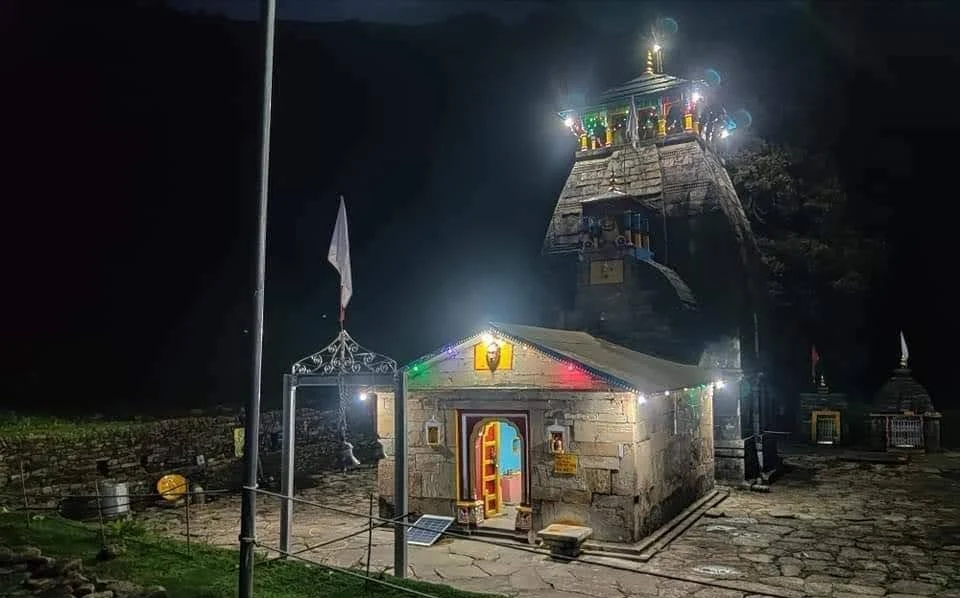
Most trekkers begin from Ransi or Bantoli, covering around 16 kilometres over two days. The route passes through dense rhododendron and oak forests, open alpine meadows, and narrow ridgelines. In daylight, the path is reasonably marked. After dark, it becomes an entirely different world.
The forest sections near Nanauti and Bantoli lose all visible definition once the sun drops. Shadows merge with the trail. Roots and stones that were obvious at noon become invisible traps at 9 PM. The gurgling sound of the Madmaheshwar River, which feels soothing during the day, becomes disorienting at night because the sound bounces off the valley walls from multiple directions.
Nobody tells you this: your depth perception collapses in the Himalayan darkness. Even with a headlamp, the beam illuminates only a narrow cone. The surrounding blackness feels pressingly close. First-time night trekkers often freeze — not from cold, but from spatial panic.
What to do: Use a wide-beam lantern in addition to a headlamp. Walk in a group and keep verbal contact. If you are doing a night push from Bantoli to the upper meadows, leave no later than 2 AM so you catch the pre-dawn grey before the most exposed ridgeline sections.
The Cold Is a Different Animal at Night
Madmaheshwar sits well above 3,400 metres. During trekking season (May to November), daytime temperatures are manageable — 8°C to 15°C depending on the month. But after sunset, temperatures plunge dramatically. In late September and October, it is common for temperatures to drop below -2°C near the summit meadows, even when the afternoon feels warm.
The problem is not just the cold — it is the wind. The valley funnels air in a particular way that creates sudden, sharp gusts after midnight. Trekkers who were comfortable at 10 PM find themselves dangerously underdressed by 2 AM. Hypothermia in the Himalayas does not announce itself. It creeps in through wet socks, a thin base layer, or simply staying stationary too long.
Nobody tells you this: your body burns through calories at triple the rate at night at altitude. If you are trekking or even sitting at a campsite above 3,000 metres after dark, you need to eat more than you think. Most trekkers skip dinner because they are exhausted — and then wonder why they feel dizzy and weak at 3 AM.
What to do: Carry a sleeping bag rated for at least -10°C. Pack a thermal layer specifically for night use that you do not wear during the day (so it stays dry). Always eat a proper hot meal at your campsite, even if you have no appetite.
The Sky Is the Real Reason to Be Here
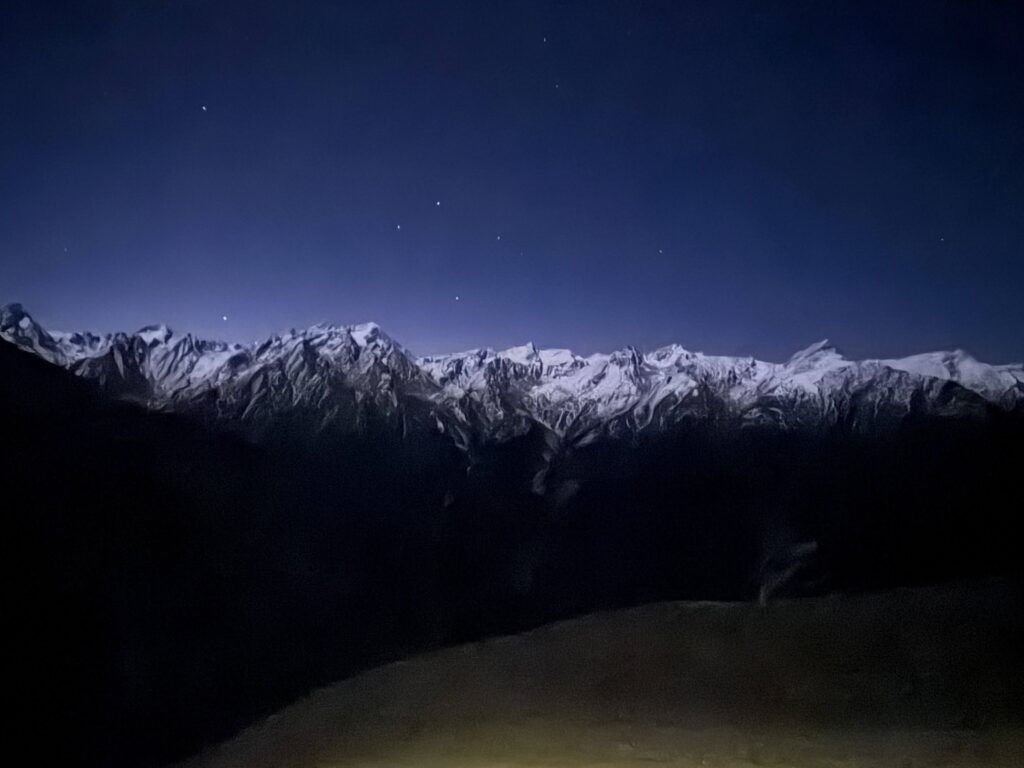
Here is the thing nobody makes enough noise about — the night sky above Madmaheshwar meadows is one of the most extraordinary things you will ever witness in your life. The campsite near the temple sits in a natural bowl, shielded from artificial light. On a clear night, the Milky Way is not just visible — it is architectural. It feels like a ceiling just above your head.
The area is far from any major town with light pollution. At 3,500 metres, the atmosphere is thinner and the air drier than in the plains. You will see stars you did not know existed. Shooting stars appear multiple times per hour during the August Perseid season. Trekkers who have camped here consistently describe the night sky as the defining memory of the entire journey.
Nobody tells you this: the best viewing window is between 11 PM and 3 AM. The meadow faces southwest, which gives you an unobstructed arc of sky that is perfect for stargazing. If you are carrying a smartphone with a night photography mode, the shots you capture here will be genuinely extraordinary.
The Temple Atmosphere After Midnight Is Otherworldly
The Madmaheshwar Temple is managed by the Devasthanam Board and follows strict rituals. The evening aarti typically happens around sunset. After that, the temple is closed to general visitors. But the atmosphere around the temple complex in the hours after aarti — the smell of dhoop, the distant sound of the river, the prayer flags snapping in the night wind, and the silence — is something pilgrims describe as deeply moving.
Nobody tells you this: the local priests and sevayats often chant through parts of the night. If you are camped nearby, you will hear faint mantras drifting across the meadow at unexpected hours. Many trekkers, including those who are not particularly religious, describe feeling profoundly peaceful in these moments. It is not something you can manufacture. It happens in the silence.
Wildlife Is More Active — And Closer — Than You Think
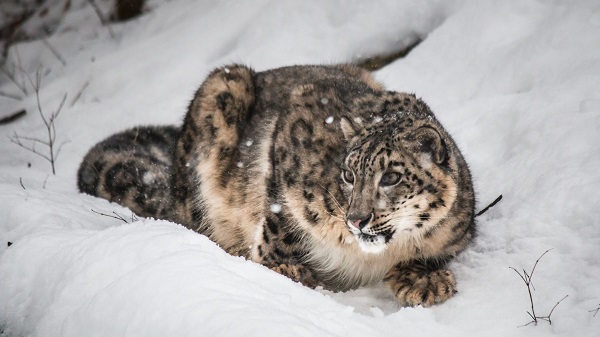
The Kedarnath Wildlife Sanctuary is home to snow leopards, Himalayan black bears, musk deer, and bharal. During the day, wildlife sightings are rare because the animals avoid the noise of trekkers. At night, that dynamic reverses entirely.
Nobody tells you this: Himalayan black bears are active after dark, particularly in the forest sections between Bantoli and Nanauti. They are attracted to food smells in campsites. Every year, there are incidents — not all of them reported publicly — of bears approaching tents. The rule is simple but non-negotiable: do not store food inside your tent.
Musk deer, meanwhile, are curious and will approach campsites silently. Waking up to one grazing three metres from your tent is both magical and startling. Snow leopard sightings above the meadows are rare but not unheard of in October.
What to do: Store all food in a sealed bag hung from a tree or inside a vehicle. Do not cook near your sleeping area. Carry a whistle.
The Morning Reward Makes Everything Worth It
After everything the night throws at you — the cold, the darkness, the altitude, the bears — dawn at Madmaheshwar delivers something that silences all complaints. The first light hits the Kedarnath and Chaukhamba peaks directly in front of the meadow. For approximately 20 minutes, the mountains turn from grey to pink to blazing gold. Nothing in the plains prepares you for this.
Trekkers who pushed through the night to be at the meadow by 5 AM consistently say it was the right decision.
Final Thoughts: Come Prepared, Not Fearful
Madmaheshwar at night is not for the reckless or the unprepared. But it is absolutely for the curious, the spiritually inclined, and the trekker who wants to see the Himalayas as they actually are — raw, beautiful, cold, and deeply alive. Go with experience, go with the right gear, and go with respect for the mountain.
The things nobody tells you about this trek are the things that make it unforgettable.
The cold, the stars, the silence, the temple at dawn — it's all waiting for you. Don't plan this alone.
"Book the Madhyamaheshwar Trek Package — Guided, Safe & Unforgettable →"
Limited seats per batch. Secure your spot before the season ends.
FAQs – Madmaheshwar Trek at Night
Q1. Is it safe to trek Madmaheshwar at night?
It can be safe if you are experienced, well-equipped, and trekking in a group. Solo night trekking on this route is strongly discouraged due to wildlife presence, unmarked sections of trail, and the risk of cold-related illness at altitude.
Q2. What is the best time to experience Madmaheshwar at night?
May to June and September to mid-October are the best windows. Skies are clearest in October after the monsoon, but temperatures drop sharply. Avoid the monsoon months (July–August) for night trekking as trails become slippery and visibility drops to near zero.
Q3. Do I need a permit for the Madmaheshwar Trek?
Yes. The trek falls within the Kedarnath Wildlife Sanctuary and requires a forest entry permit. Pilgrims also need to register for temple darshan. Permits can be arranged at Ukhimath or through registered trek operators.
Q4. Can I camp near the Madmaheshwar Temple?
Yes, camping is allowed in the designated meadow areas near the temple. There are also basic guesthouses and dharamshalas run by the temple trust. Camping is the recommended option for those wanting the full night sky experience.
Q5. What gear is essential for a night trek to Madmaheshwar?
Essentials include a sleeping bag rated for -10°C, a headlamp plus a spare, trekking poles, layered thermal clothing, a waterproof outer shell, a whistle, high-calorie trail food, a first aid kit with altitude sickness medication, and a fully charged power bank.
Q6. How difficult is the Madmaheshwar Trek overall?
It is classified as a moderate-to-difficult trek. The total distance is around 24 km each way from Ransi, with significant elevation gain. Night trekking adds a layer of difficulty that moves it firmly into the difficult category for beginners.
Q7. Is the Madmaheshwar Trail marked well enough for night navigation?
No. The trail is reasonably marked for daytime use, but not adequate for night navigation without prior daylight familiarity. Hiring a local guide for night trekking sections is highly recommended.
Helpful Resources for Trek Planning:
- Trekking in Uttarakhand: Routes, Difficulty, Best Time & Tips
- Madmaheshwar Opening Ceremony 2026
- Ransi village to madmaheshwar temple - village by village guide
- Madmaheshwar Trek Package Under ₹8000 – Is It Worth It?
- Madmaheshwar Group Trek vs Private Package – Which Should You Book?
- Madmaheshwar vs Kedarnath Trek: Which One Should You Choose in 2026?
- Madmaheshwar Trek for Families – Is It Safe for Kids & Senior Citizens?
- Kanchani Tal Trek from Madmaheshwar – Complete Guide 2026
- Omkareshwar Temple Ukhimath – Why It's the Soul of Madmaheshwar Yatra
- Madmaheshwar vs Tungnath Trek – Which Panch Kedar is Better for You?
- Madmaheshwar Trek Route Guide
- Sunrise vs Sunset at Madmaheshwar – Which is Better?
- How to Save Money on Madmaheshwar Trek


