
Traditional Garhwali Food Available on Madmaheshwar Trek
Published on May 20, 2026 | Updated on September 14, 2026
If you're planning to trek through the mystical trails of Madhmaheshwar, you're not just signing up for a visual feast of snow-capped Himalayan peaks and meadows draped in wildflowers — you're also stepping into the heart of Garhwali culinary heritage. High in the Rudraprayag district of Uttarakhand, the Madhmaheshwar Trek is one of the five Panch Kedar pilgrimage routes, and the food you encounter along this sacred path is as soulful as the journey itself.
Whether you're a seasoned trekker or a first-time pilgrim, understanding the traditional Garhwali food available on the Madmaheshwar Trek will help you eat smarter, stay energised, and truly connect with the mountain culture of Uttarakhand.
Why Garhwali Food Is Perfect for High-Altitude Trekking
Before we dive into the dishes, it's worth understanding why Garhwali food is so well-suited for trekking in the Himalayas. The cuisine of the Garhwal region has evolved over centuries in response to the harsh mountain environment. It is:
- High in protein and complex carbohydrates — essential for sustained energy on long trail days
- Lentil and grain-heavy — locally grown mandua (finger millet), jhangora (barnyard millet), and gahat dal are nutrient-dense superfoods
- Low on heavy spices — easy on the stomach at altitude
- Made with minimal ingredients — resourceful cooking using what the mountains offer
Trek operators running Madmaheshwar packages typically arrange meals at local dhabas and tea stalls at key stops like Ransi, Bantoli, Kedarnath Wildlife Sanctuary checkpoints, and the base camp at Madmaheshwar. Here's what you'll find on your plate.
1. Kafuli — The Iconic Garhwali Green Curry
If there's one dish that defines Garhwali cooking, it's Kafuli. A thick, slow-cooked curry made from fenugreek (methi) leaves or spinach, blended with curd and tempered with ghee and local spices, Kafuli is served hot with steamed rice or roti.
For trekkers, Kafuli is a gift — it's loaded with iron and minerals, incredibly warming after a cold mountain morning, and light enough not to weigh you down on the trail. You'll find it served at almost every dhaba between Ransi village and the upper campsites.
2. Chainsoo — Black Dal That Fuels the Mountain Spirit

Chainsoo is a slow-roasted black gram (gahat/horse gram) dal, mashed into a thick paste and cooked with ghee, garlic, and cumin. This rustic, earthy dish is a staple of Garhwali winter cooking and is abundantly available on the Madmaheshwar route.
Rich in protein and extremely filling, Chainsoo, paired with steaming-hot rice, is the perfect pre- or post-trek meal. Horse gram is known for its ability to generate body heat — ideal when temperatures drop sharply above 3,000 metres.
3. Aloo Ke Gutke — Spiced Mountain Potatoes
Simple, hearty, and utterly satisfying — Aloo Ke Gutke is a beloved Garhwali breakfast and snack. Boiled potatoes are pan-fried with Jakhiya (a wild mountain seed used as a tempering spice unique to Uttarakhand), green chillies, and coriander.
Jakhiya is what makes this dish unmistakably Garhwali. It imparts a smoky, nutty aroma that's unlike anything you'll taste in the plains. At tea stalls along the trek, Aloo Ke Gutke is often served with mandua roti — an earthy, wholesome combination.
4. Mandua Ki Roti — Finger Millet Bread
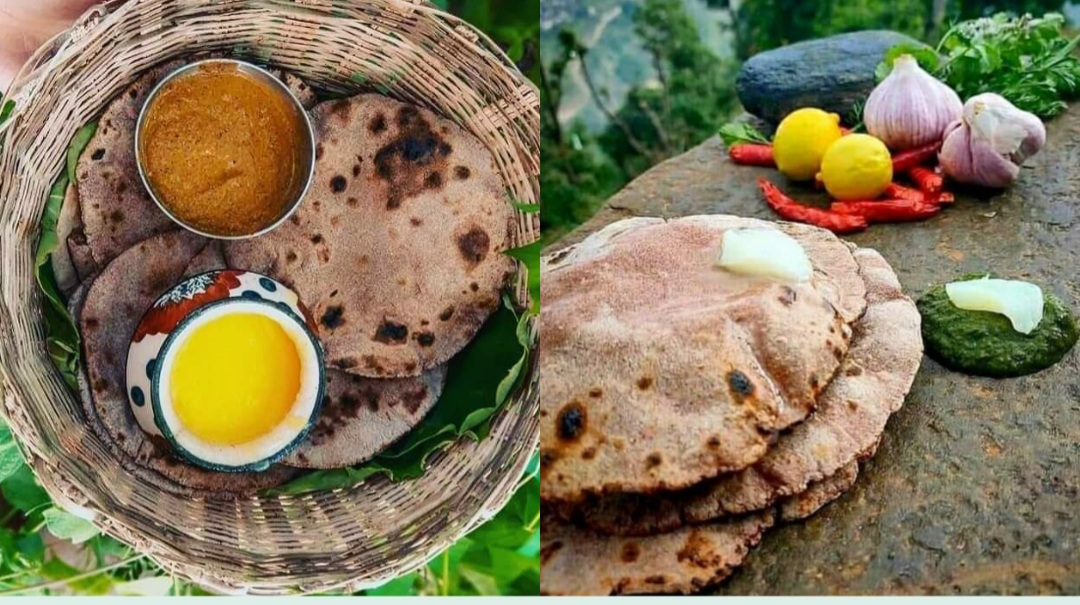
Mandua (finger millet) is a cold-climate grain grown extensively in the Garhwal hills. Mandua Ki Roti is a dark, dense flatbread with a slightly nutty taste, and it is a trekking superfood.
High in calcium, iron, and dietary fibre, Mandua roti keeps you full for hours — which is exactly what you need when you're covering 10–14 km of mountain trail in a day. It's usually served with ghee, Kafuli, or a simple dal.
5. Gahat Dal — Horse Gram Lentil Soup
Gahat Dal (also called kulath dal) is another protein powerhouse of Garhwali cuisine. This lentil is slow-cooked with garlic, tomatoes, and a tempering of ghee, resulting in a thick, comforting soup that warms you from the inside out.
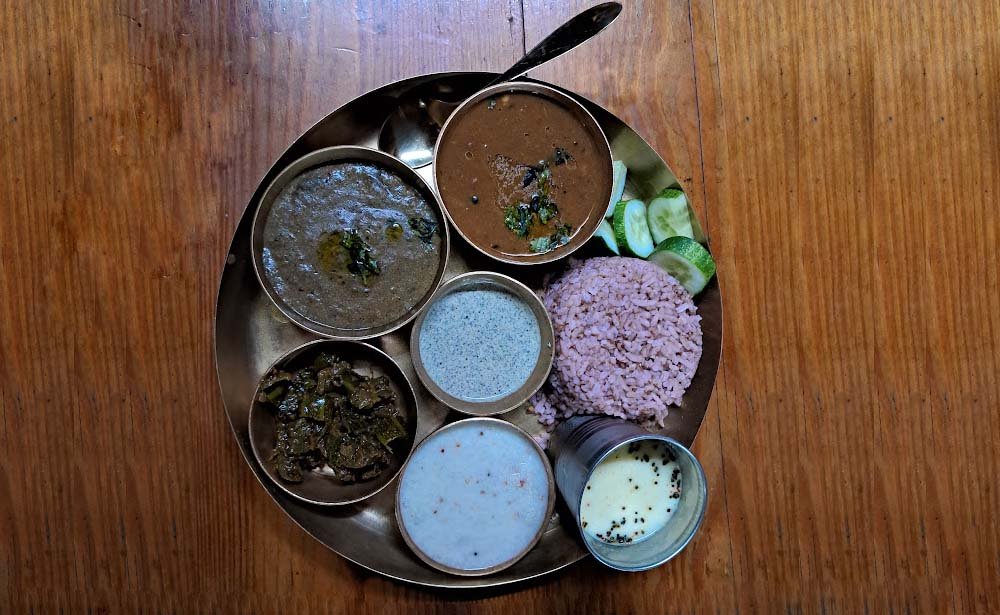
It's widely regarded as a kidney-health tonic in Ayurveda, and at high altitudes where your body is working extra hard, Gahat Dal is both medicine and meal. Most local homestays and small dhabas on the Madmaheshwar trail will serve it as part of a thali.
6. Jhangora Ki Kheer — Sweet Comfort in the Mountains

After a long day on the trail, nothing hits like Jhangora Ki Kheer. Jhangora (barnyard millet) is cooked slowly in milk and sweetened with sugar or jaggery, creating a creamy, delicate pudding.
This is Garhwal's answer to rice kheer, and it's far more nutritious. Rich in B-vitamins and antioxidants, it's typically served as a dessert at local dhabas or offered to pilgrims. If you spot it on the menu, order it without hesitation.
7. Bal Mithai and Local Sweets (At Ransi Village)
At Ransi, the base village for the Madmaheshwar Trek, small shops sell local sweets, including Bal Mithai — a fudge-like sweet made from roasted khoya and coated with white sugar balls. It's a great energy booster and makes for a wonderful trail snack.
8. Chai and Herbal Infusions
No Garhwali trek experience is complete without multiple cups of masala chai served in small glass tumblers at roadside stalls. Some tea houses also serve buransh (rhododendron) juice and tulsi-ginger herbal tea — both naturally warming and rich in antioxidants, perfect for the altitude.
Eating Local: Tips for Trekkers
- Always eat freshly cooked food. Local dhabas cook to order, and the food is always hot and safe.
- Carry dry trail snacks like roasted chana, dates, or local namkeen from Ukhimath or Ransi market for between-stop munching.
- Drink plenty of fluids — opt for herbal teas over cold water at higher altitudes.
- Respect the local culture — many areas near the shrine are vegetarian only, which aligns perfectly with the Garhwali food tradition.
- Try everything at least once. The food on this trail is authentic, nutritious, and prepared with love by mountain families.
Final Thoughts: Food, Faith & the Mountains
The Madmaheshwar Trek is a journey of the spirit, and the food you eat along the way is integral to that experience. Every bowl of Chainsoo, every bite of Mandua roti, and every sip of rhododendron chai connects you deeper to the Garhwal Himalayas and its living culture.
When you travel with a trusted Madmaheshwar trek package, meals at local homestays and trail dhabas are typically included — giving you a safe, authentic, and delicious culinary journey alongside your mountain adventure.
The mountains feed the soul. Let the food feed the body.
✅ Ready to Taste the Mountains? Book our handcrafted Madmaheshwar Trek Package and experience authentic Garhwali food, comfortable stays, and expert-guided trails — all in one seamless journey.
Explore Madmaheshwar Trek Package
✅ Limited Slots Available for This Season! Join our Madmaheshwar Trek and savour real Garhwali meals at every stop — from Kafuli and Chainsoo to Jhangora Kheer. An adventure that nourishes body and soul.
Book Your Madhyamaheshwar Tour Package Now →
Frequently Asked Questions (FAQs)
Q1. What kind of food is available on the Madmaheshwar Trek?
A: The Madmaheshwar Trek offers traditional Garhwali vegetarian food, including Kafuli, Chainsoo, Aloo Ke Gutke, Gahat Dal, Mandua Ki Roti, and Jhangora Ki Kheer. Local dhabas and homestays along the route provide freshly cooked meals.
Q2. Is the food on the Madmaheshwar Trek vegetarian?
A: Yes, almost entirely. As Madmaheshwar is a sacred Panch Kedar site, most eateries serve only vegetarian food. This is also in line with the Garhwali culinary tradition, which is predominantly plant-based.
Q3. Can I find food at all stops on the Madmaheshwar Trek?
A: Food is readily available at Ransi (base village), Bantoli, and near the Madmaheshwar campsite. However, options become limited at higher elevations, so it's advisable to carry some dry snacks.
Q4. Is Garhwali food suitable for trekking at high altitudes?
A: Absolutely. Garhwali food is specifically evolved for mountain life — it's high in protein, complex carbs, and warming spices. Dishes like Gahat Dal and Chainsoo are especially beneficial at altitude.
Q5. Are meals included in Madmaheshwar Trek packages?
A: Most reputed trek packages include meals (breakfast, lunch, and dinner) at local homestays and dhabas along the route. Always confirm meal inclusions when booking your package.
Q6. What local drinks can I try on the Madmaheshwar Trek?
A: You can enjoy masala chai, buransh (rhododendron) juice, and tulsi-ginger herbal tea at tea stalls along the trail. These are refreshing, warming, and great for acclimatisation.
Q7. Is it safe to eat local food on the Madmaheshwar Trek? A: Yes, local Garhwali food prepared fresh at trail dhabas is safe and hygienic. It is advisable to avoid pre-packaged processed food and opt for freshly made local meals instead.
Also Read
- Madmaheshwar Weather Guide
- How to Reach Madhyamaheshwar
- Madmaheshwar Packing List 2026
- Common Mistakes to Avoid During Madhyamaheshwar Trek
- Network Availability on Madmaheshwar Trek
- Aarti at Madmaheshwar Temple
- Madmaheshwar’s Nearest Pilgrimage Spots
- Budha Madmaheshwar Complete Guide
- Madmaheshwar in the Panch Kedar Yatra


