
Madmaheshwar Trek Injuries & Risks – How to Stay Safe
Published on May 04, 2026 | Updated on September 14, 2026
Nestled in the Garhwal Himalayas of Uttarakhand, the Madhmaheshwar Trek is one of India's most spiritually rich and scenically rewarding high-altitude trails. At an elevation of 3,497 metres (11,473 ft), the trek leads pilgrims and adventure lovers to the ancient Madhmaheshwar Temple — one of the Panch Kedar shrines dedicated to Lord Shiva. The trail winds through dense rhododendron forests, alpine meadows, and glacial streams, offering breathtaking views of peaks like Chaukhamba, Kedarnath, and Neelkanth.
But as stunning as this trail is, it demands serious physical preparation and safety awareness. Every year, trekkers face avoidable injuries, altitude-related emergencies, and weather-related hazards — often because they underestimate the terrain. If you're planning this trek, understanding the real risks and how to prevent them can be the difference between a life-changing experience and a dangerous situation.
This guide is written with first-hand trekking knowledge of the Kedarnath region and Uttarakhand's high-altitude trails, giving you practical, experience-backed advice to keep you safe.
Common Injuries on the Madmaheshwar Trek
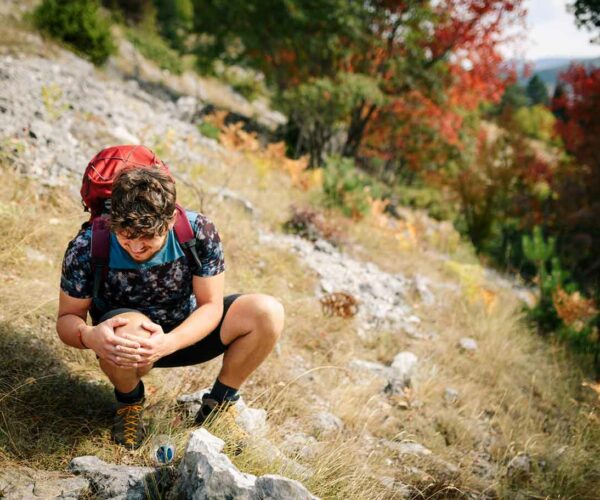
1. Ankle Sprains and Knee Injuries
The Madhmaheshwar trail is uneven, with rocky patches, root-covered paths, and steep descents — especially between Bantoli and Ransi village. Ankle sprains are the most reported injuries among trekkers, usually caused by loose stones or hurried descents.
How to stay safe: Use trekking poles at all times — they reduce pressure on knees by up to 25% on descents. Wear ankle-support trekking boots (not sneakers), and always look where you're stepping, especially after rainfall. Descending slowly and in a zigzag motion on steep sections greatly reduces strain.
2. Blisters and Foot Sores
Long daily walks of 10–14 km on rough terrain, combined with wet conditions near streams and snow patches, create perfect conditions for blisters. Many trekkers ignore early hotspots and end up with painful, infected sores.
How to stay safe: Break in your boots at least 3–4 weeks before the trek. Wear moisture-wicking merino wool socks (never cotton). Carry blister plasters like Compeed and apply them at the first sign of friction, not after a blister forms.
3. Muscle Cramps and Fatigue
The trail gains significant altitude rapidly — the ascent from Bantoli (2,400m) to Madmaheshwar temple (3,497m) covers roughly 24 km. Trekkers who don't train beforehand often suffer from severe muscle cramps and extreme fatigue, forcing early turnarounds.
How to stay safe: Build your fitness 6–8 weeks before the trek with daily walks, stair climbing, and leg-strengthening exercises. Stretch every morning before setting off, and stay consistently hydrated throughout the day — dehydration accelerates muscle fatigue significantly.
Altitude-Related Risks: The Biggest Danger on Madmaheshwar Trek

Acute Mountain Sickness (AMS)
Altitude sickness is the most serious and underestimated risk on the Madmaheshwar Trek. While 3,497m may seem moderate compared to Himalayan expeditions, the rapid ascent profile of this trail gives the body little time to acclimatize. Symptoms of AMS include persistent headache, nausea, dizziness, loss of appetite, and extreme fatigue.
If left unmanaged, AMS can escalate to High Altitude Pulmonary Oedema (HAPE) or High Altitude Cerebral Oedema (HACE) — both of which are life-threatening.
How to stay safe:
- Never ascend more than 300–500m of elevation gain per day above 2,500m
- Rest an extra day at Bantoli or Nana/Nana if you feel any early AMS symptoms
- Drink 3–4 litres of water daily (hydration is your best AMS preventive)
- Carry Diamox (Acetazolamide) — consult your doctor before the trek and discuss dosage
- Use the golden rule: "If in doubt, descend immediately" — never sleep at a higher altitude if you feel unwell
Weather Dangers on the Madmaheshwar Trek
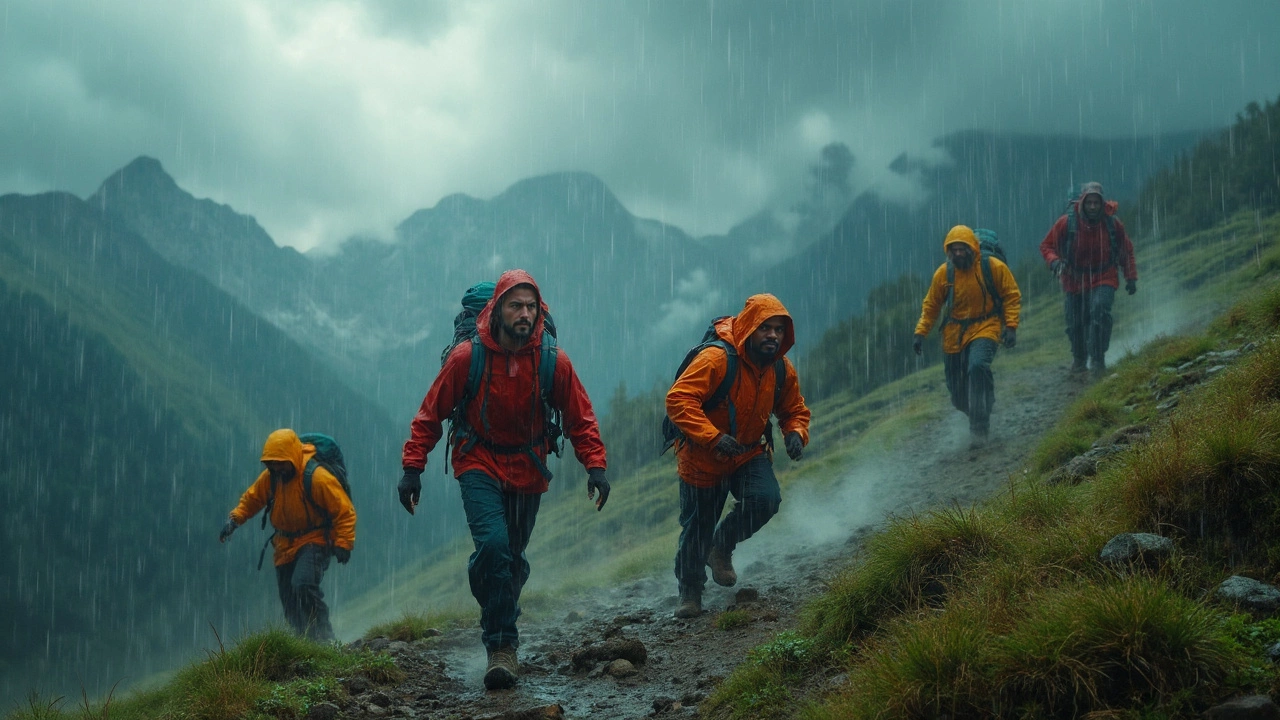
Sudden Snowfall and Hailstorms
The Madmaheshwar Trek is open from May to June and September to November. Even within these windows, the weather in the Garhwal Himalayas is notoriously unpredictable. Afternoon thunderstorms, sudden hailstorms, and unexpected snowfall — especially near Madmaheshwar Bugyal and Budha Madmaheshwar — can catch trekkers completely off guard.
How to stay safe: Always start your trek early — aim to reach camp by 1:00–2:00 PM before afternoon storms build. Carry a good quality rain poncho or waterproof jacket, thermal layers, and a pair of waterproof gloves. Check weather updates via the India Meteorological Department (IMD) before each day's walk.
Slippery Trails After Rain
The trail between Bantoli and Madmaheshwar has several stream crossings and clay-heavy sections that become extremely slippery after rainfall. Falls on these sections are a leading cause of serious injuries.
How to stay safe: Reduce pace significantly on wet sections. Trekking poles are non-negotiable here. If a stream crossing seems dangerous due to high water levels, wait it out or ask your guide for an alternate route. Never attempt a swollen stream crossing alone.
Wildlife and Other Hazards
The forest sections of the Madmaheshwar Trek pass through habitats of Himalayan black bears, leopards, and various snake species. While animal attacks are rare, night hiking and solo trekking increase the risk.
How to stay safe: Never hike after dark. Stick to groups of at least 3 trekkers and make noise on forested sections to alert animals. If you encounter a bear, do not run — back away slowly and calmly. Always hire a certified local guide from the Uttarakhand forest department-registered agencies.
Essential Safety Gear Checklist for Madmaheshwar Trek
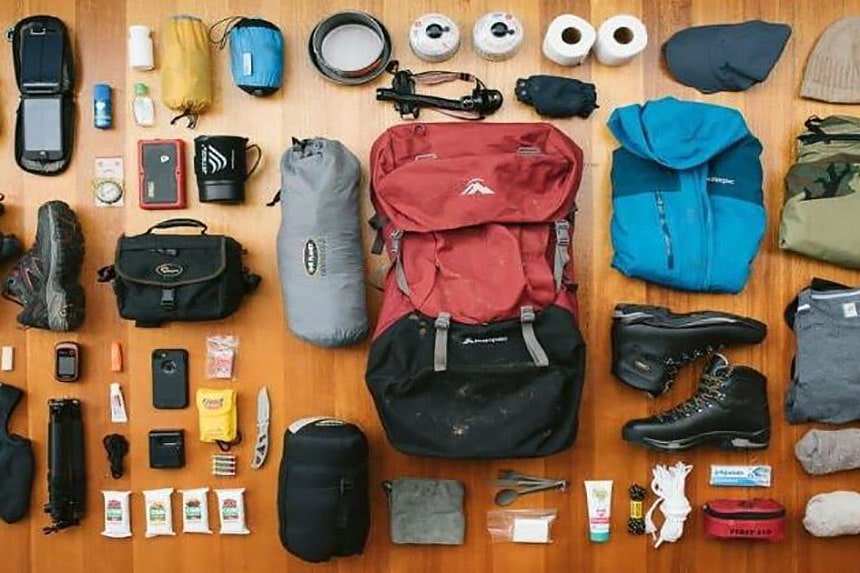
Carrying the right gear is as important as physical preparation. Here's what every trekker must pack:
- Sturdy ankle-support trekking boots (well broken-in)
- Trekking poles (pair)
- Layered clothing: thermal base layer, fleece mid-layer, waterproof outer shell
- First aid kit: blister plasters, bandages, antiseptic, ORS sachets, Diamox, Dolo-650, and a digital pulse oximeter
- High-calorie snacks: nuts, energy bars, dark chocolate
- 2-litre water bottle or hydration pack
- Emergency whistle and headlamp with extra batteries
- Personal ID and emergency contact details laminated in your bag
For a complete checklist of clothing, trekking essentials and other items to carry, see our Madmaheshwar Packing List 2026.
Expert Tips from Experienced Himalayan Trekkers
People who have guided or completed the Madmaheshwar Trek multiple times consistently share the same advice:
Train before you go. A common reason for trek emergencies is arriving at the trailhead with zero high-altitude experience. Even one weekend trek to a moderate elevation (like Chopta or Tungnath) beforehand makes a meaningful difference.
Hire a local guide. The trail is not fully marked in all sections, and local guides know the fastest evacuation routes, reliable water sources, and how to read mountain weather. They are worth every rupee.
A pulse oximeter is your best friend. A blood oxygen reading below 90% at rest is a serious warning sign. Carry one and monitor your SpO2 levels every morning.
Don't push through warning signs. Headache, breathlessness at rest, and confusion are not signs of weakness — they are your body's emergency signals. Turn back without hesitation if needed.
Final Thoughts
The Madmaheshwar Trek is a genuinely rewarding Himalayan experience — but it asks you to come prepared. The mountains reward respect and punish overconfidence equally. With the right gear, adequate fitness, smart acclimatisation, and local guidance, this trek can be completed safely and joyfully by most healthy adults.
Know the risks. Prepare seriously. Go with the right team — and this trek will give you memories that last a lifetime.
✅ Ready to Trek Madmaheshwar Safely? Don't leave your safety to chance. Our expert-guided Madmaheshwar Trek Package includes certified local guides, acclimatization-smart itineraries, quality camping gear, and 24/7 emergency support — everything you need for a safe and unforgettable journey.
✅ View Our Madmaheshwar Tour Package & Book Now Limited seats available. Secure your spot today!
FAQs – Madmaheshwar Trek Injuries & Safety
Q1. Is the Madmaheshwar Trek safe for beginners?
The trek is rated moderate-to-difficult and is not recommended for complete beginners without prior trekking experience. However, with proper fitness training, acclimatisation, and a certified guide, it is manageable for reasonably fit individuals.
Q2. What is the biggest health risk on the Madmaheshwar Trek?
Acute Mountain Sickness (AMS) is the most significant health risk, especially for trekkers ascending too quickly without proper acclimatisation stops.
Q3. What should I do if I feel altitude sickness on the trek?
Stop ascending immediately, rest, hydrate well, and take Diamox if prescribed. If symptoms worsen or fail to improve within a few hours, descend to a lower altitude immediately and seek medical help.
Q4. Is it safe to do the Madmaheshwar Trek without a guide?
It is strongly not recommended. The trail has unmarked sections, unpredictable weather, wildlife zones, and limited mobile connectivity. A local guide significantly improves both safety and the overall experience.
Q5. What is the best time to do the Madmaheshwar Trek with minimal risk?
May–June and September–October are the safest windows. Avoid July–August due to heavy monsoon rains that cause landslides and make trails extremely dangerous.
Q6. Can I get emergency help on the Madmaheshwar Trek?
The nearest medical facilities are in Ukhimath or Rudraprayag. For high-altitude emergencies, helicopter evacuation is possible but depends on weather conditions. This is why carrying comprehensive travel and medical insurance is essential.
Q7. What medicines should I carry for the Madmaheshwar Trek?
Your first aid kit should include Diamox (altitude sickness), Dolo-650 (fever/pain), ORS sachets (dehydration), antacids, antiseptic cream, bandages, blister plasters, and a pulse oximeter. Always consult your doctor before taking prescription medicines.
Helpful Resources for Trek Planning:
- Trekking in Uttarakhand: Routes, Difficulty, Best Time & Tips
- Madmaheshwar Opening Ceremony 2026
- Ransi village to madmaheshwar temple - village by village guide
- Madmaheshwar Group Trek vs Private Package – Which Should You Book?
- Madmaheshwar vs Kedarnath Trek: Which One Should You Choose in 2026?
- Madmaheshwar Trek for Families – Is It Safe for Kids & Senior Citizens?
- Kanchani Tal Trek from Madmaheshwar – Complete Guide 2026
- Omkareshwar Temple Ukhimath – Why It's the Soul of Madmaheshwar Yatra
- Madmaheshwar vs Tungnath Trek – Which Panch Kedar is Better for You?


