
Common Mistakes to Avoid During Madhyamaheshwar Trek
Published on March 19, 2026 | Updated on September 14, 2026
Planning a Madhmaheshwar temple trek in 2026? You are not alone. Every year, hundreds of trekkers and pilgrims head to this sacred trail in the Garhwal Himalayas of Uttarakhand — some well-prepared, and some who learn hard lessons on the trail. Whether you are booking a Madhyamaheshwar tour package, planning a solo trip, or trekking the Panch Kedar trek in Uttarakhand, this blog will save you from the most common and costly mistakes people make on this trek.
Mistake 1 — Not Checking the Temple Opening Date
This is one of the biggest mistakes first-time trekkers make. The Madhmaheshwar temple does not remain open throughout the year. It generally opens during the summer pilgrimage season and closes before heavy winter snowfall. The exact opening and closing dates can change each year.
For 2026, Madhyamaheshwar Temple opened on May 21. If you book your Madmaheshwar trek package without checking the current temple schedule, you may reach Ransi Village when access conditions or temple timings are different from what you expected.
Before finalising your Madhyamaheshwar trip, confirm the latest temple schedule, weather conditions, route status, and closing-date updates through the Shri Badarinath Kedarnath Temple Committee (BKTC) or Uttarakhand Tourism. BKTC is the relevant temple authority rather than the old “Uttarakhand Devasthanam Board” wording
Mistake 2 — Underestimating the Trek Difficulty
Many people see the Madhyamaheshwar trek described as moderate and assume it requires little preparation. However, the route includes long uphill sections, uneven mountain terrain, and a noticeably steeper climb after Bantoli. The combination of sustained ascent, changing weather, and long walking hours can make the trek physically demanding, especially for beginners.
Start preparing at least a few weeks before your trip. Regular walking, stair climbing, light jogging, cycling, or other cardiovascular exercises can help improve your stamina. If possible, practice walking on slopes while carrying a small backpack similar to the one you will use during the trek.
Do not focus only on distance. Your walking pace, fitness level, weather conditions, trail surface, and rest breaks can significantly affect how difficult the trek feels.
Mistake 3 — Thinking Gaundhar is the Midpoint (It Is Not)
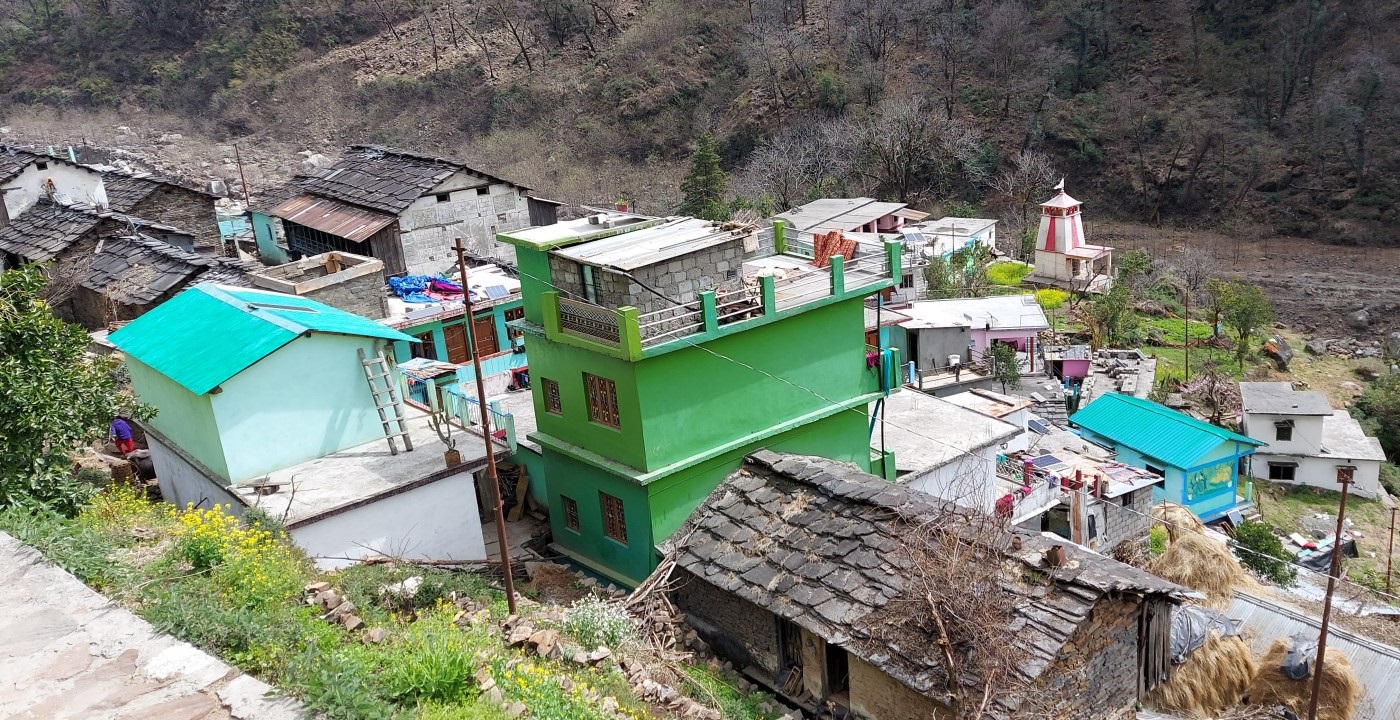
This mistake has caused many trekkers real trouble. Many trekkers waste a lot of time with leisurely activities at Gaundhar, thinking it is the midpoint of the trek. But it is misleading. The real trek starts after you cross Bantoli. Conserve all your energy and plan well for the latter part of the trek.
The trail from Bantoli onward gets significantly steeper and more demanding. If you have burned your energy before Bantoli, the second half will feel brutal. Pace yourself, eat properly, and save strength for the climb ahead.
Mistake 4 — Starting the Trek Too Late in the Morning
On the hardest day of the trek, you should finish your breakfast and start by 8 AM so that you can reach the temple in time before evening. Those who start late end up trekking in the dark, exhausted, and risk missing the evening Aarti at the temple.
For the Buda Madhyamaheshwar viewpoint, start at around 4:00 AM for a spectacular sunrise from Buda Madhmaheshwar, where the Chaukhamba range is lit up at dawn. This is arguably the best Chaukhamba view trek in all of Uttarakhand, and missing it means missing the heart of the entire journey.
Mistake 5 — Going in Monsoon Without Proper Research
Many trekkers assume that any time between June and September is fine. It is not. Monsoon months of July, August, and early September should be avoided due to the danger of landslides and slippery terrain caused by heavy rainfall.
During monsoon and post-monsoon months, the trail becomes tricky as mud and loose gravel become very slippery. Trekkers must be very careful with their choice of footwear and should check weather charts to avoid days with anticipated heavy rains.
If you must go during this period, check with local authorities or your Madhyamaheshwar packages operator before heading out. The best time for the Madhmaheshwar trek is May–June and September–October.
Mistake 6 — Not Booking Homestays and Camps in Advance
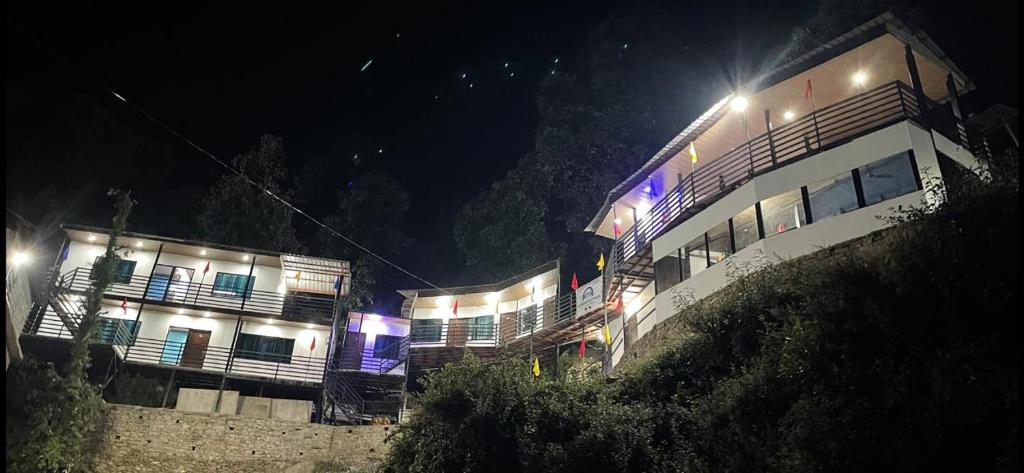
Many trekkers assume they will find accommodation easily on the trail, especially near the temple. This can backfire during peak season.
Accommodation options are available at various places during the trek, like Ransi, Gaundhar, Bantoli, and near the temple. You can also stay in Ukhimath. However, during May and September — the busiest months — Madhyamaheshwar homestays and camps near the temple fill up quickly.
If you are booking a Madhyamaheshwar tour package, ensure your operator has confirmed stays. Solo trekkers should pre-book their first and last night stays at Ransi Village at a minimum.
Mistake 7 — Depending Completely on Porter or Mule Services
Some travellers assume that porter or mule services will always be available during the Madhyamaheshwar trek. Availability can vary depending on the season, weather, local demand, and conditions along the route.
Porter and mule services may be available locally around Ransi, but availability and rates can change. If you expect to use these services, confirm the latest information locally before beginning the trek rather than relying on an old fixed price.
Even when using a porter or mule, carry your essential items yourself, including water, medicines, identification, rain protection, a warm layer, and basic snacks.
Mistake 8 — Ignoring Hydration on the Trail
Most trekkers drink only when they are thirsty or when they rest. But by then, the body is already too dehydrated and becomes tired. The dehydrated body at high altitude can lead to serious health problems. Proper hydration throughout the journey helps you avoid most health issues and keeps you fresh and energised.
Carry at least 2–3 litres of water every day. Use water purification tablets or a filter bottle when refilling from streams. Do not wait to feel thirsty — drink regularly even when you feel fine.
Mistake 9 — Wearing Brand New Trekking Shoes
This mistake causes blisters, pain, and ruined treks every season. Make sure you wear shoes that are already broken in. New shoes usually prove to be a disaster for many trekkers.
For the Madhyamaheshwar trek route, you need sturdy, waterproof trekking boots with good ankle support and grip. Wear your boots for at least 4–6 walks before your trek to break them in properly. Pair them with moisture-wicking woollen socks, not cotton.
Mistake 10 — Trekking Alone Without Proper Planning
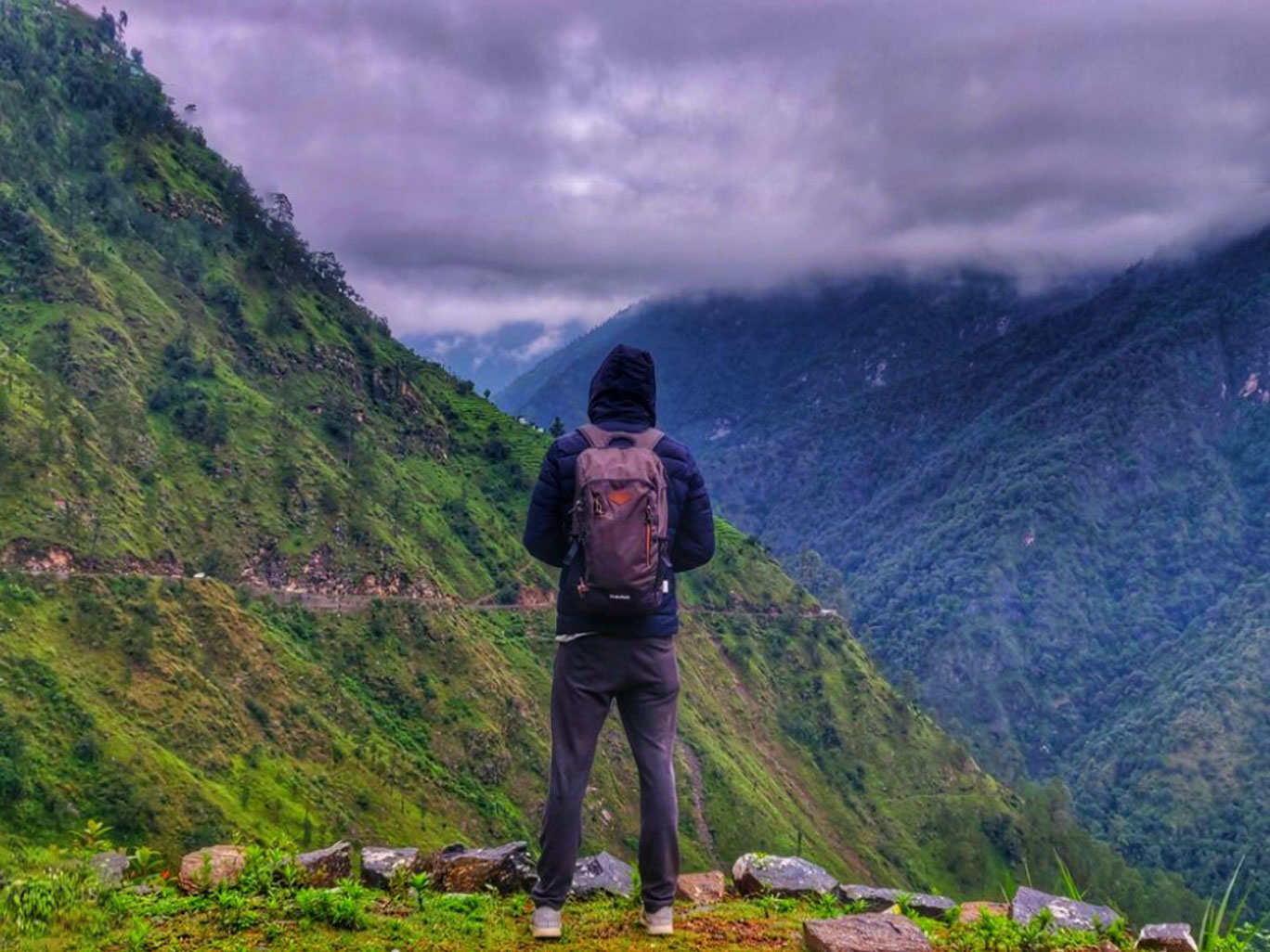
Experienced trekkers may complete the Madhyamaheshwar route independently, but first-time Himalayan trekkers may benefit from traveling with a local guide or organized group. Mountain weather, trail conditions, fatigue, and limited connectivity can make unexpected situations more difficult to manage alone.
If you decide to trek independently, understand the route properly, start early, avoid unnecessary detours, and share your itinerary and expected return time with someone before leaving Ransi.
Mobile connectivity can become weak or intermittent farther along the trail, so do not depend entirely on your phone for navigation or emergency communication.
Mistake 11 — Skipping Buda Madhyamaheshwar
Many trekkers, tired after reaching the main temple, skip the short hike to Buda Madhyamaheshwar. This is a big mistake. The view of the first light of the sun on the Chaukhamba massif from Buda Madhyamaheshwar is the icing on the cake and worth all the effort. If there is one reason to do the Madmaheshwar trek, it is this.
This ancient shrine sits just 2 km above the main temple. Yes, it is steep. Yes, you will be tired. But waking up at 4 AM and watching the Chaukhamba view at sunrise is something very few treks in India can offer at just 11,000 feet of altitude. Do not skip it.
Mistake 12 — Not Understanding Madhyamaheshwar Temple History and Etiquette
Rushing through the temple without understanding its significance is a missed opportunity. The Madhyamaheshwar temple's history dates back to the Pandavas, who built the shrine after the Kurukshetra War as an act of homage to Lord Shiva. It is one of the five revered Panch Kedar shrines in the Garhwal Himalayas.
The Madhyamaheshwar myths and stories are deeply tied to the Mahabharata — understanding them adds enormous depth to your experience. Dress modestly near the temple, remove shoes before entering, and be respectful during the evening Aarti. Non-vegetarian food and alcohol are strictly prohibited near the temple complex.
Mistake 13 — Not Planning the Route from Delhi Properly
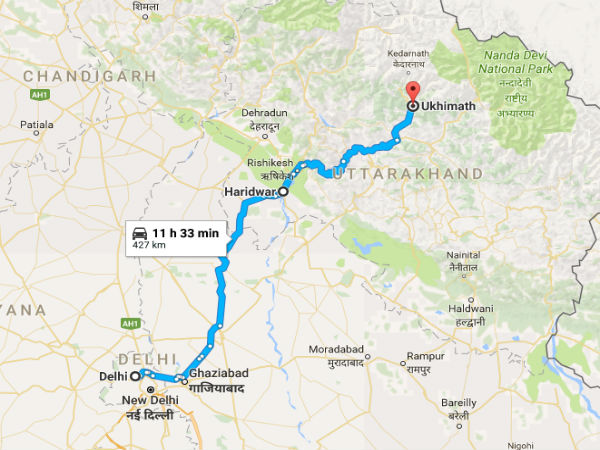
Many trekkers, especially those doing the Madhyamaheshwar tour from Delhi, underestimate the travel time. Delhi to Ransi is a long journey that requires proper planning.
The typical route is: Delhi → Haridwar/Rishikesh (by train or bus, 5–6 hours) → Rudraprayag → Ukhimath → Ransi Village (another 5–6 hours by road). In total, it is nearly 12–14 hours of travel. Plan to reach Rishikesh a day early, rest overnight, and drive to Ransi the next morning. Many Madhyamaheshwar packages from Delhi include this buffer day — check before booking.
Mistake 14 — Not Carrying Enough Cash
Do not assume that ATMs and digital payments will be easily available throughout the Madhyamaheshwar route. Banking and payment facilities become limited as you travel farther into the mountain region.
Ukhimath is generally the last reliable place to withdraw cash before heading toward Ransi and the trekking route. ATM availability and digital payments can be unreliable farther ahead, so carry sufficient cash for meals, stays, porter or mule services, local transportation, and unexpected expenses.
Keep your cash divided between two safe places instead of carrying the entire amount in one wallet.
Mistake 15 — Littering on the Trail
This is a matter of basic respect. The Panch Kedar trek in Uttarakhand is sacred and ecologically sensitive. The Kedarnath Wildlife Sanctuary, through which this trek passes, is home to rare Himalayan Musk Deer and dozens of bird species.
Do not litter. Carry a small trash bag, bring back your wrappers, and use biodegradable products wherever possible. Leave the trail cleaner than you found it.
FAQs – Madhyamaheshwar Trek Mistakes
1. What are the most common mistakes during the Madhyamaheshwar Trek?
The most common mistakes include poor physical preparation, carrying excess luggage, ignoring weather conditions, and not planning proper accommodation.
2. Is it a mistake to underestimate the difficulty of the Madhyamaheshwar Trek?
Yes, many trekkers assume it is an easy trek, but the route involves steep climbs and long walking hours, which can be challenging without preparation.
3. Why is overpacking a problem on the Madhyamaheshwar Trek?
Overpacking makes trekking more exhausting. Carrying only essentials like warm clothes, water, and basic medical supplies is highly recommended.
4. Can ignoring weather forecasts affect the trek experience?
Absolutely. Sudden weather changes in the Himalayas can cause delays or risks, so checking forecasts before and during the trek is crucial.
5. Is it risky to trek without proper footwear?
Yes, wearing improper or new shoes can lead to blisters and injuries. Good-quality trekking shoes with grip are essential.
6. Why is acclimatisation important during the trek?
Skipping acclimatisation can lead to fatigue or altitude sickness. Taking proper rest and maintaining a steady pace helps avoid health issues.
7. Is it a mistake to start the trek late in the day?
Yes, starting late can result in trekking in the dark, increasing the risk of accidents and making navigation difficult.
8. Should beginners avoid trekking without a guide?
If you're inexperienced, trekking without a guide can be risky. A local guide helps with navigation, safety, and understanding the route better.
Final Word
The Madhyamaheshwar temple trek is a deeply rewarding journey — spiritually, physically, and visually. Whether you are a first-time trekker booking a Madhyamaheshwar tour package or an experienced hiker adding this to your Panch Kedar Uttarakhand list, avoiding these mistakes will make your journey smoother, safer, and far more enjoyable.
Respect the mountain. Respect the temple. And go prepared.


