
How to Save Money on Madmaheshwar Trek (Pro Tips)
Published on April 30, 2026 | Updated on September 14, 2026
The Madhmaheshwar Trek is one of the most beautiful and spiritually enriching treks in Uttarakhand's Garhwal Himalayas. Sitting at an altitude of 3,497 metres and forming part of the sacred Panch Kedar pilgrimage circuit, this trek offers breathtaking views of Kedarnath, Chaukhamba, and Neelkanth peaks — along with lush alpine meadows, dense oak forests, and hidden waterfalls that most trekkers never even notice.
But here is the truth that most travel websites will not tell you: the Madmaheshwar Trek does not have to be expensive. With the right planning, smart booking decisions, and a few insider tips, you can complete this trek at a fraction of what most package operators charge — without cutting corners on safety, comfort, or experience.
This guide is written for budget-conscious trekkers, solo travellers, and adventure lovers who want to explore the Madmaheshwar Valley without draining their savings. Every tip here is practical, tested, and based on real trekking experience on this route.
What Is the Total Cost of the Madmaheshwar Trek?
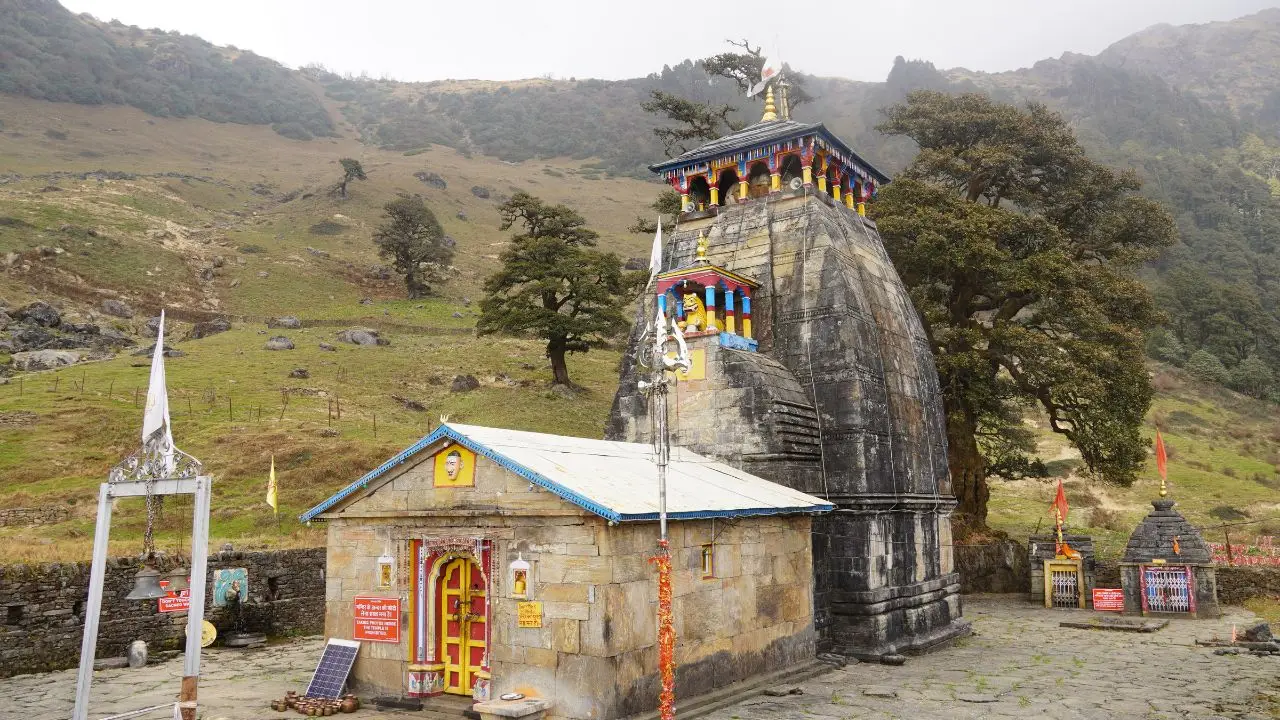
Before we get into the money-saving tips, it helps to understand what you are actually paying for. The total cost of the Madmaheshwar Trek typically breaks down into these categories: transport to and from the trailhead, permits and entry fees, guide and porter charges, accommodation along the route, food and meals, gear and equipment, and any emergency or miscellaneous expenses.
For a 4-day trek, the average cost for an independent trekker ranges from ₹7,000 to ₹12,000, depending on the choices made. A fully organised package from a private trek operator can cost anywhere between ₹12,000 and ₹22,000 per person. The gap between these two numbers is where your savings opportunity lies — and the tips below will show you exactly how to close that gap intelligently.
Pro Tips to Save Money on the Madmaheshwar Trek
1. Travel During the Shoulder Season
The most powerful money-saving decision you can make is choosing when to go. Peak trekking season on the Madmaheshwar route runs from late May to mid-June and again in September to early October. During these windows, guide fees rise, guesthouse prices increase, and shared transport fills up quickly.
If you travel in early May or in late October — just before or after the main crowds arrive — you will find significantly lower prices on almost everything. Guides charge less, guesthouses negotiate more freely, and shared jeep seats are easier to find. The trail is still open, the weather is still manageable, and you will have the waterfalls and meadows almost entirely to yourself.
2. Book Shared Transport Instead of Private Vehicles
Getting to Ransi village, the trek starting point, from Rishikesh is one of the highest variable costs. A private taxi from Rishikesh to Ukhimath can cost ₹3,000 to ₹5,000 one way. A shared tempo traveller or state bus covering the same route costs ₹300-₹600 per person.
From Ukhimath to Ransi, local shared jeeps charge around ₹50 to ₹100 per seat. There is no need to hire a private vehicle for this leg unless you are travelling in a group of 5 or more, in which case splitting a private jeep can actually be more economical. Always ask at the Ukhimath bus stand for shared options before agreeing to any private hire.
3. Hire a Local Guide Directly — Not Through an Agency
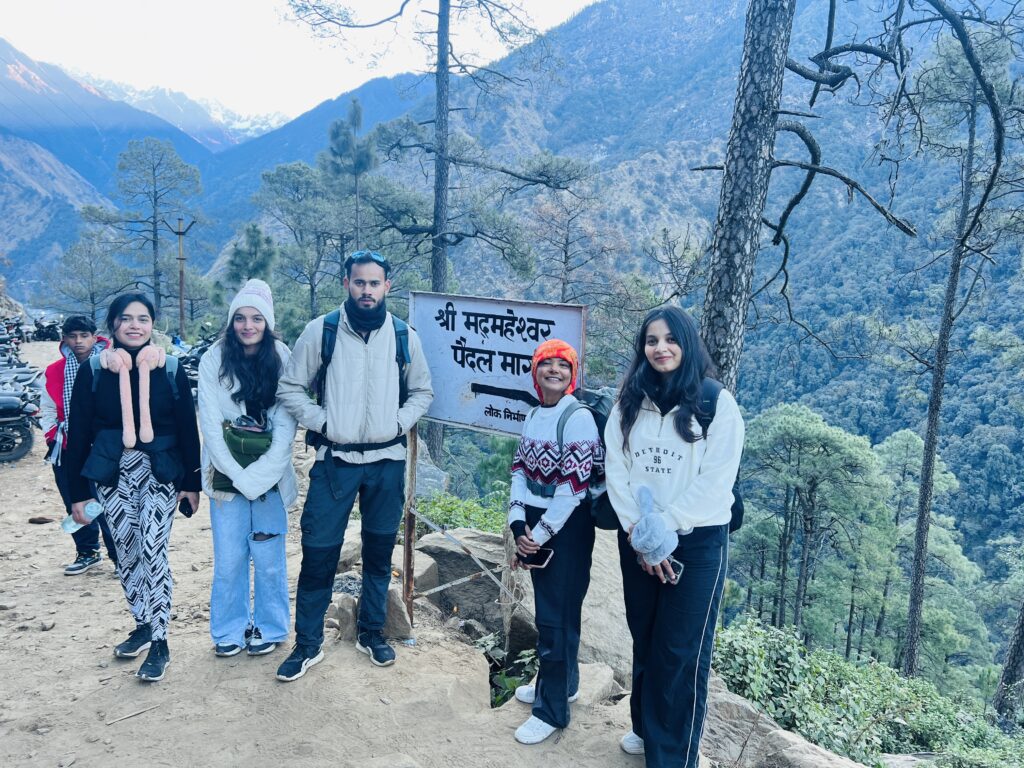
Trek agencies mark up guide and porter fees significantly — sometimes by 40 to 60 per cent over what the guide actually charges. If you go directly to Ransi village or Ukhimath and ask the local forest department or village pradhan for a list of registered guides, you can hire an experienced guide for ₹800 to ₹1,200 per day, compared to the ₹1,800 to ₹2,500 per day that agencies typically charge for the same service.
Always verify that the guide holds a valid registration certificate from the Uttarakhand Tourism Department. This protects you legally and ensures your guide knows the trail properly. A good local guide will also know where the hidden waterfalls are, which campsites have the best views, and when the weather is likely to turn — knowledge that no agency brochure can replace.
4. Stay in Government Guesthouses and Dharamshalas
Private tea houses along the Madmaheshwar route charge ₹400 to ₹800 per night for a basic room. GMVN (Garhwal Mandal Vikas Nigam) guesthouses and temple dharamshalas along the route charge significantly less — often ₹100 to ₹300 per night — and are clean, safe, and well located.
The GMVN guesthouse near Madmaheshwar temple is basic but functional, and staying there allows you to watch the sunrise over the Himalayan peaks from the doorstep — an experience that no five-star resort can replicate at any price. Book GMVN guesthouses in advance through their official website to lock in the lower government rate.
5. Eat Where the Locals Eat
Dal, rice, and roti cooked by local families at trail-side dhabas cost ₹80 to ₹150 per meal. The same food served at a "trekker-friendly" tea house with a printed menu costs ₹200 to ₹350. The ingredients and the cook are often the same — only the presentation and the price tag are different.
Carry some dry snacks from Rishikesh or Ukhimath — roasted chana, dry fruits, energy bars, and biscuits — to cover your mid-trail hunger without paying inflated trail prices. A ₹200 investment in snacks from a city market will save you ₹400 to ₹600 on the trail.
6. Rent Gear Instead of Buying
If you are trekking the Madmaheshwar route for the first time and do not own specialised trekking gear, do not rush to buy everything new. Rishikesh has a thriving gear rental market on Laxman Jhula Road and in the Tapovan area. A good quality sleeping bag, trekking poles, and a rain poncho can be rented for ₹100 to ₹200 per day per item — a fraction of the purchase price.
Only invest in buying gear if you trek more than three to four times per year. For occasional trekkers, renting is always the smarter financial decision. Make sure to inspect rented gear thoroughly before accepting it — check zippers, seams, and insulation quality.
7. Get Permits Yourself — Do Not Pay Agents to Do It
Forest permits for the Madmaheshwar Trek can be obtained directly at the forest check post at Ransi. The permit fee is modest — typically ₹150 to ₹250 per person for Indian nationals — and the process takes less than 30 minutes. Some trek operators charge ₹500 to ₹800 per person for "permit handling," which is simply collecting and submitting your documents on your behalf.
There is no reason to pay this service fee unless you are operating on an extremely tight schedule. Show up at the check post with a government-issued photo ID and the fee amount in cash. The process is straightforward.
8. Travel in a Group of 4 to 6 People
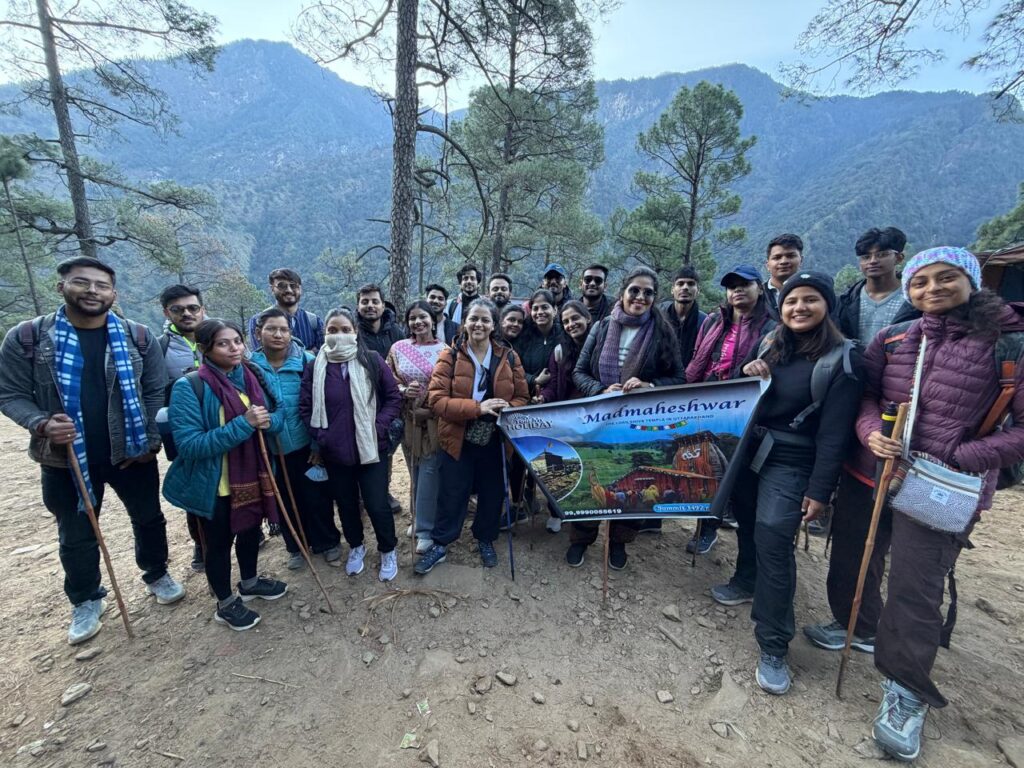
Solo trekking is a beautiful experience, but it is the most expensive way to do any trek. Guide fees, permit fees, and guesthouse charges all remain roughly fixed whether you are one person or four. When you split these costs across a group of 4 to 6 trekkers, the per-person cost drops dramatically.
If you do not have a ready group, join trekking communities on platforms like Meetup, Thrillophilia forums, or India Hikes community boards to find other trekkers planning the same route in the same window. Group formation through these communities is common and generally very safe.
9. Avoid Booking During Long Weekend Periods
Indian long weekends — particularly around Diwali, Holi, and national holidays — create a demand spike on popular Himalayan treks. Guesthouse prices go up, shared transport becomes scarce, and guides get booked out weeks in advance. Planning your trek for a mid-week start, ideally beginning on a Tuesday or Wednesday, keeps you ahead of the weekend rush and gives you more negotiating power on prices.
10. Pack Smart to Avoid Buying on the Trail
Items like sunscreen, lip balm, ORS packets, blister plasters, and basic medicines cost two to three times more at trail-side shops in Ukhimath and Ransi than they do at a city pharmacy. Make a complete checklist before leaving home and buy all consumables in Rishikesh or Dehradun. A small first aid kit assembled at a pharmacy will cost ₹200 to ₹300 and will last the entire trek.
Common Money Mistakes Trekkers Make on This Route
Many first-time trekkers overspend not because the trek is expensive, but because they make avoidable decisions under pressure. Booking last-minute private transport because shared options seem uncertain, accepting the first guide price quoted without any negotiation, buying overpriced packaged food at trail shops, and upgrading to private rooms when dormitory or shared accommodation is perfectly comfortable — these decisions alone can add ₹5,000 to ₹8,000 to a trek that did not need to cost that much.
The solution is simple: plan 3 to 4 weeks in advance, do your research, and commit to the budget decisions before you leave home rather than making them on the trail under time pressure.
Sample Budget Breakdown for 4-Day Madmaheshwar Trek
| Expense Category | Details | Estimated Cost (₹) |
|---|---|---|
| Transport | Rishikesh to Ransi & return (shared) | 800 – 1,200 |
| Permits | Forest & sanctuary entry fees | 300 – 500 |
| Guide | Local registered guide (6 days) | 5,000 – 7,000 |
| Accommodation | 3 nights (GMVN / dharamshala) | 500 – 1,500 |
| Meals | 4 days of food at local dhabas | 2,000 – 3,500 |
| Snacks | Dry food & essentials from the city | 300 – 500 |
| ⚠️ Miscellaneous | Emergency + extra खर्च | 500 – 1,000 |

Total Estimated Budget
| Type | Cost (₹ per person) |
|---|---|
| Solo Trekker | 9,400 – 15,200 |
| Group of 4 (Cost Split) | 7,000 – 11,00 |
Frequently Asked Questions
1. What is the minimum budget required for the Madmaheshwar Trek?
A careful solo trekker travelling in shoulder season, using shared transport, hiring a local guide directly, and staying in government guesthouses can complete the 6-day trek for approximately ₹8,000 to ₹10,000 all-inclusive. Travelling in a group of 4 or more can bring this down further to ₹6,500 to ₹8,500 per person.
2. Is it safe to trek Madmaheshwar without a package operator?
Yes, absolutely. Thousands of trekkers complete this route independently every year. The key requirements are a registered local guide, valid permits, and basic preparedness. You do not need a commercial package operator to trek safely on this route.
3. What is the guide fee for Madmaheshwar Trek?
A registered local guide charges between ₹800 and ₹1,200 per day when hired directly at Ransi or Ukhimath. Agency-booked guides typically cost ₹1,800 to ₂,500 per day for the same service. Always ask for the guide's registration certificate before hiring.
4. Can I do the Madmaheshwar Trek without a porter?
Yes, if you pack light — ideally under 8 to 10 kg — you can manage without a porter. A well-organised daypack with essential layers, food, water, and a sleeping bag liner is sufficient if you are staying at guesthouses rather than camping. Skipping a porter saves ₹600 to ₹900 per day.
5. Which is cheaper — booking a package or trekking independently?
Independent trekking is always cheaper, often by 40 to 60 per cent compared to a private operator package. However, packages offer convenience, and for first-time Himalayan trekkers, the added support of a package can be worth the cost. For anyone who has done one or two Himalayan treks before, going independent is clearly a better financial choice.
6. Are there ATMs on the Madmaheshwar Trek route?
No. There are no ATMs beyond Ukhimath on the Madmaheshwar route. Withdraw sufficient cash before leaving Rishikesh or Rudraprayag and carry it in a waterproof pouch. Most guesthouses, dhabas, and local guides only accept cash.
7. What is the best month to trek to Madmaheshwar on a budget?
Early May and late October offer the best combination of lower prices, manageable weather, and open trails. These shoulder season windows see 20 to 30 per cent lower costs across transport, accommodation, and guide fees compared to peak season.
8. Is food available on the Madmaheshwar Trek route?
Yes, basic dal, rice, roti, and tea are available at tea houses and dhabas at Bantoli, Unniana, and near the temple. Prices are reasonable at local dhabas. Carry dry snacks for the stretches between settlements to avoid paying inflated trail-shop prices for packaged food.


