
Trekking in Uttarakhand: Routes, Difficulty, Best Time & Tips
Published on June 17, 2026 | Updated on August 28, 2026
When people think of Himalayan trekking in India, one state almost always comes to mind first — Uttarakhand. Tucked between snow-capped peaks, alpine meadows, glacial lakes, and dense oak-rhododendron forests, Uttarakhand has earned its reputation as the "Land of Treks." Whether you're a first-time trekker looking for a gentle two-day weekend escape or a seasoned mountaineer chasing high-altitude glaciers, this state delivers trails for every skill level.
From the gentle ridgeline walk of Nag Tibba to the demanding glacial crossing at Kalindi Khal, trekking in Uttarakhand offers something genuinely rare — a complete spectrum of difficulty, landscape, and altitude within a few hundred kilometres. In this guide, we'll walk you through the best treks in Uttarakhand, the right season for each, what to pack, safety essentials, approximate costs, and answers to the most commonly asked questions by trekkers planning their Himalayan adventure.
Why Choose Uttarakhand for Trekking?
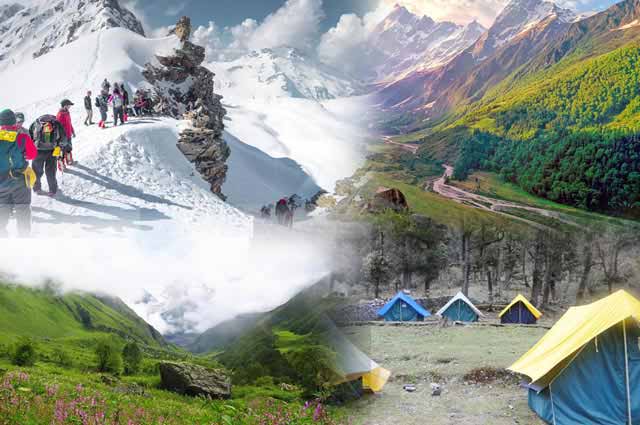
Uttarakhand isn't just popular because it's accessible from Delhi — it genuinely has the terrain variety that serious trekkers and casual hikers both look for.
- Stunning Himalayan views: Trails regularly open up to views of Bandarpunch, Swargarohini, Trishul, Nanda Devi, and Chaukhamba peaks.
- Diverse trekking routes: Forests, alpine bugyals (meadows), glacial moraines, river crossings, and high passes — all within one state.
- Easy to difficult options: A 2-day beginner trek and a 9-day technical glacier crossing both exist within a few hours of each other.
- Rich culture and villages: Many trails pass through Garhwali and Kumaoni villages, ancient temples, and Panch Kedar shrines, adding a cultural layer to the adventure.
- Wildlife and forests: Several treks pass through protected zones like Govind Wildlife Sanctuary and Kedarnath Wildlife Sanctuary.
- Year-round trekking opportunities: Unlike many Himalayan regions limited to a short season, Uttarakhand offers something to trek almost every month — snow treks in winter, flower valleys in monsoon, and high-altitude trails in summer.
Best Treks in Uttarakhand
Here's a categorised breakdown of the most popular treks in Uttarakhand, grouped by difficulty level.
Easy Treks (Best for Beginners)
Nag Tibba Trek Often called the easiest Himalayan trek near Delhi, Nag Tibba is a short 2-day weekend trek through oak and rhododendron forest, ending at a ridge with 360-degree views of the Bandarpunch and Gangotri ranges. Ideal for absolute first-timers, families, and college groups.
Deoriatal Trek: A short, scenic trek to a high-altitude lake known for its mirror-like reflection of the Chaukhamba peaks. The trail is gentle, well-marked, and doable in 2 days, making it perfect for beginners who want big mountain views without a long commitment.
Chopta Chandrashila Trek Often called the "Mini Switzerland of India," Chopta is the base for a moderate climb to Chandrashila summit and the ancient Tungnath temple — the highest Shiva temple in the world. The trek mixes meadows, rhododendron forests, and a rewarding summit view of the Garhwal Himalayas.
Moderate Treks
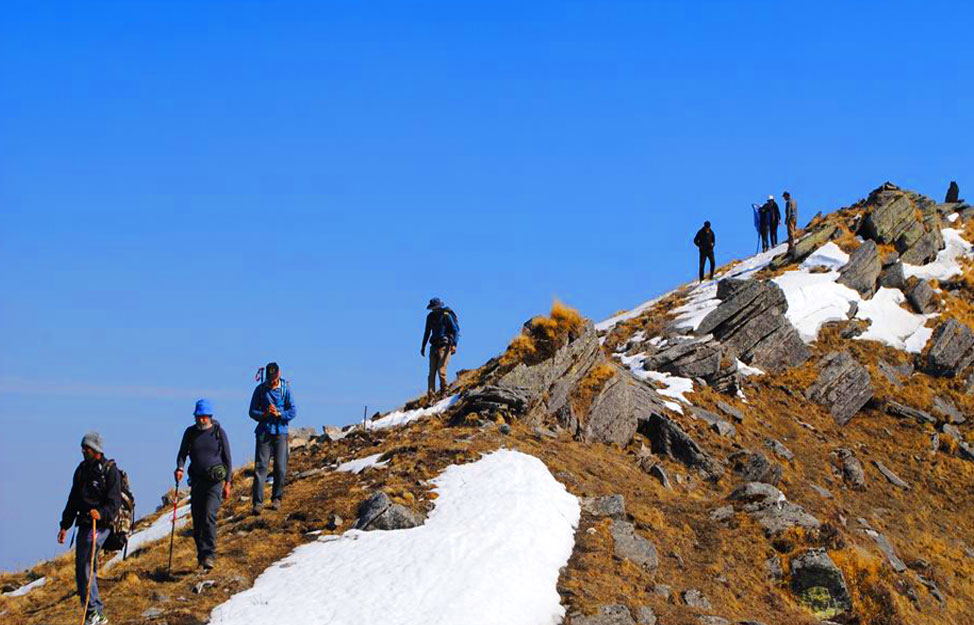
Kedarkantha Trek One of the most popular winter treks in India, Kedarkantha is famous for its snow-covered summit, pine forests, and campsites that feel straight out of a postcard. Beginners with reasonable fitness can attempt it, which is why it's often recommended as a "first Himalayan snow trek."
Dayara Bugyal Trek Dayara is one of the largest high-altitude meadows in Uttarakhand, offering rolling green (or snow-covered) bugyals and panoramic views of Bandarpunch and Black Peak. A great trek for those who want meadows over rocky terrain.
Har Ki Dun Trek Known as the "Valley of Gods," Har Ki Dun is a cradle-shaped valley trek passing through the Govind Wildlife Sanctuary, ancient Osla village, and offering close-up views of Swargarohini peak. It's a longer trek that rewards trekkers with rich biodiversity and culture along the way.
Madmaheshwar Trek Madmaheshwar is one of the five sacred Panch Kedar temples and one of Garhwal's most underrated treks. Starting from Ransi village near Ukhimath, the trail moves through dense forests and meadows before reaching the ancient Madmaheshwar temple, with the Chaukhamba range standing dramatically in the background. It's quieter than the more commercial trails, making it ideal for trekkers who want solitude along with spirituality and scenery.
Rudranath Trek Another Panch Kedar trek, Rudranath is considered one of the more demanding moderate treks due to its long, steep, and forested trail with very few flat stretches. Starting from Sagar village, the path passes through dense jungle before opening into the Anusuya Devi meadows and finally reaching the remote, rock-cut Rudranath temple — set amidst a stunning amphitheatre of Himalayan peaks including Nanda Ghunti and Trishul. This trek is best suited for trekkers who already have at least one Himalayan trek under their belt.
Difficult Treks
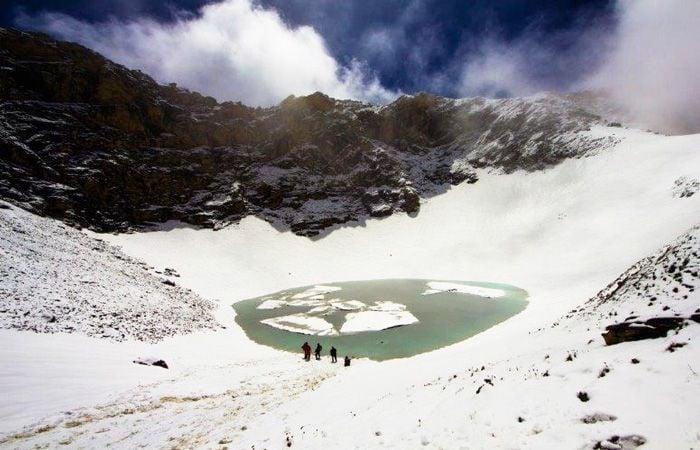
Roopkund Trek, famous for the mysterious human skeletons found at the glacial lake, Roopkund, is a high-altitude trek that takes you through Bedni Bugyal, Ali Bugyal, and the Junargali pass, with constantly changing terrain from meadows to glaciers.
Bali Pass Trek A technical high-altitude pass-crossing trek connecting the Yamunotri and Har Ki Dun valleys, Bali Pass demands prior trekking experience, good fitness, and comfort with steep snow and ice sections.
Kalindi Khal Trek One of the toughest treks in the Garhwal Himalayas, Kalindi Khal is a glacier-crossing expedition connecting Gangotri to Badrinath via a high pass at over 5,900 metres. This is strictly for experienced trekkers with prior high-altitude exposure.
Quick Reference Table
| Trek | Duration | Difficulty | Best Time |
|---|---|---|---|
| Nag Tibba | 2 Days | Easy | Oct-Jun |
| Deoriatal | 2 Days | Easy | Mar-Jun, Sep-Dec |
| Chopta Chandrashila | 2-3 Days | Easy-Moderate | Mar-Jun, Sep-Dec |
| Kedarkantha | 4-6 Days | Easy-Moderate | Dec-Apr |
| Dayara Bugyal | 4-5 Days | Moderate | Dec-Apr, May-Jun |
| Har Ki Dun | 6-8 Days | Moderate | Apr-Jun, Sep-Nov |
| Madmaheshwar | 5-6 Days | Moderate | Apr-Jun, Sep-Nov |
| Rudranath | 4-5 Days | Moderate-Difficult | May-Jun, Sep-Oct |
| Roopkund | 7-9 Days | Difficult | May-Jun, Sep-Oct |
| Bali Pass | 7-8 Days | Difficult | May-Jun, Sep-Oct |
| Kalindi Khal | 11-13 Days | Difficult | Jun-Sep |
Best Time for Trekking in Uttarakhand
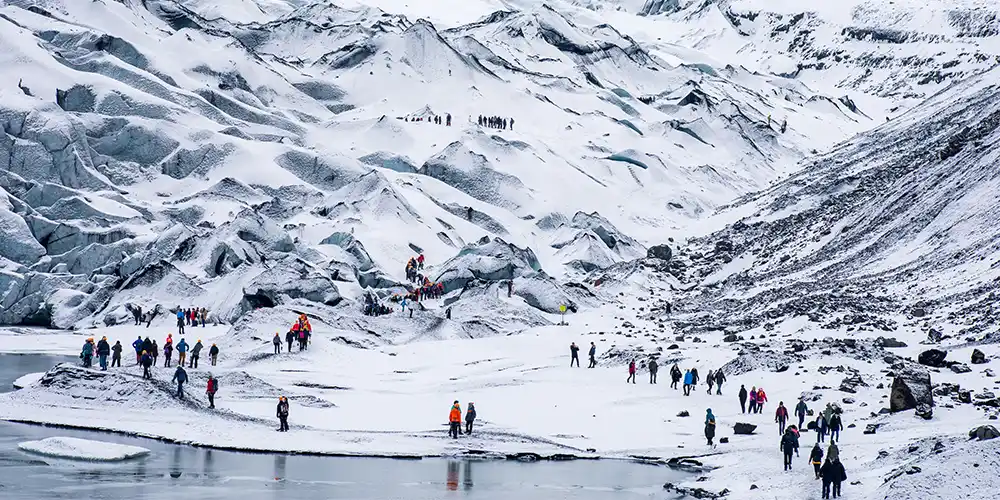
Uttarakhand's trekking calendar runs almost year-round, but each season suits different trails.
Spring (March–May) This is when rhododendron forests bloom in shades of red and pink, and the weather is pleasant enough for treks like Deoriatal, Chopta Chandrashila, and the early window for Har Ki Dun.
Summer (May–June): With lower altitudes warming up, this is the window for high-altitude treks like Roopkund and Bali Pass, and for the start of the Madmaheshwar and Rudranath seasons, as snow clears from higher sections.
Monsoon (July–August) Most regular treks are avoided in monsoon due to landslide and slippery trail risk, except for the famous Valley of Flowers Trek, which is actually at its peak bloom during this exact period.
Winter (December–February) This is snow trekking season. Kedarkantha is the undisputed winter favourite, along with Dayara Bugyal, for trekkers who want a snow-meadow experience without extreme difficulty.
Popular Trekking Regions
Uttarakhand's trekking landscape is broadly divided into two regions, each with its own character.
Garhwal Region
Garhwal is home to most of the state's iconic Himalayan trails:
- Kedarkantha
- Har Ki Dun
- Valley of Flowers
- Kuari Pass
- Madmaheshwar
- Rudranath
Kumaon Region
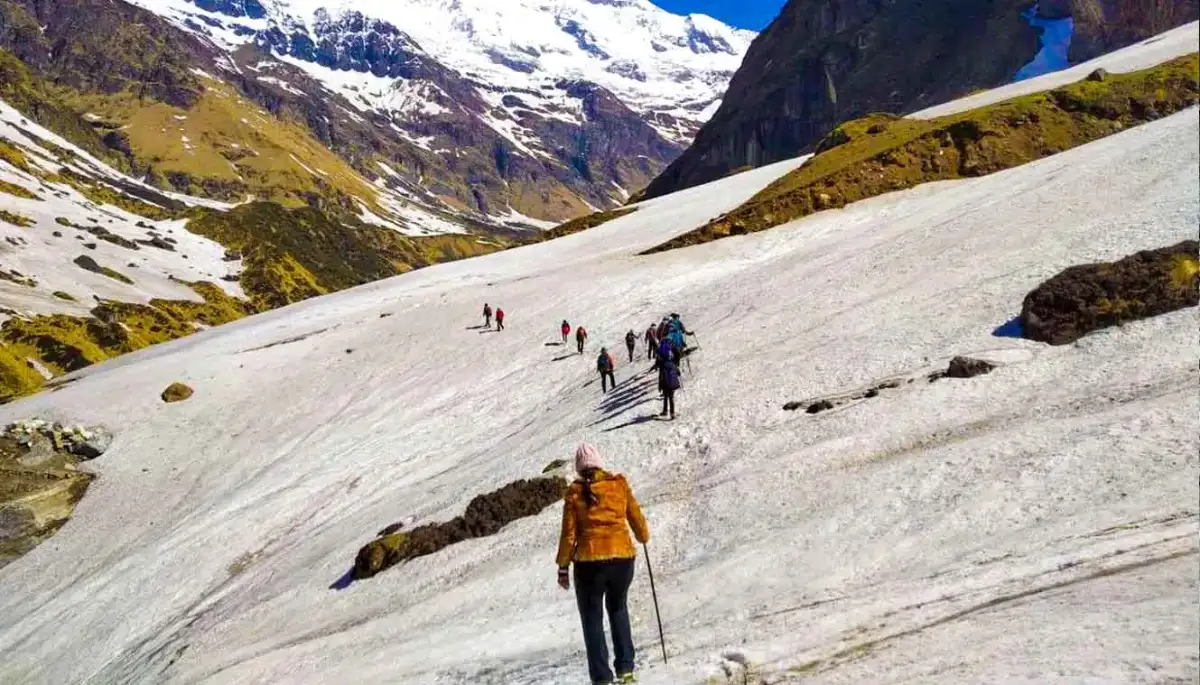
Kumaon is comparatively less crowded and known for its glacier-facing trails:
- Pindari Glacier
- Kafni Glacier
- Namik Glacier
Both regions offer dramatically different experiences — Garhwal leans toward meadows, passes, and Panch Kedar spirituality, while Kumaon leans toward quieter glacier-facing trails with fewer crowds.
Essential Trekking Tips
- Carry proper, well-broken-in trekking shoes with good ankle support and grip.
- Stay hydrated throughout the trek, even in cold weather when thirst cues are weaker.
- Pack warm clothes in layers — Himalayan weather can shift quickly even in summer.
- Follow local guidelines and instructions from your trek leader or guide.
- Avoid plastic waste — many trails now have strict no-plastic enforcement.
- Trek with certified guides for difficult routes, especially glacier crossings and high passes.
What to Pack for Uttarakhand Treks
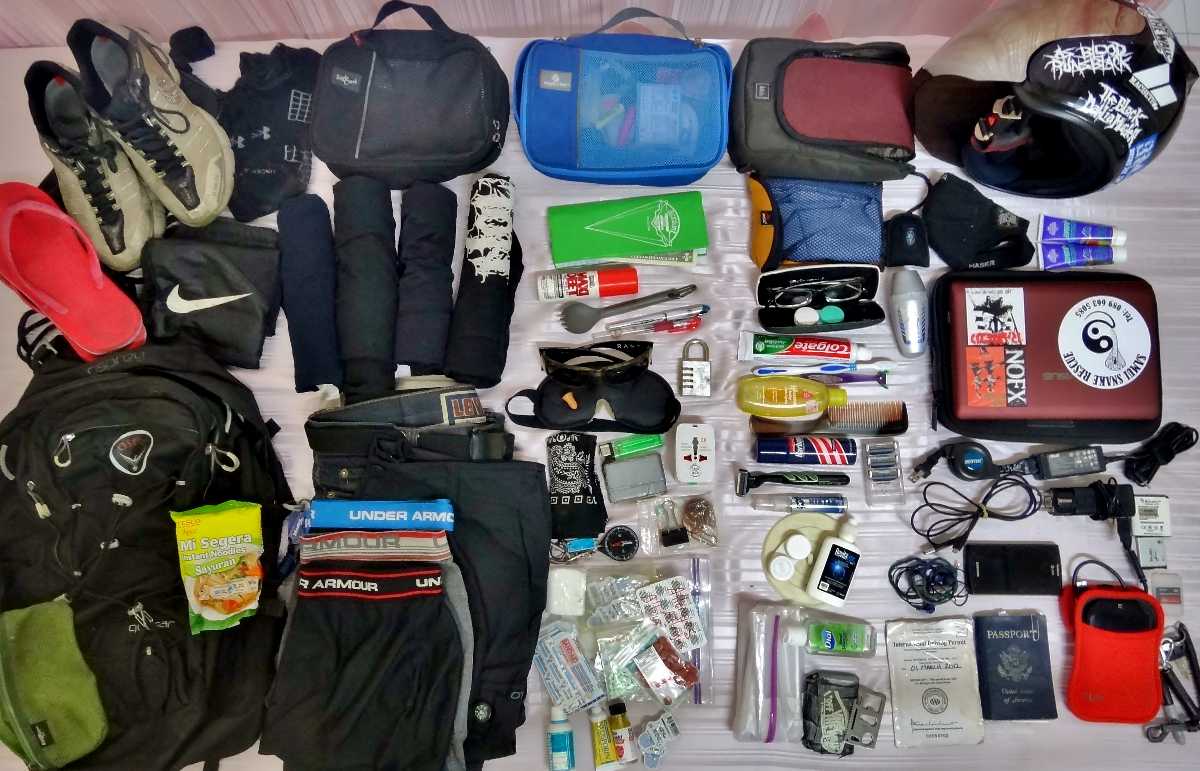
A well-packed bag can make or break a trek. Here's a base checklist:
- Trekking shoes (waterproof, ankle-support)
- Backpack (40-60L depending on trek duration)
- Raincoat/poncho
- Water bottle (1-2 litres, insulated preferred)
- First-aid kit (with personal medication)
- Torch/headlamp with spare batteries
- Thermal wear (base layers for cold nights)
- Trekking poles (especially useful on descents)
Safety Guidelines
- Check the weather forecast right before departure and during the trek.
- Acclimatise properly on high-altitude treks — don't rush ascent on day one.
- Avoid trekking alone, particularly on remote or difficult trails.
- Inform family or friends about your itinerary and expected return date.
- Carry emergency contacts, including your trek operator and local rescue numbers.
Cost of Trekking in Uttarakhand
Trekking costs in Uttarakhand vary significantly based on trek length, difficulty, and whether you go guided or independent.
- Budget treks (short, easy treks like Nag Tibba or Deoriatal): Generally affordable, with costs covering basic stay, meals, and a local guide.
- Guided treks (moderate to difficult treks like Kedarkantha, Har Ki Dun, or Roopkund): Pricing typically includes camping, meals, permits, and trained trek leaders — a worthwhile investment for safety on longer routes.
- Transportation cost: Varies based on the base point — treks starting near Dehradun or Rishikesh are generally cheaper to reach than remote starting points like Sagar village (Rudranath) or Ransi (Madmaheshwar).
- Equipment rental charges: Most base camps and trek operators offer rental gear (sleeping bags, jackets, gaiters) at a daily rate if you don't own your own.
For an exact quote tailored to your chosen trek, dates, and group size, it's best to check directly with a trusted local trek operator.
FAQs About Trekking in Uttarakhand
1. Which is the best trek in Uttarakhand?
There's no single "best" trek — it depends on your fitness and experience. Kedarkantha is the most popular all-rounder, while Har Ki Dun and Madmaheshwar are favourites for those wanting culture along with scenery.
2. Is trekking in Uttarakhand safe?
Yes, when done with proper preparation, with a certified guide on difficult trails, and adherence to weather advisories. Easy and moderate treks are generally very safe for fit beginners.
3. Which trek is best for beginners?
Nag Tibba, Deoriatal, and Chopta Chandrashila are the most beginner-friendly treks in Uttarakhand due to their short duration and gentle gradients.
4. What is the best month for trekking in Uttarakhand?
March to June and September to November are the two best windows for most treks. December to February suits snow treks like Kedarkantha, while July-August is reserved almost exclusively for the Valley of Flowers.
5. How much does a trek in Uttarakhand cost?
Costs depend on trek duration and difficulty — short, easy treks are budget-friendly, while longer guided treks involving camping and permits cost more. It's best to get a custom quote based on your specific trek.
6. Which trek offers snow views in Uttarakhand?
Kedarkantha is the most famous snow trek, with Dayara Bugyal and the winter stretch of Har Ki Dun also offering excellent snow views.
Whether you're chasing your first Himalayan sunrise on Nag Tibba or aiming for a Panch Kedar pilgrimage trek like Madmaheshwar or Rudranath, Uttarakhand has a trail waiting for every kind of trekker. Plan your season right, pack smart, and the mountains will take care of the rest.
Helpful Resources for Trek Planning:
- Madhyamaheshwar Temple Trek from Ransi Village
- Buda Madmaheshwar Complete Guide 2026
- Madmaheshwar Trek Route Guide
- Madmaheshwar Trek in May: Complete Guide
- Madmaheshwar vs Kedarnath Trek: Which One Should You Choose in 2026?
- Madmaheshwar vs Tungnath Trek
- Madmaheshwar vs Rudranath Trek
- Madhyamaheshwar Yatra 2026:Complete Guide
- Madmaheshwar trek full itinerary 2026
- Madmaheshwar Trek in June: Complete Guide
- Madmaheshwar Trek in Monsoon – Landslide Risk & Tips (2026 Complete Guide)
- Madmaheshwar Weather / Climate
- How to reach Madmaheshwar
- Madhmaheshwar Tour Guide/itinerary
- Best time to visit Madmaheshwar
- Madhmaheshwar
- Places To Visit In Madmaheshwar
- Madmaheshwar History & Mythology


