
Dhari Devi Temple in Srinagar Garhwal
Published on February 23, 2026
Dhari Devi Temple – The Guardian Goddess of Uttarakhand
Dhari Devi Temple is one of the most revered shrines in Uttarakhand, located near Rudraprayag. The temple is dedicated to Goddess Dhari Devi, considered the guardian deity of the region, and is believed to protect the Char Dham Yatra pilgrims and local inhabitants from natural calamities.
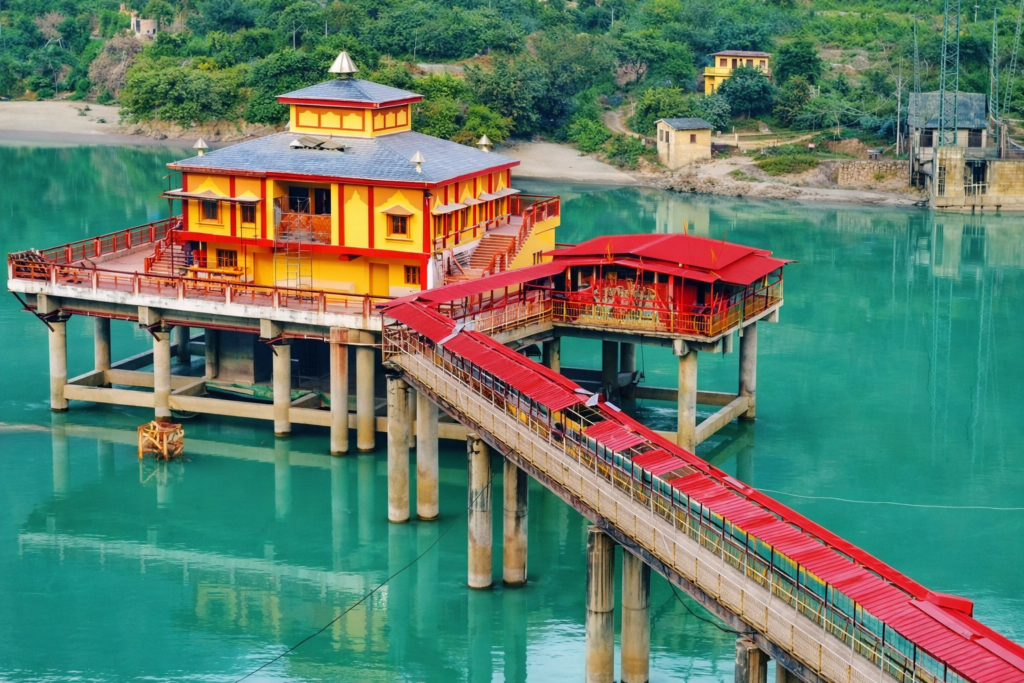
Perched on a hilltop overlooking the confluence of the Alaknanda and Mandakini rivers, the temple offers a breathtaking view of the Himalayan valleys. Its spiritual significance draws thousands of devotees every year, especially those undertaking the CharDham . Pilgrims often visit Dhari Devi Temple as a protective blessing before continuing their journey to Kedarnath, Badrinath, and other sacred destinations.
The legend of Dhari Devi links her divine energy to the safety of Rudraprayag and the surrounding regions. Locals believe that the goddess’s presence prevents floods, landslides, and other disasters in the area. This makes Dhari Devi Temple not only a site of worship but also a symbol of faith, protection, and resilience in Uttarakhand.
2. Location and How to Reach Dhari Devi Temple (Rudraprayag, Uttarakhand)
Dhari Devi Temple is located near Rudraprayag in Uttarakhand, at the confluence of the Alaknanda and Mandakini rivers. The temple’s hilltop position provides stunning views of the surrounding Himalayan valleys and river plains, making it both a spiritual and scenic destination.
By Road
The temple is well-connected by road from major towns in Uttarakhand. From Rudraprayag, it is approximately 7–8 kilometres via a winding hill road. Visitors can hire taxis or use private vehicles to reach the temple. The drive offers picturesque views of rivers, forests, and the mountains.
By Rail
The nearest railway stations are in Rishikesh (about 140 km) and Haridwar (around 160 km). From these stations, taxis and buses are available to reach Rudraprayag, from where the temple is easily accessible.
By Air
The closest airport is Jolly Grant Airport in Dehradun, roughly 170 kilometres away. From the airport, visitors can hire taxis or join guided tours covering Rudraprayag, Dhari Devi Temple, and the surrounding Char Dham pilgrimage sites.
The temple’s location makes it a strategic and spiritually significant stop for pilgrims on the Char Dham Yatra, providing both divine blessings and a scenic Himalayan experience.
3. The Legend and Story Behind Dhari Devi Temple
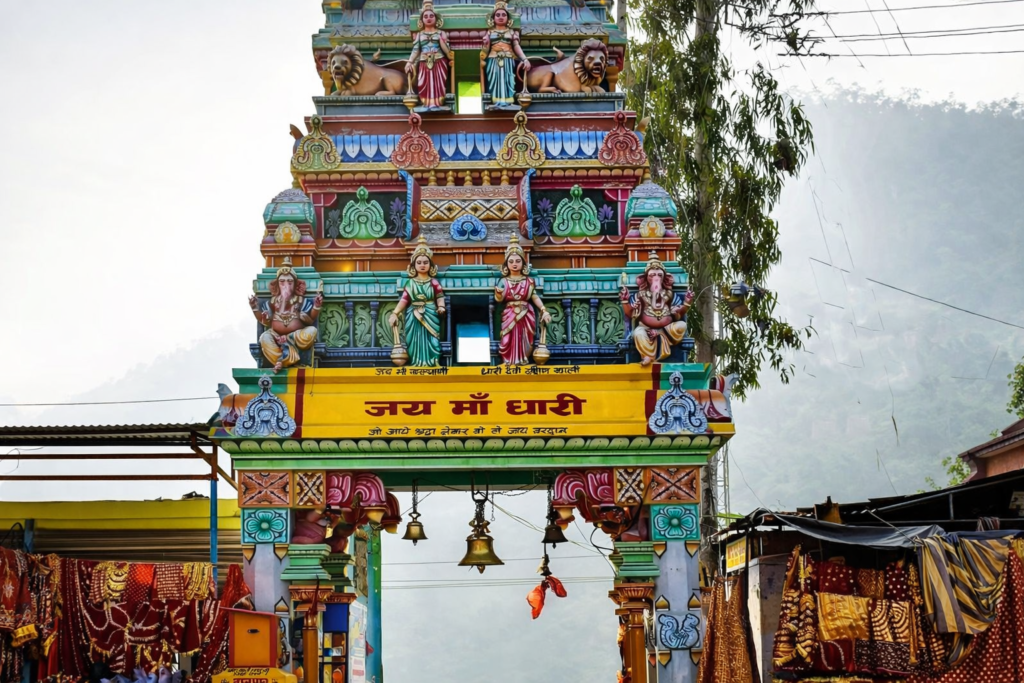
Dhari Devi Temple is steeped in mythology and local legend, making it one of the most spiritually significant shrines in Uttarakhand. The goddess Dhari Devi is believed to be an incarnation of Goddess Parvati, and her protective energy is said to safeguard the Char Dham Yatra pilgrims and the surrounding regions from natural calamities.
According to local stories, the deity originally resided in a small shrine near Rudraprayag, overlooking the Alaknanda and Mandakini rivers. Devotees believe that Dhari Devi’s divine presence prevents floods, landslides, and other disasters, providing spiritual protection to the region.
The temple also has a historical connection to the Char Dham pilgrimage. Before setting out for Kedarnath or Badrinath, pilgrims traditionally stop at Dhari Devi Temple to seek blessings for a safe journey. The goddess’s protective aura is considered especially powerful during the monsoon season, when the rivers are in full flow and the Himalayan paths can be treacherous.
The story of Dhari Devi embodies faith, protection, and devotion, highlighting the unique role this temple plays in the spiritual landscape of Uttarakhand.
4. Dhari Devi Temple Architecture and Main Deity
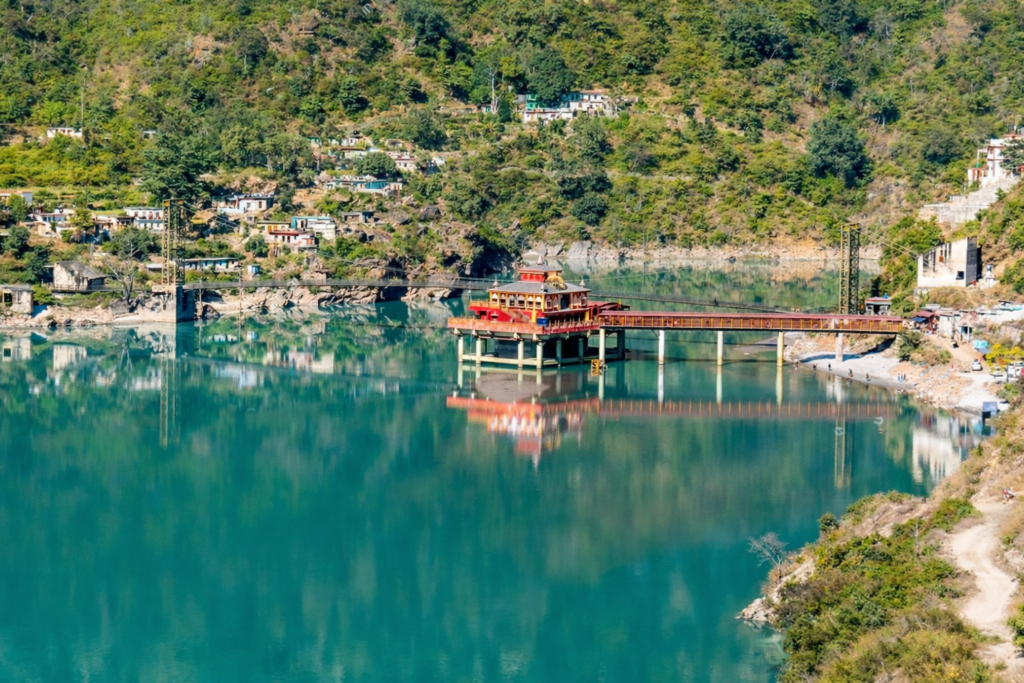
Dhari Devi Temple is built in the traditional Himalayan hill temple style, using stone and wood to withstand the region’s harsh weather. The temple’s design is simple yet spiritually uplifting, reflecting the ascetic and devotional nature of the Garhwal region.
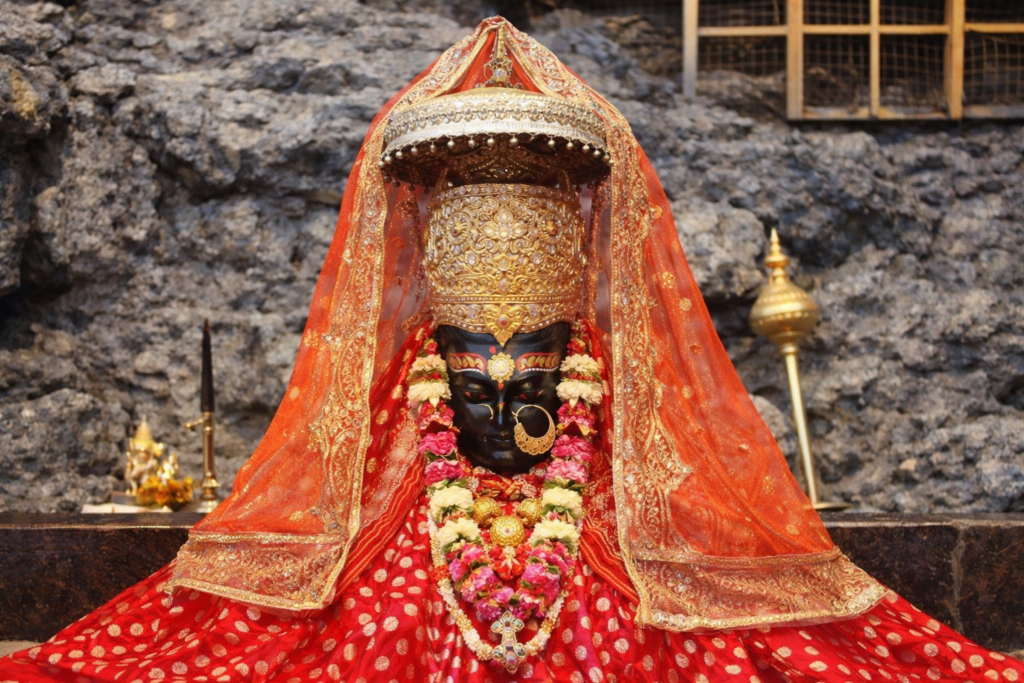
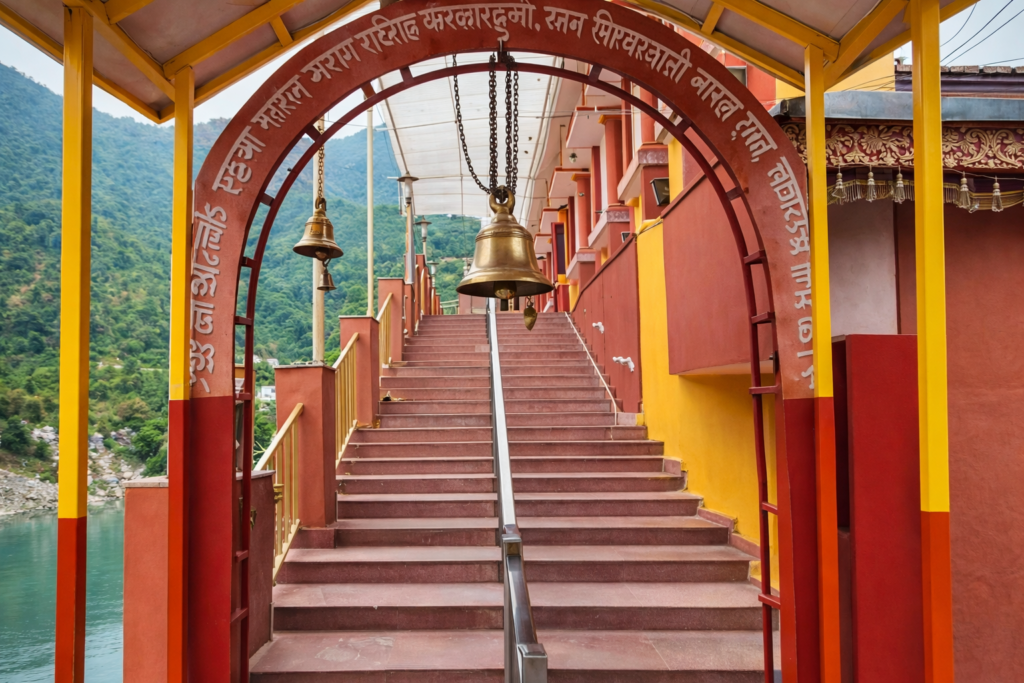
The main deity of the temple is Goddess Dhari Devi, worshipped as a protective mother figure. Devotees offer prayers, flowers, and ceremonial rituals to seek her blessings for safety and prosperity. The sanctum sanctorum houses the idol in a small but sacred chamber, and the atmosphere is enhanced by the chants of pilgrims and the sound of temple bells.
The temple complex also includes smaller shrines and prayer spaces for devotees who wish to perform additional rituals. Its elevated location provides a panoramic view of the Alaknanda and Mandakini rivers, enhancing the spiritual experience with the serene natural beauty of the Himalayas.
Visitors often describe a sense of peace and divine connection while visiting Dhari Devi Temple, as the combination of architecture, natural surroundings, and devotional energy creates a uniquely sacred environment.
5. Importance of Dhari Devi Temple in Chardham Yatra
Dhari Devi Temple holds a special place in the Char Dham Yatra, as it is considered the guardian deity of pilgrims journeying to Kedarnath, Badrinath, and other sacred sites in Uttarakhand. Before embarking on the rigorous Himalayan pilgrimage, devotees often stop at Dhari Devi Temple to seek blessings for a safe and smooth journey.
The temple’s strategic location near Rudraprayag, at the confluence of the Alaknanda and Mandakini rivers, makes it an essential spiritual checkpoint. Pilgrims believe that offering prayers here helps them overcome obstacles on the treacherous mountain paths and protects them from natural disasters such as landslides and floods.
In addition to its spiritual role, Dhari Devi Temple serves as a cultural landmark. It reflects centuries of devotion in the Garhwal region and reinforces the continuity of sacred traditions associated with the Char Dham circuit. Visiting the temple is not just an act of worship but a preparation for the physically and spiritually demanding journey of the pilgrimage.
6. Festivals, Rituals, and Spiritual Practices at Dhari Devi
Dhari Devi Temple is alive with devotion throughout the year, but certain festivals and rituals make it especially vibrant. Pilgrims and locals gather to honour the goddess, creating a spiritually charged atmosphere at the hilltop shrine.
-
Navratri Celebrations: Navratri is the most important festival at Dhari Devi Temple. During these nine days, devotees perform special prayers, aartis, and rituals, seeking the goddess’s blessings for protection, health, and prosperity.
-
Daily Rituals: Pilgrims participate in pradakshina (circumambulation), offer flowers, light oil lamps, and chant mantras. These practices are believed to strengthen the divine connection and invite the goddess’s protection.
-
Char Dham Preparatory Blessings: Many devotees stop at Dhari Devi Temple before starting the Char Dham Yatra. Special blessings are offered to ensure a safe journey to Kedarnath, Badrinath, and other Himalayan temples.
-
Seasonal Pilgrimages: During the monsoon and summer months, the temple sees increased footfall from travellers combining spiritual visits with Himalayan sightseeing.
The combination of festivals, daily rituals, and seasonal pilgrimages highlights the temple’s importance in both religious and cultural life, making it a central hub for faith and devotion in Uttarakhand.
7. Scenic Views, Photography, and Pilgrimage Experience
Dhari Devi Temple offers breathtaking scenic views that enhance the spiritual experience for pilgrims and travellers. Located on a hilltop overlooking the confluence of the Alaknanda and Mandakini rivers, the temple provides panoramic vistas of the surrounding Himalayan valleys and forests.
The temple and its surroundings are perfect for photography. The river confluence, lush greenery, and distant snow-capped peaks create striking compositions for landscape and cultural photography. Early mornings and evenings provide soft natural light, ideal for capturing serene and spiritual moments.
Pilgrims often take time to meditate along the riverbanks or within the temple complex. The peaceful environment, combined with the sound of flowing rivers and the chants of devotees, offers a sense of calm and divine connection. Many travelers describe the visit as both a spiritual journey and an opportunity to reconnect with nature in its purest form.
Visiting Dhari Devi Temple allows pilgrims to combine devotion, natural beauty, and cultural immersion, making the experience deeply memorable.
8. Best Time to Visit Dhari Devi Temple – Weather Guide
The best time to visit Dhari Devi Temple is between March and June and September to November. During these months, the weather is pleasant, the skies are clear, and the surrounding Himalayan landscapes are at their most beautiful.
-
Spring (March to June): Temperatures range from 12°C to 25°C. The valleys and forests around Rudraprayag are lush and colourful, making it ideal for sightseeing, temple visits, and photography.
-
Autumn (September to November): Post-monsoon, the rivers flow clear, and the mountains appear crisp and vibrant. This season is perfect for pilgrims seeking both spiritual blessings and scenic views.
-
Winter (December to February): Winters can be cold, with temperatures dropping to around 5°C. While the temple remains accessible, higher Himalayan paths nearby may be covered in snow. Pilgrims seeking a quieter, meditative experience often visit during this time.
-
Monsoon (July to August): Heavy rainfall may cause slippery roads and landslides. Travel is generally not recommended, though the landscape is lush and green.
Planning a visit during the right season ensures a safe pilgrimage, clear river views, and the opportunity to fully enjoy the spiritual and natural offerings of Dhari Devi Temple.
9. Nearby Attractions: Rudraprayag, Chopta, and Other Garhwal Sites
Dhari Devi Temple is surrounded by several scenic and spiritual destinations that pilgrims and travellers often combine with their visit. These nearby sites provide a mix of natural beauty, adventure, and cultural experiences.
- Rudraprayag: The town itself is a hub for pilgrims travelling to Kedarnath and other Char Dham destinations. It offers local markets, riverside views, and traditional Garhwali culture.
- Chopta: Known as the Mini Switzerland of India, Chopta is famous for its meadows, trekking trails, and panoramic Himalayan views. It serves as a base for treks to Tungnath and Chandrashila.
- Tungnath and Chandrashila: These sites are ideal for adventure seekers and spiritual travellers. Tungnath is the highest Shiva temple in the world, and the Chandrashila summit offers breathtaking vistas of the Garhwal Himalayas.
Travellers planning a trip to Chopta can also explore our Chopta Tour Package for a planned travel experience.
- Other Garhwal Destinations: Pilgrims can also explore Madhyamaheshwar, Karnaprayag, and other sacred sites in the region, making it a spiritually enriching and scenic journey.
Visiting Dhari Devi Temple along with these attractions allows travellers to combine devotion, nature exploration, and cultural immersion in one itinerary.
10. Accommodation Options Near Dhari Devi Temple
While Dhari Devi Temple itself does not have large accommodation facilities, there are several options available in Rudraprayag and nearby villages for pilgrims and travellers.
- Guesthouses and Lodges: Rudraprayag offers budget-friendly guesthouses and lodges suitable for short stays. These are ideal for pilgrims who want easy access to the temple and nearby attractions.
- Hotels: Small hotels in Rudraprayag provide comfortable rooms with basic amenities. Some offer meals and can assist with local travel arrangements.
- Homestays: Local families in villages around the temple provide homestays, giving visitors a chance to experience Garhwali culture and hospitality firsthand.
- Pilgrimage Camps: During peak Char Dham seasons, temporary camps are set up near the temple and along the Rudraprayag route to accommodate the influx of pilgrims.
Booking in advance, especially during the Char Dham Yatra season or festivals like Navratri, is recommended to ensure a comfortable stay.
11. Travel Tips for Pilgrims Visiting Dhari Devi
Visiting Dhari Devi Temple can be a spiritually rewarding experience, but it’s important to plan carefully for comfort and safety. Here are some tips for pilgrims and travellers:
- Travel Light: The temple is on a hilltop, so wear comfortable footwear and carry light bags for easier mobility.
- Weather Preparation: Carry warm clothing during winter and monsoon-appropriate gear if visiting during rains.
- Respect Local Customs: Follow temple etiquette, maintain silence in prayer areas, and dress modestly.
- Stay Hydrated: Carry water and light snacks, especially if you plan to trek to nearby viewpoints.
- Use Local Guides: Hiring local guides can help navigate the region safely and provide insights into the temple’s history and legends.
- Plan Accommodation in Advance: Especially during Char Dham seasons or festivals like Navratri, rooms in Rudraprayag and nearby villages fill quickly.
- Photography: Respect temple rules and local traditions when taking photographs. Sunrise and sunset provide the best natural lighting for scenic captures.
Following these tips ensures a safe, enjoyable, and spiritually fulfilling visit to Dhari Devi Temple.

12. Frequently Asked Questions (FAQ)
1. What is the significance of Dhari Devi Temple?
Dhari Devi is considered the guardian goddess of Uttarakhand. Pilgrims believe she protects the Char Dham Yatra routes, and her blessings are sought for a safe journey and spiritual well-being.
2. How can I reach Dhari Devi Temple from Rudraprayag?
The temple is about 7–8 kilometres from Rudraprayag. Visitors can hire taxis, use private vehicles, or walk part of the scenic hill path to reach the temple.
3. What is the best time to visit Dhari Devi Temple?
The ideal months are March to June and September to November when the weather is pleasant, and the Himalayan views are clear. Monsoon season is generally not recommended due to slippery roads.
4. Are there accommodation options near Dhari Devi Temple?
Yes, Rudraprayag and nearby villages offer guesthouses, lodges, small hotels, and homestays. Temporary pilgrimage camps are also set up during peak seasons.
5. Is Dhari Devi Temple connected to the Char Dham Yatra?
Yes, the temple is considered an important spiritual stop for pilgrims before they continue to Kedarnath, Badrinath, and other Char Dham destinations. Many devotees offer prayers here for a safe journey.
Also Read: