
Omkareshwar Temple Uttarakhand
Published on February 23, 2026
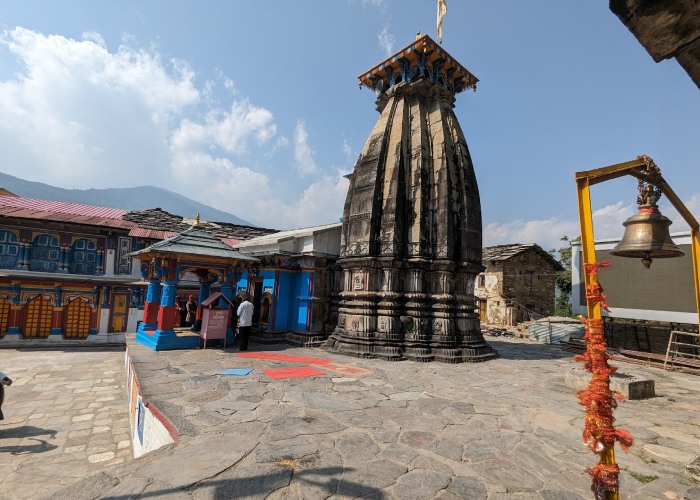
Omkareshwar Temple is an important Lord Shiva temple located in Ukhimath in Rudraprayag district, Uttarakhand. The town is known for its strong connection with the Kedarnath and Madhyamaheshwar pilgrimage traditions and serves as an important religious centre in the Garhwal Himalayas.
Uttarakhand Tourism and the Rudraprayag district administration identify Ukhimath as the winter seat of Lord Kedarnath. When Kedarnath closes for winter, worship of the symbolic form of Lord Kedarnath continues at Ukhimath. Official district information also records that the silver idols from Madhyamaheshwar are ceremonially brought to Ukhimath during the winter closure of the high-altitude temple.
Because of this religious importance and its position on the wider pilgrimage route, Omkareshwar Temple is a useful stop for travellers visiting Kedarnath, Madhyamaheshwar, Ukhimath and nearby parts of Rudraprayag district.
Omkareshwar Temple Quick Information
| Information | Details |
|---|---|
| Temple Name | Omkareshwar Temple |
| Location | Ukhimath, Rudraprayag district, Uttarakhand |
| Main Deity | Lord Shiva |
| Religious Importance | Winter worship centre associated with Kedarnath; Ukhimath also receives the Madhyamaheshwar idols in winter |
| Ukhimath Elevation | About 1,311 metres |
| Distance from Rudraprayag | About 41 km |
| Distance from Guptkashi | About 13 km |
| Nearest Railway Station | Rishikesh |
| Nearest Airport | Jolly Grant Airport, Dehradun |
| Best For | Shiva devotees, Kedarnath pilgrims, Madhyamaheshwar travellers and visitors exploring Ukhimath |
The location, elevation and road-distance information above follows the Rudraprayag district administration's current Ukhimath information.
Where Is Omkareshwar Temple Located?
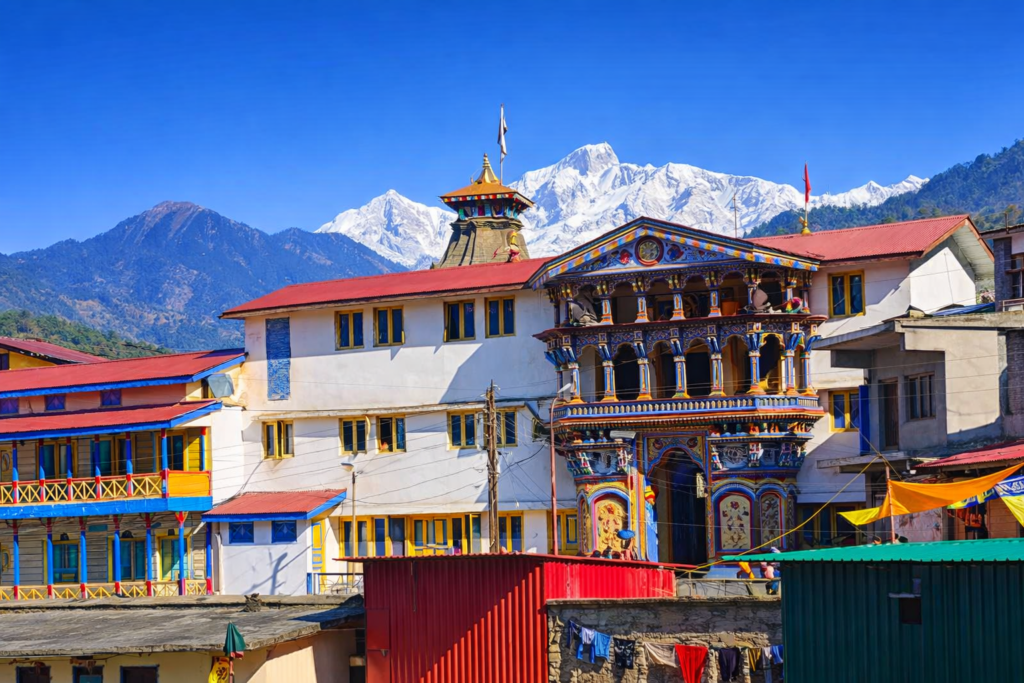
Omkareshwar Temple is located in Ukhimath, a mountain town in Rudraprayag district of Uttarakhand.
This distinction is important because there are several temples named Omkareshwar in India. The temple described here is the Omkareshwar Temple of Ukhimath in Uttarakhand, not the famous Omkareshwar Jyotirlinga located on the Narmada River in Madhya Pradesh.
Ukhimath lies approximately 41 km from Rudraprayag and 13 km from Guptkashi and is situated at an elevation of about 1,311 metres.
The town is connected by motorable mountain roads and is frequently used as a base or transit point by pilgrims travelling towards Madhyamaheshwar and the wider Kedarnath region.
Why Is Omkareshwar Temple Important?
The religious importance of Omkareshwar Temple is closely connected with the seasonal worship traditions of the Garhwal Himalayas.
Kedarnath lies at a high altitude and becomes inaccessible during the winter season. When the Kedarnath shrine closes, the symbolic form of Lord Shiva is brought to Ukhimath, where worship continues through winter. Uttarakhand Tourism therefore identifies Omkareshwar Temple in Ukhimath as the winter seat of Lord Kedarnath.
Ukhimath is also connected with Madhyamaheshwar, the Second Kedar of the Panch Kedar circuit. Rudraprayag district records state that when Madhyamaheshwar closes for winter, its silver idols are ceremonially taken to Ukhimath for worship.
This makes Ukhimath particularly important for devotees who want to understand how worship connected with the high-altitude Himalayan temples continues during winter.
Omkareshwar Temple and Kedarnath
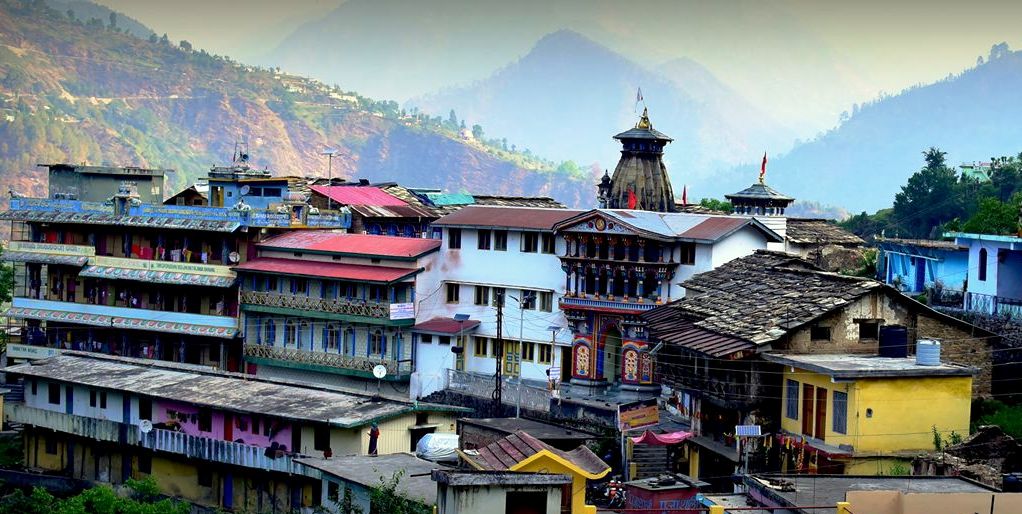
The connection between Omkareshwar Temple and Kedarnath is officially documented.
According to the Shri Badarinath Kedarnath Temple Committee, the symbolic form of Lord Shiva is carried from Kedarnath to Ukhimath when the Kedarnath shrine closes for winter. Worship continues in Ukhimath until the deity returns to Kedarnath for the next pilgrimage season.
For this reason, winter visitors to Ukhimath can experience an important part of the Kedarnath worship tradition without travelling to the snowbound Kedarnath shrine itself.
Exact annual movement dates depend on the religious calendar and official announcements, so travellers should always verify current dates before planning a visit specifically around these ceremonies.
Omkareshwar Temple and Madhyamaheshwar
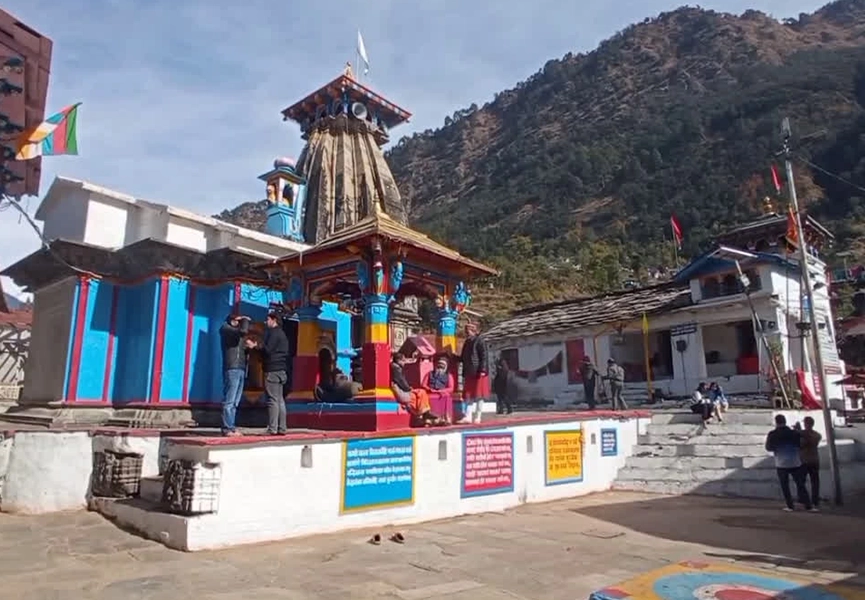
Omkareshwar Temple also has an important relationship with Madhyamaheshwar, one of the five Panch Kedar temples.
Madhyamaheshwar remains inaccessible during part of the winter season. The Rudraprayag district administration states that the silver idols from Madhyamaheshwar are taken ceremonially to Ukhimath for worship when the main temple closes.
A local Madhyamaheshwar Mela is also associated with the arrival of Lord Madheshwar's doli at Omkareshwar Temple in Ukhimath after the winter migration from Madhyamaheshwar Dham.
For travellers specifically researching the complete Madhyamaheshwar winter tradition and deity procession, link here to your dedicated Omkareshwar Temple Ukhimath – Madmaheshwar Winter Seat blog rather than repeating the full procession story on this page.
What Can Visitors See at Omkareshwar Temple?
The Omkareshwar Temple area forms part of a wider religious landscape in Ukhimath.
Official Rudraprayag information mentions temples and traditions associated with Lord Shiva, Goddess Parvati, Usha and Aniruddha in Ukhimath. The town is therefore worth exploring beyond a quick stop at a single shrine.
Visitors can spend time around the temple complex, attend worship according to the temple's current schedule and explore nearby religious sites in Ukhimath.
Temple schedules can vary by season, festival and religious event. Instead of relying on fixed timings published months in advance, confirm the current darshan and aarti schedule locally before visiting.
How to Reach Omkareshwar Temple Ukhimath
By Road
Ukhimath is connected by motorable roads with other major destinations in Uttarakhand.
According to the Rudraprayag district administration, Ukhimath is approximately:
- 41 km from Rudraprayag
- 13 km from Guptkashi
Buses and taxis operate on routes connecting the region, although frequency can vary depending on season and local conditions.
Travellers coming from Rishikesh generally travel through the Garhwal road network towards Rudraprayag before continuing to Ukhimath.
By Train
The nearest railhead listed by the district administration is Rishikesh Railway Station, approximately 180 km from Ukhimath.
From Rishikesh, travellers can continue towards Ukhimath by road.
By Air
Jolly Grant Airport near Dehradun is the nearest major airport. Official sources place it at approximately 198–200 km from Ukhimath.
Road travel is required from the airport to reach Ukhimath.
Best Time to Visit Omkareshwar Temple
Omkareshwar Temple can be considered in different seasons depending on the purpose of the visit.
Winter
Winter has particular religious importance because worship connected with Kedarnath moves to Ukhimath after the high-altitude Kedarnath shrine closes.
Travellers visiting specifically for winter worship should confirm current road and weather conditions before departure.
Spring and Early Summer
This period can be useful for travellers combining Ukhimath with the beginning of the high-altitude pilgrimage season.
Exact opening dates for Kedarnath and Madhyamaheshwar vary each year and should be checked through official or current local sources.
Monsoon
Mountain roads in Uttarakhand can be affected by heavy rainfall and landslides during the monsoon. Travellers should check official weather and road advisories before starting the journey.
Autumn
Post-monsoon months can be suitable for visiting Ukhimath and combining the temple with other destinations in the Rudraprayag region, subject to current road and weather conditions.
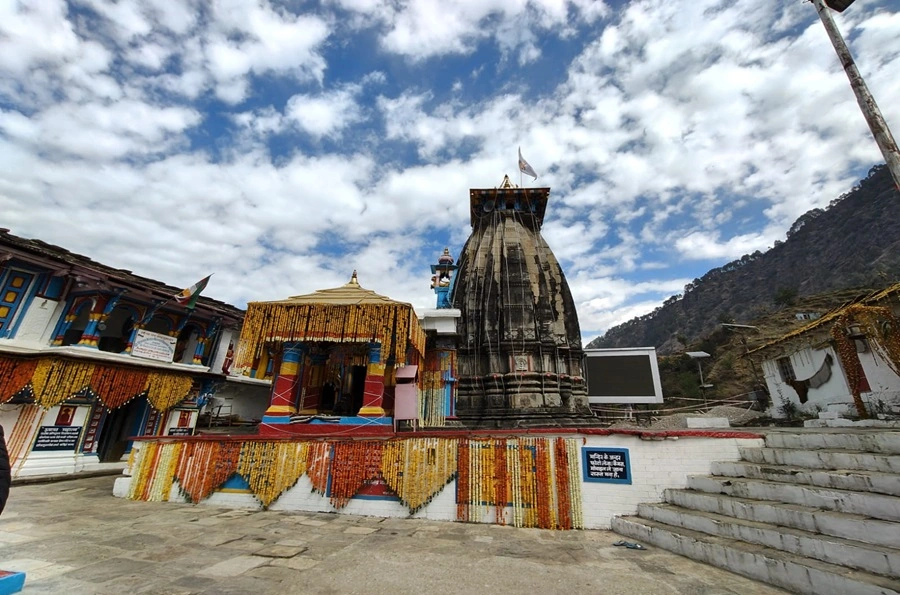
Omkareshwar Temple for Madhyamaheshwar Travellers
Ukhimath is particularly relevant for people planning a Madhyamaheshwar pilgrimage.
The wider Madhyamaheshwar journey passes through the Ukhimath region before travellers continue towards the roadhead and trekking villages. Uttarakhand Tourism's Panch Kedar information places the Madhyamaheshwar approach in the wider Ukhimath area.
Travellers can therefore visit Omkareshwar Temple before beginning the Madhyamaheshwar trek or after returning from it.
For detailed trek planning, route distances and village-by-village information, direct visitors to your dedicated Madhyamaheshwar Route Guide and Madhyamaheshwar Trip Plan rather than expanding those subjects here.
Nearby Places to Visit
Guptkashi
Guptkashi lies around 13 km from Ukhimath according to the district administration and is another important pilgrimage town in Rudraprayag district.
Madhyamaheshwar
Madhyamaheshwar is one of the five Panch Kedar temples and is reached through a separate trekking journey from the Ukhimath region.
Chopta and Tungnath
Chopta lies on the wider Ukhimath–Gopeshwar side and serves as the approach for the Tungnath trek. Uttarakhand Tourism identifies Ukhimath as one of the significant nearby places connected with the Chopta region.
Deoria Tal
Deoria Tal is another popular destination in the wider Ukhimath region and can be considered by travellers who have additional time.
Keep these nearby-place summaries short so this page does not start competing with dedicated Chopta, Tungnath or Madhyamaheshwar guides.
Practical Tips Before Visiting
Check the current temple schedule locally because worship and visitor timings can change during festivals and seasonal religious events.
Wear respectful clothing and follow instructions provided by temple priests or local authorities.
Do not assume that every online photograph labelled “Omkareshwar Temple” shows the Ukhimath temple. Confirm that images used on the page are specifically from Omkareshwar Temple, Ukhimath, Uttarakhand.
Keep some cash available when travelling through smaller Himalayan towns because digital payment and connectivity can occasionally be unreliable.
During the monsoon or winter, check road and weather conditions before travelling through the Rudraprayag–Ukhimath region.
If the purpose of your visit is to witness a particular deity procession or annual religious ceremony, verify the official date for that year instead of relying on previous-year schedules.
Frequently Asked Questions
1. Where is Omkareshwar Temple in Uttarakhand?
Omkareshwar Temple is located in Ukhimath town in Rudraprayag district, Uttarakhand. Ukhimath is approximately 41 km from Rudraprayag and 13 km from Guptkashi.
2. Is Omkareshwar Temple the winter seat of Kedarnath?
Yes. Uttarakhand Tourism and the Shri Badarinath Kedarnath Temple Committee identify Ukhimath as the winter worship seat of Lord Kedarnath when Kedarnath Temple closes because of winter conditions.
3. What is the connection between Madhyamaheshwar and Ukhimath?
The Rudraprayag district administration states that when Madhyamaheshwar closes during winter, its silver idols are ceremonially brought to Ukhimath for worship.
4. How far is Omkareshwar Temple from Rudraprayag?
Ukhimath is approximately 41 km from Rudraprayag by road according to the district administration.
5. Which railway station is nearest to Omkareshwar Temple?
Rishikesh is listed as the nearest railway station to Ukhimath, at approximately 180 km.
6. Which airport is nearest to Ukhimath?
Jolly Grant Airport near Dehradun is the nearest major airport, approximately 198–200 km from Ukhimath according to official sources.
7. Can I visit Omkareshwar Temple during a Madhyamaheshwar trip?
Yes. Ukhimath is part of the wider Madhyamaheshwar travel region, making Omkareshwar Temple a practical pilgrimage stop before or after the Madhyamaheshwar journey.
Also Read:
- Ransi Village – Base for Madmaheshwar Trek
- Madhmaheshwar Temple – History & Significance
- Dhari Devi Temple in Srinagar Garhwal – Travel & Significance
Final Thoughts
Omkareshwar Temple in Ukhimath is an important Shiva temple and a significant part of the religious landscape of Rudraprayag district.
Its strongest documented role is as the winter seat associated with Kedarnath worship, while Ukhimath also plays an important part in the winter worship tradition of Madhyamaheshwar.
For travellers, the temple works best as a factual religious and visitor destination: understand where it is, why Ukhimath matters, how to reach it and how it connects with nearby Himalayan pilgrimage routes.