
Madhmaheshwar Trek
Published on September 15, 2025
The Madmaheshwar Trek is one of the most spiritually charged and visually spectacular treks in the entire Indian Himalayan range. Located in the Rudraprayag district of Uttarakhand, this trek leads pilgrims and adventure seekers to the Madmaheshwar Temple — the second shrine in the sacred Panch Kedar pilgrimage circuit, where the navel (nabhi) of Lord Shiva is worshipped. At an elevation of 3,289 metres, the trail weaves through ancient oak forests, cascading glacial streams, sweeping alpine meadows (bugyals), and jaw-dropping panoramas of peaks like Kedarnath, Chaukhamba, and Kedardome.
Whether you are a devout pilgrim undertaking the Madhyamaheshwar Yatra 2026 or a seasoned trekker chasing the Himalayan wilderness, this trek promises an experience that is nothing short of transformative.
Madmaheshwar Trek Overview

The madmaheshwar trek begins at Ransi village (1,800 m), a small hamlet accessible by road from Ukhimath in the Garhwal Himalayas. The trail is approximately 24 km one way, ascending steadily through three distinct ecological zones — subtropical forest, temperate oak-rhododendron belt, and high-altitude subalpine meadows. The round trip covers nearly 48 km and is typically done over 4 to 5 days for comfortable acclimatisation and temple darshan.
Unlike Kedarnath, which has a helicopter option, Madmaheshwar has no shortcut. The only way in is on foot — which is precisely what makes this trek so deeply rewarding. The entire trail passes through the Kedarnath Wildlife Sanctuary, a protected biosphere teeming with Himalayan monal, bar-headed geese, snow leopards, musk deer, and over 400 plant species. The combination of Panch Kedar trekking, high-altitude biodiversity, and Himalayan grandeur makes the Madmaheshwar trek a must-do in any serious trekker's bucket list.
Quick Facts at a Glance
| Detail | Information |
|---|---|
| Trek Distance | 24 km (One Way) |
| Maximum Altitude | 3,289 m (11,473 ft) |
| Base Village | Ransi / Uniana |
| Nearest Town | Ukhimath (25 km) |
| Trek Duration | 4–5 Days (Round Trip) |
| Difficulty Level | Moderate to Difficult |
| Best Season | May–June & September–October |
| Trek Type | Pilgrimage + Adventure |
| Permit Required | Yes (Forest Entry) |
| Network Availability | BSNL / Jio till Ransi only |
Detailed Trek Route & Waypoints
The Madmaheshwar Trek route follows a well-marked trail maintained by the forest department and local guide associations. Here is a breakdown of all key waypoints along the trail:
| Waypoint | Altitude | Distance from Ransi | Trail Notes |
|---|---|---|---|
| Ransi Village | 1,800 m | 0 km | Trek start point. Forest checkpost; registration mandatory. |
| Nala Camping Ground | 2,100 m | ~5 km | First rest stop. Wooden bridge over Madmaheshwar Ganga. |
| Bantoli | 2,700 m | ~12 km | Main overnight halt. GMVN rest house, tea shops, bugyals begin. |
| Kharchula Kharak | 3,100 m | ~17 km | Spectacular meadow with first views of Kedarnath peak. |
| Madmaheshwar Temple | 3,289 m | ~24 km | Final destination. Temple, GMVN bungalow, panoramic peaks. |
| Budha Madmaheshwar | ~3,650 m | ~27 km | Optional extension (3 km beyond the temple). Glacial lake + ancient shrine. |
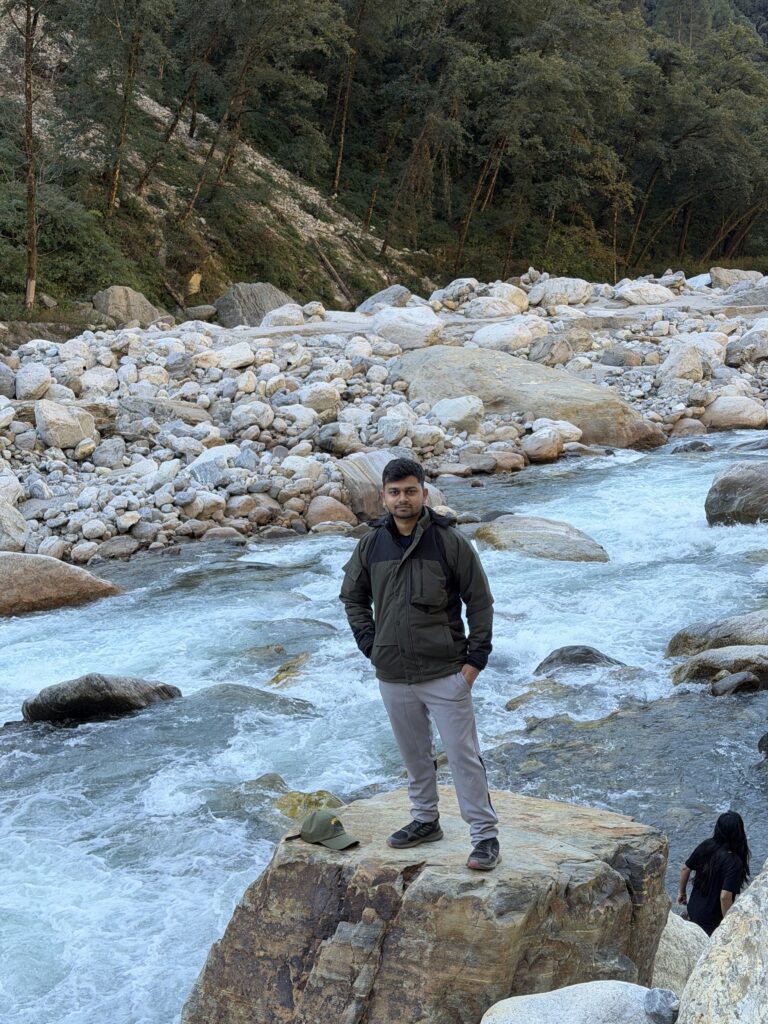
The trail from Ransi to Bantoli passes through a canopy of oak, deodar, rhododendron, and birch trees. You will cross the Madmaheshwar Ganga (a pristine glacial river) multiple times via wooden and stone bridges. Beyond Bantoli, the forest gives way to rolling meadows dotted with Brahmakamal flowers, Himalayan blue poppies, and countless alpine herbs. The final 7 km from Kharchula Kharak to the temple is the most breathtaking stretch, with 360° views of the Greater Himalayan range unfolding at every step.
Day-Wise Madmaheshwar Trek Itinerary (5 Days)
| Day | Stretch | Distance | Duration | Altitude |
|---|---|---|---|---|
| Day 1 | Rishikesh / Haridwar → Ukhimath → Ransi | 200 km (road) | 7–8 hrs drive | 1,800 m |
| Day 2 | Ransi → Bantoli | 12 km trek | 6–7 hrs | 2,700 m |
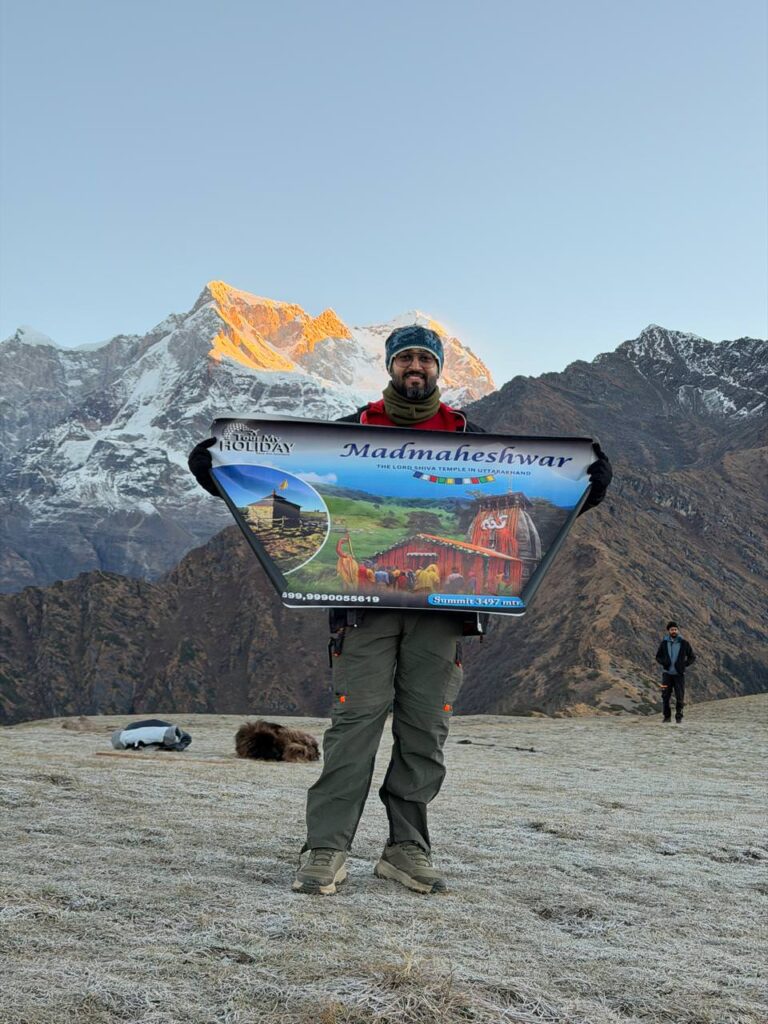
| Day 3 | Bantoli → Madmaheshwar Temple | 12 km trek | 6–7 hrs | 3,497 m |
| Day 4 | Temple Darshan + Visit Budha Madmaheshwar + Descend to Bantoli | ~18 km | 7–8 hrs | 3,650 m → 2,700 m |
| Day 5 | Bantoli → Ransi → Ukhimath | 12 km trek + drive | 5–6 hrs | Return |
Day 3 – The Magic Day
Day 3 is the highlight of the entire Madmaheshwar trek experience. As you climb above Bantoli, the dense forest gradually opens into vast rolling meadows. With every turn, new Himalayan giants reveal themselves — Kedarnath (6,940 m), Chaukhamba (7,138 m), Kedardome (6,831 m), and the striking twin peaks of Madmaheshwar. By the time you reach the temple in the late afternoon, the golden hour light painting the snow-capped peaks is simply unforgettable.
Difficulty Level & Fitness Required
The Madmaheshwar Trek difficulty is rated Moderate to Difficult. Both days of trekking involve significant elevation gain — approximately 900 m each day — on trails that are rocky, steep in sections, and narrow through the forest. The altitude at the temple (3,289 m) can cause mild Acute Mountain Sickness (AMS) symptoms in unacclimatized trekkers.
Who can do it? This trek is suitable for anyone aged 14–60 who is physically fit and has done basic cardio training for at least 4 weeks before the trek. Prior trekking experience, while not mandatory, is strongly recommended. Elderly pilgrims and those with heart or respiratory conditions should consult a doctor before attempting this trek.
Fitness Prep Tip: 4–6 weeks before your Madmaheshwar Trek, start a daily routine of 30–45 minutes of brisk walking, stair climbing, or running. This will dramatically improve your performance on the trail and reduce the risk of altitude sickness.
Best Time for Madmaheshwar Trek
| Season | Months | Conditions | Recommendation |
|---|---|---|---|
| Pre-Monsoon | May – June | Clear skies, rhododendron bloom, snowfields on upper meadows | ✅ Excellent – Peak pilgrimage season |
| Monsoon | July – August | Heavy rain, leeches, landslide risk, slippery trail | ⚠️ Caution – Not recommended for beginners |
| Post Monsoon | September – October | Crystal-clear skies, lush green meadows, minimal crowds | ✅ Best – Ideal for trekkers & photographers |
| Winter | November – April | Heavy snowfall, temple closed, trail inaccessible | ❌ Temple Closed |
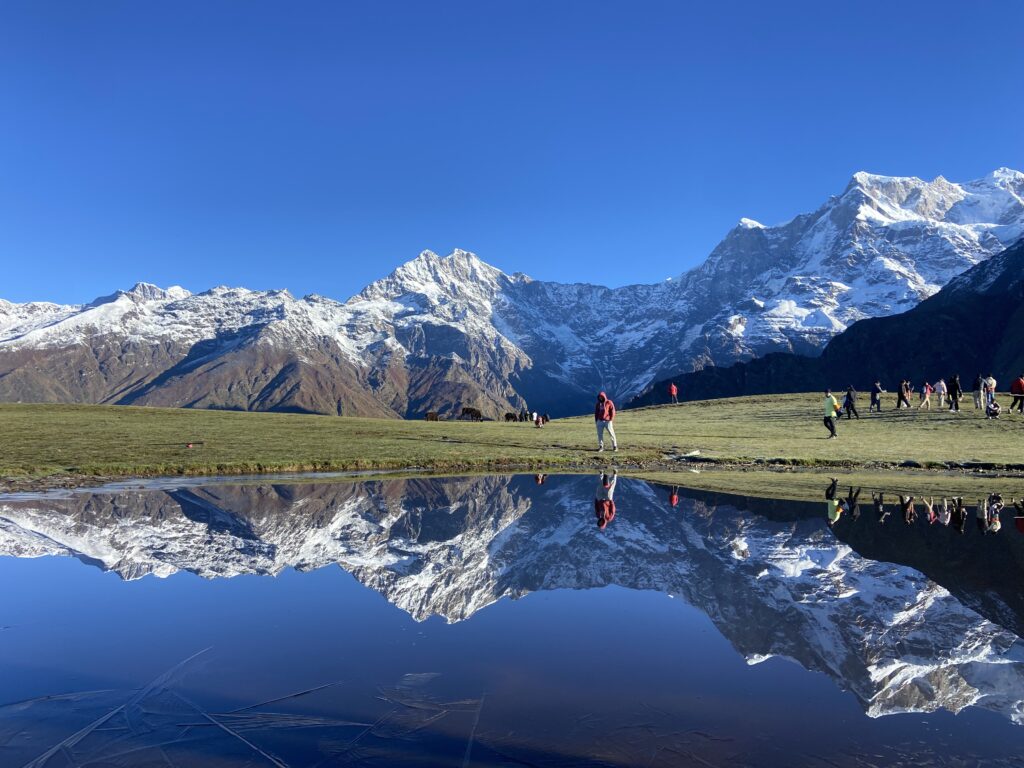
For the best Madmaheshwar Tour package experience, choose September to October. Post-monsoon skies are remarkably clear, the meadows are vibrant green, and you will have the trail mostly to yourself after the summer pilgrim rush. The views of Chaukhamba and Kedarnath peaks are sharpest during this window.
For a detailed understanding of seasonal conditions, rainfall and temperature, read our Madhyamaheshwar Weather Guide. You will also learn about the best time to visit Madhyamaheshwar and the most suitable months for trekking.
Permits & Fees
Since the Madmaheshwar Trek passes through the Kedarnath Wildlife Sanctuary, trekkers are required to register at the forest checkpost at Ransi village before starting the trek. The permit fee is nominal — approximately ₹150–200 per person (subject to revision by the Forest Department). You must carry a valid government-issued photo ID (Aadhaar card, passport, or driving license) for registration. No permit is required in advance; you register on the day of the trek at Ransi.
Important: Trekking without registering at the forest checkpost is illegal and can result in a fine. Rangers conduct spot checks on the trail. Always complete your registration before stepping on the trail.
Madmaheshwar Trek Cost & Budget
| Expense | Approximate Cost (INR) |
|---|---|
| Transport – Delhi/Haridwar to Ransi (cab, both ways) | ₹4,000 – ₹6,000 (shared) |
| Forest Entry Permit | ₹150 – ₹200 per person |
| Guide Charges (per day) | ₹800 – ₹1,200 per day |
| Porter Charges (if needed) | ₹700 – ₹1,000 per day |
| Accommodation (per night, GMVN/guesthouses) | ₹400 – ₹1,200 per room |
| Meals (per day on trail) | ₹300 – ₹600 per person |
| Total (5-day self-organised trek) | ₹6,000 – ₹12,000 per person |
| Organised Trek Package (all-inclusive) | ₹12,000 – ₹18,000 per person |
Packing List – What to Carry for Madmaheshwar Trek
| Category | Essentials |
|---|---|
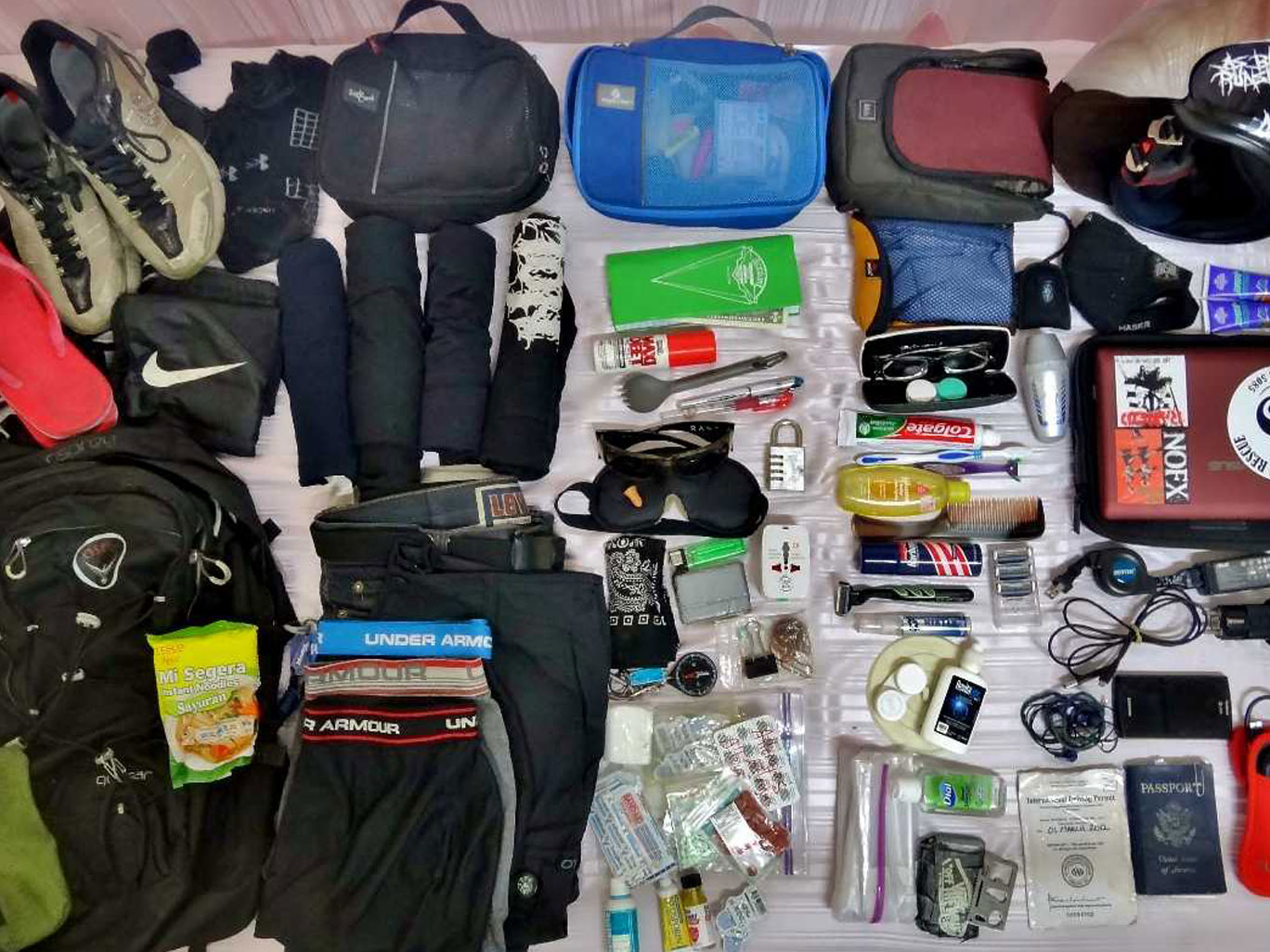
| Clothing | Moisture-wicking base layer, fleece mid-layer, waterproof hardshell jacket, trekking pants, warm cap, gloves, buff/neck gaiter |
| Footwear | Waterproof ankle-support trekking boots (broken in before trek), 3+ pairs wool/synthetic socks, camp sandals |
| Gear | Trekking poles (essential for descents), 50L+ backpack with rain cover, headlamp + extra batteries, sleeping bag (-10°C rated) |
| Health & Safety | First-aid kit, Diamox (altitude sickness – consult doctor), ORS sachets, ibuprofen, personal medications, hand sanitiser |
| Hydration & Nutrition | 2L refillable water bottle + water purification tablets, energy bars, dry fruits, nuts, electrolyte powder |
| Documents | Government ID (original + photocopy), emergency contact card, travel insurance documents |
| Other | Sunscreen SPF 50+, UV-protection sunglasses, biodegradable soap, trekking map, power bank, cash (no ATMs beyond Ukhimath) |
Expert Trekker Tips for Madmaheshwar Trek 2026
Hire a local guide from Ransi or Ukhimath. Local guides are not just trail navigators — they are cultural storytellers who bring the history of the Panch Kedar yatra alive. They know hidden water sources, safe campsites, and can assist during medical emergencies.
Acclimatise in Ukhimath. Arriving at Ukhimath a day early and spending the night there (1,300 m) before driving to Ransi gives your body a valuable head start on acclimatisation for the high-altitude days ahead.
Start each trekking day by 6:00 AM. Himalayan weather deteriorates fast in the afternoon. Early morning starts give you stable, clear skies, better mountain visibility, and a comfortable pace without rushing.
Hydrate relentlessly. Drink 3–4 litres of water daily. The dry Himalayan air causes rapid dehydration even when you don't feel thirsty. Avoid alcohol completely during the trek — it worsens altitude sickness.
Leave no trace. The Kedarnath Wildlife Sanctuary is one of India's most sensitive ecological zones. Pack out all your waste, avoid single-use plastics (banned on the trail), and never disturb wildlife or plants.
Book GMVN accommodation in advance. Especially during May–June, GMVN rest houses at Bantoli and Madmaheshwar fill up quickly. Book via gmvnl.com or through a registered travel agent well before your trek dates.
Carry extra cash. There are absolutely no ATMs or digital payment facilities beyond Ukhimath. Carry sufficient Indian currency for accommodation, meals, guide, porter, and emergency expenses for the entire duration.
Frequently Asked Questions (FAQs)
Q1. What is the total distance of the Madmaheshwar Trek?
The Madmaheshwar Trek distance is approximately 24 km one way from Ransi village to the temple. The full round trip is about 48 km, completed over 4–5 days, including rest days and temple darshan time.
Q2. How difficult is the Madmaheshwar Trek for beginners?
The trek is rated moderate to difficult. Beginners who are physically fit and have done cardio training for 4–6 weeks can complete it comfortably. Hiring a guide and not rushing the pace are key. Both trekking days involve ~900 m of altitude gain, which can be tiring but is very manageable with proper pacing.
Q3. What is the best month to do the Madmaheshwar Trek?
September and October are the best months for the Madmaheshwar Trek. Post-monsoon skies are clear, mountain views are sharpest, and trails are less crowded. May–June is also excellent if you want to see the rhododendron bloom and be part of the opening season pilgrimage.
Q4. How much does the Madmaheshwar Trek cost?
For a self-organised 5-day round trip, the total Madmaheshwar Trek cost ranges from ₹6,000 to ₹12,000 per person, including transport, accommodation, meals, guide, and permits. An all-inclusive organised trek package costs ₹12,000–₹18,000 per person, depending on the operator.
Q5. Is a guide compulsory for Madmaheshwar Trek?
A guide is not legally compulsory but is strongly recommended. The trail is remote, poorly marked in sections, and has no mobile connectivity beyond Ransi. A local guide ensures safety, assists with emergencies, and enriches your journey with cultural and spiritual context.
Q6. What is Budha Madmaheshwar, and is it worth visiting?
Budha (Old) Madmaheshwar is an ancient shrine located approximately 3 km above the main temple at ~3,650 m. It sits beside a stunning glacial lake and is considered even older than the main temple. The hike to Budha Madmaheshwar offers the most panoramic Himalayan views of the entire trek and is absolutely worth the extra effort.
Q7. Is there mobile network connectivity on the Madmaheshwar Trek?
BSNL and Jio networks are available in Ukhimath and partially in Ransi. Beyond Ransi, there is no mobile network on the trail until you return. Inform your family of your full itinerary before starting the trek, and consider carrying a satellite communicator for emergencies.
Q8. Can senior citizens do the Madmaheshwar Trek?
Senior citizens in good health (no heart, lung, or mobility issues) can attempt the trek with the help of a pony or mule, which are available for hire from Ransi. Mule/horse hire costs approximately ₹2,000–₹3,500 per day. A medical consultation before the trip is strongly advised for anyone over 60.
Explore More About Madhyamaheshwar
- Madmaheshwar Opening Ceremony 2026
- Budha Madmaheshwar Complete Guide
- How to Reach Madhyamaheshwar
- Aarti at Madmaheshwar Temple
- Madmaheshwar’s Nearest Pilgrimage Spots
- Ransi to Madmaheshwar Village-by-Village Guide
Plan smart, trek responsibly, and carry back nothing but memories. Om Namah Shivaya.