
What is the story behind Yulla Kanda?
Published on August 23, 2025 | Updated on August 28, 2026
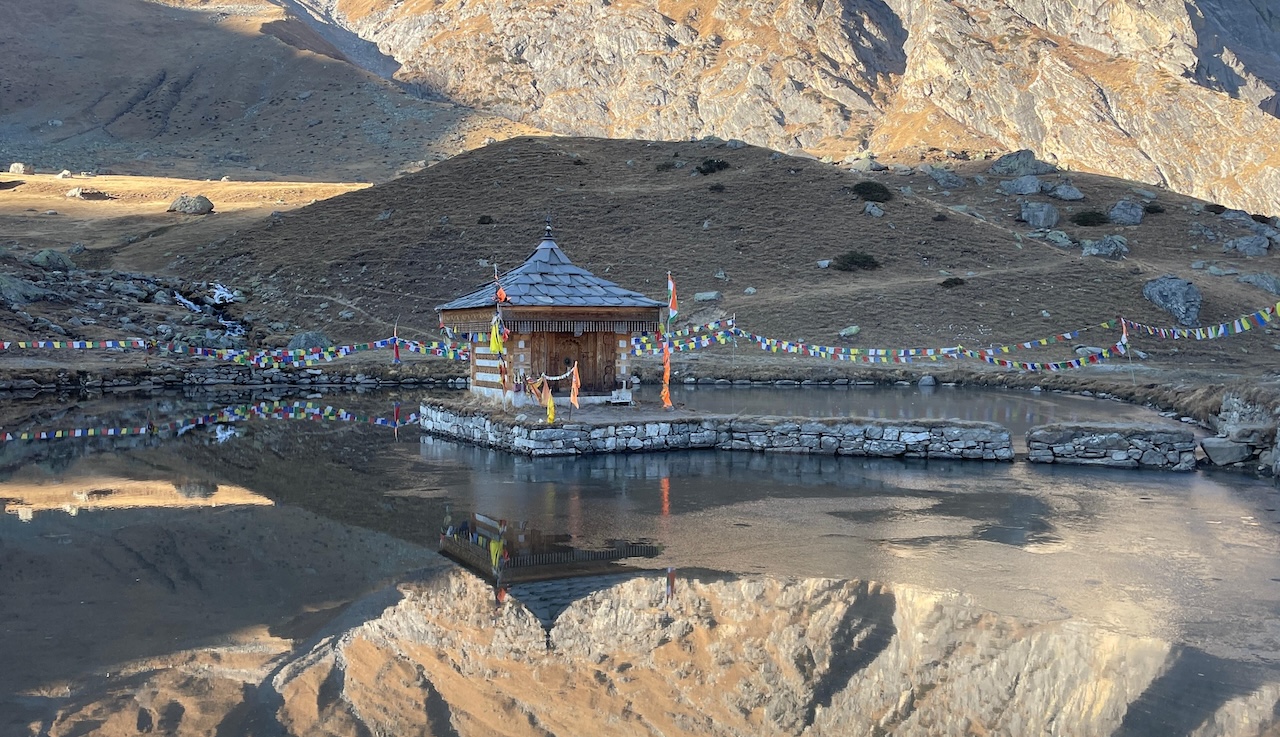
High in the mountains of Kinnaur, Himachal Pradesh, Yulla Kanda is known not only for its alpine landscape but also for the religious traditions surrounding its Krishna temple.
For local communities and pilgrims, Yulla Kanda is more than a trekking destination. Stories associated with Lord Krishna, the Pandavas and the sacred mountain landscape have given the place a spiritual identity that continues to attract visitors.
The important distinction is that much of the story of Yulla Kanda belongs to local belief, oral tradition and mythology. These stories should be respected as part of the region's cultural heritage without presenting every legend as verified historical fact.
The Kinnaur district administration officially recognises Yulla Kanda as a tourist place and also mentions the Krishna temple at Yula Kanda in its trekking information.
The Story of Yulla Kanda
The most commonly repeated legend connects Yulla Kanda with the Pandavas of the Mahabharata.
According to local tradition, the Pandavas are believed to have passed through the Himalayan region during their period of exile. Stories associated with Yulla Kanda say that they stayed or travelled through this mountain landscape and that the sacred site later became connected with Lord Krishna.
Different retellings vary in their details. Some traditions associate the Pandavas with the creation of the lake, while others focus more strongly on the establishment or sacred origin of the Krishna shrine.
Because these accounts come primarily through local belief and oral tradition, they are best understood as mythological narratives rather than documented archaeological history.
Why Is Lord Krishna Worshipped at Yulla Kanda?
The presence of a Krishna temple in such a remote Himalayan setting is one reason Yulla Kanda stands out.
The official Kinnaur district trekking page specifically refers to “The Krishna temple at Yula Kanda,” confirming the shrine's recognised place within the regional landscape.
Lord Krishna is one of the central figures of the Mahabharata and is closely connected with the Pandavas throughout the epic. This relationship helps explain why local traditions linking the Pandavas with Yulla Kanda are also intertwined with devotion to Krishna.
Visitors interested specifically in the shrine can read our detailed Krishna Temple at Yulla Kanda guide.
Did the Pandavas Build the Yulla Kanda Temple?
You will often hear or read that the Pandavas built the temple at Yulla Kanda.
It is an important part of local legend, but there is currently no clear archaeological or documentary evidence establishing the story as a verified historical construction record.
“According to local tradition, the temple and sacred landscape are associated with the Pandavas.”
Rather than:
“The Pandavas definitely built the temple.”
This distinction does not diminish the importance of the story. Oral traditions are an important part of Himalayan culture; they simply belong to a different category from independently documented history.

Is Yulla Kanda the World's Highest Krishna Temple?
Yulla Kanda is frequently described online as the world's highest Krishna temple.
Interestingly, an official Himachal Pradesh government photo feature also captions an image of the site as “Highest Krishna Temple, Yulla Kanda.”
However, that caption does not by itself establish an independently certified global altitude record.
For accurate website content, it is safer to describe Yulla Kanda as:
“widely known or popularly described as one of the world's highest Krishna temples.”
This keeps the spiritual significance of the site without turning a popular claim into an unsupported world record.
The Sacred Yulla Kanda Lake
The temple is closely associated with the high-altitude Yulla Kanda Lake, making the natural landscape an important part of the religious experience.
In Himalayan traditions, lakes, rivers, mountains and forests are often connected with sacred narratives. At Yulla Kanda, the combination of the lake, temple and surrounding mountains creates a setting where nature and faith are experienced together.
Visitors should therefore treat the lake as more than a photography spot. Keeping the water and shoreline clean, avoiding litter and respecting religious practices are basic parts of visiting responsibly.
Yulla Kanda and the Culture of Kinnaur
The spiritual character of Yulla Kanda also makes more sense when viewed within the wider cultural landscape of Kinnaur.
The district administration describes Kinnaur as “Dev Bhoomi” and notes the region's distinctive culture, mountain settlements and religious landscape.
Kinnaur has long developed its traditions within a remote Himalayan environment. Local religious practices, village customs and stories connected with mountains and sacred places remain an important part of the area's identity.
The settlement of Yulla Khas is closely associated with the journey towards Yulla Kanda and forms part of this wider cultural setting.
Why Do People Consider Yulla Kanda Sacred?
Yulla Kanda's sacred character comes from several elements coming together:
- The Krishna temple
- Local traditions associated with the Pandavas
- The alpine lake
- Generations of local religious belief
- Pilgrimage and worship
- The remoteness of the mountain setting
A place does not need an archaeologically verified epic event to have genuine religious meaning for the community that worships there.
That is why it is better to understand Yulla Kanda through both perspectives: what can be documented and what is preserved through faith and tradition.
Krishna Janmashtami and Yulla Kanda

Because the shrine is dedicated to Lord Krishna, Janmashtami has special religious relevance to Yulla Kanda.
Travel accounts describe devotees visiting the high-altitude shrine around Krishna Janmashtami, although actual gatherings, access and local arrangements can vary from year to year. The date of Janmashtami itself follows the Hindu lunar calendar and therefore changes annually.
Anyone planning a pilgrimage specifically around the festival should confirm the current date, local arrangements, weather and trail access before travelling.
The religious occasion should be approached primarily as a pilgrimage and community tradition rather than simply as a tourist event.
Mythology vs History: What Should Travellers Believe?
Travellers researching Yulla Kanda will encounter many different versions of its story.
You may read that:
- The Pandavas created the lake.
- The Pandavas constructed the temple.
- Lord Krishna blessed the location.
- The shrine is the world's highest Krishna temple.
- The lake possesses special spiritual powers.
These are meaningful parts of the site's folklore and religious tradition, but not all of them have the same level of historical documentation.
A responsible way to experience Yulla Kanda is to listen to these stories with respect while recognising the difference between faith, folklore and independently verified history.
This approach allows the cultural story to remain intact without exaggerating claims for tourism marketing.
Why the Story Matters to the Trek
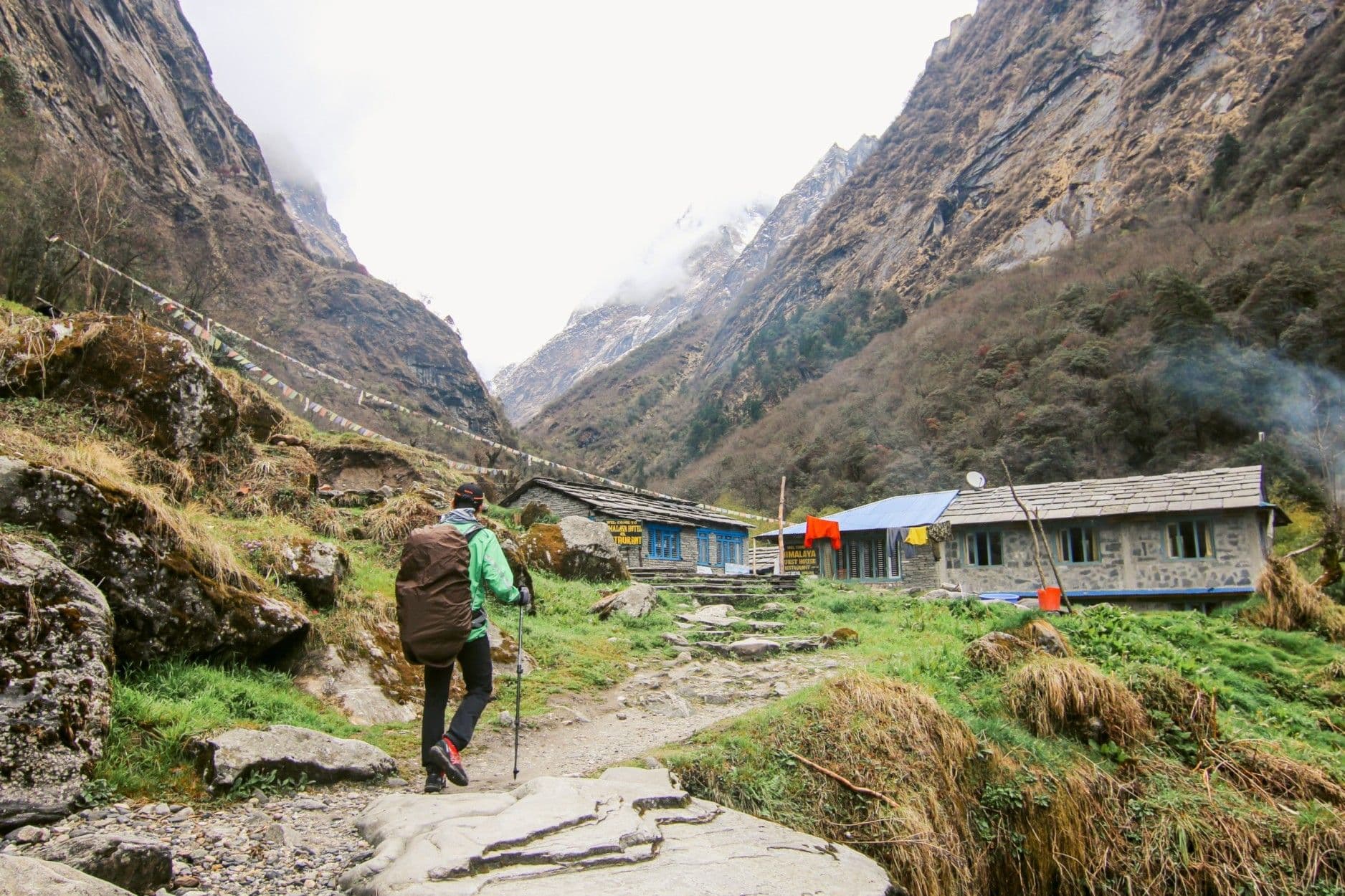
For many people, walking to Yulla Kanda is different from reaching an ordinary mountain viewpoint.
The destination has a purpose beyond the landscape.
The trail eventually leads towards a place where visitors encounter a Krishna shrine, sacred traditions and a mountain environment that local communities have valued for generations.
That spiritual context can change the way travellers experience the journey. The emphasis moves from simply completing a trek to understanding the place they have travelled to.
For practical information about the trekking route and difficulty rather than mythology, use our Yulla Kanda Trek Complete Guide.
How to Visit Yulla Kanda Respectfully

Visitors do not need to follow the same religious beliefs to behave respectfully.
A few simple practices are enough:
- Keep the temple surroundings clean.
- Do not leave plastic or food waste near the lake.
- Avoid loud music around the sacred area.
- Ask before photographing religious ceremonies or local people at close range.
- Follow instructions given by local residents or temple representatives.
- Avoid presenting local legends mockingly or as entertainment.
- Do not damage prayer flags, structures or religious objects.
The mountains are part of someone's home and the temple is part of someone's faith.
Frequently Asked Questions
1. What is the story behind Yulla Kanda?
According to local tradition, Yulla Kanda is associated with the Pandavas of the Mahabharata and Lord Krishna. Different versions of the story connect the Pandavas with the lake, temple or wider sacred landscape. These accounts are best regarded as local mythology and oral tradition.
2. Is Yulla Kanda a sacred place?
Yes. Yulla Kanda has religious significance because of its Krishna temple, the sacred traditions associated with the lake and the beliefs maintained by local communities and pilgrims.
3. Did the Pandavas create Yulla Kanda Lake?
Some local stories associate the lake with the Pandavas, but this should be presented as a traditional belief rather than a scientifically or historically verified account.
4. Who is worshipped at Yulla Kanda Temple?
The shrine at Yulla Kanda is dedicated to Lord Krishna. The Kinnaur district administration's official trekking information also identifies a Krishna temple at Yula Kanda.
5. Is Yulla Kanda really the world's highest Krishna temple?
It is popularly described as the world's highest Krishna temple, and Himachal Pradesh government material has used the wording “Highest Krishna Temple, Yulla Kanda.” However, a formally certified global record is not established by that government caption, so qualified wording is more appropriate.
6. Why is Yulla Kanda important to local people?
Its importance comes from the combination of religious devotion, local traditions, the Krishna shrine and the sacred mountain landscape. It is part of the wider cultural and spiritual identity of Kinnaur.
7. Is Yulla Kanda only a religious destination?
No. Trekkers also visit for its Himalayan landscape and remote setting, but understanding its religious significance makes for a more respectful and meaningful visit.
Yulla Kanda: Where Faith and the Himalayas Meet
The story of Yulla Kanda survives through the relationship between landscape, local tradition and devotion.
Its connection with the Pandavas belongs largely to mythology and oral tradition, while the presence of the Krishna temple itself is recognised in official Kinnaur tourism information.
That combination is what makes the destination distinctive. Visitors can appreciate the stories without turning legend into historical fact, enjoy the mountains without treating a sacred site as merely a photo location, and leave with a better understanding of Kinnaur's cultural landscape.
For official information about the region, travellers can refer to the District Kinnaur, Government of Himachal Pradesh, which also features Yulla Kanda among the district's tourist places.
Travellers who want transport, stay, meals, camping and trek coordination arranged together can explore the Yulla Kanda Trek Package from Delhi.


