
What is the best time to visit Yulla Kanda?
Published on September 01, 2025 | Updated on August 28, 2026
The best time to visit Yulla Kanda is generally from late spring to early autumn, when road access and high-altitude trail conditions are more favourable than during the snowbound winter months.
Located in the Kinnaur district of Himachal Pradesh, Yulla Kanda is a high-altitude trekking and pilgrimage destination known for its alpine lake and Krishna temple. Because mountain conditions can change quickly, the right month depends not only on temperature but also on snow cover, rainfall, trail conditions, road access and your trekking experience.
Himachal Tourism broadly identifies April to October as a suitable travel period for Kinnaur, while also noting that weather varies significantly with altitude.
For detailed temperature patterns rather than season selection, read our Yulla Kanda Weather & Temperature Guide.
Best Time to Visit Yulla Kanda at a Glance
| Period | Trek Experience | Suitable For |
|---|---|---|
| Late May–June | Greener trails, lingering snow possible at higher sections | First-time trekkers, nature lovers |
| July–August | Monsoon conditions, lush landscape, slippery trails possible | Experienced trekkers with flexible plans |
| September–Early October | Clearer post-monsoon views and cooler conditions | Photography, trekking, quieter trips |
| Late October–April | Cold, snow and difficult high-altitude access | Generally not suitable for regular trekking |
These are planning guidelines, not guaranteed opening or closing dates. Always confirm current road and trail conditions before departure.
Late May to June: A Good Start to the Trekking Season

Late May and June can be a good choice once winter snow has sufficiently receded from the approach route and upper trail.
The landscape begins transitioning into a greener summer setting, while higher elevations may still retain patches of snow. This period suits travellers who want a balance of mountain scenery and relatively comfortable trekking conditions.
Why Choose May–June?
- Fresh mountain landscape
- Longer daylight hours
- Green forest sections and meadows
- Suitable conditions for trekking when trails are open
- Good choice for first-time Himalayan trekkers with preparation
Early-season conditions can vary considerably from year to year. A heavy winter may delay access, so do not assume that the trail becomes usable on the same date every season.
July to August: Beautiful but Weather-Dependent
The monsoon months can make Kinnaur landscapes greener, but rainfall introduces additional uncertainty.
Wet trails may become slippery, road journeys can take longer, and landslides can affect parts of Himachal Pradesh during periods of heavy rain. Because Yulla Kanda involves both mountain-road travel and trekking, flexibility becomes especially important during this period.
This does not mean every monsoon day is unsuitable. It means decisions should depend on current local conditions rather than a fixed calendar.
For detailed risks and precautions, read our Yulla Kanda Trek in Monsoon Safety Guide.
Consider Monsoon If:
- You have previous trekking experience
- Your itinerary has buffer time
- You are comfortable changing plans
- You have proper rain protection
- Current road and trail conditions are favourable
Avoid forcing the trek simply because accommodation or transport has already been booked.

September to Early October: Strong Overall Choice
For many trekkers, September to early October is one of the strongest periods for Yulla Kanda.
Once the heaviest monsoon activity reduces, the landscape can remain green while visibility often improves. Cooler air can make sustained uphill walking more comfortable, although nights become increasingly cold as autumn progresses.
This period is particularly attractive for travellers interested in:
- Mountain photography
- Clearer Himalayan views
- Camping
- Cooler trekking conditions
- A quieter high-altitude experience
September should still not be marketed as a guaranteed “perfect weather” month. Mountain conditions remain variable at any time of year.
Is October a Good Time to Visit Yulla Kanda?
Early October can be suitable when the trail remains accessible, and no significant early snowfall has affected the upper route.
However, conditions become progressively colder as the month advances, and the practical trekking window can close quickly after fresh snowfall.
Travellers considering an October departure should:
- Carry stronger cold-weather layers
- Check current trail conditions
- Keep a buffer day
- Avoid relying on old opening/closing dates
- Confirm accommodation and guide availability before travelling
Late-season trekking should be based on current local information, not historical averages alone.
Winter: Why Regular Trekking Is Usually Avoided

Winter brings significant cold and snow to higher parts of Kinnaur.
Himachal Tourism notes that Kinnaur experiences very cold winters, with temperatures in higher areas capable of dropping well below freezing.
Snow can affect roads, village access and the high-altitude trail, making Yulla Kanda unsuitable for a normal recreational trekking plan during much of winter.
This is not the place to attempt an unplanned winter trek simply for snow photographs. Conditions require specialist judgement, equipment and current route assessment.
For most travellers, it is better to wait for the regular trekking season.
Best Time to See Green Meadows
Travellers primarily interested in green landscapes generally prefer the warmer and wetter part of the trekking season.
The trail passes through forested terrain before reaching open Alpine Meadows, and their appearance changes considerably through the season.
Late spring and summer can bring fresh greenery, while monsoon may intensify the landscape but also increase trail risk.
Choose scenery after considering safety and accessibility.
Best Time for Camping
Camping is most enjoyable when trails are accessible, and the weather is reasonably stable.
Late spring, early summer and the post-monsoon period can all work depending on current conditions. Even in good months, high-altitude nights can become cold.
If staying overnight is a priority, our Camping Experience at Yulla Kanda Lake explains campsite conditions, gear and responsible camping in more detail.
Best Time for Krishna Temple Visit

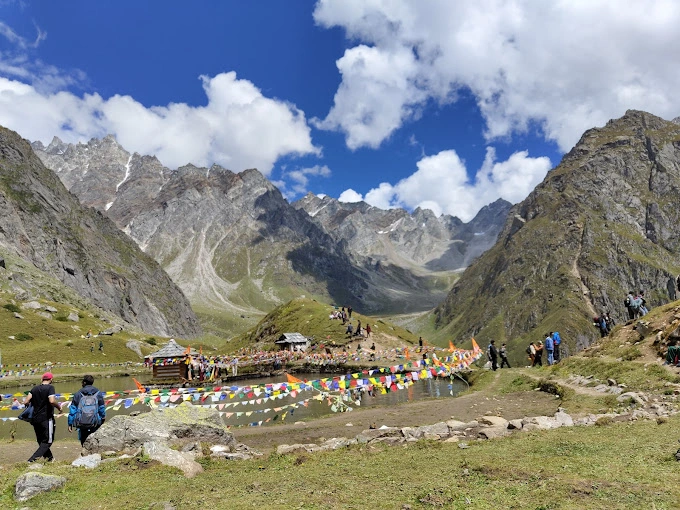
The Krishna temple beside the Yulla Kanda lake gives the trek its spiritual significance.
Pilgrimage activity can increase around religious occasions such as Janmashtami, but the festival date changes according to the Hindu lunar calendar. Travellers planning specifically around a festival should verify the date and local arrangements for that year.
The Krishna Temple at Yulla Kanda should be visited respectfully, remembering that it is an active sacred site rather than simply a trekking landmark.
Which Season Is Best for Beginners?
For fit beginners, late May–June or September–early October can be practical choices when current weather and trail conditions are favourable.
Beginners should prioritise:
- Stable route conditions
- Adequate daylight
- Experienced trek support
- Gradual walking pace
- Proper footwear
- Weather-appropriate clothing
Avoid choosing dates solely because they are cheaper or less crowded.
Which Time Is Best for Photography?
There is no single photography season because each period offers a different landscape.
Late spring and summer: greener terrain and changing vegetation.
Monsoon: dramatic clouds and lush scenery, but unpredictable visibility.
September–October: potentially clearer mountain views and autumn light.
For photography, weather remains the biggest variable. A clear morning in an otherwise unsettled week can be better than travelling during a supposedly “perfect” month.
What Should You Check Before Finalising Dates?
Before booking a Yulla Kanda trek, verify:
Current Road Conditions
Kinnaur involves long mountain-road travel, so check for closures or major disruptions.
Trail Status
Snow, rainfall or local conditions can alter the standard trekking route.
Weather Forecast
Check forecasts close to departure rather than relying only on monthly climate summaries.
Accommodation & Guide Availability
Remote-area services may not operate with the same consistency throughout the season.
Your Fitness
Good weather does not make a high-altitude climb effortless.
For official regional travel information, travellers can also consult Himachal Tourism’s Kinnaur guide.
Frequently Asked Questions
1. What is the best month to visit Yulla Kanda?
There is no guaranteed perfect month, but June and September are often practical choices when road and trail conditions are favourable. September can be especially appealing for cooler conditions and potentially clearer post-monsoon views.
2. Is May a good time for Yulla Kanda?
Late May may be suitable if sufficient winter snow has melted and the trail is operational. Early-season access varies from year to year, so current local confirmation is essential.
3. Can I visit Yulla Kanda in July or August?
It m. ay be possible, but these months fall within the monsoon period. Rain can make trails slippery and affect mountain roads, so the trek should depend on current conditions and experienced local guidance.
4. Is September good for the Yulla Kanda Trek?
Yes. September can offer a good combination of green surroundings, cooler trekking conditions and improved visibility after the main monsoon period.
5. Can I trek Yulla Kanda in October?
Early October may be possible when conditions remain stable. Later in the month, cold weather and snowfall can reduce access quickly.
6. Can Yulla Kanda be visited in winter?
Regular recreational trekking is generally avoided during the snowbound winter period because high-altitude access can become difficult and conditions much harsher.
7. Which season is best for first-time trekkers?
Late spring/early summer and the post-monsoon period are generally easier choices than peak monsoon or winter, provided current conditions are favourable.
8. Does weather change quickly at Yulla Kanda?
Yes. High-altitude mountain weather can change faster than conditions in lower villages, which is why trekkers should carry layers and remain flexible.
Choose the Right Time for Your Yulla Kanda Trek
For most travellers, the practical Yulla Kanda trekking season falls between late spring and early autumn, with June and September often providing a useful balance of accessibility and trekking conditions.
However, the safest answer to “When should I visit Yulla Kanda?” is not based on a month alone. Check snow, rain, road access, trail conditions, and the latest local guidance before departure.
Travellers who prefer Delhi transport, accommodation, meals, camping and trek coordination to be organised together can explore our Yulla Kanda Trek Package from Delhi.


