
Yulla Kanda Trek Weather and Temperature Guide
Published on June 25, 2026 | Updated on August 28, 2026
Weather is the single biggest variable on the Yulla Kanda trek — more than fitness, more than gear, and more than the 12 km trail distance itself. Tucked away in the Nichar tehsil of Kinnaur district, Himachal Pradesh, Yulla Kanda sits at roughly 3,895 m (12,778 ft), home to the sacred Yulla Lake and the Krishna temple beside it. At this altitude, temperature swings between day and night, and between months, are dramatic enough to completely change what kind of trek you're signing up for.
At TourMyHoliday, we've run Yulla Kanda departures across multiple seasons, and the question we get asked most often isn't "how hard is the trek" — it's "what will the weather actually be like when I'm there." This guide breaks that down month by month, so you can match your trip dates to the experience you actually want.
Why Weather Matters More Here Than on Most Treks
Yulla Kanda's location in Kinnaur places it in a slightly different climatic pocket than the rest of Himachal Pradesh. The region receives comparatively lower monsoon rainfall than areas like Kullu or Shimla, which is part of why the trek remains accessible even in July and August, when many other Himachal treks shut down. That said, "lower rainfall" doesn't mean "no risk" — approach roads to Yulla Khas village can still see landslides during heavy spells, and the trail itself turns slippery fast once rain sets in.
The road and trail to Yulla Kanda are closed from roughly November to April due to heavy snowfall, which narrows the realistic trekking window to May through October. Within that six-month window, though, the experience changes substantially from one month to the next.
"Planning your trek around the right weather window? Check out our Yulla Kanda Trek Package for season-matched departure dates."
Month-by-Month Weather Breakdown
May — The Trek Opens Up
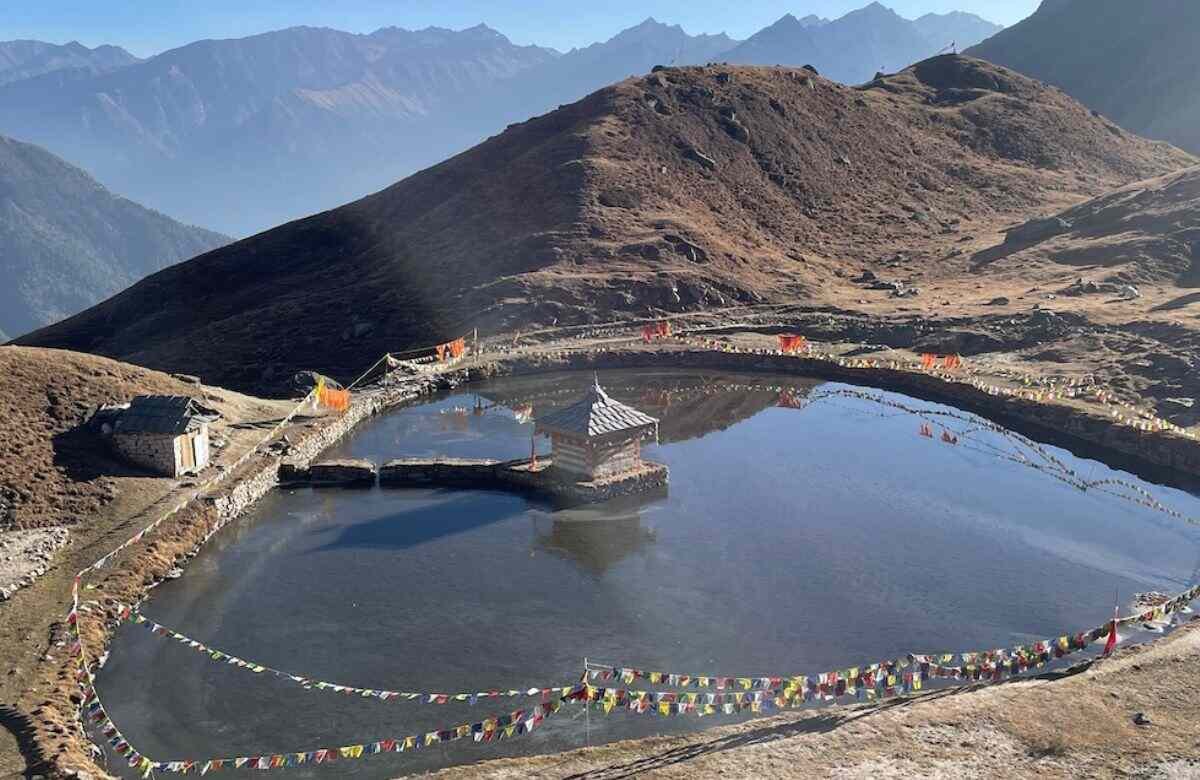
Daytime temperatures hover between 8°C and 22°C, with the trail typically clear and the temple open. This is the transition month where snow on the upper stretches finally melts off, and trekking paths become fully walkable again. Rhododendron forests are often still blooming into early May, adding colour to the lower trail sections. Pre-monsoon cloud build-up can occur in the afternoons, so an early start is worth planning for.
June — Peak Pre-Monsoon Window
June brings some of the most reliable weather of the season — warm days, cool nights, and skies that are usually clear before the pre-monsoon haze thickens later in the month. This is also when school holidays bring more families to the trail, so booking homestays or campsites in advance is worth doing if you're planning a June departure.
July to Mid-September — Monsoon, With One Major Exception
This is the trickiest window to plan around. Daytime temperatures stay moderate — typically 10°C to 17°C — but the trail becomes wet and considerably more slippery. The approach roads to Yulla Khas are more prone to landslides along this stretch, and most trekking operators, including us, generally advise against this period for casual or first-time trekkers.
The one major exception is Janmashtami, Lord Krishna's birthday, which falls in August. This is the single biggest annual event at Yulla Kanda, and thousands of pilgrims trek up despite the rain. If you specifically want this experience, plan and book accommodation two to three months in advance — both the trail and the homestays fill up fast.
September — Arguably the Best Month
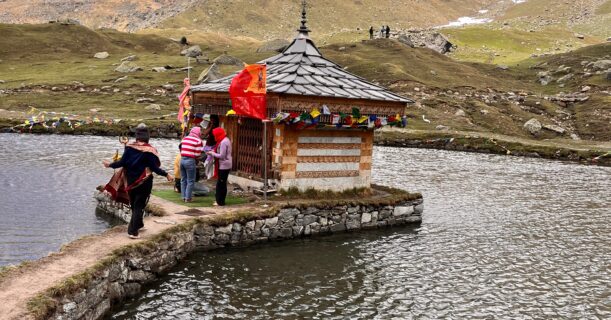
Once the monsoon clears, September delivers what many trekkers consider the ideal Yulla Kanda experience. Temperatures range from roughly 5°C to 15°C, the air is washed clean of haze, and the surrounding Himalayan peaks — including views toward the Kinner Kailash range — become strikingly visible. Crowds thin out considerably compared to the May–June rush, making this a strong choice for trekkers who prioritise clear photography conditions and a quieter trail.
October — Cool, Clear, and Closing Soon
October offers some of the most dramatic visibility of the year, with daytime temperatures between 2°C and 12°C and noticeably colder nights. The trail stays clear through most of the month, but both the temple and the trail close in late October as winter sets in. If you're trekking in the second half of October, build in a buffer day in your itinerary in case an early snowfall affects the timeline.
November to April — Closed Season
Heavy snowfall shuts down both the trail and the access road to Yulla Khas village during these months. Trekking agencies, including TourMyHoliday, do not run Yulla Kanda departures in this window — the risk-to-experience ratio isn't worth it, regardless of how experienced the trekking group is.
Day-vs-Night Temperature Swing: What to Actually Expect
One detail that catches first-time Yulla Kanda trekkers off guard is just how much the temperature drops after sunset, even in the warmer months. A day that feels like 20°C and t-shirt weather can fall to 5°C or lower once the sun is down, particularly near Yulla Lake itself, where there's little tree cover to hold in warmth. This swing is sharper in May, September, and October than during the monsoon window, where cloud cover tends to keep nights slightly milder.
Practically, this means your packing list needs to account for two different climates within the same 24-hour period — not just the "season" printed on a packing checklist.
How Altitude Changes the Weather Equation

At close to 3,900 m, Yulla Kanda sits high enough that altitude-related weather effects are noticeable even on otherwise clear days. Afternoon cloud build-up is common, even in the driest months, simply because warm air rising off the lower valleys condenses faster at this elevation. Sudden wind shifts near the ridge sections close to the lake are also more common than lower-altitude trekkers might expect, which is one more reason a wind-resistant outer layer is worth carrying regardless of the month.
Mild altitude-related symptoms — headaches, light breathlessness — are also more likely if trekkers move too fast through the final ascent, regardless of how pleasant the weather looks that day. Weather comfort and altitude comfort are two separate things on this trek, and good planning accounts for both.
Matching Your Trek Dates to Your Priorities
- Want wildflowers and the easiest trail conditions? Aim for May or early June.
- Want the clearest mountain views for photography? September is the strongest choice, followed by October.
- Want the cultural and spiritual experience at its peak? Plan around Janmashtami in August, but book early and prepare for wet trail conditions.
- Want to avoid crowds entirely? Early May or mid-to-late September tend to see the fewest trekkers.
Final Planning Notes
Because Yulla Kanda's weather window is comparatively short and its access road is sensitive to landslides during the monsoon, checking real-time conditions a few days before departure matters more here than on many other Himachal treks. Local homestay owners and trek guides in Yulla Khas village are usually the most reliable source for current trail status, since regional weather can shift faster than national forecasts pick up.
If you'd rather not track all of this yourself, a well-planned Yulla Kanda trek package takes seasonal weather, road conditions, and accommodation availability off your plate entirely — letting you focus on the trek itself rather than the logistics around it.
"Let TourMyHoliday handle the weather tracking, permits, and stays — View Yulla Kanda Trek Packages and book your trek today."
Frequently Asked Questions
1. What is the best month for weather on the Yulla Kanda trek?
September is widely considered the best month, offering clear skies, washed-clean visibility after the monsoon, and comfortable daytime temperatures between 5°C and 15°C.
2. How cold does it get at Yulla Kanda at night?
Even in warmer months like May or September, nighttime temperatures near Yulla Lake can drop to 5°C or lower, so a warm layer is essential regardless of the season.
3. Is the Yulla Kanda trek open during the monsoon?
Yes, but it's not recommended for most trekkers between July and mid-September due to slippery trails and landslide-prone approach roads, except for Janmashtami, when many pilgrims trek despite the rain.
4. When does the Yulla Kanda trek close for winter?
The trail and the access road to Yulla Khas village are closed from approximately November to April due to heavy snowfall.
5. Does altitude affect the weather on this trek?
Yes. At nearly 3,900 m, afternoon cloud build-up and sudden wind shifts near the ridge are common even on otherwise clear days, so weather can change faster than at lower elevations.
6. What should I pack for changing weather at Yulla Kanda?
Layered clothing is essential — a breathable layer for daytime warmth, a warm insulating layer for cold nights, and a wind- and water-resistant outer shell, regardless of which month you trek in.
7. Is October a good time to trek Yulla Kanda?
Yes, October offers clear skies and crisp visibility, though temperatures drop noticeably and the trek closes by late October, so earlier dates in the month are safer to plan around.
Helpful Resources for Trek Planning:
- Trekking in Uttarakhand: Routes, Difficulty, Best Time & Tips
- Madhyamaheshwar Temple Trek from Ransi Village
- Buda Madmaheshwar Complete Guide 2026
- Madmaheshwar Trek Route Guide
- Madmaheshwar Trek in May: Complete Guide
- Madmaheshwar vs Kedarnath Trek: Which One Should You Choose in 2026?
- Madmaheshwar vs Tungnath Trek
- Madmaheshwar vs Rudranath Trek
- Madhyamaheshwar Yatra 2026:Complete Guide
- Madmaheshwar trek full itinerary 2026
- Madmaheshwar Trek in June: Complete Guide
- Madmaheshwar Trek in Monsoon – Landslide Risk & Tips (2026 Complete Guide)


