
How long is the Yulla Kanda trek?
Published on August 18, 2025 | Updated on August 28, 2026
If you are planning the Yulla Kanda Trek, one of the first questions is simple: how long does the trek actually take?
For the current TourMyHoliday route, the main climb from Yulla Khas to Yulla Base Camp is approximately 10 km and is generally planned for around 4–6 hours. The journey then continues from the base-camp area towards Yulla Kanda Lake and the Krishna temple before descending back.
There is no reliable single kilometre figure for the entire trek that should be treated as permanent. Campsite location, the exact trail used, weather and route conditions can change the final walking distance.
For trip planning, it is therefore better to understand each trekking stage and the time it requires rather than relying only on one round-trip number.
Yulla Kanda Trek Duration at a Glance
Main Trek Base: Yulla Khas Village
Yulla Khas to Base Camp: Approx. 10 km
Walking Time to Base Camp: Approx. 4–6 hours
Next Section: Base Camp to Yulla Kanda Lake & Krishna Temple
Difficulty: Moderate high-altitude trekking
Recommended Style: Multi-day trek rather than a rushed day hike
TourMyHoliday's current operating itinerary uses a staged approach with a village stay, base-camp trek and separate lake-and-temple visit.
How Far Is Yulla Kanda from Yulla Khas?

The main trekking section begins from Yulla Khas Village.
Under the current TourMyHoliday itinerary, trekkers cover approximately 10 km from Yulla Khas towards Yulla Base Camp. This section is normally given around 4–6 hours.
That does not mean every trekker will complete it in the same time.
Your actual walking time depends on:
- Fitness level
- Group pace
- Number of rest breaks
- Backpack weight
- Trail condition
- Rain or snow
- Acclimatisation
- Location of the campsite
A fit trekking group may move faster, while first-time trekkers may require more breaks.
How Many Hours Does the Yulla Kanda Trek Take?
For the main climb from Yulla Khas to base camp, 4–6 hours is a practical planning range based on the currently operated itinerary.
However, Yulla Kanda should not be viewed as a single 4–6 hour trek.
The journey has separate stages:
Stage 1: Yulla Khas to Base Camp
This is the longer sustained climbing section.
Approximate distance: 10 km
Typical planned time: 4–6 hours
Trekkers generally move slowly, take hydration breaks and reach camp with enough time to rest before nightfall.

Stage 2: Base Camp to Yulla Kanda
The next trekking stage leads towards the lake and Krishna temple.
The current TourMyHoliday itinerary does not publish a fixed distance for this section, so it would be misleading to invent an exact kilometre figure.
Walking time can change with campsite location and current trail conditions.
Stage 3: Descent
After visiting the higher Yulla Kanda area, trekkers return towards base camp and then descend towards Yulla Khas/Tapri as per the itinerary.
Descending can be quicker than climbing in good conditions, but steep or wet trails may require a slower pace.
How Many Days Are Needed for Yulla Kanda?
For most travellers, Yulla Kanda is better planned as a multi-day journey rather than a one-day trek.
The current TourMyHoliday package uses a 2-night/3-day core itinerary, with overnight road travel from Delhi before and after the destination stay.
A typical structure is:
Day 1 – Arrival and Trek Preparation
Reach the Yulla/Tapri region, settle into your stay and prepare for the trek.
This gives you time to recover from the road journey instead of immediately starting a long uphill climb.
Day 2 – Yulla Khas to Base Camp
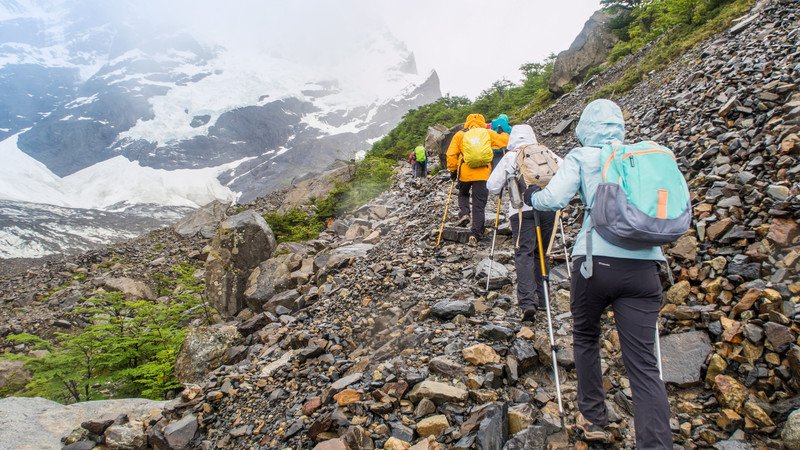
Complete the approximately 10 km trek towards base camp and camp overnight.
Day 3 – Yulla Kanda Visit and Descent
Continue towards the lake and Krishna temple before returning and beginning the journey back.
The exact schedule can change according to weather, group pace and trail conditions.
Can Yulla Kanda Be Done in One Day?
Trying to complete the entire Yulla Kanda experience as a rushed day trek is not the preferred approach for most visitors.
The main climb to base camp itself is currently planned for approximately 4–6 hours. Adding the higher lake-and-temple section and full descent on top of that can create an unnecessarily long mountain day.
A staged itinerary allows:
- More manageable walking hours
- Time for rest
- A calmer pace
- Better flexibility if weather changes
- Time to experience the destination rather than immediately turning back
In the mountains, completing the route quickly should never be the main objective.
Why Does Trekking Time Vary?
Two people covering the same trail can take very different amounts of time.
Fitness
Trekkers who regularly walk, climb stairs or exercise usually maintain a more consistent pace.
Altitude
Walking becomes more tiring as elevation increases. Even physically fit travellers may naturally slow down.
Weather
Rain, snow, wind or poor visibility can increase walking time.
Trail Conditions
Dry trails are generally easier to walk than slippery, muddy or damaged sections.
Group Size
Larger groups often move at the pace of the slower trekkers.
Rest Breaks
Photography, food, hydration and recovery breaks all contribute to total trekking time.
These variables are why walking hours are more useful as a range than an exact promise.
How Fast Should You Walk?
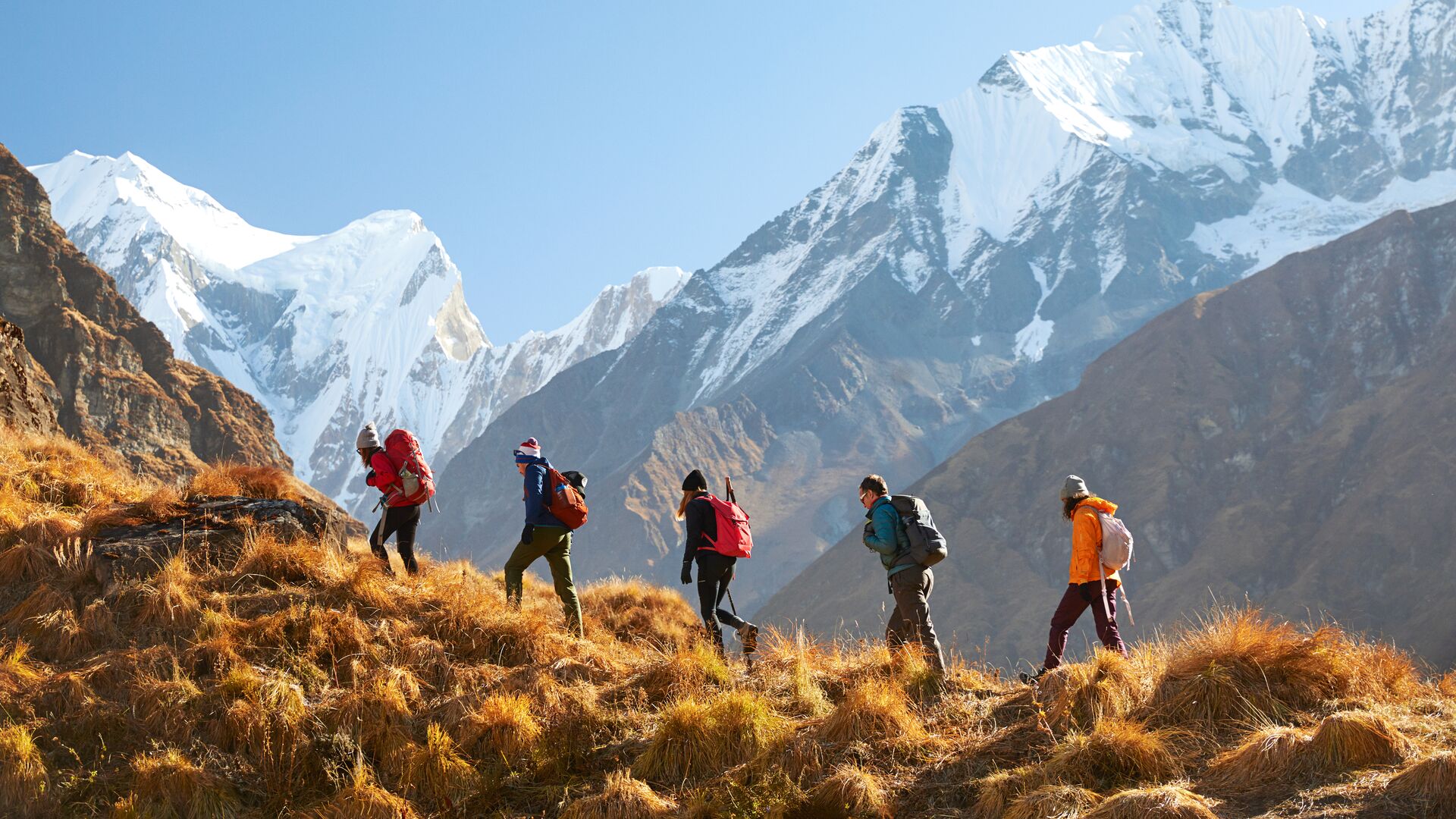
There is no advantage in racing uphill.
A comfortable mountain pace is one you can maintain without repeatedly exhausting yourself.
Use these simple principles:
- Start slowly
- Take short, regular breaks
- Drink water throughout the trek
- Avoid trying to match the fastest trekker
- Keep enough energy for the remaining trail
- Tell your guide if you feel unusually tired or unwell
A steady pace is usually more efficient than walking very fast and then needing long recovery breaks.
Is 10 km Difficult at Yulla Kanda?
Ten kilometres on a mountain trail feels very different from ten kilometres on a city road.
The difficulty comes from the combination of:
- Uphill gradient
- Uneven surfaces
- Altitude
- Backpack weight
- Changing weather
- Several hours of continuous activity
That is why the Yulla Khas-to-base-camp section is given several hours despite a distance of approximately 10 km.
Fit beginners can consider the trek, but some basic preparation beforehand makes the experience considerably more comfortable.
For broader route, preparation and difficulty information, read our Yulla Kanda Trek Complete Guide.
What Time Should the Trek Start?
An early start is generally preferable for a longer Himalayan trekking day.
It provides:
- More daylight
- Extra buffer for slower walkers
- Time for rest stops
- Greater flexibility if conditions change
The exact departure time should be decided by your trek leader according to the day's weather, route and group pace.
Himachal Tourism also recommends using experienced guides and specialised operators for trekking journeys where appropriate, with safety treated as a priority. (Himachal Tourism – Trekking)
Do Weather Conditions Affect Trek Duration?
Yes.
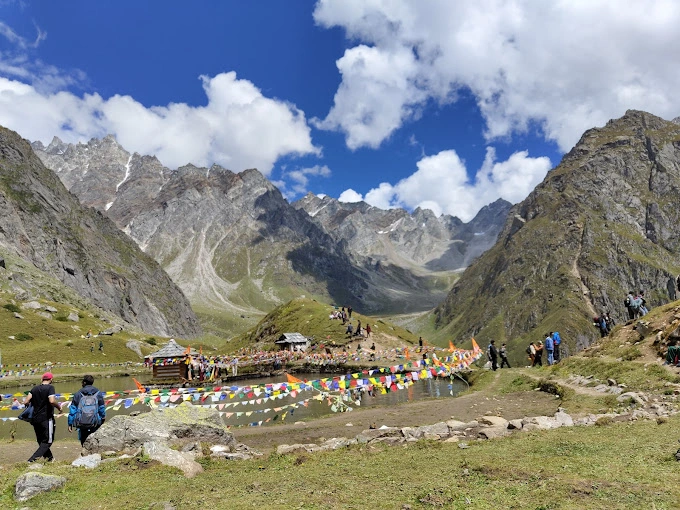
A trail that takes four or five hours in dry conditions may require more time after rainfall or during poor visibility.
Wet rocks, mud and slippery descents naturally reduce walking speed.
If conditions deteriorate significantly, the correct decision may be to delay, modify or turn back rather than trying to stay on a fixed timetable.
Trekking time should always remain secondary to safety.
Frequently Asked Questions
1. How long is the Yulla Kanda Trek?
The current TourMyHoliday route includes an approximately 10 km trek from Yulla Khas to Yulla Base Camp, normally planned for about 4–6 hours, followed by the higher lake-and-temple section.
2. Is Yulla Kanda a one-day trek?
For most travellers, it is better approached as a multi-day trek. The main climb itself requires several hours, and the lake and Krishna temple are visited as a separate higher section in the current itinerary.
3. How many kilometres is Yulla Kanda Trek?
A reliable permanent total kilometre figure should not be assumed because routes and campsite locations can vary. The currently operated Yulla Khas-to-base-camp section is approximately 10 km.
4. How long does Yulla Khas to Base Camp take?
Approximately 4–6 hours under the current itinerary, depending on fitness, breaks, weather and trail conditions.
5. How many days are enough for Yulla Kanda?
A multi-day itinerary is recommended. TourMyHoliday's current package uses a 2-night/3-day destination itinerary, with overnight Delhi road journeys around it.
6. Can beginners complete the trek?
Fit beginners can consider it with preparation and suitable trek support. The distance alone does not determine difficulty; altitude and sustained climbing also matter.
7. Does everyone take 4–6 hours?
No. That is a planning range for the main base-camp section. Individual trekking time varies according to fitness, group pace and conditions.
Plan Enough Time for the Trek
The most useful answer to “How long is the Yulla Kanda Trek?” is not a single kilometre figure.
For current planning, expect approximately 10 km and 4–6 hours from Yulla Khas to Yulla Base Camp, followed by the higher Yulla Kanda lake-and-temple section and subsequent descent.
Allow enough time to walk steadily rather than trying to complete the trail as quickly as possible. Mountain weather, group pace and trail conditions can all change the day's schedule.
Travellers who want transport from Delhi, stay, meals, camping and trek coordination arranged together can explore our Yulla Kanda Trek Package from Delhi.


