
Yulla Kanda Trek Mystery: World's Highest Krishna Temple
Published on June 17, 2026 | Updated on August 28, 2026
High in the Kinnaur Himalayas, Yulla Kanda is known for a Krishna temple set within a remote mountain landscape near a high-altitude lake.
The shrine is frequently introduced online as the “world’s highest Krishna temple.” The description has become one of the main reasons travellers first hear about Yulla Kanda—but how accurate is the claim?
There is genuine official recognition behind part of the story. The Government of Himachal Pradesh has published an image captioned “Highest Krishna Temple, Yulla Kanda,” while the District Kinnaur administration also specifically identifies a Krishna temple at Yula Kanda in its official trekking information.
What is less clear is whether “world’s highest” has ever been independently certified as a global altitude record.
This guide separates what can be verified, what is widely claimed and what belongs to local tradition.
What Is the Yulla Kanda Krishna Temple?
The Krishna temple at Yulla Kanda is a remote Himalayan shrine in Kinnaur district, Himachal Pradesh.
Unlike temples reached directly by road, the Yulla Kanda shrine forms part of a mountain trekking and pilgrimage landscape. The District Kinnaur administration explicitly refers to “The Krishna temple at Yula Kanda” while describing trekking in the region.
Its location beside the lake and away from major urban settlements gives the shrine much of its distinctive character.
For a dedicated overview of the temple itself, including its setting and visitor information, read our Krishna Temple at Yulla Kanda guide.
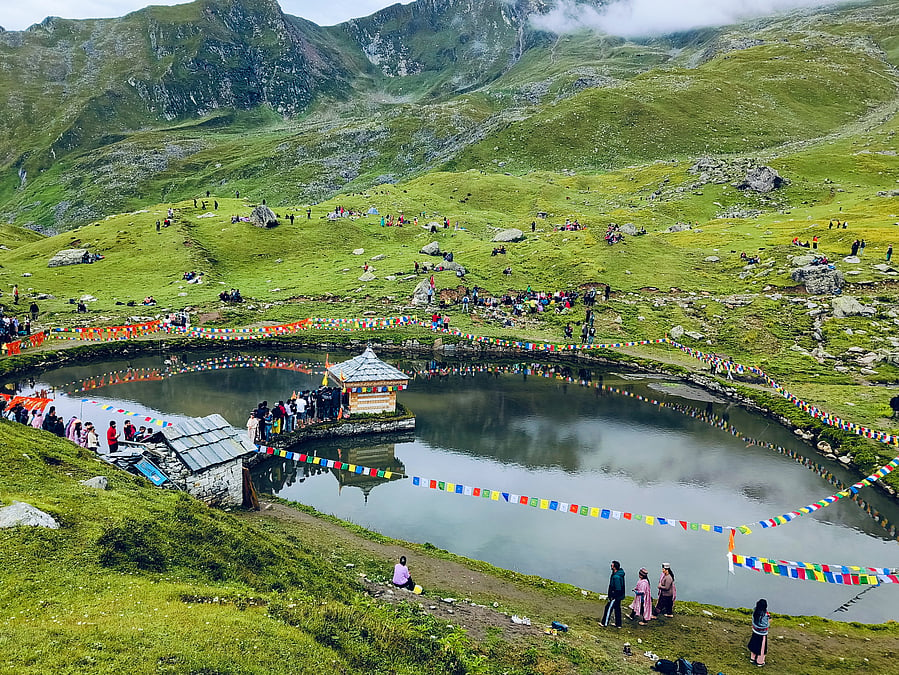
Why Is It Called the World’s Highest Krishna Temple?
The phrase has been repeated widely by travellers, trekking websites and tourism-related content for years.
Importantly, the Government of Himachal Pradesh itself has used the caption “Highest Krishna Temple, Yulla Kanda” in its official Photo of the Week archive.
That makes it reasonable to say that Yulla Kanda is officially described within Himachal Pradesh as a very high-altitude or highest Krishna temple site.
However, the phrase “world’s highest” is a stronger claim.
An official state-government photo caption is not the same as certification by an international record authority comparing every Krishna temple worldwide.
For that reason, the most accurate wording for travel content is:
Yulla Kanda is widely known and popularly described as one of the world’s highest Krishna temples.
This preserves what makes the site remarkable without presenting an uncertain global record as proven fact.
Is the World Record Officially Verified?
Yulla Kanda is widely described as one of the highest Krishna temples in the world. The District Kinnaur administration confirms the presence of the Krishna temple at Yulla Kanda, while the Government of Himachal Pradesh has used the description “Highest Krishna Temple, Yulla Kanda.”
However, a formally certified global record comparing Krishna temples worldwide is not clearly documented in the official sources reviewed.
For that reason, it is more accurate to describe Yulla Kanda as one of the world’s highest Krishna temples rather than presenting the claim as an independently verified world record.
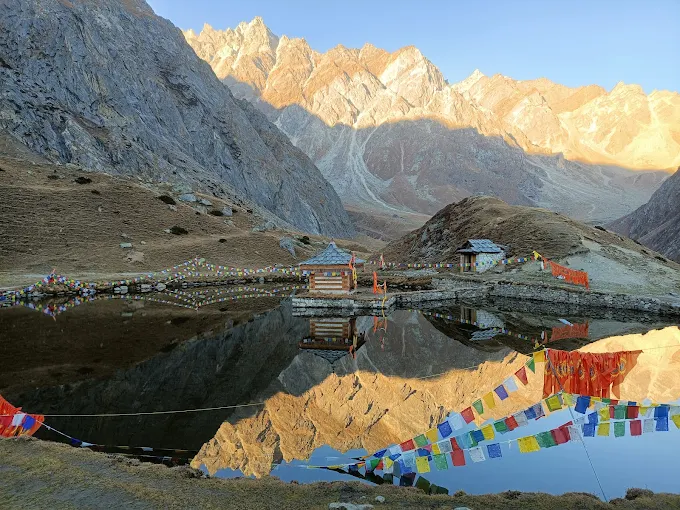
What Can Actually Be Verified?
Several aspects of Yulla Kanda are easier to establish than the global record claim.
A Krishna Temple Exists at Yulla Kanda
The official District Kinnaur trekking page directly references the Krishna temple at Yulla Kanda.
The Himachal Pradesh Government Uses the “Highest Krishna Temple” Description
The state government's official photo archive includes an image captioned “Highest Krishna Temple, Yulla Kanda.”
Yulla Kanda Is Part of Kinnaur’s Trekking Landscape
District Kinnaur includes Yulla Kanda within its official information on trekking routes and mountain attractions.
These documented facts are enough to establish the temple as a recognised and unusual high-Himalayan religious site without needing to exaggerate its status.
Why the Temple Is Remarkable Even Without a World Record
The fascination with Yulla Kanda should not depend entirely on whether it holds a record.
Its appeal comes from the combination of:
- A remote Himalayan location
- A shrine dedicated to Lord Krishna
- A lake-and-temple landscape
- A trek required to reach the area
- Local religious traditions
- A relatively lesser-known setting compared with major pilgrimage circuits
That combination is unusual enough on its own.
Reducing the destination to a “highest temple” title can actually overlook what makes the experience meaningful.
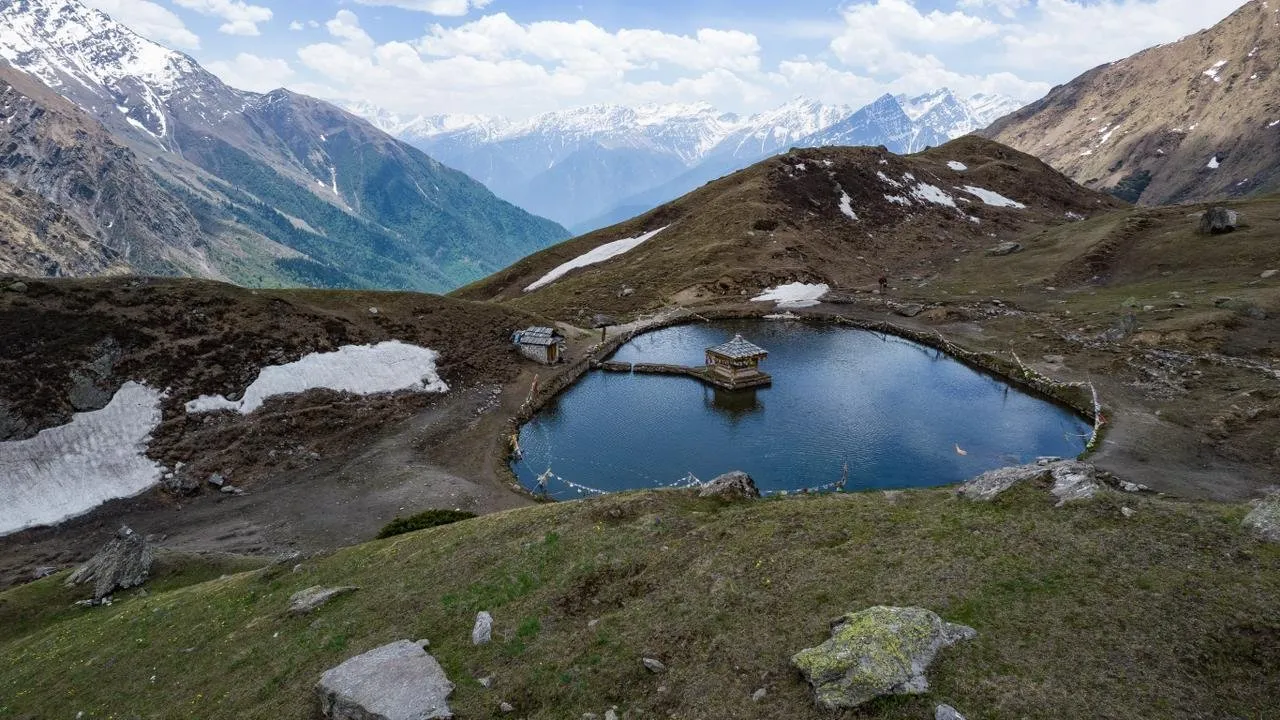
The Lake and Temple Setting
The temple is closely associated with Yulla Kanda Lake.
The relationship between the shrine and its mountain surroundings is central to Yulla Kanda's identity. Visitors encounter the temple as part of a wider landscape rather than as an isolated building.
This also means the area should be treated carefully.
Visitors should avoid littering, contaminating the water, playing loud music or treating the religious site merely as a backdrop for photographs.
What About the Pandavas Story?
Yulla Kanda is associated with several local stories involving the Pandavas and Lord Krishna.
These narratives are culturally important, but they should be presented as local belief, mythology and oral tradition, not as independently proven archaeological history.
That does not make the traditions meaningless. Himalayan religious landscapes often preserve their identity through stories passed between communities over generations.
The detailed mythology is covered separately in our Story Behind Yulla Kanda guide so that this page remains focused on the highest-temple claim.
Is Yulla Kanda a Sacred Place?
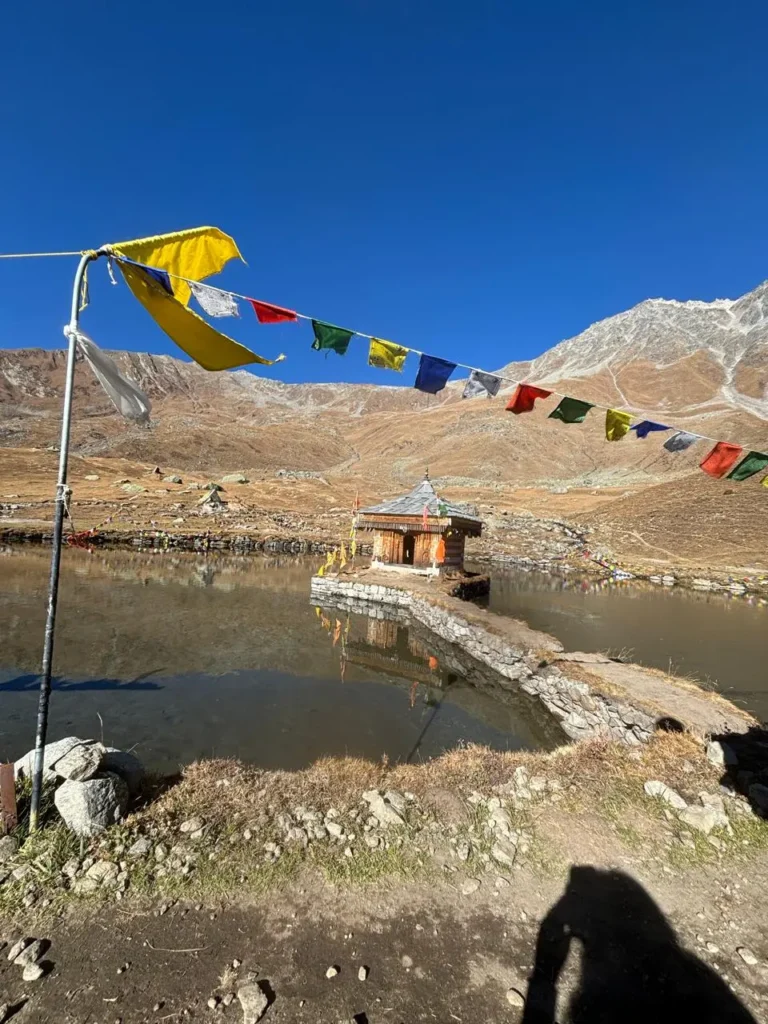
Yes, the presence of the Krishna shrine and the traditions associated with the surrounding landscape give Yulla Kanda genuine religious significance.
However, questions about why devotees consider it sacred, pilgrimage behaviour and spiritual etiquette are different from the altitude-record question.
For that topic specifically, see Is Yulla Kanda a Sacred Place?.
Keeping these topics separate helps travellers understand the destination without mixing mythology, religious belief and factual claims together.
Should You Visit Only Because It Is the “Highest”?
Probably not.
If you visit expecting a world-record monument with extensive infrastructure, the reality of a remote Himalayan shrine may feel very different.
Yulla Kanda is better appreciated for its:
- Mountain setting
- Religious atmosphere
- Trekking journey
- Lake landscape
- Local culture
- Relative isolation
The uncertainty around the altitude title is part of the story, but it should not be the entire reason to travel there.
For practical route and trek preparation information, use our Yulla Kanda Trek Complete Guide.
How to Verify Information About Yulla Kanda
When researching a lesser-known Himalayan destination, give more weight to official sources than repeated travel-blog claims.
For Yulla Kanda, two useful references are:
The district source confirms the Krishna temple within Yulla Kanda's trekking landscape, while the state government's photo archive uses the “Highest Krishna Temple” description.
Neither should be stretched beyond what it actually says.
Frequently Asked Questions
1. Is Yulla Kanda really the world's highest Krishna temple?
Yulla Kanda is widely described as the world's highest or one of the world's highest Krishna temples. The Himachal Pradesh government has also used the caption “Highest Krishna Temple, Yulla Kanda,” but a formally certified worldwide altitude record is not clearly documented.
2. Is there really a Krishna temple at Yulla Kanda?
Yes. The District Kinnaur administration specifically mentions the Krishna temple at Yula Kanda in its official trekking information.
3. Where is the Yulla Kanda Krishna Temple?
It is located in the Yulla Kanda region of Kinnaur district, Himachal Pradesh, and is reached as part of a mountain trekking journey.
4. Is the temple associated with the Pandavas?
Local traditions connect Yulla Kanda with the Pandavas, but these accounts should be understood as mythology and oral tradition rather than verified historical events.
5. Is Yulla Kanda only famous because of the temple?
No. The destination also attracts visitors for its lake, Himalayan landscape, trekking experience and cultural setting.
6. Can I directly drive to the temple?
No. Yulla Kanda forms part of a trekking landscape rather than a conventional roadside temple destination. For road-access planning, use our Delhi to Yulla Kanda: How to Reach Guide.
So, Is It the World's Highest Krishna Temple?
The most responsible answer is:
Yulla Kanda is widely regarded as one of the world's highest Krishna temples, and the Government of Himachal Pradesh has itself described the site as the “Highest Krishna Temple, Yulla Kanda.” However, a formally certified global altitude record is not clearly documented in the official sources reviewed.
Fortunately, the destination does not need an absolute world record to be special.
Its combination of faith, mountain isolation, the Krishna shrine and the lake landscape already makes Yulla Kanda one of Kinnaur's more distinctive spiritual trekking destinations.
Travellers who want the current commercial itinerary, inclusions and booking details can use our Yulla Kanda Trek Package from Delhi.


