
Camping Experience at Yulla Kanda Lake
Published on May 22, 2026 | Updated on August 28, 2026
Camping at Yulla Kanda Lake is not a conventional campsite holiday. It is part of a remote Himalayan trekking experience in Kinnaur, where forest trails gradually give way to open mountain terrain, colder evenings and the sacred landscape surrounding the lake and Krishna temple.
The appeal is simple: reach the mountains on foot, spend a night away from busy tourist towns, experience the changing light over the high-altitude landscape and wake up in one of Himachal Pradesh’s quieter trekking regions.
The Kinnaur district administration officially lists Yulla Kanda among the district’s tourist places, while Himachal Tourism also features Yulla Kanda Lake in its destination material.
If camping is the part of the trek you are most curious about, this guide explains what to expect, what to carry and how to approach the experience responsibly.
Where Is Yulla Kanda Lake?
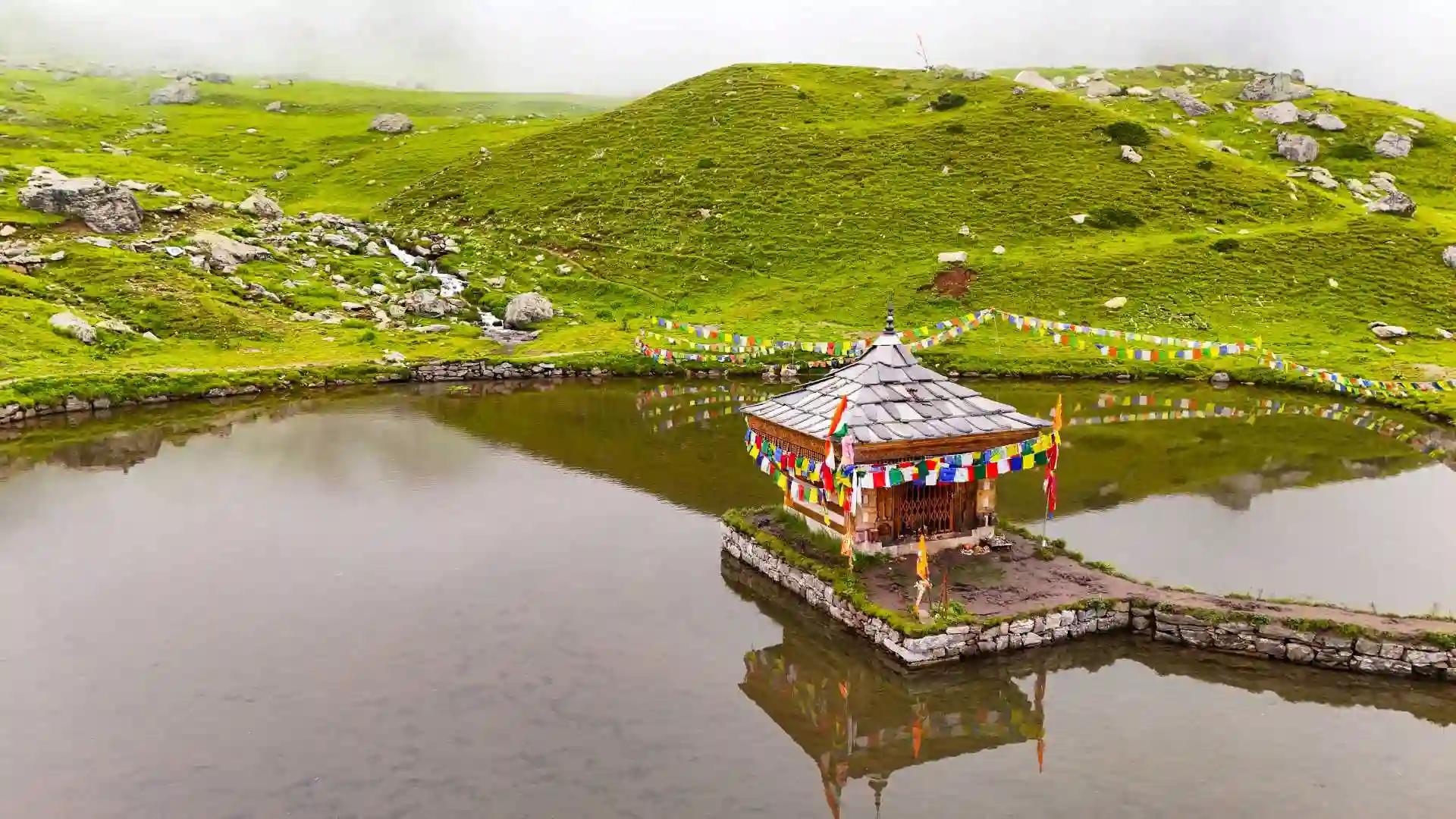
Yulla Kanda lies in the Kinnaur district of Himachal Pradesh, a high Himalayan region surrounded by the Greater Himalaya, Zanskar and Dhauladhar ranges. The district administration includes Yulla Kanda among Kinnaur’s recognised tourist places.
The trekking journey is generally associated with Yulla Khas Village, from where trekkers move towards the higher mountain landscape.
Rather than relying on one fixed kilometre figure, confirm the current trail, campsite and walking distance before departure because mountain routing can vary with weather, trail conditions and operational planning.
What Makes Camping at Yulla Kanda Special?
The experience combines several elements in one trek:
- Remote Himalayan surroundings
- Forest and alpine terrain
- A high-altitude lake
- A sacred Krishna temple
- Limited artificial lighting
- Basic mountain camping
- Quiet surroundings away from major tourist centres
The original article already captures this emotional side well: Yulla Kanda is a place where camping is part of the journey rather than simply accommodation.
That distinction is important. You do not travel here for luxury tents or resort-style facilities. You travel for the landscape and the experience of spending time in the mountains.
Trekking Towards the Campsite
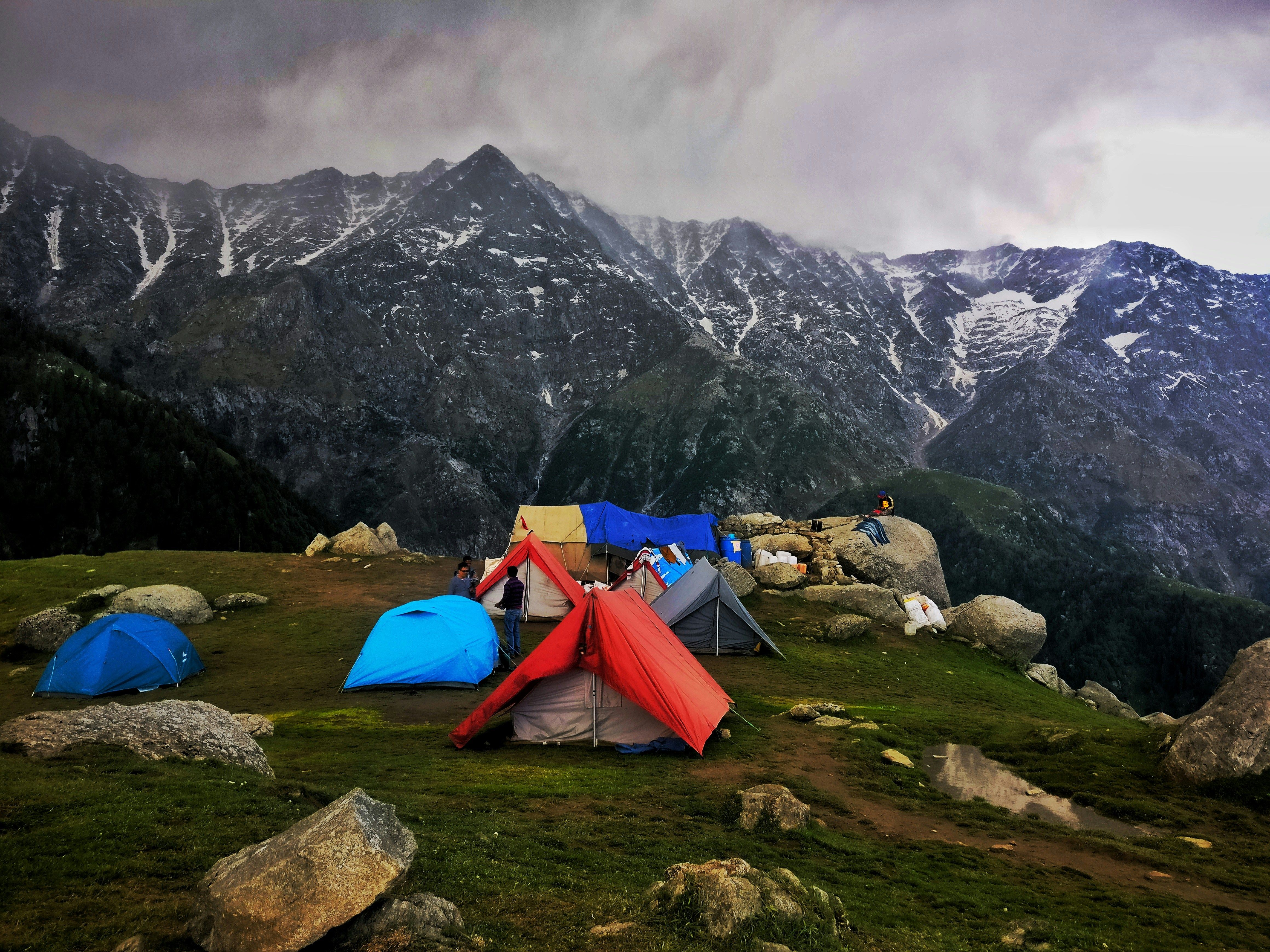
The trail begins in the lower mountain environment and gradually moves towards more open high-altitude terrain.
Expect sustained uphill walking rather than an easy roadside campsite. Your pace will depend on fitness, group speed, weather, trail condition and the location chosen for the night.
As you climb, the surroundings can transition from forested terrain towards alpine meadows, giving the upper route a very different character from Yulla Khas.
For first-time trekkers, the best approach is to walk steadily, hydrate regularly and avoid competing with faster members of the group.
Arriving at Camp
Reaching the camping area after several hours on the trail is one of the most rewarding parts of the experience.
Once the group arrives, the priority should be simple: settle in, change into dry or warmer clothing if needed, hydrate, eat and allow your body to recover.
Camping arrangements vary between operators and departures. Depending on your trek, facilities may include:
- Sharing tents
- Sleeping bags
- Sleeping mats
- Basic vegetarian meals
- Trek-guide support
- Basic first-aid supplies
Do not assume that electricity, charging points, attached washrooms, reliable mobile connectivity or hotel-style facilities will be available.
Confirm your exact tent setup, sleeping gear, meals, toilet arrangement and safety equipment before departure.
Evening at Yulla Kanda
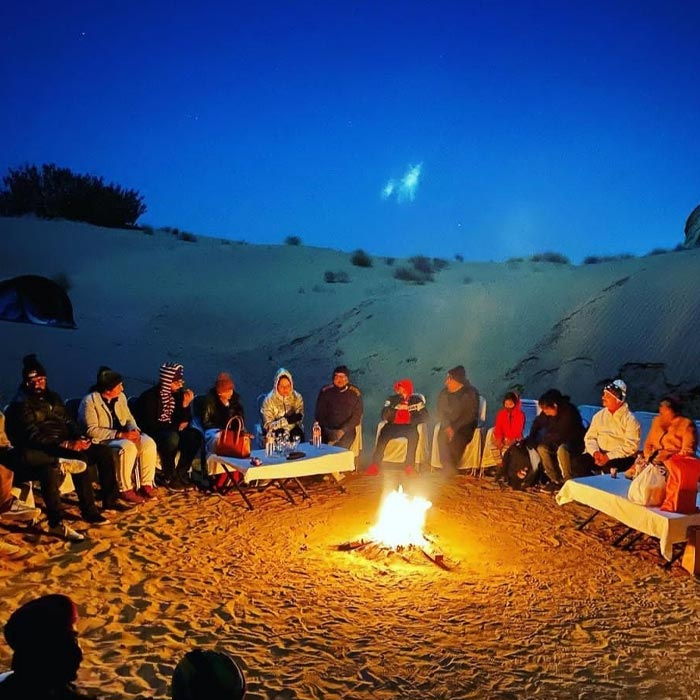
As daylight fades, the temperature can drop quickly in Kinnaur’s higher terrain. Himachal Tourism specifically advises travellers that even during warmer months, higher parts of Kinnaur can become cold and chilly by evening.
This is the time to put on insulating layers, have a warm meal and rest after the climb.
A simple mountain evening is often more memorable than an activity-packed schedule. Conversations with fellow trekkers, local stories and the silence of the surrounding landscape become part of the experience.
Open fires or campfires should not be treated as guaranteed. Their suitability depends on current weather, local rules, environmental conditions and the campsite being used.
The Krishna Temple and Sacred Landscape
One of Yulla Kanda’s defining features is the Krishna temple associated with the higher lake area.
Himachal Pradesh government material has captioned Yulla Kanda as the site of the “Highest Krishna Temple”, while the Kinnaur district trekking information also specifically mentions the Krishna temple at Yula Kanda.
For detailed temple information, use our Krishna Temple at Yulla Kanda guide.
Stories connecting the area with Krishna, the Pandavas and other religious traditions should be understood as local belief and mythology, rather than presented as verified historical events.
Visitors should also remember that the lake and temple area is a pilgrimage landscape, not simply a campsite backdrop.
Stargazing at Yulla Kanda

Remote mountain camps can offer excellent night-sky views when conditions are favourable.
Because the area has far less artificial lighting than major towns, clear nights can reveal a much richer star field. However, visibility depends on:
- Cloud cover
- Moonlight
- Rain
- Atmospheric conditions
- Season
Do not plan the trip around a guaranteed Milky Way view or meteor shower.
Carry a headlamp for moving safely around camp after dark and avoid wandering alone onto unfamiliar terrain.
Morning Beside the Lake
Mountain mornings can be one of the best parts of the camping experience.
If conditions permit, wake early and watch the changing light across the surrounding slopes and lake area.
The Yulla Kanda Lake should be treated respectfully. Avoid leaving food, plastic, wet wipes or other waste near the water, and do not introduce soap or shampoo into the lake.
Keep noise low around the temple and follow any guidance given by residents or trek leaders.
How Cold Does Camping Get?

There is no single reliable temperature that applies to every Yulla Kanda camping night.
Conditions vary with elevation, month, wind, cloud cover and incoming weather systems. Even if lower Kinnaur feels pleasant during the day, the campsite can feel considerably colder after sunset.
Himachal Tourism notes that Kinnaur generally has a chill in the air because of its high elevation and recommends warmer clothing for evenings even in summer.
For more detailed seasonal conditions, use our Yulla Kanda Weather & Temperature Guide.
Best Time for Camping at Yulla Kanda
Camping conditions depend on snow cover, rainfall, road access and current trail conditions.
Himachal Tourism broadly identifies April to October as a good travel period for Kinnaur, while also noting that winter temperatures can fall well below freezing. This does not mean every day within that window is automatically suitable for the Yulla Kanda Trek.
For a detailed comparison of trekking seasons, read our Best Time to Visit Yulla Kanda.
Always check local conditions close to departure.
What to Pack for Yulla Kanda Camping

Keep your packing practical and avoid carrying unnecessary weight.
Clothing
- Quick-dry trekking T-shirts
- Trekking pants
- Thermal base layer
- Fleece or insulated mid-layer
- Warm jacket
- Waterproof outer layer
- Extra socks
- Warm cap
- Gloves
Trek Essentials
- Trekking shoes with good grip
- Small backpack
- Water bottle
- Headlamp
- Sunglasses
- Sunscreen
- Power bank
- Rain protection
- Personal medicines
- Government-issued photo ID
Do not wear brand-new trekking shoes for the first time on the actual trek.
Camping Safety Tips
Prepare Your Fitness
You should be comfortable walking uphill for several hours before attempting the trek.
Stay Hydrated
Drink regularly during the climb instead of waiting until you feel extremely thirsty.
Communicate Symptoms Early
Headache, nausea, dizziness, unusual fatigue or worsening breathlessness at altitude should not be ignored.
Stay With the Group
Remote mountain terrain is not the right place to experiment with shortcuts or unplanned solo routes.
Check Weather and Road Conditions
Kinnaur is mountainous, and road or trail conditions can change. Himachal Tourism advises travellers to remain aware of weather and local travel conditions when visiting the state.
Responsible Camping at Yulla Kanda

Responsible trekking matters even more at a remote campsite.
Follow these basic principles:
Carry your waste back. Do not leave wrappers, plastic bottles or wet wipes.
Respect the lake. Keep soap, food and waste away from the water.
Avoid unnecessary fires. Do not damage alpine vegetation for fuel.
Keep noise low. Loud speakers do not belong in a remote pilgrimage landscape.
Stay on the trail. Shortcuts can damage fragile vegetation and increase erosion.
Respect local customs. The temple area has religious significance for local communities.
Can Beginners Camp at Yulla Kanda?

Fit beginners can consider the trek if they have prepared beforehand and are travelling with appropriate guidance.
Being a beginner is less important than arriving with realistic fitness.
Before departure, you should ideally be comfortable with:
- Several hours of continuous walking
- Uphill climbing
- Carrying a light backpack
- Basic camping conditions
- Cold evenings
- Limited connectivity
Anyone with significant heart, respiratory, knee or altitude-related medical concerns should seek appropriate medical guidance before attempting a high-altitude trek.
Frequently Asked Questions
1. Is camping possible at Yulla Kanda?
Camping is commonly part of organised trekking plans in the Yulla Kanda region. Exact campsite locations and facilities can vary according to trail conditions, local guidance and the operating plan.
2. What facilities are available at the campsite?
Expect basic mountain camping. Depending on your operator, tents, sleeping equipment, meals and trekking support may be provided. Electricity, attached washrooms and reliable mobile connectivity should not be assumed.
3. Is Yulla Kanda good for stargazing?
Clear nights can provide good stargazing because artificial lighting is limited. Visibility of specific stars, the Milky Way or meteor activity depends on weather, clouds and moonlight.
4. Is camping suitable for first-time trekkers?
Yes, for fit beginners with preparation. The trek still involves high-altitude terrain and sustained climbing, so it should not be treated like a casual campsite visit.
5. Can I camp alone at Yulla Kanda?
Solo camping is not advisable for most visitors because the route is remote, conditions can change, and connectivity may be limited. Trekking with experienced local support is the safer choice.
6. How many days should I plan?
The required duration depends on your starting point, trek route and campsite. A multi-day itinerary is more practical because it allows time for road travel, climbing, camping and descent without unnecessary rushing.
Plan Your Yulla Kanda Camping Experience
Camping at Yulla Kanda combines Himalayan trekking, alpine scenery and the spiritual atmosphere of a remote Krishna temple and lake.
The experience is at its best when you arrive prepared for simple facilities rather than expecting luxury. Carry proper layers, respect changing weather, stay with your trekking group and leave the mountain environment as clean as you found it.
For official regional information, travellers can refer to the Kinnaur District Administration or Himachal Tourism. Both provide authoritative information about Kinnaur and its mountain environment.
Travellers who prefer transport, accommodation, meals, camping and trek coordination to be organised together can explore our Yulla Kanda Trek Package from Delhi.


