
Yulla Kanda Trek: Complete Guide to Route, Distance & Difficulty
Published on March 19, 2026 | Updated on August 28, 2026
The Yulla Kanda Trek is a high-altitude Himalayan trail in Kinnaur, Himachal Pradesh, combining forest walks, alpine landscapes and a spiritually significant mountain destination.
The trek leads from the Yulla village region towards the higher Yulla Kanda landscape, where a sacred lake and Krishna temple form the main destination. The District Kinnaur administration officially lists Yulla Kanda among the district's tourist places and also refers to the Krishna temple at Yulla Kanda in its trekking information.
Unlike a short roadside sightseeing stop, Yulla Kanda requires sustained uphill walking, basic fitness and preparation for changing mountain conditions.
This guide covers the Yulla Kanda Trek route, distance, difficulty, trail experience, preparation and practical trekking information. Seasonal weather, camping and mythology are covered separately so you can plan without reading the same information repeatedly.
Yulla Kanda Trek at a Glance
Location: Kinnaur, Himachal Pradesh
Trek Base: Yulla Khas Village
Trek Type: High-altitude trekking and pilgrimage trail
Difficulty: Moderate; more demanding in poor weather
Terrain: Forest trails, mountain paths and alpine sections
Main Attraction: Yulla Kanda Lake and Krishna Temple
Suitable For: Fit beginners, regular trekkers, nature lovers and spiritual travellers
Accommodation: Village stay and camping depending on itinerary
The exact distance, campsite and walking time may vary according to the route and current trail conditions.
Where Is Yulla Kanda?

Yulla Kanda is located in Kinnaur district of Himachal Pradesh.
Kinnaur is a mountainous district surrounded by Himalayan ranges and known for deep valleys, traditional settlements, orchards and high-altitude trekking routes. Himachal Tourism describes the region as part of the ancient India–Tibet trade landscape and notes its strong cultural character.
The trekking journey is associated with Yulla Khas Village, which serves as the practical base before trekkers move towards the higher trail.
Yulla Kanda Trek Route
The trek can broadly be divided into three stages.
1. Reach Yulla Khas
The first step is reaching Yulla Khas in Kinnaur.
For most trekkers, this is the place to rest, organise equipment and understand the upcoming route before starting the climb.
Avoid beginning a high-altitude trek immediately after a tiring overnight journey if your itinerary allows sufficient rest.
2. Yulla Khas to Base Camp
The main trekking section begins from Yulla Khas and gradually climbs through mountain terrain.
The current TourMyHoliday operating itinerary covers approximately 10 km from Yulla Khas towards Yulla Base Camp, usually allowing around 4–6 hours for the section. Actual time depends on fitness, breaks, weather and trail condition.
The route passes through forested sections before opening towards higher alpine meadows.
Rather than focusing only on kilometre numbers, maintain a steady pace and save energy for the higher sections.
3. Base Camp to Yulla Kanda
From the camping area, trekkers continue towards the higher Yulla Kanda region.
The trail eventually reaches the Yulla Kanda Lake, which forms the natural and spiritual centre of the trek.
The upper section may feel harder than expected because altitude, gradient and colder conditions can increase the effort required even when the remaining distance appears short.
How Long Is the Yulla Kanda Trek?

There is no single total distance that should be treated as permanent because different itineraries may use different campsites and route measurements.
For practical planning, the current TourMyHoliday route includes approximately 10 km of trekking from Yulla Khas to Yulla Base Camp, followed by the higher lake-and-temple section and the eventual descent.
Walking time depends on:
- Individual fitness
- Group pace
- Number of breaks
- Trail condition
- Rain or snow
- Backpack weight
- Campsite location
This is why two trekkers may complete the same section at very different speeds.
Yulla Kanda Trek Difficulty
The Yulla Kanda Trek is best treated as a moderate Himalayan trek.
It is not technically difficult under normal trekking conditions, but it should not be described as an effortless beginner walk either.
The main challenges include:
- Sustained uphill walking
- High-altitude terrain
- Uneven mountain trails
- Steeper upper sections
- Changing weather
- Cold nights
- Limited facilities after leaving the village
Your physical preparation matters more than whether you have completed another famous trek before.
Can Beginners Do the Yulla Kanda Trek?
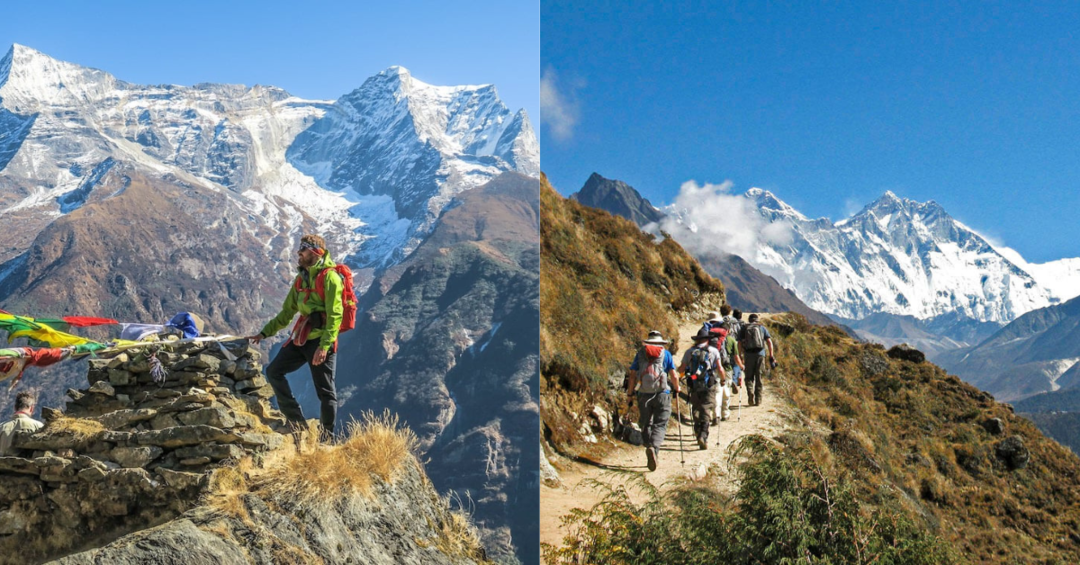
Yes, fit beginners can consider Yulla Kanda with proper preparation and suitable guidance.
Before departure, you should ideally be comfortable with:
- Walking continuously for several hours
- Climbing stairs without excessive exhaustion
- Carrying a light daypack
- Walking over uneven terrain
- Following a slow and steady trekking pace
If you currently have no walking or exercise routine, spend a few weeks building basic endurance before the trip.
Someone with significant heart, respiratory, knee or altitude-related medical concerns should seek appropriate medical advice before attempting a high-altitude trek.
What Is the Trail Like?
One of the attractions of Yulla Kanda is the change in landscape as you gain elevation.
The lower trail includes forested mountain terrain, while higher sections become more open and exposed.
Depending on current route conditions, trekkers may encounter:
- Forest paths
- Rocky sections
- Meadow trails
- Small water crossings
- Steep uphill stretches
- Open high-altitude terrain
Conditions can change significantly after rain or snowfall, so an old trek video should never be treated as a guarantee of what the trail will look like on your departure.
Krishna Temple at Yulla Kanda
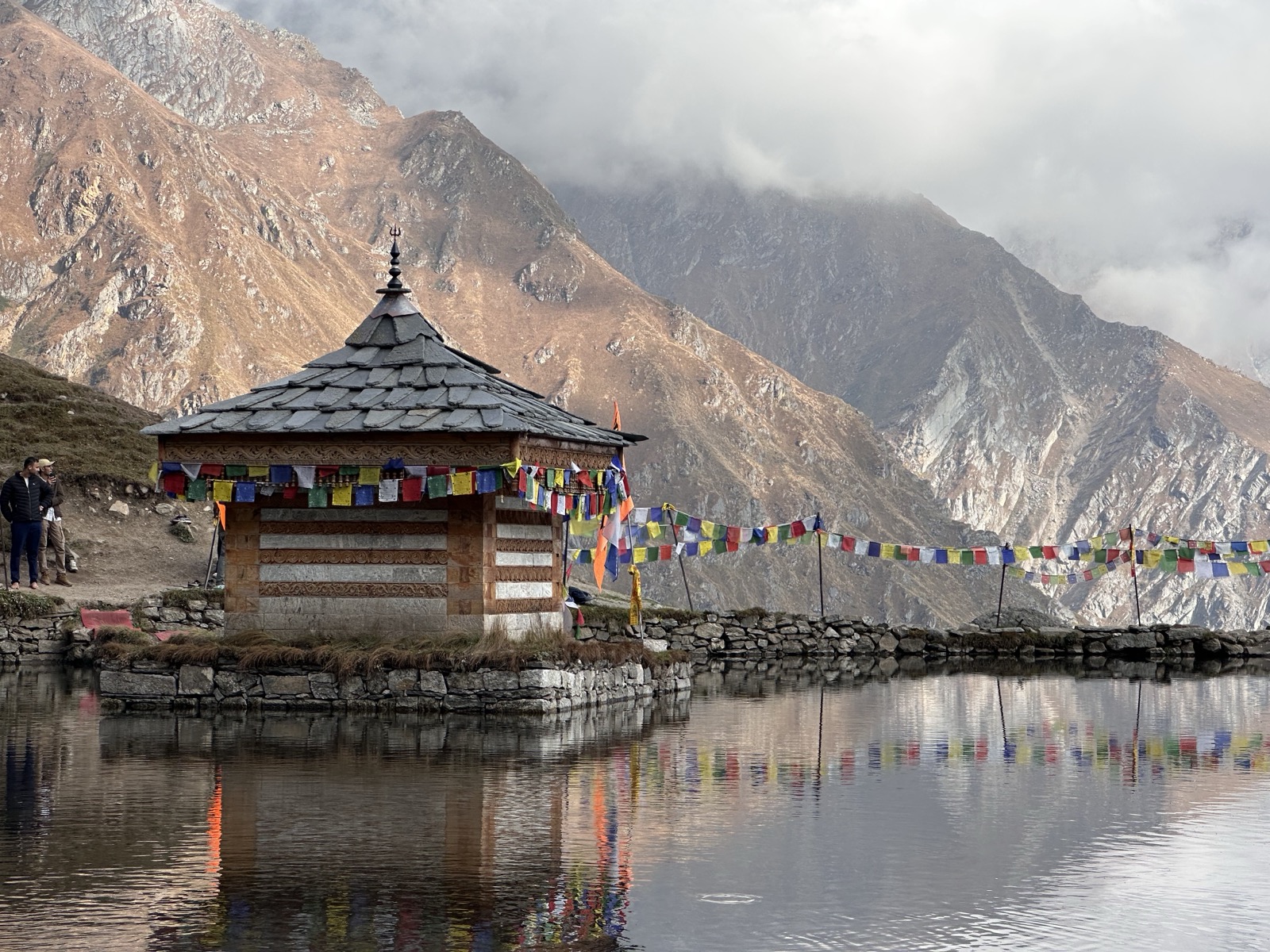
The Krishna shrine is one of the defining landmarks of the trek.
District Kinnaur's official trekking information specifically references the Krishna temple at Yula Kanda, confirming its recognised place within the region's trekking landscape.
For detailed information about the shrine itself, use our Krishna Temple at Yulla Kanda page.
Claims connecting the site with the Pandavas or describing it as the world's highest Krishna temple should be understood in the context of local tradition and popular descriptions rather than automatically presented as established historical or world-record facts.
For the religious traditions behind the destination, read The Story Behind Yulla Kanda.
Best Time for the Yulla Kanda Trek
The trekking experience changes according to snow, rainfall and trail access.
Rather than repeating a month-by-month season guide here, use our dedicated Best Time to Visit Yulla Kanda.
Himachal Tourism broadly lists April to October as a good period for visiting Kinnaur, but a general Kinnaur travel window should not be interpreted as guaranteed Yulla Kanda trail access every day within those months.
Always check current conditions before departure.
Weather on the Trek
High-altitude weather can change quickly.
Even when lower parts of Kinnaur are comfortable, the higher trail may feel considerably colder, particularly after sunset. Himachal Tourism specifically notes that Kinnaur's elevation means evenings can remain chilly even during warmer months.
For seasonal conditions and temperature planning, read our Yulla Kanda Weather & Temperature Guide.
If travelling during the rainy season, use the separate Yulla Kanda Trek in Monsoon Safety Guide.
Camping During the Trek
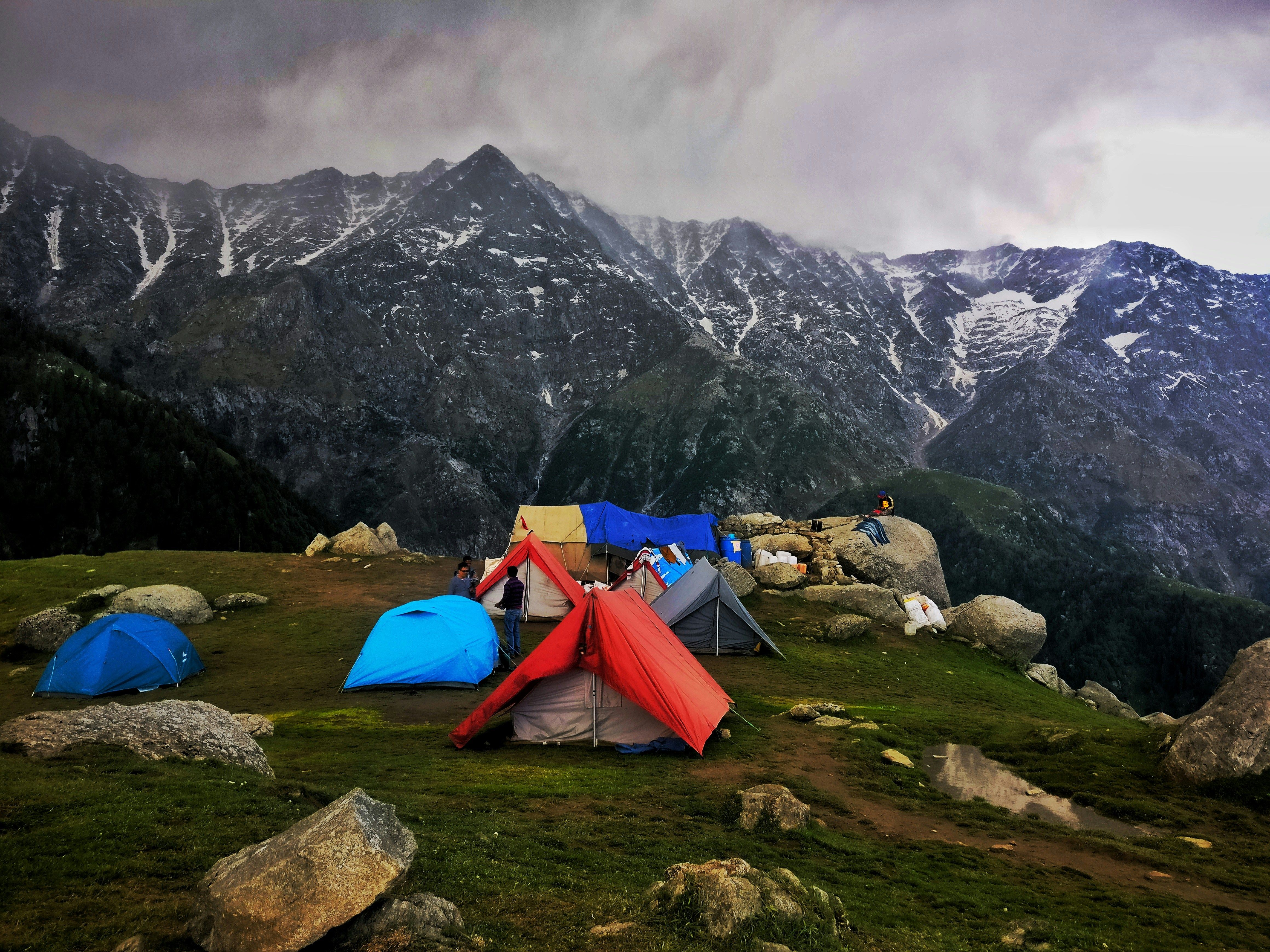
Depending on the itinerary, trekkers may spend a night at a higher camping area before visiting Yulla Kanda.
Expect basic mountain facilities rather than hotel-style comfort.
A trekking arrangement may include tents, sleeping equipment, meals and guide support, but exact facilities should always be confirmed with the operator before departure.
Our Yulla Kanda Camping Experience explains this part of the journey separately.
Fitness Preparation for Yulla Kanda
You do not need to train like an athlete, but basic endurance makes the trek considerably more enjoyable.
Walking
Gradually build towards continuous walks of around 5–7 km.
Stair Climbing
Stairs help prepare your legs for sustained uphill movement.
Leg Strength
Include simple exercises such as:
- Squats
- Lunges
- Step-ups
- Calf raises
Cardiovascular Fitness
Brisk walking, jogging, cycling or swimming can improve endurance.
Backpack Practice
Complete a few walks carrying the same daypack you intend to use during the trek.
Consistency is more useful than doing one extremely hard workout immediately before departure.
What to Carry
Keep your trekking bag practical.
Clothing
- Quick-dry T-shirts
- Trekking pants
- Thermal layer
- Fleece or insulating layer
- Warm jacket
- Waterproof outer layer
- Warm cap
- Gloves
- Extra socks
Trek Essentials
- Trekking shoes with reliable grip
- Small backpack
- Water bottle
- Sunglasses
- Sunscreen
- Headlamp
- Power bank
- Rain protection
- Personal medicines
- Photo ID
Break in your trekking shoes before departure rather than wearing new footwear for the first time on the mountain.
Altitude and Trekking Pace
Altitude affects individuals differently.
A very fit person can still experience discomfort at higher elevations.
During the trek:
- Walk slowly
- Hydrate regularly
- Avoid racing uphill
- Inform your guide about unusual symptoms
- Take adequate breaks
- Do not hide illness simply to complete the trek
Headache, nausea, dizziness, unusual fatigue or worsening breathlessness should be taken seriously.
Mobile Connectivity

Do not depend on continuous connectivity once you move towards remote trekking sections.
Himachal Tourism notes that while major Kinnaur settlements have mobile connectivity, many offbeat destinations and trekking routes may have weak or no network coverage.
Before starting the trek:
- Save emergency contacts offline
- Download important maps
- Screenshot booking information
- Charge your phone
- Carry a power bank
- Inform family about limited connectivity
Responsible Trekking
Yulla Kanda is both a natural mountain environment and a religious destination.
Follow basic responsible trekking practices:
- Carry your waste back
- Keep plastic away from the lake
- Avoid loud music
- Do not disturb religious activities
- Stay on established trails
- Avoid damaging alpine vegetation
- Follow local instructions
If exploring beyond the standard Yulla Kanda route towards areas such as Rora Kanda, confirm the route with experienced local guides rather than assuming it forms part of the normal trek.
Frequently Asked Questions
1. Where does the Yulla Kanda Trek start?
The trekking journey is generally associated with Yulla Khas Village in Kinnaur.
2. How difficult is the Yulla Kanda Trek?
It is best considered a moderate high-altitude trek. Fit beginners can attempt it with preparation, but sustained climbing and mountain conditions make it more demanding than a normal hill walk.
3. How many kilometres is the Yulla Kanda Trek?
Distance varies with the campsite and route used. TourMyHoliday's current operating itinerary includes approximately 10 km from Yulla Khas to base camp before the higher Yulla Kanda section.
4. How many hours does the trek take?
The Yulla Khas-to-base-camp section currently takes roughly 4–6 hours. Actual walking time depends on fitness, weather, breaks and trail conditions.
5. Can beginners do Yulla Kanda?
Yes, fit beginners can consider it after basic fitness preparation and with suitable trekking support.
6. Do I need a guide?
For first-time visitors, experienced local or organised trekking support is advisable because conditions and navigation can change in remote mountain terrain.
7. Is there mobile network on the trail?
Do not rely on continuous connectivity. Himachal Tourism notes that offbeat and trekking areas of Kinnaur may have limited or no mobile coverage.
8. Can the route change?
Yes. Rain, snow, trail damage, local restrictions and campsite changes can affect the exact route or itinerary.
Plan Your Yulla Kanda Trek
The Yulla Kanda Trek is a rewarding choice for travellers looking for a quieter Himalayan route combining trekking, alpine scenery and spiritual significance.
Approach it as a proper mountain journey: prepare your fitness, carry suitable clothing, keep your itinerary flexible and respect both the landscape and local religious traditions.
For authoritative regional travel information, you can also refer to the official Himachal Tourism Kinnaur guide.
Travellers who want Delhi transport, accommodation, meals, camping and trek coordination arranged together can explore our Yulla Kanda Trek Package from Delhi.


