
Yulla Kanda Trek in Monsoon: Safety, Risks & Travel Tips
Published on May 21, 2026 | Updated on August 28, 2026
The Yulla Kanda Trek in monsoon can look incredibly beautiful, with greener forests, mist-covered mountains and flowing streams. But rain also makes a remote Himalayan trek more unpredictable.
Located in the Kinnaur district of Himachal Pradesh, Yulla Kanda involves mountain-road travel followed by trekking through forest and higher-altitude terrain. During periods of heavy rain, travellers need to consider more than just whether it is raining at the trek starting point. Road conditions, landslides, slippery trails, visibility and local weather warnings can all affect the journey.
This guide focuses specifically on monsoon safety at Yulla Kanda. For deciding which season is best overall, use our Best Time to Visit Yulla Kanda guide.
Is Yulla Kanda Trek Safe During Monsoon?
There is no simple yes-or-no answer.
The trek may be possible during periods of relatively stable weather, but heavy or prolonged rainfall can make both the approach roads and mountain trail risky.
Kinnaur is a mountainous district where landslides, falling rocks and weather-related road disruption are genuine concerns. The Kinnaur district administration maintains dedicated disaster-management information, while the India Meteorological Department issues official rainfall warnings for Himachal Pradesh.
Therefore, a monsoon departure should always remain flexible. If local authorities, guides or weather warnings indicate unsafe conditions, delaying or cancelling the trek is the sensible decision.
Main Risks During the Yulla Kanda Trek in Monsoon
1. Slippery Trekking Trails
Rain can make soil, rocks and forest sections slippery.
Wet descents are often more difficult than climbs because maintaining balance becomes harder, particularly when carrying a backpack.
Wear trekking shoes with reliable grip and use trekking poles where appropriate.
2. Landslides and Falling Rocks
The bigger monsoon concern may occur before you even start trekking.
Mountain roads in Kinnaur can be affected by landslides, falling rocks and debris movement, particularly following heavy rainfall.
The importance of taking current conditions seriously is demonstrated by Kinnaur district advisories for other high-altitude routes: in July 2026, the district administration suspended the Kinnaur Kailash Yatra after route inspection identified landslide, rockfall and unstable-boulder risks. This advisory concerned Kinnaur Kailash, not Yulla Kanda, but it illustrates why real-time route assessments matter in the same mountain district.
Never assume that a road or trek is safe simply because it was open a few days earlier.

3. Reduced Visibility
Clouds and mist may move across mountain terrain quickly.
Reduced visibility can make navigation harder and also remove much of the panoramic scenery travellers expect from the trek.
Stay with your guide or trekking group instead of trying to move ahead alone.
4. Wet Clothing and Gear
Once clothing, sleeping gear or electronics become wet, a comfortable trek can become difficult very quickly.
Use waterproof protection for:
- Phone and power bank
- Personal medicines
- Spare clothing
- Documents
- Sleeping clothes
- Camera equipment
Carry dry clothes inside waterproof bags rather than relying only on a backpack rain cover.
5. Streams and Water Flow
Rainfall can increase the flow of seasonal streams and drainage channels along mountain routes.
Never attempt to cross rapidly flowing water simply because the same crossing looked easy in photographs or older trek videos.
Follow current instructions from experienced local guides.
Check the Weather Before Starting
For monsoon trekking, checking a generic monthly forecast is not enough.
Review short-range weather information close to your departure and again before beginning the trekking section.
The India Meteorological Department is the official source for weather forecasts and warnings in India. IMD regularly issues heavy and very-heavy-rainfall warnings for Himachal Pradesh during active monsoon spells.
For detailed Yulla Kanda climate and seasonal conditions, see our Yulla Kanda Weather & Temperature Guide.
Remember that a forecast for a lower town may not perfectly represent conditions higher on the trail.
Start from the Correct Trek Base
The Yulla Kanda trekking journey is associated with Yulla Khas Village.
During monsoon, confirm the current road approach, trekking route and campsite locally before beginning your climb.
Avoid relying entirely on an old GPS track or travel blog because mountain paths and access conditions can change after rainfall.
Essential Gear for a Monsoon Trek

You do not need to overpack, but rain protection needs to be reliable.
Rain Protection
- Waterproof trekking jacket
- Rain pants
- Backpack rain cover
- Waterproof/dry bags
- Quick-dry trekking clothes
Footwear
Wear trekking shoes with:
- Good outsole grip
- Proper fit
- Ankle support if you prefer it
- Enough space for trekking socks
Avoid attempting the trek in casual sports shoes with worn soles.
Trekking Equipment
Useful items include:
- Trekking poles
- Headlamp
- Power bank
- Water bottle
- Small towel
- Spare socks
- First-aid essentials
If camping forms part of your trip, read our Camping Experience at Yulla Kanda Lake before deciding what personal camping gear you need.
What to Wear During Rain
The goal is to remain dry without overheating while climbing.
A practical layering system is:
Base layer: Quick-dry T-shirt
Mid layer: Light insulating layer when required
Outer layer: Waterproof and wind-resistant jacket
Avoid trekking in heavy cotton clothing because it can remain wet for a long time.
Keep one dry set of clothes protected inside your backpack for the campsite or night stay.
Should Beginners Trek Yulla Kanda During Monsoon?

A beginner may be physically capable of completing the Yulla Kanda Trek, but monsoon adds another layer of difficulty.
Rain means you may need to manage:
- Slippery terrain
- Reduced visibility
- Wet equipment
- Sudden itinerary changes
- Road delays
- Longer walking times
If this is your first Himalayan trek, choosing a more stable weather window is generally more comfortable than deliberately selecting a period of active heavy rainfall.
Experienced trekkers should also avoid treating experience as immunity from weather-related hazards.
Should You Trek Without a Guide?
Monsoon is not the ideal time to experiment with solo navigation on a remote Himalayan trail.
A knowledgeable trek leader or local guide can help assess:
- Current trail condition
- Safe route selection
- Weather changes
- Stream crossings
- Campsite suitability
- Whether the group should turn back
No summit, lake or temple visit is worth continuing when current conditions are deteriorating.
What If Heavy Rain Is Forecast?
If an official warning or strong local advisory indicates significant rainfall, keep your plan flexible.
Your options may include:
- Delaying the trekking day
- Staying at a safer lower location
- Changing the itinerary
- Returning before conditions worsen
- Cancelling the trek
Do not treat cancellation as a failed trip.
The Kinnaur district administration specifically emphasises disaster preparedness and coordinated response to reduce risk to people and property.
For current district-level information, travellers can also use the Kinnaur District Disaster Management portal.
Monsoon Camping at Yulla Kanda

Rain changes the camping experience considerably.
Before setting up or using a campsite, consider:
- Water drainage
- Wind exposure
- Distance from streams
- Ground stability
- Current weather forecast
- Instructions from your trek leader
Never pitch a tent in a drainage channel or immediately beside rising water.
Keep your sleeping clothes and sleeping gear dry because once temperatures fall after sunset, wet clothing can become a serious comfort and safety problem.
Protect the Yulla Kanda Lake Area
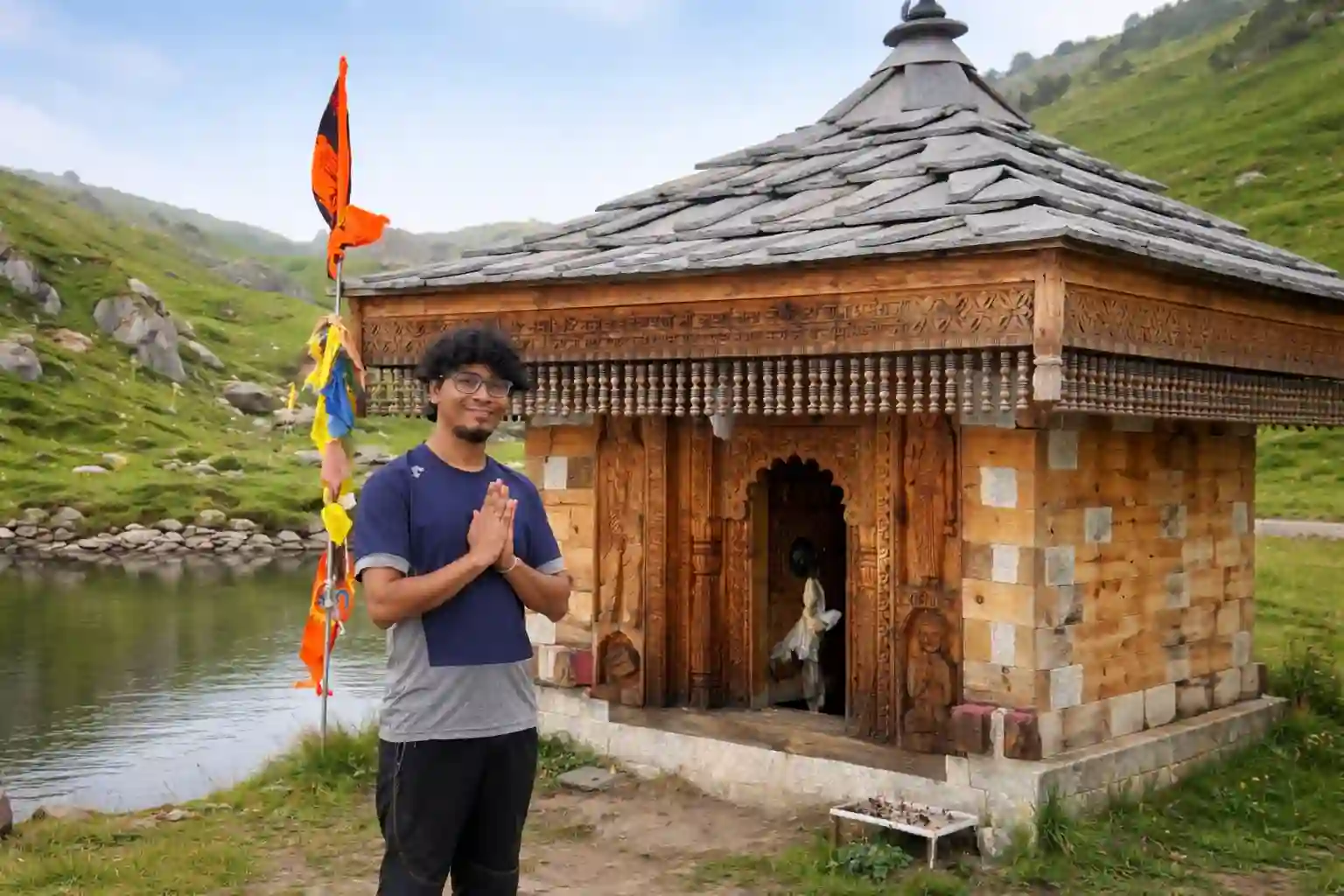
The Yulla Kanda Lake is part of a sensitive high-altitude environment.
During wet conditions, avoid widening muddy trails by repeatedly walking through surrounding vegetation.
Follow simple responsible trekking practices:
- Carry plastic and wrappers back
- Keep soap away from natural water
- Avoid loud music
- Do not leave wet wipes on the trail
- Follow existing paths where safe
- Respect the religious character of the lake area
Monsoon greenery is part of what makes the landscape attractive; trekking behaviour should not damage it.
When Should You Turn Back?
Turning back is appropriate when conditions become unsafe.
Warning signs can include:
- Continuous heavy rainfall
- Fresh rockfall
- Landslide activity
- Rapidly rising streams
- Extremely poor visibility
- Unsafe trail erosion
- Official weather warnings
- Instructions from local authorities or guides
A fixed itinerary should never override current mountain conditions.
Frequently Asked Questions
1. Can I do the Yulla Kanda Trek in July?
It may be possible during favourable weather windows, but July falls within the broader monsoon period in Himachal Pradesh. Check current rainfall warnings, road conditions and local trail information before travelling.
2. Can I visit Yulla Kanda in August?
Access depends on current weather and trail conditions. Do not assume that a religious date, confirmed booking or planned departure guarantees safe access during heavy rain.
3. Are landslides a concern in Kinnaur during monsoon?
Yes. Landslides, falling rocks and weather-related disruption are recognised hazards in Kinnaur's mountainous terrain, making current official and local information important during rainy periods.
4. Is Yulla Kanda suitable for beginners during monsoon?
Fit beginners may be capable of trekking, but rain makes the route more demanding. First-time trekkers should avoid proceeding during unstable or heavy-rain conditions.
5. Do I need waterproof trekking shoes?
Reliable grip and rain protection are strongly recommended. Whatever footwear you use should already be broken in before the trek.
6. Is a rain poncho enough?
A poncho can provide basic protection, but trekkers expecting prolonged rain may prefer a waterproof jacket, rain pants and separate waterproof protection for important items inside the backpack.
7. Should I trek if IMD issues a heavy-rain warning?
Do not ignore an official warning. Discuss current conditions with your trek leader or local authorities and be prepared to postpone or modify the trek.
8. Is mobile connectivity reliable during the trek?
Do not depend on continuous phone connectivity in remote mountain terrain. Save essential information offline and share your basic itinerary with someone before leaving.
Final Verdict: Should You Trek Yulla Kanda in Monsoon?
The Yulla Kanda Trek in monsoon is not automatically closed or automatically safe. The decision should depend on current rainfall, road access, trail condition and reliable local guidance.
If conditions are stable, properly equipped trekkers may still experience the greener side of Kinnaur. But during heavy rainfall, landslide warnings or unsafe trail conditions, postponing the trek is the better decision.
Mountain plans should always remain flexible.
Travellers who prefer transport, accommodation, meals, camping and trek coordination to be planned together can explore our Yulla Kanda Trek Package from Delhi.


