
Panch Kedar Yatra 2026 – Complete Guide with Opening Dates, Trek Route & Travel Tips
Published on February 18, 2026 | Updated on September 08, 2026
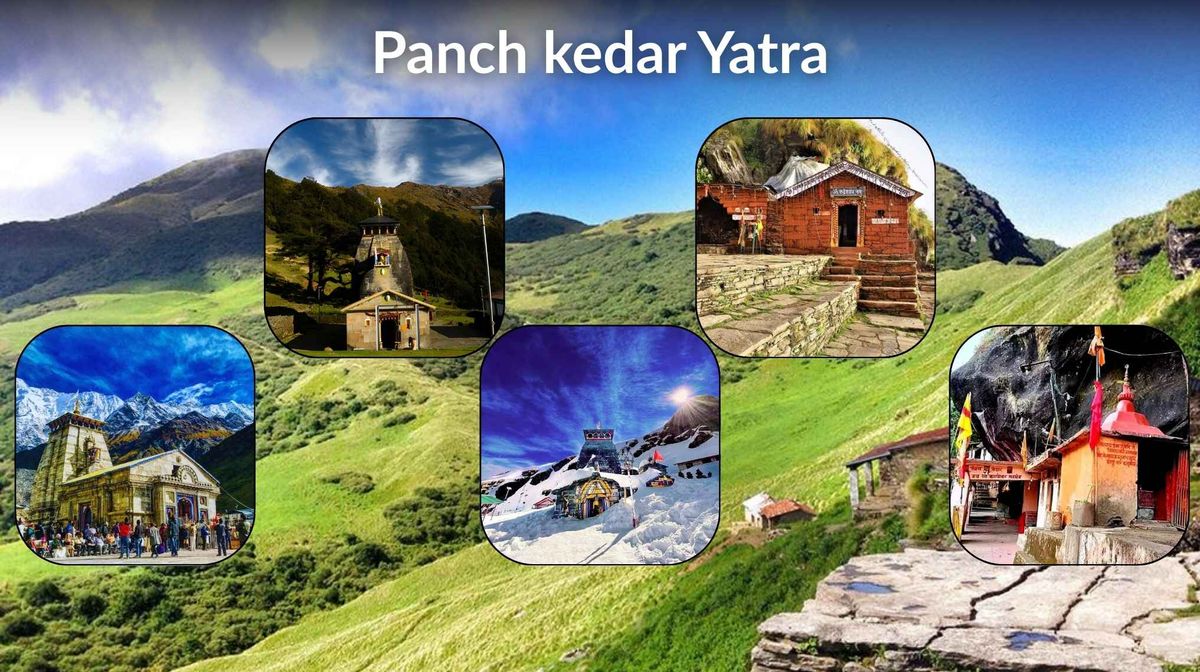
The Panch Kedar Yatra is one of the most sacred pilgrimages dedicated to Lord Shiva in Uttarakhand. It consists of five ancient Himalayan temples—Kedarnath, Madhyamaheshwar, Tungnath, Rudranath, and Kalpeshwar. According to Hindu mythology, these temples were established by the Pandavas after the Mahabharata war while seeking forgiveness from Lord Shiva.
Unlike a single temple pilgrimage, the Panch Kedar Yatra combines spirituality, trekking, Himalayan landscapes, and centuries-old traditions. Every temple has its own religious significance, trekking route, and unique natural beauty. Pilgrims from across India visit these shrines to seek blessings and experience one of the most rewarding spiritual journeys in the Garhwal Himalayas.
Whether you're planning the complete Panch Kedar circuit or visiting one temple at a time, this guide covers everything you need to know, including the temple sequence, opening dates, best time to visit, trekking difficulty, route overview, and travel tips.
Panch Kedar at a Glance
| Temple | Elevation | Lord Shiva Form | Trek Distance | Difficulty |
|---|---|---|---|---|
| Kedarnath | 3,583 m | Hump | 16 km | Moderate |
| Madhyamaheshwar | 3,289 m | Navel | 16 km | Moderate |
| Tungnath | 3,680 m | Arms | 3.5 km | Easy |
| Rudranath | 3,600 m | Face | 18–20 km | Difficult |
| Kalpeshwar | 2,200 m | Hair (Jata) | 2 km | Easy |
What is Panch Kedar?
Panch Kedar refers to the five sacred temples of Lord Shiva located in the Garhwal region of Uttarakhand. According to Hindu mythology, after the Mahabharata war, the Pandavas sought Lord Shiva's blessings to atone for the sins committed during the battle.
Lord Shiva avoided them by taking the form of a bull (Nandi). When Bhima attempted to stop him, the bull disappeared into the earth, and different parts of Lord Shiva's body appeared at five separate locations. These places later became the Panch Kedar temples.
- Kedarnath – Hump
- Madhyamaheshwar – Navel
- Tungnath – Arms
- Rudranath – Face
- Kalpeshwar – Hair (Jata)
Today, completing the Panch Kedar Yatra is considered one of the most spiritually rewarding pilgrimages in the Himalayas.

Why Visit Panch Kedar?
The Panch Kedar Yatra is much more than a temple tour. It combines ancient mythology, Himalayan trekking, peaceful mountain villages, and breathtaking views into a single spiritual journey.
Highlights include:
- Ancient Shiva temples dating back centuries
- Beautiful Himalayan trekking routes
- Dense forests and alpine meadows
- Traditional Garhwali culture
- Snow-capped peaks including Chaukhamba and Kedarnath ranges
- A spiritually enriching pilgrimage experience
Whether you are a devotee, trekker, photographer, or nature lover, Panch Kedar offers an unforgettable journey.
Panch Kedar Opening & Closing Dates 2026
| Temple | Opening Date 2026 | Closing Date (Tentative) |
|---|---|---|
| Kedarnath | 22 April 2026 | 11 November 2026 |
| Madhyamaheshwar | 21 May 2026 | 20 November 2026 |
| Tungnath | 22 May 2026 | 14 November 2026 |
| Rudranath | 18 May 2026 | 3 November 2026 |
| Kalpeshwar | Open Throughout the Year | Open Throughout the Year |
The Panch Kedar temples generally open between April and May after winter and remain accessible until October or November. The exact opening dates are announced by the temple committees on auspicious occasions such as Mahashivratri or according to traditional temple customs, while the closing dates usually coincide with the onset of winter. Among all five temples, Kalpeshwar is the only shrine that remains open throughout the year, making it the only Panch Kedar temple that can be visited during winter as well.
Panch Kedar Yatra Sequence
The traditional order of visiting the temples is:
- Kedarnath
- Madhyamaheshwar
- Tungnath
- Rudranath
- Kalpeshwar
Following this sequence is believed to complete the pilgrimage traditionally.
Panch Kedar Yatra Duration
Most travellers complete the Panch Kedar Yatra in 10–14 days, depending on weather conditions, road accessibility, and trekking pace.
A well-planned itinerary allows enough time for trekking, temple visits, acclimatisation, and rest between destinations.
Five Temples of Panch Kedar
Kedarnath Temple

Kedarnath is the most famous temple among the Panch Kedar shrines and one of the twelve Jyotirlingas of Lord Shiva. Located at an altitude of 3,583 metres, it attracts lakhs of pilgrims every year.
The 16 km trek from Gaurikund is well-maintained and suitable for most pilgrims with moderate fitness levels.
Kedarnath Temple Opening Date
Kedarnath Temple is expected to remain open from 22 April 2026 to 11 November 2026. As the most visited temple among the Panch Kedar shrines and one of the twelve Jyotirlingas, it welcomes lakhs of pilgrims every year. Devotees should plan their visit during the official pilgrimage season for safe trekking and comfortable weather.
Read our complete Kedarnath travel guide for detailed information on the route, registration, weather, and trekking.
Madhyamaheshwar Temple
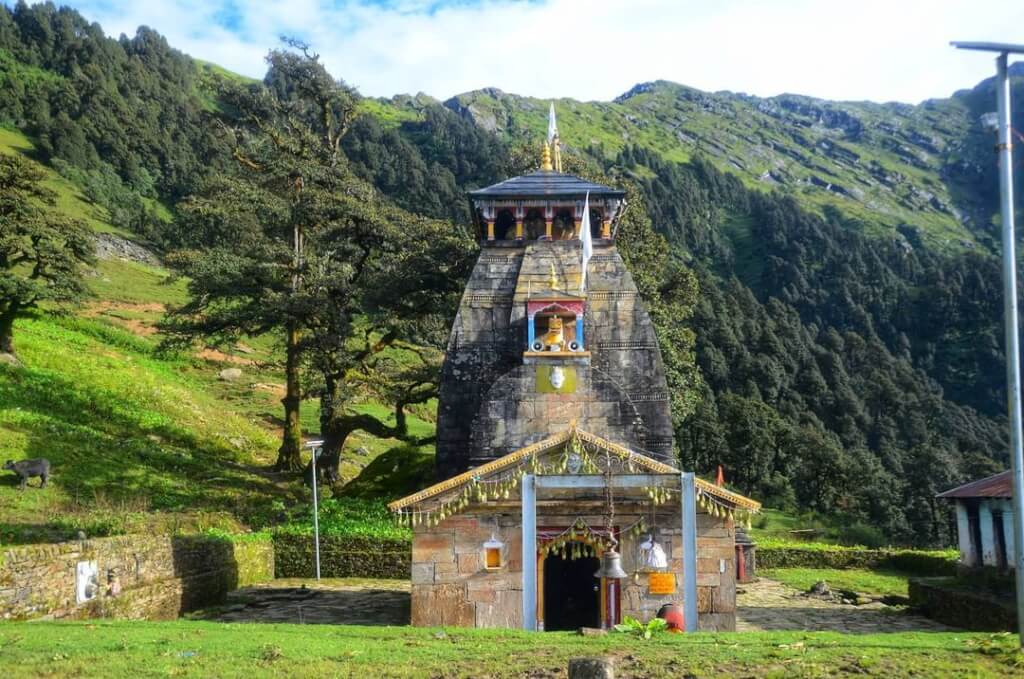
Madhyamaheshwar represents the navel of Lord Shiva. Situated amidst lush meadows and surrounded by snow-covered Himalayan peaks, this temple offers one of the most peaceful experiences among the Panch Kedar shrines.
The trek starts from Ransi Village and covers approximately 16 km through Gaundhar and Bantoli.
Madhyamaheshwar Temple Opening Date 2026
Madhyamaheshwar Temple is expected to open on 21 May 2026 and close around 20 November 2026. Dedicated to the navel (Madhya) form of Lord Shiva, the temple is reached through a scenic Himalayan trek from Ransi Village. The pilgrimage season offers pleasant weather, lush meadows, and spectacular views of the Chaukhamba peaks.
Read our complete Madhyamaheshwar guide for trekking details, weather, and travel planning.
Tungnath Temple

Tungnath is the highest Shiva temple in the world. It is famous for its short trek from Chopta and the nearby Chandrashila summit.
The 3.5 km trek is beginner-friendly, making it one of the easiest Panch Kedar temples to visit.
Tungnath Temple Opening Date 2026
Tungnath Temple is likely to open on 22 May 2026 and close around 14 November 2026. Known as the world's highest Shiva temple, it attracts both pilgrims and trekkers. The short trek from Chopta makes it one of the easiest Panch Kedar temples to visit during the summer and post-monsoon seasons.
Read our complete Tungnath travel guide for itinerary, best time, and trekking tips.
Rudranath Temple
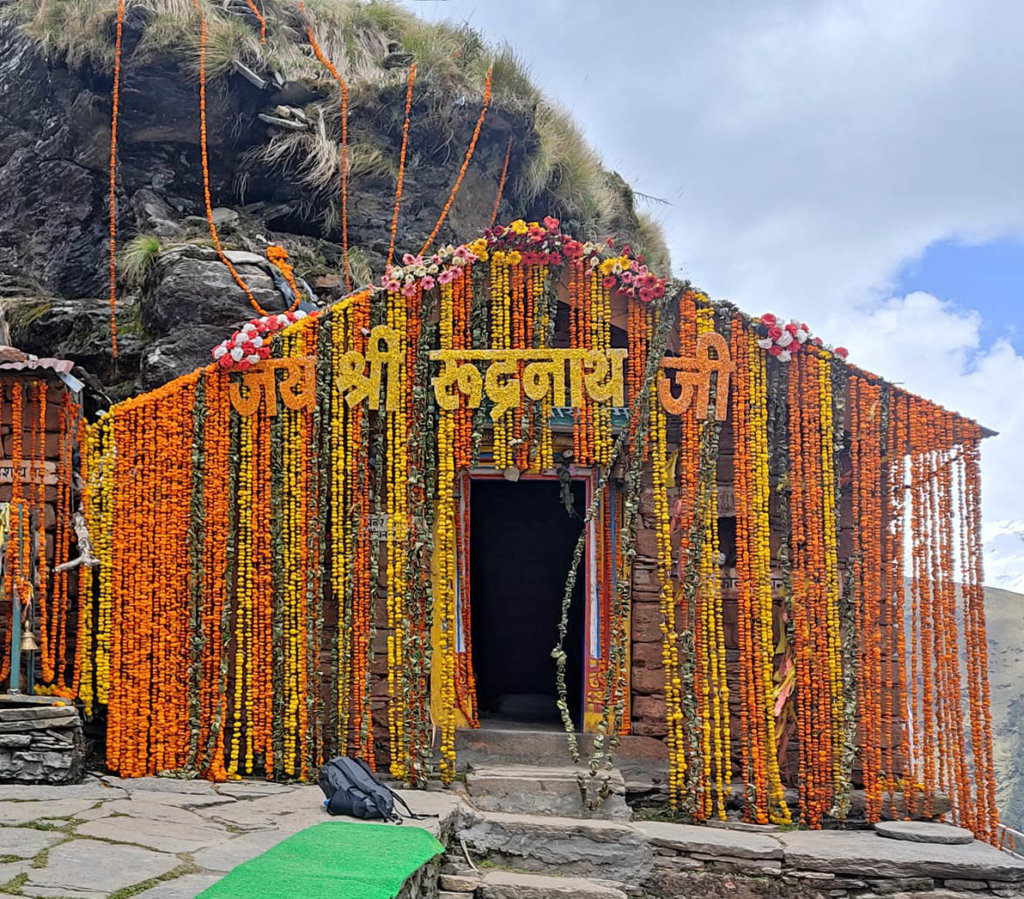
Rudranath Temple is dedicated to the face of Lord Shiva and is considered the most challenging temple in the Panch Kedar circuit. Located at an altitude of around 3,600 metres, the temple is surrounded by dense forests, alpine meadows, and panoramic Himalayan views.
The trek usually begins from Sagar Village and covers approximately 18–20 km through beautiful landscapes. Due to its longer distance and steep climbs, Rudranath is recommended for trekkers with good physical fitness.
Rudranath Temple Opening Date 2026
Rudranath Temple is expected to open on 18 May 2026 and close around 3 November 2026. The temple represents the face of Lord Shiva and is reached through one of the most challenging treks in the Panch Kedar circuit. Pilgrims should plan their visit during stable weather conditions for a safer trekking experience.
Read our complete Rudranath Trek Guide for the detailed route, trekking distance, and travel tips.
Kalpeshwar Temple
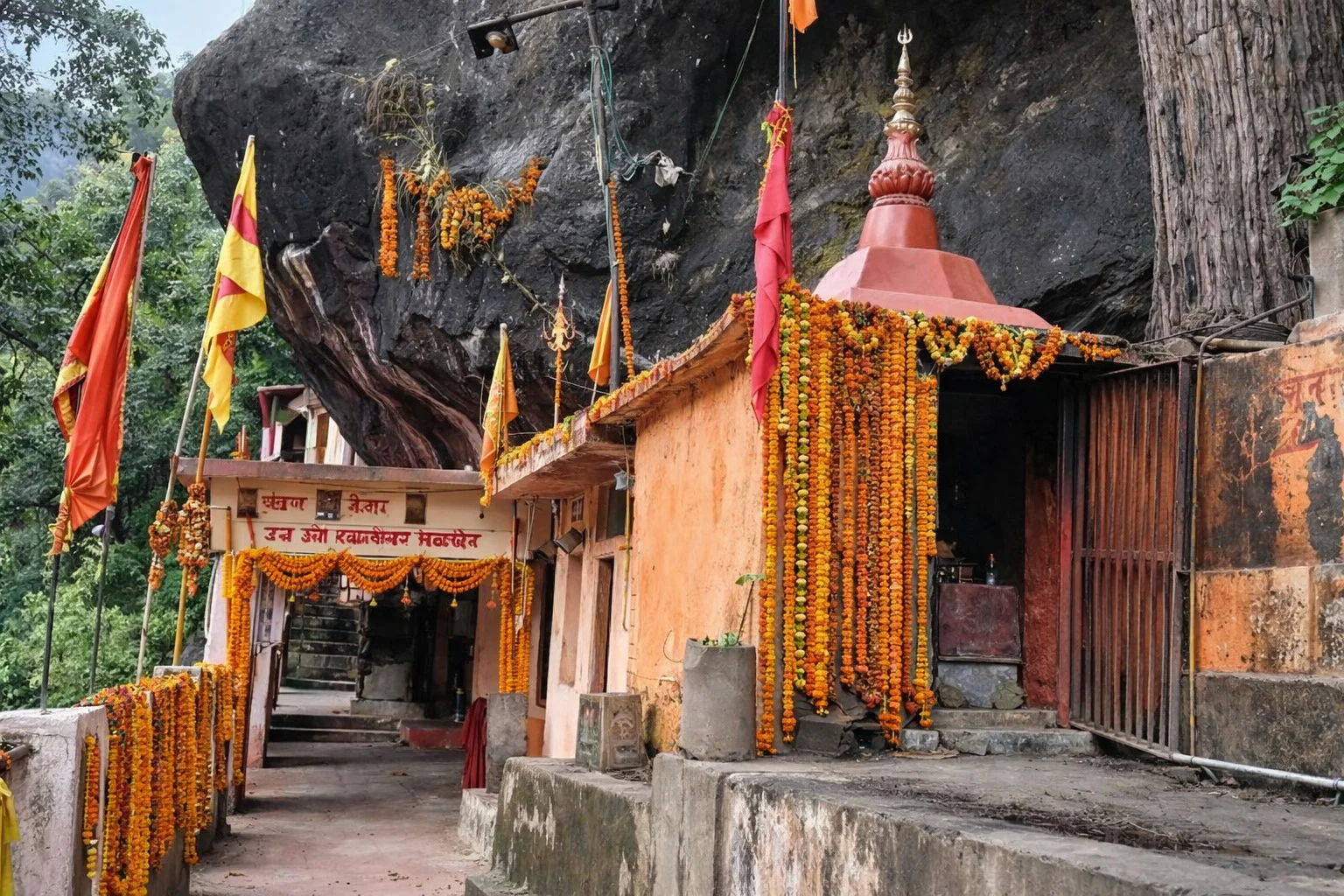
Kalpeshwar Temple is the only Panch Kedar temple that remains open throughout the year. It is dedicated to the hair (Jata) of Lord Shiva and is located in the peaceful Urgam Valley.
Unlike the other Panch Kedar temples, Kalpeshwar requires only a short 2 km trek, making it suitable for pilgrims of all age groups. The temple is surrounded by forests, waterfalls, and traditional Himalayan villages.
Kalpeshwar Temple Opening Date 2026
Unlike the other Panch Kedar temples, Kalpeshwar Temple remains open throughout the year. Located in the peaceful Urgam Valley, it is dedicated to the matted hair (Jata) of Lord Shiva. A short and easy trek makes Kalpeshwar accessible in every season, including winter when the other Panch Kedar temples remain closed.
Read our complete Kalpeshwar Travel Guide for route details and nearby attractions.
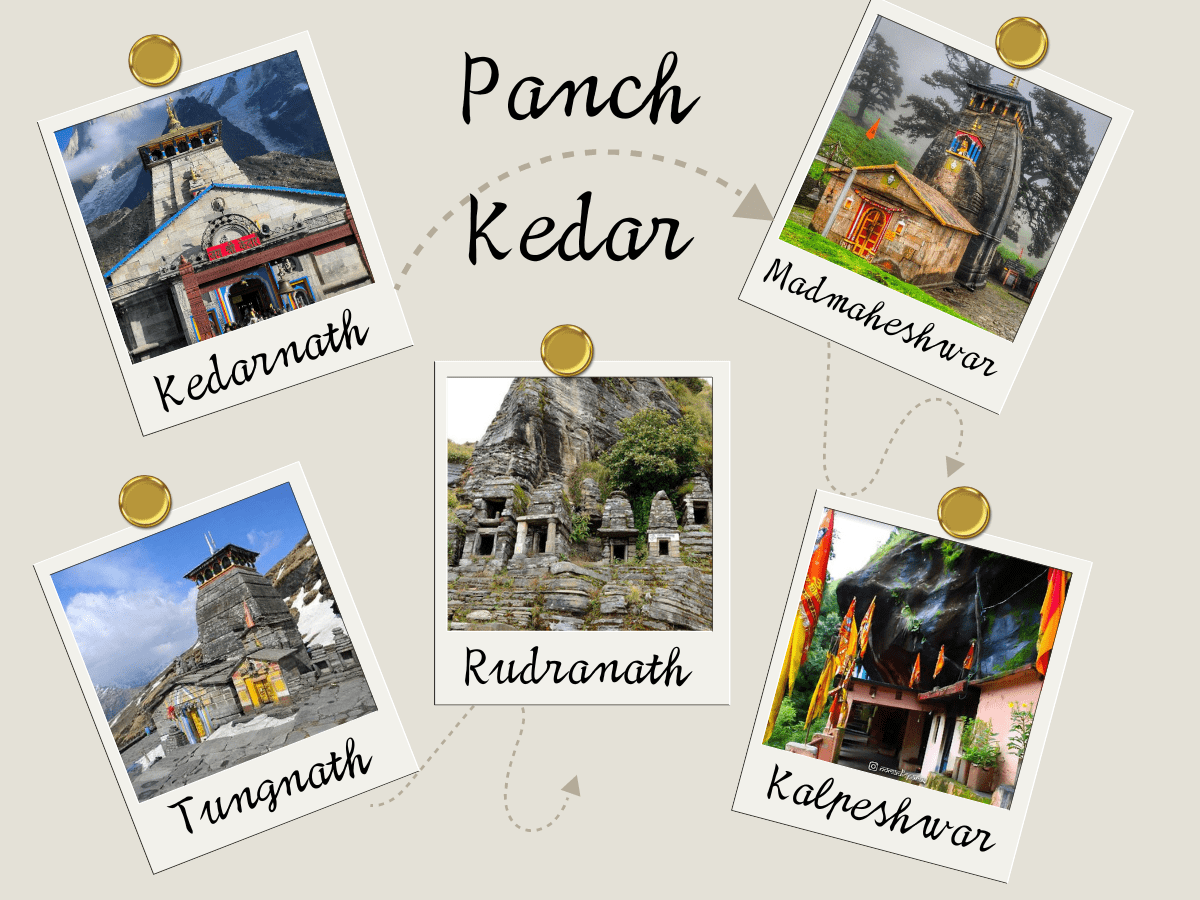
Panch Kedar Trek Route Overview
Most travellers begin their Panch Kedar Yatra from Haridwar or Rishikesh before travelling towards the Garhwal Himalayas.
A commonly followed route is:
Haridwar → Guptkashi → Kedarnath → Ransi → Madhyamaheshwar → Chopta → Tungnath → Sagar Village → Rudranath → Helang → Urgam Valley → Kalpeshwar → Rishikesh
Road conditions are generally good until the trekking base villages, after which all temple visits require walking through Himalayan trails.
How to Reach Panch Kedar
The nearest major starting points are Haridwar and Rishikesh, both well connected by road and rail.
By Air
The nearest airport is Jolly Grant Airport, Dehradun, approximately 220–250 km from most Panch Kedar starting points.
By Train
Nearest railway stations:
- Haridwar Junction
- Rishikesh Railway Station
By Road
Regular buses and taxis are available from Delhi, Haridwar, and Rishikesh to Guptkashi, Ukhimath, Chopta, and other trekking base villages.
For detailed transport information, read our How to Reach Panch Kedar Guide.

Best Time to Visit Panch Kedar
The ideal time to complete the Panch Kedar Yatra is between May and June and September to October.
Summer (May–June)
- Pleasant temperatures
- Snow-covered peaks
- Comfortable trekking conditions
- Peak pilgrimage season
Monsoon (July–August)
- Heavy rainfall
- Slippery trekking routes
- Landslide-prone roads
- Not recommended unless necessary
Post-Monsoon (September–October)
- Crystal-clear Himalayan views
- Stable weather
- Excellent trekking conditions
- Best season for photography
Winter (November–April)
Most Panch Kedar temples remain closed due to heavy snowfall. Only Kalpeshwar Temple stays open throughout the year.
Trek Difficulty
The Panch Kedar Yatra is considered a moderate to difficult Himalayan trek, depending on which temples you plan to visit.
Difficulty by Temple
- Kedarnath – Moderate
- Madhyamaheshwar – Moderate
- Tungnath – Easy to Moderate
- Rudranath – Difficult
- Kalpeshwar – Easy
Regular walking, basic fitness, and proper trekking shoes are recommended before starting the journey.
Essential Travel Tips
- Start trekking early in the morning.
- Carry warm clothes even during summer.
- Wear waterproof trekking shoes with good grip.
- Keep a raincoat during the monsoon season.
- Stay hydrated throughout the trek.
- Carry basic medicines and a personal first-aid kit.
- Follow local weather updates before starting each trek.
- Respect temple traditions and keep the surroundings clean.
Panch Kedar Yatra Cost & Budget
Planning your budget helps make the Panch Kedar Yatra smoother and more comfortable. The total cost depends on your travel style, accommodation preference, transportation, and whether you travel independently or choose a guided tour package.
A self-planned Panch Kedar Yatra generally costs ₹25,000–₹30,000 per person, including transportation, budget accommodation, meals, and local transfers. If you prefer a professionally organised tour with comfortable hotels, transportation, meals, trek support, and an experienced tour coordinator, the cost usually ranges between ₹30,000–₹50,000 per person, depending on the itinerary and group size.
Major expenses include road transportation, accommodation, meals, local taxi services, pony or porter charges (if required), and personal expenses. Booking your trip in advance during the peak pilgrimage season can also help you get better accommodation and transport options.
For the latest itinerary, inclusions, and pricing, explore our Panch Kedar Tour Package.
Panch Kedar Registration & Permits
Before starting the Panch Kedar Yatra, pilgrims should check the latest travel guidelines issued by the Uttarakhand Government and temple authorities.
Kedarnath Temple requires mandatory biometric registration for all pilgrims. Registration can be completed online through the official Uttarakhand Char Dham registration portal or at authorised registration centres in Haridwar, Rishikesh, Sonprayag, and other designated locations before beginning the trek.
The remaining four Panch Kedar temples—Madhyamaheshwar, Tungnath, Rudranath, and Kalpeshwar—currently do not require a separate pilgrimage permit. However, travellers should always carry a valid government-issued photo ID and follow the latest local advisories, especially during the monsoon and peak pilgrimage season.
For a step-by-step registration process, required documents, and the latest updates, read our Kedarnath Registration Guide.
Suggested 12-Day Panch Kedar Yatra Itinerary
Although the Panch Kedar Yatra can be customised, most pilgrims complete the journey in 10–14 days. The following itinerary provides a comfortable pace with enough time for trekking, darshan, and rest.
| Day | Itinerary |
|---|---|
| Day 1 | Arrive at Haridwar or Rishikesh and travel to Guptkashi. |
| Day 2 | Drive to Gaurikund and trek to Kedarnath. |
| Day 3 | Morning darshan at Kedarnath and return to Guptkashi. |
| Day 4 | Drive to Ransi Village and begin the trek towards Gaundhar. |
| Day 5 | Trek to Madhyamaheshwar Temple, attend darshan, and stay overnight. |
| Day 6 | Return trek to Ransi and drive towards Chopta. |
| Day 7 | Trek to Tungnath Temple and Chandrashila (optional), then continue towards Sagar Village. |
| Day 8 | Trek from Sagar Village to Rudranath. |
| Day 9 | Morning darshan at Rudranath and return to Sagar Village. |
| Day 10 | Drive to Helang and trek to Kalpeshwar Temple. |
| Day 11 | Visit Kalpeshwar Temple and return to Joshimath or Pipalkoti. |
| Day 12 | Drive back to Rishikesh or Haridwar and conclude the pilgrimage. |
Helicopter, Pony & Palki Services
While most Panch Kedar temples require trekking, pilgrims who are unable to walk long distances have alternative travel options for Kedarnath.
Helicopter services operate seasonally from Phata, Sersi, and Guptkashi to Kedarnath, subject to weather conditions and government approvals. Booking is highly recommended during the peak pilgrimage season.
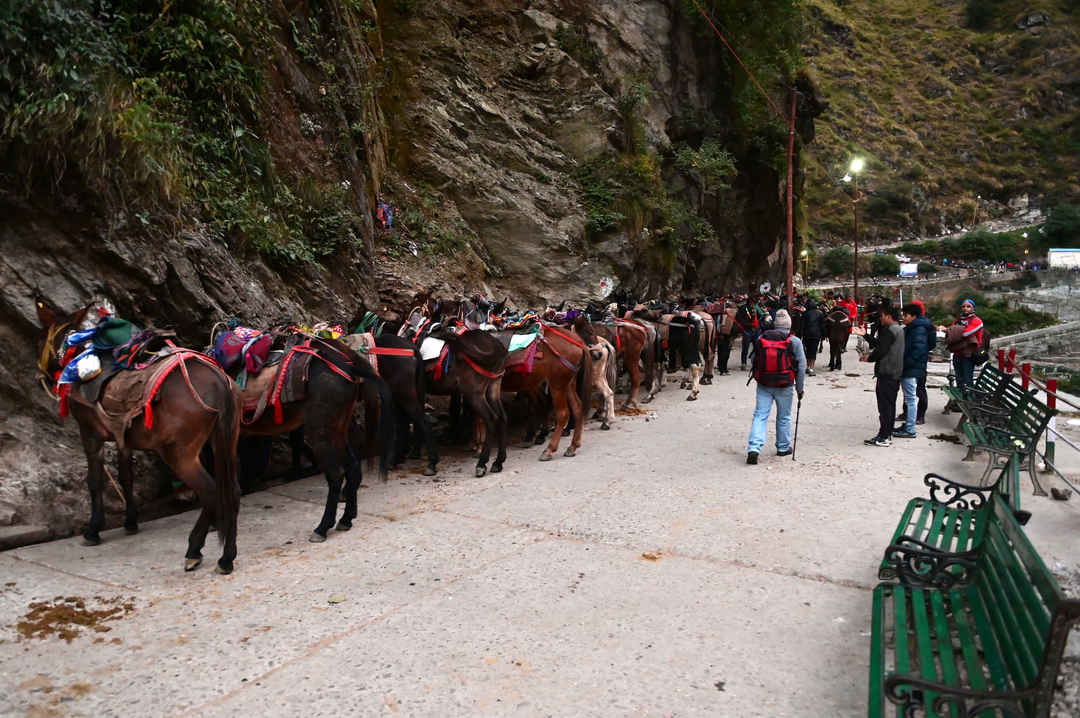
For those trekking on foot, pony, mule, palki (palanquin), and porter services are available from Gaurikund to Kedarnath at government-regulated rates.
Currently, Madhyamaheshwar, Rudranath, Tungnath, and Kalpeshwar do not have helicopter services, and pilgrims should be prepared to complete the trek on foot.
Altitude Sickness & Travel Insurance
Several Panch Kedar temples are located above 3,200 metres, where some travellers may experience Acute Mountain Sickness (AMS). Common symptoms include headache, dizziness, nausea, unusual fatigue, shortness of breath, and difficulty sleeping.
To reduce the risk of altitude sickness, maintain a steady trekking pace, stay well hydrated, avoid alcohol, eat light meals, and allow your body time to acclimatise. If symptoms become severe, descend immediately and seek medical assistance.
Although travel insurance is not mandatory, it is strongly recommended for the Panch Kedar Yatra. A comprehensive policy covering trekking, emergency medical treatment, trip cancellation, and evacuation can provide valuable protection during your Himalayan pilgrimage.
Frequently Asked Questions
1. How many days are required for the Panch Kedar Yatra?
Most pilgrims complete the journey in 10 to 14 days, depending on weather, road conditions, and trekking pace.
2. Which is the toughest Panch Kedar trek?
Rudranath is generally considered the most difficult because of its longer trekking distance and challenging terrain.
3. Which Panch Kedar temple is easiest to reach?
Kalpeshwar Temple is the easiest, requiring only a short 2 km trek.
4. Is the Panch Kedar Yatra suitable for beginners?
Yes, but good physical fitness is recommended, especially if you plan to visit all five temples.
5. What is the best month to visit Panch Kedar?
May, June, September, and October are considered the best months due to pleasant weather and stable trekking conditions.
6. Is registration required?
Registration requirements may vary depending on government guidelines and the specific temple. Check the latest official updates before your journey.
7. Can I complete the Panch Kedar Yatra on my own?
Yes, experienced trekkers can complete the journey independently, while many pilgrims prefer guided tours for better logistics and support.
8. Are accommodation facilities available?
Yes. Hotels, guest houses, GMVN rest houses, and homestays are available at most major stops along the route.


