
Best Time to Visit Harsil valley- Complete guide & itinerary
Published on July 08, 2025 | Updated on August 28, 2026
Harsil Valley changes dramatically with the seasons. Spring and early summer bring comfortable outdoor conditions, monsoon turns the mountains greener but makes road travel less predictable, autumn offers clear post-monsoon landscapes, and winter transforms the valley with snow.
For most travellers, the best time to visit Harsil Valley is April to June and September to October. This matches the travel season recommended by Uttarakhand Tourism. The official tourism portal also notes that Harsil receives heavy snowfall in winter.
Your ideal month, however, depends on whether you want sightseeing, trekking, photography, apple-season landscapes or a winter experience.
For a complete itinerary and stay planning, use our Harsil Valley Travel Guide.
Best Time to Visit Harsil Valley at a Glance
Best Overall Period: April to June & September to October
Best for Comfortable Sightseeing: April to June
Best for Clear Mountain Views: September & October
Best for Green Landscapes: Monsoon months, with travel caution
Best for Snow Experience: Winter, subject to actual snowfall
Best for Trekking & Walking: Late spring, summer and post-monsoon when trails are accessible
Most Unpredictable Road Period: Monsoon
Coldest Period: December to February
Harsil lies at around 2,660 metres above sea level, so conditions can remain noticeably cooler than the plains even outside winter.
Harsil Valley in April
April marks the transition from colder mountain conditions towards the main travel season.
Snow may still remain on higher slopes depending on the year, while the valley begins opening up for regular sightseeing.
April Is Good For
- Quiet mountain trips
- Spring landscapes
- Photography
- Couples
- Travellers who prefer fewer peak-season crowds
Carry sufficient warm clothing because mornings and evenings can still feel cold.

Harsil Valley in May
May is one of the most practical months for a first Harsil trip.
Daytime sightseeing becomes more comfortable, and travellers can spend more time outdoors without dealing with the harsher conditions of winter.
This is a useful period for village exploration, nature walks and nearby excursions.
If access is open during your visit, you can also plan the Gartang Gali Trek.
Harsil Valley in June
June remains a popular time for Harsil before the main monsoon period becomes established.
The days generally suit sightseeing and outdoor exploration, although mountain weather should never be treated as completely predictable.
June can work well for:
- Families
- Groups
- Nature walks
- Short hikes
- Gangotri-side excursions
- Longer daylight sightseeing
Travellers should still check the latest forecast before departure.
Harsil Valley in July and August
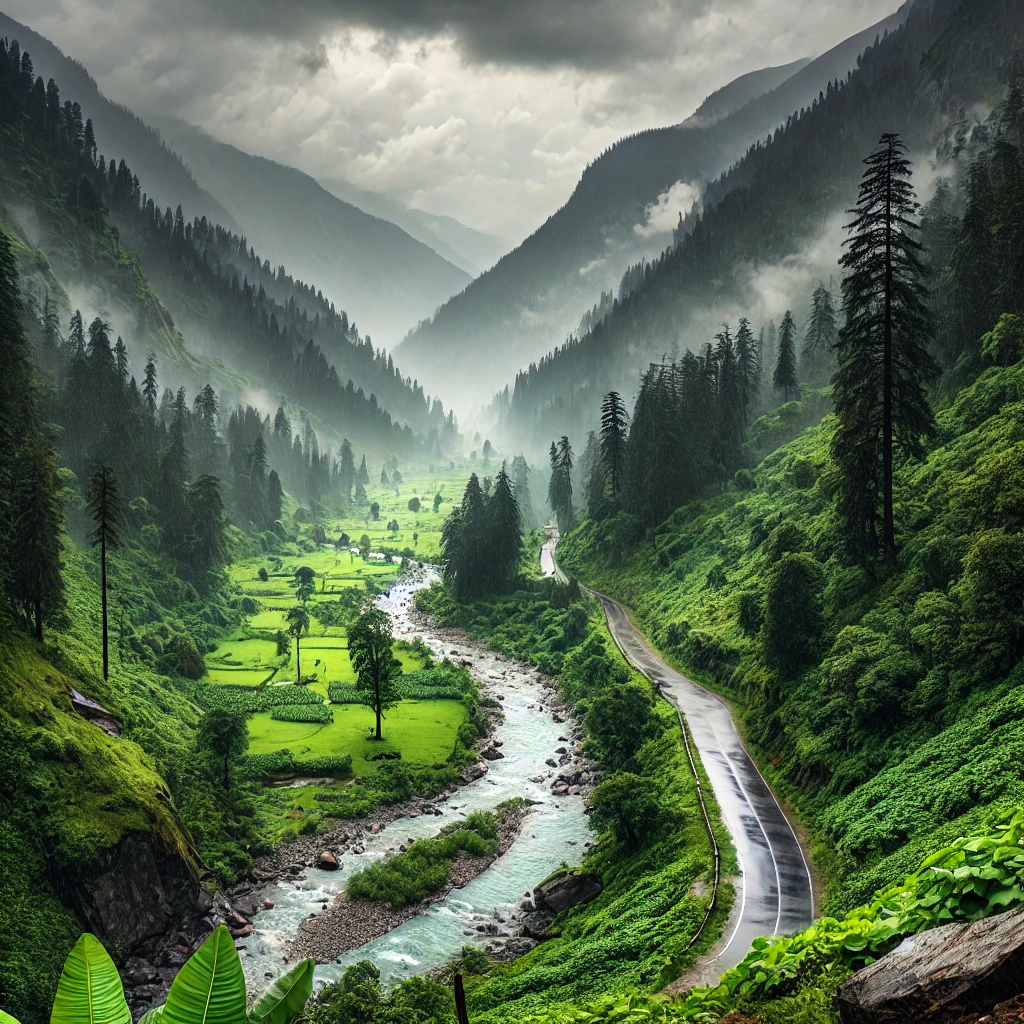
July and August fall within Uttarakhand's monsoon season.
The landscape becomes greener and mistier, but this is not the most reliable period for a tightly scheduled Harsil road trip.
Uttarakhand's disaster-management authorities specifically prepare for landslide-prone locations, road disruption and heavy-rainfall risks during the monsoon period. Heavy rain has also led authorities to temporarily control travel on Char Dham routes when conditions required it.
Should You Visit Harsil During Monsoon?
You can, but only if you:
- Have flexible travel dates
- Keep buffer time
- Check road conditions
- Avoid unnecessary night driving
- Follow local administration instructions
- Monitor weather warnings
For current weather alerts before travelling, check the official India Meteorological Department.
Who Should Avoid Monsoon Travel?
Travellers with fixed flight or train connections immediately after the trip should consider another season.
Families with very young children or travellers uncomfortable with uncertain mountain-road conditions may also prefer April–June or the post-monsoon season.
Harsil Valley in September
September marks the transition out of the monsoon.
As conditions settle, the valley starts becoming more suitable for travellers looking for greenery combined with clearer weather.
Late September can be particularly attractive for:
- Photography
- Nature walks
- Couples
- Village exploration
- Short outdoor activities
However, early September conditions can still vary depending on the monsoon in a particular year, so checking the latest forecast remains important.
Harsil Valley in October
October is one of the best months to visit Harsil Valley.
Post-monsoon skies can provide clearer mountain views, while conditions are generally suitable for sightseeing and walking before deeper winter conditions arrive.
Uttarakhand Tourism specifically includes September to October among its recommended periods for Harsil.
October works especially well for travellers interested in:
- Mountain photography
- Peaceful sightseeing
- Village walks
- Couples' trips
- Short hikes
- Crisp Himalayan scenery
A walk through Bagori Village can also fit naturally into an autumn Harsil visit.
Harsil Valley in November
November is a transition towards winter.
The weather becomes significantly colder, particularly in the mornings and evenings, and visitor numbers generally reduce.
This period can suit travellers who prefer:
- Quiet stays
- Cold-weather landscapes
- Fewer tourists
- Slow-paced mountain travel
Pack proper winter layers and confirm your accommodation facilities before travelling.
Harsil Valley in December, January and February
Winter gives Harsil a completely different character.
The Uttarkashi district administration describes winter Harsil as a landscape where streams can freeze, and snow can cover the surroundings, while Uttarakhand Tourism notes that the destination receives heavy winter snowfall.
Why Visit Harsil in Winter?
Winter can appeal to travellers looking for:
- Snow-covered scenery
- Quiet Himalayan stays
- Winter photography
- Fewer visitors
- A slower mountain experience
Important Winter Limitations
Snowfall should never be guaranteed for a specific travel date.
Actual snow depends on weather systems, and heavy snowfall can also affect:
- Road movement
- Local sightseeing
- Walking routes
- Accommodation operations
- Travel timings
Travellers should confirm road conditions and stay availability shortly before departure.
Harsil Valley in March
March is another transition month.
Lower areas may begin moving towards spring while higher surroundings can retain winter conditions.
It can work for flexible travellers who want a quieter trip, but conditions can vary considerably from one year to another.
If your priority is predictable general sightseeing, April onward is usually easier to plan.
Best Time for Harsil and Gangotri Together
If Gangotri is an important part of your trip, do not choose dates based only on Harsil's weather.
Gangotri Dham follows a seasonal pilgrimage cycle, and winter conditions affect the higher region. Uttarakhand Tourism notes that during winter the Goddess Ganga is worshipped at Mukhwa near Harsil because heavy snowfall makes the higher Gangotri region more difficult to access.
Therefore, check the current Gangotri opening schedule and road conditions separately before planning a combined trip.
When accessible, travellers visiting Gangotri can also see Surya Kund.
Best Time for Trekking and Walking
For ordinary nature walks and short trails around Harsil, late spring, early summer and post-monsoon months are generally the easier periods.
Avoid treating any trail as automatically open.
Accessibility can change because of:
- Rain
- Snow
- Landslides
- Maintenance work
- Forest restrictions
- Local administration decisions
Always follow current local instructions before starting a trek.
Best Time for Couples
For couples wanting comfortable sightseeing and quiet mountain scenery, consider:
April–June: Pleasant general sightseeing season
September–October: Clearer post-monsoon landscapes and crisp mountain atmosphere
October is especially useful if photography and peaceful outdoor time matter more than snow.

Best Time for Families
Families generally benefit from travelling during the more accessible seasons.
May, June, September and October are practical months to consider, depending on current conditions.
When travelling with children or seniors:
- Avoid overloaded itineraries
- Carry warm layers
- Keep medicines easily accessible
- Allow road-travel buffer
- Check the weather before each major excursion
Best Time for Photography
Different seasons offer different visual experiences.
April to June
Good for spring and early-summer landscapes, forests and outdoor photography.
September to October
Excellent for post-monsoon freshness and clearer mountain views.
Winter
Best suited to travellers specifically seeking snow landscapes, provided access remains practical.
There is no single “best” photography season—it depends on whether you want greenery, clear peaks or winter scenery.
Best Time for Apple Orchards
Harsil is strongly associated with apple cultivation, and Uttarakhand Tourism identifies its apple orchards as one of the destination's signature features.
Orchard appearance changes throughout the year, so travellers visiting specifically for apple-season experiences should confirm the current crop and harvest stage locally rather than relying on a fixed annual date.
What to Pack According to Season
April to June
Carry:
- Light warm layers
- Jacket for mornings and evenings
- Walking shoes
- Sunglasses
- Sunscreen
- Water bottle
Monsoon
Add:
- Rain jacket
- Waterproof bag protection
- Quick-dry clothing
- Shoes with good grip
- Extra travel buffer

September to November
Carry:
- Warm jacket
- Layered clothing
- Comfortable walking shoes
- Cold-weather accessories later in the season
Winter
Carry proper winter clothing, including:
- Thermal layers
- Insulated jacket
- Gloves
- Warm cap
- Thick socks
- Suitable footwear
Packing needs should always be adjusted to the actual forecast close to departure.
Check Weather Before Travelling
Do not rely only on historical temperature charts.
Mountain weather varies from year to year, and a seasonal average cannot tell you whether it will rain or snow on your exact travel dates.
Check:
- Current weather forecast
- Road status
- Local administration advisories
- Accommodation availability
- Trek accessibility
This becomes particularly important during monsoon and winter.
Frequently Asked Questions
1. What is the best month to visit Harsil Valley?
May, June, September and October are among the most practical months for many travellers. Official Uttarakhand Tourism recommends April–June and September–October overall.
2. Is October a good time to visit Harsil?
Yes. October falls within the official recommended travel period and is suitable for travellers seeking post-monsoon mountain scenery.
3. Can I visit Harsil in July?
Yes, but July falls in the monsoon period. Keep plans flexible and check rainfall, landslide and road advisories before travelling.
4. Is Harsil open in winter?
Harsil can be experienced in winter, but heavy snowfall can affect local access and services. Confirm current road and accommodation conditions before departure.
5. When does it snow in Harsil?
Snow is associated with the winter season, but the exact timing and intensity vary each year. A specific snowfall date cannot be guaranteed.
6. Is December a good time for Harsil?
December can suit travellers seeking a cold-weather or possible snow experience, but it is less predictable than the main April–June and September–October seasons.
7. Should I visit Harsil during monsoon?
Only if you are comfortable with changing road conditions and flexible schedules. Uttarakhand authorities actively monitor landslide and heavy-rain risks during monsoon.
8. Which is better for Harsil: summer or autumn?
Choose summer for comfortable general sightseeing and longer outdoor days. Choose autumn for post-monsoon freshness, clearer views and cooler conditions.
Final Recommendation
For a first trip, April to June or September to October offers the best balance of sightseeing, outdoor exploration and practical road travel, and this is also the period recommended by Uttarakhand Tourism.


