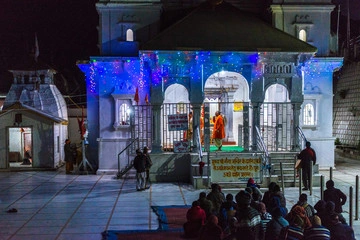
Chardham tour package From Haridwar

The Char Dham Yatra in Uttarakhand is a spiritually enriching journey that takes devotees through four revered Himalayan temples—Yamunotri Temple, Gangotri Temple, Kedarnath Temple, and Badrinath Temple. Set amidst the serene landscapes of the Garhwal Himalayas, this pilgrimage is a perfect blend of devotion, natural beauty, and adventure.


4.9/5 Rated by 750+ Travelers   |   8 Nights and 9 Days   |   Starting ₹19,000   |   Delhi Pickup

10,000+ Happy Customers   |   5+ Years Experience   |   24/7 Support

Duration: Nights / 9 Days

Starting Point: Haridwar / Rishikesh

Main Attractions: Yamunotri, Gangotri, Kedarnath, Badrinath

Trek Distance: Yamunotri (5–6 km), Kedarnath (18–20 km)

Trek Difficulty: Moderate

Ideal For: Couples, Friends, Family

Best Time: April–June & September–November

Meals: Breakfast & Dinner

Starting Price: ₹19,000 per person*

Itinerary

  • Distance: 180 km
  • Travel Time: 6–7 hours
  • After breakfast, depart for Barkot.
  • En route, visit Kempty Falls in Mussoorie.
  • Arrive in Barkot and check in to your hotel.
  • Enjoy dinner and spend the night in Barkot.
  • Distance: 36 km (Drive) + 6 km (Trek one way)
  • Travel Time: 1.5 hours (Drive) + 5-6 hours (Trek round trip)
  • After early breakfast, drive to Jankichatti/Phoolchatti.
  • Start the trek to Yamunotri (6 km one way).
  • After darshan, return to Barkot for overnight stay.

• Distance: 85 km | Travel Time: 4–5 hours
• After breakfast, drive to Uttarkashi
• En route, visit Prakateshwar Cave
• Arrive in Uttarkashi and check in to your hotel
• Visit Kashi Vishwanath Temple
• Dinner and overnight stay in Uttarkashi

• Distance: 100 km (one way) | Travel Time: 4–5 hours (one way)
• After an early breakfast, drive to Gangotri
• Perform darshan and pooja at the Gangotri Temple
• Drive back to Uttarkashi
• Dinner and overnight stay in Uttarkashi

• Distance: 220 km | Travel Time: 8–9 hours
• After breakfast, drive to Sonprayag
• Arrive in Sonprayag and check in to your hotel
• Rest and prepare for the Kedarnath trek
• Dinner and overnight stay in Sonprayag

• Distance: 5 km (drive) + 18 km (trek one way) | Travel Time: 0.5 hour (drive) + 7–8 hours (trek one way)
• After an early breakfast, drive to Gaurikund
• Start the trek to Kedarnath (18 km one way)
• Arrive in Kedarnath and check in to your pre-booked accommodation
• Perform evening darshan at Kedarnath Temple
• Overnight stay in Kedarnath

  • Early morning darshan at Kedarnath

  • Trek back to Gaurikund

  • Drive towards Sitapur or further to Pipalkoti

    • (If energy and time allow, going till Pipalkoti reduces the next day's drive)

  • overnight stay in Sitapur or Pipalkoti


• After an early breakfast, drive to Badrinath.
• Perform darshan at Badrinath Temple.
• Explore Mana village, the last village before the Indo-Tibetan border.
• Return to Pipalkoti.
• Dinner and overnight stay in Pipalkoti.

  • After breakfast, depart for Haridwar.

  • en route visit:

    • Dhari Devi Temple – a revered guardian goddess of Uttarakhand

    • Devprayag Sangam – the sacred confluence of Alaknanda and Bhagirathi rivers forming the Ganga

  • continue towards rishikesh

  • optional visit to Ram Jhula, Laxman Jhula, or Triveni Ghat (if time permits)

  • Arrive Haridwar in the evening

Places to visit in Chardham

Quick Info

  • May to June (Summer Season): This is one of the most popular times to start the Char Dham Yatra. The weather remains pleasant and the roads are easily accessible to temples like Yamunotri Temple, Gangotri Temple, Kedarnath Temple, and Badrinath Temple.
  • September to October (Post-Monsoon Season): After the monsoon, the weather becomes clear and the Himalayan views are stunning. This period is considered ideal for pilgrims who want a peaceful and comfortable yatra experience.
  • July to August (Monsoon Season): Heavy rainfall during monsoon can cause landslides and road blockages in the mountains, so traveling during this time is generally not recommended.
  • November to April (Winter Season): During winter, heavy snowfall occurs and the temples remain closed. The idols are moved to nearby temples in lower altitude areas until the yatra season reopens in summer.
  • Online Registration: Pilgrims can register online through the official portal of the Uttarakhand Tourism Development Board before starting their journey.
  • Offline Registration Centers: Travelers can also complete the registration at various counters located in cities like Haridwar, Rishikesh, and Dehradun.
  • Required Documents: Pilgrims must carry a valid ID proof such as Aadhaar Card, Passport, or Voter ID during registration and travel.
  • Biometric Verification: At some checkpoints during the yatra, biometric verification may be required to ensure safe and organized travel for all pilgrims.
  • Yatra Pass: After registration, pilgrims receive a Char Dham Yatra pass, which must be shown at different checkpoints while visiting the four shrines: Yamunotri Temple, Gangotri Temple, Kedarnath Temple, and Badrinath Temple.


  • By Road from Haridwar: Haridwar is one of the main starting points for the Char Dham Yatra. Pilgrims can easily travel by bus, taxi, or private vehicle from Haridwar to begin their journey toward the sacred temples.
  • Char Dham Yatra Route: The traditional route of the yatra usually follows this order: Yamunotri Temple → Gangotri Temple → Kedarnath Temple → Badrinath Temple.
  • Travel Route Details: From Haridwar, pilgrims first travel toward Yamunotri via Rishikesh and Barkot. After Yamunotri, the journey continues to Gangotri through Uttarkashi. The next destination is Kedarnath via Rudraprayag and Gaurikund, followed by the final dham, Badrinath, which is accessible by road through Joshimath.
  • Helicopter Services: Pilgrims can also choose helicopter services from Dehradun for a faster and more comfortable Char Dham Yatra experience.
  • Online Registration: Pilgrims can register online through the official portal of the Uttarakhand Tourism Development Board before starting their journey.
  • Offline Registration Centers: Travelers can also complete the registration at various counters located in cities like Haridwar, Rishikesh, and Dehradun.
  • Required Documents: Pilgrims must carry a valid ID proof such as Aadhaar Card, Passport, or Voter ID during registration and travel.
  • Biometric Verification: At some checkpoints during the yatra, biometric verification may be required to ensure safe and organized travel for all pilgrims.
  • Yatra Pass: After registration, pilgrims receive a Char Dham Yatra pass, which must be shown at different checkpoints while visiting the four shrines: Yamunotri Temple, Gangotri Temple, Kedarnath Temple, and Badrinath Temple.


  • Rich Himalayan Flora: The Char Dham route passes through dense forests and alpine meadows filled with plants like Rhododendron, oak, pine, and birch trees. In spring and summer, the valleys are covered with colorful wildflowers.
  • Medicinal Herbs: The Himalayan region is also known for rare medicinal plants used in traditional medicine. Many herbs grow naturally in the high-altitude areas around Badrinath Temple and Kedarnath Temple.
  • Wildlife Species: The forests along the yatra route are home to animals like the Himalayan Musk Deer, Himalayan Black Bear, and occasionally the Snow Leopard.
  • Bird Species: Travelers may also see beautiful Himalayan birds such as the Himalayan Monal, which is the state bird of Uttarakhand.
  • Protected Natural Areas: Much of the biodiversity along the route is protected in areas like Kedarnath Wildlife Sanctuary and Gangotri National Park, helping preserve the rich ecosystem of the Himalayas.
  • Warm Clothes: Carry jackets, sweaters, gloves, and thermal wear because temperatures can drop suddenly at high-altitude places like Kedarnath Temple and Badrinath Temple.
  • Comfortable Trekking Shoes: Good quality trekking shoes are important, especially for the trek to Kedarnath Temple and Yamunotri Temple.
  • Rain Protection: Carry a raincoat or poncho since weather in the Himalayas can change quickly.
  • Personal Medicines: Keep basic medicines, a first-aid kit, pain relief spray, and tablets for altitude sickness.
  • Water Bottle and Snacks: Carry a reusable water bottle, energy bars, dry fruits, and light snacks for the journey.
  • Important Documents: Bring your ID proof, Char Dham Yatra registration details, and hotel booking confirmations.
  • Travel Accessories: Pack sunglasses, sunscreen, a cap, power bank, and a flashlight for convenience during travel.

Costing

Mode Price
19,000
20,000
22,000
  • Transportation from Delhi to Delhi by traveller/cab.

  • 02 night accommodation in Barkot

  • 02 night accommodation in Uttarkashi

  • 01 night accommodation in Sonprayag

  • 01 night accommodation in Kedarnath at camps

  • 01 night accommodation in Sonprayag / Pipalkoti

  • 01 night accommodation in Pipalkoti

  • 7 breakfast, 7 dinner (except Kedarnath)

  • experienced trip captain.

  • toll tax and parking charges

  • Any personal expenses or adventure activities

  • Anything not mentioned in the itinerary

  • Hot water availability

  • Any entry tickets or fees

  • Any meals or drinks other than those mentioned in the inclusions

  • 5% GST

  • Meals In Kedarnath

  • Union Taxi Charges

  • What is the sequence of visiting the Char Dham temples?
    The traditional order is Yamunotri, Gangotri, Kedarnath, and then Badrinath.

  • Are there age restrictions for Char Dham Yatra?
    There are no official age restrictions, but it’s recommended for travellers to be in good health, especially for those over 60.

  • Is prior booking required for Char Dham Yatra?
    Yes, it’s advisable to book accommodations, helicopter services, and guides in advance, especially during peak season.

  • Can I do Char Dham Yatra solo?
    Yes, many people undertake the pilgrimage solo, but joining a group or taking a guide is recommended for safety.

  • What are the main starting points for Char Dham Yatra?
    Haridwar, Rishikesh, and Dehradun are popular starting points, easily accessible by road, train, and air.

  • Is food easily available on the Char Dham route?
    Yes, vegetarian food is widely available, with options for basic meals at dhabas, hotels, and guesthouses.

  • Is it safe to travel to Char Dham during the monsoon?
    Monsoon (July-August) can bring landslides and heavy rainfall, making travel risky. It’s best to avoid the yatra during this time.

  • Are mobile networks available along the Char Dham route?
    Limited network connectivity is available, mainly from BSNL and Jio, but service may be spotty in remote areas.

  • Can Char Dham Yatra be completed in a week?
    Yes, if you opt for helicopter services, it’s possible to complete the yatra in 4–7 days.

  • Is there an entry fee for the Char Dham temples?
    No, entry to the temples is free, but donations are welcome at each shrine.

Why Book With TourMyHoliday?

Char Dham Yatra – A revered Hindu pilgrimage circuit in Uttarakhand
Yamunotri – The sacred temple dedicated to Goddess Yamuna
Gangotri – The holy shrine of Goddess Ganga
Kedarnath – The divine abode of Lord Shiva
Badrinath – The sacred temple of Lord Vishnu
Spiritual Significance – A transformative journey through divine landscapes
Himalayan Beauty – Majestic views of the Himalayas along the way
Pilgrimage Experience – A deeply enriching spiritual journey for devotees
9–10 Days Journey – A well-rounded journey to rejuvenate the body and soul

Know Before You Go

The Chardham Yatra is a sacred pilgrimage in India that takes devotees to four holy destinations nestled in the scenic state of Uttarakhand. The Yatra includes visits to the temples of Yamunotri, Gangotri, Kedarnath, and Badrinath, which are believed to be the abodes of Hindu deities, each representing a different aspect of spiritual significance.

1. Significance of the Yatra The Chardham Yatra holds immense spiritual importance for Hindus, as it is believed that undertaking this pilgrimage washes away sins and leads to moksha, or liberation. The journey is a way for devotees to seek blessings from the deities while being surrounded by the breathtaking beauty of the Himalayan mountains. It is also an opportunity for deep reflection, spiritual growth, and devotion.

2. The Four Sacred Destinations The four temples included in the Chardham Yatra are: Yamunotri Temple: Dedicated to Goddess Yamuna, the temple is situated at the source of the Yamuna River. It is the first stop of the Yatra and is known for its hot springs and stunning natural beauty.
Gangotri Temple: This temple is dedicated to Goddess Ganga, and it is located at the source of the Ganges River. Pilgrims come here to offer prayers and seek the blessings of the holy river.
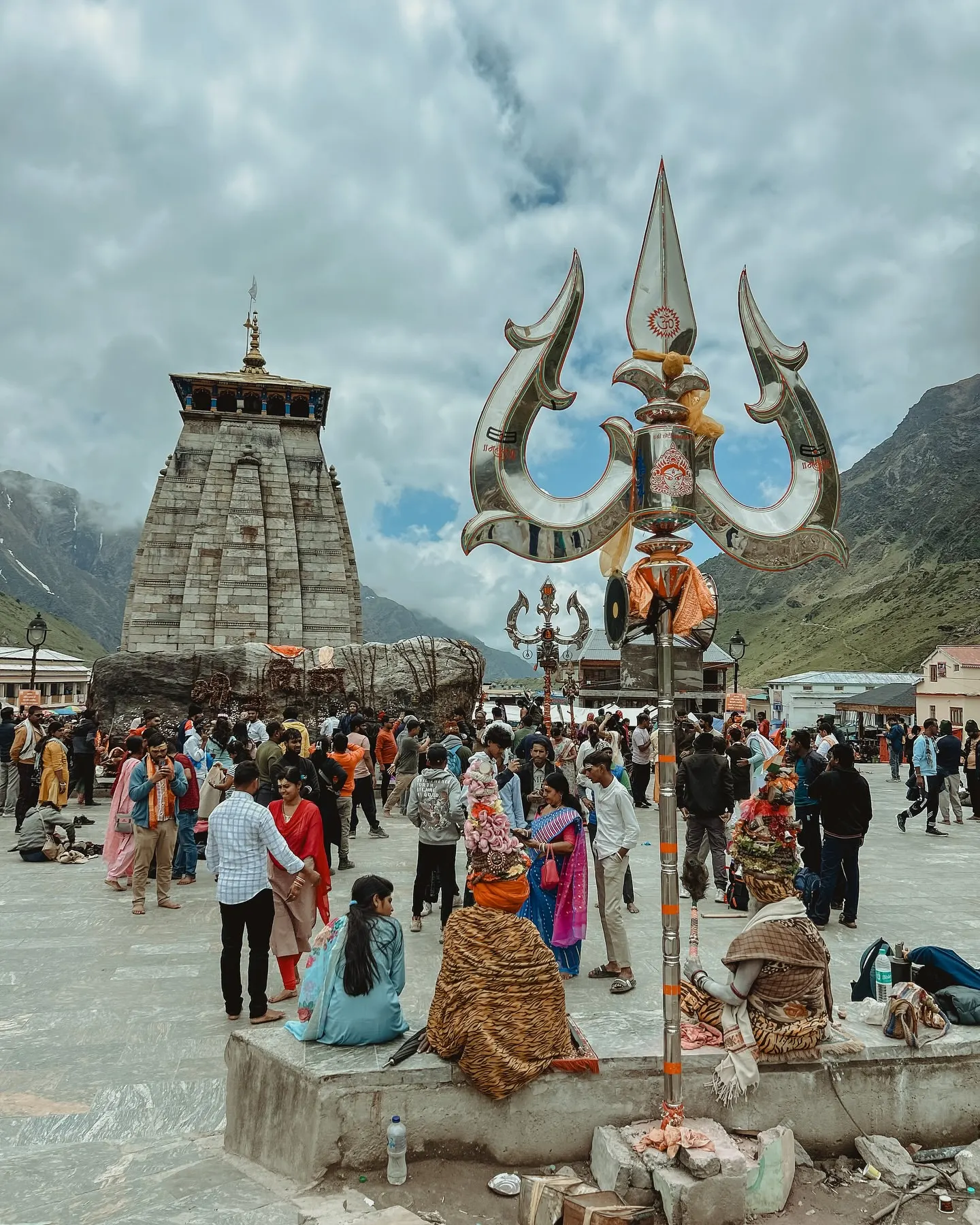
Kedarnath Temple: Dedicated to Lord Shiva, Kedarnath is one of the twelve Jyotirlingas and holds great significance for those who seek spiritual purification. The temple is situated at a high altitude and is one of the most visited pilgrimage sites in India.
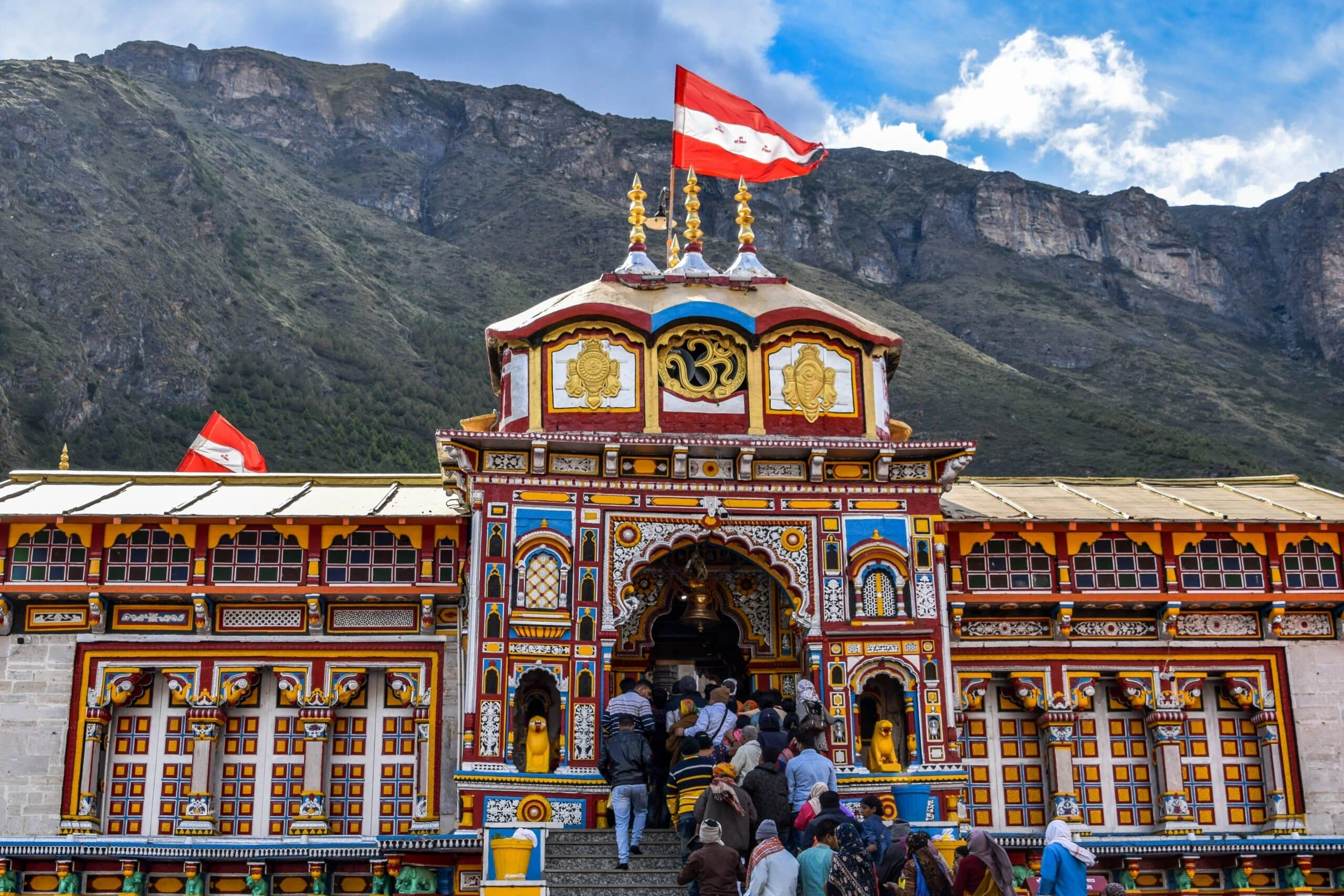
Badrinath Temple: Dedicated to Lord Vishnu, Badrinath is located in the Garhwal region and is one of the most important of the Char Dhams. It is believed that Lord Vishnu meditated here, and the temple is considered to be the most revered among the four.

3. Spiritual Journey The Chardham Yatra is not just a physical journey but a deeply spiritual one, where pilgrims undergo a transformation as they connect with the divine. The trek to each temple is filled with rituals and prayers, making it a life-changing experience for many. The significance of the Yatra is not just in visiting these temples but in the belief that it brings one closer to divinity and helps attain peace and spiritual fulfillment. The Chardham Yatra is a journey that holds deep religious significance and attracts thousands of devotees every year. It offers a unique opportunity for spiritual growth while being immersed in the beauty of nature and the divine energy of the Himalayan region.

The Chardham Yatra is one of the most revered pilgrimages in India, and it includes four sacred destinations in the beautiful state of Uttarakhand. These destinations are believed to be blessed by Hindu gods and are considered to bring spiritual peace and divine blessings to those who visit them. The four destinations are Yamunotri, Gangotri, Kedarnath, and Badrinath.

1. Yamunotri The journey begins at Yamunotri, which is the temple dedicated to Goddess Yamuna, the river goddess. It is located at the source of the Yamuna River, at an altitude of about 3,291 meters (10,797 feet). Pilgrims visit this temple to offer their prayers to Goddess Yamuna and seek her blessings for a prosperous life. The region is also known for its natural beauty, with hot springs and scenic views.

2. Gangotri Next on the Yatra is Gangotri, dedicated to Goddess Ganga, the river goddess. The Gangotri Temple is located at the source of the Ganges River, one of the holiest rivers in India. Pilgrims visit this temple to seek the blessings of Goddess Ganga, who is believed to have descended to the earth from the heavens. The temple is set in a stunning location surrounded by snow-capped mountains and lush green valleys, making it a peaceful spot for reflection.

3. Kedarnath The third stop is Kedarnath, a temple dedicated to Lord Shiva. This temple is one of the twelve Jyotirlingas, which are considered sacred shrines dedicated to Lord Shiva. Kedarnath is located at an altitude of 3,584 meters (11,760 feet) and is known for its breathtaking views of the snow-covered peaks of the Himalayas. It is a place of immense spiritual importance, and many devotees believe that visiting this temple purifies the soul and brings them closer to God.

4. Badrinath The final stop on the Chardham Yatra is Badrinath, dedicated to Lord Vishnu. It is one of the most important pilgrimage sites for Hindus and is located at an altitude of 3,133 meters (10,279 feet). The Badrinath Temple is believed to have been the place where Lord Vishnu meditated, and it attracts thousands of pilgrims every year. The temple is set amidst beautiful mountains, adding to its spiritual significance.

The Chardham Yatra takes devotees to these four holy destinations, each with its own spiritual significance. Visiting these temples is believed to wash away sins and help achieve moksha (spiritual liberation).

Reaching the Chardham temples in Uttarakhand is a memorable journey, and several travel options are available to make your pilgrimage easier. The temples of Yamunotri, Gangotri, Kedarnath, and Badrinath are located in the rugged mountains, so it requires a bit of planning to reach them. Here are the different ways to get to these holy destinations.

1. By Road The most convenient way to reach the Chardham temples is by road. Dehradun, the capital of Uttarakhand, is well-connected to major cities like Delhi, Haridwar, and Rishikesh. From Dehradun, you can travel by bus or hire a private vehicle to reach the starting points of the Yatra.

Yamunotri is accessible from Haridwar or Rishikesh, and you can reach the town of Jankichatti, which is the base for the trek to Yamunotri Temple.
Gangotri can be reached by driving to Gangotri town from Rishikesh or Uttarkashi.
Kedarnath has a road up to Gaurikund, which is around 16 kilometers away from the temple. From Gaurikund, you need to trek to Kedarnath.
Badrinath is easily reachable by road from Joshimath, which is connected to Rishikesh and Haridwar.

2. By Train For those traveling by train, the nearest railway stations to the Chardham temples are: Haridwar and Rishikesh are the closest stations for Yamunotri and Gangotri. You can board a train from major cities like Delhi or Mumbai to reach Haridwar or Rishikesh, and then continue by road to the temples.
Kotdwar is another station that can be used to reach the Kedarnath and Badrinath regions.

3. By Air The nearest airport to the Chardham temples is Jolly Grant Airport in Dehradun, which is well-connected to major cities like Delhi and Mumbai. From the airport, you can take a taxi or private vehicle to the starting points of the Yatra. For Kedarnath, there is a helicopter service that takes pilgrims from Phata to the temple during the pilgrimage season, making it easier for those who have limited time or difficulty trekking.

4. Helicopter Services During the pilgrimage season, helicopter services are available for Kedarnath and Badrinath. These services help avoid the lengthy treks, especially for elderly or physically challenged pilgrims. Helicopters depart from Dehradun, Phata, and Guptkashi, making the Yatra more accessible.

The best time to visit the Chardham temples in Uttarakhand is during the summer months, specifically from May to June and September to October. This is when the weather is most favorable for a pilgrimage, making the journey more comfortable and enjoyable.

1. Summer (May to June) Summer is the most popular season to visit the Chardham temples. The weather during these months is pleasant, with daytime temperatures ranging from 15°C to 25°C, making it ideal for travel and exploration. Since the temples are situated in the high altitudes of the Himalayas, the weather remains cool and refreshing. During this period, the roads to the temples are open, and the trekking routes are safe to navigate. As the temples open for the season, it’s the perfect time for devotees to embark on the Yatra.

2. Post-Monsoon (September to October) After the monsoon season, September to October is also considered a good time to visit the Chardham temples. The weather is stable and pleasant, with clear skies and moderate temperatures, ranging from 10°C to 20°C. The lush green landscape and the rejuvenated natural beauty of the region make it an excellent time for pilgrimage. Additionally, the crowd thins out, so you can have a peaceful experience at the temples.

3. Avoiding Winter and Monsoon (November to April) It’s advisable to avoid the winter months (November to April) for the Chardham Yatra, as heavy snowfall can block the roads and make the treks difficult, especially to Kedarnath and Yamunotri. The temperature in these months can drop below freezing, making it harsh for travelers, and some routes may even close due to snow. Additionally, the monsoon season (from July to August) brings heavy rainfall, which can cause landslides and roadblocks, making the journey risky and challenging.

The best time to visit the Chardham temples is from May to June and September to October, as the weather is pleasant and safe for both traveling and trekking. Planning your trip during these months will ensure a smooth and memorable experience.

The Chardham Yatra is a physically demanding journey, especially due to the high-altitude locations of Kedarnath and Badrinath. To ensure a safe and enjoyable pilgrimage, it's crucial to take certain health precautions both before and during the yatra.

Before the Yatra Before embarking on the Chardham Yatra, it's important to ensure that you're in good physical health. Consult a doctor for a check-up, especially if you have any pre-existing conditions like heart problems, asthma, or high blood pressure. It's advisable to get a fitness assessment to determine whether you're fit for the long treks and high altitudes.

You should also get all necessary vaccinations and carry essential medications for conditions such as fever, cold, and headaches. Carry a first-aid kit with basic supplies like bandages, antiseptic, and pain relievers. If you take regular medications, make sure to pack enough for the entire duration of the trip.

During the Yatra At the temples, the weather can vary, and the altitude can cause health issues like altitude sickness. Drink plenty of water to stay hydrated and avoid alcohol and heavy meals. Take it slow while trekking to avoid overexertion and listen to your body. It's important to take regular breaks to rest and acclimatize to the altitude, especially in Kedarnath.

If you're feeling unwell, don’t hesitate to seek medical help at the health centers located near the temples. Always travel with a guide who can assist in case of emergencies and help you with directions. In conclusion, health precautions like staying fit, carrying medications, and staying hydrated are essential for a safe and comfortable Chardham Yatra.

No, the Chardham temples in Uttarakhand are not open throughout the year. These temples are typically open for pilgrims during a specific time frame each year, which is mostly from May to November. The temples close during the winter months due to the harsh weather conditions in the Himalayan region.

Opening and Closing Dates Each of the four Chardham temples—Yamunotri, Gangotri, Kedarnath, and Badrinath—have specific opening and closing dates. The temples generally open in April or May, with the Akshaya Tritiya festival marking the beginning of the season. The temples are open for about six months, from April/May to October/November. The closing ceremony happens in October or November, just before the onset of winter. The temples are closed during the winter months (from November to April) because of heavy snowfall, which makes the area inaccessible and risky for pilgrims.

Weather Conditions and Accessibility During the winter months, the high-altitude temples experience extreme cold and heavy snowfall, which can block roads and trails, making it difficult to access the temples. The trek routes to places like Kedarnath and Yamunotri are especially impacted by the snow and icy conditions, while the temple complexes may be covered in snow. Therefore, the temples are closed to ensure the safety of the pilgrims.

In May to November, the weather is more favorable, with clear skies, pleasant temperatures, and accessible roads and trekking paths. This is why the Chardham Yatra is conducted during these months, as pilgrims can visit the temples safely and comfortably.

Winter Arrangements While the temples are closed during winter, the idol of the deity from each temple is taken to nearby towns for worship. For example, the idol of Lord Badrinath is taken to Joshimath, and the idol of Lord Kedarnath is taken to Guptkashi. Devotees can still offer prayers at these locations. The Chardham temples are open only during the summer and post-monsoon seasons—from May to November—and closed for the rest of the year due to harsh weather conditions in the region.

The duration of the Chardham Yatra can vary depending on your pace, the mode of travel, and the specific itinerary you follow. On average, the Yatra takes about 10 to 12 days to complete. Here's a breakdown of the time required to visit all four temples:

1. Yamunotri (1-2 days) The first temple in the Chardham circuit is Yamunotri. To reach Yamunotri, you first travel to Hanuman Chatti and then take a short drive to Jankichatti, from where you start a 6 km trek to the temple. The entire journey from the base to the temple and back will take a full day. It’s advisable to plan one extra day for rest and acclimatization in the area.

2. Gangotri (1-2 days) After completing Yamunotri, you proceed to Gangotri, which is about 220 km from Yamunotri. The road journey takes around 7-8 hours. You can visit the Gangotri temple and explore the surrounding areas like Saptarishi Kund and Submerged Shivling. A day or two is typically enough to complete this visit.

3. Kedarnath (2-3 days) From Gangotri, the next stop is Kedarnath, which is around 230 km away. You can drive up to Gaurikund and then embark on a 16 km trek to reach the Kedarnath temple. The trek is physically demanding, and most pilgrims take 2 days to complete the journey (one day for ascending and the other for descending). If you're unable to trek, you can opt for helicopter services to reach Kedarnath, which saves time and energy. Plan at least 2-3 days for Kedarnath, including time for rest.

4. Badrinath (1-2 days) The last destination is Badrinath, located about 220 km from Kedarnath. You can drive straight to Badrinath temple. Once there, you can visit the temple and explore nearby attractions like Tapt Kund and Mana village. A day is usually sufficient to complete the visit to Badrinath.

Total Duration In total, it takes around 10 to 12 days to complete the Chardham Yatra, depending on the mode of travel and the time spent at each location. This includes both travel time and time spent visiting the temples. If you are traveling by road and taking breaks to rest, this duration may be extended.

The Chardham Yatra is not just a physical journey but also a deeply spiritual one, with several significant rituals and customs that pilgrims follow during their visit to the four sacred temples. These rituals are designed to help devotees purify their minds, body, and soul, and to honor the deities with respect and devotion.

1. Bathing in Holy Rivers A major custom during the Chardham Yatra is the ritual bathing in the sacred rivers associated with each temple. At Yamunotri, pilgrims take a dip in the Yamuna River, believing it purifies the soul. Similarly, at Gangotri, devotees bathe in the Bhagirathi River before offering prayers at the temple. The Ganges in Gangotri is considered the holiest river in India, and washing away sins in its waters is believed to grant salvation.

2. Darshan and Pooja The central ritual at all four temples is the Darshan of the deities, which means having a glimpse of the divine idols. Pilgrims line up early in the morning to offer their prayers and perform a simple pooja (ritual worship) at each temple. The Kedarnath temple has a special significance as it is dedicated to Lord Shiva, and devotees perform the ritual of Abhishek (holy bathing of the deity) with water from the Kedarnath river. At Badrinath, pilgrims perform Aarti and seek blessings for their well-being.

3. Offerings Pilgrims carry offerings of flowers, fruits, and other items for the deities as a token of their gratitude and devotion. At Yamunotri, offerings of rice and ghee are placed in the sacred Yamuna Kund. At Gangotri, people offer milk and ghee to the river, believing that the goddess Ganga accepts their offerings. In Kedarnath, devotees offer Prasadam (sacred food offerings), and in Badrinath, Tulsi leaves and sweets are given as offerings to the deity.

4. Rituals at Specific Temples Each temple has its own unique rituals. At Badrinath, the Tapt Kund (natural hot spring) is an important part of the custom. Pilgrims bathe in the hot springs before visiting the temple. At Kedarnath, the Jyotirlinga worship involves reciting prayers and chants specific to Lord Shiva.
The Chardham Yatra is filled with several rituals and customs that make the journey spiritually enriching. These rituals, ranging from bathing in sacred rivers to performing aarti and offering prayers, help pilgrims connect with the divine and purify their souls.

Yes, you can visit the Chardham temples solo, but it is important to consider a few factors before deciding whether to travel alone or in a group. The choice depends on your preferences, physical stamina, and comfort with travel in high-altitude and remote areas.

Solo Travel to Chardham For experienced travelers who are familiar with high-altitude treks and the challenges that come with visiting such remote locations, solo travel can be a rewarding and fulfilling experience. Solo travelers can enjoy the peaceful solitude of the sacred sites, reflect in their own space, and follow a flexible schedule. However, the journey to the Chardham temples involves long road journeys and challenging treks, particularly to Kedarnath and Yamunotri, which can be physically demanding.

If you are traveling solo, it is important to be well-prepared, both mentally and physically. Ensure that you have good stamina for the treks, and make sure you’re carrying enough supplies, such as water, food, and first aid kits. Also, staying connected with your loved ones and informing them about your travel plans is essential for safety reasons.

Group Travel to Chardham Traveling in a group can be a safer and more convenient option, especially for first-time travelers to the Chardham. It provides a sense of security, and there’s an added advantage of shared experiences with fellow pilgrims. A group travel arrangement usually includes organized transportation, lodging, and guidance from experienced tour operators, which can help you navigate the challenging parts of the journey.

In a group, you’ll also have access to guides who are familiar with the local terrain, customs, and rituals. This can make your visit to the temples smoother and more informative. Group travel is ideal if you want a more relaxed experience, without having to worry about logistics, transportation, or accommodations.

When planning your Chardham Yatra, one of the key considerations is finding suitable accommodation near the temples. Since the Chardham pilgrimage covers four major destinations – Yamunotri, Gangotri, Kedarnath, and Badrinath – there are various options to choose from, catering to different budgets and preferences.

1. Basic Guesthouses and Dharamshalas For budget-conscious travelers, guesthouses and dharamshalas (pilgrim rest houses) are the most common and economical accommodation options near the Chardham temples. These facilities are run by local authorities or religious organizations, offering basic amenities such as clean rooms, common washrooms, and vegetarian meals. They are a good choice for pilgrims who are looking for affordable lodging without luxury but want a simple place to rest after a long day of travel and prayers.

2. Hotels and Resorts In towns like Rishikesh (for Gangotri), Kedarnath (for Kedarnath Temple), and Badrinath, there are several hotels and resorts offering more comfortable stays. These range from budget hotels to mid-range and premium options with better amenities such as hot water, private bathrooms, and Wi-Fi. Some resorts even offer luxury experiences with beautiful views of the mountains and temples, making them perfect for those looking for a bit more comfort during their spiritual journey.

3. Tent Camps and Luxury Camps During the peak pilgrimage season, tent camps are set up around the temples, especially near Kedarnath and Yamunotri. These camps provide a temporary but comfortable stay with beds, blankets, and necessary toiletries. Some luxury camps are also available, offering premium tents with modern amenities like attached bathrooms, heaters, and catering services. Tent camps are a great option for those seeking a more adventurous experience while still being close to the temples.

4. Private Stays and Homestays In recent years, homestays and private lodges have become popular options near the Chardham temples. These accommodations offer a more personal experience, where you can enjoy local hospitality and get a taste of the culture. Homestays generally provide better service than basic guesthouses and offer a cozy atmosphere, especially in the more remote areas.

Chardham Travel Blog

Tips, Routes & Experience

Chardham Recent Batches

Photo Gallery

Related Trips

Customer Reviews & Ratings

  • img

    Ayushi Aswal


    It's a treat when you travel with Tourmyholiday because you don't have to worry about anything. Every little detail is already taken care of. All you have to do is sit back and enjoy your vacation. 

  • img

    Ravinder


    My Madmaheshwar trip was seamless and enjoyable, thanks to the professionalism and expertise of the TourMyHoliday team. I would highly recommend them to anyone planning a similar trip.

  • img

    Raj Koli


    This trip was an amazing experience for me, not just because of the beautiful location, but mainly because of our captain, Zishan bhai. He was always active and ready to help whenever we needed anything or had a question. He was very supportive during the trek. In fact, he even went back up to help one of our teammates who…

  • img

    Dhruv Soste


    I recently completed my Tungnath tour with Tour My Holiday, and it was a wonderful experience! Everything was well-organised, from stay to travel to trekking support. The views were breathtaking, the arrangements were smooth, and the overall vibe was perfect for a peaceful yet adventurous getaway.
     

  • img

    Saniya Dhiman


    Good Vibes best adventure like best thinkin
    Best trip in the world
    Thank you 🙏🙏

  • img

    Hardik Bhatt


    I had very much fun on this trip with tour my holiday and our captain Sujal was amazing, had very much fun with him on the trek.

  • img

    Praveen Negi


    Had a great time on my Manali trip with Tour My Holiday.Everything was easy and well-managed. Loved it
    Special thanks to trip coordinator Akki

  • img

    Ashutosh Yadav


    Over all experience with Tourmyholiday is so good...kanika madam is so supportive. She has made our journey so memorable and package was budget friendly.

  • img

    Saniya Dhiman


    Good Vibes best adventure like best thinkin
    Best trip in the world
    Thank you

  • img

    J.J WANTED GAMER


    I recently went on a trip with a company, and it was an unforgettable experience. Everything was perfectly planned – from the stay and food to the entire itinerary. But the highlight of the trip was our captain, Zishan. He’s not just a great leader but also an incredibly handsome and funny guy with a very loving nature. He handled…

  • img

    Anuj Bhatt


    Chopta is truly a paradise for nature lovers! Thanks to TourMyHoliday, my trip was seamless and unforgettable. The breathtaking Himalayan views, lush green meadows, and serene vibes made it a perfect getaway. Highly recommend their services for an amazing experience! – Anuj

  • img

    Kaushal Khantwal


    I have been to Haridwar and Rishikesh with tourmyholiday. It was such an amazing trip we had all the arrangements was amazing as committed. Ashish from Tourmyholiday was so cooperative and was available all the time for us. I would love to travel again with Them.

  • img

    Ambika Vishwakarma


    Excellent service! The trip was well-planned, hassle-free, and enjoyable. Special thanks to our tour guide Zeshaan, who was friendly, knowledgeable, and made the whole journey more interesting. Highly recommend this travel agency for a smooth and memorable travel experience.

  • img

    ARPITA OJHA


    Our tour guide(Vishesh Bhati) is very humble and helpful whenever we need his help. Must go on a trip with these guys.

  • img

    Ganesh Chamoli


    Amazing trip to thailand

  • img

    Samidha Gurung


    We had booked the package via tourmyholiday for Kedarnath and Badrinath,Yamunotri & Gangotri We were overall satisfied and happy, but I did share my feedback with Mr ashish already that the hotels and driver was awesome. I will definitely recommend you to the others in my family and friends. Thanks for making our Chardham trip memorable

  • img

    Madhav Negi


    Thank you, TourMyHoliday, for an incredible Kedarnath experience! Everything was well planned, good services and with a good driver
    Special thanks to the trip coordinator Kaushal