1. What is the best time of year to do a bike trip to Spiti Valley?
People usually ask when the route is open, and weather is safe for bikes. The Manali–Kaza road typically opens from May end to October, and the Shimla route remains open slightly longer.
2. Do I need a special permit for a bike trip in Spiti Valley?
Many travellers ask whether permits are required, especially for foreign nationals or restricted border areas.
3. What type of bike is best for a Spiti Valley ride?
Riders frequently ask which bikes are suitable — e.g., RE Himalayan, adventure bikes, or smaller bikes — and whether a small-engine bike can make the trip.
4. Are fuel stations available on the Spiti Valley bike route?
This is a common concern due to long stretches with limited petrol availability between towns.
5. How many days do I need for a Spiti Valley bike trip?
Users often want to know whether 5, 7, 10, or more days are sufficient to complete the circuit comfortably.
6. Is a Spiti bike trip safe for solo riders?
Safety questions, especially night riding and remote terrain concerns, are common among bikers.
7. What gear should I carry for a Spiti bike trip?
Questions about protective gear, cold-weather clothing, tools, spares, and essentials come up often.
8. Can a pillion rider join a Spiti bike trip?
Many ask about carrying a pillion and whether the bike's power and terrain make it possible or safe.
9. Are bike repair shops available in Spiti Valley?
Breakdown and maintenance support in remote stretches is frequently queried.
10. What are the major challenges during a Spiti Valley bike ride?
Riders seek expectations for terrain, landslides, rocks, water crossings, and altitudes.
11. Should I start the trip from Manali or Shimla for the Spiti Valley?
Route comparison — which starting point is easier, scenic, or safer — is a key decision for many travellers.
12. How should I acclimatise to high altitude on a Spiti bike trip?
Altitude sickness and acclimatisation tips are highly searched topics due to the high elevation of the Spiti Valley.
Spiti Valley Bike Trip: An Epic Himalayan Adventure
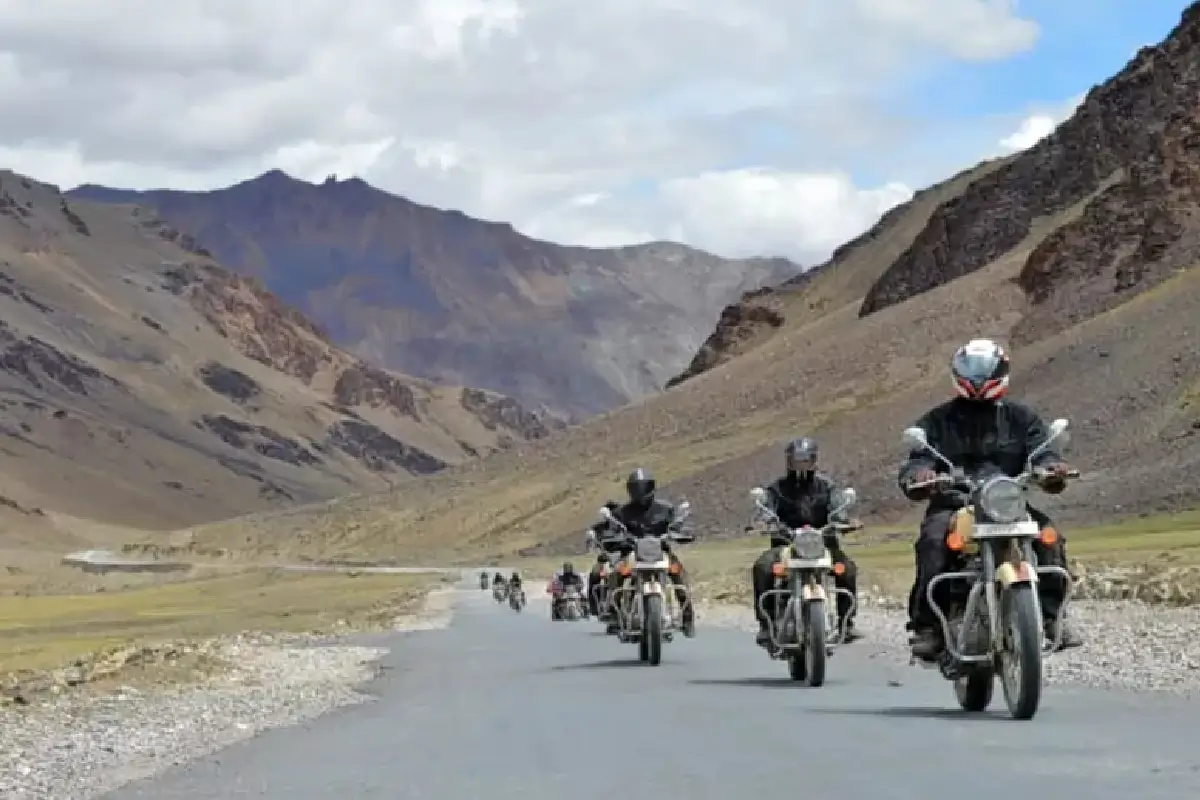
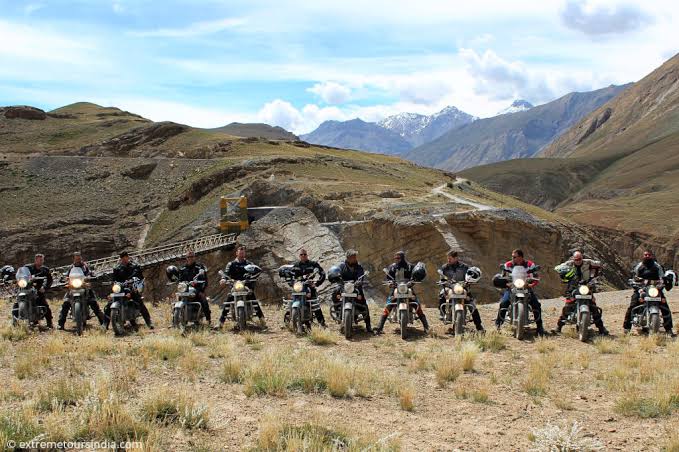
Embarking on a Spiti Valley bike trip is more than just a ride—it's an immersive journey through one of India's most rugged and breathtaking landscapes. Nestled in the remote corners of Himachal Pradesh, Spiti Valley offers motorcyclists a perfect blend of adrenaline-pumping roads, ancient monasteries, and stunning high-altitude vistas. If you're planning a Spiti Valley motorcycle tour, this guide will equip you with everything you need for an unforgettable experience. From the best routes to essential tips, we'll cover it all to make your bike trip to Spiti Valley seamless and thrilling.
Why Choose a Spiti Valley Bike Trip?
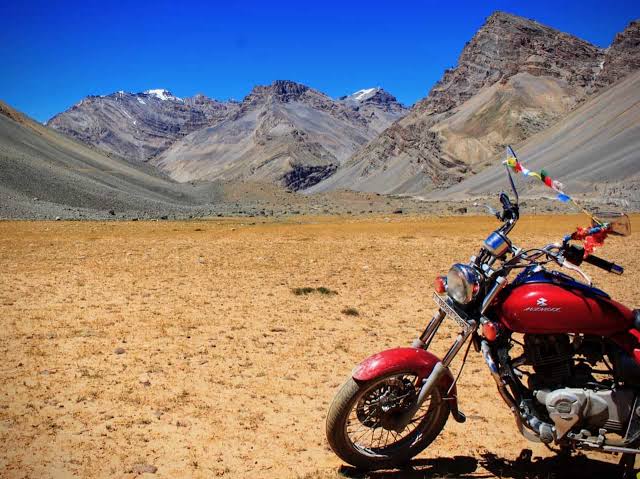
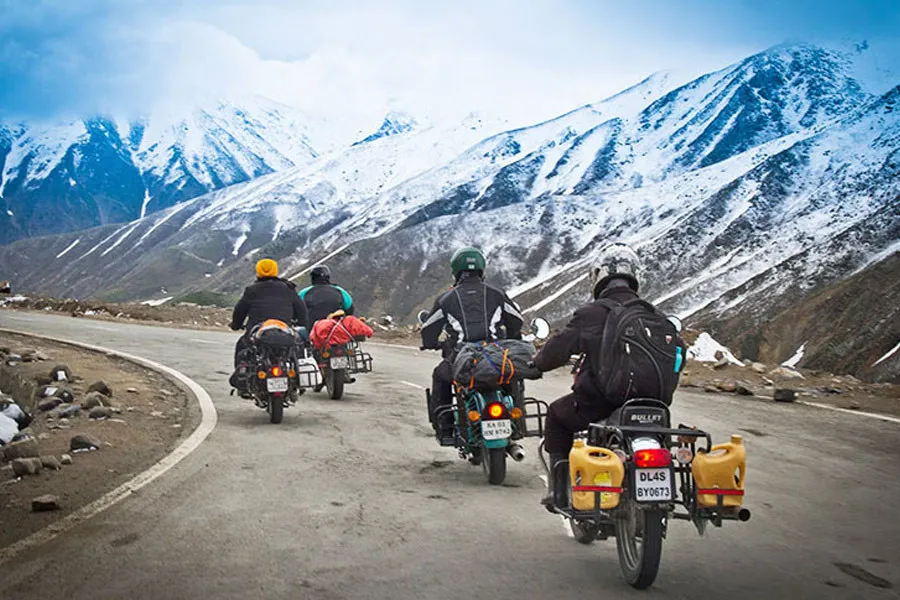
Spiti Valley, often called the "Middle Land" between Tibet and India, is a cold desert paradise that's ideal for adventure seekers. A Spiti Valley bike adventure allows you to traverse winding mountain passes, cross roaring rivers, and witness dramatic shifts in scenery—from lush green valleys to barren moon-like terrains. Unlike a car tour, riding a bike here gives you an intimate connection with the environment, feeling the crisp Himalayan air and the thrill of conquering elevations over 4,000 meters.
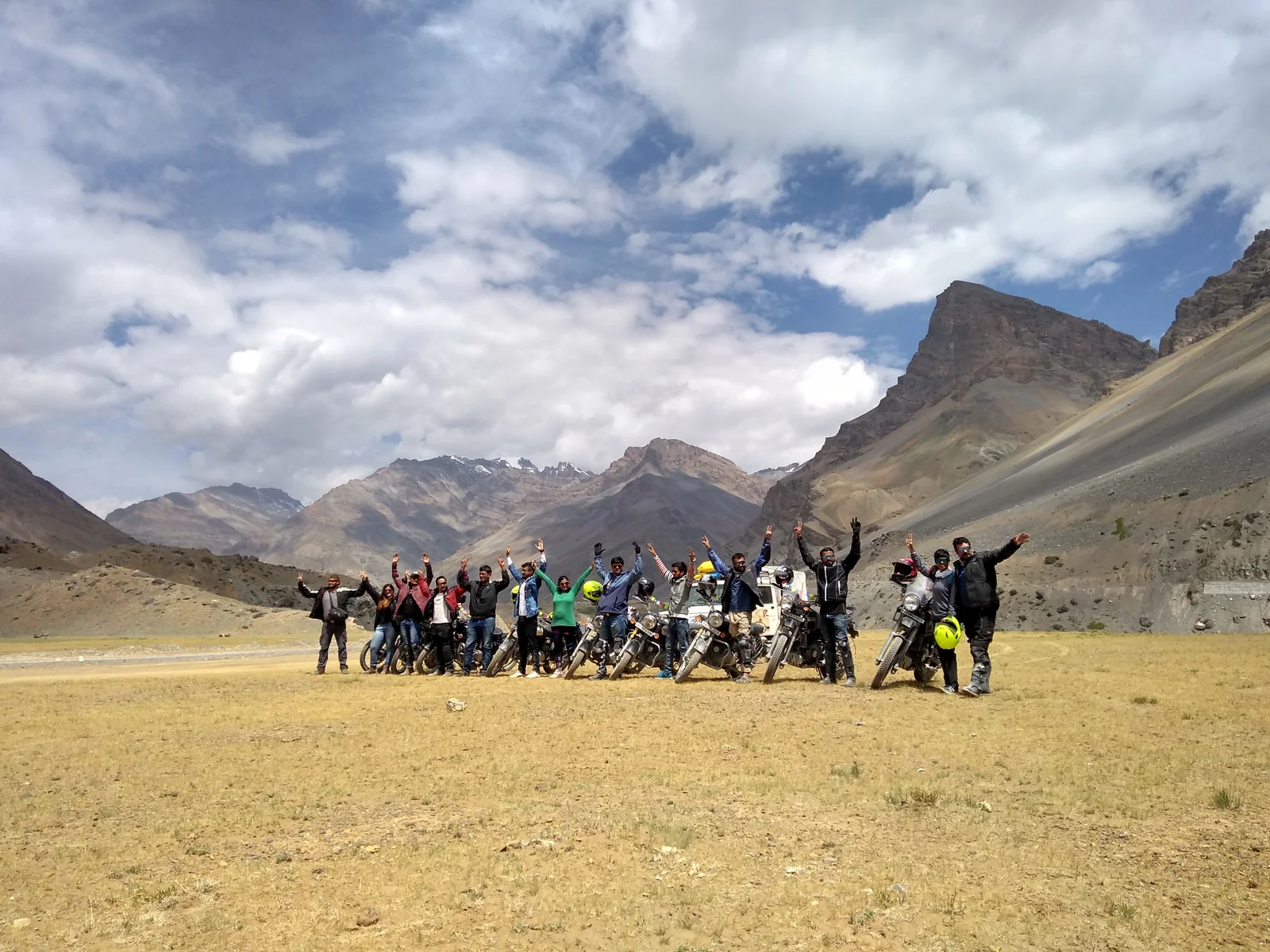
Popular among riders from Delhi, Chandigarh, and cities like Meerut in Uttar Pradesh, this trip is a rite of passage for many. Keywords like Spiti Valley road trip on bike often top search lists because it combines cultural immersion with extreme sports. The valley's Buddhist heritage, with sites like Key Monastery, adds a spiritual dimension, making it a holistic escape. Riders rave about the sense of freedom, the camaraderie with fellow bikers, and the opportunity to disconnect from urban chaos. Whether you're a solo traveller or part of a group, the Spiti Valley bike expedition fosters personal growth amid nature's raw beauty.
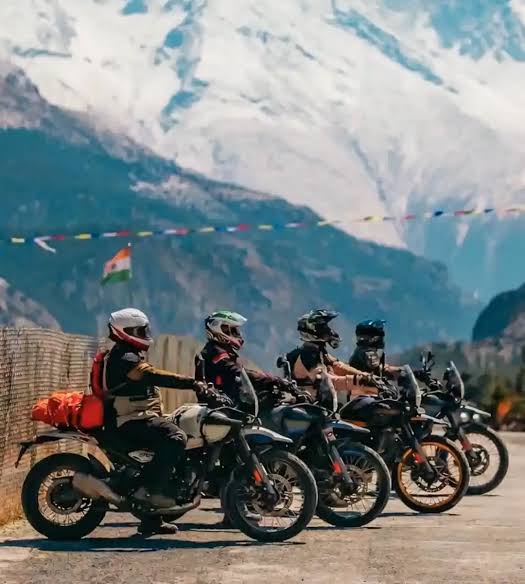
The region's unique geography, influenced by Tibetan culture, features stark contrasts: arid deserts dotted with vibrant prayer flags, turquoise lakes reflecting snow peaks, and villages frozen in time. It's not just about the destination; the journey on two wheels amplifies every twist and turn, making it a top choice for Himalayan bike trips. Eco-conscious travellers appreciate Spiti's low-impact tourism, where homestays support local economies without overwhelming the fragile ecosystem.
Best Time for Your Spiti Valley Motorcycle Tour
Timing is crucial for a safe and enjoyable bike ride in Spiti Valley. The valley is accessible mainly from June to October when the snow melts, and roads open up. July to September is peak season, with clear skies and moderate temperatures (10-25°C during the day, dropping to near zero at night). Avoid monsoons in July-August if you're wary of landslides, though they bring vibrant greenery and fewer tourists.
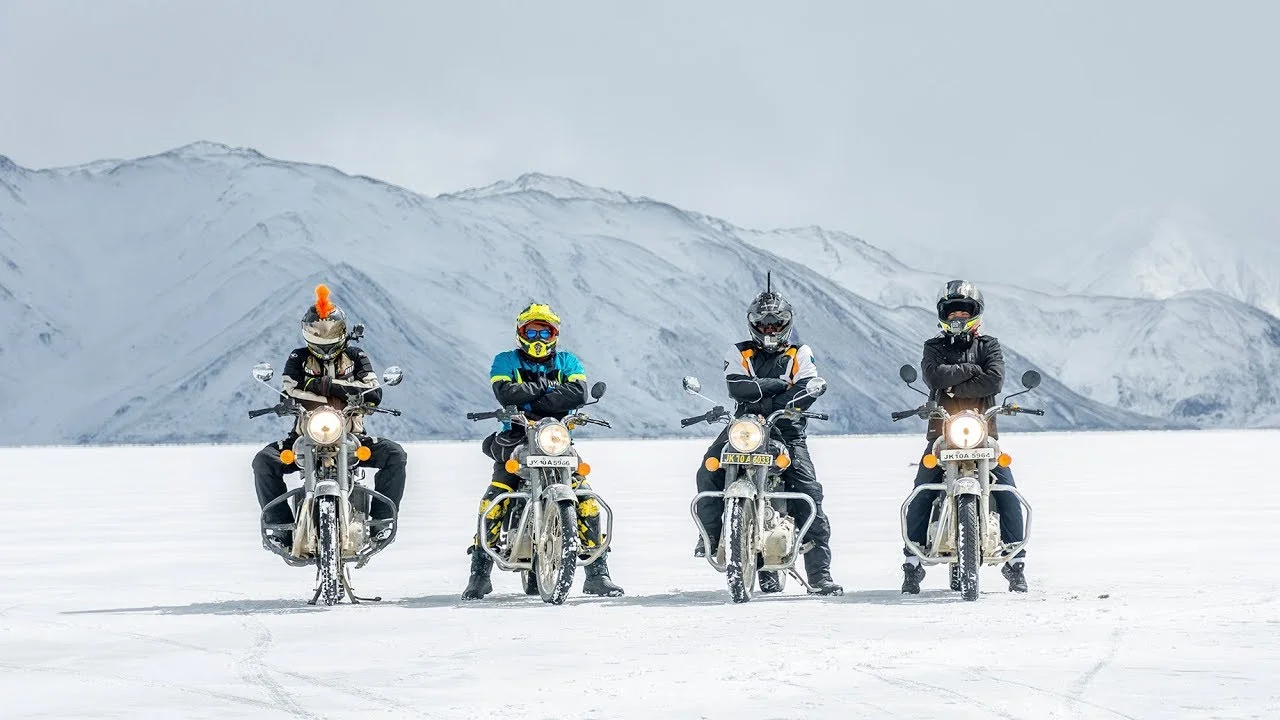
For those seeking solitude, early June or late September offers fewer crowds but colder nights and potential early snow. Winter (November-May) is off-limits for biking due to heavy snowfall blocking passes like Kunzum La. Pro tip: Check weather forecasts, road status via Himachal Pradesh Tourism websites, and Rohtang Pass permits in advance for your Spiti Valley bike journey. Monsoon riders should prepare for slippery paths, while summer enthusiasts enjoy longer daylight hours for exploration.
Climate change has made the weather unpredictable, so monitor apps like AccuWeather or local forums. The best time aligns with festivals like Losar (Tibetan New Year) in February-March, but for biking, stick to summer. Riders from northern India, including Uttar Pradesh, often take their trips around long weekends or holidays for extended leaves.
Planning Your Spiti Valley Bike Trip: Essentials
Preparation is key to turning your Spiti Valley bike tour into a success story. Start with choosing the right bike—Royal Enfield models like the Himalayan or Classic 350 are favourites for their torque and reliability on rough terrains. If you're renting, options in Manali or Shimla cost ?1,000-2,000 per day, with added insurance for peace of mind.
Budget-wise, a 7-10 day Spiti Valley bike tour from Delhi can range from ?20,000-50,000 per person, covering fuel, accommodation, food, and permits. Factor in bike maintenance (?5,000-10,000), meals (?300-500/day), and stays (?1,000-2,000/night in homestays or camps). Inner Line Permits (ILP) are mandatory for foreigners and some restricted areas—get them online via the official portal or at checkpoints like Sumdo.
Pack smart: Layered clothing (thermals, jackets, rain gear), riding essentials (helmet, gloves, knee guards, boots), toolkit, spare parts (tubes, chains, spark plugs), and high-altitude medicines like Diamox for Acute Mountain Sickness (AMS). Carry portable oxygen cans, energy bars, and a first-aid kit. Fuel up at every station, as pumps are sparse—plan for 200-300 km stretches without one. Join rider groups on Facebook or WhatsApp for real-time updates on road conditions, or apps like Bikers Diary.
Fitness is vital; practice long rides and cardio to handle altitude. For group trips, coordinate via tour operators specialising in Spiti Valley adventure bike tours. Solo riders should inform family of routes and carry satellite phones for emergencies, as mobile signals are patchy (BSNL works best). Eco-tips: Use reusable water bottles and avoid plastic to preserve Spiti's pristine environment.
Challenges and Safety Tips for Spiti Valley Bike Riders
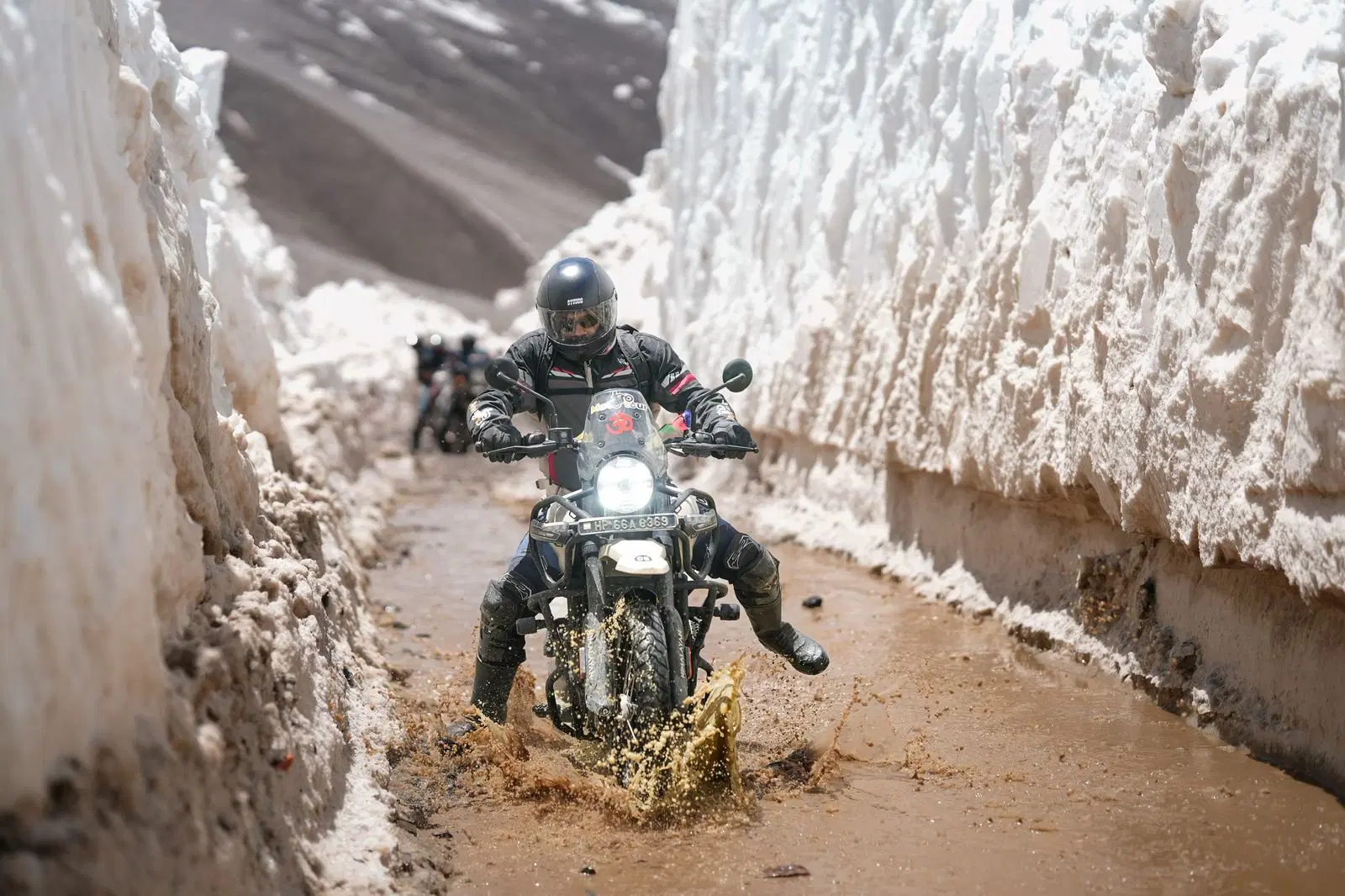
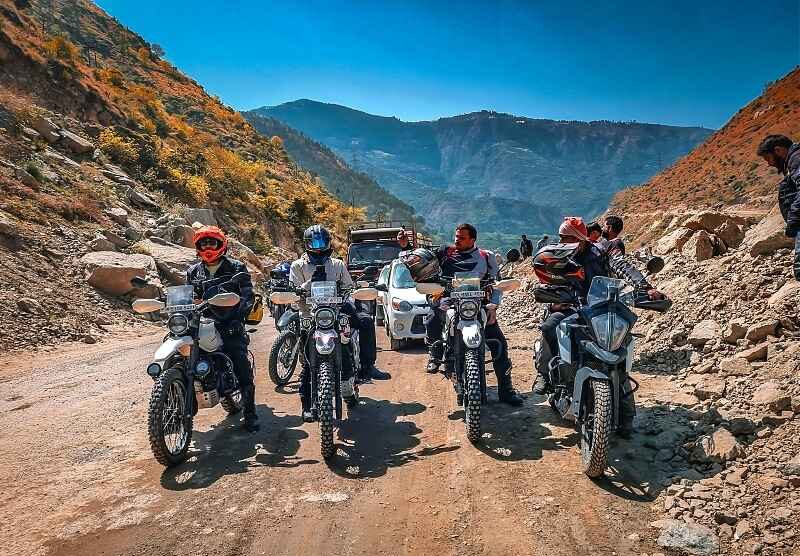
A Spiti Valley off-road bike trip isn't for the faint-hearted. Roads are unpaved, with sharp bends, gravel, and water crossings that demand skilled handling. High passes like Kunzum La (4,590 m) can cause hypoxia—symptoms include headaches, nausea; descend if severe. Landslides and flash floods are common; ride during daylight and avoid riding post-rain.
Safety gear is non-negotiable: CE-rated armour, reflective jackets for visibility. Learn basic repairs—flat tyres are frequent on rocky paths. Hydrate well, eat light (local thukpa or momos), and acclimatise gradually. Emergency services are limited; carry cash (ATMs are scarce) and travel insurance covering adventure sports.
Mental preparation helps; the isolation builds resilience. Join guided Spiti Valley group bike trips if inexperienced. Respect locals—greet with "Julley," follow monastery etiquette, and support sustainable tourism.
Must-Visit Places on Your Spiti Valley Bike Adventure
No Spiti Valley bike holiday is complete without these gems:
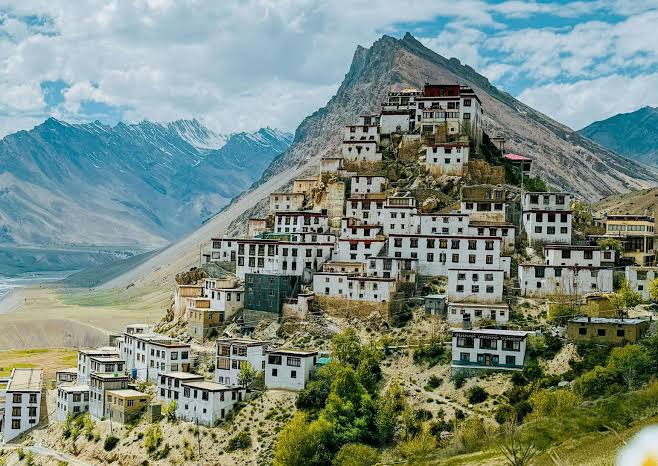
- Key Monastery: A 11th-century marvel perched on a hilltop, housing ancient Tibetan artefacts, murals, and monks. The panoramic views of the Spiti River are mesmerising.
- Chandratal Lake: Known as Moon Lake, this high-altitude wonder at 4,300 m offers ethereal beauty, ideal for camping under starry skies.
- Hikkim Post Office: The world's highest at 4,400 m—send a postcard home for a unique souvenir.
- Langza Village: Famous for fossil hunting and a massive Buddha statue overlooking the valley; perfect for photography.
- Kibber Village: Once the highest inhabited village, it's a hub for wildlife spotting, including Himalayan ibex.
- Tabo Monastery: A UNESCO site over 1,000 years old, with intricate frescoes and caves for meditation.
- Pin Valley National Park: Home to rare snow leopards and diverse flora; off-road trails here thrill adventure bikers.
- Dhankar Lake and Monastery: Overlooking river confluences, the short hike to the lake rewards with crystal-clear waters and solitude.
- Komik Village: Claiming the title of Asia's highest village, it features a comic-themed monastery and vast landscapes.
- Nako Lake: Serene and sacred, surrounded by willow trees; great for birdwatching.
These spots highlight Spiti's cultural and natural diversity, accessible via scenic bike routes.
What to Expect: Culture, Cuisine, and More
On your Spiti Valley motorcycle journey, immerse yourself in Spitian culture—Buddhist festivals, yak herding, and traditional dances. Cuisine includes hearty Tibetan influences: butter tea, thenthuk soup, and barley-based dishes. Vegetarian options abound, but carry snacks for remote areas.
Wildlife enthusiasts spot blue sheep, wolves, and birds. Stargazing is unparalleled due to minimal light pollution. Expect basic accommodations—homestays with warm hospitality, shared toilets, and solar power. Connectivity is limited, encouraging digital detox.
In summary, a Spiti Valley bike trip promises transformation through challenges and wonders. With proper planning, it's an adventure that etches lifelong memories. Ride safe, respect the Himalayas, and let Spiti's magic unfold.