
Pushkar Holi Festival 2026: Everything You Need to Know (March 3-4 Guide)
Published on February 06, 2026 | Updated on August 28, 2026
When the desert town of Pushkar awakens to Holi celebrations, something extraordinary happens. The sacred ghats lining the holy lake become stages for one of India's most spiritually charged yet joyously uninhibited festivals. This isn't just another Holi celebration—it's where ancient traditions meet contemporary cultural exchange in the heart of Rajasthan.
After spending multiple Holi seasons in Pushkar and speaking with local families, temple priests, and seasoned travellers, I've compiled this comprehensive guide to help you navigate and truly experience what makes Pushkar Holi unforgettable.
Check out our specially curated Pushkar Holi package
Get the complete Pushkar Holi tour itinerary (PDF)
Understanding Pushkar: The Sacred Context
Before diving into Holi specifics, understanding Pushkar's spiritual significance enriches the entire experience. This town is one of the five sacred pilgrimage sites for Hindus, hosting one of the world's very few temples dedicated to Lord Brahma, the creator deity.
The Pushkar Lake itself is considered supremely holy. Legend states that the lake was created when a lotus flower fell from Brahma's hand, and bathing in its waters during auspicious occasions is believed to cleanse sins and cure skin diseases. During Holi, this sacred geography transforms the festival from a mere celebration into a spiritual phenomenon.
The town's spiritual energy is palpable year-round, but during Holi, it intensifies. The festival here isn't just about colours—it's about renewal, forgiveness, and the triumph of good over evil, all set against the backdrop of one of India's most sacred landscapes.
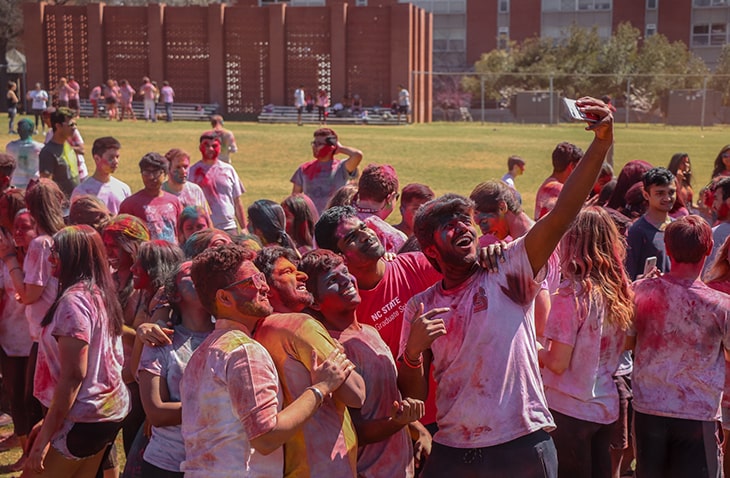
Pushkar Holi 2026: Key Dates and Timeline
Holika Dahan: Tuesday, March 3, 2026 (evening)
Main Holi Day: Wednesday, March 4, 2026
Extended Celebrations: March 1-7, 2026
Understanding the extended timeline helps maximise your experience. Many travellers arrive on the weekend before (February 28-March 1) and stay through the festival and into the following weekend, combining celebration with exploration.
The midweek timing in 2026 offers advantages: potentially smaller crowds than weekend celebrations in other cities, and the opportunity for a more authentic local experience as fewer domestic tourists can take midweek time off.
Day-by-Day Breakdown
Weekend Before (February 28-March 1): Perfect arrival window. The town buzzes with preparation but hasn't reached festival intensity. This is ideal for exploring temples, understanding the layout, and settling into Pushkar's rhythm. Many cafes and guesthouses begin decorating and preparing for Holi events.
Monday (March 2): Preparations intensify visibly. Locals shop for colours, sweets, and new clothes. The market streets buzz with energy. This is perfect for observing pre-festival rituals, purchasing your own organic colours, and planning your Holi strategy. Many guesthouses finalise their Holi party details—confirm your plans.
Tuesday (March 3): The energy builds throughout the day. Morning remains relatively calm with temple activities and final preparations. By afternoon, anticipation is palpable. Evening brings Holika Dahan ceremonies at various locations. The largest bonfire near Brahma Temple attracts thousands. Arrive by 6 PM to witness the rituals and listen to traditional songs. The ceremony typically runs from 7 PM to 10 PM, with the actual lighting of the pyre around 8 PM during the auspicious time.
Wednesday - Main Day (March 4): Celebrations begin at dawn and follow the traditional progression. By 9 AM, the ghats come alive with colours. Peak intensity hits between 11 AM and 2 PM when the entire town seems to pulse with colour and music. Evening transitions to socialising, sweet distribution, and cultural performances. Many venues host special Holi concerts featuring Rajasthani folk artists.
Following Days (March 5-7): Smaller, more intimate celebrations continue, particularly in local neighbourhoods. Many guesthouses host cultural evenings with traditional music and dance. This is excellent for deeper local interactions and experiencing Pushkar beyond the festival chaos. The town gradually returns to normal, though the colourful evidence of Holi remains visible on walls and buildings for weeks.
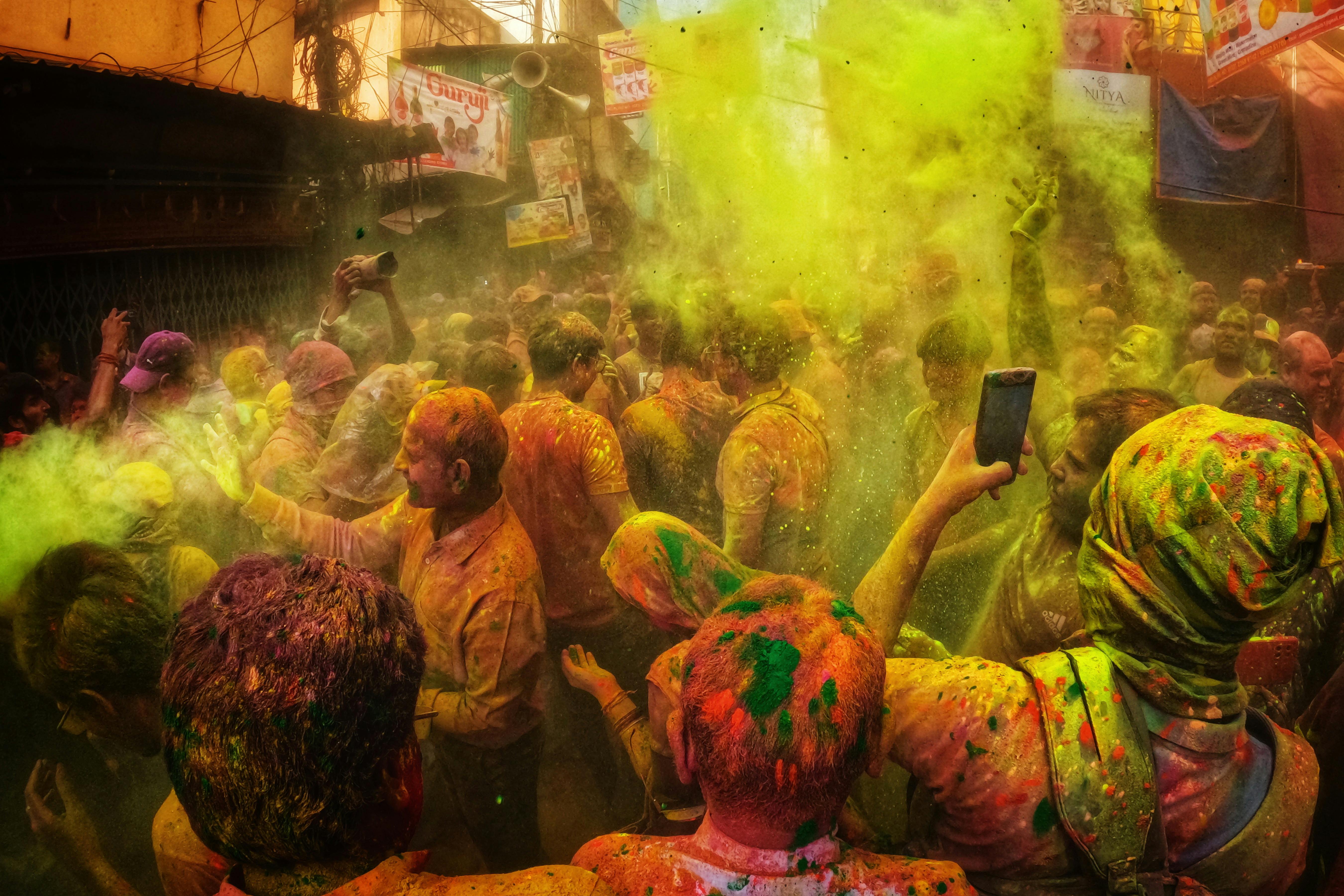
The Spiritual Dimension: Holi's Deeper Meaning in Pushkar
The Legend Behind Holi
Holi commemorates the triumph of devotion and good over evil, rooted in the legend of Prahlad and Holika. Prahlad's unwavering devotion to Lord Vishnu protected him when his aunt Holika, with her boon of fire immunity, tried to burn him alive at the behest of his demon father, Hiranyakashipu. The fire consumed Holika instead, leaving Prahlad unharmed.
In Pushkar, this story resonates deeply. The Holika Dahan bonfires represent the burning of negativity, ego, and past grievances, making space for renewal and joy. Locals take this symbolism seriously, often writing down their regrets or negative thoughts on paper and throwing them into the fire.
Krishna and Radha's Colours
The playful colour throwing originates from Lord Krishna's mischievous act of colouring Radha and the gopis (milkmaids). According to legend, young Krishna complained to his mother about his dark complexion compared to that of fair-skinned Radha. His mother playfully suggested he colour Radha's face any colour he wanted. Krishna did so, and this playful tradition became Holi.
In Pushkar's devotional atmosphere, this playful tradition carries romantic and spiritual undertones. Many celebrations include bhajans (devotional songs) dedicated to Radha-Krishna, and some temples organise special Krishna-themed celebrations.
Where to Stay: Accommodation Strategies
Booking Timeline and Budget
Ultra Budget (₹500-1,500/night normally, ₹1,500-3,000 during Holi): Basic guesthouses and hostels. Book 3-4 months ahead. Options include Pushkar Palace, Moustache Hostel, and local family guesthouses in the old town. These often offer the most authentic experience and opportunities to celebrate with local families.
Mid-Range (₹2,000-5,000/night normally, ₹4,000-8,000 during Holi): Comfortable hotels with modern amenities. Book 4-5 months ahead. Consider Hotel Pushkar Legacy, Bharatpur Palace, or boutique heritage properties. These typically offer organised Holi events with organic colours and traditional food.
Luxury (₹6,000+/night normally, ₹10,000-25,000 during Holi): Premium resorts outside the main town. Book 5-6 months ahead. Ananta Spa & Resorts, Westin Pushkar Resort, and The Greenhouse Resort offer upscale experiences with comprehensive Holi packages including transportation, private celebrations, and spa treatments for post-Holi recovery.
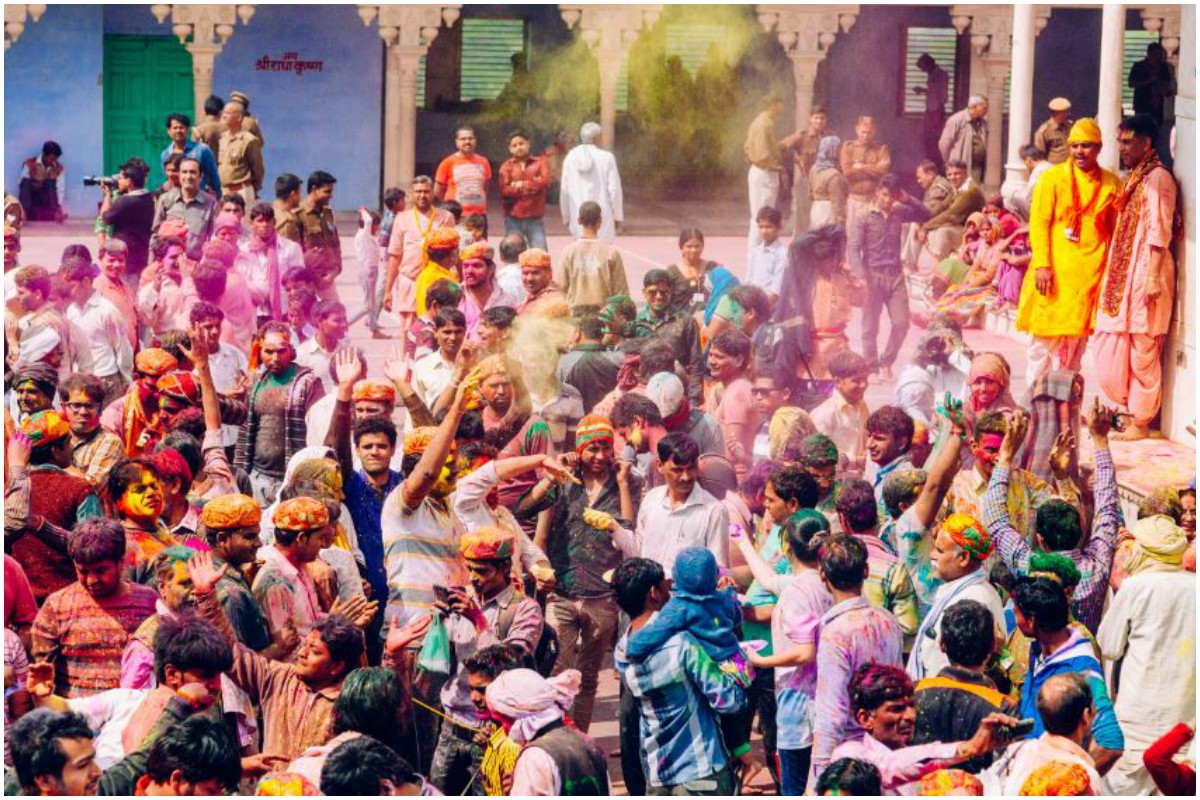
Location Matters
Near Brahma Ghat: You'll be steps from major celebrations. Expect noise from early morning through late evening during the festival period. Ideal for immersive experience and maximum convenience. Morning temple bells and evening aartis become your soundtrack.
Near Varaha Ghat: Slightly quieter while maintaining easy access to celebrations. Good balance of accessibility and peace. This area has many quality guesthouses with rooftop terraces offering lake views.
Old Town Area: Authentic local experience. Narrow lanes, traditional architecture, and proximity to local families celebrating. May lack modern amenities. Better suited for adventurous travellers comfortable with basic facilities.
Outside Main Town (1-3 km away): Peaceful retreats with resort-style amenities. Require transportation to celebrations (auto-rickshaw or hotel shuttle). Better for families with children, luxury travellers, or those wanting controlled participation with the option to retreat to tranquillity.
Navigating the Celebrations: A Practical Hour-by-Hour Guide
Dawn to Morning (5 AM - 9 AM)
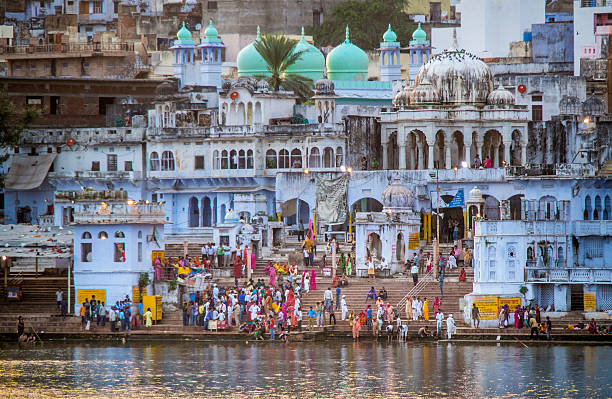
This is the most spiritually charged time. Serious devotees take ritual baths in Pushkar Lake, visit temples, and apply the first ceremonial colours. The atmosphere is reverent, with temple bells echoing across the ghats.
What to Do: Join the temple visits if interested in the spiritual aspect. The Brahma Temple aarti (prayer ceremony) at dawn is particularly moving, usually starting around 5:30-6 AM. Wear simple, respectful clothing during this phase—save your white "Holi clothes" for later.
This early period offers incredible photography opportunities. The soft morning light on the lake, devotees in colourful traditional dress, and the general serenity create stunning images. By 8-9 AM, energy levels start rising noticeably.
Mid-Morning Escalation (9 AM - 12 PM)
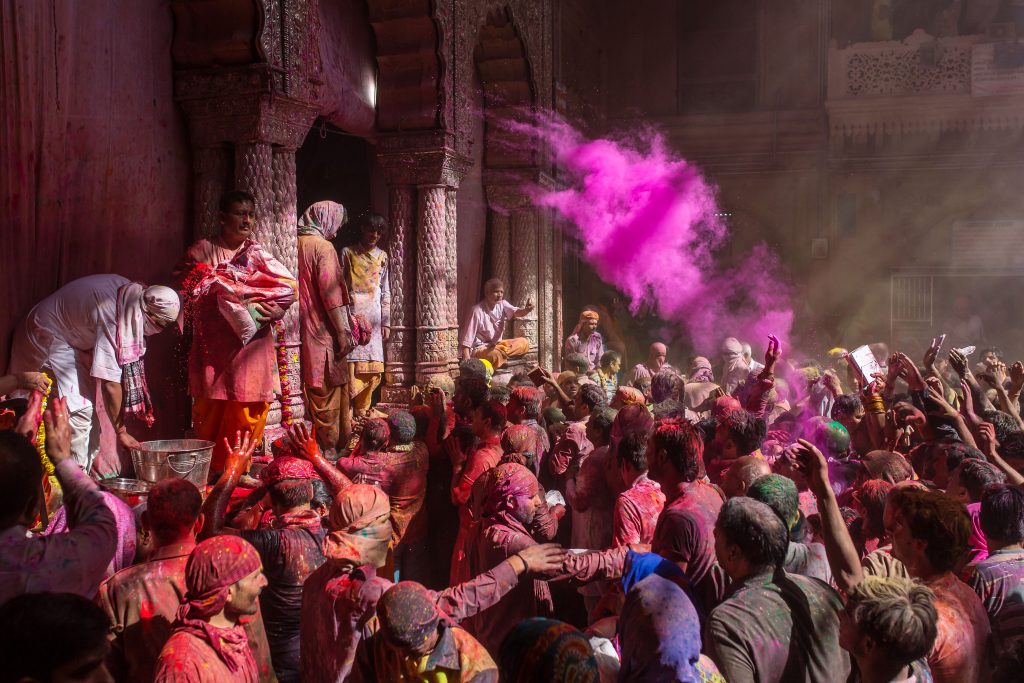
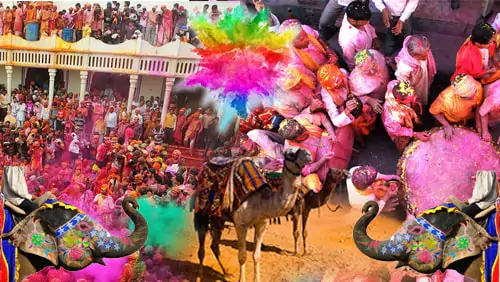
Energy levels rise dramatically. Colours appear everywhere. Music systems start playing Holi songs—both traditional bhajans and contemporary Bollywood hits. Groups form around the ghats, and the colour play intensifies progressively.
What to Do: This is when you should be ready in your white clothes, protected with oil, and carrying your organic colours. Choose your celebration zone—either join the ghat celebrations for maximum authenticity or head to a cafe party for more structure and control.
The main bazaar area becomes incredibly vibrant during this period. If you enjoy street photography and don't mind chaos, this is the time to explore with your camera (properly protected, of course).
Peak Madness (12 PM - 3 PM)
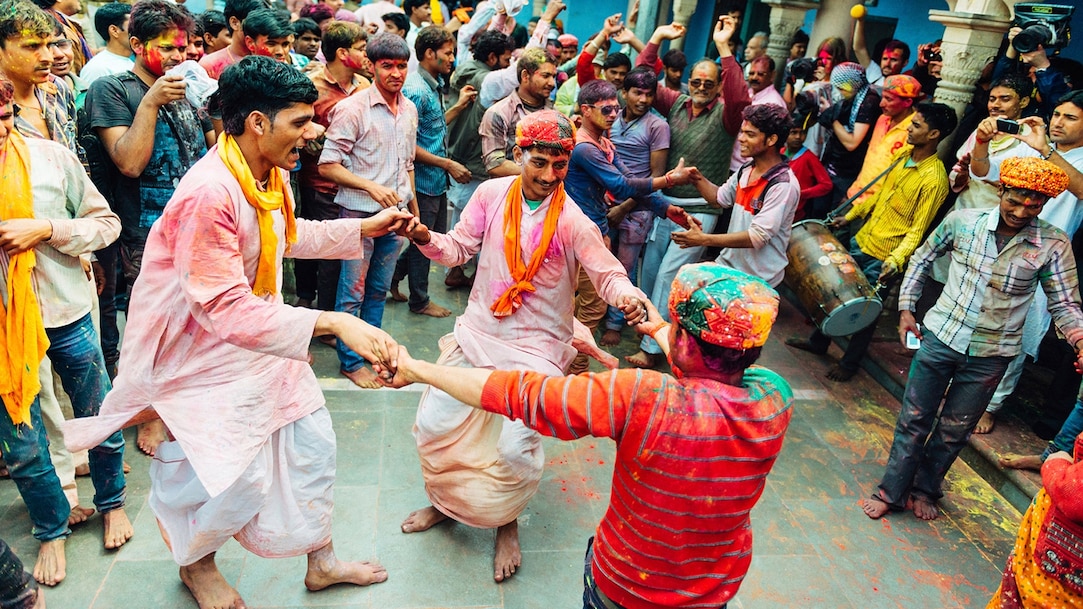
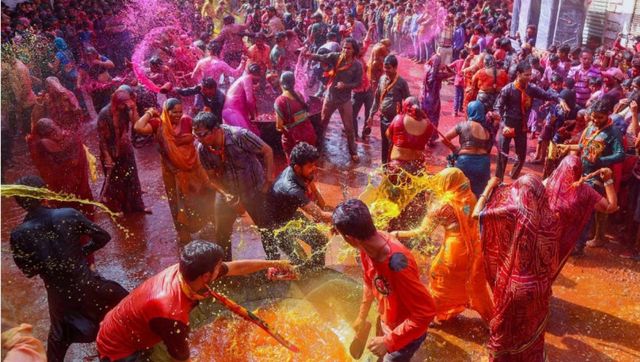
The festival reaches its crescendo. Colours fly everywhere, music blares from every corner, dancing becomes spontaneous, and the entire town seems to pulse with one collective heartbeat. The temperature also peaks during these afternoon hours, adding to the intensity.
What to Do: Surrender to the experience. This is not the time for photography anxiety or cleanliness concerns. Participate fully, but maintain awareness of personal boundaries and belongings.
If the intensity becomes overwhelming, many cafes offer "safe zones" where you can watch from rooftop terraces while enjoying refreshments. There's no shame in taking breaks—the desert heat combined with physical activity can be exhausting.

Wind Down (3 PM - 6 PM)
As the afternoon heat intensifies and energy naturally wanes, celebrations slow. People retreat to clean up, rest, and prepare for evening socialising. The streets, just hours before packed with colored crowds, begin to empty.
What to Do: Head back to your accommodation. The cleanup process itself becomes a bonding experience with other travellers. Most guesthouses have designated washing areas where you'll share stories and laughter while scrubbing off layers of colour.
Don't rush—enjoy conversations during this transition. Some of the most meaningful connections happen during this shared cleanup experience. The colourful water running off creates its own kind of beauty.
Evening Celebrations (6 PM - 11 PM)
Pushkar transforms again. Clean clothes replace colored ones. Streets fill with people visiting friends, distributing sweets, and attending cultural programs. The energy shifts from wild exuberance to warm conviviality.
What to Do: Explore the lakeside promenade, now illuminated with lights reflecting off the water. Many cafes host live music—traditional Rajasthani folk performances are common. Traditional sweet shops offer special Holi delicacies, and sharing these with new friends embodies the festival's spirit.
This is perfect for photography, as the evening light casts beautiful hues on the colored architecture and people's still-tinted faces. The atmosphere is more relaxed, making conversations with locals easier and more meaningful.
The Colours: Choosing Safe and Sustainable Options
The Problem with Synthetic Colours
Many commercial Holi colours contain harmful chemicals—lead oxide (black), mercury sulfate (red), chromium iodide (purple), and industrial dyes. These cause skin allergies, rashes, eye irritation, respiratory problems, and environmental damage. The bright, unnaturally vivid colours are usually the most dangerous.
In Pushkar's desert ecosystem and around the sacred lake, synthetic colours pose environmental risks. They don't biodegrade and can contaminate soil and water sources.
Natural Color Alternatives
Turmeric (Yellow/Orange): Natural antiseptic properties. Mix with gram flour for better texture and easier application. The yellow is vibrant and photographs beautifully. Turmeric also has healing properties for the skin.
Beetroot (Pink/Magenta): Boil and powder dried beetroot. Safe and skin-friendly. Creates gorgeous pink tones. Can also be used fresh for deeper magenta shades.
Henna (Green/Brown): Natural hair and skin conditioner. Provides earthy green tones. Has the added benefit of conditioning hair while colouring it. The smell is pleasant compared to chemical colours.
Flowers (Various Colours): Dried and powdered marigold (yellow/orange), hibiscus (red), and other flowers create beautiful, fragrant colours. These are traditionally used in temples and carry spiritual significance.
Spinach/Coriander (Green): Dried and powdered leafy vegetables offer vibrant greens. Fresh herbs can also be blended with water for liquid colours.
Pomegranate (Red): Dried and powdered pomegranate skin creates deep red tones. Natural and safe.

Where to Buy in Pushkar
Several shops near Brahma Ghat and the main market sell organic colours. Look for shops displaying "organic" or "herbal" signs. Ask specifically for "organic gulal" or "praakritik rang" (natural colours).
Expect to pay ₹100-300 per colour packet (200-300 grams), compared to ₹20-50 for synthetic versions. Your skin and the environment are worth the investment. Many shops offer combo packs of multiple colours.
Many guesthouses also prepare natural colours for guests or can arrange purchases. Inquire when booking. Some even offer workshops where you can make your own colours—a meaningful pre-Holi activity.
Tip: Buy colours a day or two before Holi. Last-minute shopping on March 3rd or 4th means limited selection and higher prices.
Food: The Culinary Side of Pushkar Holi
Traditional Holi Foods
Thandai: The iconic Holi beverage deserves special attention. This cold drink combines milk with almonds, pistachios, saffron, cardamom, fennel seeds, rose petals, and sometimes poppy seeds. The preparation is labour-intensive, involving soaking, grinding, and straining nuts and spices.
Some traditional versions include bhang (cannabis preparation), creating a mildly intoxicating effect. In Pushkar, due to the town's spiritual nature and regulations, most establishments serve non-intoxicating versions. If you encounter bhang thandai, consume cautiously—the effects can be strong and long-lasting, especially in desert heat.
Gujiya: These crescent-shaped sweet dumplings filled with sweetened khoya (milk solids), coconut, and dry fruits are labour-intensive to prepare, making them special festival treats. The dough is carefully rolled thin, filled generously, crimped into decorative patterns, and deep-fried until golden. They're often served with rabri or simply dusted with powdered sugar.
Almost every household prepares gujiyas for Holi, and sharing them is central to the celebration. If a local family offers you a gujiya, accept graciously—it's a gesture of warmth and inclusion.
Malpua: Sweet pancakes dipped in sugar syrup, often served with rabri (thickened, sweetened milk). These rich treats are Holi specialities across North India. The batter typically includes flour, milk, and cardamom, creating aromatic, crispy-edged pancakes.
Dahi Bhalla: Lentil dumplings soaked in yoghurt, topped with tangy tamarind chutney and spices. Refreshing during the festival's heat, and provides a savoury balance to all the sweets.
Papri Chaat: Crispy flour chips topped with potatoes, chickpeas, yoghurt, and chutneys. This popular street food becomes even more common during Holi, offering quick, delicious sustenance during celebrations.
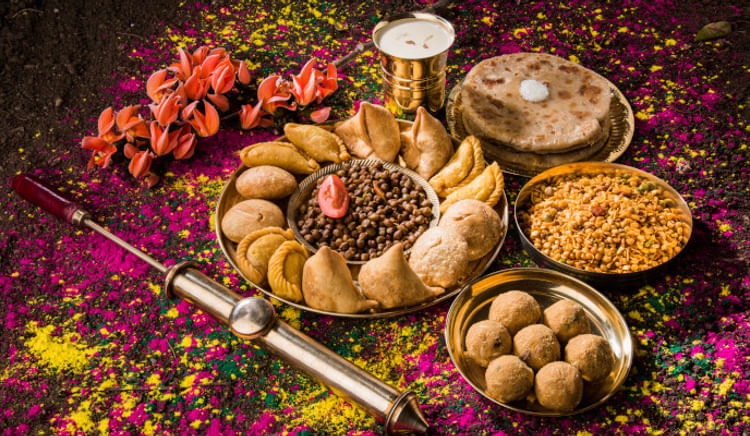
Where to Eat in Pushkar
Honey & Spice: Rooftop cafe with excellent lake views and Holi-special menu. Their organic colour packages, combined with breakfast buffets, are popular. Expect to pay ₹800-1,200 for Holi packages. Reservations essential.
The Laughing Buddha Cafe: International menu meets Indian classics. Known for peaceful ambience and responsible Holi celebrations. Their rooftop offers sanctuary if you need a break from street celebrations. Good vegetarian pasta and pizza alongside Indian dishes.
Out of the Blue: Lakeside location with healthy food options. Their post-Holi recovery menu includes fresh juices, smoothies, and light meals. Popular for breakfast with lake views. Try their masala chai and fresh fruit plates.
Sunset Cafe: True to its name, offers spectacular sunset views over the lake. Good mix of Israeli, Italian, and Indian cuisine. Their falafel and hummus are excellent. During Holi, they organise measured celebrations—you can participate or observe from the terrace.
Local Sweet Shops: Don't miss the traditional mithai shops in the main bazaar. Try freshly made gujiyas (₹20-30 each), various burfi varieties, and special Holi sweets. These shops have been serving Pushkar for generations. The quality is exceptional, and prices are reasonable.
Shri Venkatesh Restaurant: Popular with locals, offering authentic Rajasthani thalis (platter meals). During Holi, they prepare special festival thalis featuring seasonal dishes. Very affordable (₹150-250 for unlimited thali) and authentic.
Photography: Capturing Pushkar Holi
Equipment Protection
Colours and water can destroy camera equipment. Protect your gear adequately:
- Use waterproof covers or large zip-lock bags with an opening for the lens
- Bring multiple lens cleaning cloths and keep them sealed in plastic bags
- Consider using an action camera (GoPro or similar) for colour play moments—they're waterproof and durable
- Smartphone photography might be safer during peak celebrations—many modern phones are water-resistant
- Bring extra memory cards—you'll take more photos than expected
- Silica gel packets in your camera bag absorb moisture
Consider designating one device for "safe" photography (early morning, evening) and another for intense celebration moments. A cheap waterproof case for your phone costs ₹500-1,000 and could save a ₹50,000+ device.
Best Photo Opportunities
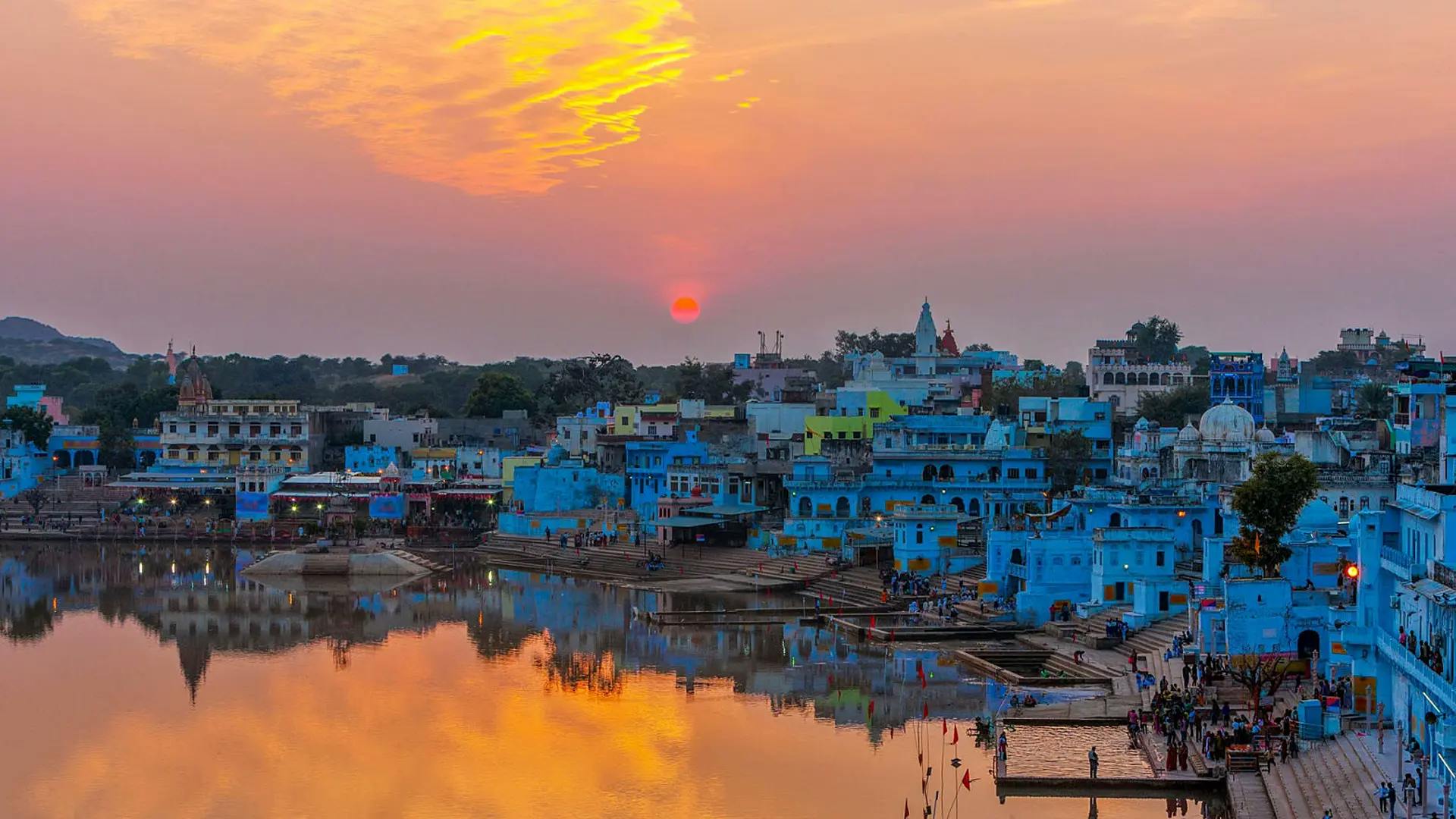
Dawn at the Ghats (5:30-7:30 AM): Golden hour light on the lake with early devotees. Minimal crowds, maximum serenity. The reflection of temples in still water, devotees performing rituals, and soft morning colours create ethereal images.
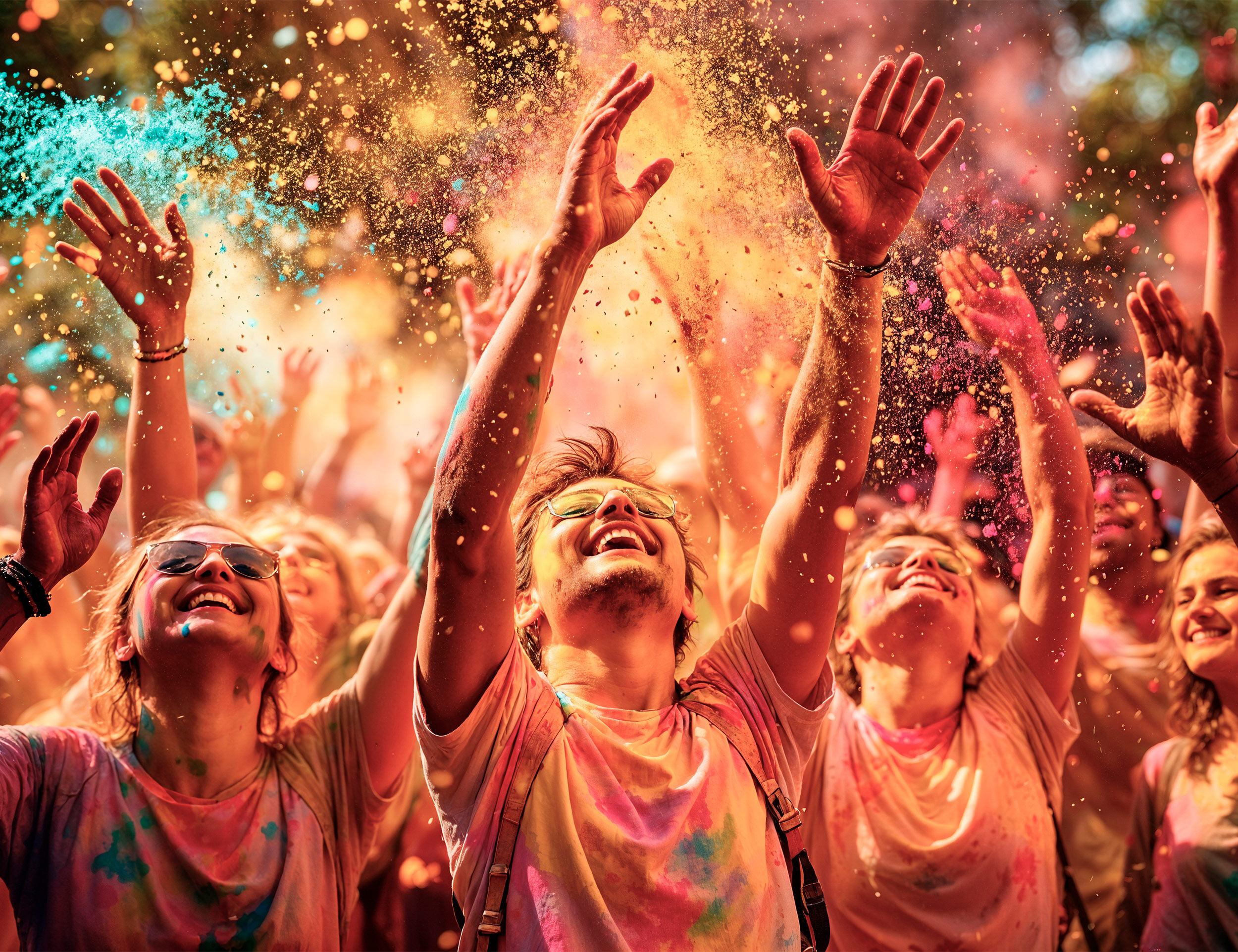
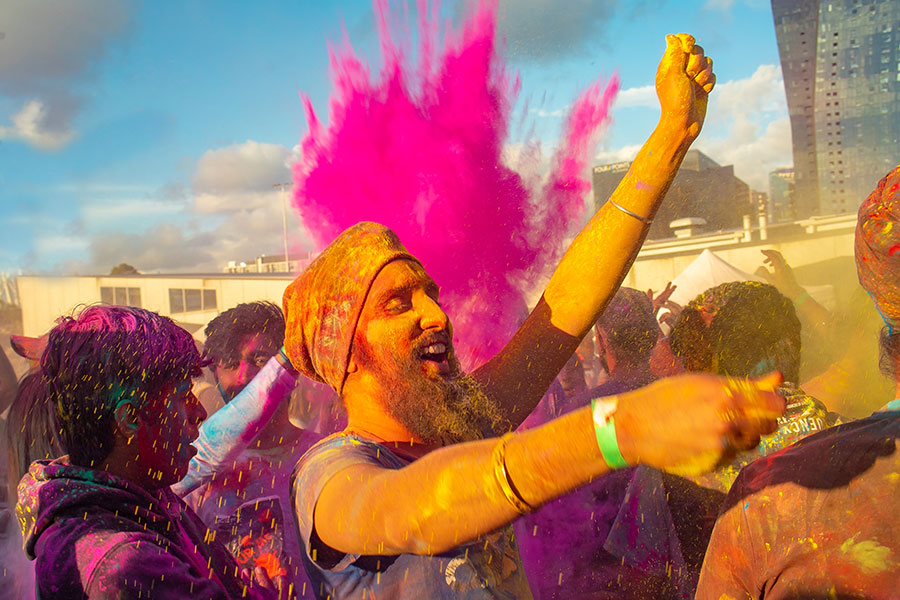
Colour Bursts (11 AM-2 PM): Mid-morning captures peak vibrancy. Use fast shutter speeds (1/1000s or faster) to freeze colour powder in mid-air. Burst mode helps catch perfect moments. Backlit colour throws create spectacular effects.
Portraits (6-8 PM): Evening provides beautiful light for portraits of colourful faces. The golden hour light makes colored skin tones glow. Always ask permission before photographing people closely.
Architectural Details: Colored handprints and splashes on white temple walls and building facades create abstract art. These look stunning in close-up and remain for days after Holi, so don't feel rushed.
Aerial Perspectives: If staying at a rooftop accommodation, capture the colored crowds moving through narrow streets below. The patterns created by people, colours, and architecture are fascinating from above.
Candid Moments: Some of the best shots are unposed—children's delighted faces, friends embracing, elderly people smiling despite colour coverage, spontaneous dancing.
Ethical Photography
Photography ethics matter, especially in sacred spaces. Never photograph inside temples without explicit permission from priests or officials. Even outside, be mindful during ritual moments.
Avoid photographing people in vulnerable moments or during ritual baths. If someone declines to be photographed, respect their wishes immediately without argument or persuasion.
Sadhus (holy men) often expect payment for photographs—₹20-50 is customary if you agree beforehand. Be clear about terms before clicking. Some sadhus pose professionally and expect higher fees (₹100-200).
Women travellers should be particularly respectful when photographing local women, who may be uncomfortable with male photographers. Ask permission from the woman herself, not male family members.
Golden rule: If you're unsure whether photography is appropriate, ask first or refrain. The moment of human connection when requesting permission often leads to better photos than sneaky shots ever would.
Solo Travelers: Special Considerations
Pushkar attracts solo travellers from around the world, creating a naturally social environment where making connections is easy. However, specific considerations apply:
For Solo Women
Pushkar is generally safe and welcomes women travellers. Many women travel here solo without issues. However, Holi's uninhibited atmosphere requires extra awareness.
Stick to established celebration zones. The main ghats, popular cafes, and guesthouse parties are well-monitored and generally respectful. Avoid wandering into isolated areas or unfamiliar neighbourhoods during peak celebrations.
Many women travellers prefer guesthouse parties over street celebrations for more controlled environments. These venues typically have staff monitoring behaviour and intervening if anyone crosses boundaries.
Join group celebrations organised by hostels or cafes. Moustache Hostel, Pushkar Palace, and many others organise group Holi events where solo travellers can participate safely together.
Unwanted touching can occur in crowded celebrations, as it can during any crowded festival worldwide. A firm "No" in Hindi ("Nahi!") or English usually suffices. Don't hesitate to seek help from cafe owners, guesthouse staff, or other travellers if anyone makes you uncomfortable.
Consider celebrating in a small group formed with other solo travellers you meet beforehand. Many cafes become meeting points where solo travellers connect in the days before Holi.

For Solo Men
Solo male travellers generally find Pushkar very accommodating. The hostels and cafes make meeting other travellers effortless.
Be respectful in your interactions, especially with local women and children. Consent matters when applying colours—always ask before approaching someone.
The international traveller community in Pushkar is large enough that you'll easily find celebration companions if desired, yet intimate enough that it doesn't feel anonymous or impersonal.
Making Connections
Pushkar's cafe culture makes meeting people remarkably easy. Coffee shops and rooftop restaurants fill with travellers in the days before Holi, creating natural opportunities for conversation.
Common conversation starters: "Is this your first Holi?" "Where are you celebrating tomorrow?" "Have you found good organic colours?"
Join yoga classes—many studios operate year-round and attract like-minded travellers. Participating in group meditation or kirtan (devotional singing) sessions creates natural connections based on shared interests.
Attend Holika Dahan together. Many solo travellers form groups to witness the bonfire ceremony, then continue celebrating together the next day.
Many lifelong friendships begin in Pushkar. The combination of shared festival experience, spiritual setting, and international mix creates strong bonds quickly.
Cultural Etiquette: Respecting the Sacred
Temple Protocol
Remove shoes before entering any temple—no exceptions. Most temples have shoe storage areas (sometimes with small fees, ₹5-10).
Dress modestly—cover shoulders and knees. This applies to all genders. Tank tops, shorts, and short skirts are inappropriate for temple visits.
Photography rules vary by temple. The Brahma Temple prohibits photography inside. When in doubt, ask temple staff or observe what others are doing.
The Brahma Temple prohibits entry for those wearing any leather items, including belts, shoes, watch straps, and bags. Plan accordingly—leave leather items at your accommodation or wear alternatives.
Women may be restricted from certain temple areas during menstruation. While changing, these traditional rules still apply at many temples.
Move clockwise around temple sanctums during parikrama (circumambulation). Don't point your feet toward deities when sitting.
The Lake's Sanctity
Never throw colours into Pushkar Lake. The lake's purity is central to Pushkar's spiritual identity and environmental health.
Respect barriers and signs around the ghats. Some areas may be restricted during religious ceremonies.
Don't enter the lake during Holi with colours on your body. If taking a ritual bath, do so before colour play begins.
Littering around the lake is particularly offensive. Dispose of colour packets, water bottles, and waste properly.
Vegetarian Town
Pushkar is strictly vegetarian. Don't search for meat, fish, or eggs—you won't find them legally available. Even eggs are considered non-vegetarian here.
Embrace the opportunity to explore India's incredible vegetarian cuisine. Pushkar's limitations become culinary adventures.
Alcohol Prohibition
Alcohol is officially prohibited in Pushkar. Some establishments discreetly serve beer in coffee cups or closed containers, but this is technically illegal.
If you choose to drink, be extremely discreet and respectful. Public intoxication or loud behaviour will offend locals and potentially result in problems with authorities.
Many travellers find that celebrating Holi sober in this spiritual setting provides a different, often more meaningful, experience than alcohol-fueled celebrations elsewhere.
Appropriate Behavior
Avoid PDA (public displays of affection) near temples and ghats. What might be acceptable elsewhere can offend in sacred spaces. Hand-holding is generally fine; kissing and embracing are not.
Dress modestly when not celebrating Holi. Pushkar attracts many religious pilgrims who may find revealing clothing disrespectful.
Loud, aggressive behaviour clashes with Pushkar's spiritual atmosphere. Even during Holi's exuberance, maintain a level of respect.
Health and Safety Essentials
Pre-Festival Preparation
Apply thick moisturiser or coconut oil liberally to all exposed skin and hair before celebrations. This barrier makes colour removal significantly easier and protects skin from chemical colours.
The application process: Use coconut oil on hair (really saturate it), then apply moisturiser or more oil to face, neck, arms, and any exposed skin. Don't be stingy—use more than seems necessary.
Trim nails short—colours accumulate underneath and are difficult to remove. Long nails will stay colored for days.
Remove all jewellery that could get lost, damaged, or cause skin discolouration when combined with colours. This includes earrings, necklaces, rings, and watches.
Consider wearing old sunglasses or protective eyewear throughout celebrations—crucial for eye protection.
During Celebrations
Stay hydrated constantly. Rajasthan's desert climate, combined with physical activity and March heat, can cause dehydration quickly. Carry a water bottle and drink regularly, even if you don't feel thirsty.
Signs of dehydration: headache, dizziness, dark urine, and extreme fatigue. If experienced, retreat to shade, drink water with electrolytes, and rest.
Protect your eyes vigilantly. Sunglasses aren't just fashionable—they prevent colour powder from entering eyes, which can cause serious irritation and potential damage.
If colours do get in the eyes despite precautions, rinse immediately with clean water. Don't rub—this grinds particles deeper. If irritation persists, seek medical attention.
Watch your alcohol intake carefully. Heat, crowds, and celebration intensity amplify alcohol's effects. Dehydration combined with alcohol can lead to heat exhaustion or heatstroke.
Eat regularly. The excitement can make you forget to eat, but maintaining energy with regular snacks or meals prevents fatigue and maintains hydration.
Post-Festival Care
Oil-based makeup removers work excellently for stubborn colours. Baby oil, coconut oil, or specialised colour removers are effective. Apply, let sit briefly, then wipe away colours before showering.
Don't scrub aggressively—this irritates skin. Gentle, repeated applications of oil work better than harsh scrubbing.
Moisturise heavily for several days after Holi. Colours and sun exposure dry skin significantly. Use a quality moisturiser or natural oils like coconut, almond, or olive oil.
If skin irritation develops, aloe vera gel soothes effectively. Apply pure aloe (many shops in Pushkar sell it fresh) several times daily.
Serious reactions require medical attention. Pushkar has several clinics and a civil hospital. Most guesthouse owners can direct you to medical care if needed.
Hair care: Colours can dry and damage hair. Use deep conditioning treatments in the days following Holi. Coconut oil or dedicated hair masks help restore moisture.
Beyond Holi: Exploring Pushkar
Spiritual Experiences
Pushkar offers numerous spiritual opportunities beyond Holi celebrations:
Evening Aarti: Attend evening aarti ceremonies at various ghats—each has its own schedule and atmosphere. Brahma Ghat hosts a particularly beautiful ceremony around sunset daily. The combination of temple bells, devotional songs, and lamp offerings creates moving experiences.
Temple Visits: Beyond the famous Brahma Temple, Pushkar has numerous other temples worth visiting. The Gayatri Temple and Savitri Temple, perched on hilltops, provide panoramic desert views and peaceful meditation spots. The climb takes 45-60 minutes but is rewarded with spectacular vistas.
Meditation and Yoga: Many ashrams offer short meditation courses or drop-in sessions. The Brahma Kumaris meditation centre welcomes visitors for morning meditation sessions (usually 6-7 AM). Several yoga studios offer drop-in classes (₹300-500 per class).
Spiritual Talks: Some ashrams and centres host spiritual talks and satsangs (devotional gatherings) open to visitors. These provide insights into Hindu philosophy and practices.
Adventure Activities
The Aravalli hills surrounding Pushkar offer trekking opportunities beyond temple climbs:
Sunrise Treks: Guided treks to viewpoints start around 5 AM, reaching peaks in time for sunrise over the desert. The changing colours of dawn over Pushkar Lake from these vantage points are unforgettable.
Camel Safaris: Desert experiences ranging from one-hour sunset rides (₹500-800) to multi-day camping expeditions. Half-day safaris (₹1,500-2,500) typically include village visits and tea with local families. Full-day and overnight safaris offer deeper desert immersion.
Hot Air Ballooning: Weather permitting, hot air balloon rides offer bird's-eye views of Pushkar and the surrounding desert. These require booking and cost ₹8,000-12,000 per person for 45-60 minute flights. Early morning flights provide the best conditions and photography opportunities.
Desert Camping: Several operators offer overnight desert camping experiences with cultural programs, traditional Rajasthani meals, and stargazing. These typically cost ₹2,500-5,000 per person.
Shopping
Pushkar's bazaars overflow with Rajasthani handicrafts, textiles, jewellery, and spiritual items:
Textiles: Colourful fabrics, embroidered clothing, block-printed bedspreads, and traditional Rajasthani garments. The quality varies dramatically—inspect carefully before purchasing.
Jewellery: Silver jewellery, semi-precious stones, and traditional Rajasthani designs. Many shops allow you to watch craftsmen working. Ensure silver is genuine (925 stamp) before paying premium prices.
Miniature Paintings: Traditional Rajasthani art form. Quality varies from mass-produced prints to genuine hand-painted pieces. Visit workshops to see artists working and understand the process.
Spiritual Items: Prayer beads, incense, statues, singing bowls, and other meditation tools. Pushkar specialises in these items due to their pilgrimage significance.
Musical Instruments: Sitar, tablas, and other traditional instruments. Even decorative pieces make unique souvenirs.
Bargaining: Expected and part of the experience. Start at 40-50% of quoted prices and negotiate upward. Don't be offended by initial high quotes—it's standard practice. If you reach an impasse, walking away often brings sellers to acceptable prices.
Shopping Timing: Avoid shopping during peak Holi hours (March 4th, 10 AM-3 PM) when most shops close for celebrations. Best shopping is March 2-3 or March 5-7.
Wellness
Pushkar's numerous yoga studios and spas provide post-Holi recovery opportunities:
Ayurvedic Massages: Traditional oil massages help relax muscles after festival exertion and restore skin after colour exposure. Sessions typically cost ₹1,000-2,500 depending on duration and treatment type.
Yoga Classes: Multiple studios offer daily classes in various styles—Hatha, Vinyasa, Ashtanga. Drop-in classes cost ₹300-500. Some studios offer multi-day packages with accommodation.
Spa Treatments: Many hotels and standalone spas offer facials, body scrubs, and other treatments. Post-Holi "colour removal and skin rejuvenation" packages are sometimes available.
Sound Healing: Some centres offer sound bath sessions using singing bowls and gongs. These meditation experiences are increasingly popular.
Sustainable and Responsible Tourism
Environmental Impact
Minimise plastic use rigorously. Carry a reusable water bottle—many cafes refill bottles for free or nominal charges (₹10-20). Bring reusable shopping bags for market purchases.
Choose accommodations committed to sustainability. Several eco-conscious properties in Pushkar use solar power, rainwater harvesting, and waste management systems. Ask about environmental practices when booking.
Participate in or support cleanup initiatives. Some organisations organise post-Holi cleanup drives around the lake. Participating for even an hour makes a tangible difference.
Supporting Local Economy
Buy directly from local artisans rather than middlemen when possible. Visit workshops where craftspeople create their products—you'll get better prices and ensure more money reaches creators.
Eat at family-run restaurants. While international cafes are convenient and comfortable, local establishments offer authentic food and support local families directly.
Hire local guides for treks, camel safaris, and tours rather than booking through distant online platforms. This keeps money in the community.
Cultural Preservation
Learn basic Hindi phrases. Efforts to speak the local language, however imperfect, show respect and create warmer interactions:
- "Namaste" (Hello) - NAH-mah-stay
- "Dhanyavaad" (Thank you) - DAHN-yah-vahd
- "Kitna hai?" (How much?) - KIT-nah hey
- "Bahut sunder" (Very beautiful) - bah-HOOT sun-DER
Participate in cultural exchange respectfully. Share aspects of your culture when appropriate, but avoid assuming superiority of any particular worldview or lifestyle.
Respect photography boundaries. Pushkar's residents aren't museum exhibits. Treat people with dignity and always ask permission for portraits.
Practical Logistics
Money Matters
Pushkar has limited ATMs (3-4 in town), and they often run out of cash during festivals. Withdraw sufficient cash in Ajmer before arriving, or in Jaipur if flying in. Have backup plans for accessing money.
Carry small denominations constantly—₹10, ₹20, ₹50, and ₹100 notes are most useful for small purchases. Breaking ₹500 or ₹2,000 notes for small transactions can be difficult.
Budget approximately ₹2,000-3,000 per day for comfortable mid-range travel, including accommodation, food, and activities. This assumes accommodation is pre-booked. Budget travellers can manage on ₹1,000-1,500 daily; luxury travellers should budget ₹5,000+.
Many small establishments don't accept cards. Even those with card machines sometimes claim they're broken (cash is preferred). Carry sufficient cash for your entire stay plus an emergency buffer.
Connectivity
Internet connectivity can be unreliable, especially during peak festival times when networks become congested. Download offline maps (Google Maps allows this), important documents, accommodation confirmations, and entertainment before Holi begins.
WhatsApp works relatively reliably even when the general internet is slow. Share your WhatsApp number with new friends for easy communication.
Indian SIM cards work well throughout Pushkar. Airtel and Jio offer the best coverage. Purchase SIMs in major cities before arriving—the process requires a passport, visa copies, and passport-sized photos. Activation takes 24-48 hours, so arrange in advance.
Wi-Fi is available at most cafes and guesthouses, but speeds vary dramatically. Don't rely on it for video calls or large uploads.
Transportation Within Town
Pushkar is compact and entirely walkable. Most locations sit within 15-20 minutes walking distance. The main market area and ghat paths prohibit vehicles, making walking the primary and most pleasant mode of transport.
The town is small enough that getting lost is difficult and part of the charm. Narrow lanes and unexpected corners create discovery opportunities.
Auto-rickshaws are available for trips to the outskirts (temples on hills, resorts outside town) or if you have heavy luggage. Agree on fares before starting—₹50-100 covers most in-town trips; ₹150-200 for outer areas.
Bicycle rentals (₹100-200 per day) offer pleasant ways to explore, though not during Holi celebrations when streets become too crowded.
Making Your Pushkar Holi Meaningful
Beyond the vibrant colours and exuberant celebrations, Pushkar Holi offers opportunities for personal transformation and cultural understanding:
Take time for quiet reflection amid the chaos. Watch sunrise over the lake before celebrations begin on March 4th. The pre-celebration quiet provides a beautiful contrast to the coming intensity.
Observe how locals balance spiritual devotion with joyous celebration. This integration of sacred and playful offers insights into Hindu philosophy and Indian culture.
Notice how strangers become friends over shared laughter and colours. Holi's spirit of equality—where social barriers dissolve in colored powder—offers rare glimpses of humanity's better nature.
Connect with people from different backgrounds. The international mix in Pushkar creates opportunities to share perspectives with fellow travellers while experiencing authentic Indian hospitality.
Document your experience through journaling, photography, or simply being present. Sometimes the best moments happen when cameras are away, and you're fully present.
Participate in the morning prayers or evening aartis. Even if you're not Hindu, witnessing these devotional practices deepens understanding of the festival's spiritual roots.
Final Preparations Checklist
Three Months Before (Early December 2025):
- Book accommodation for March 2-6 (or your chosen dates)
- Research flight/train options to Jaipur or Delhi
- Check visa requirements if travelling internationally
- Join Pushkar travel groups on social media for current information
One Month Before (Early February 2026):
- Confirm accommodation booking
- Book transportation (flights, trains, or buses)
- Research specific events and parties happening in Pushkar
- Pack old white clothes designated for Holi
- Read about Holi's cultural significance
One Week Before (Late February 2026):
- Confirm all bookings (accommodation, transport)
- Prepare an emergency contacts list
- Download offline maps of Pushkar and Ajmer
- Inform family/friends of travel plans and accommodation details
- Check the weather forecast and pack accordingly
- Prepare photocopies of passport/visa/important documents
Day Before Holi (March 3, 2026):
- Buy organic colours from local shops
- Apply protective coconut oil to hair and skin before sleeping
- Secure all valuables in the guesthouse safe or locked luggage
- Charge all devices fully (power may be unreliable during the festival)
- Review your accommodation's specific Holi guidelines and timing
- Attend the Holika Dahan ceremony in the evening
- Get adequate rest—you'll need energy for the next day!
Morning of Holi (March 4, 2026):
- Wake early if interested in pre-celebration prayers
- Apply oil/moisturiser protection thoroughly
- Dress in white clothes you don't mind losing
- Carry only essentials (minimal cash, no valuables)
- Keep the camera/phone in waterproof protection
- Stay hydrated from the start
- Embrace the experience!
)
Your Pushkar Holi Awaits
Pushkar Holi isn't just an event on a calendar—it's a doorway into India's soul. The sacred lake, ancient temples, desert landscape, and welcoming community create a setting where celebration and spirituality dance together in perfect harmony.
Whether you seek spiritual growth, cultural immersion, photographic opportunities, or simply the joy of India's most colourful festival, Pushkar delivers. The town's unique character—small enough to feel intimate, sacred enough to inspire reverence, welcoming enough to embrace strangers—makes it an ideal Holi destination.
The 2026 dates (March 3-4) falling midweek offer unique advantages: potentially smaller crowds than weekend celebrations elsewhere, more authentic local experiences, and the opportunity to extend your stay across two weekends for thorough exploration of Pushkar and Rajasthan.
Approach with an open heart, respect for tradition, and willingness to embrace the unexpected. Let the colours wash away your reservations and inhibitions. Dance without self-consciousness. Make friends with strangers from across the globe and across the street. Allow yourself to be transformed by this ancient festival in this timeless town.
Pushkar Holi 2026 awaits. The colours, the music, the laughter, and the magic are already preparing for your arrival. The sacred lake reflects infinite possibilities. The temples stand ready to witness your joy. The local families prepare to welcome you into their celebrations.
All that remains is for you to take the first step on this extraordinary journey.
Bura na mano, Holi hai! (Don't mind, it's Holi!)
May your celebration be as vibrant as the desert sunset, as meaningful as the sacred prayers, and as memorable as the stories you'll carry home and share for years to come.
Table Of Content
- Pushkar Holi Festival 2026: Everything You Need to Know (March 3-4 Guide)
- Pushkar Holi 2026: A Complete Guide to Celebrating India's Most Vibrant Festival in the Sacred City
- Pushkar Holi 2026 from Delhi: Best Packages, Dates & Guide
- Pushkar Holi 2026 from Ahmedabad: Packages, Dates & Travel Guide
- Pushkar Holi 2026 from Jaipur: Ultimate Day Trip & Weekend Getaway Guide
- Pushkar Holi 2026: Dates, Itinerary & Complete Celebration Guide
- Pushkar Holi Party 2026: Your Complete Guide to the Best Celebrations, Venues & Insider Tips
- Pushkar Holi Festival – A Once-in-a-Lifetime Celebration
- Celebrate Holi in Style: Luxury Pushkar Packages Await
- Pushkar Holi Festival 2026 – Celebrate Colours, Culture & Festivities


