
Pushkar Holi 2026: A Complete Guide to Celebrating India's Most Vibrant Festival in the Sacred City
Published on February 06, 2026 | Updated on August 28, 2026
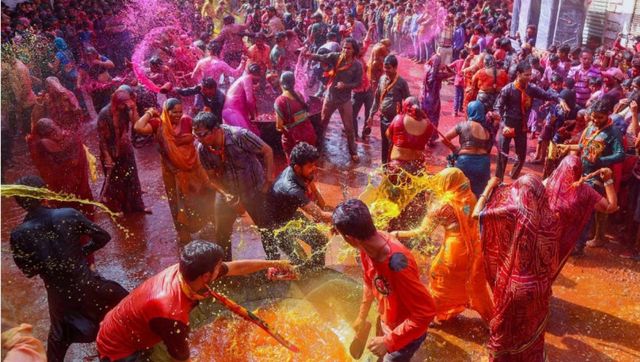
Pushkar transforms into a kaleidoscope of colours during Holi, offering one of India's most authentic and spiritual festival experiences. Nestled around the sacred Pushkar Lake in Rajasthan, this small desert town becomes the epicentre of joy, music, and tradition during the festival of colours.
Having witnessed Holi celebrations across India, I can confidently say that Pushkar offers something uniquely magical. The combination of spiritual significance, Rajasthani culture, and the intimate setting of this lakeside town creates an atmosphere unlike anywhere else.
When is Pushkar Holi 2026?
Holi in 2026 will be celebrated on Wednesday, March 4th, with Holika Dahan (bonfire ceremony) taking place on the evening of Tuesday, March 3rd. Pushkar's celebrations typically extend beyond the main day, with festivities starting a day or two earlier and continuing into the following days.
Since Holi falls midweek this year, many travellers plan extended trips to include the weekend before (February 28-March 1) or after the festival, making it easier to explore Pushkar and nearby areas without rushing.
The town experiences peak tourist season during this time, so planning is essential for accommodation and travel arrangements.
Explore our Pushkar Holi Tour Package 2026
Download the detailed Pushkar Holi 2026 itinerary
)
Why Celebrate Holi in Pushkar?
Spiritual Significance
Pushkar is one of Hinduism's holiest cities, home to the rare Brahma Temple. Celebrating Holi here adds a spiritual dimension to the festivities. The festival takes on deeper meaning as devotees combine colour play with temple visits and prayers at the sacred ghats.
Authentic Rajasthani Experience
Unlike commercialised celebrations in major cities, Pushkar retains its traditional character. You'll witness local customs, folk music performances, and traditional Rajasthani hospitality that make the experience genuinely immersive.
Intimate Setting
Pushkar's compact size means you can easily walk between celebration spots. The town's 52 ghats around the lake become natural gathering points, creating intimate celebration zones rather than overwhelming crowds.
International Community
The town's long-standing popularity with international travellers creates a unique blend of cultures. You'll find both traditional Indian celebrations and welcoming spaces for travellers from around the world.
What to Expect During Pushkar Holi
The Holika Dahan Ceremony
The evening before Holi (March 3rd), bonfires are lit across Pushkar to commemorate the legend of Holika and Prahlad. The largest bonfire typically occurs near the Brahma Temple area. Locals gather to perform rituals, sing devotional songs, and seek blessings for the year ahead.
This ceremony usually begins around 6-7 PM and continues late into the evening. The atmosphere is deeply spiritual, with families bringing their children to witness the triumph of good over evil symbolised by the burning effigy of Holika.
Main Day Celebrations
The celebrations begin early on March 4th, around sunrise. Here's what typically unfolds:
- Morning (6 AM - 10 AM): Devotees start with temple visits and prayers. The first colours are applied gently with traditional gulal (colored powder), accompanied by wishes of "Holi hai!" (It's Holi!).
- Mid-Morning to Afternoon (10 AM - 3 PM): The celebrations intensify around the ghats and main market areas. Expect music, dancing, and enthusiastic colour throwing. Many cafes and guesthouses host private Holi parties with organic colours.
- Evening (4 PM onwards): After cleaning up, people dress in fresh clothes and visit friends and family. Traditional sweets like gujiya and thandai are shared. Several venues host evening music performances featuring folk artists.
The Colour Play
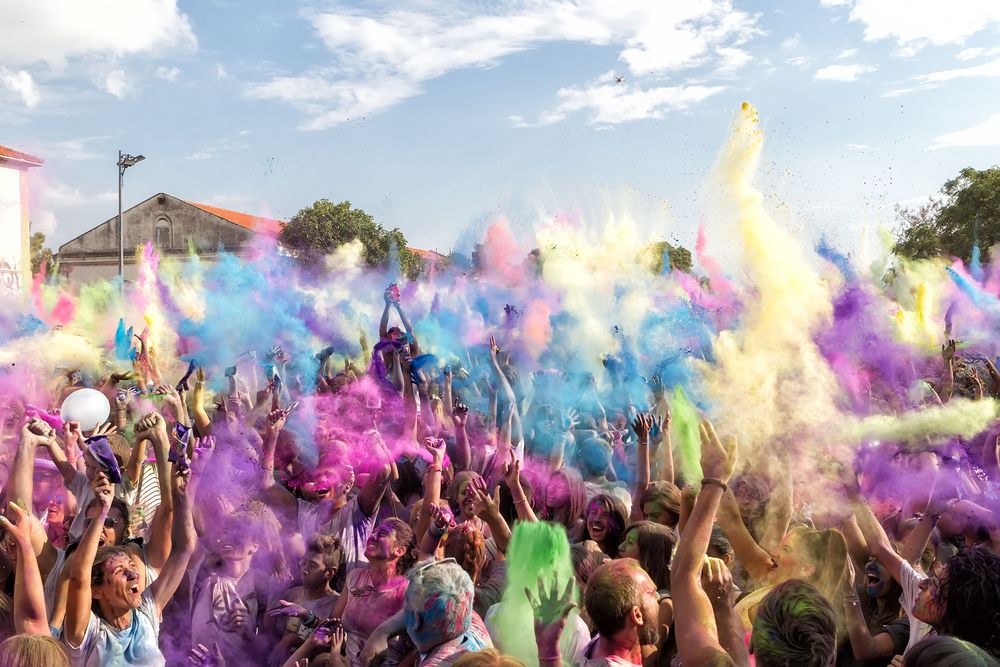
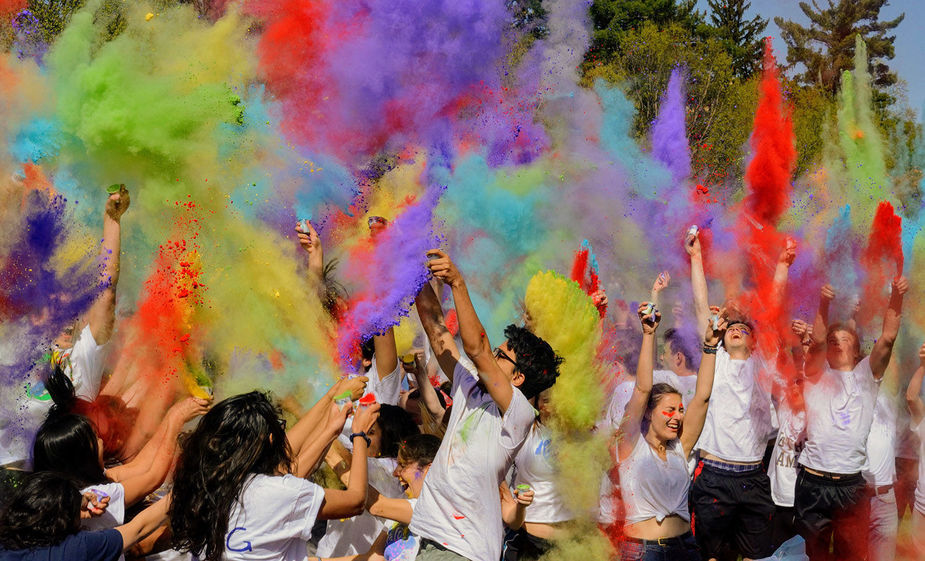
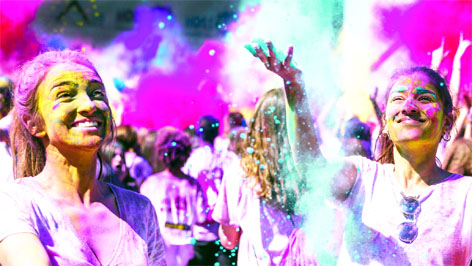
Colours flow freely in Pushkar, but the atmosphere generally remains respectful compared to rowdier celebrations elsewhere. The use of water is somewhat limited due to the desert setting and the sacredness of the lake water.
Most establishments and conscious travellers prefer using organic, natural colours made from flowers and herbs rather than synthetic ones, which is better for both skin and the environment.
Best Places to Celebrate in Pushkar
The Ghats
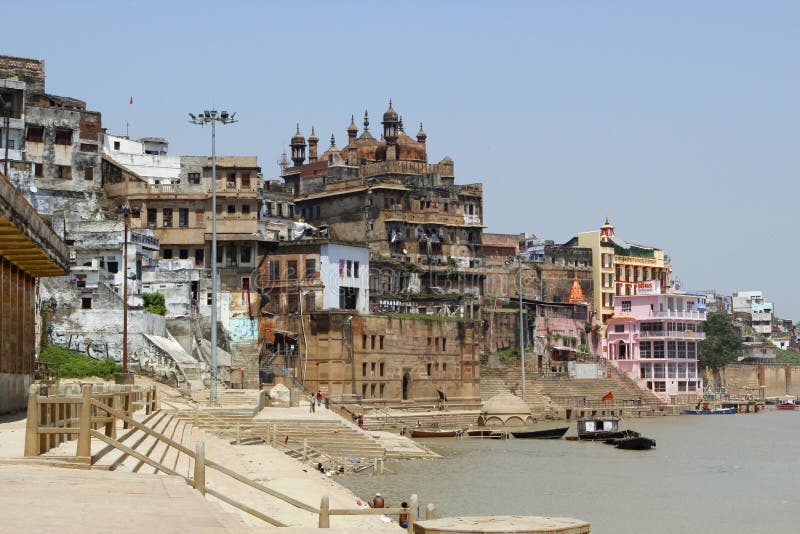
The 52 ghats surrounding Pushkar Lake become primary celebration spots. Brahma Ghat, Gau Ghat, and Varaha Ghat see particularly vibrant celebrations. The lake provides a stunning backdrop as colored powder fills the air.
Each ghat has its own character. Brahma Ghat attracts more tourists and tends to be livelier, while some of the smaller ghats offer more intimate, local experiences.
Main Bazaar Area
The narrow lanes of the main market buzz with energy. Street celebrations here are spontaneous and joyful, though they can get crowded. This area is perfect for experiencing the local community's celebrations.
The market area typically sees celebrations peak between 11 AM and 2 PM, when the energy is at its highest, and the streets become rivers of colour.
Cafes and Guesthouses
Many rooftop cafes and guesthouses organise private Holi parties. These controlled environments offer a comfortable option for those who prefer a more relaxed celebration. Popular spots include The Laughing Buddha, Honey & Spice, and various rooftop cafes overlooking the lake.
These venues often charge entry fees (₹500-1,500) that include organic colours, breakfast, and sometimes thandai. It's worth booking in advance as spaces fill quickly.
Temple Surroundings
The area around the Brahma Temple witnesses traditional celebrations with devotional music and controlled colour play. This is ideal for those seeking a more spiritual Holi experience.
The temple courtyard and surrounding lanes become gathering points for families and devotees who want to celebrate in a more traditional, reverent manner.
Practical Tips for Celebrating Holi in Pushkar
Accommodation
Book your accommodation at least two to three months in advance. Prices increase significantly during Holi, and quality options fill up quickly. Consider staying in guesthouses near the ghats for easy access to celebrations while having a retreat space.
Since Holi falls midweek this year, some travellers arrive on the preceding weekend (February 28-March 1) and stay through the festival, while others come for the festival and extend into the following weekend. Plan your dates based on your work schedule and how much time you want in Pushkar beyond the festival itself.
Expect accommodation prices to be 2-3 times higher than normal rates during the festival period. Budget guesthouses that normally cost ₹800-1,200 per night may charge ₹2,000-3,000 during Holi.
What to Wear
Wear old, white clothes that you don't mind getting permanently stained. White shows colours beautifully in photos. Avoid wearing contact lenses as colored powder can irritate the eyes. Sunglasses provide good protection.
Apply coconut oil or moisturiser generously to your skin and hair before stepping out. This creates a barrier that makes colour removal easier later.
Many travellers bring dedicated "Holi clothes" that they plan to discard afterwards. Cotton clothing works best as it's breathable in the heat and absorbs colours well.
Safety Considerations
While Pushkar is generally safe, remain mindful during celebrations. Avoid isolated areas, particularly if you're a solo traveller. Women travellers should stick to group celebrations or trusted establishments.
Only use organic, natural colours to protect your skin. Avoid synthetic colours containing harmful chemicals. Most reputable shops and guesthouses sell or provide natural colours.
Protect your valuables. Leave expensive jewellery, watches, and electronics at your accommodation. Carry minimal cash in a waterproof pouch. Consider leaving your passport and important documents in your guesthouse's safe or locker.
Respecting Local Culture
Pushkar is a sacred city with specific customs. The entire town is vegetarian, and alcohol is officially prohibited. During Holi, while celebrations are joyful, they remain relatively respectful compared to some other destinations.
Always ask permission before applying colour to strangers, especially elders and those not actively participating. Not everyone celebrates, and consent is important.
Photography is welcome, but ask permission before taking close-up portraits. Many sadhus and locals appreciate a courteous request. Some may expect a small payment (₹20-50) for posed photos.
Getting There
Pushkar is approximately 15 kilometres from Ajmer, the nearest major railway station. From Ajmer, taxis and buses regularly run to Pushkar, taking about 30-45 minutes. The nearest airport is in Jaipur, about 150 kilometres away.
During Holi season, arrange transportation in advance as demand surges. Many travellers opt for private taxis from Jaipur or Delhi for more convenience.
Travel tip for 2026: Since Holi falls on a Wednesday, consider arriving by Monday evening (March 2nd) to experience the pre-festival atmosphere and Holika Dahan on Tuesday evening. This also helps you secure good spots and understand the town's layout before the main celebrations.
Post-Holi: Cleaning Up
Most guesthouses provide outdoor washing areas specifically for Holi cleanup. Natural colours generally wash out more easily than synthetic ones. Use oil-based removers like coconut oil before shampooing to help remove colours from hair and skin.
Some colours may take a few days to fade completely, which many consider a badge of honour and a colourful memory of the celebration. Don't be surprised if you're still finding traces of colour a week later—it's all part of the experience!
The cleanup process itself can be fun and social. Many guesthouses have communal washing areas where travellers share tips, laughter, and stories while scrubbing off the day's colours.

Beyond Holi: Exploring Pushkar
If you're extending your stay, Pushkar offers numerous experiences:
The Brahma Temple remains a must-visit for its architectural beauty and religious significance. The temple is one of the very few dedicated to Lord Brahma in the world, making it an important pilgrimage site.
The Savitri Temple, reached by a hilltop trek or cable car, offers panoramic views of the town and the surrounding desert landscape. The trek takes about 45 minutes to an hour and is best done early morning or late afternoon to avoid the desert heat.
The Pushkar Camel Fair grounds, though empty during Holi, are worth visiting. The desert landscape around Pushkar is perfect for sunset camel rides or jeep safaris. Many operators offer half-day and full-day desert experiences.
Pushkar's yoga centres and meditation spaces provide peaceful retreats after the intensity of Holi celebrations. Many travellers use this time for spiritual practices and relaxation. Several ashrams and yoga studios offer drop-in classes and meditation sessions.
Food and Festivities
Holi brings special culinary traditions. Thandai, a cold beverage made with milk, nuts, and spices, is the signature Holi drink. Some traditional versions include bhang (cannabis preparation), though many establishments in Pushkar serve non-intoxicating versions due to the town's spiritual nature.
Gujiya, a sweet dumpling filled with khoya and dry fruits, is prepared in almost every household. These labour-intensive sweets are made specifically for Holi and are shared with friends, family, and visitors.
Other traditional Holi foods include malpua (sweet pancakes), dahi bhalla (lentil dumplings in yoghurt), and various savoury snacks like samosas and kachoris.
Pushkar's cafes create special Holi menus featuring both traditional Rajasthani dishes and international cuisine. The rooftop restaurants offer perfect settings for post-celebration meals with lake views.
Many cafes offer "Holi breakfast packages" that include organic colours, traditional foods, and sometimes live music. These typically cost ₹500-1,000 per person and provide a more structured celebration experience.

Cultural Sensitivity and Responsible Tourism
As a visitor to this sacred town, practice responsible tourism. Support local businesses by purchasing organic colours from local vendors. Minimise waste by avoiding single-use plastics and synthetic colour packets.
Respect the lake's sanctity by not allowing colours to enter the water. Many environmental initiatives in Pushkar work to preserve the lake's purity, and conscious travellers can contribute to these efforts.
The lake is considered highly sacred, and polluting it is deeply offensive to locals. Keep celebrations away from the water's edge and dispose of colour packets responsibly.
Engage with local culture respectfully. Learn a few Hindi or Rajasthani phrases, understand the significance of Holi beyond the colour play, and appreciate the hospitality extended to visitors.
Some useful phrases:
- "Namaste" (Hello/Greetings)
- "Holi hai!" (It's Holi! - the traditional greeting)
- "Dhanyavaad" (Thank you)
- "Bura na mano, Holi hai" (Don't mind, it's Holi - said when applying colours)

Planning for Midweek Holi 2026
Since Holi 2026 falls on a Wednesday, planning requires extra thought:
Weekend Warriors: If you have limited time, arrive on Saturday/Sunday (March 1-2), experience Holika Dahan on Tuesday evening (March 3), celebrate Holi on Wednesday (March 4), and depart Thursday or Friday.
Extended Stay: Arrive the weekend before, enjoy several days exploring Pushkar's temples and culture, celebrate Holi midweek, and stay through the following weekend for a relaxed departure.
Work Considerations: Many travellers take the entire week off (March 2-6) to avoid rushing. This allows time for travel, acclimatisation, celebration, recovery, and exploration.
The midweek timing means smaller crowds than weekend Holi celebrations in some other cities, potentially offering a more intimate experience in Pushkar.
Final Thoughts
Celebrating Holi in Pushkar offers an experience that balances exuberant celebration with spiritual depth. The town's unique character, combining ancient traditions with warm hospitality toward travellers, creates memories that last far beyond the colored stains on your clothes.
Whether you seek spiritual connection, cultural immersion, or simply the joy of celebrating one of the world's most colourful festivals, Pushkar provides an authentic and welcoming environment. The combination of sacred surroundings, traditional customs, and the sheer joy of the festival creates an experience that captures the essence of India's vibrant cultural heritage.
The 2026 dates (March 3-4) falling midweek offer a unique opportunity—potentially fewer crowds than weekend celebrations elsewhere, but requiring more planning for work schedules and travel.
Plan, respect local traditions, embrace the chaos and colour, and allow yourself to be swept up in the magic of Pushkar Holi. It's not just a festival; it's a transformative experience that reminds us of the universal human capacity for joy, connection, and celebration.
Bura na mano, Holi hai! (Don't mind, it's Holi!)
Table Of Content
- Pushkar Holi Festival 2026: Everything You Need to Know (March 3-4 Guide)
- Pushkar Holi 2026: A Complete Guide to Celebrating India's Most Vibrant Festival in the Sacred City
- Pushkar Holi 2026 from Delhi: Best Packages, Dates & Guide
- Pushkar Holi 2026 from Ahmedabad: Packages, Dates & Travel Guide
- Pushkar Holi 2026 from Jaipur: Ultimate Day Trip & Weekend Getaway Guide
- Pushkar Holi 2026: Dates, Itinerary & Complete Celebration Guide
- Pushkar Holi Party 2026: Your Complete Guide to the Best Celebrations, Venues & Insider Tips
- Pushkar Holi Festival – A Once-in-a-Lifetime Celebration
- Celebrate Holi in Style: Luxury Pushkar Packages Await
- Pushkar Holi Festival 2026 – Celebrate Colours, Culture & Festivities


