
Rudranath Temple Trek: Complete Travel Guide
Published on March 17, 2026 | Updated on August 28, 2026
Hidden in the Garhwal Himalayas of Chamoli district, Rudranath Temple is one of the five sacred Panch Kedar shrines dedicated to Lord Shiva. Unlike pilgrimage sites that can be reached directly by road, Rudranath requires a long mountain trek through forests, alpine meadows, ridges, and remote Himalayan terrain.
Rudranath is traditionally regarded as the fourth Kedar, where the face or mukha of Lord Shiva is worshipped. For pilgrims, the journey combines devotion with a demanding Himalayan experience; for trekkers, it offers forest trails, bugyals, mountain scenery, and one of Uttarakhand's less-commercialised pilgrimage routes.
This Rudranath Temple trek guide focuses on what travelers need before visiting: where the temple is, how to reach the trekking base, what the journey is like, where to stay, what facilities to expect, and how to prepare responsibly.
Rudranath Temple Quick Facts
| Detail | Information |
|---|---|
| Location | Chamoli district, Uttarakhand |
| Religious Circuit | Panch Kedar |
| Position in Panch Kedar | Fourth Kedar |
| Deity | Lord Shiva |
| Form Worshipped | Face or Mukha of Lord Shiva |
| Main Trek Base | Sagar Village near Gopeshwar |
| Approx. Trek Distance | 20–22 km one way, depending on route measurement |
| Nearest Major Town | Gopeshwar |
| Trek Environment | Forests, bugyals, mountain ridges |
| Suitable For | Pilgrims and trekkers with appropriate fitness |
For travelers planning both Rudranath and Kalpeshwar in one journey, the Kalpeshwar Rudranath Tour Package provides an organized itinerary with transportation, accommodation, meals, and trek support.
What Is Rudranath Temple?

Rudranath is a Shiva temple located in the mountains of Chamoli, Uttarakhand. It forms part of the sacred Panch Kedar pilgrimage, along with Kedarnath, Madhyamaheshwar, Tungnath, and Kalpeshwar.
According to the Panch Kedar tradition, different forms of Lord Shiva are worshipped at these five Himalayan shrines. At Rudranath, Shiva's face is worshipped.
The temple's remote setting is a major part of the experience. Instead of arriving directly by vehicle, pilgrims walk through mountain terrain before reaching the shrine.
Travelers who want government-backed destination information can also refer to the official Chamoli District Rudranath Temple page.
Where Is Rudranath Temple Located?
Rudranath Temple is located in Chamoli district in Uttarakhand's Garhwal region.
Gopeshwar is the most useful major town for travelers approaching the standard Sagar Village trekking route. Sagar is located a short road journey from Gopeshwar and serves as one of the principal entry points for the trek.
A simple journey can be understood as:
Rishikesh → Gopeshwar → Sagar Village → Rudranath Trek → Rudranath Temple
The Chamoli District Administration currently describes the trek from Sagar to Rudranath as approximately 20 km, while Uttarakhand Tourism information describes the route at about 22 km. Actual walking distance can vary depending on the trail and stopping points used.
How to Reach Rudranath Temple

Since no road leads directly to the temple, travelers first need to reach Gopeshwar and then continue toward Sagar Village.
By Air
Jolly Grant Airport near Dehradun is the main airport used for this region.
From the airport, travelers can continue toward Rishikesh and then travel by road toward Gopeshwar.
By Train
Rishikesh is one of the main railway gateways for travelers heading toward Rudranath.
Haridwar and Dehradun can also be useful rail access points depending on the travel plan.
From the railway station, continue toward Gopeshwar by road.
By Road
Gopeshwar is connected by mountain roads with major Uttarakhand travel hubs.
Travelers coming from Rishikesh generally travel through the Garhwal region before reaching Gopeshwar. From Gopeshwar, local transport can be used to reach Sagar Village, where the trekking journey begins.
Road and travel times in the mountains can change due to traffic, weather, construction, landslides, or seasonal conditions. Keep sufficient buffer time instead of planning tight connections.
What Is the Rudranath Trek Route Like?

The commonly used Sagar approach takes trekkers through a combination of forest trails, meadows, climbs, and exposed mountain sections.
Places commonly associated with the route include:
Sagar Village → forest sections → Lwiti/Lyuti area → Panar Bugyal → Pitradhar → Rudranath Temple
The exact trail segmentation, overnight point, and walking distance can differ according to the selected itinerary and current conditions.
That is why this general Rudranath guide does not recommend relying on a fixed old GPS route or an outdated day-wise schedule.
For detailed distance, terrain, route comparison, and difficulty information, read the dedicated Rudranath and Kalpeshwar Trek Route, Distance and Difficulty Guide.
What Makes the Rudranath Trek Special?
Rudranath is more than a point-to-point mountain walk.
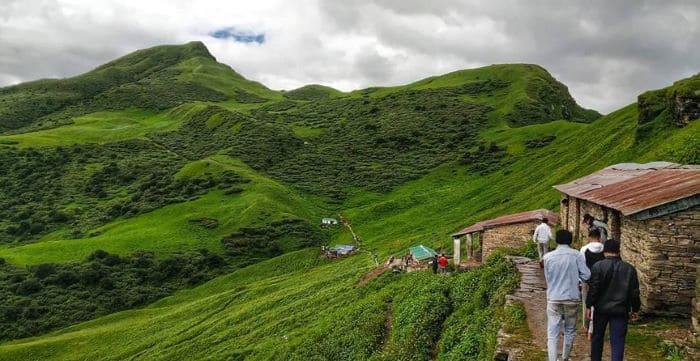
One of the most memorable parts of the journey is the changing landscape. Lower sections pass through Himalayan forests, while higher sections open into broad grasslands and mountain ridges.
Panar Bugyal
Panar is one of the best-known meadow areas associated with the Rudranath route. Open grassland and surrounding Himalayan scenery provide a major contrast to the forested lower trail.
Pitradhar
Pitradhar is an important high section of the trekking route. The terrain becomes more exposed here, making weather and visibility particularly important.
Himalayan Views
The wider Rudranath region is associated with views toward prominent Himalayan peaks including Nanda Devi and Trishul.
Remote Temple Setting
Reaching a temple after walking through remote Himalayan terrain creates a very different pilgrimage experience from visiting a road-connected shrine.

Religious Significance of Rudranath Temple
Rudranath holds an important place within the Panch Kedar pilgrimage tradition.
According to Hindu tradition, after the Mahabharata war, the Pandavas sought Lord Shiva. Shiva appeared in different forms at five locations in the Garhwal Himalayas, which became known collectively as Panch Kedar.
At Rudranath, the face of Lord Shiva is worshipped.
Sacred water bodies are also associated with the temple area. Uttarakhand Tourism identifies Surya Kund, Chandra Kund, Tara Kund, and Mana Kund among the sacred water bodies surrounding Rudranath.
Pilgrims should respect local religious customs and follow instructions given by temple authorities or priests during their visit.
How Difficult Is the Rudranath Temple Trek?
Rudranath requires significantly more walking and preparation than a simple temple visit.
Trekkers should expect:
- Long walking days
- Continuous ascents and descents
- Forest trails
- Uneven mountain paths
- Limited facilities
- Changing weather
- Remote sections with poor connectivity
However, difficulty depends on fitness, weather, backpack weight, trail conditions, experience, and the itinerary being followed.
Instead of duplicating a full difficulty analysis here, use the Rudranath and Kalpeshwar trek difficulty guide before deciding whether the trek matches your experience level.

When Should You Visit Rudranath?
Access to Rudranath is seasonal, and weather has a major influence on the trekking experience.
Spring and early summer generally offer different conditions from the monsoon and post-monsoon months, while winter can significantly affect access to the higher Himalayan region.
Because weather, temple access, and pilgrimage conditions change throughout the season, travelers should avoid relying on a one-line "best month" recommendation.
For a complete seasonal comparison, see the best time to visit Rudranath and Kalpeshwar.
Travelers planning around temple ceremonies should separately check the Rudranath and Kalpeshwar opening dates and travel updates.
Where Can You Stay During the Rudranath Trek?
Accommodation becomes increasingly basic once travelers leave the main road-connected towns.
Gopeshwar
Gopeshwar offers hotels, guesthouses, and other regular accommodation options and is a useful place to stay before moving toward the trek base.
Sagar Village
Simple local stays may be available around the trekking base. Availability can vary with season and pilgrimage traffic.
Along the Trek
Accommodation on remote sections may include basic shelters, local stays, or camps depending on the itinerary and current arrangements.
Near Rudranath Temple
Facilities near the temple are much simpler than those available in towns.
Trekkers should confirm current stay arrangements before starting rather than assuming accommodation will always be available on arrival.
Food, Water and Mobile Network

Infrastructure becomes limited as the trek moves farther from Gopeshwar and Sagar.
Food
Simple meals may be available at selected seasonal stops, but availability should not be assumed throughout the route.
Carry sufficient personal snacks or energy food.
Water
Carry reusable water bottles and confirm safe refill points with your guide or local trek operator.
Mobile Network
Mobile connectivity can become weak or unavailable along remote trail sections.
Download important information before starting and inform family or friends of your expected trekking schedule.
Cash
Carry adequate cash before leaving a major town because digital payment and ATM access should not be relied upon in remote mountain areas.
What Should You Carry for Rudranath Temple Trek?
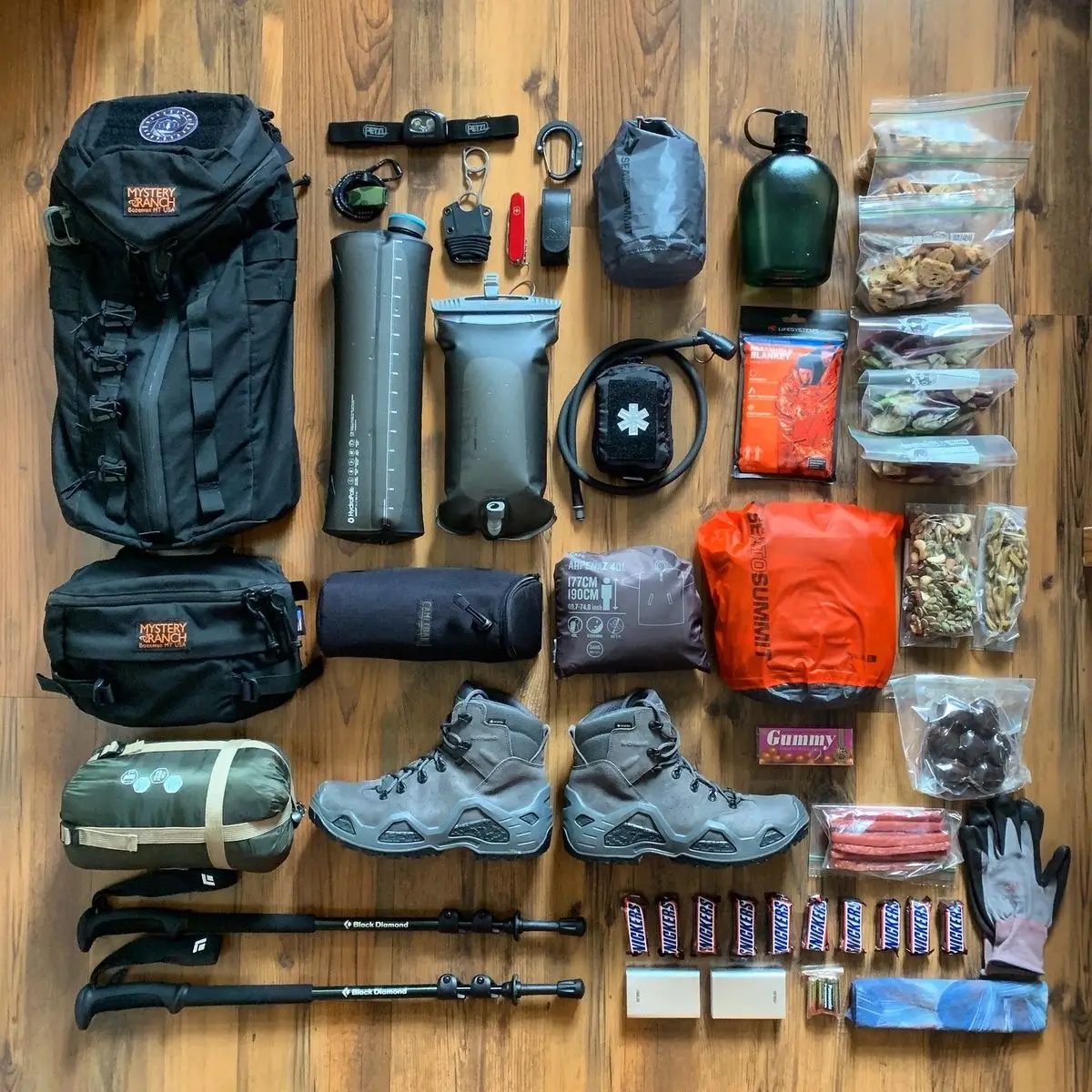
Avoid both overpacking and arriving underprepared.
Important items can include:
- Trekking shoes with reliable grip
- Comfortable trekking pants
- Quick-dry clothing
- Warm layers
- Waterproof jacket or poncho
- Warm cap and gloves
- Extra socks
- Trekking pole
- Headlamp
- Reusable water bottles
- Sunglasses
- Sunscreen
- Personal medicines
- Basic first-aid items
- Power bank
- Government-issued photo ID
- Dry snacks
- Backpack rain cover
Packing requirements vary by season, so check current weather before departure.
Important Safety Tips for Rudranath
Start Early
Starting trekking days early provides more daylight and additional buffer for weather changes.
Do Not Rush
Maintain a sustainable walking pace instead of trying to complete long mountain sections too quickly.
Check Local Conditions
Road closures, rain, landslides, fog, and trail conditions can change travel plans.
Use Local Guidance
Local guides and trek teams understand trail changes, water sources, weather patterns, and overnight options better than an old online route map.
Carry Essential Medication
Bring personal prescription medicines and basic first aid. Anyone with an existing health condition should obtain appropriate medical guidance before attempting a strenuous mountain trek.
Share Your Plan
Make sure someone knows your planned route, overnight stops, and expected return date.
Responsible Trekking at Rudranath
Rudranath's remote environment is part of what makes the journey special. Trekkers should help keep it that way.
- Carry plastic and other waste back with you.
- Avoid disposable plastic wherever practical.
- Do not disturb wildlife.
- Stay on established trails.
- Respect local communities.
- Do not damage alpine vegetation.
- Keep noise low around the temple.
- Follow local and forest regulations.
- Use designated toilet and camping areas where available.
Responsible behavior protects both the Himalayan environment and the spiritual character of the pilgrimage.
Planning Rudranath and Kalpeshwar Together
Many Panch Kedar travelers want to visit Rudranath and Kalpeshwar within the same journey.
The two temples offer very different travel experiences. Rudranath involves a long mountain trek, while Kalpeshwar is considerably easier to access from the Urgam Valley side.
If you are combining both shrines, use the dedicated Kalpeshwar Rudranath travel itinerary instead of trying to create the full schedule from separate destination articles.
Travelers who prefer organized transportation, accommodation, trekking arrangements, meals, and guide support can also explore the Kalpeshwar Rudranath Tour Package.

Final Words
The Rudranath Temple trek combines pilgrimage, Himalayan trekking, remote landscapes, and the spiritual importance of the Panch Kedar tradition.
For most travelers, successful planning begins with reaching Gopeshwar, traveling to Sagar Village, preparing for a long mountain walk, and confirming current trail, weather, accommodation, and temple conditions before departure.
Do not treat Rudranath like a normal sightseeing stop. Prepare for the journey, travel with respect for the mountains and local communities, and allow enough time to experience the pilgrimage without unnecessary rushing.
FAQs About Rudranath Temple Trek
1. Where is Rudranath Temple located?
Rudranath Temple is located in Chamoli district of Uttarakhand in the Garhwal Himalayas. Gopeshwar is one of the main towns used for accessing the trek.
2. How long is the Rudranath Temple trek?
The Chamoli District Administration describes the trek from Sagar Village to Rudranath as approximately 20 km, while some Uttarakhand Tourism information describes it at around 22 km. Distance can vary slightly according to the route measurement used.
3. Where does the Rudranath trek start?
Sagar Village near Gopeshwar is one of the main and commonly used starting points for the Rudranath Temple trek.
4. Can beginners do the Rudranath trek?
Fit beginners may consider Rudranath with proper preparation and experienced guidance, but the long distance, remote terrain, and limited facilities make it unsuitable for treating as a casual first-time walk.
5. Which Kedar is Rudranath?
Rudranath is traditionally regarded as the fourth shrine in the Panch Kedar pilgrimage, where the face of Lord Shiva is worshipped.
6. Can Rudranath and Kalpeshwar be visited together?
Yes. Travelers can plan both temples within one trip, but they should use a realistic multi-day itinerary because the access and trekking requirements of the two temples are very different.
7. Is accommodation available near Rudranath Temple?
Basic seasonal accommodation may be available around the trekking route and temple area, but facilities are limited. Confirm arrangements before starting the trek.
8. Do I need a guide for Rudranath Temple Trek?
A local guide is strongly useful because the route is long and remote, connectivity is limited, and weather or trail conditions can change. First-time visitors should avoid depending solely on online maps.


