
Best Time to Visit Rudranath and Kalpeshwar Temples for Trekking and Pilgrimage
Published on March 16, 2026 | Updated on August 28, 2026
The best time to visit Rudranath and Kalpeshwar is generally May to June and September to October, when weather conditions are comparatively favourable for pilgrimage and trekking in Uttarakhand's Chamoli district.
However, the two Panch Kedar temples have very different accessibility. Rudranath requires a long mountain trek and is strongly affected by rain, snow and trail conditions. Kalpeshwar is easier to access and remains open throughout the year, giving pilgrims greater flexibility.
If you are planning to visit both temples together, choosing the right season can make a significant difference to trail safety, visibility, road conditions and the overall pilgrimage experience.
For travelers who prefer accommodation, transportation and trek arrangements together, see the Kalpeshwar Rudranath Tour Package.
Best Time to Visit Rudranath and Kalpeshwar at a Glance
| Period | Rudranath | Kalpeshwar | Overall Recommendation |
|---|---|---|---|
| May–June | Excellent | Excellent | Best overall period |
| July–August | Difficult due to monsoon | Accessible but weather-dependent | Avoid if possible |
| September–October | Excellent | Excellent | Best for clear views |
| November onward | Weather and access can become difficult | Open year-round | Better for Kalpeshwar |
| Winter | Not ideal for regular Rudranath trekking | Can be visited subject to road/weather conditions | Kalpeshwar preferred |
For most first-time travelers visiting both Rudranath and Kalpeshwar, May–June or September–October provides the best balance of accessibility and trekking conditions.
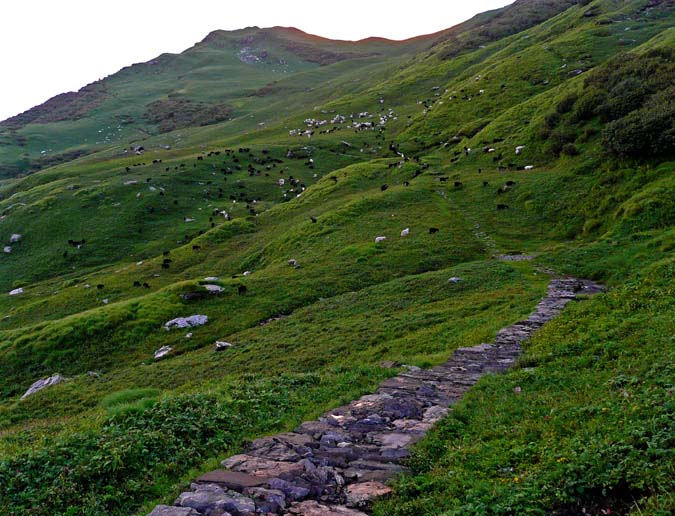
May to June: Best Overall Time to Visit
May and June are among the best months to visit Rudranath and Kalpeshwar together.
The harsh winter begins to recede, mountain routes become more accessible and pilgrimage activity resumes across the Garhwal region.
Why Visit in May and June?
During this period, travelers can generally expect:
- More favorable trekking conditions
- Longer daylight hours
- Better access to seasonal accommodation
- Active pilgrimage movement
- Green mountain landscapes
- Rhododendron and forest scenery
- Easier planning for both temples in one trip
This period is particularly suitable for first-time Rudranath trekkers because the route is less affected by monsoon rain.
Who Should Choose May–June?
This season is suitable for:
- First-time pilgrims
- Beginner Himalayan trekkers with proper fitness
- Families combining Rudranath and Kalpeshwar
- Panch Kedar pilgrims
- Travelers who prefer active pilgrimage season
- Groups seeking more predictable trekking conditions
It can become busier during peak pilgrimage periods, so advance planning is useful.
July to August: Monsoon Season
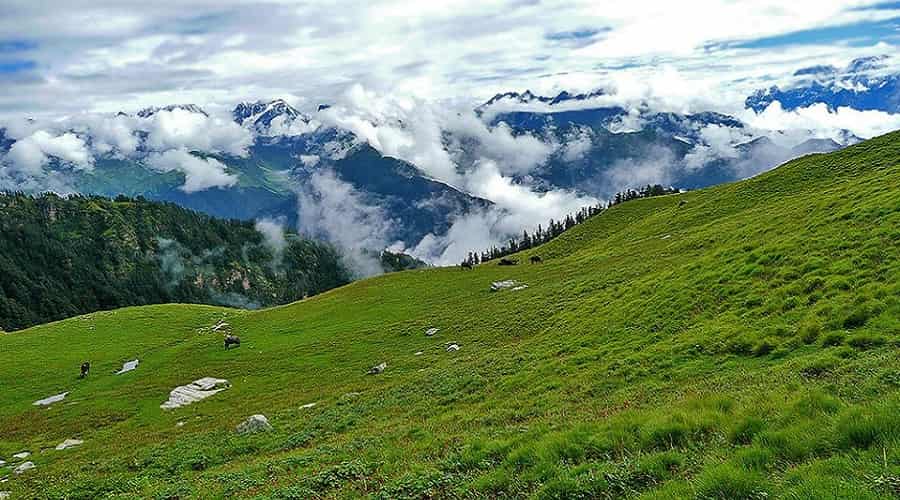
July and August are generally not the preferred months for the Rudranath trek.
Chamoli receives monsoon rainfall during this period, which can affect mountain roads and trekking trails.
Possible challenges include:
- Slippery trekking paths
- Muddy forest sections
- Reduced visibility
- Landslide-related road delays
- Increased travel time
- Leeches in lower forest areas
- Rapid weather changes
The greenery during monsoon can be spectacular, but the visual beauty does not outweigh the additional trekking and road risks for most visitors.
Should You Visit Rudranath During Monsoon?
For first-time trekkers, it is better to avoid planning Rudranath specifically for peak monsoon.
If weather deteriorates, travelers should be prepared to change or postpone the trekking plan rather than forcing the original itinerary.
What About Kalpeshwar in Monsoon?
Kalpeshwar remains accessible for pilgrimage, but reaching the Urgam Valley still depends on mountain road conditions.
Heavy rain can affect roads even when the temple itself remains open.
Therefore, being a year-round temple does not mean travel conditions are equally good throughout the year.
September to October: Best for Clear Himalayan Views
September and October are another excellent time to visit Rudranath and Kalpeshwar.
Once the main monsoon period begins to withdraw, the mountains often experience clearer conditions.
This makes autumn especially attractive for trekkers interested in Himalayan landscapes and photography.
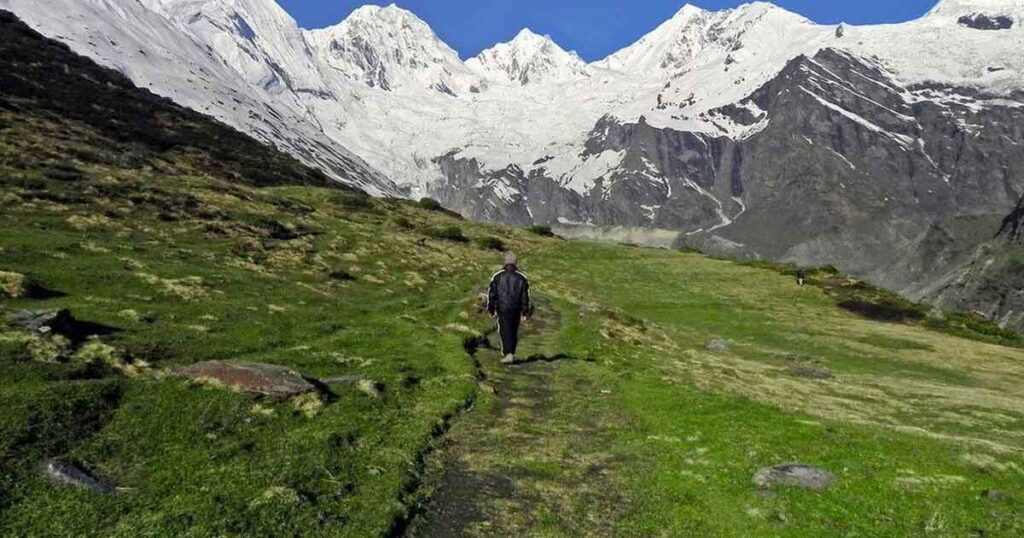
Why Choose September–October?
Advantages can include:
- Clearer post-monsoon skies
- Better Himalayan visibility
- Fresh green landscapes after rain
- More comfortable trekking conditions
- Less monsoon-related trail disruption
- Good conditions for photography
The landscape can be particularly impressive around the bugyals and exposed sections of the Rudranath trail.
Who Should Choose Autumn?
September and October work particularly well for:
- Landscape photographers
- Trekkers seeking clear views
- Pilgrims avoiding peak early-season movement
- Travelers combining both temples
- Groups comfortable with cooler mountain conditions
As October progresses, mornings and evenings become colder, so warmer clothing becomes more important.
November and Winter: Better for Kalpeshwar Than Rudranath
The two temples become very different travel propositions as winter approaches.
Rudranath in Winter
Rudranath should not be treated as a regular year-round trekking destination.
Cold temperatures, snowfall, shorter daylight hours and difficult trail conditions can make the remote trek unsuitable for ordinary pilgrimage travel.
Anyone considering the region outside the normal trekking season should first verify:
- Current temple status
- Snow conditions
- Trail accessibility
- Road conditions
- Local accommodation availability
- Local authority or guide advice
Do not rely on an old blog or video to confirm current winter access.

Kalpeshwar in Winter
Kalpeshwar is different.
According to Uttarakhand Tourism's Panch Kedar information, Kalpeshwar remains open throughout the year.
This makes it one of the better Panch Kedar options for travelers planning outside the main pilgrimage season.
However, winter weather can still affect:
- Roads into Urgam Valley
- Driving conditions
- Temperatures
- Local transportation
- Accommodation availability
Travelers should check road and weather conditions before leaving.
Best Time to Visit Rudranath Temple
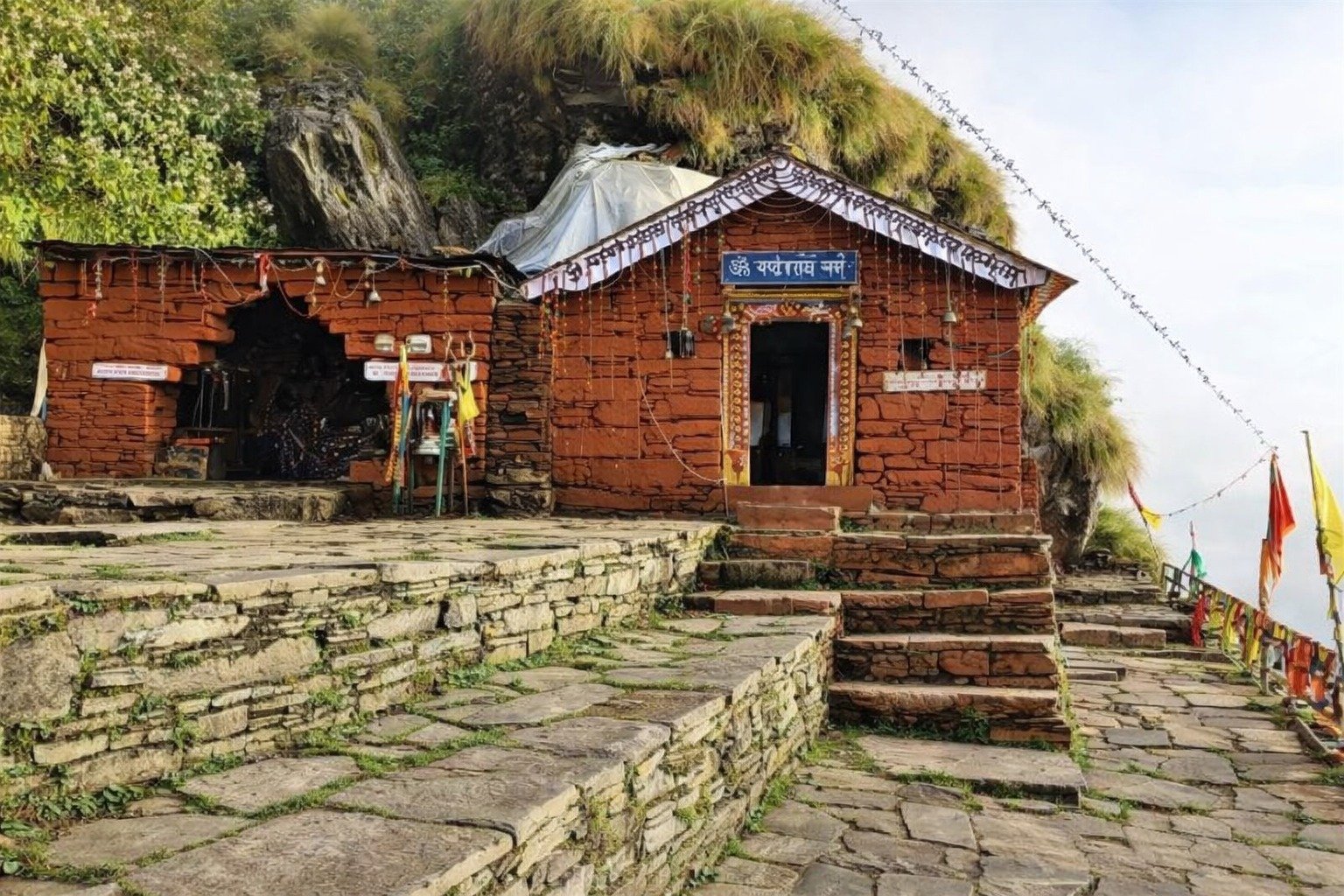
If Rudranath is the main purpose of your trip, prioritize:
First Choice: May to June
Choose this period for a combination of active pilgrimage, favorable trail conditions and relatively comfortable trekking weather.
Second Choice: September to October
Choose autumn if you value clear mountain views, photography and post-monsoon scenery.
Avoid When Possible: Peak Monsoon
July and August can make the already long Rudranath trail considerably more difficult because of rain and slippery conditions.
Rudranath involves a substantial walk from Sagar Village. The Chamoli District Administration currently describes the route as approximately 20 km from Sagar to Rudranath.
For complete destination and practical travel information, read the Rudranath Temple Trek travel guide.
Best Time to Visit Kalpeshwar Temple
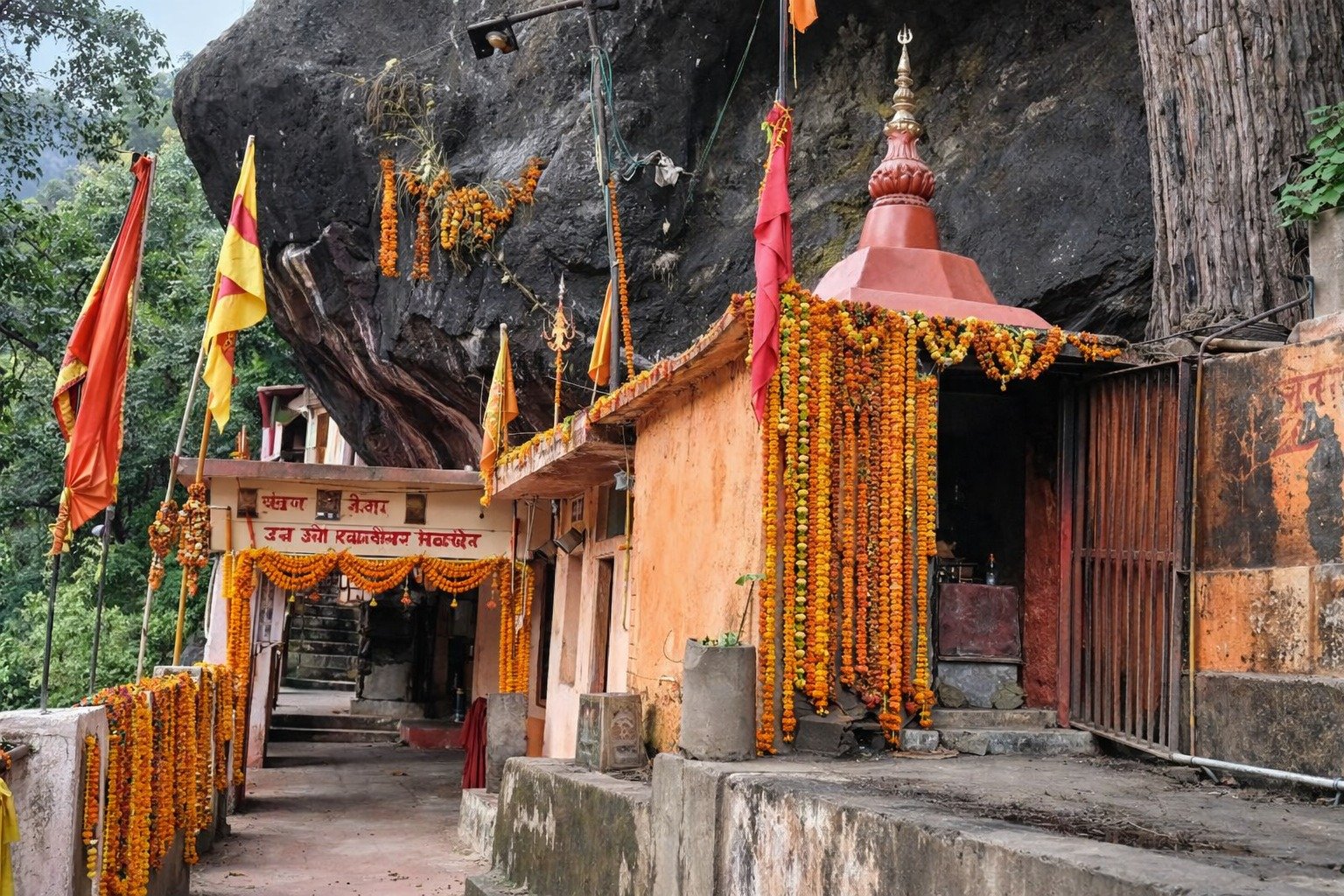
Kalpeshwar offers considerably greater flexibility because it remains open throughout the year.
However, May–June and September–October are still preferable if you are combining Kalpeshwar with Rudranath.
May–June
Good for combining both temples within the same pilgrimage.
July–August
Possible, but monsoon road conditions can affect access through the Urgam Valley.
September–October
One of the best periods for pleasant travel and combining the shrine with Rudranath.
Winter
Kalpeshwar remains a pilgrimage option, but travelers should prepare for cold conditions and confirm road accessibility before departure.
Rudranath or Kalpeshwar: Which Is More Weather-Dependent?

Rudranath is significantly more dependent on seasonal trekking conditions.
The reason is simple: reaching Rudranath involves a long mountain trek.
Kalpeshwar has much easier access from the Urgam Valley side, so weather has less impact on walking distance, although road conditions remain important.
If you want to understand the physical differences between the two journeys, read the Rudranath and Kalpeshwar trek route, distance and difficulty guide.
Best Season According to Your Travel Goal
Different travelers may prefer different periods.
Best for First-Time Trekkers
May to June
Generally better for someone attempting the Rudranath trail for the first time.
Best for Himalayan Views
September to October
Post-monsoon conditions can provide clearer mountain scenery.
Best for Panch Kedar Pilgrimage
May–June or September–October
These periods allow travelers to coordinate Rudranath with other seasonal Panch Kedar shrines more easily.
Best for Kalpeshwar Only
Most of the year, subject to road and local weather conditions.
Best to Avoid for Rudranath
Peak monsoon and severe winter conditions are generally less suitable for ordinary trekkers.
Weather vs Temple Opening Dates: Do Not Confuse the Two
The best time to visit and the official temple opening period are not exactly the same thing.
This article focuses on weather, trekking conditions and seasonal suitability.
Temple opening and closing schedules can change annually and should be verified separately before booking transportation or accommodation.
For that information, use the dedicated Rudranath and Kalpeshwar opening dates and travel updates guide.
This separation is particularly important for Rudranath because a date may technically fall within the broader trekking season while temple-related access or ceremonies follow a specific annual schedule.
What Should You Carry in Different Seasons?

Packing requirements change according to your travel month.
May–June
Carry:
- Light trekking layers
- Warm jacket
- Rain protection
- Trekking shoes
- Sun protection
- Warm cap for evenings
- Water bottle
July–August
Add:
- Reliable rain jacket or poncho
- Backpack rain cover
- Quick-dry clothing
- Extra socks
- Waterproof footwear protection
September–October
Carry:
- Thermal layer
- Fleece or warm jacket
- Windproof outer layer
- Gloves
- Warm cap
- Trekking shoes with good grip
Even during relatively favorable months, Himalayan weather can change quickly.
Check Conditions Before Starting the Trek
Seasonal guidance provides a planning framework, but it should never replace current local information.
Before beginning the Rudranath trek, check:
- Weather forecast
- Sagar-side trail condition
- Road status to Gopeshwar and Sagar
- Temple access
- Accommodation availability
- Local guide recommendations
The Chamoli District Administration's Rudranath Temple page is a useful official source when researching access to the shrine.
For a complete day-wise plan covering both temples, use the Kalpeshwar Rudranath travel guide and itinerary.

Final Words
So, what is the best time to visit Rudranath and Kalpeshwar?
For travelers planning both temples together, May to June and September to October are the strongest overall choices.
May and June are suitable for active pilgrimage and relatively favorable trekking conditions, while September and October are particularly appealing for clearer post-monsoon Himalayan views.
July and August bring additional monsoon risks, especially on the long Rudranath trail. Winter travel is much more suitable for Kalpeshwar, which remains open throughout the year, than for a regular Rudranath trekking journey.
Choose your travel dates according to the temple you want to visit, your trekking experience and current mountain conditions rather than simply selecting the cheapest departure.
For organized transportation, stays, meals and trek support, explore the Kalpeshwar Rudranath Tour Package.
Frequently Asked Questions
1. What is the best time to visit Rudranath and Kalpeshwar?
May to June and September to October are generally the best periods for visiting both temples together because they provide more favorable conditions for the Rudranath trek.
2. Which month is best for Rudranath Temple?
May, June, September and October are among the preferred months. First-time trekkers may find May and June particularly suitable, while autumn is attractive for clearer mountain views.
3. Can Kalpeshwar Temple be visited throughout the year?
Yes. Uttarakhand Tourism identifies Kalpeshwar as the only Panch Kedar temple that remains open throughout the year. Road and weather conditions should still be checked before traveling.
4. Can I visit Rudranath during the monsoon?
Travel may be possible under suitable conditions, but July and August can bring slippery trails, landslides and road disruption. Peak monsoon is generally not recommended for first-time Rudranath trekkers.
5. Is September a good time for Rudranath Trek?
Yes. September can offer greener post-monsoon landscapes and clearer Himalayan views, although current trail and weather conditions should always be checked.
6. Is October good for Rudranath and Kalpeshwar?
October can be an excellent period, particularly earlier in the month. Conditions become colder as the season progresses, so suitable warm clothing is important.
7. Can I visit Kalpeshwar in winter?
Yes. Kalpeshwar remains open throughout the year, including winter. However, snowfall, cold weather or road conditions can still affect the journey through Urgam Valley.
8. Which is the best season for trekking to Rudranath?
Late spring to early summer and the post-monsoon autumn period are generally the most suitable. The long Rudranath trek is more challenging during heavy monsoon rain and severe winter conditions.


