1. How far is Chitkul from Kalpa?
The road distance between Chitkul and Kalpa is about 61–65 km. The drive typically takes between 2.5 and 3 hours, depending on road conditions.
2. What is the best time to visit?
-
For Chitkul, April–June (pleasant weather) and September–October (clear skies and autumn colours) are ideal.
-
For Kalpa, March–June and September–November offer comfortable weather and good views.
3. Are these places accessible in winter?
-
Chitkul: Usually not — heavy snow often blocks roads and most accommodations close.
-
Kalpa: Can be visited, but expect cold, possible snow, and road or transport delays.
4. Which kind of accommodation & food is available?
-
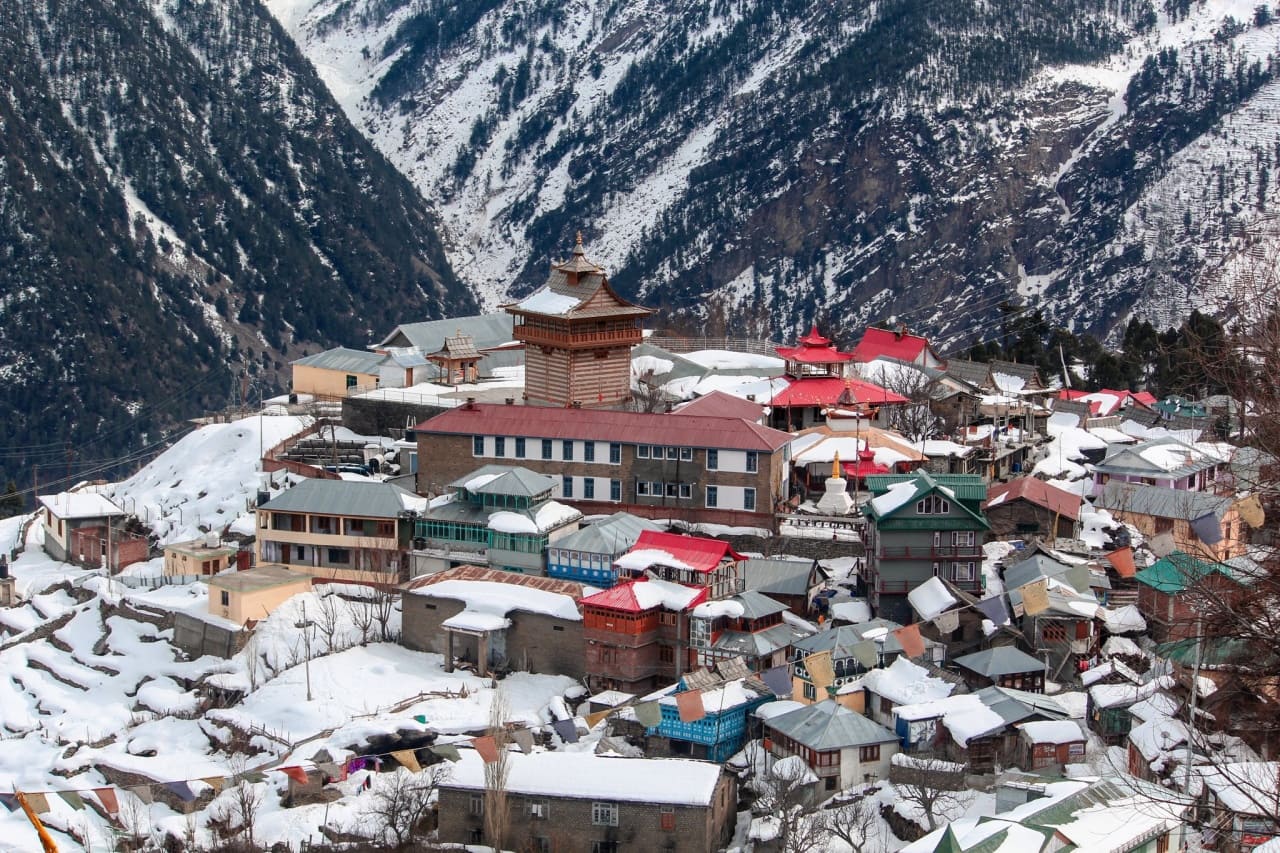
Chitkul: Mostly simple guesthouses or homestays, basic food and limited shops — better to carry essentials.
-
Kalpa: More accommodation choices — cottages, guesthouses, small hotels. Local Himachali / Tibetan-style food + some regular meals are available.
5. What are the main attractions/things to do?
-
Chitkul: Scenic valley views, riverside walks by the Baspa River, traditional wooden houses, short nature walks or easy treks, and local village charm.
-
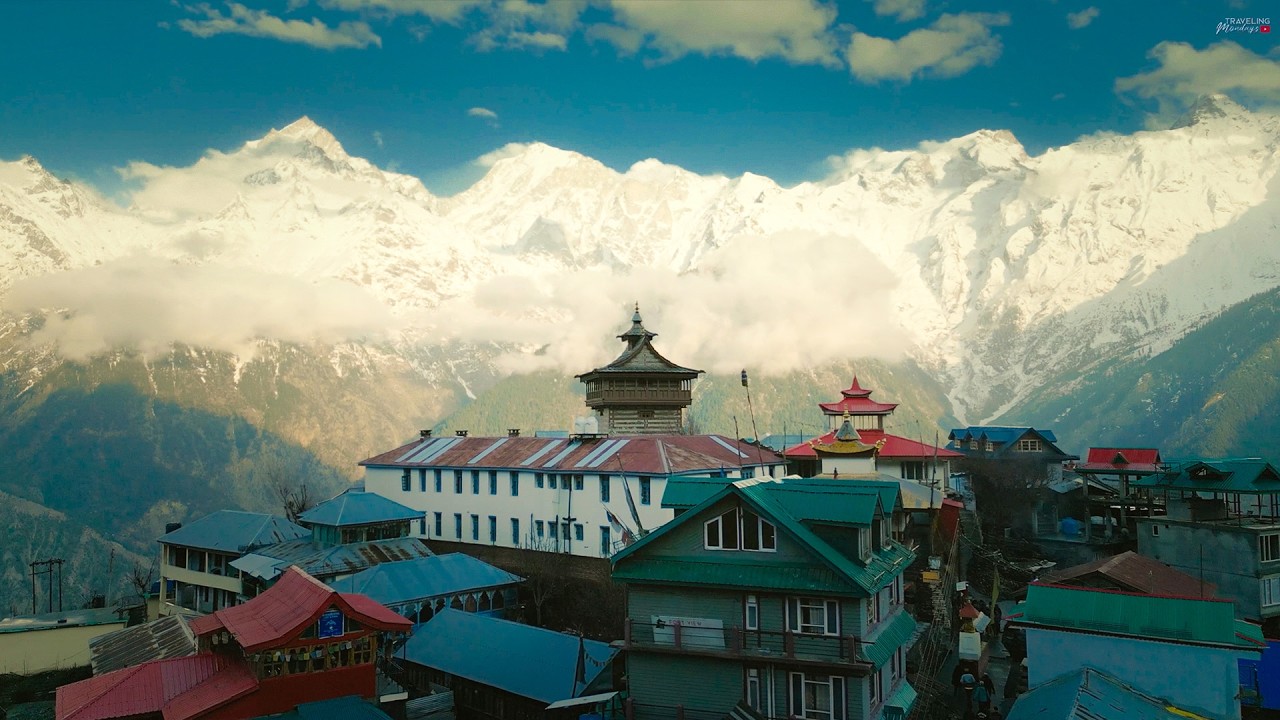
Kalpa: Incredible mountain views — especially of the Kinner Kailash range (sunrise/sunset), apple orchards, walking through villages, old temples/monasteries, calm, relaxed vibe.
6. Is it good for families/couples / solo travellers?
-
Kalpa: Yes — peaceful, fairly accessible roads, comfortable stays — good for families, couples, or solo travellers.
-
Chitkul: More suited for travellers who like remote, rustic places and don’t mind limited amenities — solo travellers or adventure/nature lovers usually enjoy it more.
7. What kind of climate/temperature should I expect?
-
Chitkul: Even summer remains cool (daytime ~5–15 °C); winters are harsh, often below freezing; snow is common.
-
Kalpa: Summers are mild but chilly (day 10–20 °C, nights 5–10 °C). Winters get very cold and snowy.
👉 Tip: Always carry warm clothes — even summers can be cold at night.
8. How difficult is it to reach these places from major cities (Delhi / Shimla)?
Typical route: Delhi → Shimla → then by road to Kalpa / Chitkul (via Reckong Peo, Sangla, etc.). Roads to Kalpa are easier; Chitkul’s last stretch may be rough.
9. Is it safe to travel by public transport / local buses/shared taxis?
Yes — but for Chitkul, after a certain point you might need shared jeeps or taxis (especially from nearby towns), not always direct buses.
For Kalpa, connectivity is better.
10. Is it suitable for trekking, camping or adventure?
Definitely — Chitkul is popular among trekkers for its nature walks, riverside walks, easy/ moderate treks, and camping near the Baspa River.
Kalpa offers more relaxed, scenic experiences — ideal for walking, exploring villages, orchards, and mountain viewpoints.
11. What about local culture, temples or spirituality?
Yes — both places have local Himachali culture.
Kalpa has traditional temples/monasteries and exhibits local architecture & culture.
Chitkul also gives a glimpse of the Kinnauri village lifestyle and old wooden houses.
12. Will I get shops/supplies easily?
-
Kalpa: More shops, supplies and basic amenities are available.
-
Chitkul: Very limited — it’s remote. It’s wise to carry essentials from nearby towns before visiting.
13. Is rain/landslide/monsoon a concern?
Yes, especially during monsoon (July–August) or late monsoon season: landslides or road blockages can happen. So monsoon travel is not recommended.
14. Is there a good chance to see mountains, snow and clear views?
Yes — spring and autumn offer clear skies, good visibility and stunning mountain views (especially from Kalpa).
If you travel in winter and weather permits, snow-covered scenery can be magical — but road & accessibility risk increases.
15. Who should visit Chitkul / Kalpa — what kind of traveller?
-
Chitkul: For adventure lovers, backpackers, trekkers, those seeking raw, offbeat Himalayan beauty.
-
Kalpa: Great for families, couples, relaxed travellers, photographers, those who want calm scenic mountains + cultural vibe.