
25 Rare Flowers Found in Valley of Flowers National Park
Published on June 24, 2026 | Updated on August 28, 2026
Tucked away in the Chamoli district of Uttarakhand, Valley of Flowers National Park is one of India’s most remarkable high-altitude landscapes. Spread across approximately 87 sq km and situated at around 3,600 m, the UNESCO-listed national park is famous for its alpine meadows, Himalayan flora and dramatic monsoon bloom. Uttarakhand Tourism notes that more than 600 species of flowers are associated with the region.
The valley supports exceptional West Himalayan plant diversity. Uttarakhand Tourism reports over 600 species of flowers, including orchids, poppies, primulas, marigolds, daisies and anemones. UNESCO also highlights the park’s internationally important alpine flora, including threatened plant species and several species not recorded elsewhere in Uttarakhand. Read UNESCO’s official Valley of Flowers listing.
"Ready to see these blooms in person? Explore our Valley of Flowers Trek Package and book your monsoon trek with expert local guides."

At TourMyHoliday, our trek leads have walked this valley season after season, watching the blooms shift week by week between July and September. Below is a curated list of 25 rare and remarkable flowers you can spot here — along with what makes each one botanically and culturally significant.
1. Brahma Kamal (Saussurea obvallata)
Brahma Kamal is one of the best-known high-altitude Himalayan flowers and holds strong cultural and religious significance in Uttarakhand. It is particularly associated with high-altitude areas around Hemkund Sahib and other parts of the Garhwal Himalayas.
2. Himalayan Blue Poppy (Meconopsis aculeata)
Its striking blue flowers make it one of the most recognisable alpine blooms associated with the Valley of Flowers, although sightings depend on altitude, location and seasonal flowering conditions.
3. Meconopsis grandis (Himalayan Poppy)
A close relative of the blue poppy, this species produces larger, deeper-hued flowers and prefers slightly more sheltered slopes within the meadows.
4. Saussurea atkinsoni
One of the six globally threatened plant species recorded in the valley, this rare Saussurea variant is found in very limited pockets and nowhere else in Uttarakhand.
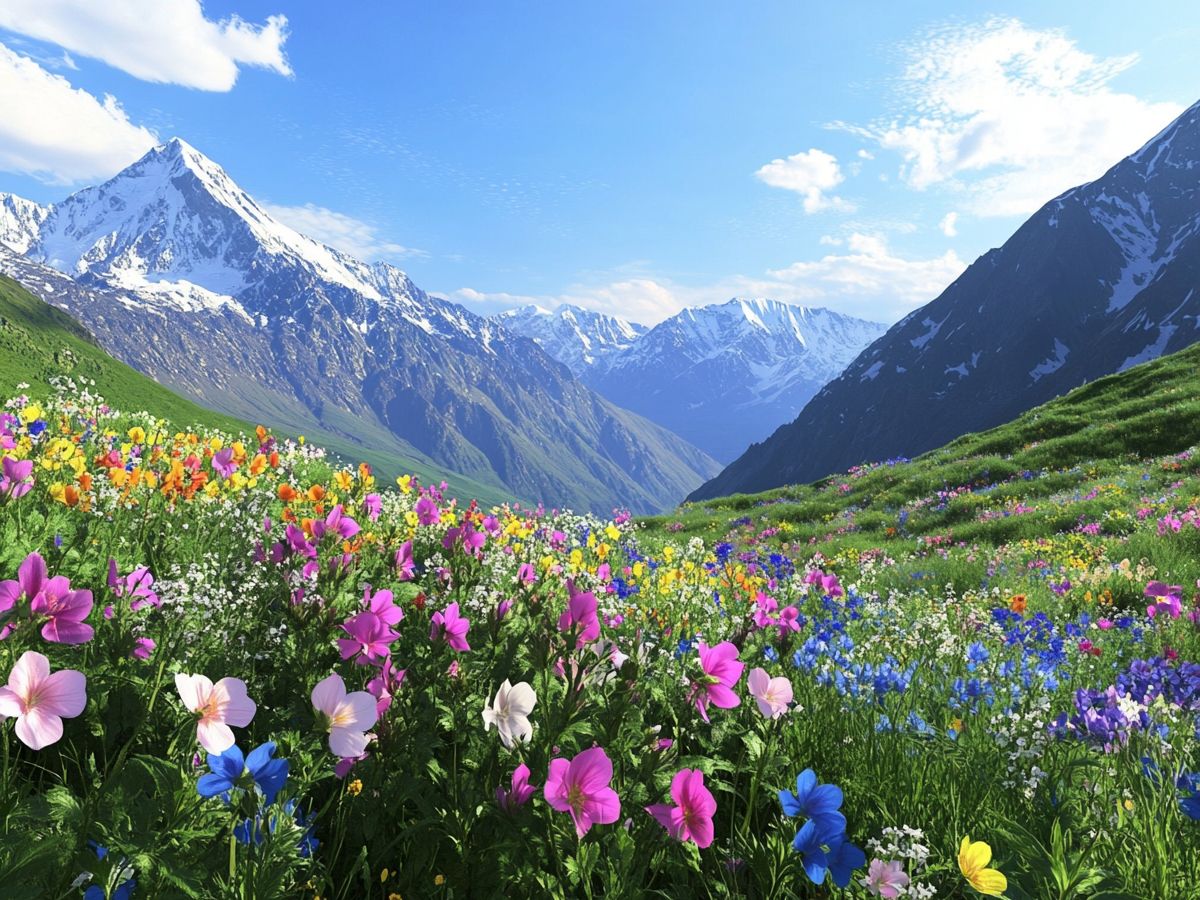
5. Aconitum heterophyllum (Ativisha)
Known in Ayurveda as Ativisha, this flower is as medicinally significant as it is rare, used traditionally to treat fever and digestive ailments. It blooms from July to late September.
6. Aconitum falconeri
A striking, toxic, and rare member of the monkshood family, this species is among the threatened plants unique to the Valley of Flowers ecosystem.
7. Aconitum balfouri
Another rare monkshood variant found almost exclusively here, contributing to the valley's reputation as a refuge for endangered Himalayan flora.
8. Himalayan Maple Blossom (Acer caesium)
While better known as a tree, the Himalayan maple's delicate blossoms are part of the valley's rare flora inventory and a marker of the sub-alpine forest zone.
9. Marsh Marigold (Caltha palustris)
Bright, buttery yellow and found hugging the streams and marshy patches, the marsh marigold adds a cheerful contrast to the cooler-toned alpine blooms around it.
10. Himalayan Edelweiss
Growing in rocky, wind-exposed terrain, the edelweiss is associated with purity and resilience and is considered one of the true symbols of alpine flora across the Himalayas.
11. Dactylorhiza hatagirea (Himalayan Orchid / Salam Panja)
A medicinally prized orchid with pinkish-purple flowers, this species is harvested (under regulation) for traditional medicine, which has made wild sightings increasingly rare.
12. Himalayan Bellflower
Delicate, bell-shaped, and ranging from violet to soft blue, this flower is easy to miss but rewarding to find tucked among taller grasses.
13. Primula species
Carpeting entire patches of meadow in shades of purple, pink, and white, Primulas are one of the most visually dominant — yet still delicate and short-lived — blooms of the season.
14. Gentians
Their deep blue, almost electric petals make gentians stand out against the green meadow floor, particularly in the cooler, higher stretches of the trail.
15. Geranium species (Himalayan Cranesbill)
Found scattered across open meadows, wild Himalayan geraniums bring soft pink and purple hues and are a favourite subject for close-up photography.

16. Potentilla (Cinquefoil)
A hardy, ground-hugging flower with bright yellow petals, Potentilla colonises open, sun-exposed patches and is one of the more frequently spotted blooms.
17. Anemone species
Wild Himalayan anemones, with their simple white-to-mauve petals, are scattered through the meadows and often bloom in clusters near rocky outcrops.
18. Ranunculus (Himalayan Buttercup)
Glossy and golden-yellow, the Himalayan buttercup thrives near moist ground and adds a bright accent to the valley's palette.
19. Corydalis
A lesser-known but striking find, Corydalis produces small tubular flowers in shades of blue and purple and favours shaded, rocky niches.
20. Inula
Recognisable by its daisy-like yellow flower heads, Inula is found in the mid-altitude meadows and is traditionally used in regional herbal remedies.
21. Geum (Himalayan Avens)
A modest but resilient bloom with rounded yellow or orange petals, Geum is often found alongside Potentilla in the open grassy stretches.
22. Lilium (Himalayan Lily)
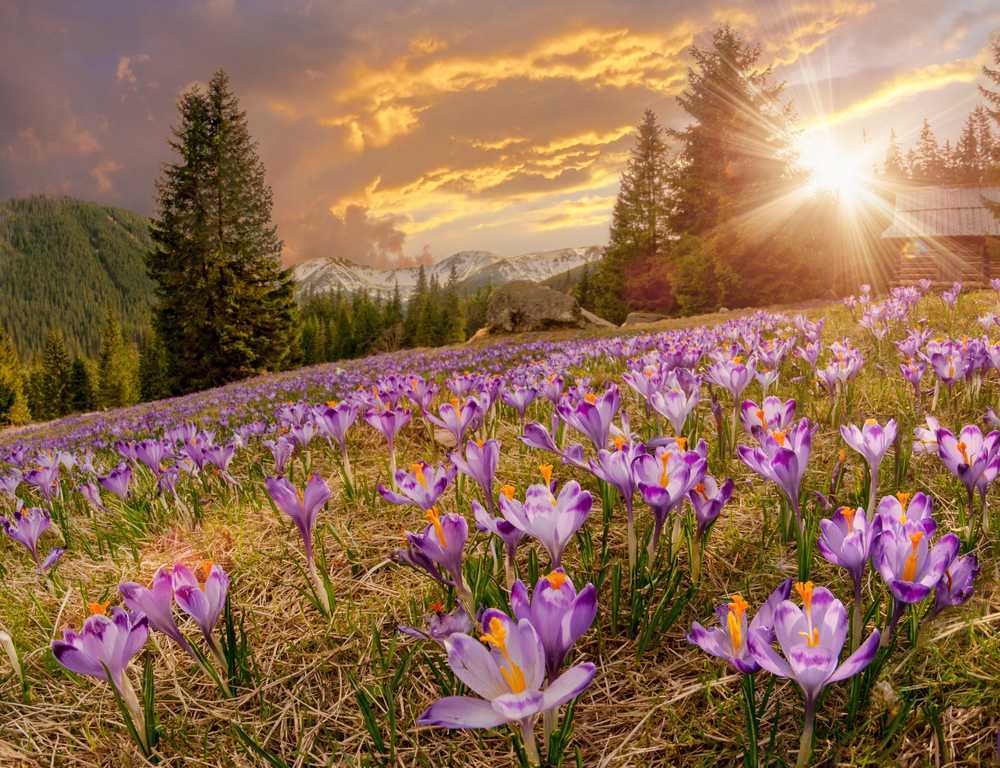
Rare and striking, wild Himalayan lilies appear in isolated patches and are considered a special sighting even by frequent trekkers.
23. Himalayan Knotweed (Bistorta affinis)
Forming dense pink-white clusters across the meadows, this species is one of the more recognisable carpet-forming flowers of the valley, especially near the riverbeds.
24. Riverbeauty (Chamerice / Epilobium species)
Found along the glacial streams, Riverbeauty's pink-purple spikes thrive in the cool, damp microclimate near flowing water.
25. Rhododendron (high-altitude shrub blooms)
While technically a shrub rather than a meadow flower, the valley's rhododendrons — in shades of red and pink — frame the lower trail sections and mark the transition into the sub-alpine forest zone.
"Want to catch the valley at peak bloom? Check our Valley of Flowers Trek Itinerary for the best July–September departure dates."
When to See the Bloom at Its Peak
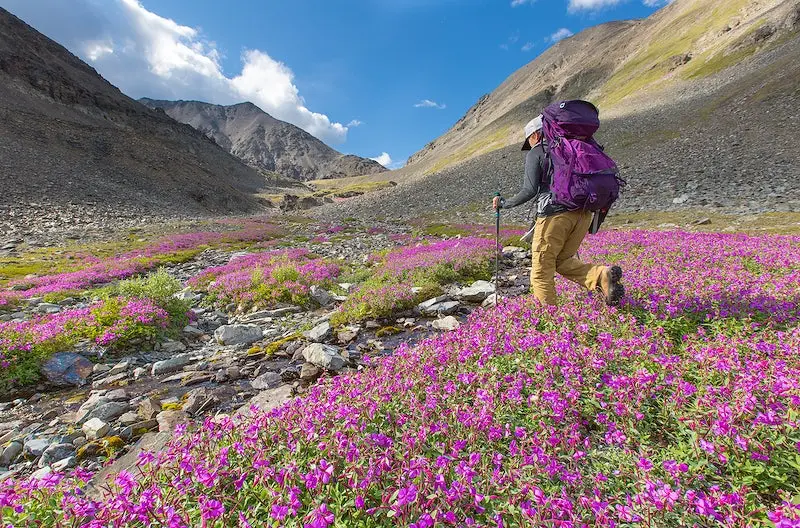
The flowering season runs from roughly May to October, but the peak bloom — when the meadows look genuinely otherworldly — falls between mid-July and early September, right through the monsoon. Different species dominate different weeks: early monsoon brings out the Potentillas and Geraniums, while the Brahma Kamal and Blue Poppy tend to appear later in the season at higher elevations. Because the trail conditions change quickly with rain, trekking with an experienced local team matters as much as timing your visit right.
Why the Valley of Flowers Remains a Botanist's Dream
The Valley of Flowers is scientifically important because of its exceptionally diverse alpine flora and its position within a transition zone of the Western Himalayas. UNESCO notes that the park contains globally threatened plant species, while several species recorded here have not been documented elsewhere in Uttarakhand.
Its protected high-altitude meadows, varied habitats and limited human disturbance help preserve this remarkable botanical diversity. Visitors should stay on permitted trails and avoid disturbing or collecting plants.
Planning Your Trek
A typical journey approaches the region through Govindghat before continuing towards Ghangaria, the main trekking base.
From Ghangaria, the Valley of Flowers National Park is approximately 4 km one way. The Valley visit is completed as a day trek before returning to Ghangaria. Uttarakhand Tourism also identifies Ghangaria as the base for the Valley of Flowers.
Many itineraries also include a separate visit to Hemkund Sahib.
For organised stays, transfers and trekking support, explore the Valley of Flowers Tour Package from Rishikesh.
Frequently Asked Questions
1. Which rare flowers can be seen in the Valley of Flowers?
The Valley of Flowers is known for diverse Himalayan alpine flora, including blue poppies, primulas, anemones, potentillas, geraniums and several species of Saussurea and Aconitum. The exact flowers visible during a visit depend on altitude, rainfall, temperature and the stage of the flowering season.
2. Is Brahma Kamal found in the Valley of Flowers?
Brahma Kamal is one of the best-known high-altitude Himalayan flowers associated with Uttarakhand and the wider Garhwal Himalayas. It is especially associated with higher-altitude areas around Hemkund Sahib. Sightings should not be guaranteed on every Valley of Flowers visit.
3. How many flower species are found in the Valley of Flowers?
Uttarakhand Tourism reports that the Valley of Flowers region supports more than 600 species of flowers, including orchids, poppies, primulas, marigolds, daisies and anemones.
4. Is the Himalayan Blue Poppy only found in the Valley of Flowers?
No. Himalayan blue poppies are not exclusive to the Valley of Flowers. However, the protected high-altitude environment of the national park provides suitable habitat for blue poppies and many other alpine flowering species.
5. When is the best time to see flowers in the Valley of Flowers?
Different species bloom at different stages of the season. July to September generally offers the strongest overall flowering period, although exact bloom intensity changes with rainfall, temperature and seasonal conditions.
For a detailed seasonal guide, read Best Time to Visit Valley of Flowers.
6. How difficult is the trek to see the flowers?
From Ghangaria, the Valley of Flowers is approximately 4 km one way. The route includes uphill, rocky and uneven sections, and trail conditions can become more challenging during rain.
For a detailed assessment, read Is Valley of Flowers a Difficult Trek?.
7. Can I combine Valley of Flowers with Hemkund Sahib?
Yes. Both Valley of Flowers and Hemkund Sahib use Ghangaria as the main trekking base, but they are normally visited on separate days. The Hemkund Sahib route involves a steeper climb and higher altitude, so it should be treated as a separate trekking day.
8. Can visitors pick flowers inside Valley of Flowers National Park?
No. Visitors should not pick, remove or damage flowers or other vegetation inside the protected national park. Stay on permitted trails and follow Forest Department rules to help protect the fragile alpine ecosystem.
9. Are all 25 flowers listed in this guide guaranteed to be visible?
No. Flowering varies by species, altitude, location, rainfall and timing. A flower listed in the guide may occur in the region but may not be in bloom during every visit.
10. Do visitors need a permit to enter Valley of Flowers National Park?
Yes. Entry to Valley of Flowers National Park requires the applicable Forest Department entry permit and fee. Visitors normally explore the valley during the day and return to Ghangaria rather than staying inside the national park overnight.


