
History and Mythology of Har Ki Dun Valley – Legends from the Land of Gods
Published on November 08, 2025 | Updated on August 28, 2026
Har Ki Dun Valley is one of the most fascinating Himalayan valleys of Uttarakhand, known for its breathtaking landscapes, ancient villages and deep connection with mythology and local traditions.
Often called the “Valley of Gods”, Har Ki Dun is not just a trekking destination but a journey through centuries-old stories, Himalayan culture and spiritual beliefs. The valley is associated with legends from the Mahabharata, the Pandavas’ journey towards heaven and the traditional lifestyle of remote mountain communities.
This guide explores the history and mythology of Har Ki Dun Valley, including its legends, cultural significance and the stories that make this trek unique.
For travellers planning the complete trekking experience, explore our Har Ki Dun Trek Package.
The Meaning Behind Har Ki Dun Name
The name Har Ki Dun is commonly interpreted as the “Valley of Gods.” The word “Dun” refers to a valley, while “Har” is associated with Lord Shiva in local interpretations.
The peaceful surroundings, snow-covered peaks, ancient villages and spiritual atmosphere have contributed to Har Ki Dun’s reputation as one of the most culturally significant valleys of the Garhwal Himalayas.
Unlike many Himalayan destinations known only for scenic beauty, Har Ki Dun combines adventure with stories and traditions passed down through generations.

Mythological Connection of Har Ki Dun Valley
Har Ki Dun and the Pandavas Legend
One of the most popular legends associated with Har Ki Dun is its connection with the Pandavas from the Mahabharata.
According to local beliefs, the Pandavas passed through this Himalayan region during their final journey towards heaven, known as Swargarohini Yatra.
The nearby Swargarohini peaks are considered spiritually significant because of their association with this legendary journey.
While these stories are part of local faith and folklore, they remain an important cultural element of the Har Ki Dun experience.
Swargarohini Peaks and Their Spiritual Importance
The Swargarohini mountain range dominates the landscape around Har Ki Dun Valley.
For generations, these peaks have held spiritual importance among local communities because of their connection with ancient Himalayan stories.
The sight of snow-covered peaks rising above forests and valleys is one of the most memorable experiences for trekkers visiting Har Ki Dun.
Osla Village: Ancient Culture and Local Legends
Osla is one of the most famous villages located on the Har Ki Dun trekking route.
The village is known for:
- Traditional wooden houses
- Ancient customs
- Local Himalayan lifestyle
- Unique cultural practices
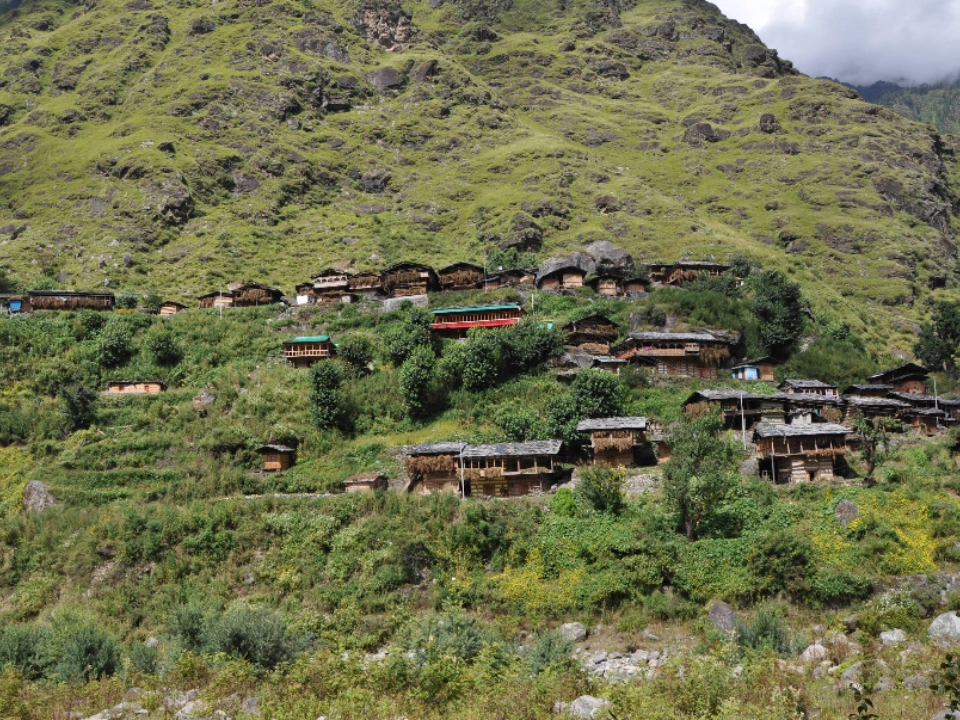
Duryodhana Temple of Osla Village
One of the most unique cultural attractions of Osla is the Duryodhana Temple.
According to local traditions, villagers worship Duryodhana, a character from the Mahabharata. This makes Osla culturally different from many other Himalayan villages.
The traditions of Osla show how ancient stories continue to influence daily life in remote mountain communities.
History and Heritage of Har Ki Dun Region
Har Ki Dun is located in the Govind Pashu Vihar National Park region of Uttarkashi district.
The valley has historically been home to Himalayan communities that depended on:
- Agriculture
- Livestock
- Forest resources
- Seasonal mountain routes
Traditional Himalayan Lifestyle
The villages around Har Ki Dun preserve traditional architecture and lifestyles that have developed over centuries.
The region is not only a trekking destination but also a living example of Himalayan heritage and culture.
Local Culture of Har Ki Dun Valley

The communities around Har Ki Dun have maintained a strong connection with nature and traditional practices.
Travellers can experience:
- Traditional wooden homes
- Local food habits
- Village festivals
- Himalayan hospitality
- Ancient customs
Visitors should respect local traditions and understand that these villages are living communities, not just tourist attractions.
Spiritual Experience During Har Ki Dun Trek
Many trekkers describe Har Ki Dun as a spiritual journey because of the combination of:
- Peaceful forests
- Remote villages
- Himalayan peaks
- Ancient legends
- Quiet mountain surroundings
The trek offers an opportunity to experience the deep connection between Himalayan landscapes, local communities and ancient stories.
Best Time to Experience Har Ki Dun Valley

Har Ki Dun changes its appearance with every season, offering different experiences throughout the year.
Spring and Summer (April to June)
This period offers:
- Pleasant trekking conditions
- Green landscapes
- Blooming vegetation
- Clear mountain views
Autumn (September to November)
Autumn is considered one of the best periods for trekking because of:
- Stable weather
- Clear skies
- Excellent Himalayan views
Winter (December to March)
Winter transforms Har Ki Dun into a snow-covered valley.
However, snow conditions make the trek more challenging and require proper preparation.
For detailed seasonal information, check our Har Ki Dun Weather Guide.
How Har Ki Dun Legends Make The Trek Special
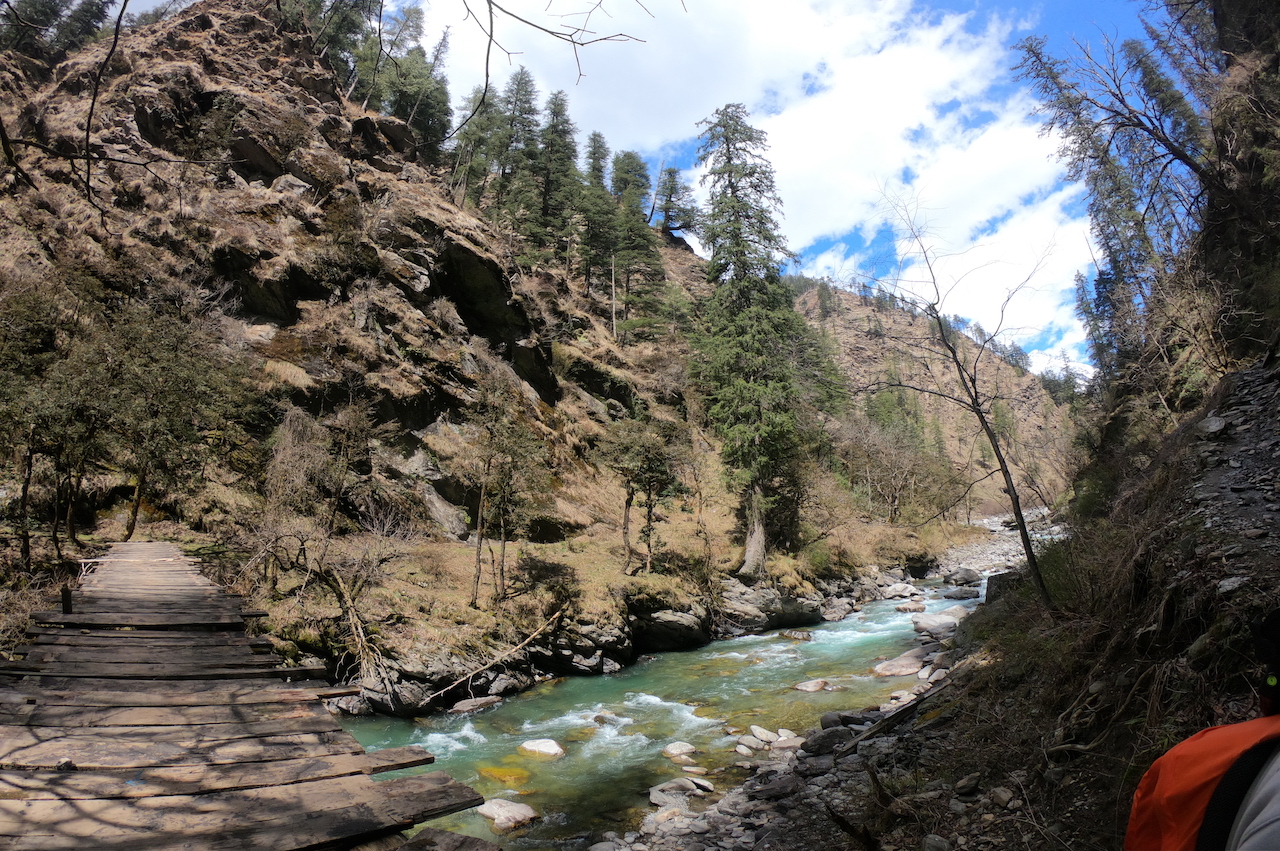
The beauty of Har Ki Dun is not limited to mountains and trekking trails.
Every village, peak and trail carries a story connected with Himalayan history, mythology and local traditions.
The combination of ancient legends, cultural experiences and stunning landscapes makes Har Ki Dun different from regular adventure destinations.
For route planning and transportation details, read our How to Reach Har Ki Dun Valley Guide.
Responsible Travel in Har Ki Dun
Har Ki Dun is a fragile Himalayan ecosystem. Travellers should help protect the valley by following responsible travel practices:
- Avoid littering
- Carry reusable bottles
- Respect local traditions
- Avoid damaging plants and trails
- Support local communities
- Follow trekking guidelines
Preserving the natural and cultural heritage of Har Ki Dun ensures future travellers can enjoy the valley responsibly.
Frequently Asked Questions About Har Ki Dun History & Mythology
1. Why is Har Ki Dun called the Valley of Gods?
Har Ki Dun is popularly known as the Valley of Gods because of its spiritual atmosphere, ancient legends and local beliefs connected with Himalayan traditions.
2. Is Har Ki Dun connected with the Mahabharata?
According to local legends, the Pandavas passed through this Himalayan region during their final journey towards heaven. These stories are part of local folklore and cultural traditions.
3. What is the significance of Swargarohini Peaks in Har Ki Dun?
Swargarohini Peaks hold spiritual importance because local traditions associate them with the Pandavas’ journey towards heaven.
4. Why is Osla Village famous in Har Ki Dun Valley?
Osla Village is famous for its traditional wooden houses, unique Himalayan culture and the locally significant Duryodhana Temple.
5. Is Har Ki Dun only a religious destination?
No, Har Ki Dun is a trekking destination that combines Himalayan adventure, natural beauty, local culture and mythology.
6. What makes Har Ki Dun different from other Himalayan treks?
The combination of ancient villages, mythology, traditional lifestyles and stunning Himalayan landscapes makes Har Ki Dun a unique trekking experience.
Experience The Stories of Har Ki Dun Valley
Har Ki Dun is more than a trekking trail. It is a journey through Himalayan landscapes, ancient villages and stories preserved by generations.
From the legends of the Pandavas to the traditions of Osla village, every part of this valley reflects the deep relationship between people, mountains and mythology.
For travellers looking for a trek that combines adventure with culture, Har Ki Dun remains one of Uttarakhand’s most memorable Himalayan experiences.


