
Madmaheshwar History & Mythology
Published on September 17, 2025
Madmaheshwar Temple is one of the most sacred shrines in Uttarakhand, located in the heart of the Garhwal Himalayas. Standing at an altitude of about 3,289 meters, the temple is surrounded by dense forests, green meadows, and the snow-covered Himalayan peaks, offering both spiritual and natural beauty. It is counted among the five holy shrines of Lord Shiva, known as the Panch Kedar, making it an important destination for pilgrims and trekkers alike.
The temple attracts devotees not only for its religious significance but also for the serene and scenic environment. Pilgrims and travellers often include Madmaheshwar as part of their spiritual journey through the Garhwal region. The Madmaheshwar Temple Trek begins from Ransi village and takes travellers through charming Himalayan trails, passing alpine forests, streams, and peaceful meadows. Along the way, trekkers experience a blend of adventure, tranquillity, and devotion, making the journey as special as the destination itself.
For anyone looking to combine faith with the stunning natural landscapes of Uttarakhand, Madmaheshwar offers a unique experience. Its calm surroundings and spiritual atmosphere make it a must-visit stop on the Panch Kedar pilgrimage, setting the stage for the deeper mythological stories and legends that await in the next sections of the trek.

Mythological Origins of Madmaheshwar
The story of Madmaheshwar Temple is deeply rooted in the epic Mahabharata. After the war, the Pandavas were burdened with guilt for the destruction caused during the battle. They wished to seek forgiveness from Lord Shiva for the lives lost and the sin of killing their own kin. However, Lord Shiva did not wish to forgive them so easily. He took the form of a bull (Nandi) and disappeared into the Himalayas to avoid them.
When the Pandavas followed Him, the divine bull dived underground, and different parts of His body appeared at different places in Uttarakhand. This marked the origin of the Panch Kedar trek, which connects five temples of Shiva—Kedarnath, Tungnath, Rudranath, Kalpeshwar, and Madmaheshwar. At Madmaheshwar, it is believed that Lord Shiva’s navel (Madhya) appeared, making this temple one of the holiest shrines of the circuit.
The Madmaheshwar trek route thus carries not only physical beauty but also deep mythological importance. Pilgrims walk through scenic valleys and alpine meadows with the belief that each step brings them closer to spiritual cleansing and the blessings of Lord Shiva.
Spiritual Symbolism of Madmaheshwar
- Madhya (Navel) of Shiva: Symbolises life force and energy, the centre of existence.
- Pandavas’ Journey: Reflects seeking forgiveness, humility, and devotion.
- Connection to Panch Kedar: Teaches that divinity is spread across nature, not bound to a single place.
- Path of Purification: The trek itself is seen as a way to purify body and soul.
In this way, Madmaheshwar is not just a temple—it is a reminder of the balance between penance, forgiveness, and divine grace, making it a timeless part of Himalayan mythology.
Madmaheshwar in the Panch Kedar Yatra
Madmaheshwar plays a vital role in the Panch Kedar yatra, forming the spiritual bridge between the higher and lower Himalayan temples. Pilgrims often plan their journey to cover all five Kedars, and visiting Madmaheshwar allows them to experience the serene environment and unique cultural heritage of the Garhwal region. Unlike some high-altitude temples, Madmaheshwar is accessible yet remote enough to offer solitude and a sense of connection with nature.
The Madmaheshwar trek in the Garhwal Himalayas is well-known among pilgrims and trekkers for its manageable distance and scenic trail. The trek passes through traditional villages, quiet streams, and colourful meadows, giving travellers a glimpse of local life alongside their spiritual journey. Planning a Madmaheshwar trek itinerary ensures that pilgrims can include rest stops, sightseeing, and smaller shrines on the way, making the experience both comfortable and enriching.
Role in the Panch Kedar Circuit:
- Second Kedar: Acts as a transition point after the higher-altitude Kedarnath trek.
- Connection with Other Kedars: Links Rudranath and Kalpeshwar, helping pilgrims complete the spiritual circuit.
- Balanced Experience: Combines moderate trekking with peaceful meditation spots.
Cultural Significance:
- Local festivals and rituals bring communities together during the pilgrimage season.
- The trek introduces pilgrims to Garhwali hospitality, cuisine, and folk traditions.
- Completing Madmaheshwar along with other Kedars symbolises devotion, perseverance, and a deeper spiritual understanding.
By including Madmaheshwar in a Panch Kedar yatra, devotees not only fulfil religious vows but also enjoy the Himalayan landscapes, local culture, and the sense of accomplishment that comes from completing this sacred circuit.

Legends Associated with the Temple
Madmaheshwar Temple is surrounded by fascinating legends and local folklore that have been passed down through generations. Villagers and pilgrims alike speak of the divine presence in the area, which makes every step of the Madmaheshwar trek feel sacred. Among the most popular stories is that of Nandi Kund, a small sacred pond near the temple, believed to have been created by Lord Shiva himself. Pilgrims often stop here to offer prayers and experience the serene energy that radiates from the water.
Another important legend revolves around Budha Madmaheshwar, the “Old Madmaheshwar” site. According to local tales, this ancient spot was the original location of the temple before it was moved to its present position. The area is considered highly spiritual, and devotees believe that the old temple continues to bless those who visit with devotion and faith.
The role of sages and villagers has been crucial in preserving these traditions. For centuries, local communities have guided pilgrims, maintained paths, and conducted rituals to keep the spiritual practices alive. Their efforts ensure that both the mythology and the cultural significance of Madmaheshwar remain vibrant for future generations.
Key Legends and Beliefs:
- Nandi Kund: Sacred pond created by Lord Shiva, believed to have healing energy.
- Budha Madmaheshwar: Original temple site, holding ancient spiritual significance.
- Village Guardians: Locals and sages preserve rituals, festivals, and sacred paths.
- Spiritual Energy: Every site along the trek is considered infused with divine presence.
The Madmaheshwar trek difficulty is moderate, with some steep sections, but the journey is made meaningful by these legends. Each story enriches the trek, connecting pilgrims to history, devotion, and the vibrant culture of the Garhwal Himalayas.
Architectural and Natural Beauty
Madmaheshwar Temple is not only significant for its spiritual value but also admired for its traditional architecture and breathtaking surroundings. Built using stone and wood, the temple reflects the classic Garhwali style of construction. Its sloping roof, sturdy walls, and intricate carvings blend seamlessly with the surrounding Himalayan landscape, giving visitors a sense of harmony between human craftsmanship and nature.
The approach to the temple is equally mesmerising. The Madmaheshwar trek distance from Ransi village to the temple is approximately 13–14 km, offering trekkers a journey through dense forests, sparkling streams, and wide alpine meadows. As pilgrims walk along the trail, they are treated to panoramic views of snow-capped peaks that seem to touch the sky. The combination of natural beauty and spiritual energy makes the trek a unique and unforgettable experience.
Key Features of the Temple and Surroundings:
- Traditional Stone Architecture: Sloping roof, wooden carvings, and stone walls reflecting Garhwali design.
- Alpine Meadows: Open green spaces along the trek offering rest spots and scenic views.
- Flowing Streams: Freshwater streams crossing the path, adding calmness and natural charm.
- Himalayan Views: Panoramic sights of peaks surrounding the temple for photography and meditation.
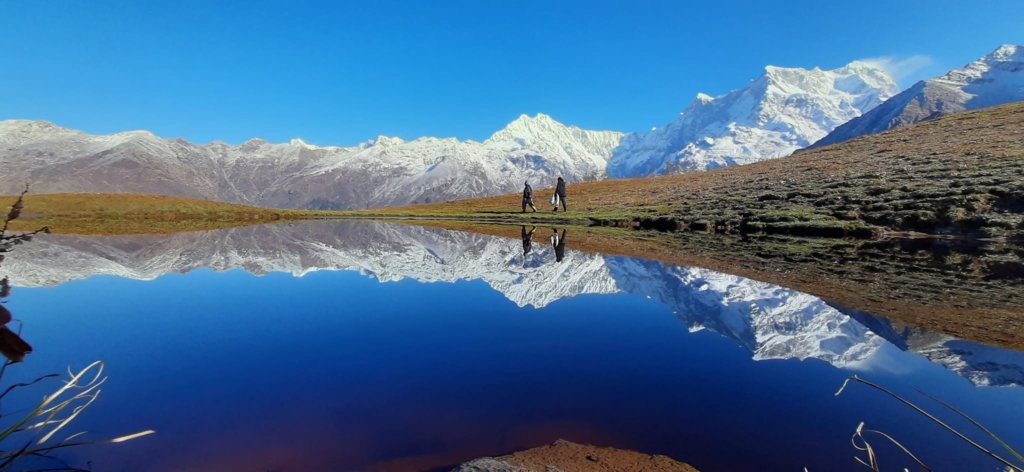
- Budha Madmaheshwar Pond: A sacred pond near the old temple site, reflecting the surrounding mountains and adding to the spiritual ambience.
The natural surroundings enhance the overall pilgrimage, allowing devotees to connect with both the divine and the serene environment. The Madmaheshwar trek distance may seem challenging to some, but the architectural beauty, tranquil meadows, and breathtaking Himalayan scenery make every step worthwhile.

Pilgrimage Traditions and Rituals
Madmaheshwar Temple is not just a site of devotion but also a hub of rich cultural and religious traditions. Daily rituals, seasonal ceremonies, and local customs form an important part of the pilgrim experience. Every day, priests perform regular pujas and aarti, invoking Lord Shiva’s blessings for the devotees who arrive from far and wide. These rituals create a serene and spiritual atmosphere that enhances the journey of the Madmaheshwar temple trek.
The temple remains closed during the harsh winter months due to heavy snowfall, and the deity is moved to the winter seat at Omkareshwar in Ukhimath. This practice allows continuous worship and ensures that pilgrims can continue their devotion even when the main temple is inaccessible. Seasonal festivals and fairs held at the temple attract both locals and visitors, offering a glimpse into Garhwali traditions and community life.
Key Traditions and Rituals:
- Daily Pujas: Regular worship performed by temple priests for pilgrims.
- Seasonal Opening/Closing: Temple opens in the spring and closes before heavy snowfall in winter.
- Winter Seat at Omkareshwar: Devotees can worship the deity even during the winter months.
- Annual Festivals: Local fairs, special prayers, and cultural programs that strengthen community devotion.
- Offerings and Customs: Devotees present flowers, milk, and fruits as part of traditional worship.
Completing the Panch Kedar trek involves visiting Madmaheshwar along with other sacred shrines like Kedarnath, Tungnath, Rudranath, and Kalpeshwar. Observing the local rituals and customs allows pilgrims to connect deeply with the spiritual essence of these Himalayan temples. The traditions not only preserve the sanctity of the pilgrimage but also enrich the overall trekking experience, making every step of the journey meaningful and memorable.
Madmaheshwar in Local Culture
Madmaheshwar is not only a spiritual centre but also a vibrant hub of local culture. The villages along the trek route, such as Ransi and Gaundar, preserve centuries-old traditions, songs, and folklore that reflect the rich heritage of the Garhwal Himalayas. These cultural expressions bring the pilgrimage to life, allowing travellers to experience the region beyond its natural beauty and sacred temples.
Pilgrims often hear Garhwali folk songs sung by villagers or pilgrims themselves, recounting tales of Lord Shiva, the Pandavas, and the Panch Kedar temples. Local legends are shared during rest stops, giving deeper meaning to the journey and connecting visitors with the beliefs and customs of the Himalayan people. The stories of Budha Madmaheshwar, Nandi Kund, and other sacred spots are intertwined with everyday village life, keeping the heritage alive for future generations.
Key Cultural Highlights:
- Folk Songs and Tales: Oral traditions recounting myths, legends, and temple stories.
- Village Life: Ransi, Gaundar, and nearby settlements showcase Garhwali customs and lifestyle.
- Local Festivals: Pilgrims may witness regional festivals, fairs, and devotional events during visits.
- Hospitality: Warm welcomes from villagers, simple meals, and homestays enrich the trekking experience.
- Artisan Crafts: Handicrafts, prayer flags, and local offerings reflect regional creativity.
The Madmaheshwar trek offers more than religious significance; it provides a cultural journey through the Garhwal Himalayas. Experiencing the local lifestyle, customs, and folklore gives pilgrims and trekkers a holistic understanding of the region. By interacting with the locals and observing traditions, travellers not only complete their spiritual journey but also gain lasting memories of Himalayan culture, hospitality, and community warmth.
Madmaheshwar in Local Culture
The Madmaheshwar trek offers more than religious significance; it provides a cultural journey through the Garhwal Himalayas. Experiencing the local lifestyle, customs, and folklore gives pilgrims and trekkers a holistic understanding of the region. By interacting with the locals and observing traditions, travellers not only complete their spiritual journey but also gain lasting memories of Himalayan culture, hospitality, and community warmth.
Significance for Modern Pilgrims
For modern-day travellers, Madmaheshwar is more than just an ancient temple; it is a destination that blends spirituality with adventure and nature. While the temple holds traditional religious importance, today’s pilgrims also appreciate the journey itself—the trek through scenic Himalayan landscapes, interaction with local communities, and the sense of accomplishment upon reaching the sacred site.
Modern pilgrims often approach Madmaheshwar with a mix of devotion, curiosity, and a desire for self-reflection. The temple’s peaceful surroundings offer a break from city life, giving travellers time to meditate, pray, or simply enjoy the natural beauty of the Garhwal Himalayas. The trek also offers physical challenges, making it appealing to adventure enthusiasts and those seeking a holistic spiritual experience.
Why Madmaheshwar Matters Today:
- Spiritual Retreat: A quiet place for meditation, prayer, and self-discovery.
- Adventure and Nature: Trekking through forests, meadows, and mountain trails adds a sense of accomplishment.
- Cultural Connection: Interaction with villagers and exposure to Garhwali customs enriches the journey.
- Accessible yet Remote: Offers a spiritual experience without the extreme difficulty of higher-altitude Kedars.
- Personal Fulfilment: Completing the trek gives pilgrims a sense of purpose, discipline, and inner peace.
In addition, the temple serves as a reminder that spirituality is not confined to rituals alone; it can be experienced in motion, through walking, observing, and connecting with the surroundings. The Madmaheshwar Trek today combines ancient beliefs with contemporary interests, making it meaningful for both devotees and travellers. Whether one seeks a deep spiritual connection, a cultural experience, or an adventurous Himalayan trek, Madmaheshwar continues to inspire and leave a lasting impression on every visitor.
“Ready for a hassle-free spiritual and scenic journey? Book your Madhmaheshwar tour package with TourMyHoliday and let us take care of everything—from guided treks and comfortable stays to all travel arrangements—so you can focus on the adventure and devotion in the serene Uttarakhand Himalayas

Frequently asked questions
1. What is the history of Madmaheshwar Temple?
Madmaheshwar Temple is one of the five sacred Panch Kedar temples dedicated to Lord Shiva. According to Hindu tradition, it was established by the Pandavas after the Mahabharata war to seek Lord Shiva's forgiveness for their sins.
2. Why is Madmaheshwar Temple considered sacred?
The temple is believed to be the place where the navel (Madhya Bhaga) of Lord Shiva appeared in the form of a divine stone. This makes it one of the holiest pilgrimage sites in Uttarakhand and an important part of the Panch Kedar circuit.
3. What is the mythology behind Madmaheshwar?
According to mythology, Lord Shiva disguised himself as a bull to avoid the Pandavas. When Bhima tried to catch him, the bull disappeared into the earth, and different body parts appeared at five locations, which are now worshipped as the Panch Kedar temples. At Madmaheshwar, Lord Shiva's navel is worshipped.
4. Who built the Madmaheshwar Temple?
The exact builder is unknown, but Hindu beliefs state that the Pandavas originally established the temple. Over the centuries, local rulers and devotees have renovated and preserved it.
5. What does the name "Madmaheshwar" mean?
The name Madmaheshwar is derived from "Madhya Maheshwar," meaning the middle form of Lord Shiva. It refers to the sacred navel manifestation worshipped at this temple.
6. Is Madmaheshwar part of the Panch Kedar pilgrimage?
Yes. Madmaheshwar is the second temple in the Panch Kedar pilgrimage after Kedarnath. The five temples include Kedarnath, Madmaheshwar, Tungnath, Rudranath, and Kalpeshwar.
7. Why did the Pandavas visit Madmaheshwar?
After the Mahabharata war, the Pandavas sought forgiveness from Lord Shiva for the loss of lives during the battle. Their search eventually led to the creation of the Panch Kedar temples, including Madmaheshwar.
8. What is Budha Madmaheshwar and why is it important?
Budha Madmaheshwar is a sacred meadow located about 2 km above the main temple. It offers breathtaking views of the Chaukhamba peaks and is believed to be a place where sages meditated. It is also known for the beautiful reflection of the Himalayan peaks in its small pond.
9. Which deity is worshipped at Madmaheshwar Temple?
Lord Shiva is the main deity worshipped at Madmaheshwar. Devotees offer prayers to the naturally formed stone symbolising Shiva's navel and seek blessings for peace, prosperity, and spiritual growth.
10. When is the best time to visit Madmaheshwar Temple?
The temple usually opens in May and closes around October or November before winter. The best time to visit is May to June and September to October, when the weather is pleasant and trekking conditions are ideal.


